


DGL deglycyrrhizinated licorice
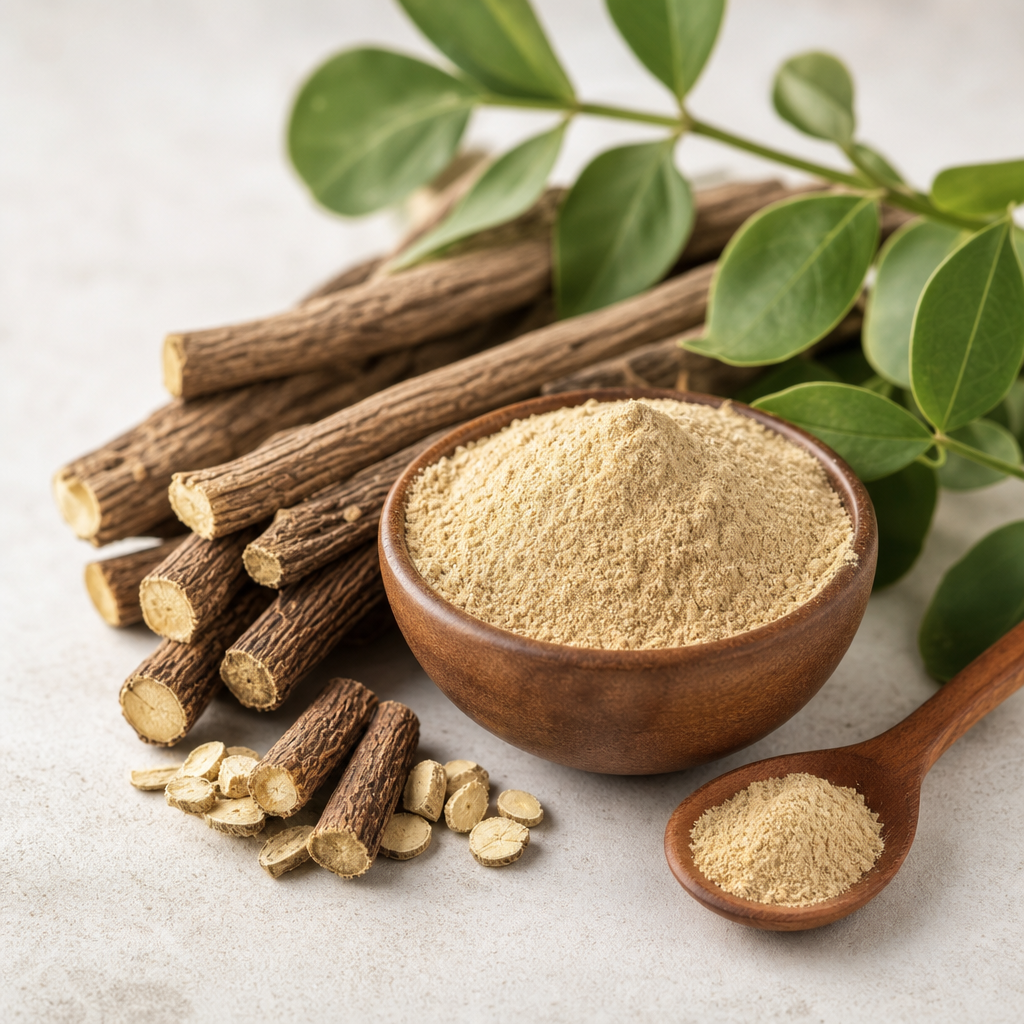
What is DGL?
DGL stands for deglycyrrhizinated licorice, a specialized extract of the licorice plant (Glycyrrhiza glabra). In its natural form, licorice root contains an active compound called glycyrrhizin (or glycyrrhizic acid), which can contribute to increases in blood pressure, fluid retention, and low potassium when consumed in excess. DGL is produced by removing most of the glycyrrhizin while retaining other bioactive flavonoids and polyphenols believed to support the lining of the gastrointestinal tract. Because of this modification, DGL aims to provide the potential digestive benefits of licorice with a significantly lower risk of glycyrrhizin-related side effects.
DGL is not an essential nutrient like vitamins or minerals, and the body does not require it to function. Instead, it is a botanical extract commonly used as a supplement or in topical mouth rinses and lozenges. It is often chosen by people seeking gentle support for the upper digestive tract, including the stomach and esophagus, and by those who prefer non-drug adjuncts for managing symptoms such as occasional heartburn, dyspepsia (indigestion), or oral ulcers. While traditional use of licorice spans centuries, modern DGL products focus on safer, standardized formulations tailored for mucosal support.
Benefits of DGL
-
Adjunct support for peptic ulcers
(Moderate evidence)
Several older clinical studies and contemporary reviews suggest DGL may help soothe the gastric lining and support ulcer healing when used alongside standard care. Proposed mechanisms include enhanced mucus production, improved mucosal blood flow, and anti-inflammatory actions of licorice flavonoids. While DGL is not a standalone ulcer cure—and medical evaluation is essential to address underlying causes such as H. pylori infection—some patients report symptom relief and better comfort with DGL as part of a broader treatment plan.
-
Functional dyspepsia (indigestion) symptom relief
(Moderate evidence)
Randomized trials using standardized, deglycyrrhizinated licorice extracts have found improvements in upper abdominal discomfort, fullness, and early satiety in people with functional dyspepsia. Benefits may stem from DGL’s ability to modulate inflammatory pathways and bolster the gastric mucosal barrier. Effects are typically modest and gradual, and the best results are reported with consistent use for several weeks and in combination with dietary and lifestyle strategies.
-
Heartburn and reflux comfort
(Limited to mixed evidence)
Some users find that DGL lozenges or chewables taken before meals can temporarily ease reflux and burning sensations by coating the esophageal lining. Small clinical and observational reports support this effect, but research quality and consistency vary. DGL may serve as a non-drug adjunct for mild, occasional symptoms; however, persistent or severe reflux warrants evaluation. It should not be considered a replacement for clinically indicated therapies.
-
Support for gastritis and NSAID-related stomach irritation
(Limited evidence)
Because DGL appears to enhance mucosal defenses and downregulate local inflammation, it may help reduce discomfort linked to gastritis or nonsteroidal anti-inflammatory drug (NSAID) use. Human evidence is limited, but mechanistic data support a plausible protective role. Anyone taking NSAIDs regularly should consult a clinician about GI protection strategies, which may include medications, diet changes, and, in some cases, DGL as an adjunct.
-
Oral health: recurrent aphthous ulcers (canker sores)
(Moderate evidence)
Topical DGL (e.g., mouthwashes or patches) has been studied for canker sores, with several small trials showing reduced pain and faster healing versus placebo. This effect likely relates to improved local blood flow, anti-inflammatory activity, and a soothing barrier effect. For many, topical application provides quicker, more targeted relief than swallowing capsules.
-
Potential support against H. pylori
(Preliminary evidence)
Laboratory studies suggest licorice flavonoids may inhibit Helicobacter pylori adhesion and growth. While intriguing, human evidence specific to DGL is limited and should be considered preliminary. When H. pylori is present, guideline-based medical treatment remains the standard of care; DGL may be discussed with a clinician as a potential adjunct, not a substitute.
Types or Forms Available
- Chewable tablets or lozenges: Common for upper GI support because they dissolve slowly and make direct contact with the mouth, esophagus, and stomach lining. Products should clearly state “deglycyrrhizinated” and typically specify very low glycyrrhizin content (often under 1%).
- Capsules or tablets (swallowed): Convenient but may be less effective for esophageal symptoms because they provide shorter mucosal contact. Some users open capsules and mix the powder with a small amount of water to create a slurry for better coating.
- Powders and mouth rinses: Popular for canker sores. A measured amount of DGL powder is dissolved in warm water and used as a swish-and-spit rinse to target lesions directly.
- Standardized extracts: Some DGL products are standardized to specific flavonoids (e.g., glabridin) and to low glycyrrhizin levels. Standardization helps with dose consistency and may improve predictability of effects.
- Combination formulas: DGL may be combined with demulcents (e.g., slippery elm, marshmallow root), zinc-carnosine, or mastic gum. While combinations can be convenient, they may complicate identifying what is helping and can increase the chance of interactions.
How to Use DGL
There is no single universal dosing standard for DGL, and product strengths vary. Follow the product label and your clinician’s advice. The following ranges reflect common practice and research-use patterns:
- Common dosage range: For chewables/lozenges, 300–500 mg per dose, taken 2–4 times daily. For ulcer or significant dyspepsia support, some protocols use up to 380–760 mg per dose, 20 minutes before meals and at bedtime for 4–8 weeks. For topical use in canker sores, 200–400 mg DGL powder dissolved in 100–200 mL warm water as a mouth rinse, swished for 2–3 minutes and spat out, 2–4 times daily. Avoid megadoses and long-term continuous use without medical guidance.
- Best timing: Often taken 15–30 minutes before meals and, if needed, at bedtime. This timing may help create a soothing coating ahead of food intake and overnight acid exposure.
- How to take it: Chewables and lozenges should be allowed to dissolve slowly for better mucosal contact. If using capsules, consider taking with a small amount of water; to enhance coating, some people open the capsule and mix the powder into a slurry. Separate DGL from prescription medications by at least 2 hours because mucosal-coating agents may affect drug absorption.
- Consistency: For ongoing issues like functional dyspepsia, consistent daily use for several weeks is typically needed to assess benefit. For occasional heartburn or canker sores, use may be intermittent. Reevaluate regularly and seek medical care if symptoms persist, worsen, or include red flags (unintentional weight loss, anemia, black stools, vomiting blood, or difficulty swallowing).
Food Sources and Supplement Options
DGL is not naturally present in foods. It is a modified extract derived from licorice root, with most glycyrrhizin removed to reduce side effects. The natural source is the Glycyrrhiza glabra plant (and related species). Importantly, black licorice candy is not the same as DGL; many candies contain glycyrrhizin and may raise blood pressure or lower potassium when consumed in excess.
Because DGL is an extract, it is primarily available as a supplement in chewable tablets, lozenges, capsules, or powders, and as ingredients in mouth rinses or patches. Supplementation may make sense for people seeking targeted, short- to medium-term support for upper GI comfort or oral ulcers, particularly when dietary changes alone are insufficient. Whole-food strategies—such as eating fiber-rich plants, fermented foods, and balanced meals—support overall digestive health and provide additional nutrients, while DGL offers a more focused, short-term tool. When choosing supplements, look for products that clearly state “deglycyrrhizinated,” specify low glycyrrhizin content (often under 1%), and ideally are third-party tested for purity and potency.
Who May Benefit from DGL?
- Adults with mild, occasional heartburn or reflux who want a non-drug adjunct for symptom comfort.
- People with functional dyspepsia (indigestion) interested in supportive measures alongside diet and lifestyle approaches.
- Individuals experiencing recurrent canker sores who want a topical option to help reduce pain and speed healing.
- Those using NSAIDs who, with clinician guidance, want to explore non-drug adjuncts for stomach comfort.
- People not tolerating or wishing to minimize certain acid-suppressing medications under medical supervision. DGL should not replace prescribed therapy without clinician involvement.
Side Effects and Considerations
- Glycyrrhizin-related risks are lower but not zero: DGL removes most glycyrrhizin, but product quality varies. Trace amounts may remain. Choose products that clearly state deglycyrrhizinated licorice with very low glycyrrhizin content. People with hypertension, heart disease, kidney issues, or a history of low potassium should be especially cautious and consult a professional.
- Possible side effects: Generally mild when they occur, including nausea, bloating, or changes in bowel habits. Lozenges may contain sugars or sugar alcohols that can affect digestion or dental health.
- Medication interactions: Although much safer than whole licorice, caution is prudent with diuretics, corticosteroids, blood pressure medications, antiarrhythmics, anticoagulants, and drugs sensitive to changes in absorption. Separate DGL from oral medications by at least 2 hours, and consult a clinician if you take prescription drugs.
- Hormone-sensitive conditions: Licorice compounds can have phytoestrogenic and enzyme-modulating effects. The relevance for DGL is uncertain but warrants caution in hormone-sensitive conditions (e.g., certain breast, uterine, or ovarian conditions) and for those on related therapies.
- Pregnancy and breastfeeding: Safety data for DGL in pregnancy or lactation are insufficient. Avoid use unless a qualified healthcare professional advises otherwise.
- Children and adolescents: Limited evidence for routine use. Dosing and safety should be guided by a pediatric clinician if considered.
- Allergies and sensitivities: Licorice belongs to the legume family. Individuals with known allergies to legumes or herbal extracts should use caution and monitor for reactions.
- Underlying conditions and red flags: Persistent heartburn, pain, unexplained weight loss, anemia, vomiting blood, black or tarry stools, or difficulty swallowing require prompt medical evaluation. DGL should not delay diagnosis or appropriate medical treatment.
- Quality and contamination: Select reputable brands with third-party testing (e.g., USP, NSF, Informed Choice) to reduce the risk of adulteration, inconsistent deglycyrrhizination, or contaminants.
- Duration of use: Many people use DGL for 4–8 weeks to assess benefit and then re-evaluate. Long-term continuous use should be discussed with a healthcare professional.
Common Myths About DGL
- DGL is the same as licorice candy. Candy often contains glycyrrhizin and can raise blood pressure or lower potassium if consumed in excess. DGL is a specialized extract with glycyrrhizin mostly removed and is formulated for therapeutic use, not confectionery.
- DGL cures ulcers on its own. While DGL may support mucosal healing and comfort, ulcers frequently have underlying causes like H. pylori infection or NSAID use that require medical treatment. DGL is best considered an adjunct, not a replacement for guideline-based care.
- DGL has no side effects because the “harmful” part is removed. Removing glycyrrhizin lowers risk, but side effects and interactions are still possible, and product quality varies. Sensitive populations and those on medications should use DGL with professional guidance.
- DGL can replace PPIs or H2 blockers for GERD. Evidence for DGL in reflux is limited and mixed. Some people find symptom relief, but medications may still be necessary for many. Any medication changes should be made with a clinician’s supervision.
Conclusion
DGL is a deglycyrrhizinated licorice extract designed to provide the potential soothing benefits of licorice for the digestive and oral mucosa with a lower risk of glycyrrhizin-related side effects. Research supports its role as an adjunct for functional dyspepsia, peptic ulcer support, and canker sores, with more limited or mixed evidence for heartburn and gastritis. It works best as part of a comprehensive plan that includes medical evaluation when needed, dietary adjustments, and lifestyle strategies.
Those who are pregnant or breastfeeding, managing chronic conditions, taking medications, or considering long-term use should consult a healthcare professional before starting DGL. When supplementing, choose high-quality, clearly deglycyrrhizinated, third-party tested products and avoid megadoses. Because DGL is not an essential nutrient and is not present in foods, it serves as a targeted supplement rather than a food-first strategy; whole foods remain foundational for overall gut health, while DGL may offer focused, short-term support for specific symptoms.
Want a nutrition plan with recipes adapted to your goals?
Build a personalized plan with meals and recipe ideas that fit your lifestyle, preferences, and nutrition goals.
Create My Nutrition Plan →