Adaptogens are natural compounds found in certain herbs and botanicals that help the body adapt to stress, restore balance, and enhance resilience. Unlike stimulants, adaptogens work by regulating the body's response to physical, mental, and emotional stressors, promoting sustained energy and overall well-being. These powerful plants, such as ashwagandha, rhodiola, and ginseng, support adrenal function, hormone balance, and cognitive clarity while reducing fatigue and anxiety. By integrating adaptogens into daily wellness routines, individuals can improve their stress response, enhance focus, and maintain long-term vitality in an increasingly demanding world.
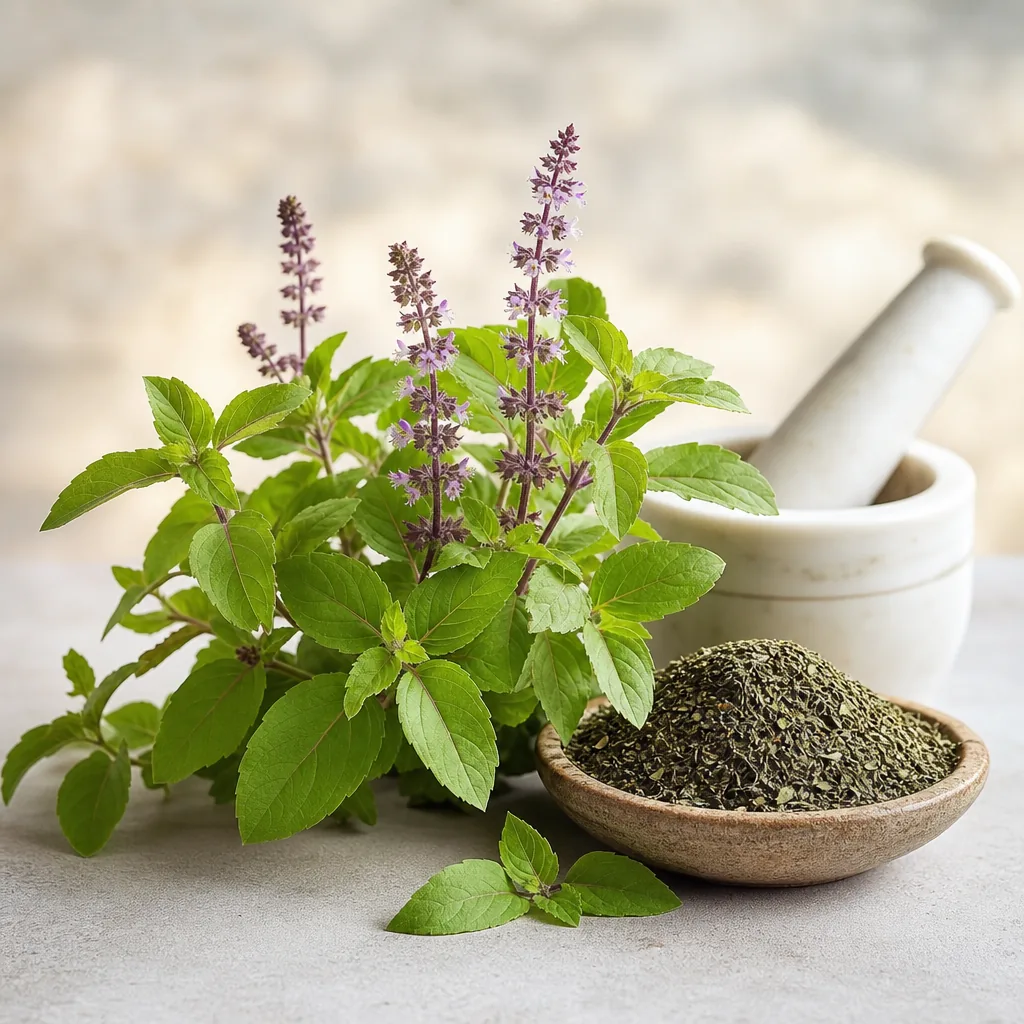
What is Holy Basil? Holy basil (Ocimum tenuiflorum or Ocimum sanctum), commonly called tulsi, is a fragrant herb in the mint family long used in Ayurveda,…
Read more
What is Cordyceps? Cordyceps refers to a group of parasitic fungi best known from traditional East Asian medicine. Historically, the most famous species w…
Read more
What is Gaba? GABA (gamma-aminobutyric acid) is a naturally occurring inhibitory neurotransmitter found throughout the human nervous system. It helps “cal…
Read more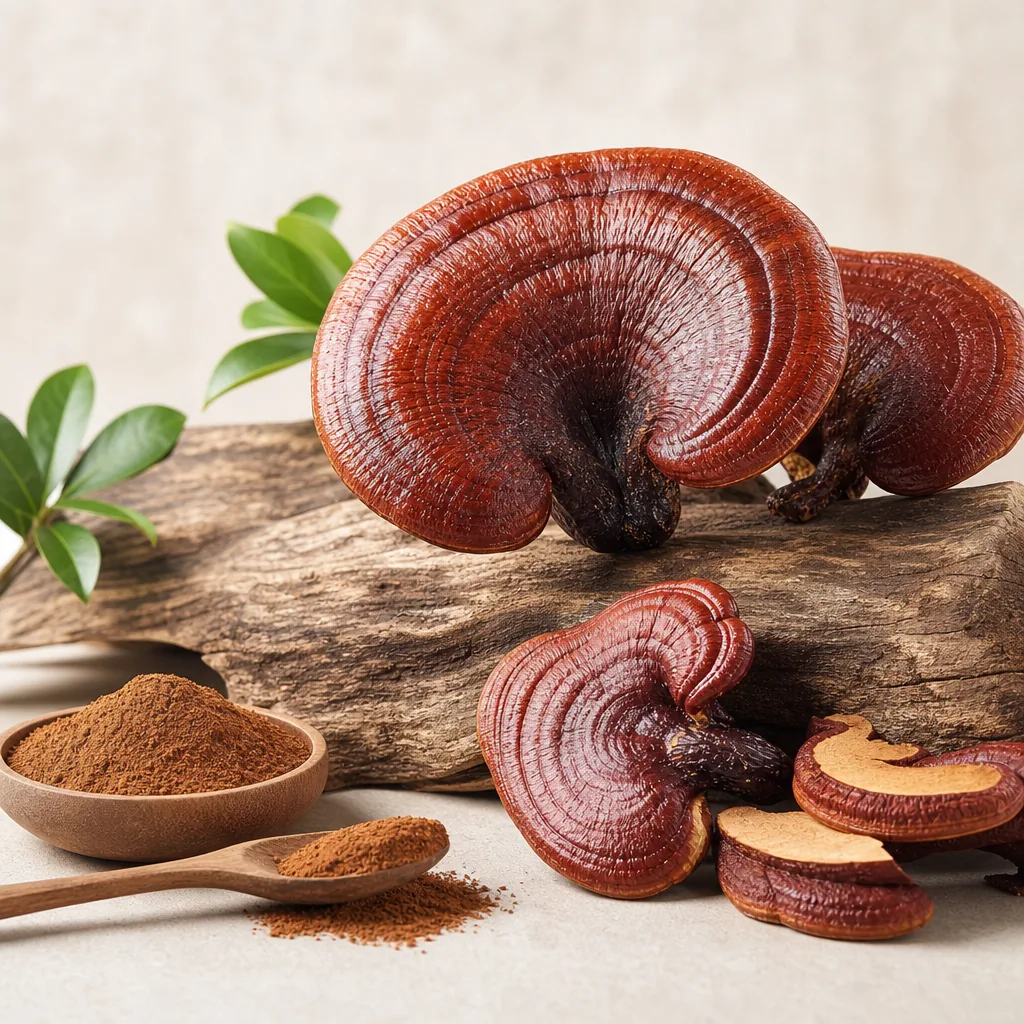
What is Reishi? Reishi (Ganoderma lucidum), also known as lingzhi, is a woody, bitter-tasting medicinal mushroom long used in East Asian traditions. It ty…
Read more
What is Shilajit? Shilajit is a tar-like, mineral-rich exudate that seeps from rocks in high mountain ranges such as the Himalayas, Altai, and Caucasus, f…
Read more
What is Maca? Maca (Lepidium meyenii) is a hardy cruciferous root vegetable native to the high Andes of Peru, traditionally consumed as a food and used in…
Read more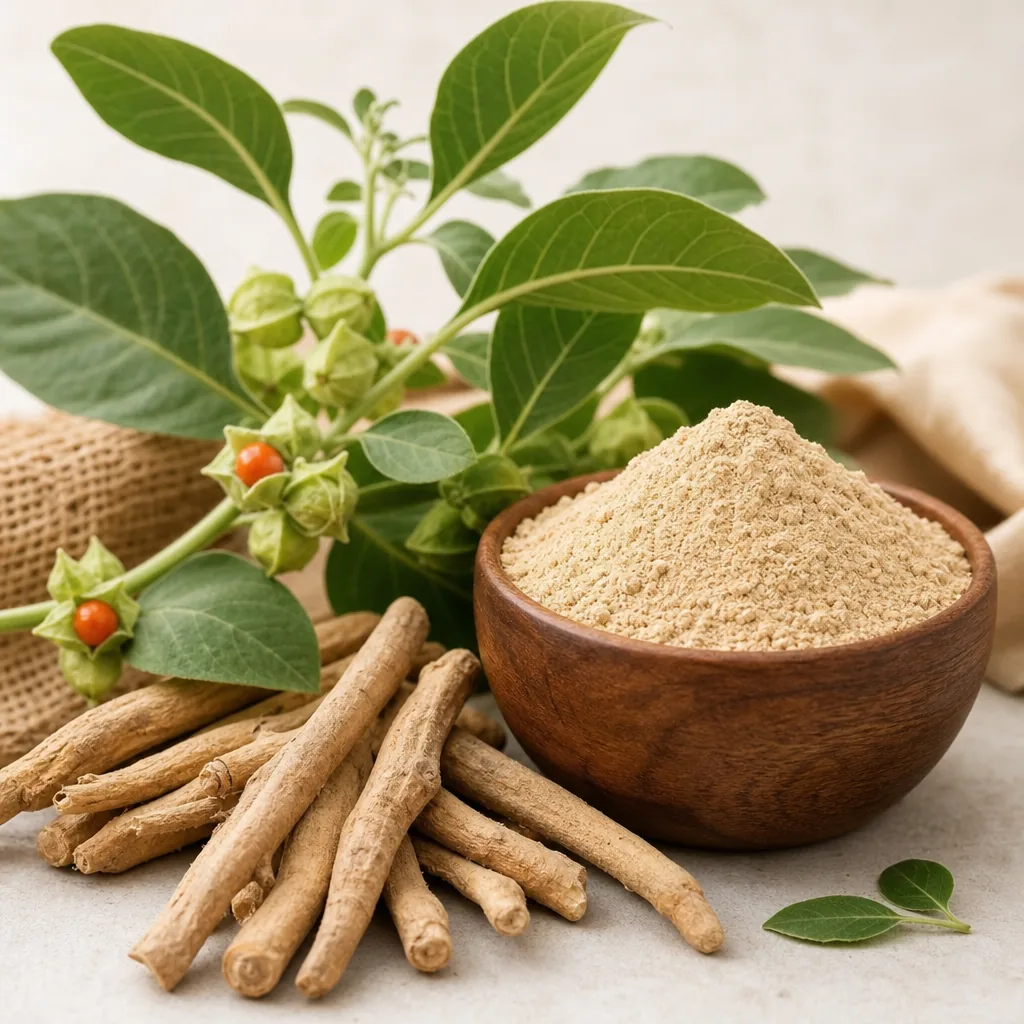
What is Ashwagandha? Ashwagandha (Withania somnifera) is a small shrub in the nightshade family traditionally used in Ayurvedic practice as a Rasayana—an …
Read more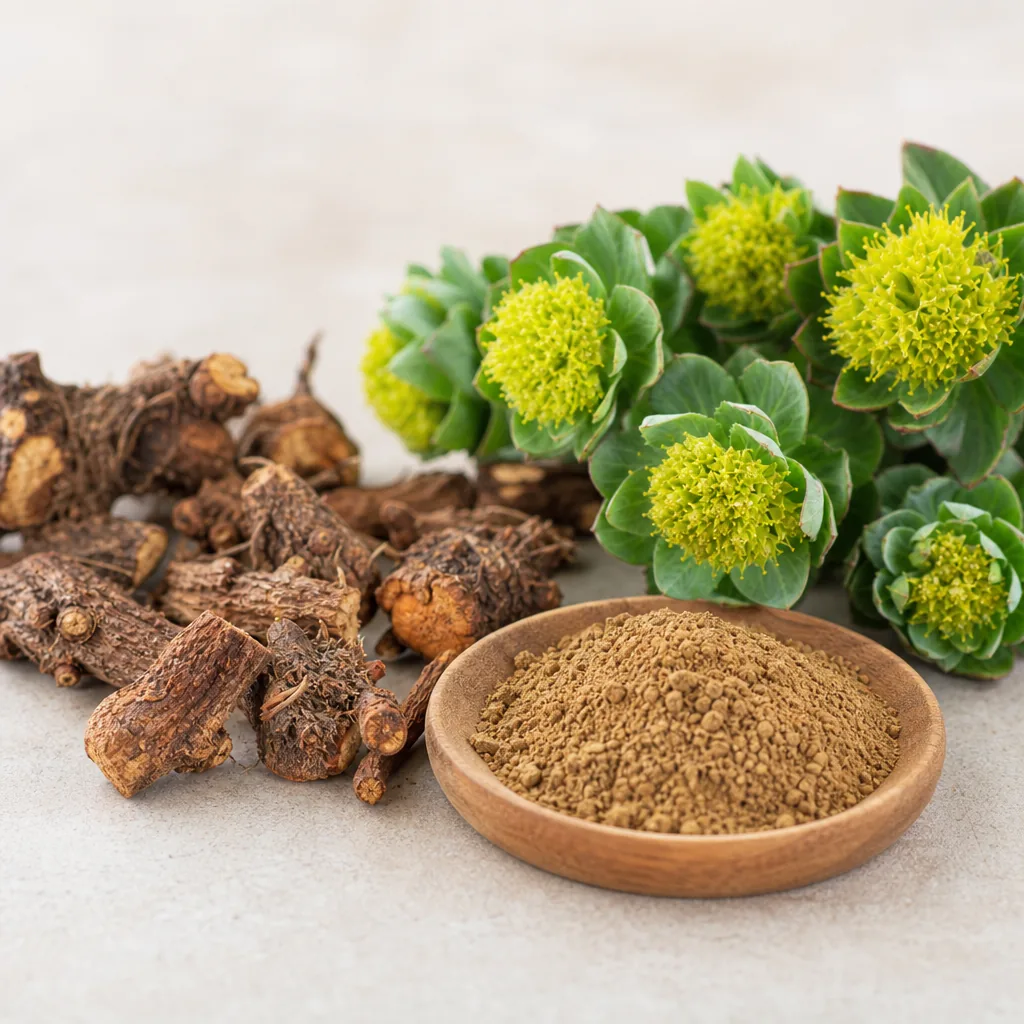
What is Rhodiola Rosea? Rhodiola rosea is an adaptogenic herb traditionally used in Northern and Eastern Europe and parts of Asia to help the body cope wi…
Read more