Welcome to Learn — your central library of evidence-based guides across our supplement and wellness categories. Browse clear, practical overviews with benefits, how-to-use tips, and science-backed insights for each topic. Start exploring categories like Functional Mushrooms, Beauty & Skin Care, Energy, Greens & Superfoods, Gut & Digestion and more.

Beauty and skin health go beyond aesthetics—they are reflections of overall well-being. The skin, the body's largest organ, acts as a protective barrier while also playing a vital role in temperature regulation, hydration, and immune defense. Healthy skin relies on a balance of hydration, essential nutrients, and cellular regeneration to maintain its elasticity, radiance, and resilience. Factors like diet, stress, environmental exposure, and aging influence skin health, making proper care essential. True beauty stems from within, supported by a combination of nourishing foods, hydration, skincare routines, and overall wellness. When…
View All Articles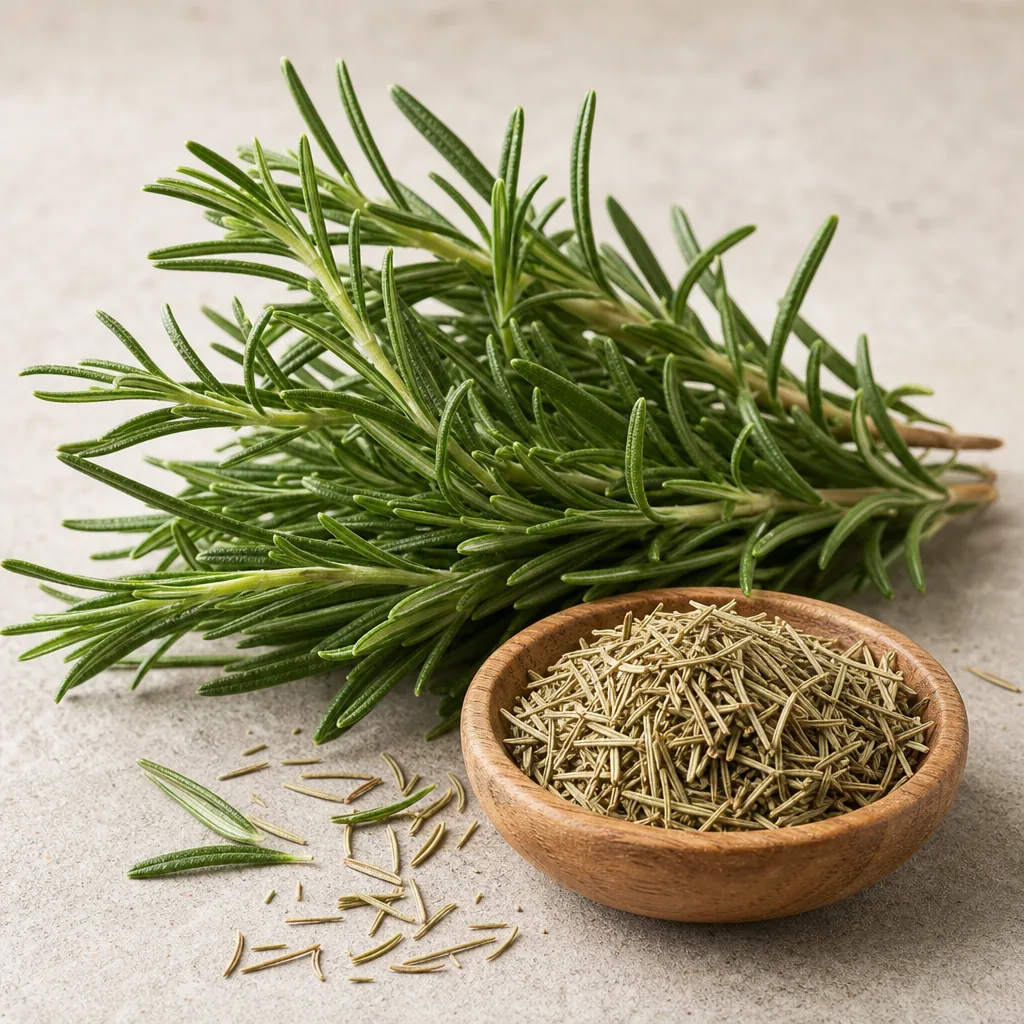
What is Rosemary Leaf? Rosemary leaf comes from the evergreen shrub Salvia rosmarinus (formerly Rosmarinus officinalis), a Mediterranean herb in the mint …
Read more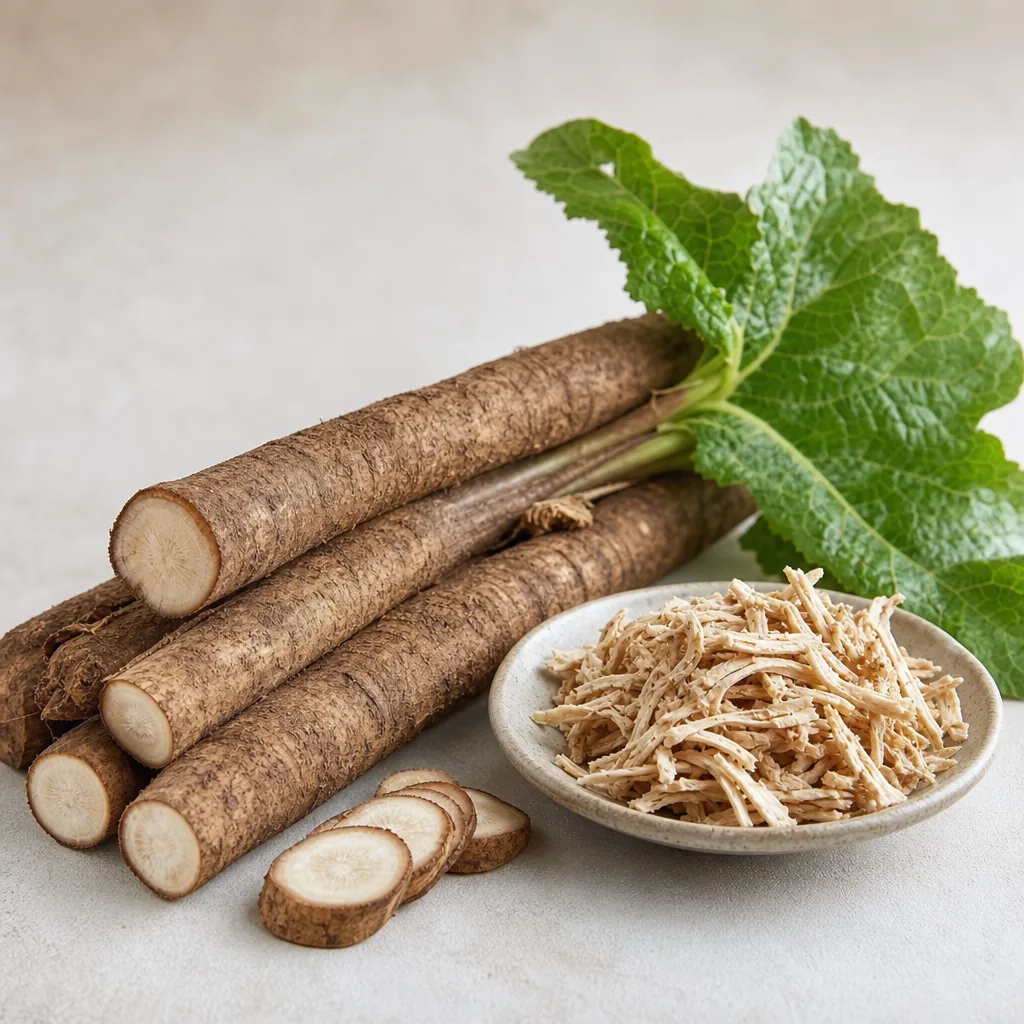
What is Burdock? Burdock (Arctium lappa and related Arctium species) is a hardy biennial plant in the Asteraceae family, long used in European folk medici…
Read more
What is Paba? Para-aminobenzoic acid (PABA) is a small organic compound that sits at the crossroads of microbiology and nutrition. It is sometimes mislead…
Read more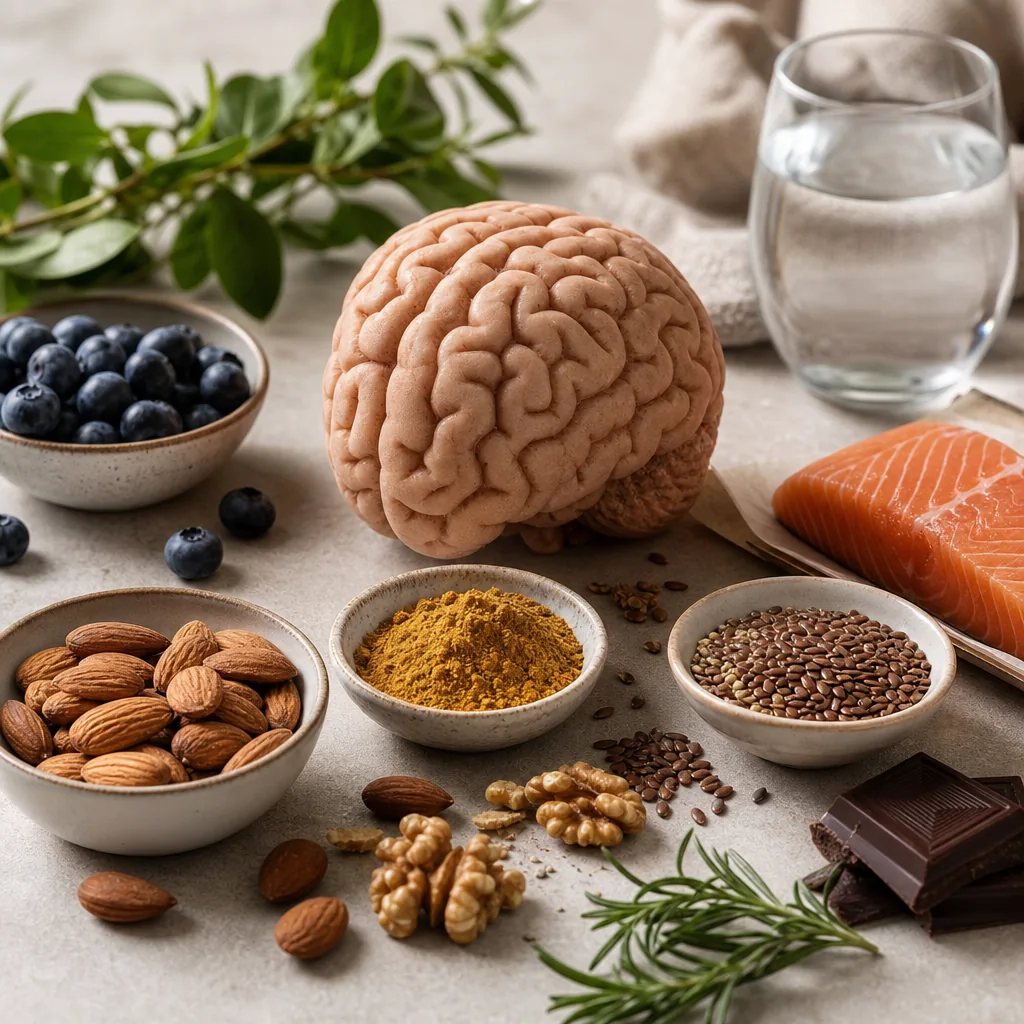
Cognitive function and brain health are essential for memory, learning, decision-making, and overall mental clarity. The brain relies on a steady supply of nutrients, oxygen, and neurotransmitter support to function at its best. Factors such as stress, aging, and lifestyle choices can impact cognitive performance, making it crucial to nourish the brain with key compounds like omega-3 fatty acids, antioxidants, B vitamins, and nootropics. Maintaining brain health involves a combination of proper nutrition, mental stimulation, physical activity, and quality sleep. A well-supported mind enhances focus, creativity, and long-term neurological …
View All Articles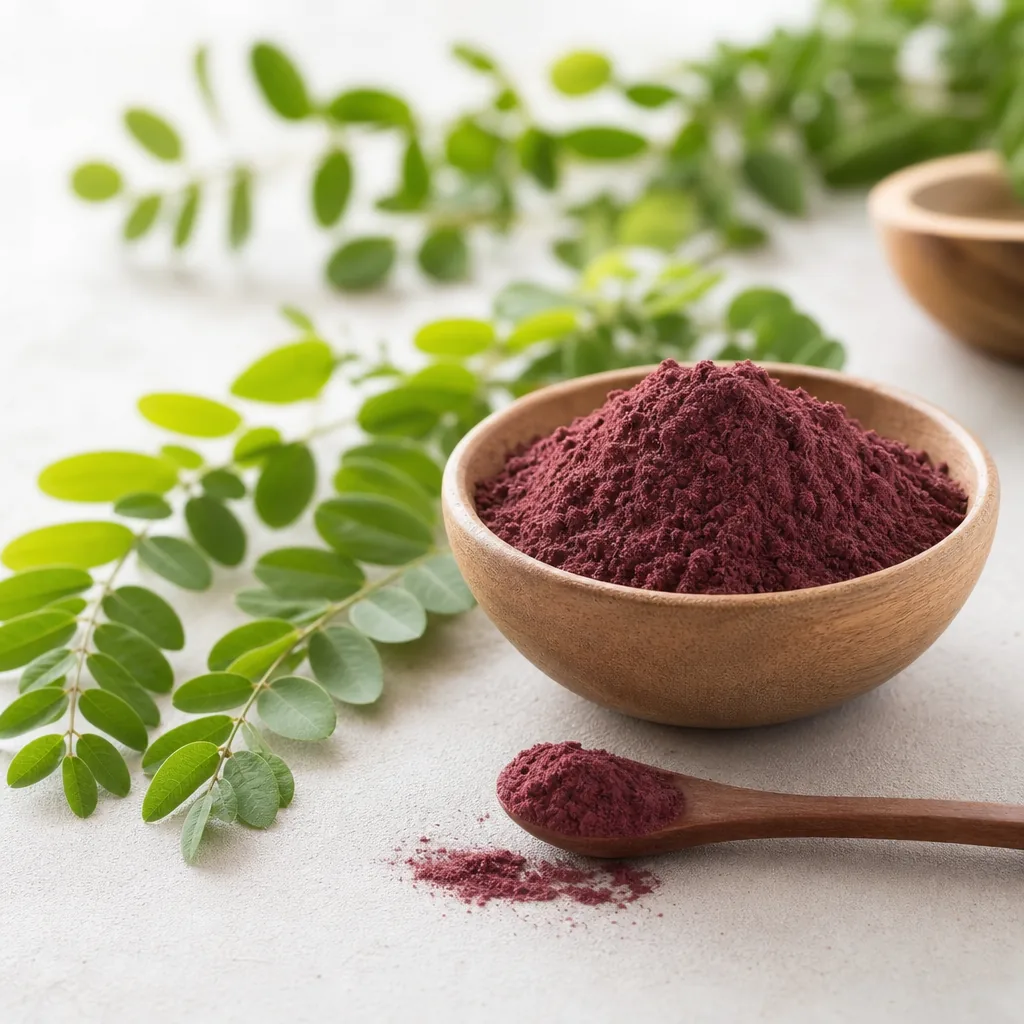
What is Pyrroloquinoline? Pyrroloquinoline most commonly refers to pyrroloquinoline quinone, abbreviated PQQ. PQQ is a small, redox-active quinone compoun…
Read more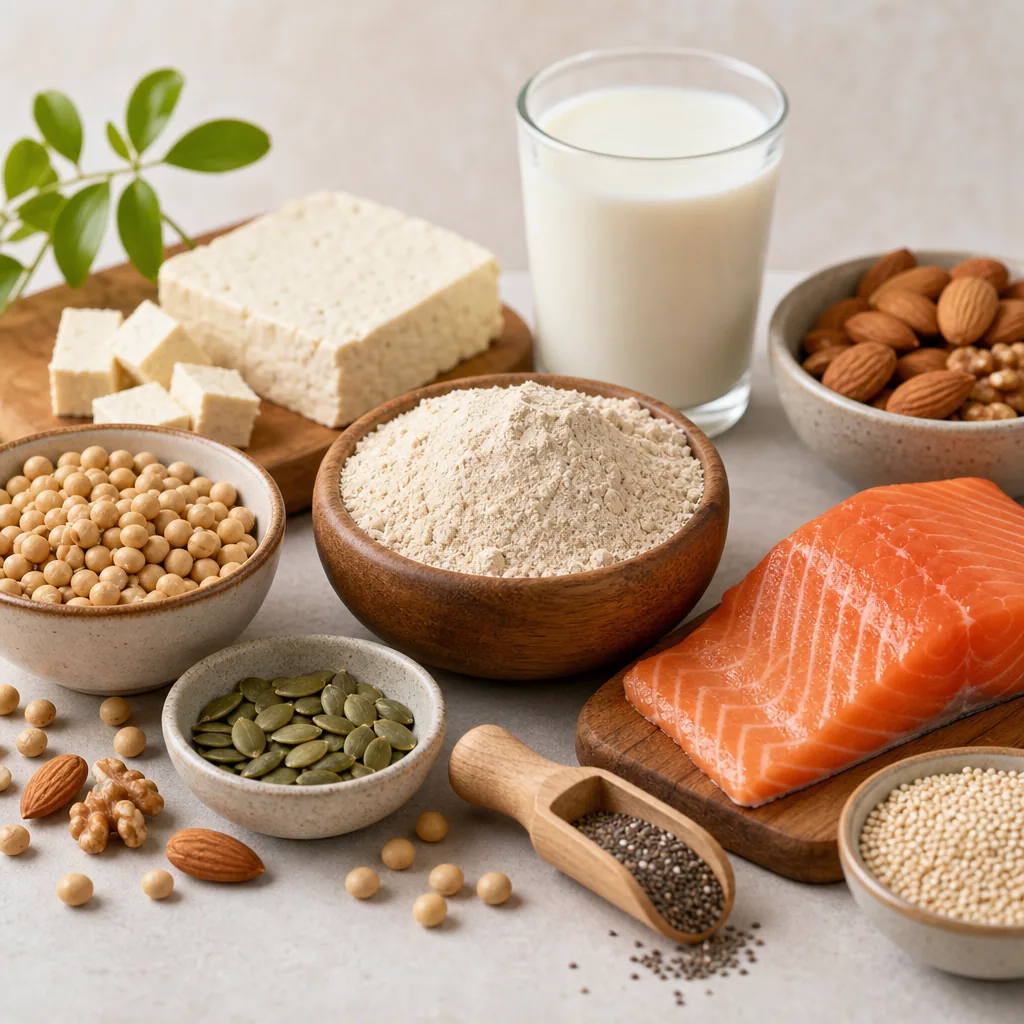
What is L-Phenylalanine? L-Phenylalanine is an essential amino acid—the body cannot make it, so it must come from food or supplements. It is a fundamental…
Read more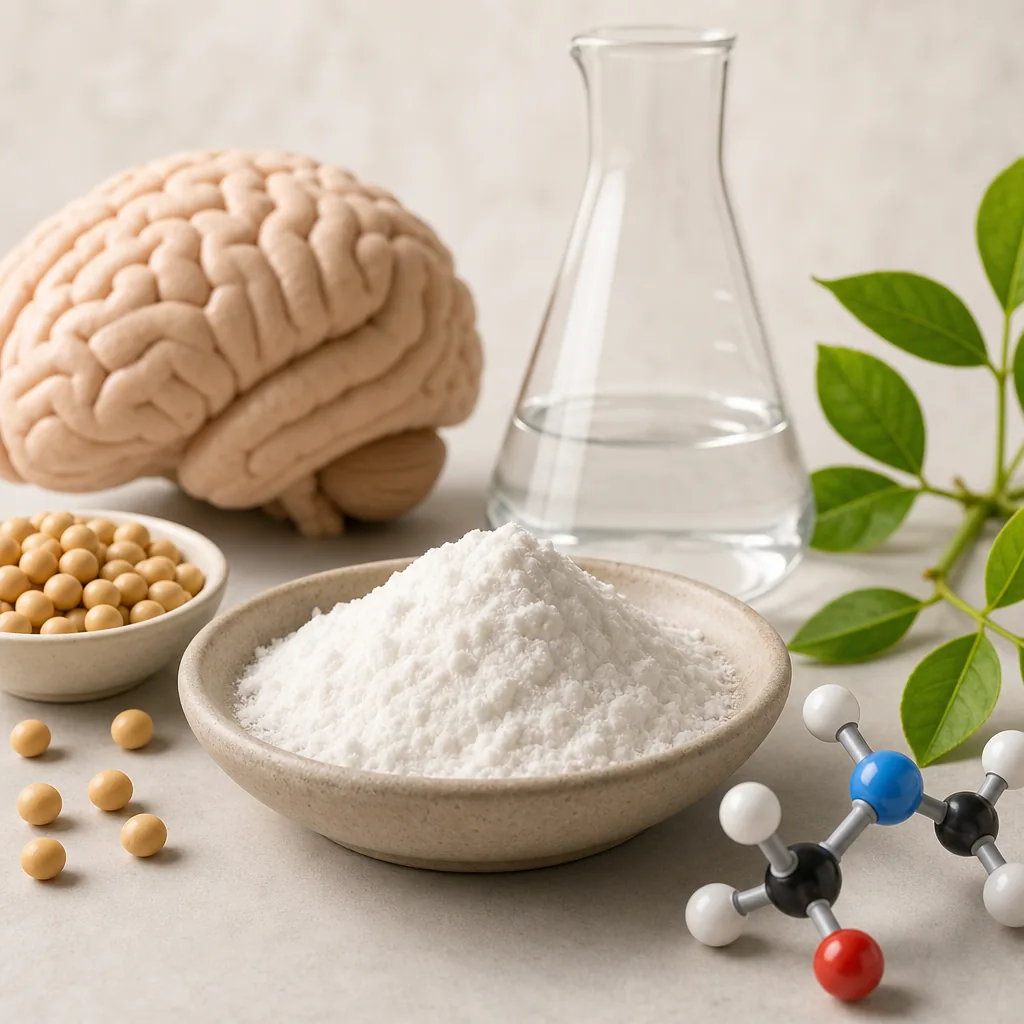
What is Alpha GPC? Alpha GPC (L-alpha-glycerylphosphorylcholine) is a choline-containing compound found naturally in small amounts in the body and in cert…
Read more
Energy and stamina are essential for maintaining an active and productive lifestyle. Stamina refers to the body's ability to sustain physical and mental effort over time, preventing fatigue and optimizing endurance. True, lasting energy is not just about quick boosts but about fueling the body efficiently with the right nutrients to support metabolism, muscle function, and overall vitality. Factors like proper hydration, balanced nutrition, and stress management play a key role in sustaining energy levels. Whether for daily activities, athletic performance, or simply fighting sluggishness, maintaining energy and stamina ensures long-term …
View All Articles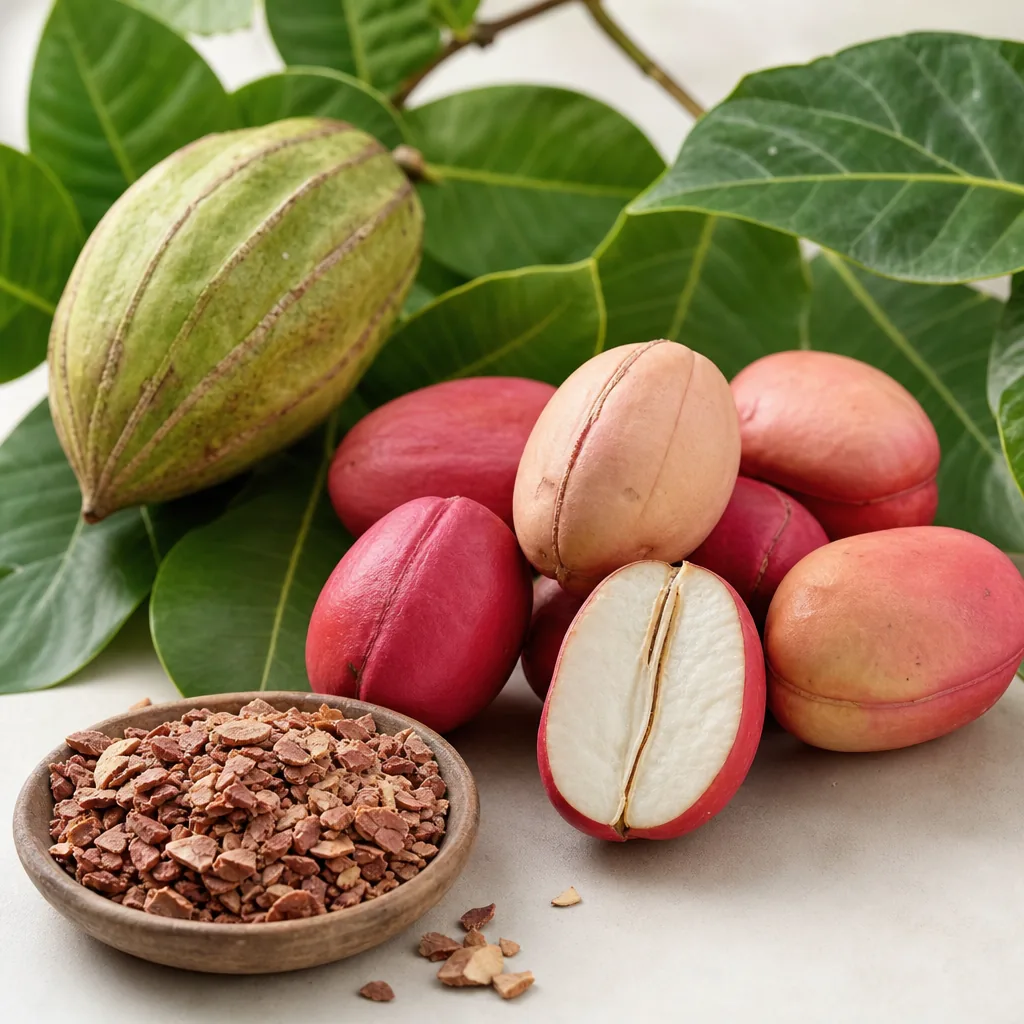
What is Kola Nut? Kola nut is the seed of trees in the Cola genus, most commonly Cola acuminata and Cola nitida, which are native to West and Central Afri…
Read more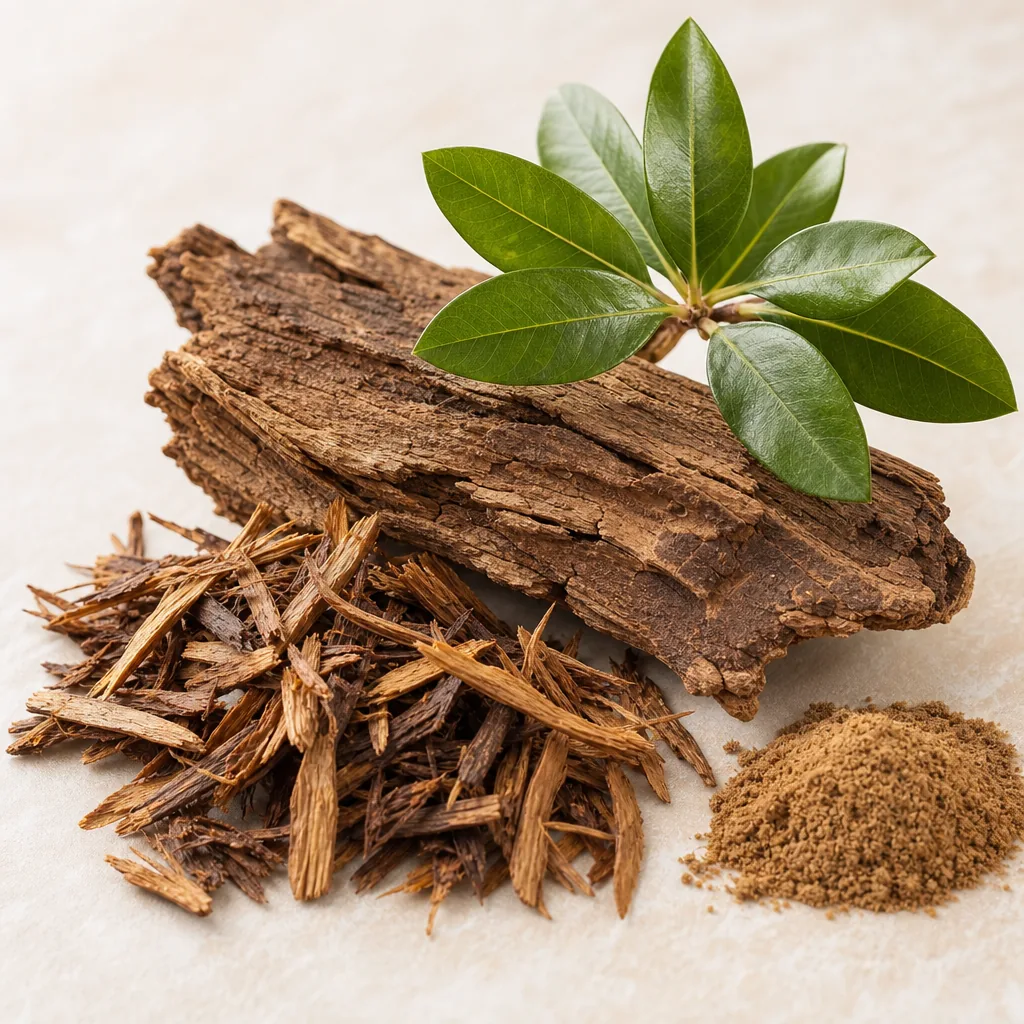
What is Rauwolscine? Rauwolscine—often marketed as “alpha-yohimbine”—is an indole alkaloid found in certain plants of the Apocynaceae family, including Ra…
Read more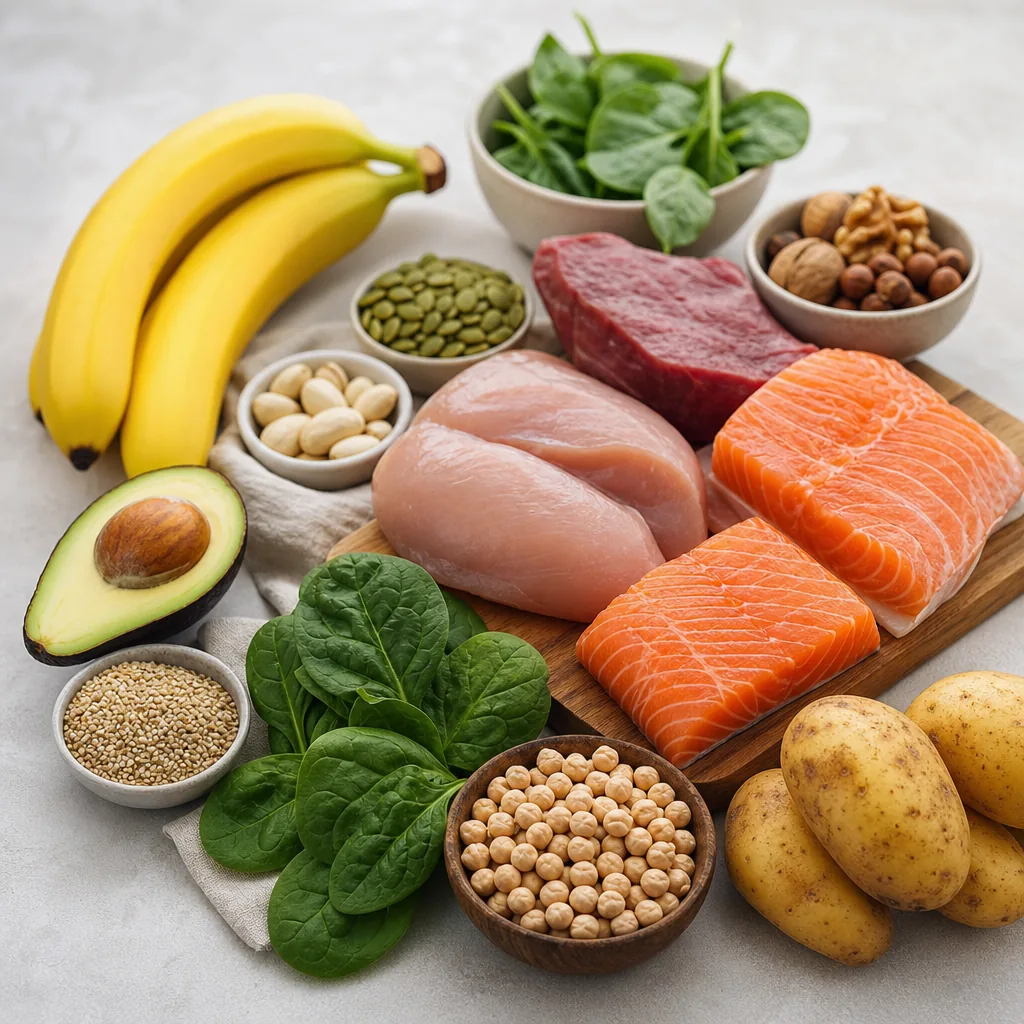
What is Vitamin B6? Vitamin B6 is a water-soluble essential vitamin that your body must obtain from food or supplements. It refers to a group of related c…
Read more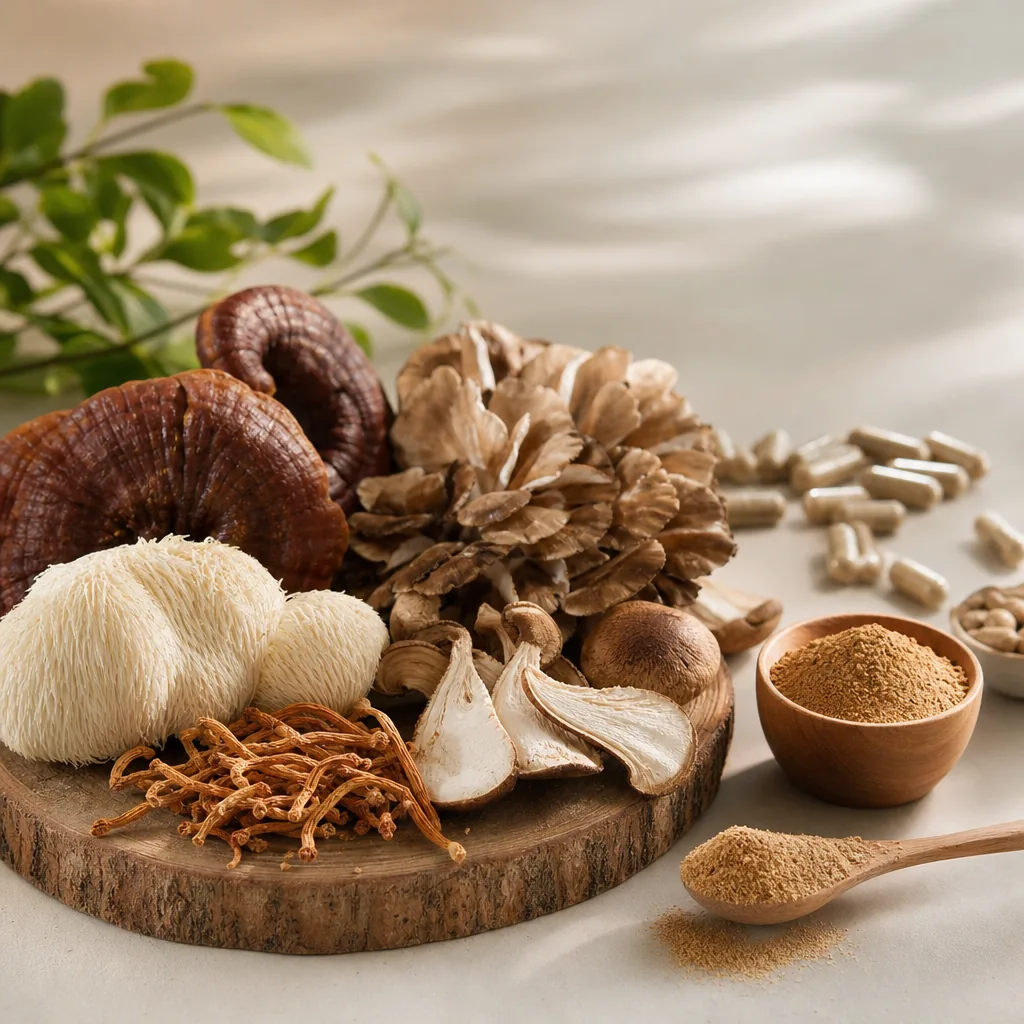
Functional mushrooms are natural powerhouses with a wide range of health benefits. These unique fungi support key areas of well-being, including immune function, cognitive health, energy levels, and stress resilience. Known for their adaptogenic properties, these mushrooms help the body manage stress, improve mental clarity, and enhance physical performance. Packed with antioxidants, they also promote overall vitality and longevity. Whether you're looking to boost your endurance, sharpen focus, or strengthen your immune system, these mushrooms offer a natural and effective way to optimize your health and enhance your lifestyle.
View All Articles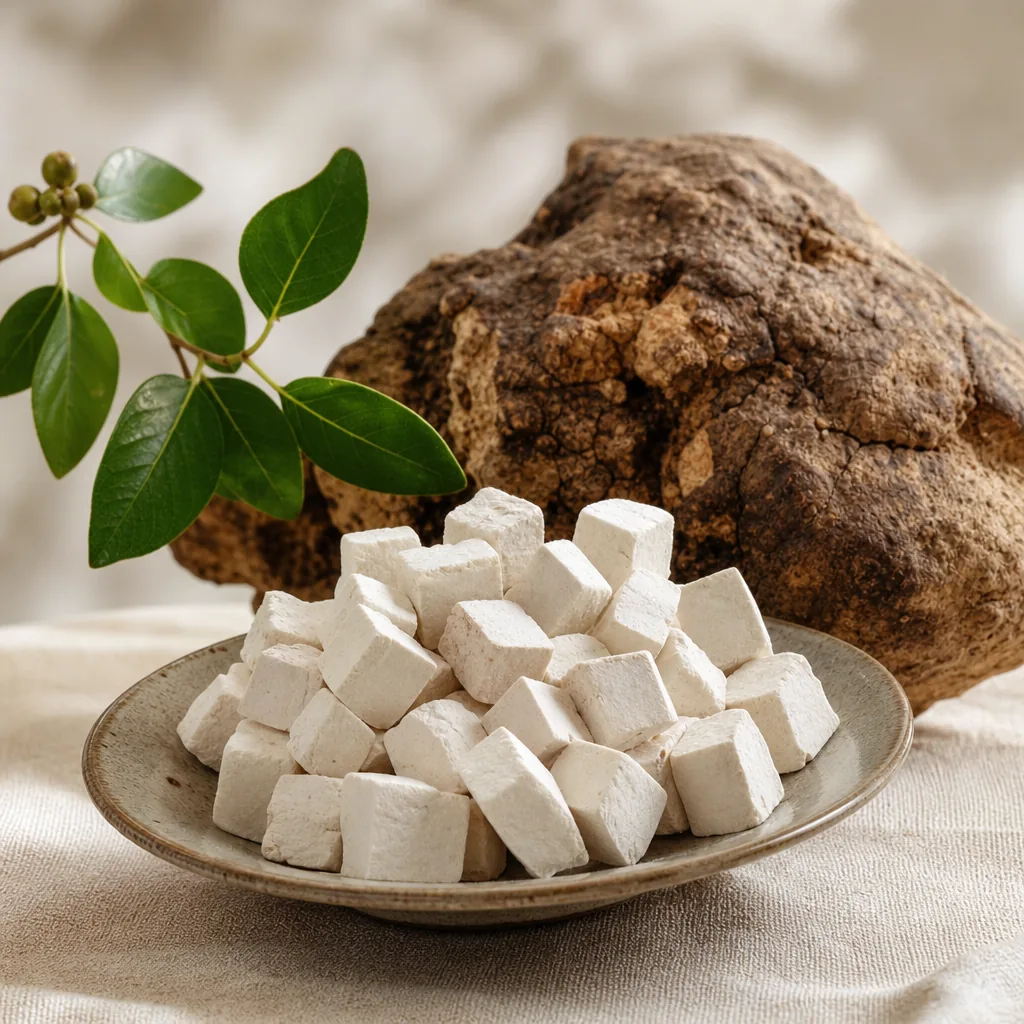
What is Fu Ling? Fu Ling is the common name in Traditional Chinese Medicine (TCM) for the sclerotium of Wolfiporia extensa (formerly Poria cocos), a medic…
Read more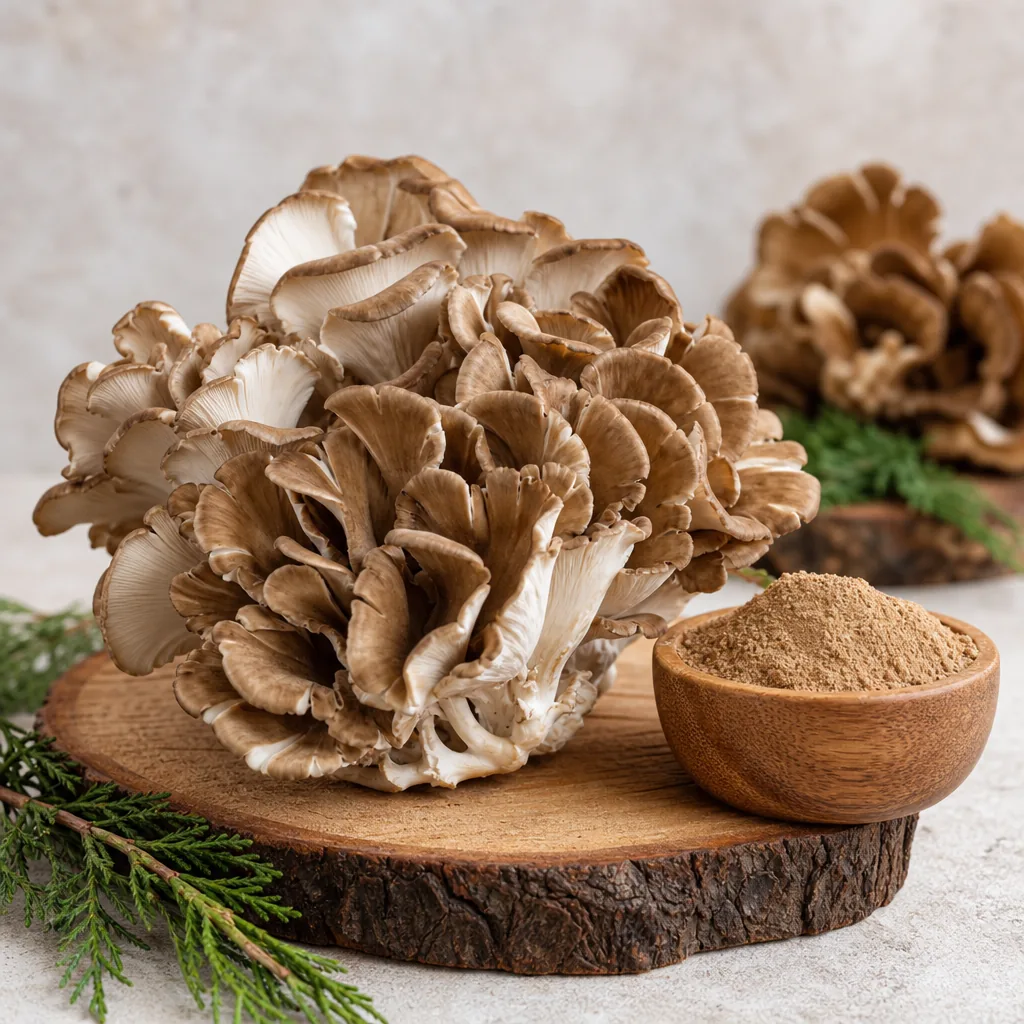
What is Maitake? Maitake (Grifola frondosa), also known as “hen of the woods,” is an edible, wood-growing polypore mushroom native to East Asia and found …
Read more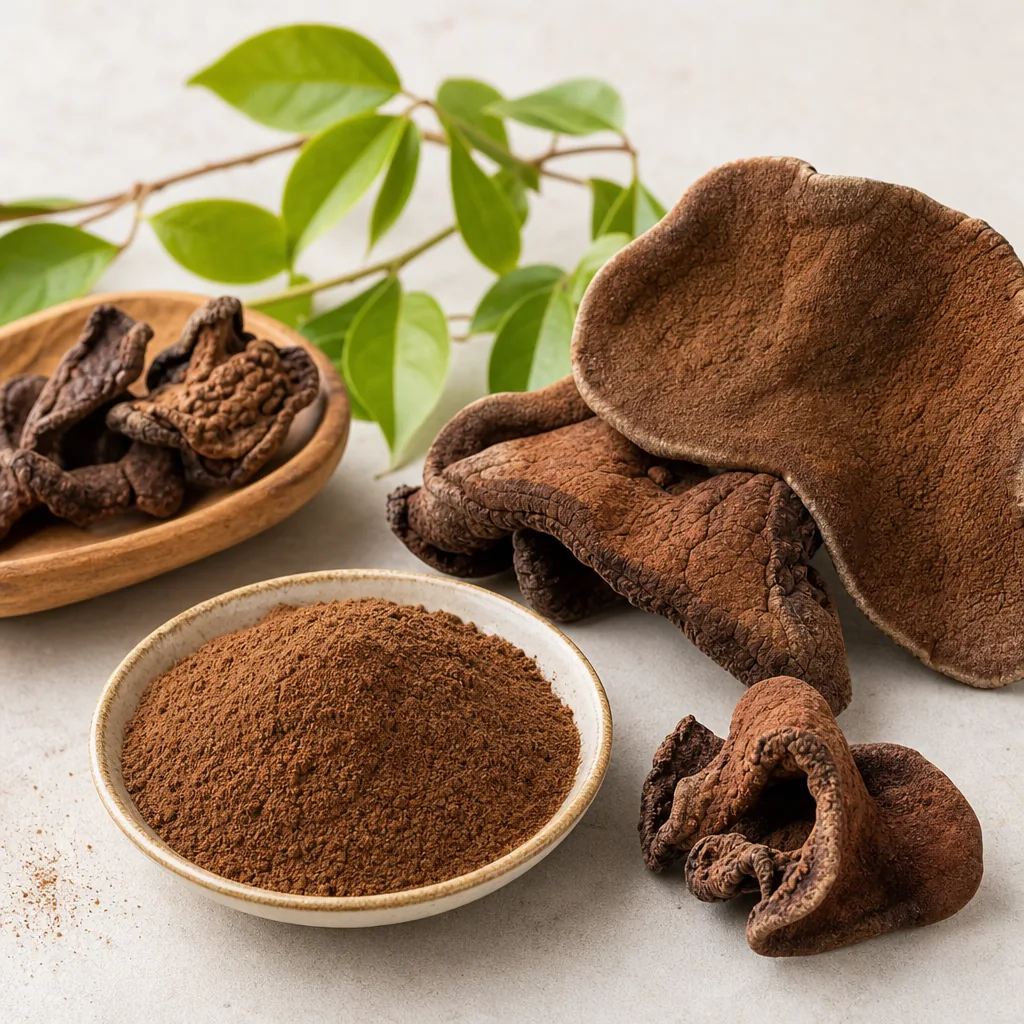
What is Velvet Foot? Velvet foot is the common name for Flammulina velutipes, an edible mushroom also known as enoki or velvet shank. In the wild, it grow…
Read more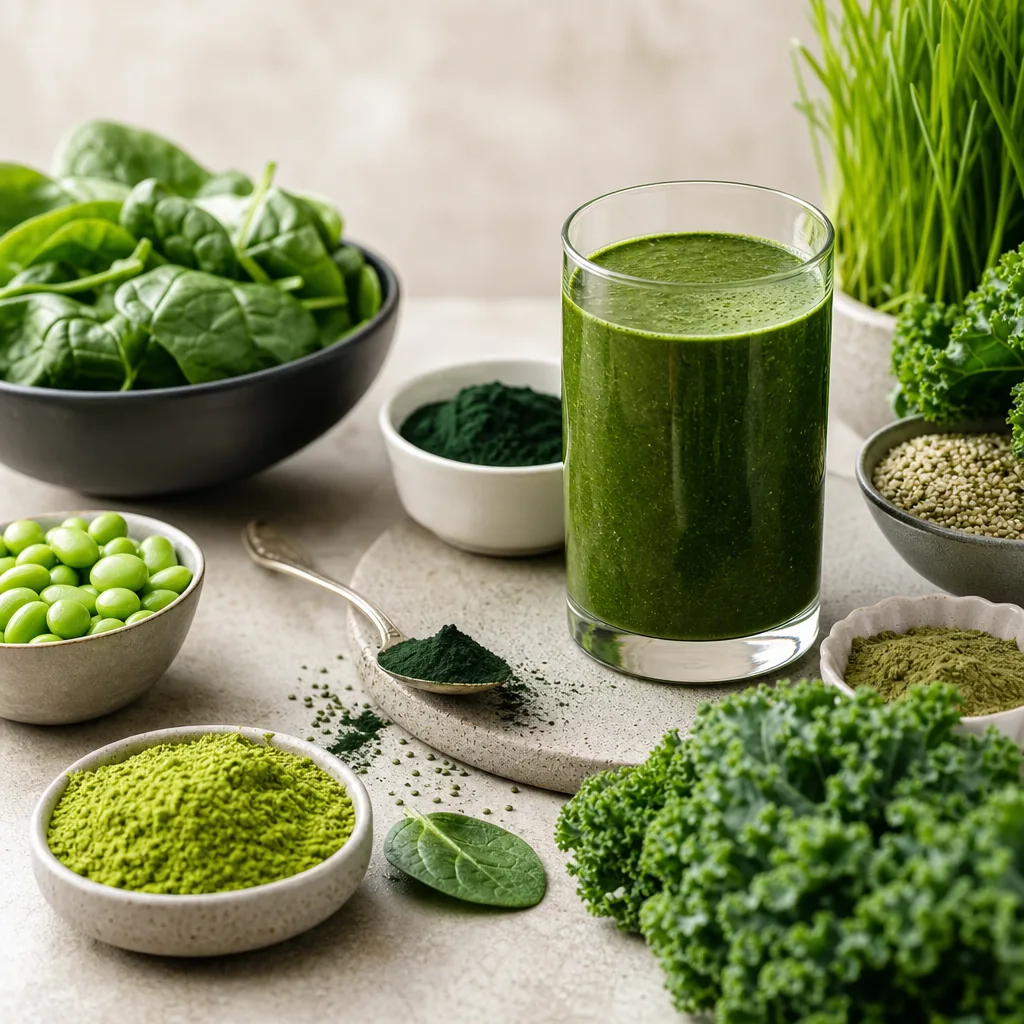
Superfoods are nutrient-dense foods that provide exceptional health benefits due to their high levels of vitamins, minerals, antioxidants, and other essential nutrients. Examples include berries, dark leafy greens like kale or spinach, seeds such as chia or flax, and whole grains like quinoa. Incorporating these foods into your diet can help support immune function, improve digestion, and maintain healthy energy levels. Because they’re packed with beneficial compounds, superfoods are often recommended as part of a balanced, varied diet to promote overall well-being.
View All Articles
What is Kola Nut? Kola nut is the seed of trees in the Cola genus, most commonly Cola acuminata and Cola nitida, which are native to West and Central Afri…
Read more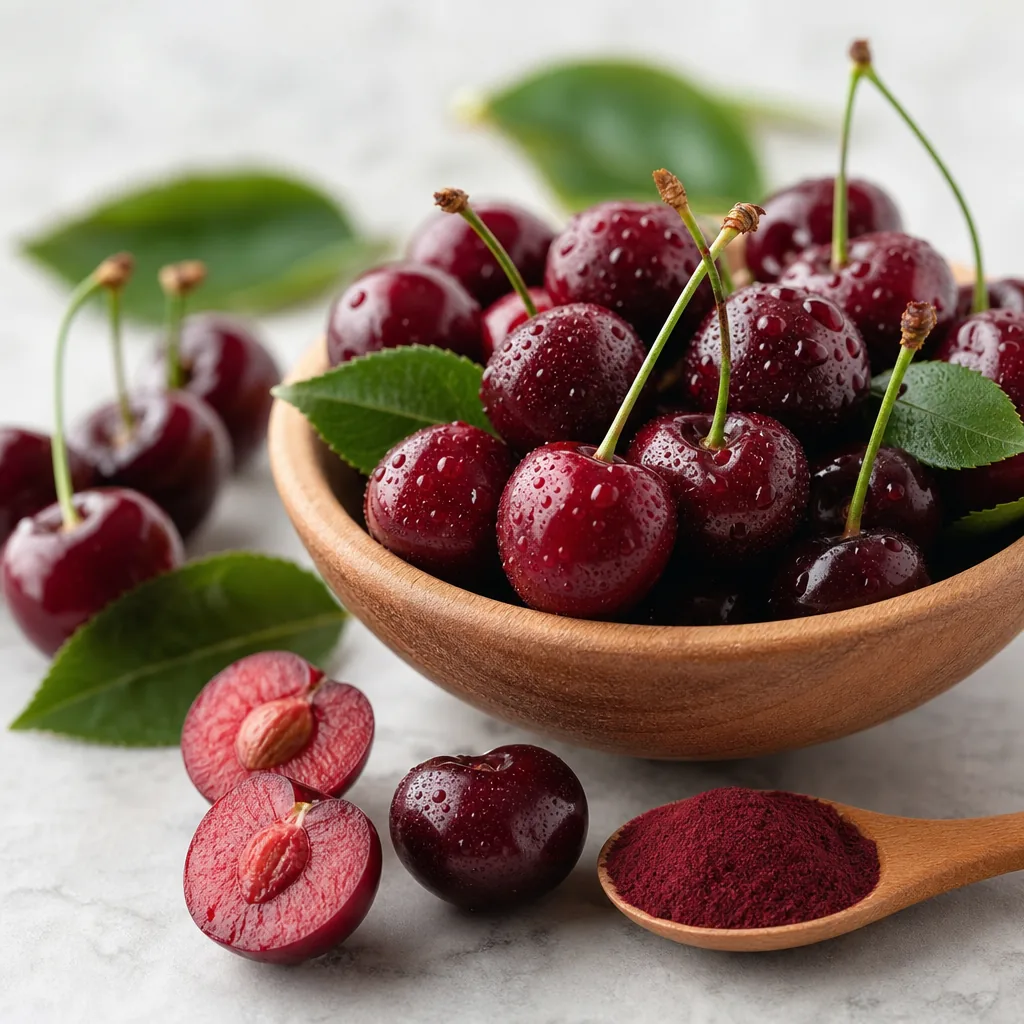
What is Tart Cherry? Tart cherry refers to the sour cherry varieties, most commonly Montmorency (Prunus cerasus), that are higher in certain plant compoun…
Read more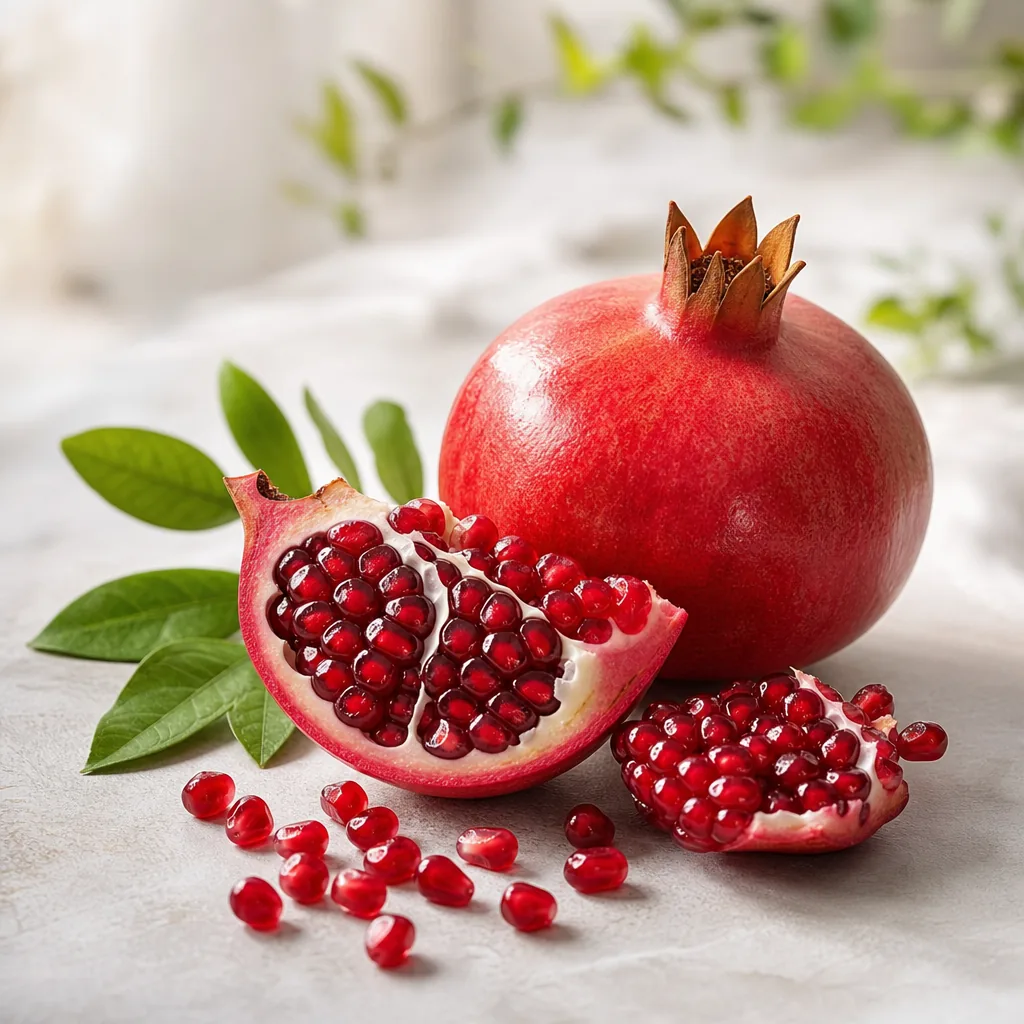
What is Pomegranate? Pomegranate (Punica granatum) is a fruit-bearing shrub native to regions spanning the Middle East, the Mediterranean, and parts of So…
Read more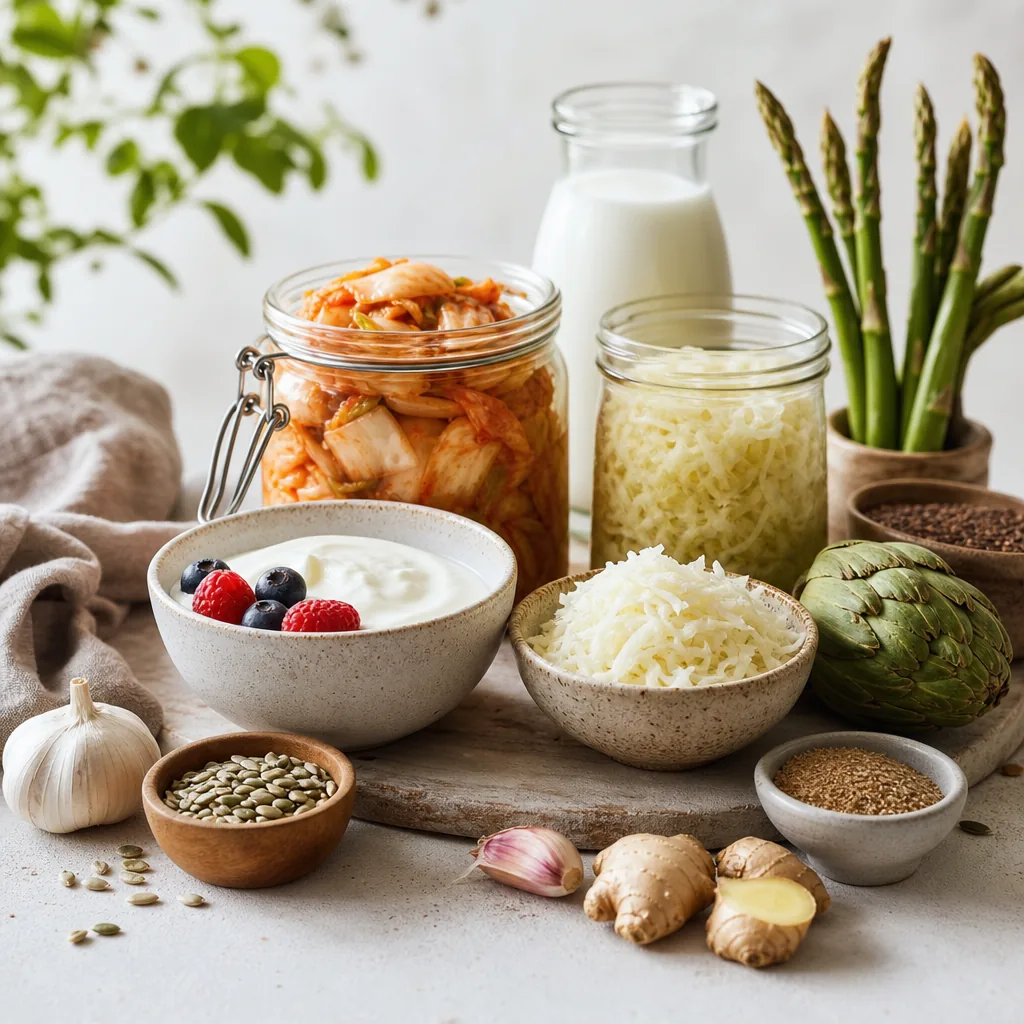
Gut health and digestion are fundamental to overall well-being, as the digestive system plays a crucial role in nutrient absorption, immune function, and even mental health. A well-balanced gut microbiome, consisting of trillions of beneficial bacteria, helps break down food, produce essential nutrients, and protect against harmful pathogens. Efficient digestion ensures that the body extracts and utilizes nutrients properly while preventing discomforts like bloating, indigestion, and inflammation. Maintaining gut health involves a diet rich in fiber, probiotics, and prebiotics, along with proper hydration and stress management. A healthy …
View All Articles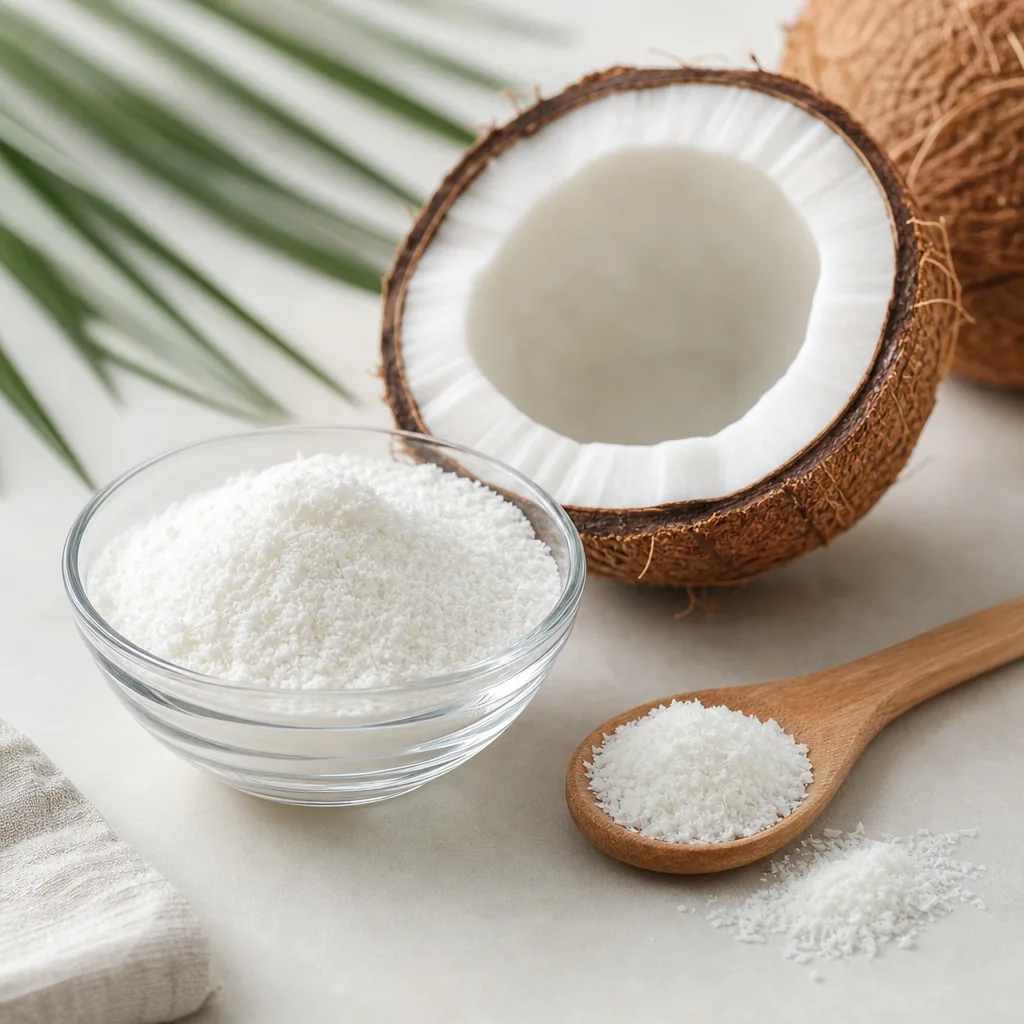
What is Capryl? Capryl generally refers to caprylic acid (also called octanoic acid) or its triglyceride form (C8 MCT), a medium-chain fatty acid naturall…
Read more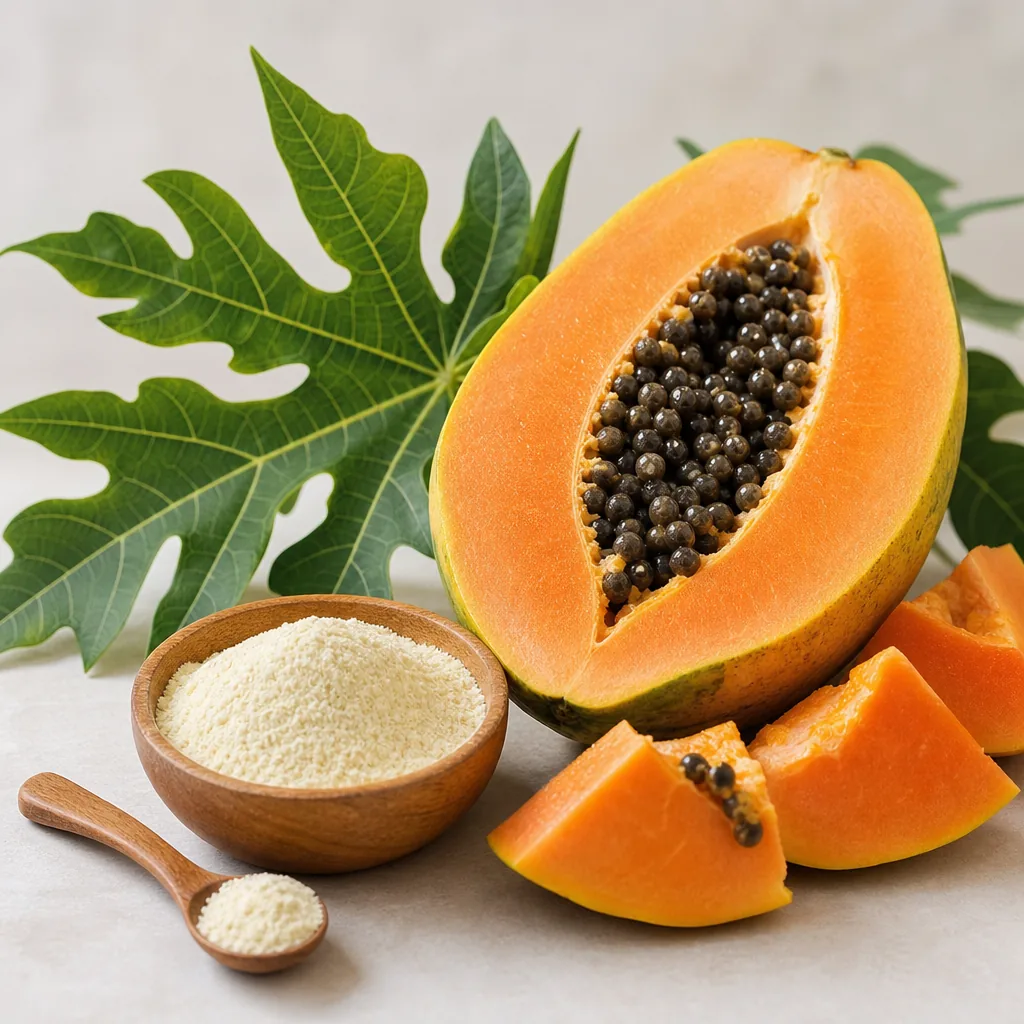
What is Papain? Papain is a proteolytic (protein-digesting) enzyme extracted primarily from the latex of the papaya plant (Carica papaya), especially from…
Read more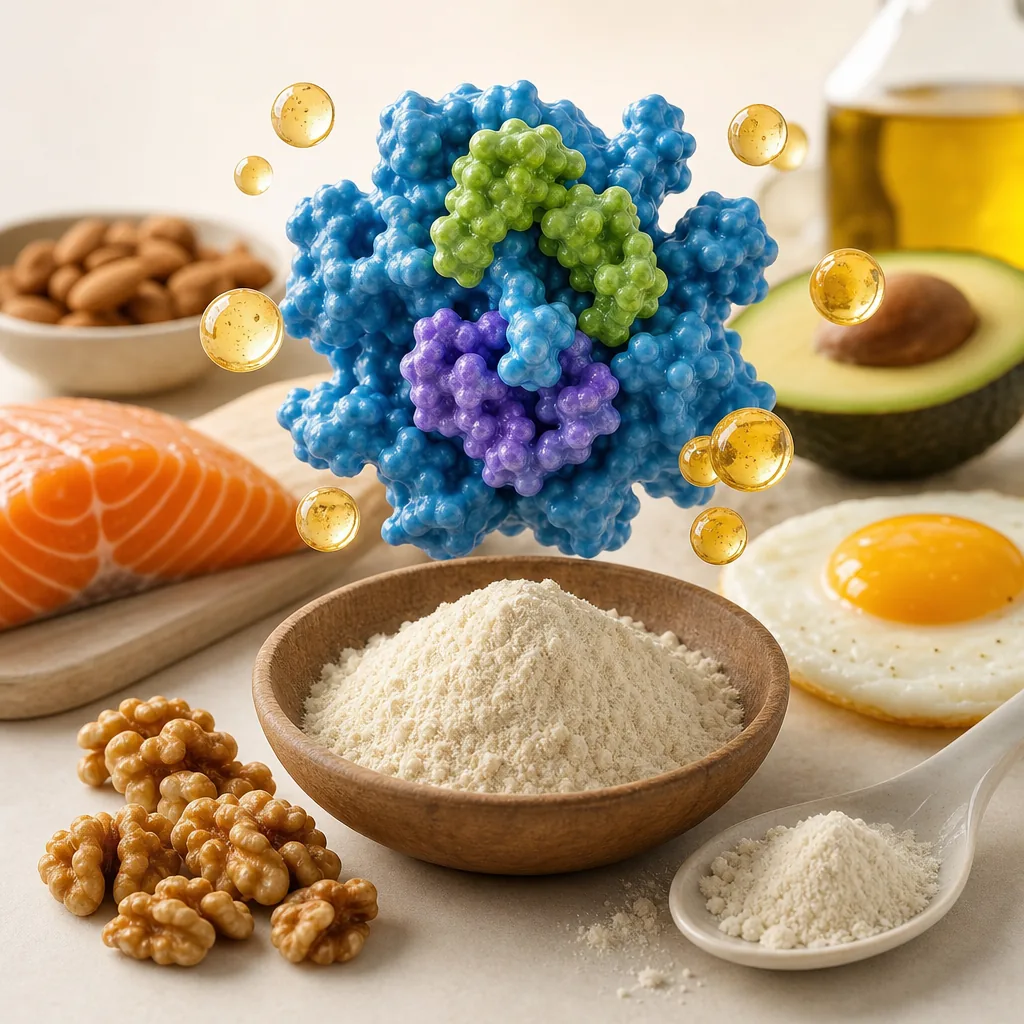
What is Lipase? Lipase is a digestive enzyme that helps break down dietary fats (triglycerides) into smaller molecules—free fatty acids and monoglycerides…
Read more
The heart and circulatory system are the foundation of overall health, ensuring that oxygen, nutrients, and essential compounds are efficiently delivered throughout the body. A strong cardiovascular system supports endurance, energy levels, and overall vitality, while healthy circulation promotes optimal blood flow, muscle function, and cognitive performance. Factors such as balanced nutrition, regular exercise, and stress management play a key role in maintaining heart health. Essential nutrients like omega-3 fatty acids, CoQ10, magnesium, and antioxidants help regulate blood pressure, support arterial function, and protect against oxida…
View All Articles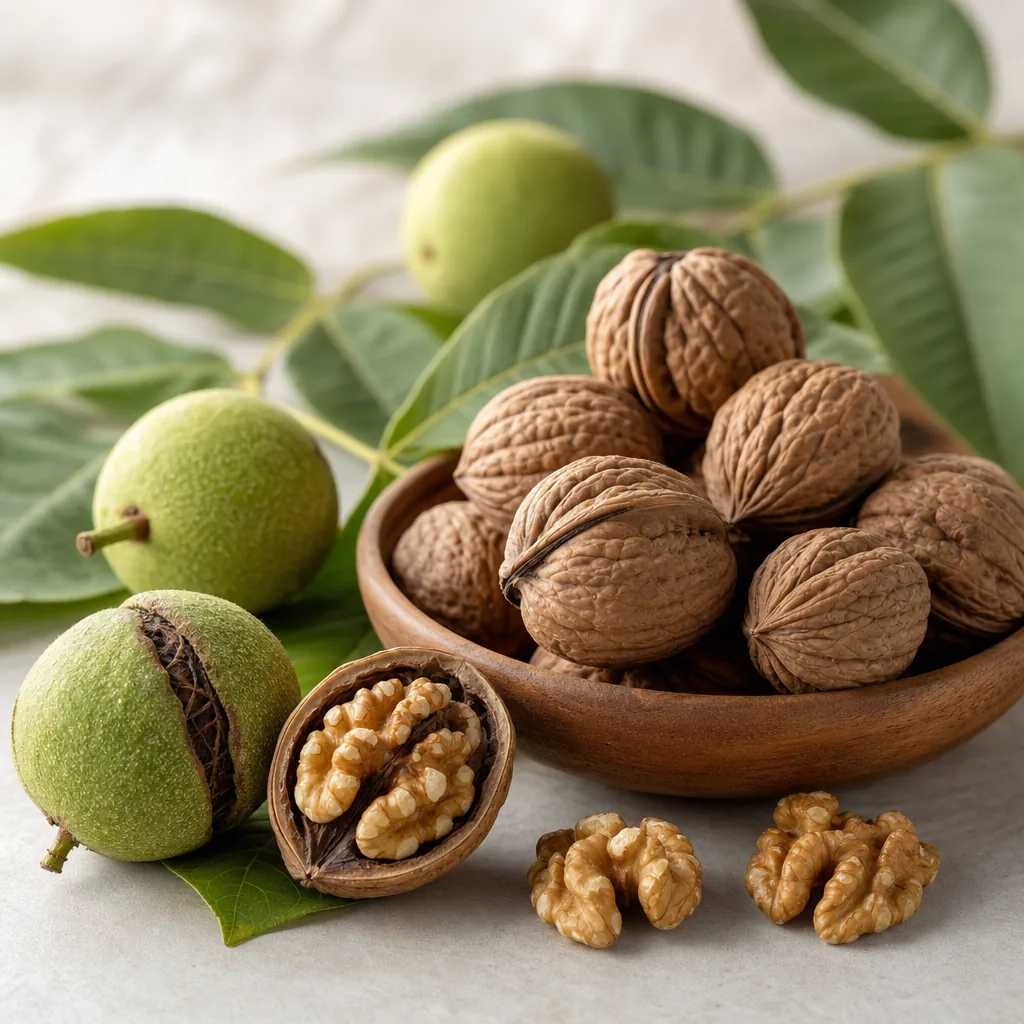
What is Black Walnut? Black walnut (Juglans nigra) is a North American tree known for its hard, dark wood and edible nuts. In traditional herbalism, the g…
Read more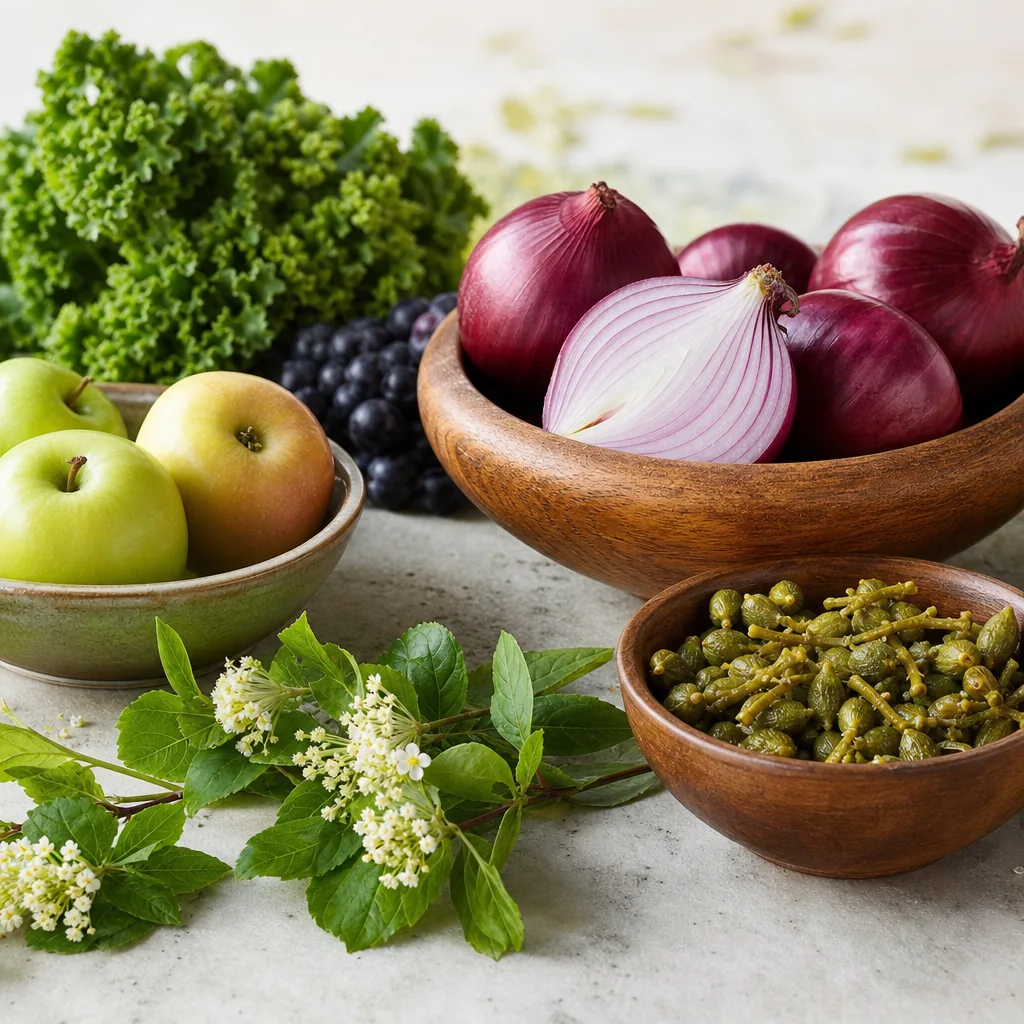
What is Quercetin? Quercetin is a naturally occurring plant flavonoid (a type of polyphenol) found widely in fruits, vegetables, leaves, and certain grain…
Read more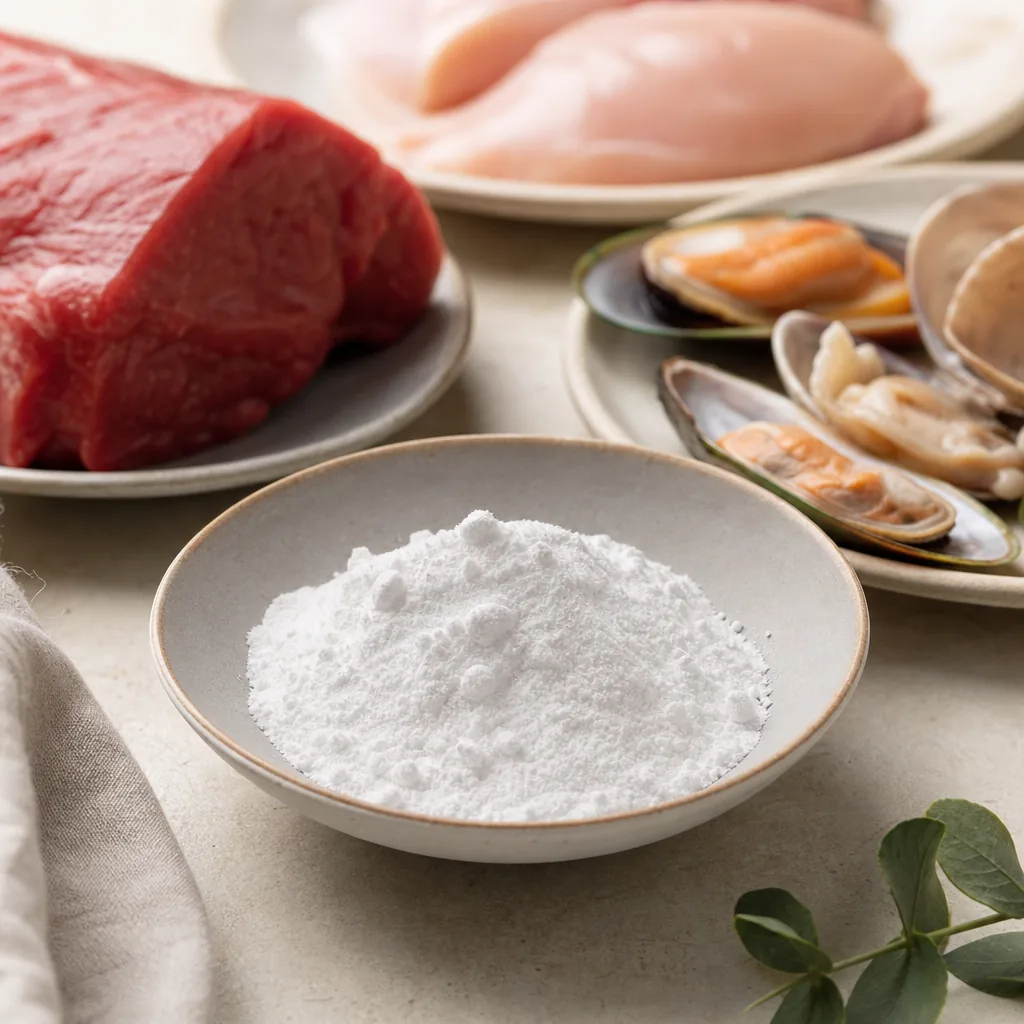
What is Taurine? Taurine is an amino sulfonic acid naturally found in the human body, especially in the brain, eyes, heart, and skeletal muscles. Although…
Read more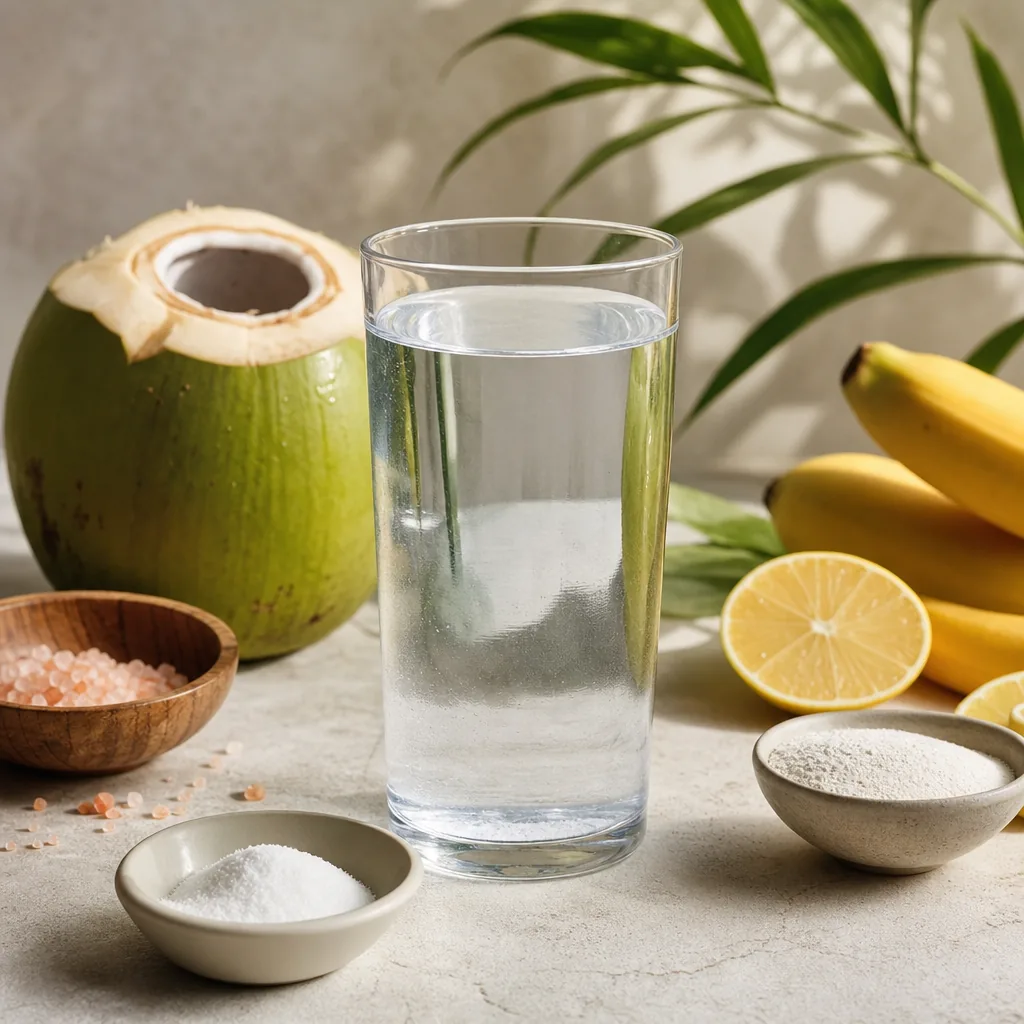
Hydration is essential for maintaining the body’s optimal function, as water plays a key role in regulating temperature, supporting digestion, transporting nutrients, and flushing out toxins. Electrolytes—such as sodium, potassium, magnesium, and calcium—are vital minerals that help maintain fluid balance, nerve function, and muscle contractions. Proper hydration, especially when combined with the right electrolyte levels, prevents fatigue, improves physical performance, and supports cognitive function. Factors like exercise, climate, and daily activity levels influence hydration needs, making it crucial to replenish flu…
View All Articles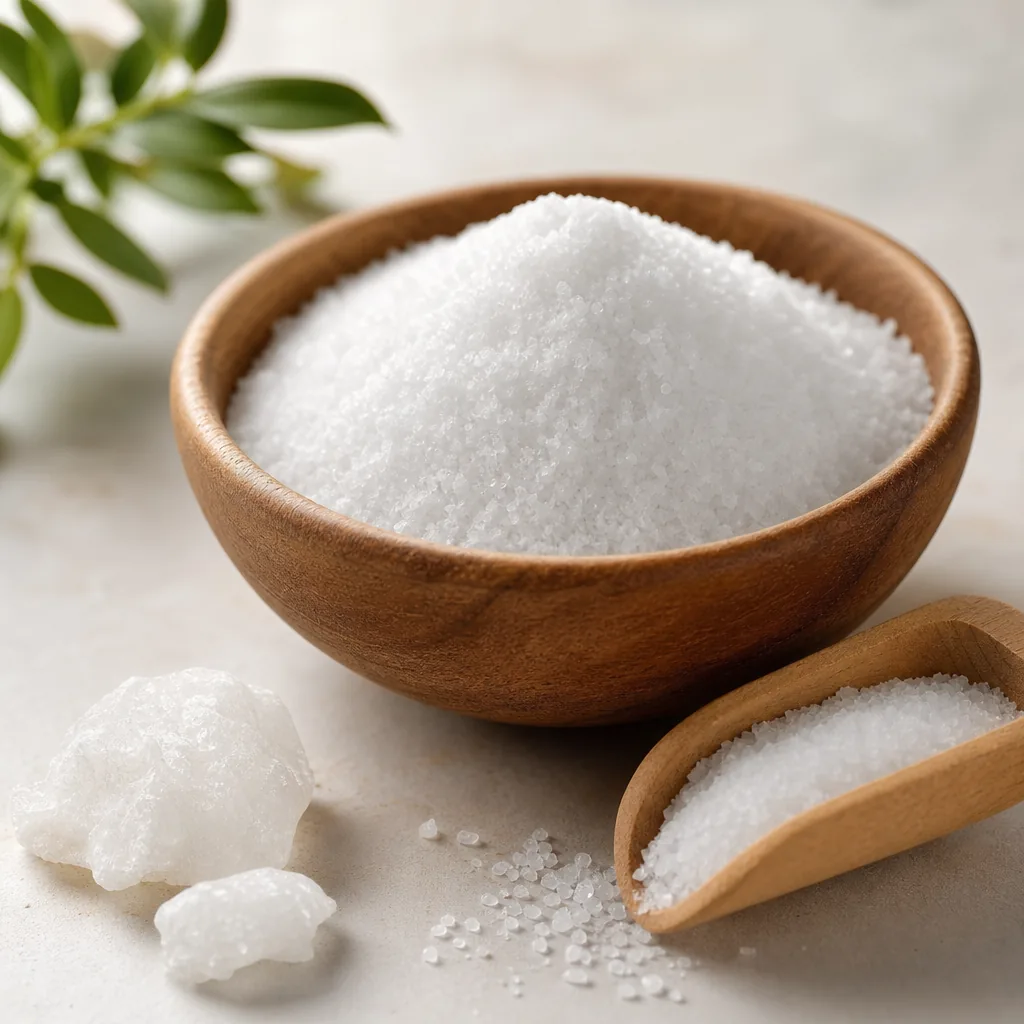
What is Sodium? Sodium is an essential mineral and electrolyte that carries a positive charge (Na+) and is the primary cation in the fluid outside your ce…
Read more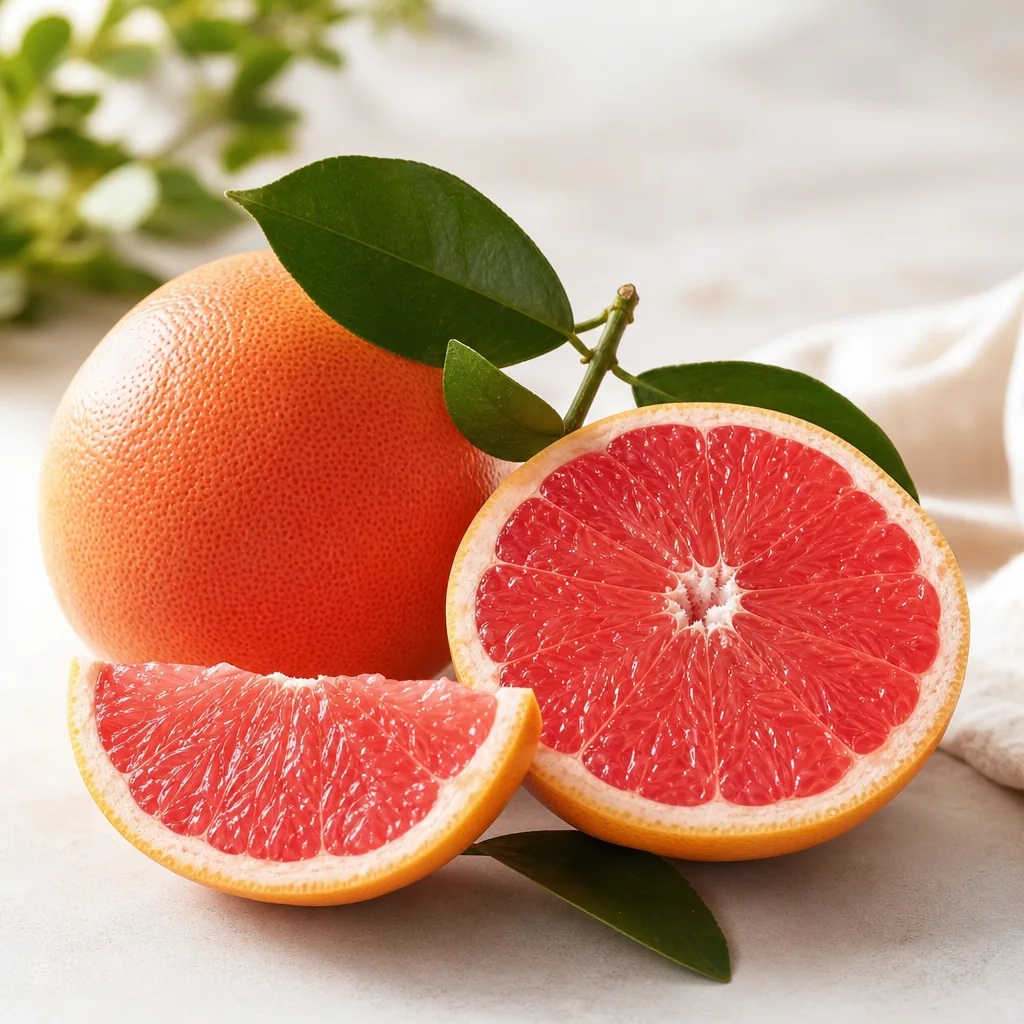
What is Grapefruit? Grapefruit (Citrus × paradisi) is a hybrid citrus fruit that likely originated in the Caribbean from a cross between sweet orange and …
Read more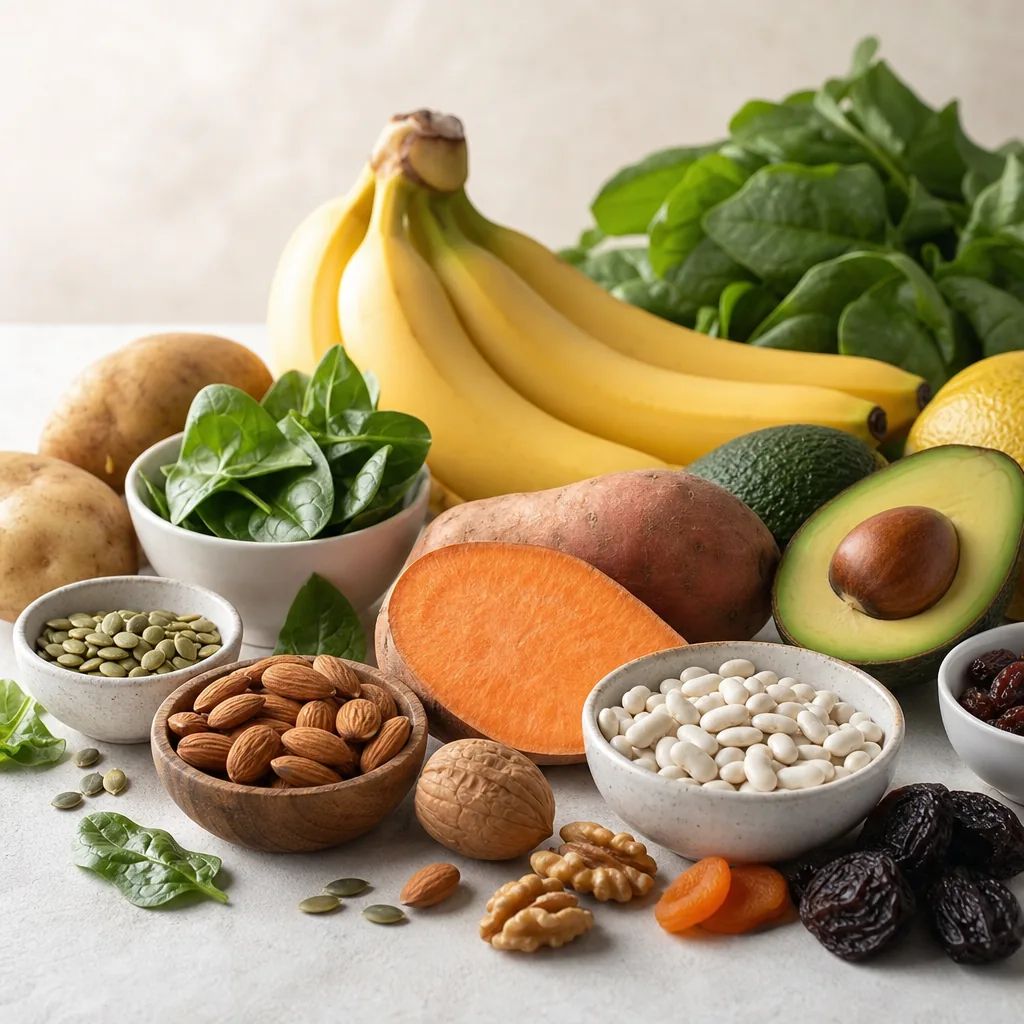
What is Potassium? Potassium is an essential mineral and electrolyte that the body requires for normal cell function, nerve signaling, muscle contraction,…
Read more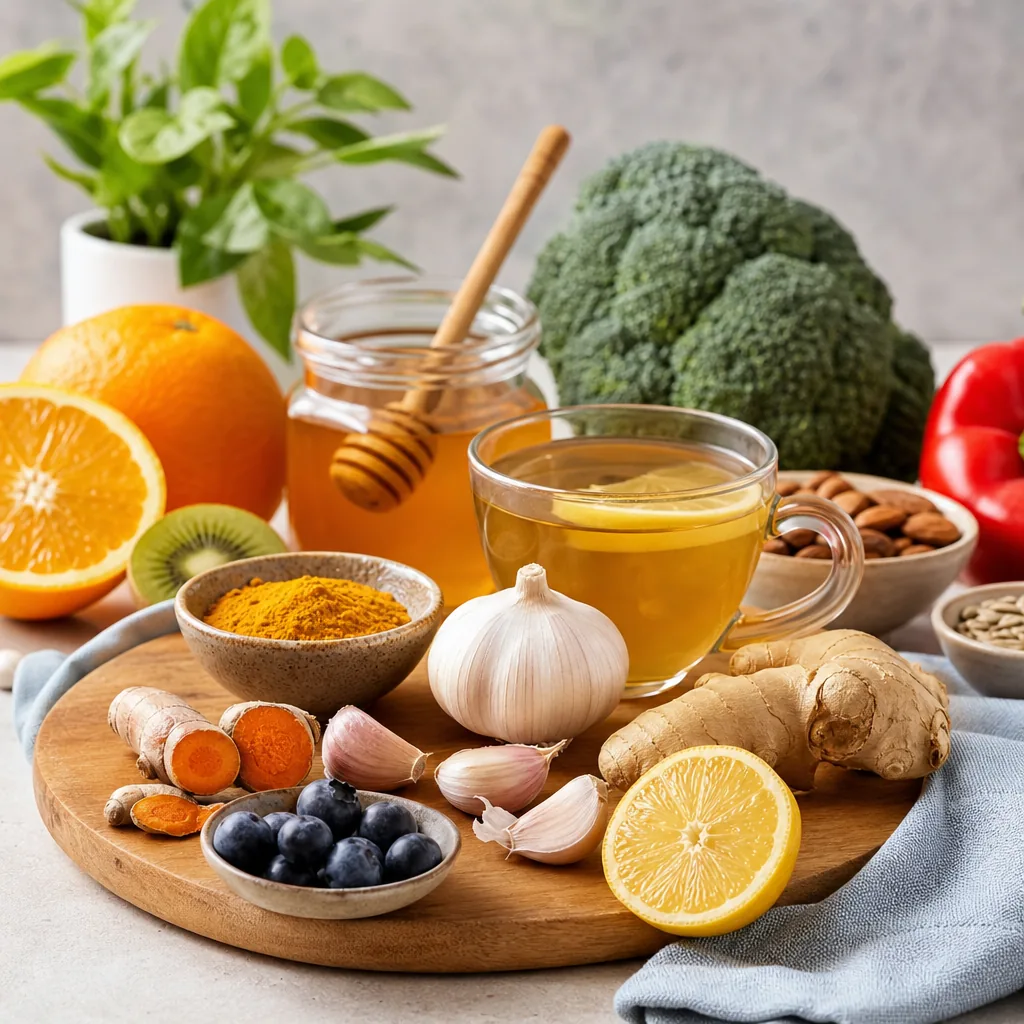
The immune system is the body's natural defense against harmful pathogens, working continuously to protect against infections and maintain overall health. It is a complex network of cells, tissues, and organs that detect and neutralize threats while also supporting recovery and healing. A strong immune system relies on a balanced diet rich in vitamins, minerals, and antioxidants, as well as adequate sleep, regular physical activity, and stress management. Factors such as gut health, hydration, and lifestyle choices play a crucial role in immune function. By nurturing the immune system, the body becomes more resilient, better equipped to f…
View All Articles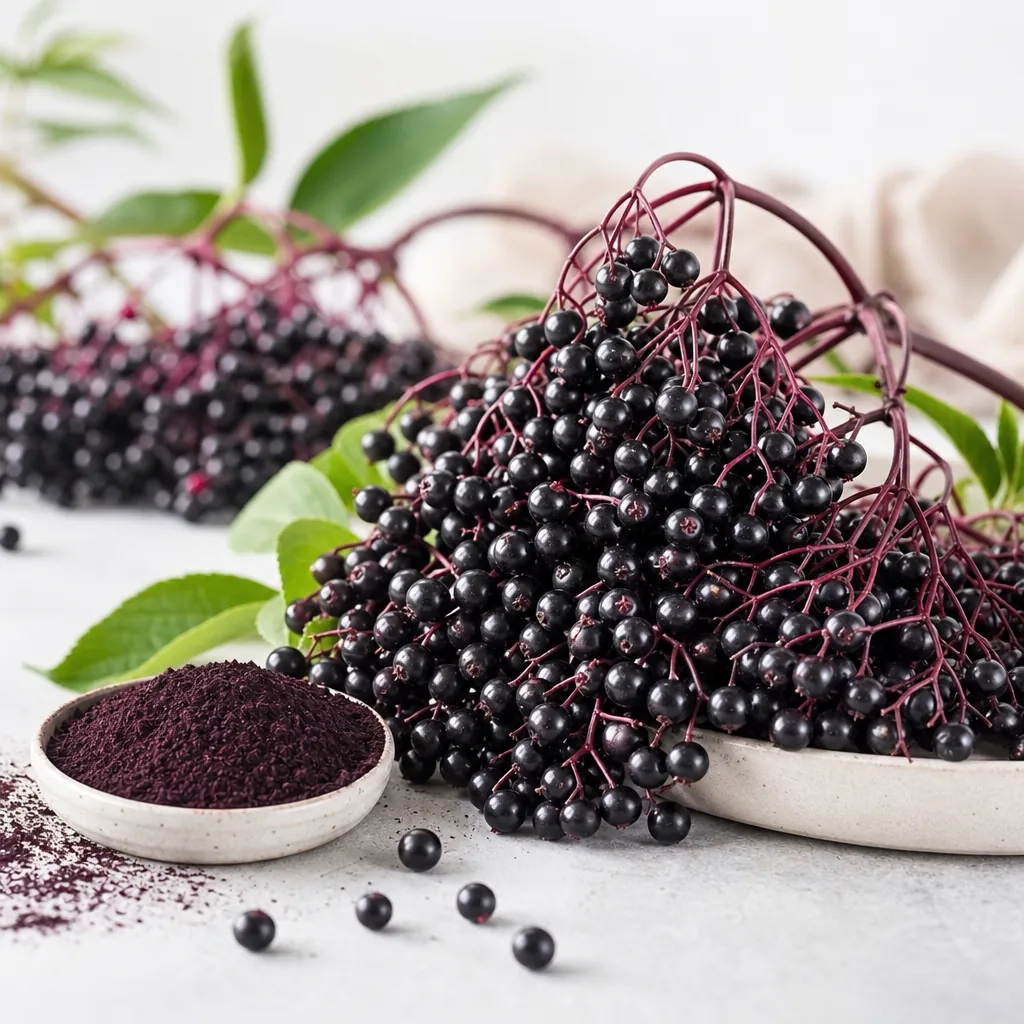
What is Elderberry? Elderberry refers most commonly to the dark purple berries of Sambucus nigra (European elder), a small tree or shrub native to Europe …
Read more
What is Black Walnut? Black walnut (Juglans nigra) is a North American tree known for its hard, dark wood and edible nuts. In traditional herbalism, the g…
Read more
What is Quercetin? Quercetin is a naturally occurring plant flavonoid (a type of polyphenol) found widely in fruits, vegetables, leaves, and certain grain…
Read more
Men’s health is built on a foundation of hormonal balance, physical performance, and long-term vitality. Testosterone and other key hormones play a crucial role in muscle strength, energy levels, metabolism, and reproductive health. Factors like aging, stress, and lifestyle can impact these functions, making proper support essential for maintaining peak performance and overall well-being. Natural ingredients like Yohimbe, Tongkat Ali, Tribulus Terrestris, and Saw Palmetto have been traditionally used to promote testosterone production, enhance stamina, and support prostate health. Prioritizing men’s health ensures sustained en…
View All Articles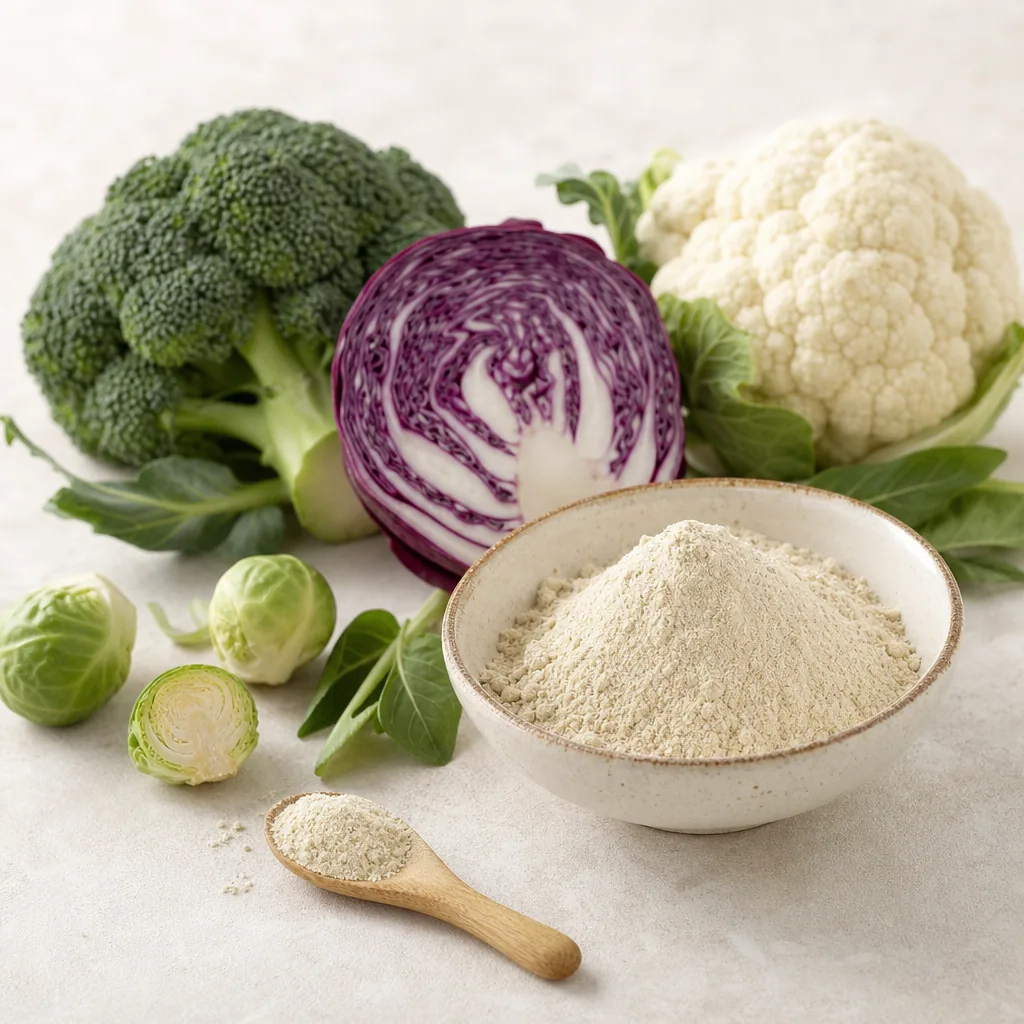
What is Diindolylmethane? Diindolylmethane (often abbreviated as DIM) is a compound formed in the body when you eat cruciferous vegetables such as broccol…
Read more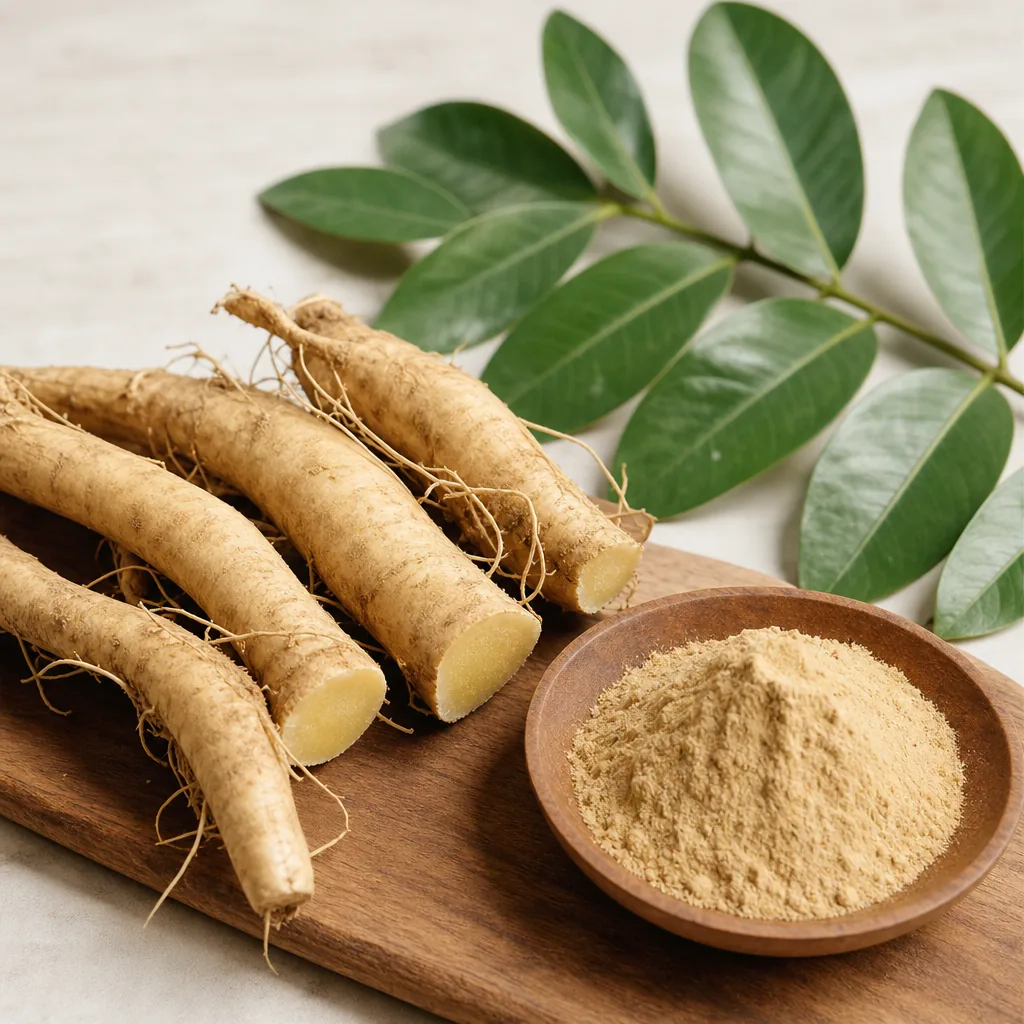
What is Longjack Tongkat Ali? Longjack, commonly known as Tongkat Ali (Eurycoma longifolia), is a bitter-rooted medicinal herb native to Southeast Asia, e…
Read more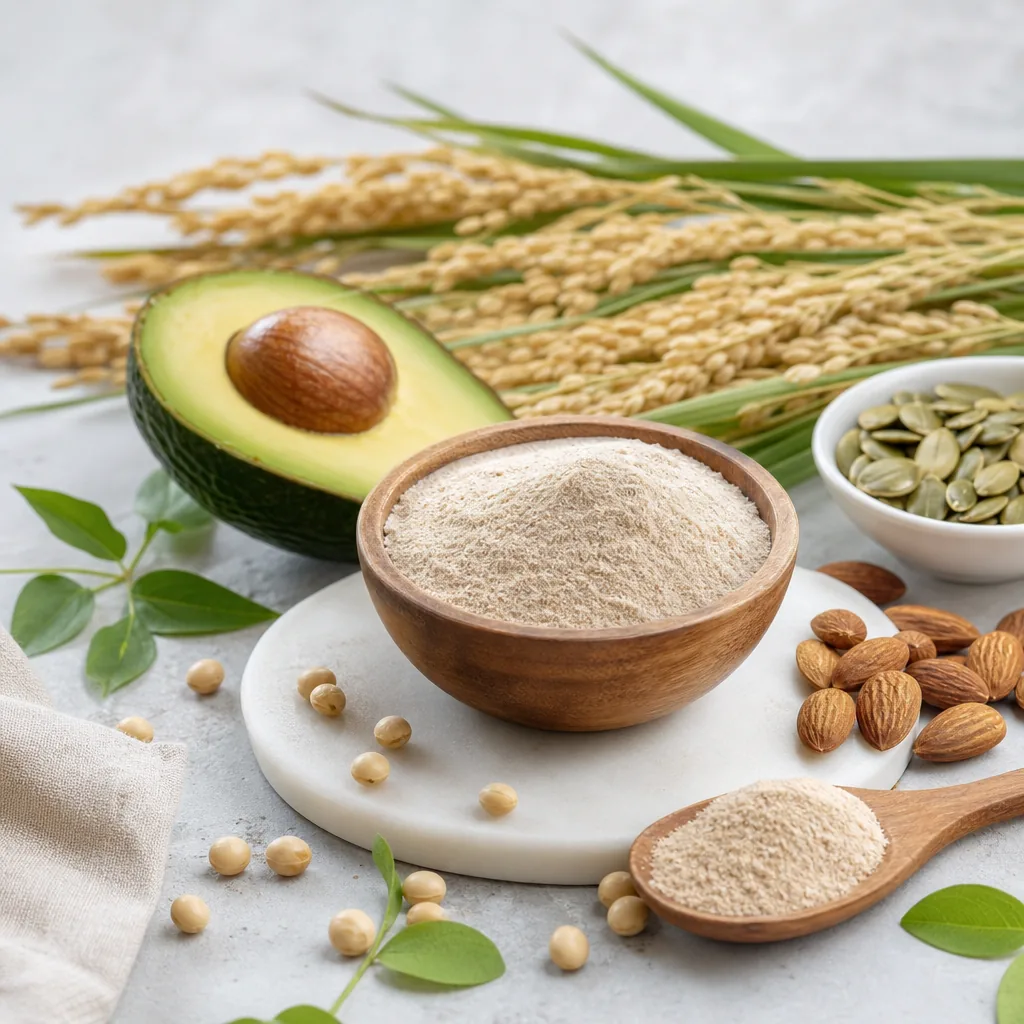
What is Beta Sitosterol? Beta sitosterol is a plant-derived compound classified as a phytosterol, a family of molecules structurally similar to cholestero…
Read more
Weight management is about achieving a healthy balance between nutrition, metabolism, and physical activity to maintain overall well-being. It goes beyond just losing or gaining weight—it involves optimizing body composition, sustaining energy levels, and supporting metabolic health. A well-regulated metabolism, proper digestion, and hormonal balance all play crucial roles in effective weight management. Factors like hydration, nutrient intake, and lifestyle choices influence how the body processes and utilizes energy. By adopting a sustainable approach that includes mindful eating, exercise, and targeted nutritional support, indivi…
View All Articles
What is Capryl? Capryl generally refers to caprylic acid (also called octanoic acid) or its triglyceride form (C8 MCT), a medium-chain fatty acid naturall…
Read more
What is Rauwolscine? Rauwolscine—often marketed as “alpha-yohimbine”—is an indole alkaloid found in certain plants of the Apocynaceae family, including Ra…
Read more
What is Lipase? Lipase is a digestive enzyme that helps break down dietary fats (triglycerides) into smaller molecules—free fatty acids and monoglycerides…
Read more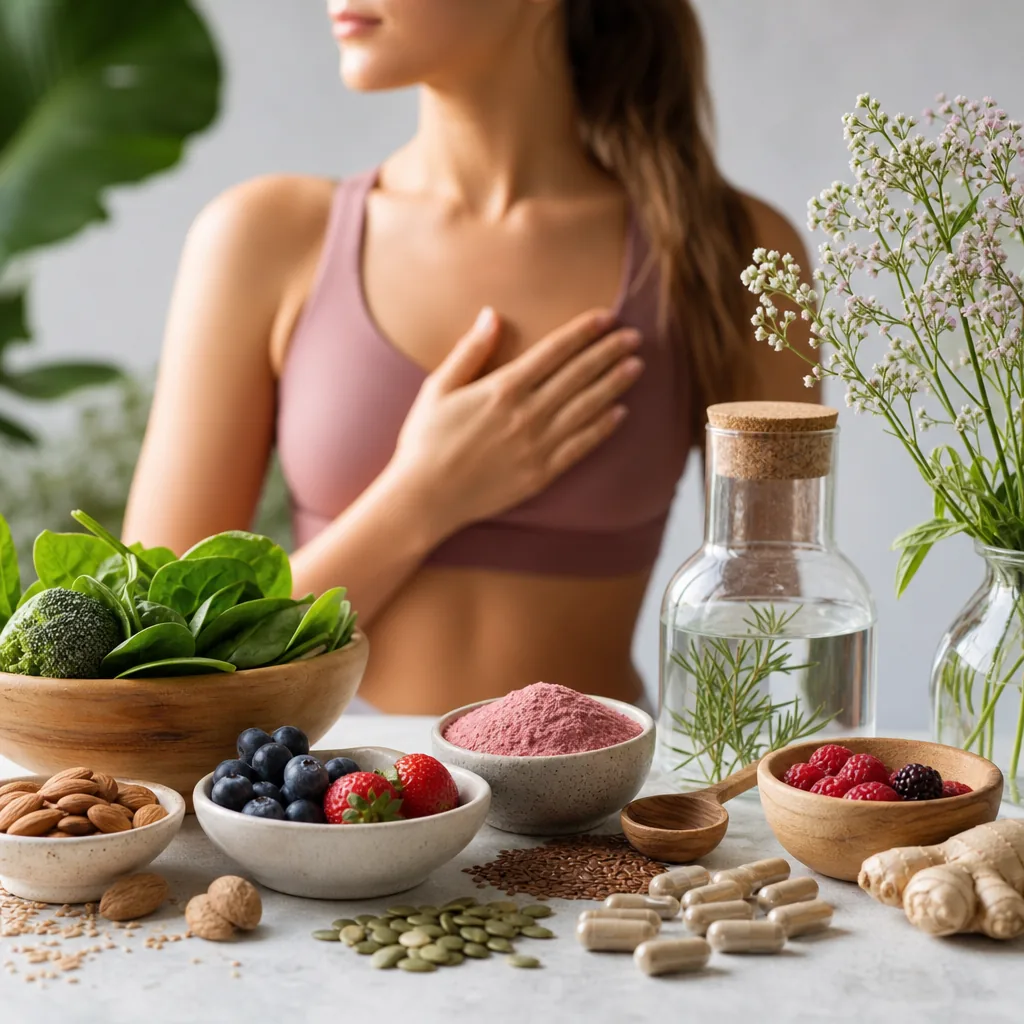
Women’s health is a dynamic balance of hormonal well-being, energy, and overall vitality. Throughout different life stages, factors such as menstrual health, reproductive function, bone strength, and metabolic balance play essential roles in a woman's overall well-being. Hormonal fluctuations, stress, and lifestyle choices can impact energy levels, mood, and physical performance, making proper support crucial. Nutrients, botanical extracts, and adaptogens can help maintain hormonal harmony, support skin and hair health, boost energy, and enhance overall resilience. Prioritizing women’s health means investing in long-term welln…
View All Articles
What is Diindolylmethane? Diindolylmethane (often abbreviated as DIM) is a compound formed in the body when you eat cruciferous vegetables such as broccol…
Read more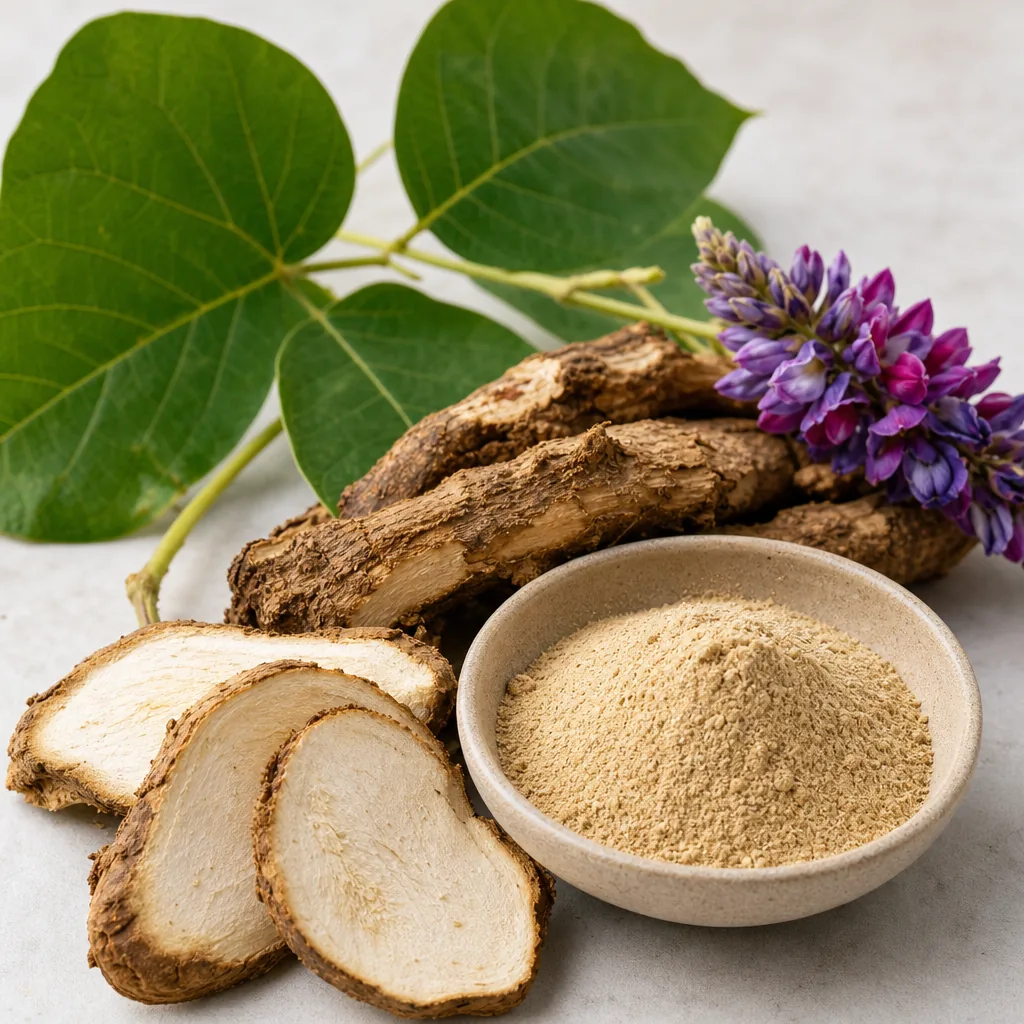
What is Kudzu? Kudzu (Pueraria lobata) is a fast-growing perennial vine native to East Asia and widely used in Traditional Chinese Medicine (TCM) under th…
Read more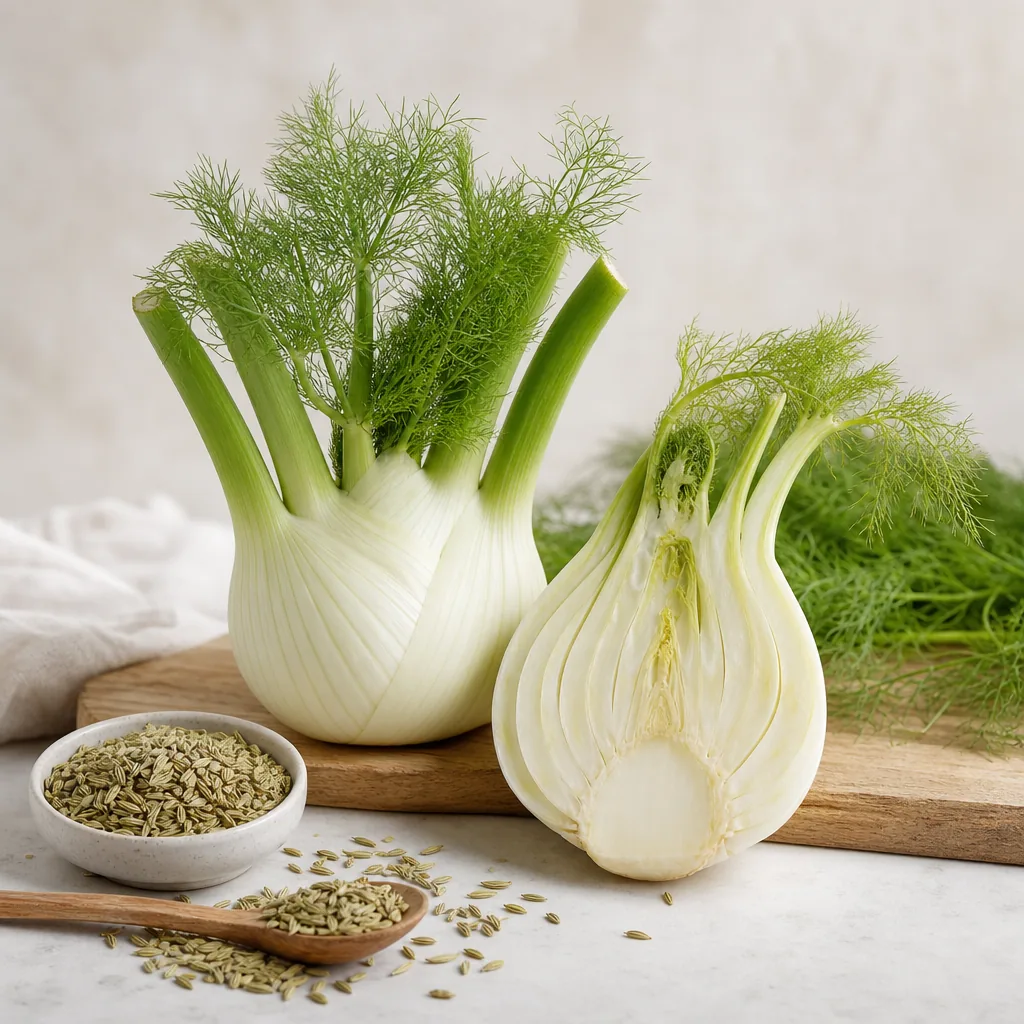
What is Fennel? Fennel (Foeniculum vulgare) is a flowering plant in the carrot and parsley family (Apiaceae). It is native to the Mediterranean region but…
Read more
Adaptogens are natural compounds found in certain herbs and botanicals that help the body adapt to stress, restore balance, and enhance resilience. Unlike stimulants, adaptogens work by regulating the body's response to physical, mental, and emotional stressors, promoting sustained energy and overall well-being. These powerful plants, such as ashwagandha, rhodiola, and ginseng, support adrenal function, hormone balance, and cognitive clarity while reducing fatigue and anxiety. By integrating adaptogens into daily wellness routines, individuals can improve their stress response, enhance focus, and maintain long-term vitality in an increasi…
View All Articles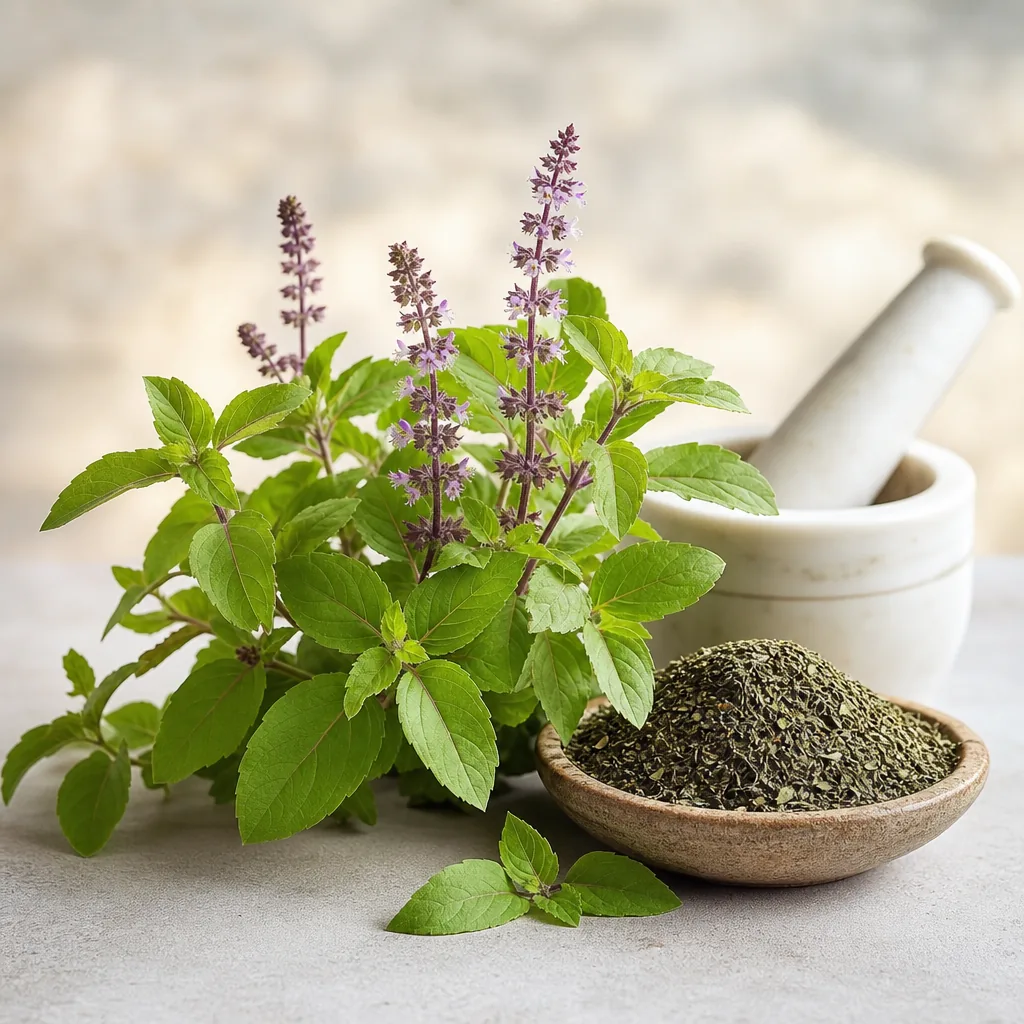
What is Holy Basil? Holy basil (Ocimum tenuiflorum or Ocimum sanctum), commonly called tulsi, is a fragrant herb in the mint family long used in Ayurveda,…
Read more
What is Cordyceps? Cordyceps refers to a group of parasitic fungi best known from traditional East Asian medicine. Historically, the most famous species w…
Read more
What is Gaba? GABA (gamma-aminobutyric acid) is a naturally occurring inhibitory neurotransmitter found throughout the human nervous system. It helps “cal…
Read more
Health and wellness encompass the holistic balance of physical, mental, and emotional well-being. It’s not just the absence of illness but the pursuit of a lifestyle that nurtures vitality, resilience, and personal growth. Health refers to the body’s ability to function optimally, supported by factors like nutrition, exercise, and preventive care. Wellness, on the other hand, is an active, conscious process of making choices that lead to a fulfilling, healthy life. It involves managing stress, maintaining positive relationships, prioritizing self-care, and fostering mental clarity. Together, health and wellness form the founda…
View All Articles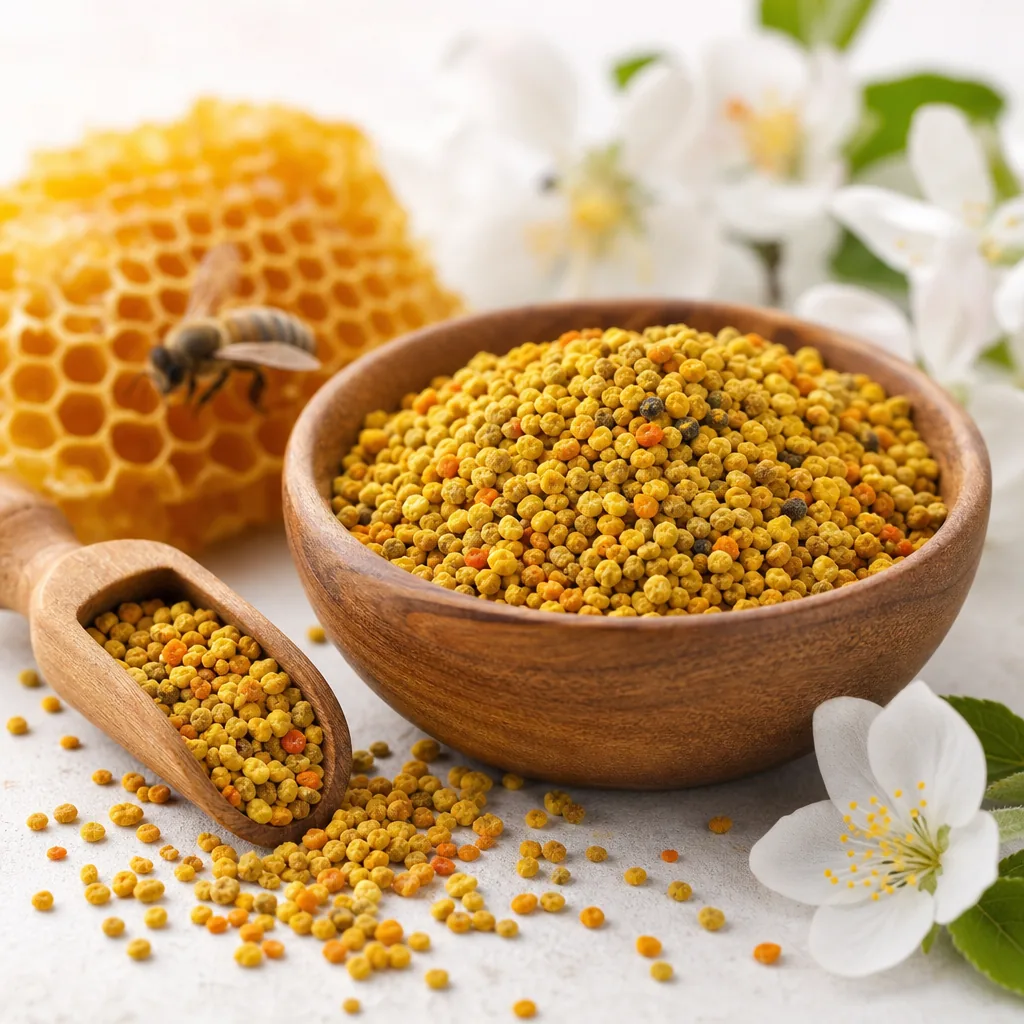
What is Bee Pollen? Bee pollen is a food-derived ingredient collected by honeybees from the male part of flowers. Bees mix microscopic pollen grains w…
Read more
What is Capryl? Capryl generally refers to caprylic acid (also called octanoic acid) or its triglyceride form (C8 MCT), a medium-chain fatty acid naturall…
Read more
What is Rosemary Leaf? Rosemary leaf comes from the evergreen shrub Salvia rosmarinus (formerly Rosmarinus officinalis), a Mediterranean herb in the mint …
Read more
Herbs have been used for centuries in traditional medicine to support overall health, balance the body, and enhance well-being naturally. These powerful botanicals offer a wide range of benefits, from promoting digestion and immune function to supporting cognitive health and relaxation. Many herbs contain bioactive compounds with antioxidant, anti-inflammatory, and adaptogenic properties, making them valuable allies in maintaining a holistic approach to health. Whether used for daily wellness, stress management, or specific health goals, herbal remedies provide a natural and effective way to nourish the body and mind.
View All Articles
What is Black Walnut? Black walnut (Juglans nigra) is a North American tree known for its hard, dark wood and edible nuts. In traditional herbalism, the g…
Read more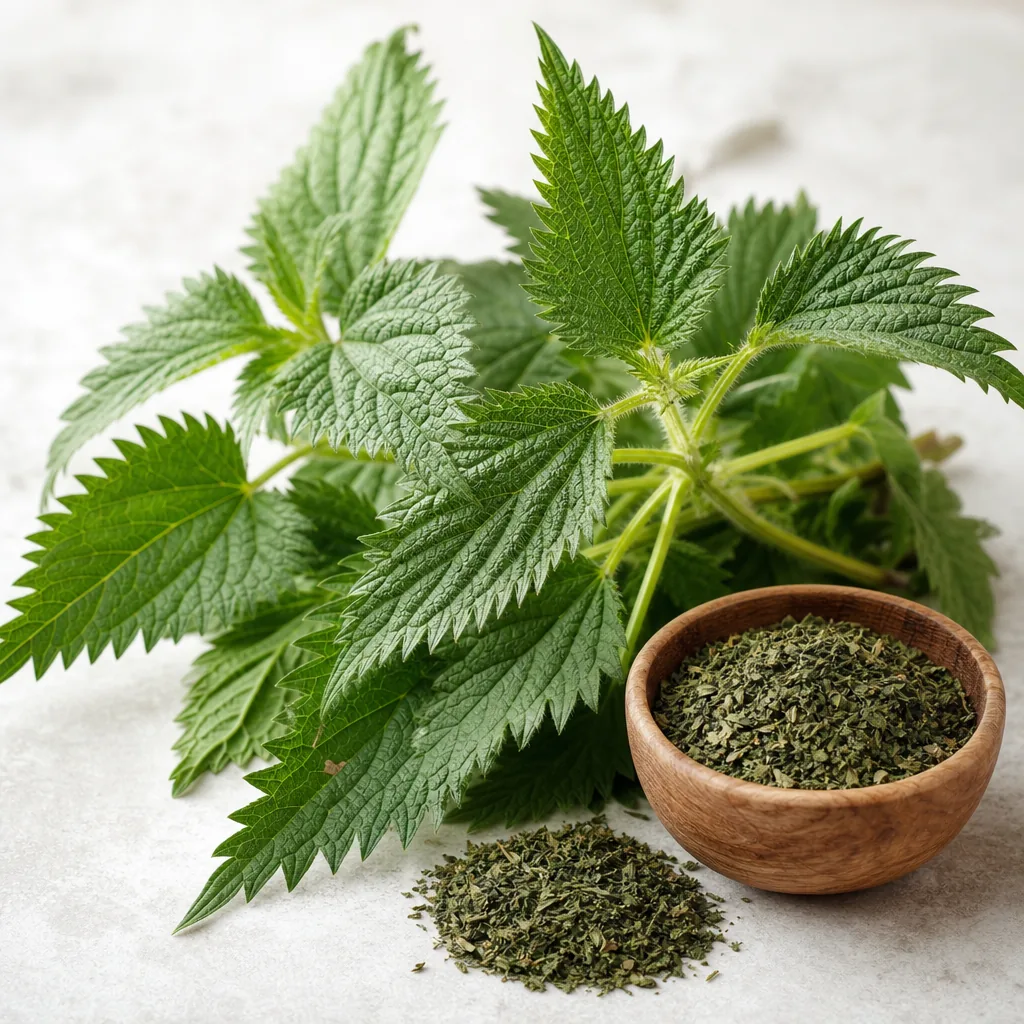
What is Stinging Nettle? Stinging nettle (Urtica dioica) is a perennial herb native to Europe, Asia, North Africa, and North America. It’s easily recogniz…
Read more
What is Burdock? Burdock (Arctium lappa and related Arctium species) is a hardy biennial plant in the Asteraceae family, long used in European folk medici…
Read more
Unlock your full potential with supplements designed to enhance your physical performance and maximize your strength. In this category, you'll find products that support energy production, improve endurance, and boost power output for high-intensity training. Whether you're an elite athlete, a fitness enthusiast, or someone looking to push past personal limits, these supplements will help you achieve your goals. Optimize your workouts, accelerate recovery, and build lean muscle with scientifically-backed solutions tailored for performance and strength.
View All Articles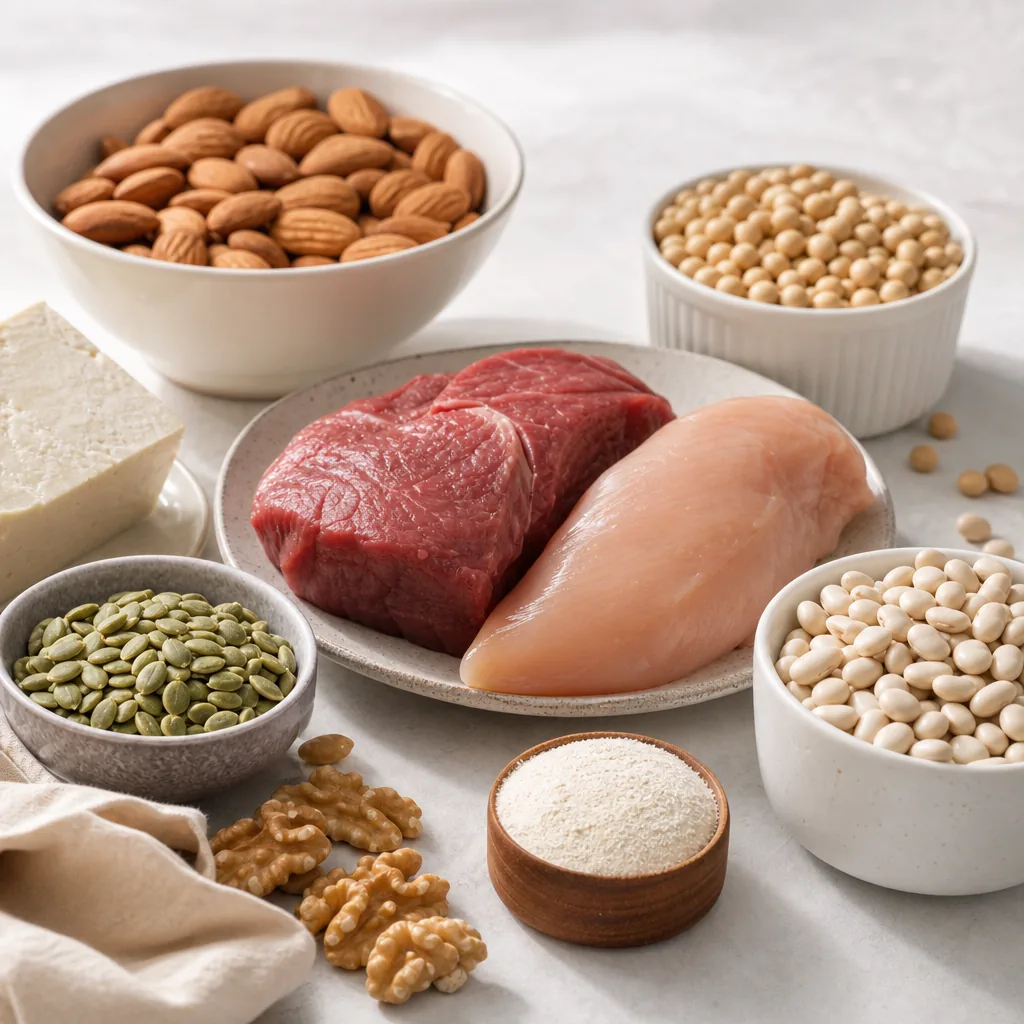
What is L-Arginine? L-Arginine is a naturally occurring amino acid that the body uses to make proteins and several key molecules. It is best known as a di…
Read more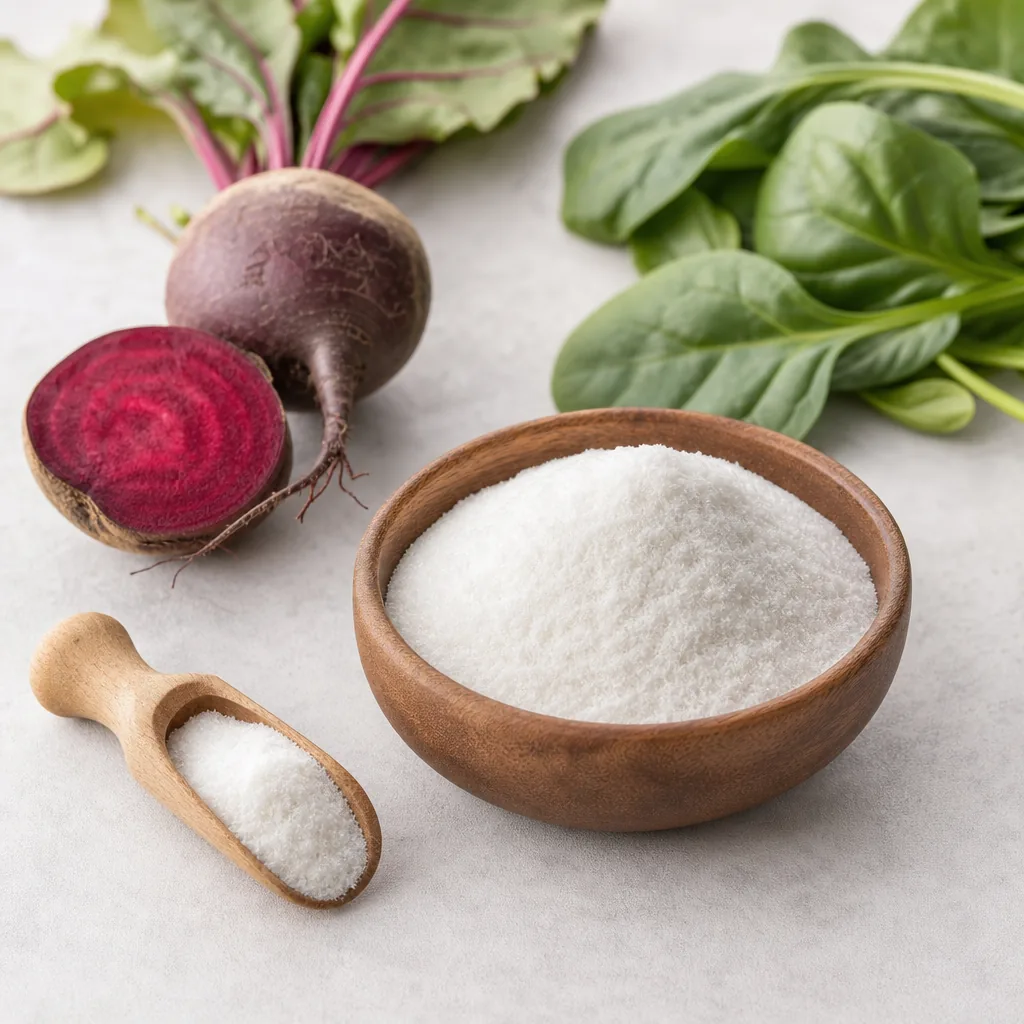
What is Betaine Anhydrous? Betaine anhydrous—also called trimethylglycine (TMG)—is a naturally occurring compound found in plants (especially sugar beets)…
Read more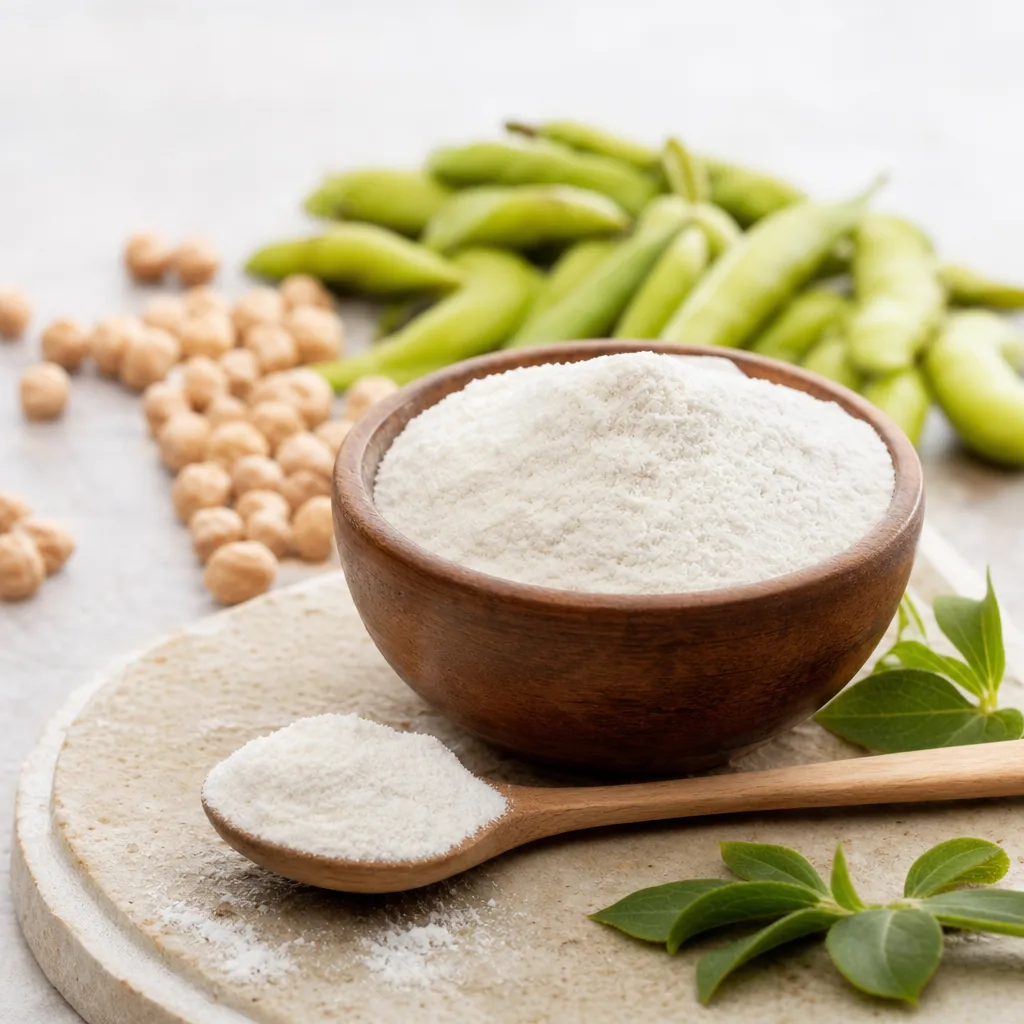
What is L-Norvaline? L-Norvaline is a non-proteinogenic, branched-chain amino acid that is a structural isomer of the essential amino acid valine. Unlike …
Read more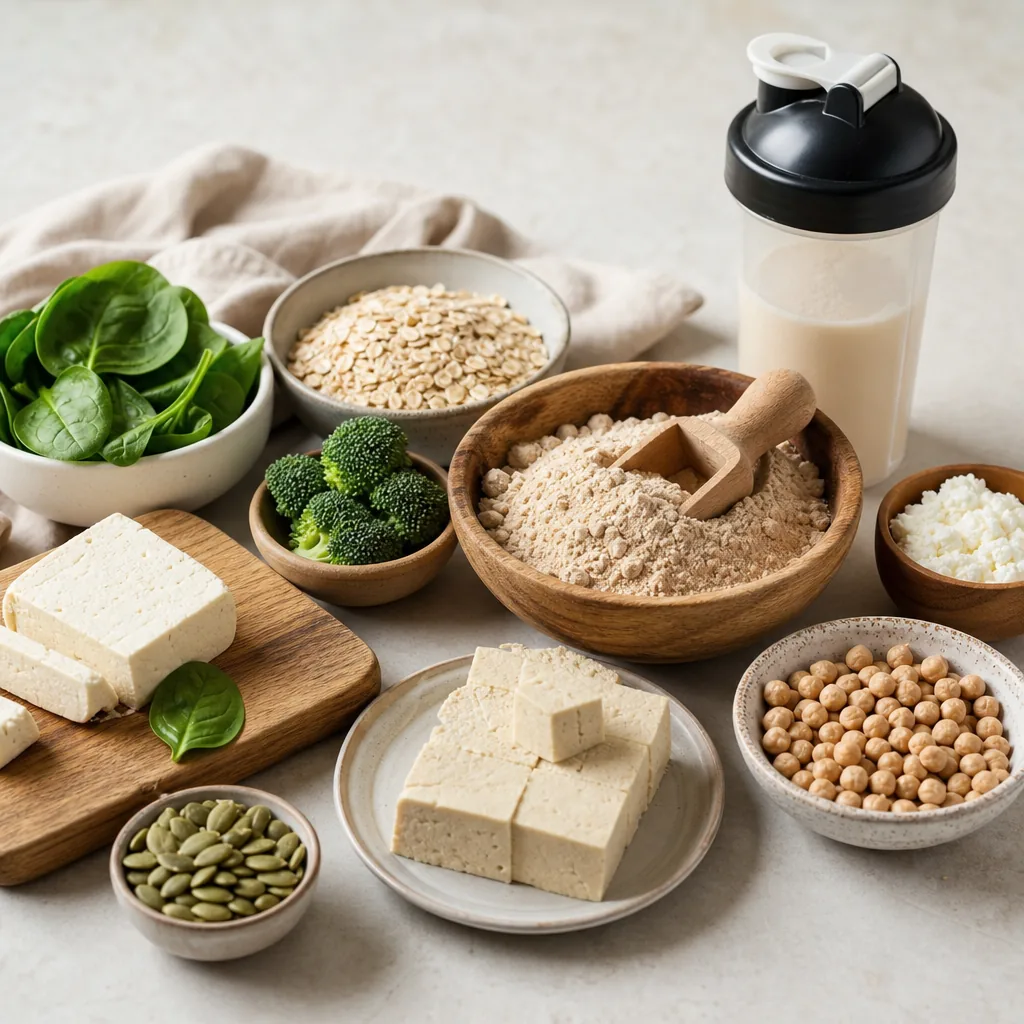
Proteins and amino acids are the building blocks of life, playing a fundamental role in muscle repair, immune function, enzyme production, and overall body maintenance. Whether for athletic performance, muscle recovery, or general health, adequate protein intake ensures the body has the necessary components for growth and repair. Amino acids, both essential and non-essential, support metabolic processes, neurotransmitter production, and tissue regeneration. From plant-based to whey protein, and branched-chain amino acids (BCAAs) to collagen, the right protein sources can optimize performance, strength, and overall well-being.
View All Articles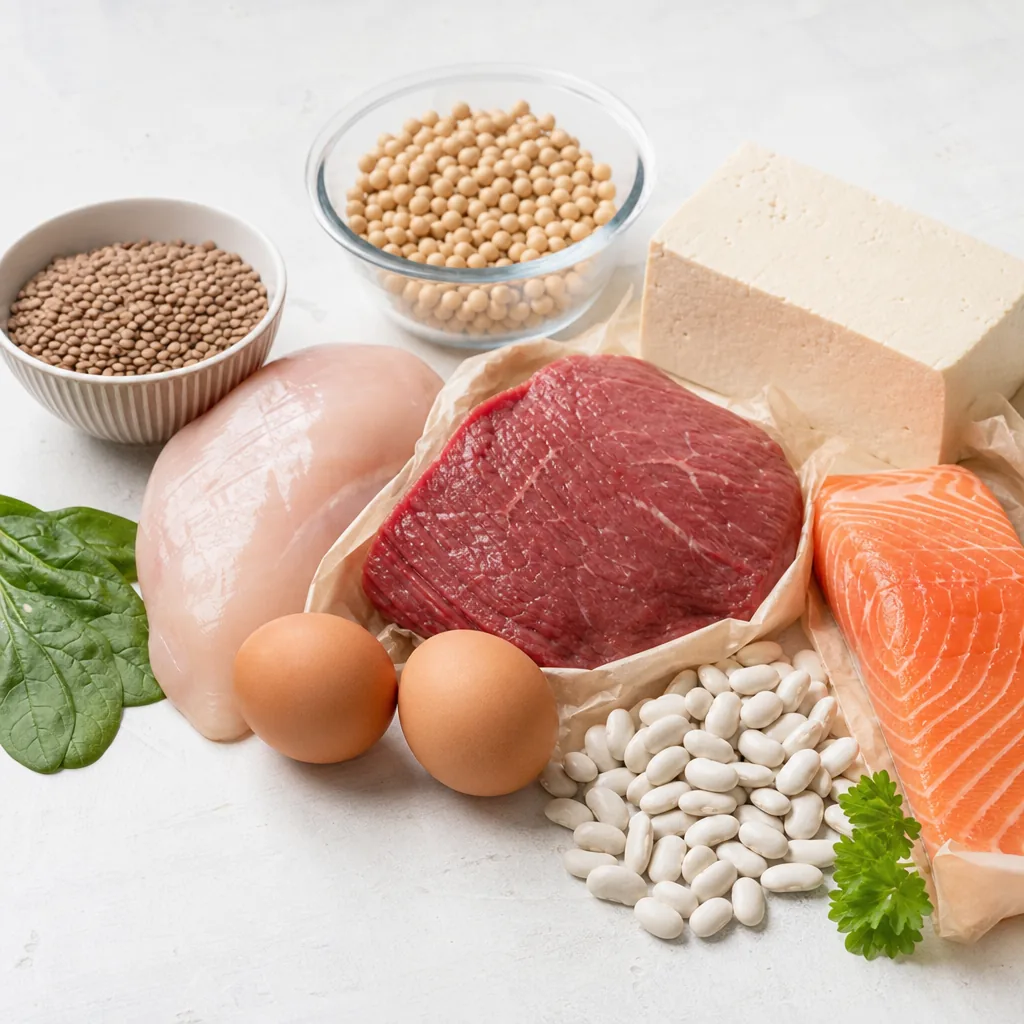
What is L-Lysine? L-lysine is an essential amino acid—the “L” form used by the human body to build proteins. As an essential nutrient, your body cannot sy…
Read more
What is Taurine? Taurine is an amino sulfonic acid naturally found in the human body, especially in the brain, eyes, heart, and skeletal muscles. Although…
Read more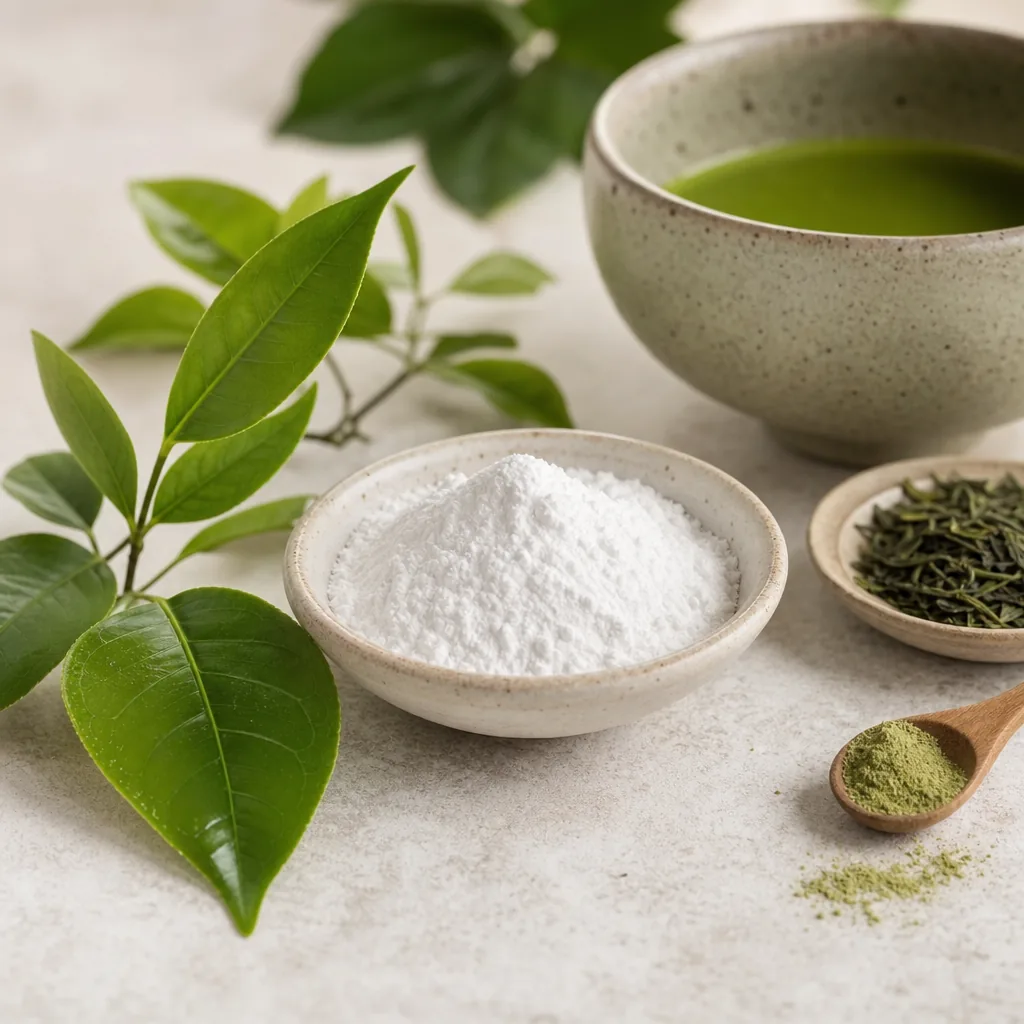
What is L-Theanine? L-theanine is a non-protein amino acid naturally found in the leaves of the tea plant (Camellia sinensis), including green, black, ool…
Read more
Sleep and relaxation are essential pillars of overall well-being, playing a critical role in both physical and mental health. Sleep is the body’s natural recovery process, allowing it to repair tissues, consolidate memories, regulate hormones, and restore energy for the next day. Quality sleep supports immune function, cognitive performance, and emotional stability.
Relaxation, on the other hand, is the practice of calming the mind and body, reducing stress, and promoting inner peace. It helps manage the effects of daily pressures, improves mood, and enhances mental clarity. Together, sleep and relaxation create a cycle of…
View All Articles
What is L-Theanine? L-theanine is a non-protein amino acid naturally found in the leaves of the tea plant (Camellia sinensis), including green, black, ool…
Read more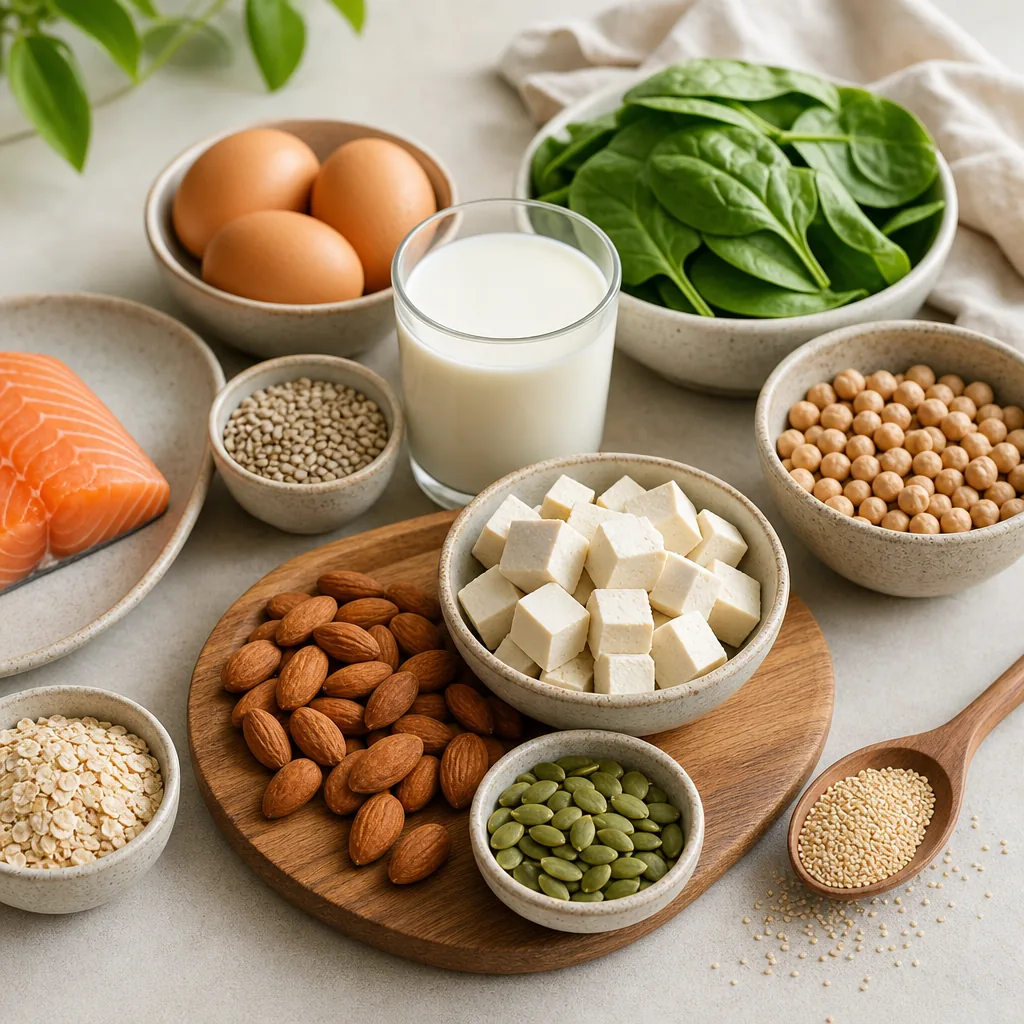
What is L-Tryptophan? L-tryptophan is one of the nine essential amino acids—building blocks of protein that the human body cannot make on its own and must…
Read more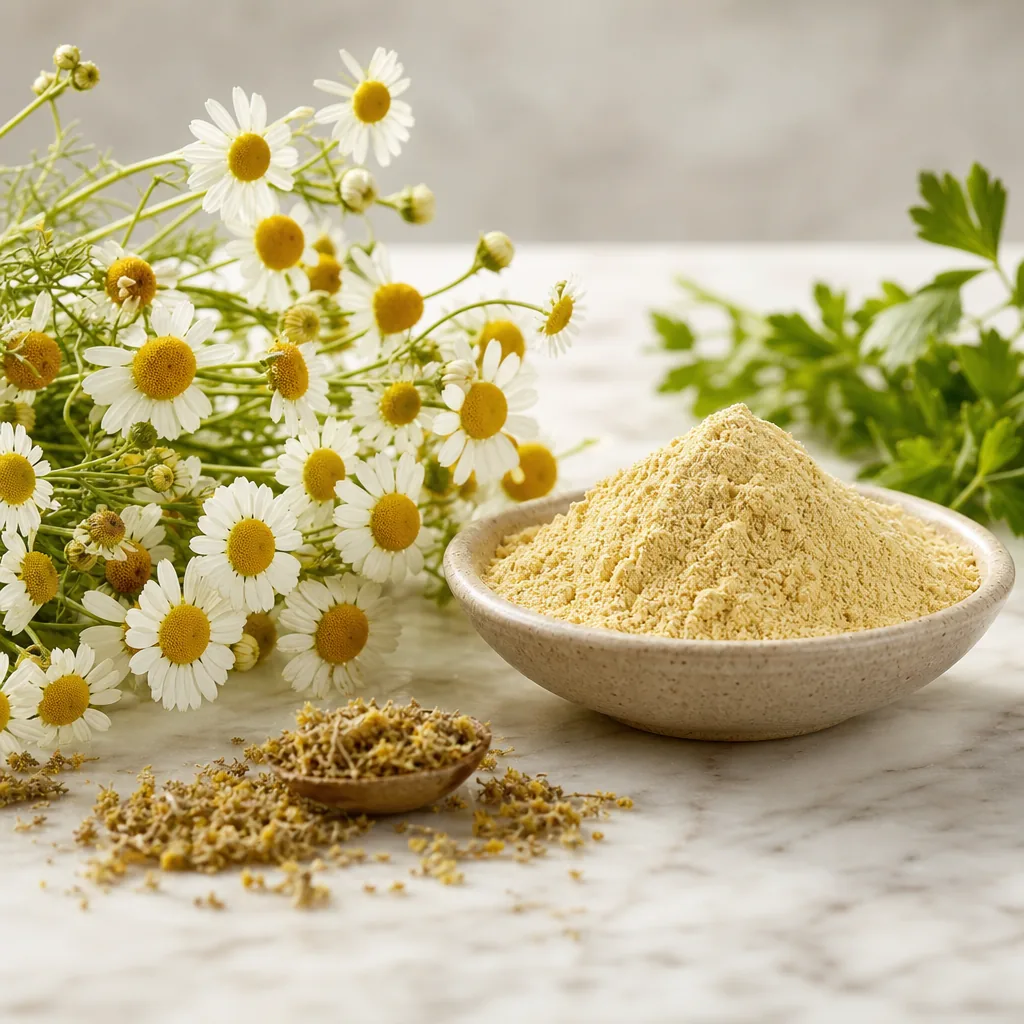
What is Apigenin? Apigenin is a naturally occurring plant compound belonging to the flavone family of polyphenols. It is found in many culinary herbs and …
Read more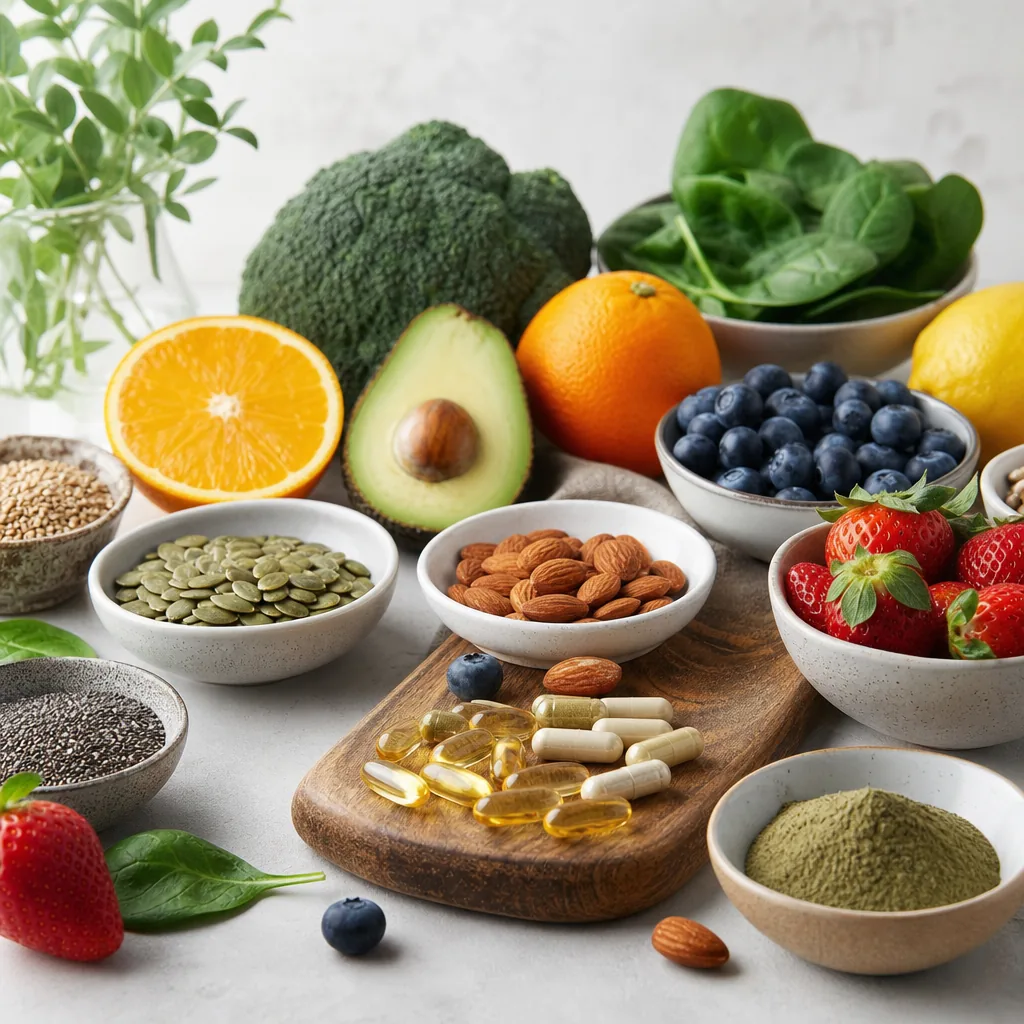
Vitamins and minerals are essential nutrients that support nearly every function in the body, from energy production and immune defense to bone strength and cognitive health. These micronutrients act as catalysts for vital biochemical processes, ensuring that the body operates efficiently. While vitamins help regulate metabolism, support cell growth, and enhance immunity, minerals contribute to strong bones, fluid balance, and nerve function. Since the body cannot always produce these nutrients on its own, they must be obtained through a balanced diet or supplementation. Maintaining optimal levels of vitamins and minerals is key to overal…
View All Articles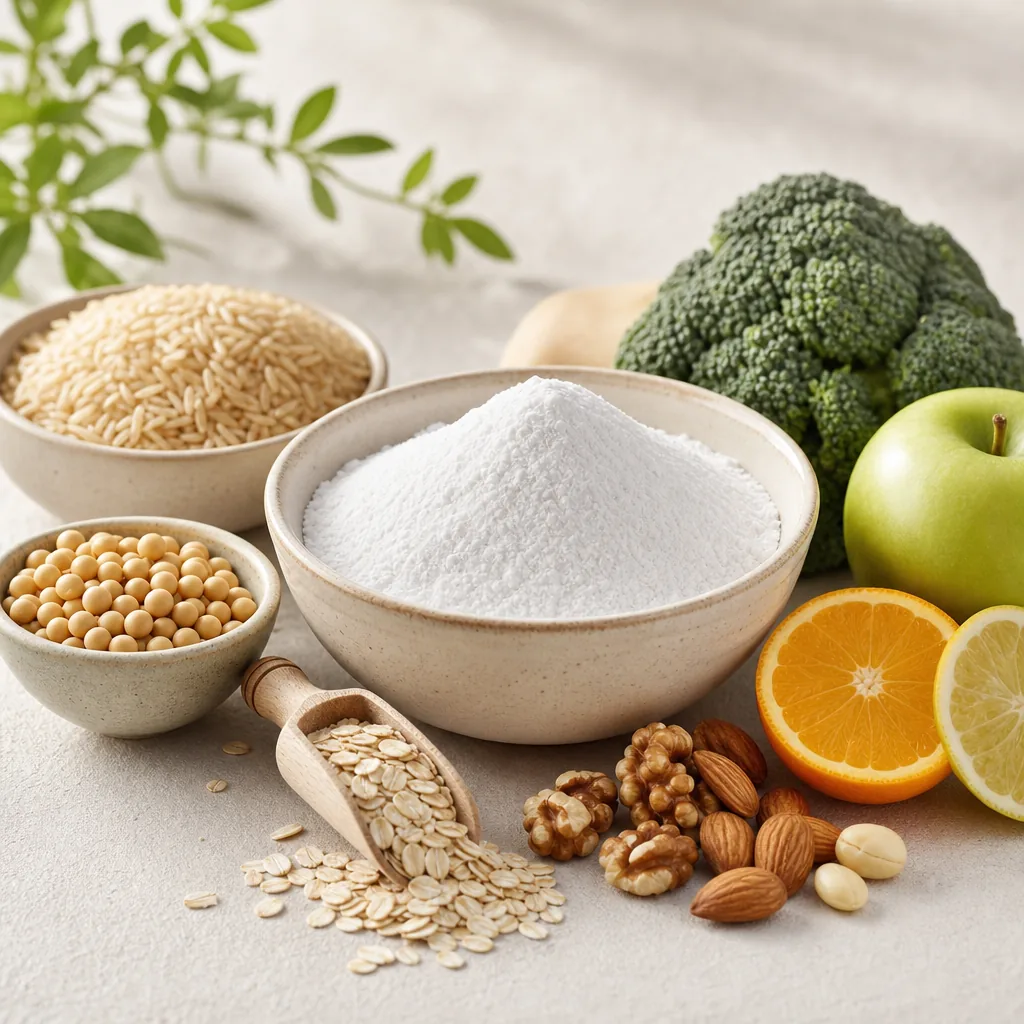
What is Inositol? Inositol is a naturally occurring carbocyclic sugar alcohol found in plants and animals, with myo-inositol being the predominant form in…
Read more
What is Sodium? Sodium is an essential mineral and electrolyte that carries a positive charge (Na+) and is the primary cation in the fluid outside your ce…
Read more
What is Paba? Para-aminobenzoic acid (PABA) is a small organic compound that sits at the crossroads of microbiology and nutrition. It is sometimes mislead…
Read more