Herbs have been used for centuries in traditional medicine to support overall health, balance the body, and enhance well-being naturally. These powerful botanicals offer a wide range of benefits, from promoting digestion and immune function to supporting cognitive health and relaxation. Many herbs contain bioactive compounds with antioxidant, anti-inflammatory, and adaptogenic properties, making them valuable allies in maintaining a holistic approach to health. Whether used for daily wellness, stress management, or specific health goals, herbal remedies provide a natural and effective way to nourish the body and mind.
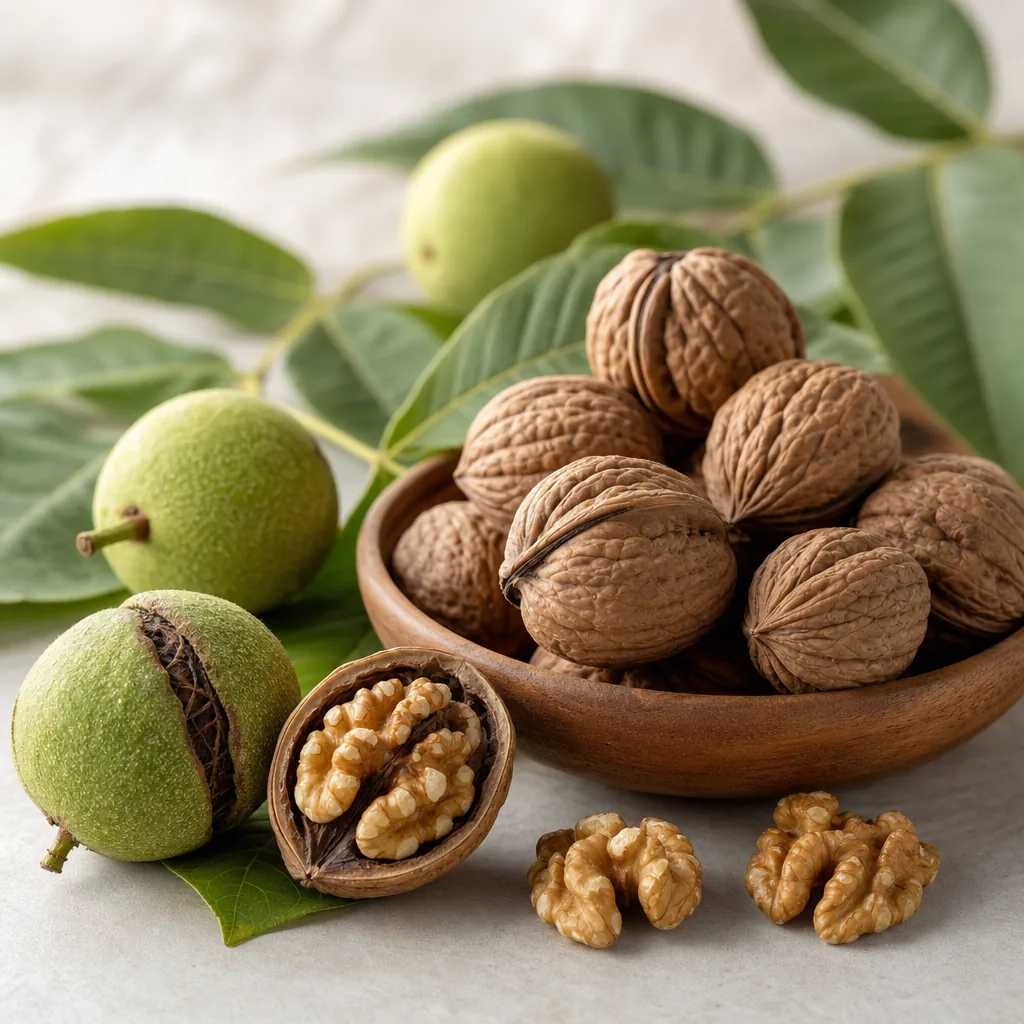
What is Black Walnut? Black walnut (Juglans nigra) is a North American tree known for its hard, dark wood and edible nuts. In traditional herbalism, the g…
Read more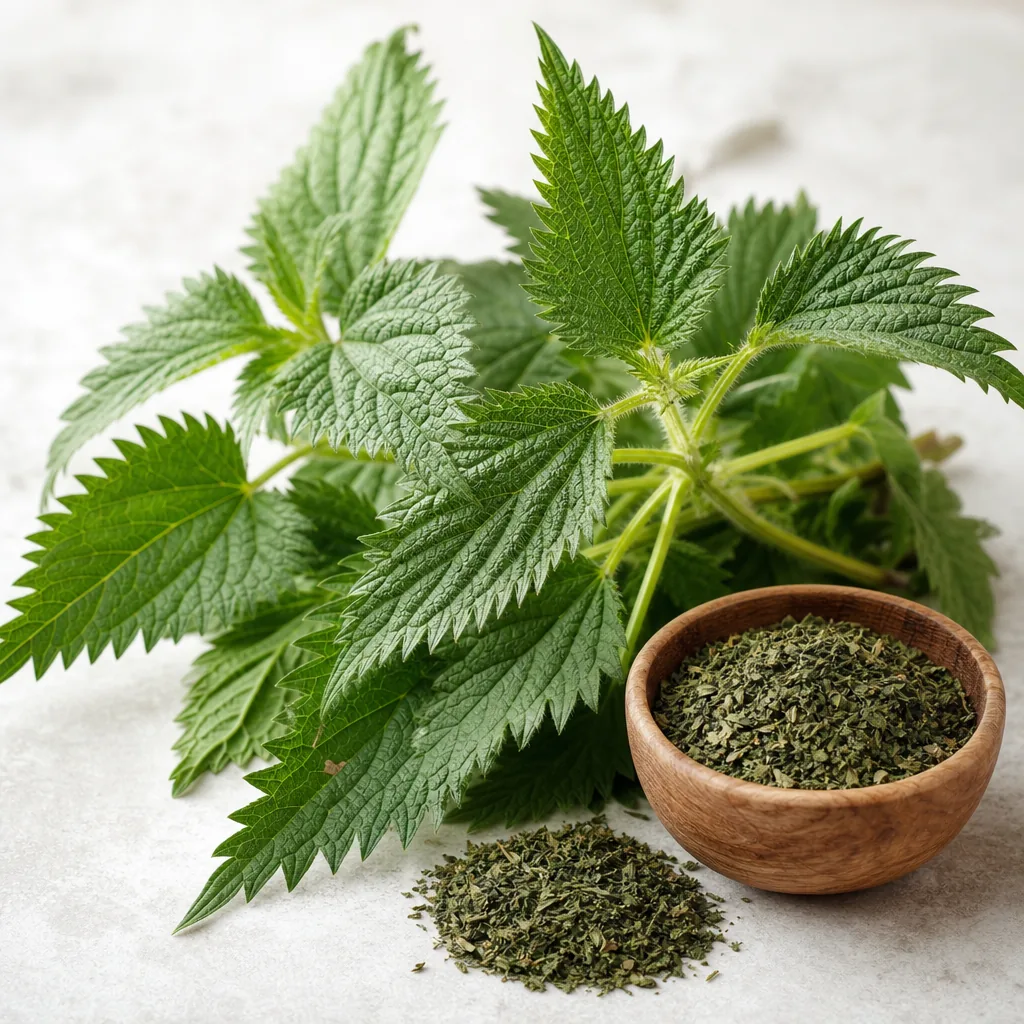
What is Stinging Nettle? Stinging nettle (Urtica dioica) is a perennial herb native to Europe, Asia, North Africa, and North America. It’s easily recogniz…
Read more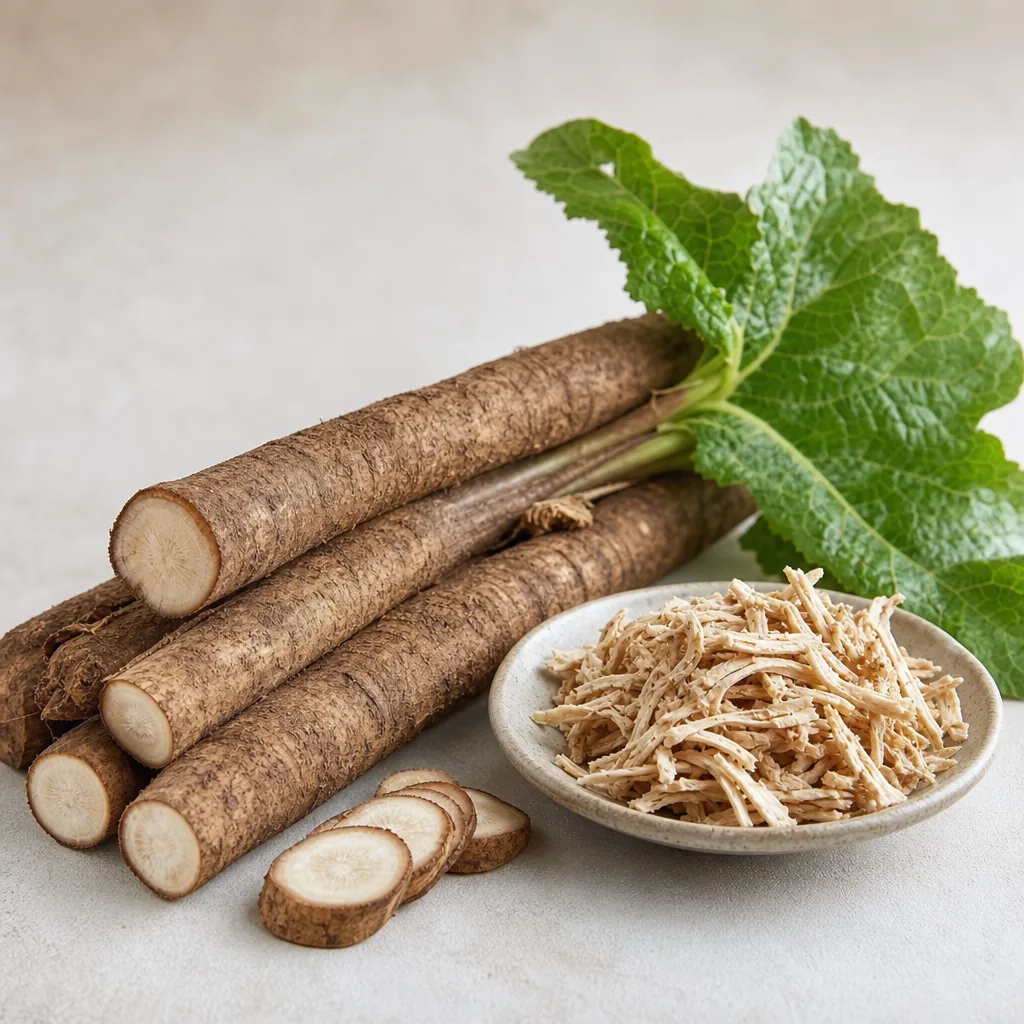
What is Burdock? Burdock (Arctium lappa and related Arctium species) is a hardy biennial plant in the Asteraceae family, long used in European folk medici…
Read more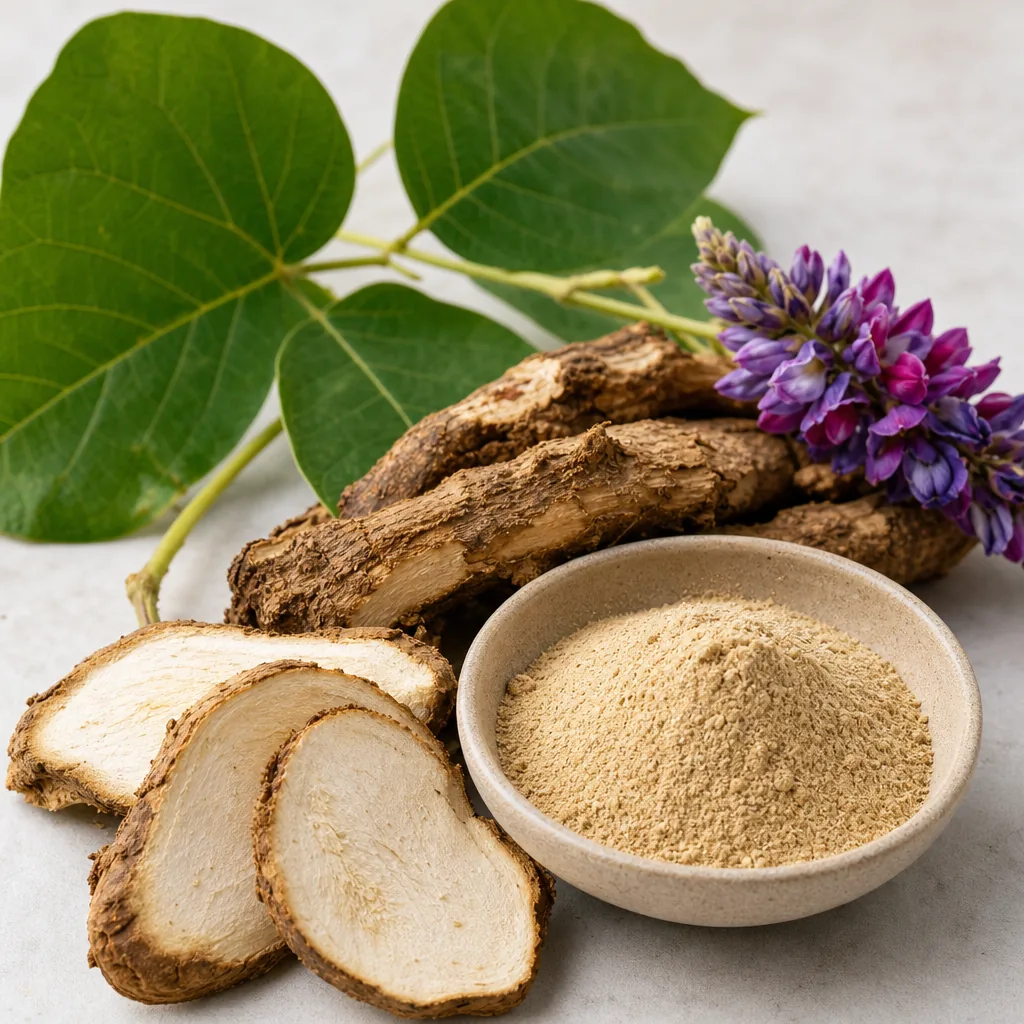
What is Kudzu? Kudzu (Pueraria lobata) is a fast-growing perennial vine native to East Asia and widely used in Traditional Chinese Medicine (TCM) under th…
Read more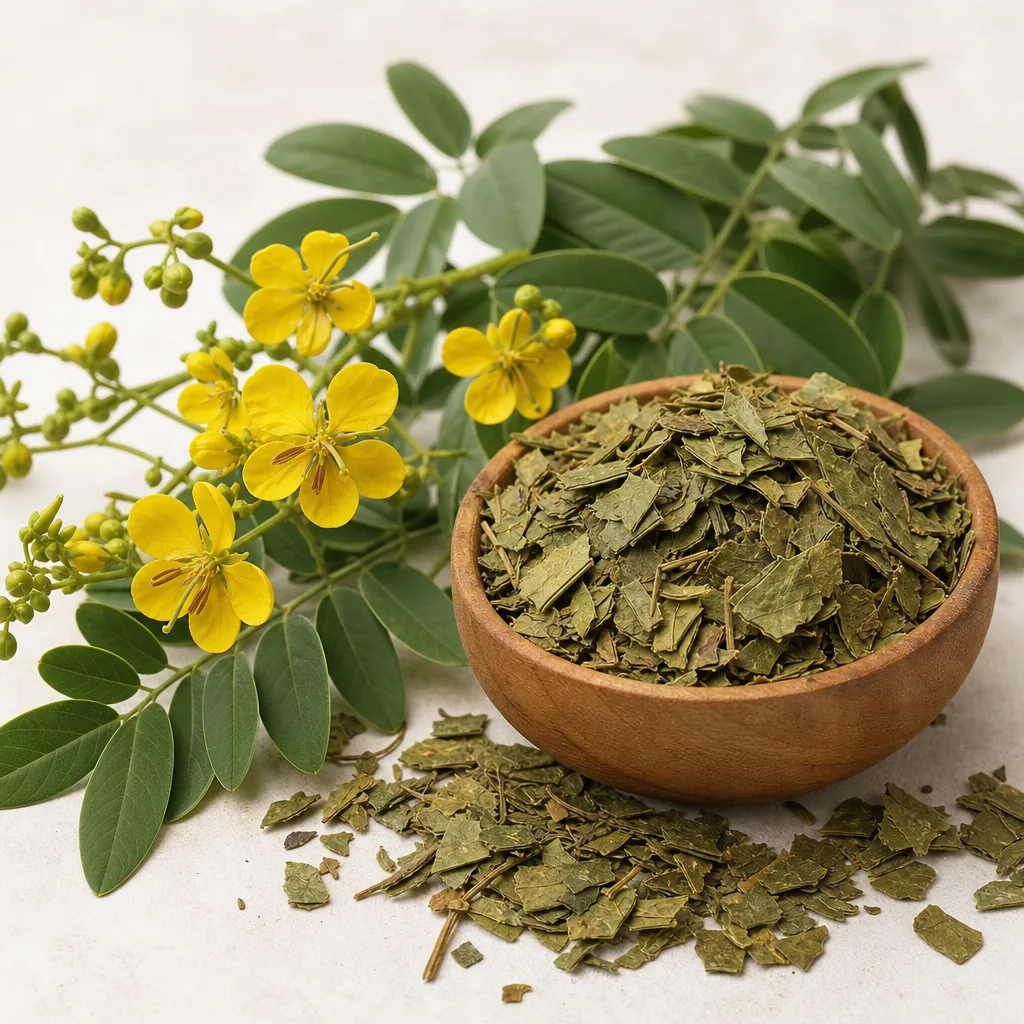
What is Senna? Senna is a botanical laxative derived primarily from the leaves and pods of Senna alexandrina (also known historically as Cassia senna or C…
Read more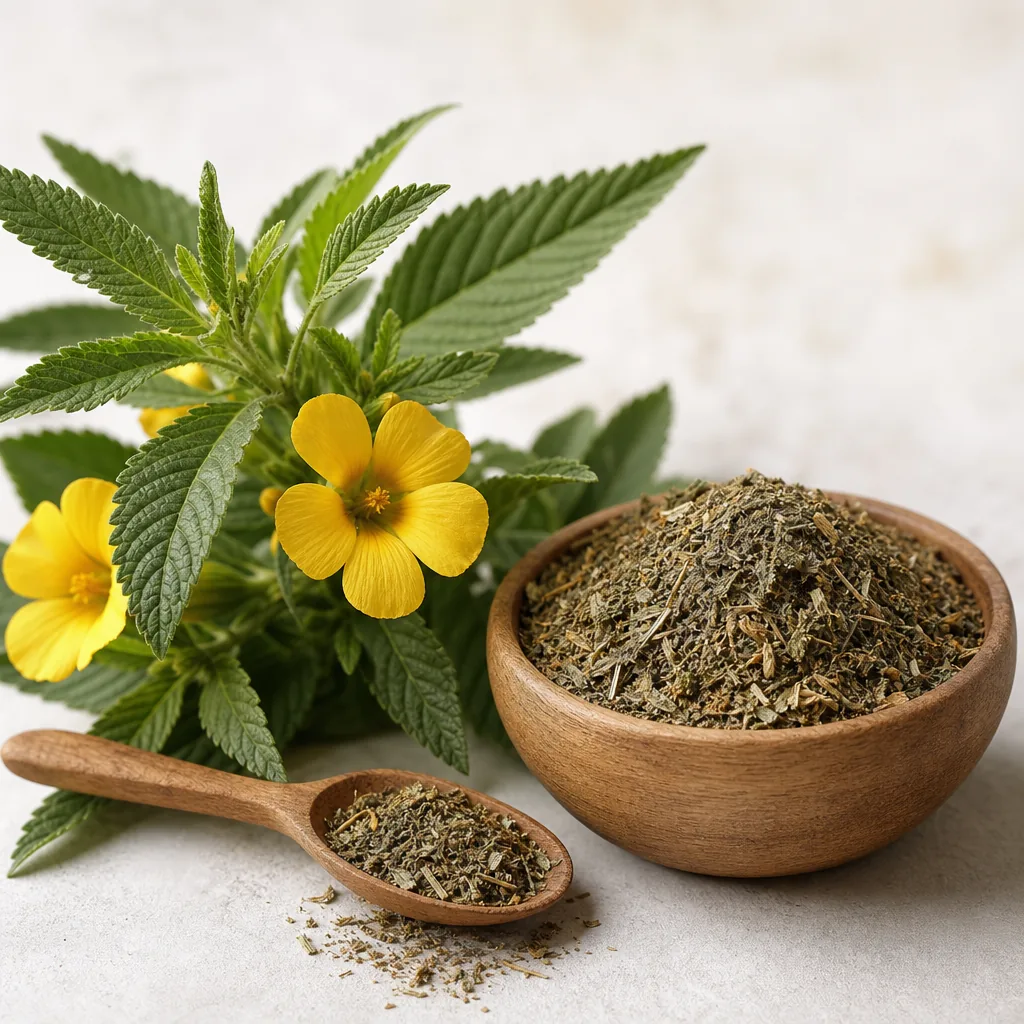
What is Damiana? Damiana (Turnera diffusa, also known as Turnera aphrodisiaca) is a small aromatic shrub native to Mexico, the Caribbean, and parts of Cen…
Read more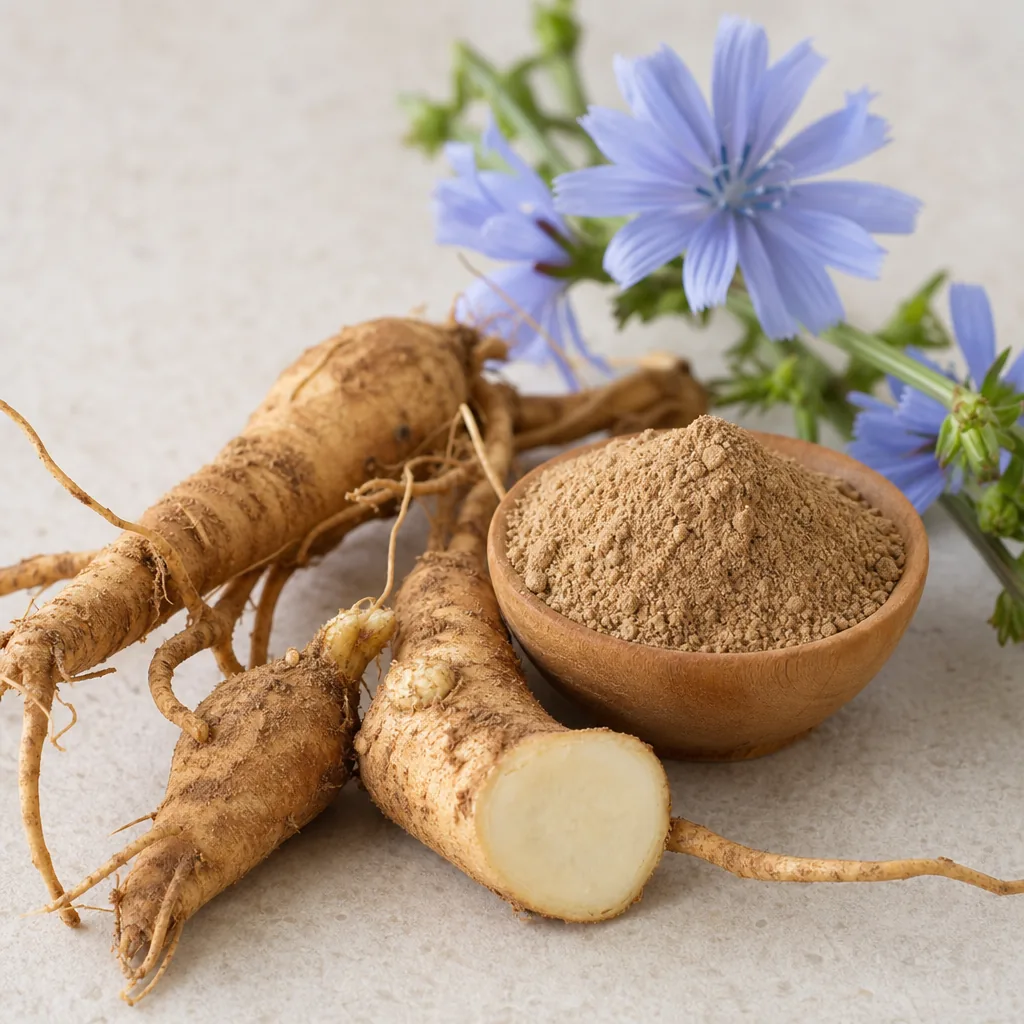
What is Chicory Root? Chicory root (Cichorium intybus) is the thick, fibrous taproot of a blue-flowered plant in the Asteraceae family, long used as a foo…
Read more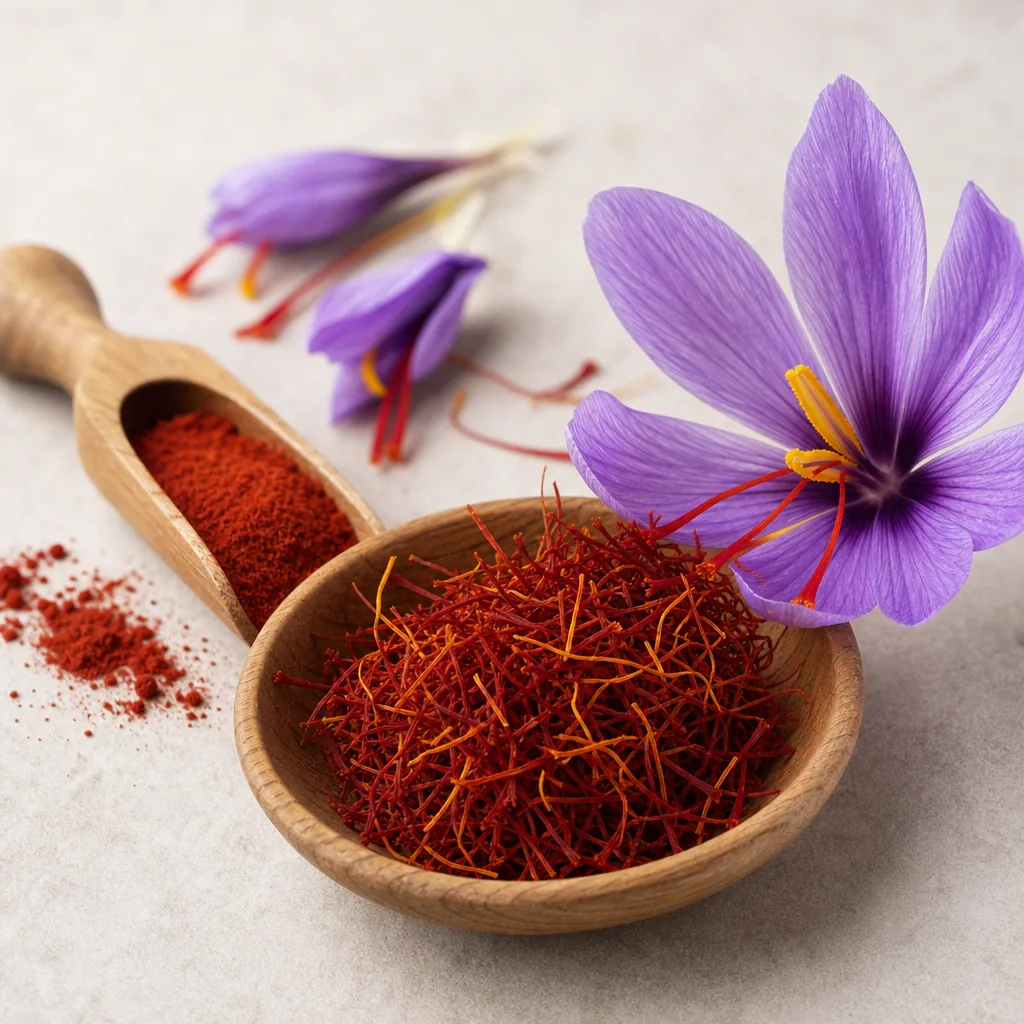
What is Saffron Extract? Saffron extract is a concentrated preparation derived from the dried stigmas of the Crocus sativus flower, a prized culinary …
Read more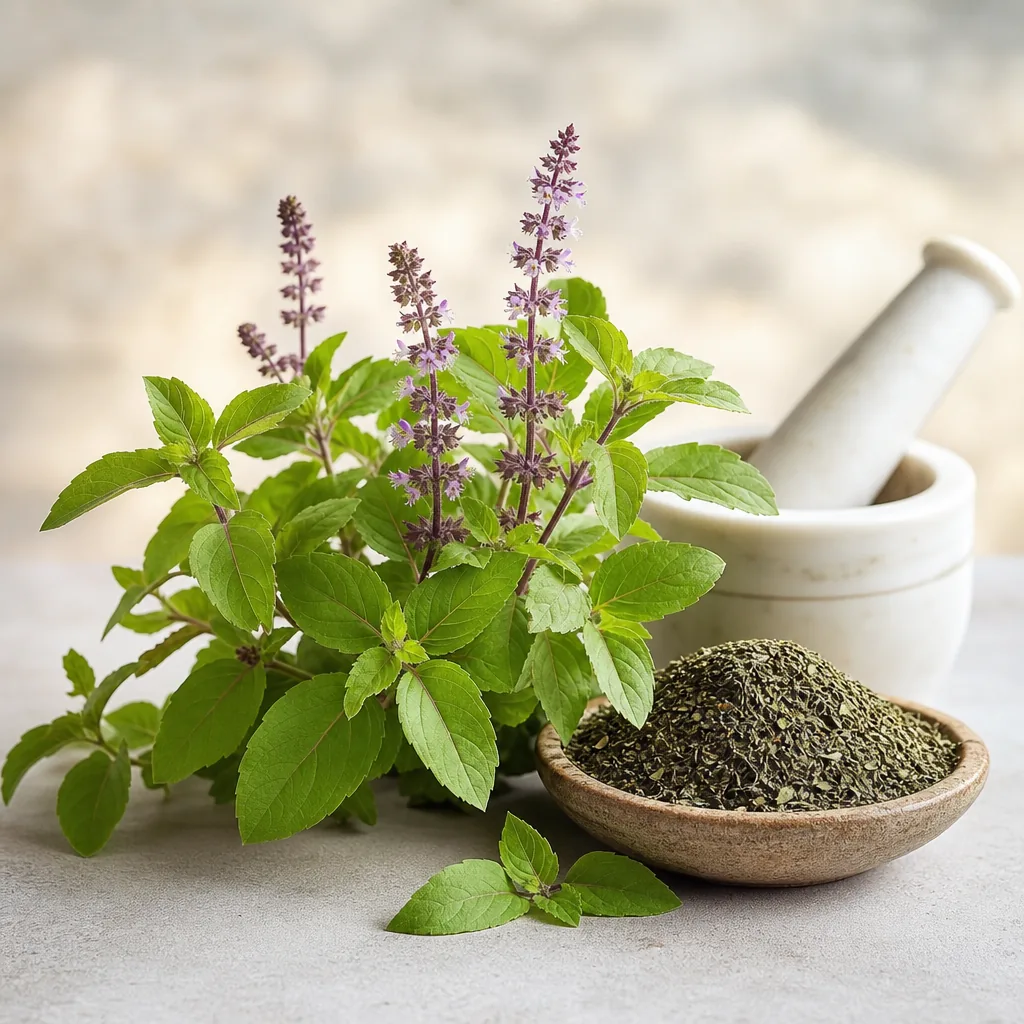
What is Holy Basil? Holy basil (Ocimum tenuiflorum or Ocimum sanctum), commonly called tulsi, is a fragrant herb in the mint family long used in Ayurveda,…
Read more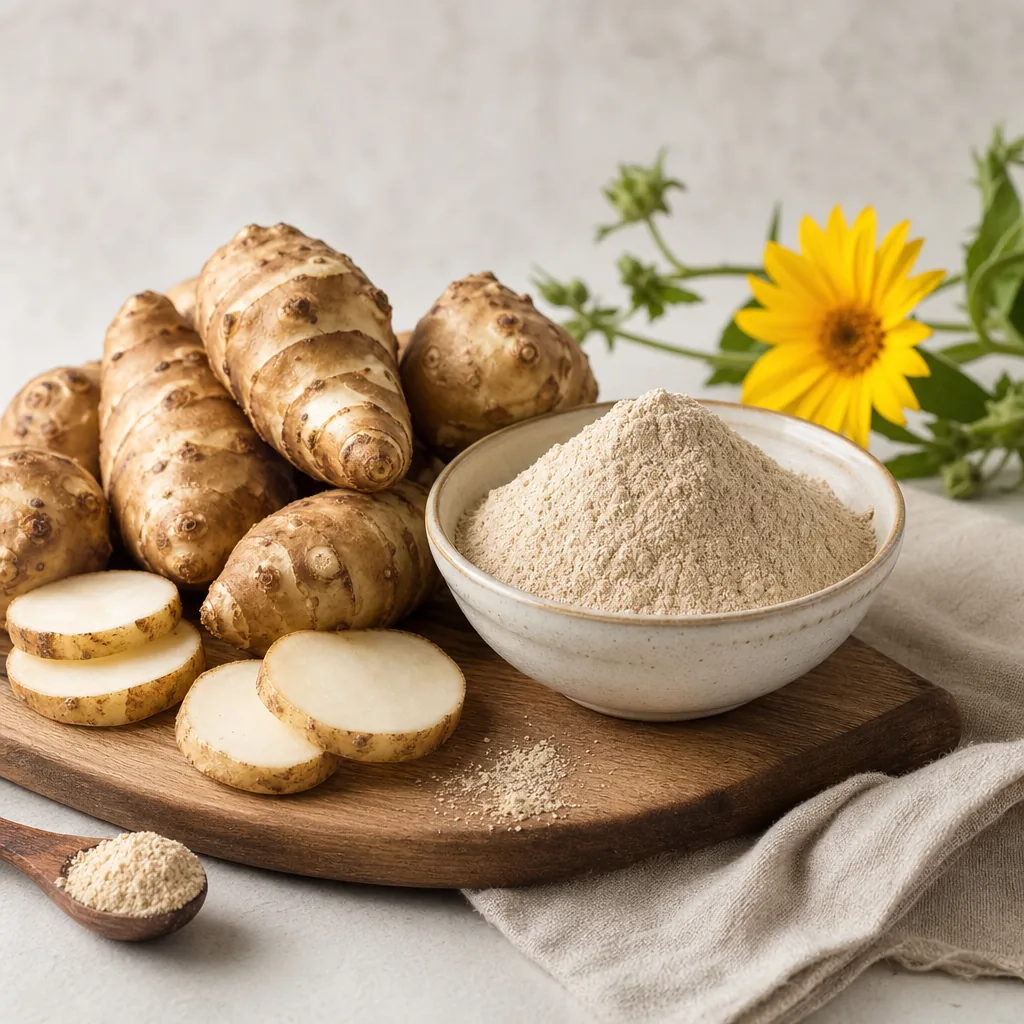
What is Jerusalen Artichoke Fiber? Jerusalen artichoke fiber (commonly spelled “Jerusalem artichoke” and also known as sunchoke fiber) is a food-derived i…
Read more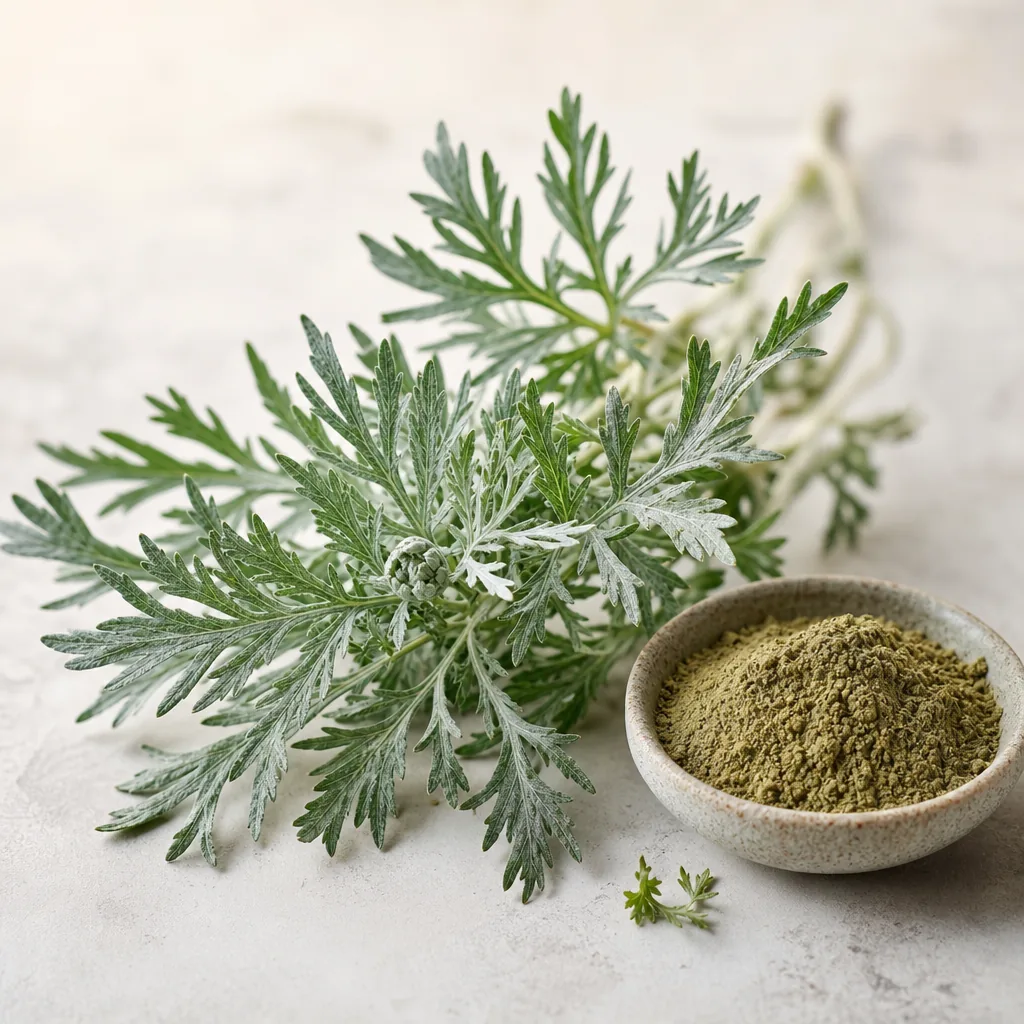
What is Wormwood? Wormwood (Artemisia absinthium) is a bitter, aromatic herb in the Asteraceae family, traditionally used in European and Middle Eastern h…
Read more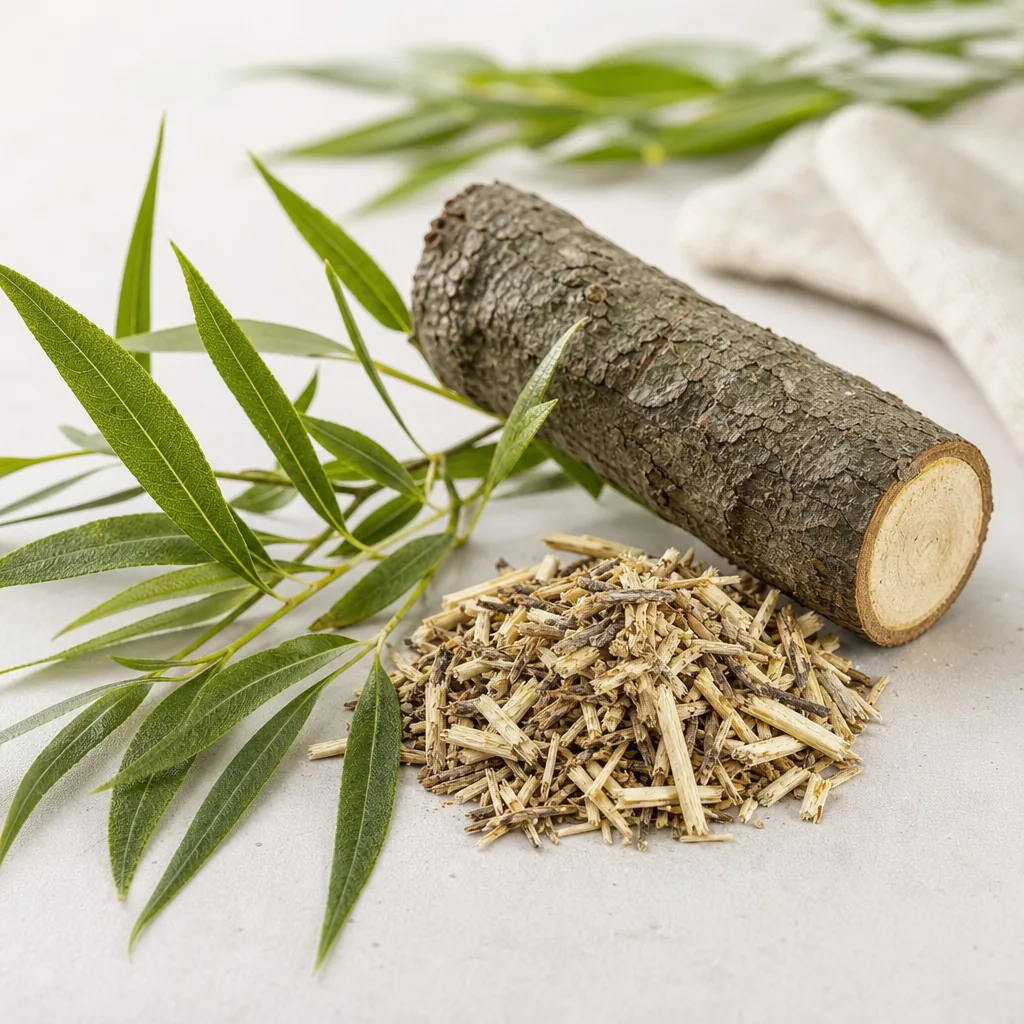
What is White Willow? White willow (Salix alba) is a botanical herb derived from the bark of willow trees native to Europe and parts of Asia. The bark con…
Read more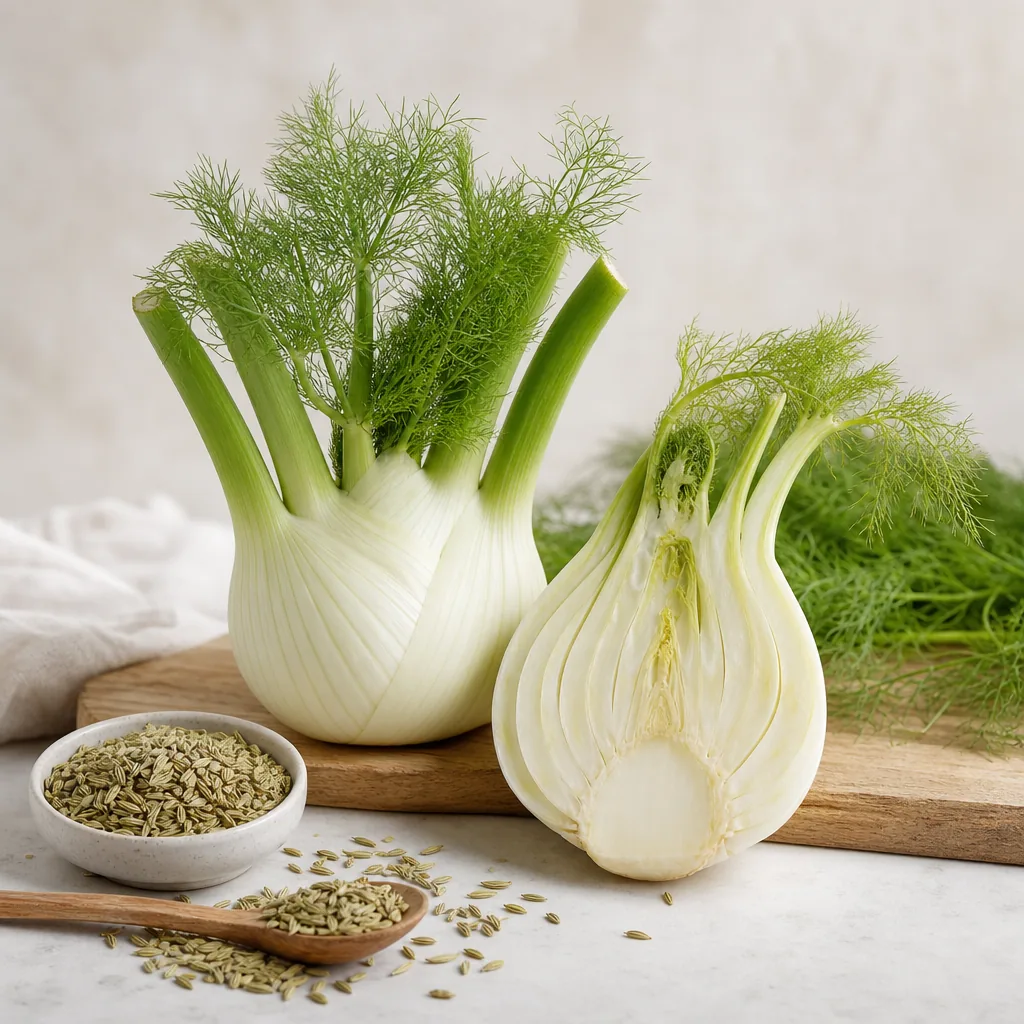
What is Fennel? Fennel (Foeniculum vulgare) is a flowering plant in the carrot and parsley family (Apiaceae). It is native to the Mediterranean region but…
Read more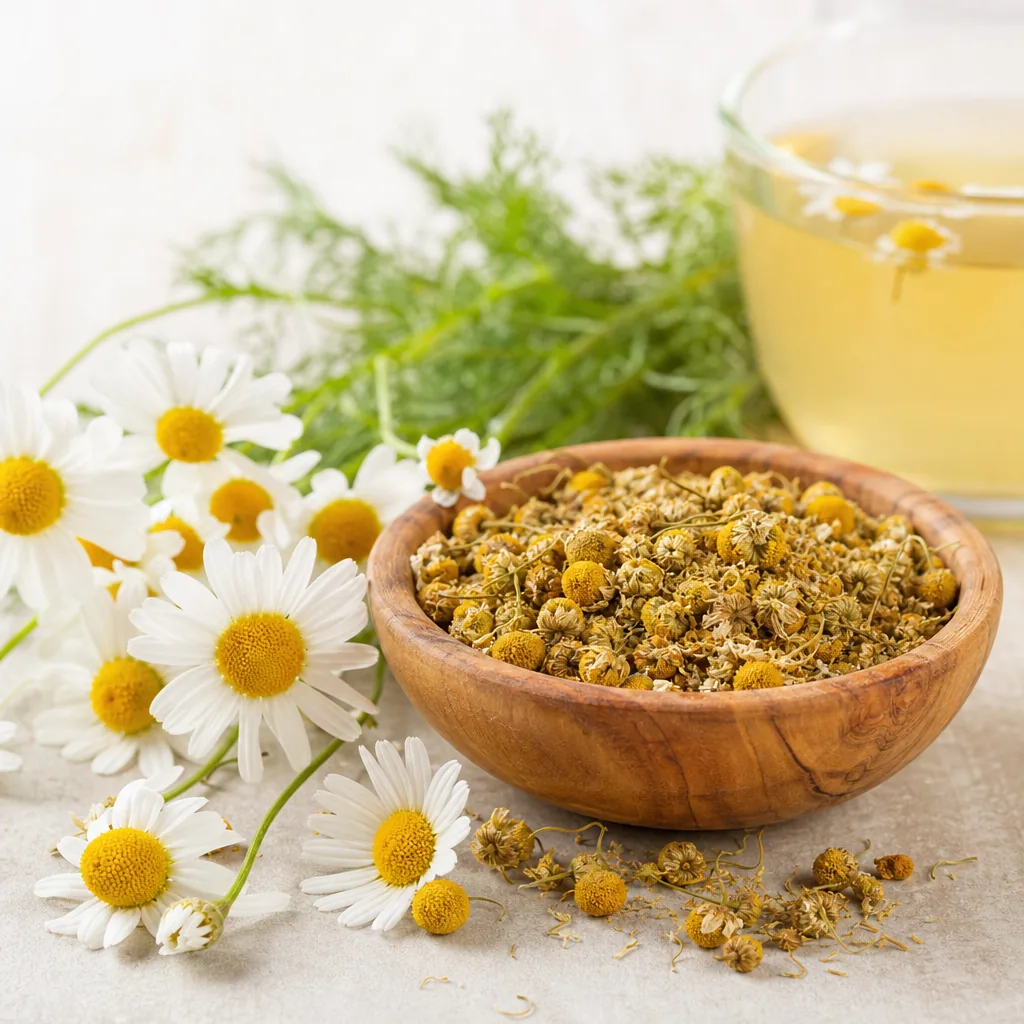
What is Chamomile? Chamomile is a traditional herbal remedy made primarily from the dried flower heads of two closely related plants: German chamomile (Ma…
Read more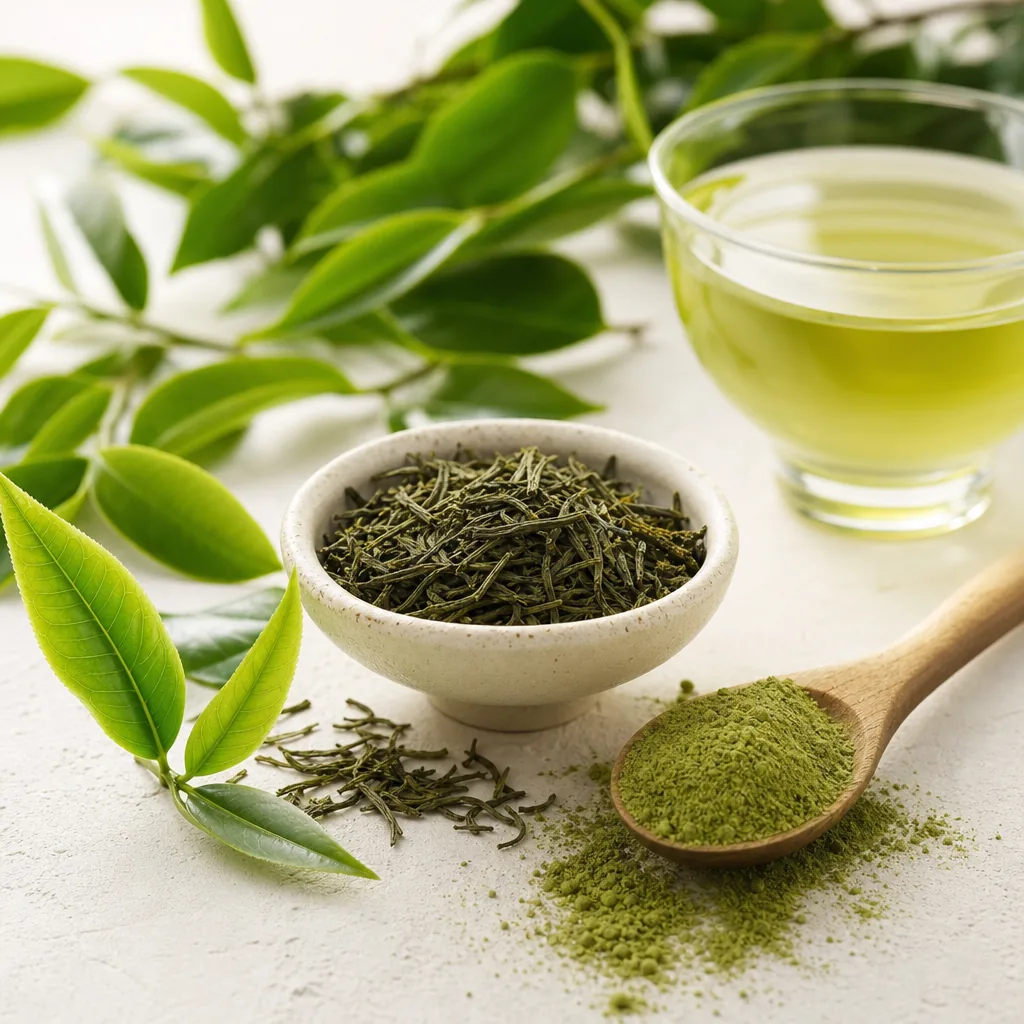
What is Green Tee Leaf? Green Tee Leaf—more commonly known as green tea leaf—comes from the plant Camellia sinensis. Unlike black or oolong tea, green tea…
Read more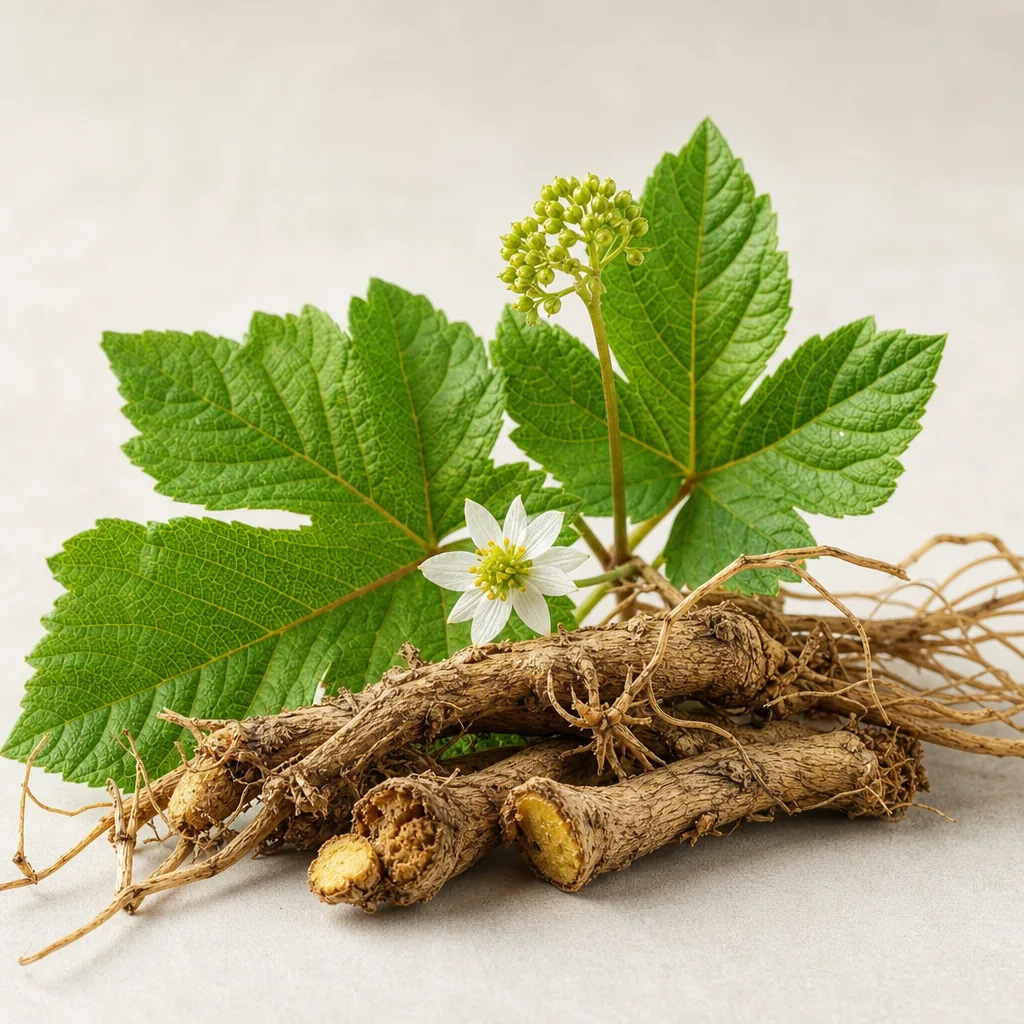
What is Goldenseal Root? Goldenseal (Hydrastis canadensis) is a woodland herb native to North America. The medicinal portion is the knotted underground st…
Read more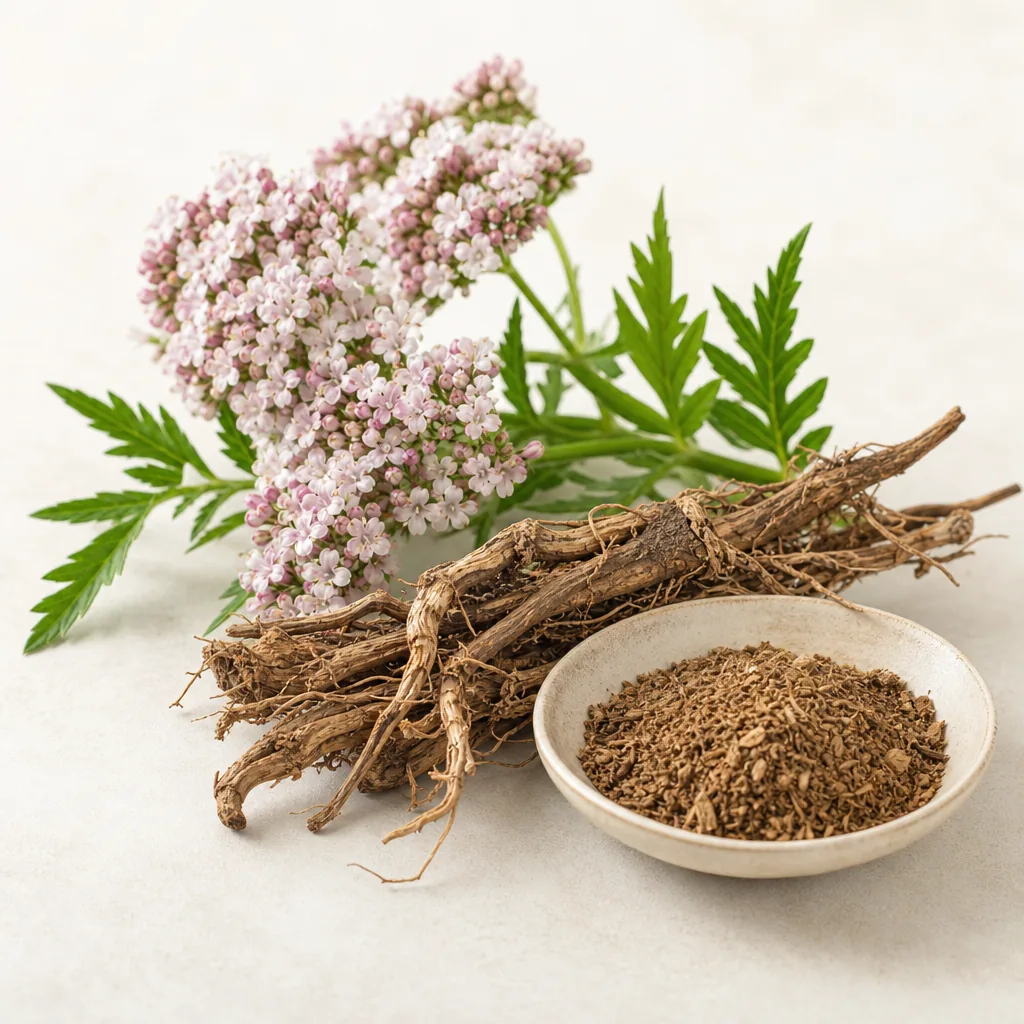
What is Valerian? Valerian refers to the root and rhizome of Valeriana officinalis L., a flowering plant native to Europe and parts of Asia and now cultiv…
Read more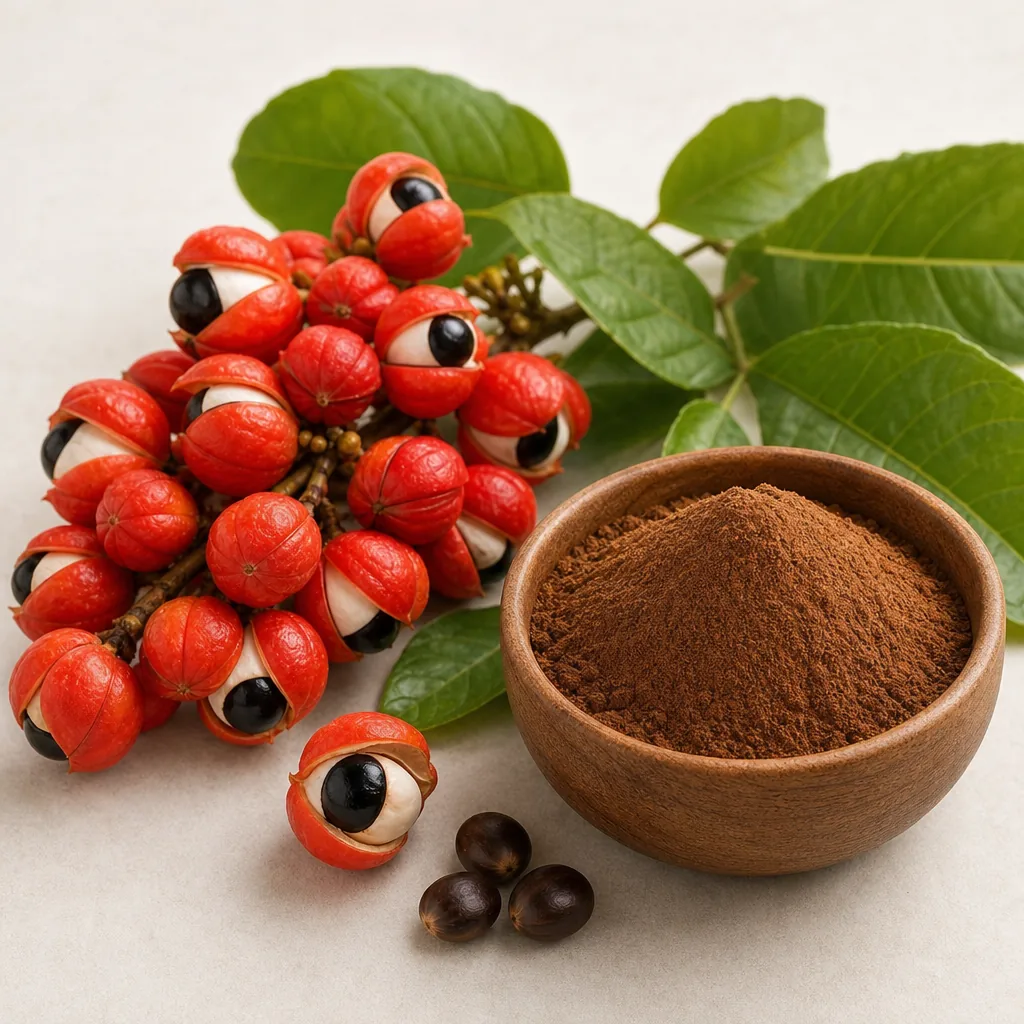
What is Guarana? Guarana (Paullinia cupana) is a climbing plant native to the Amazon basin, especially Brazil. Its small red fruits contain seeds that are…
Read more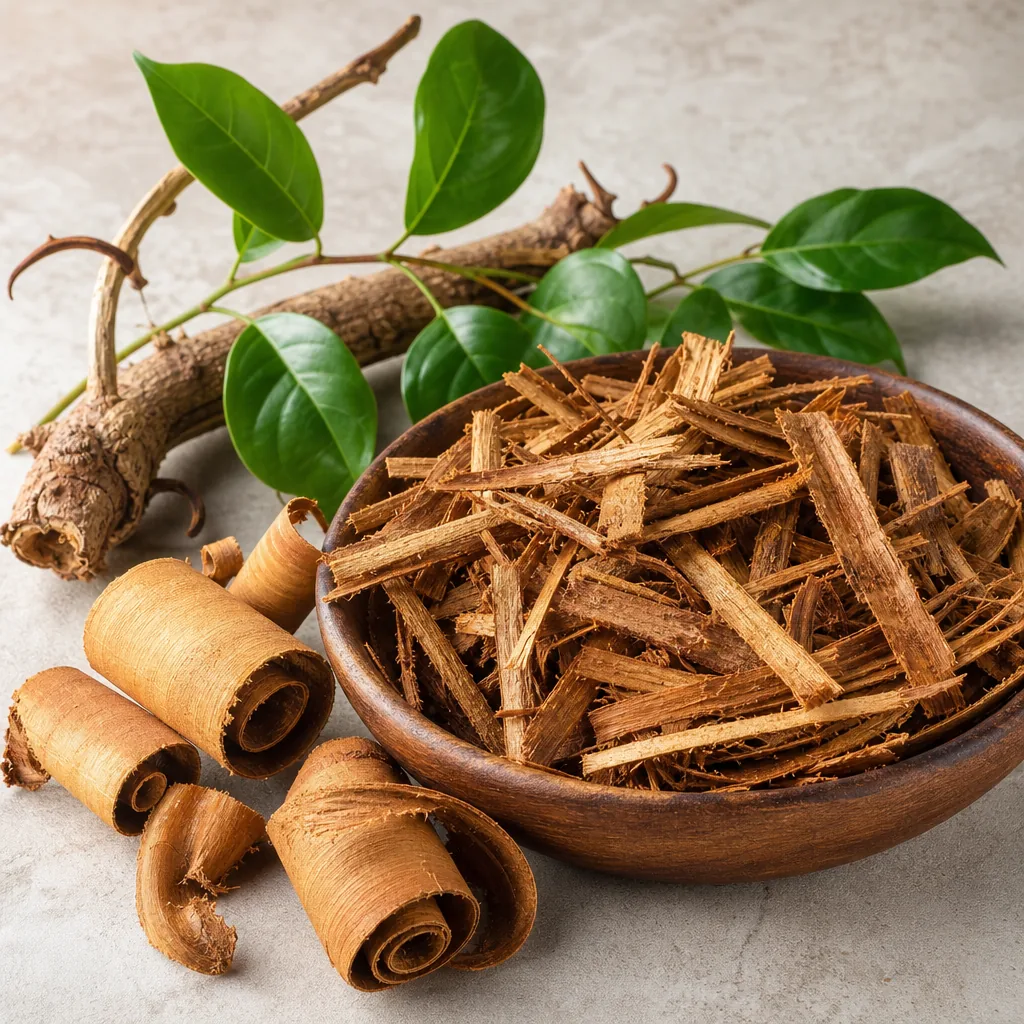
What is Cat's Claw? Cat’s Claw is a climbing vine native to the Amazon and other parts of Central and South America. The name commonly refers to two close…
Read more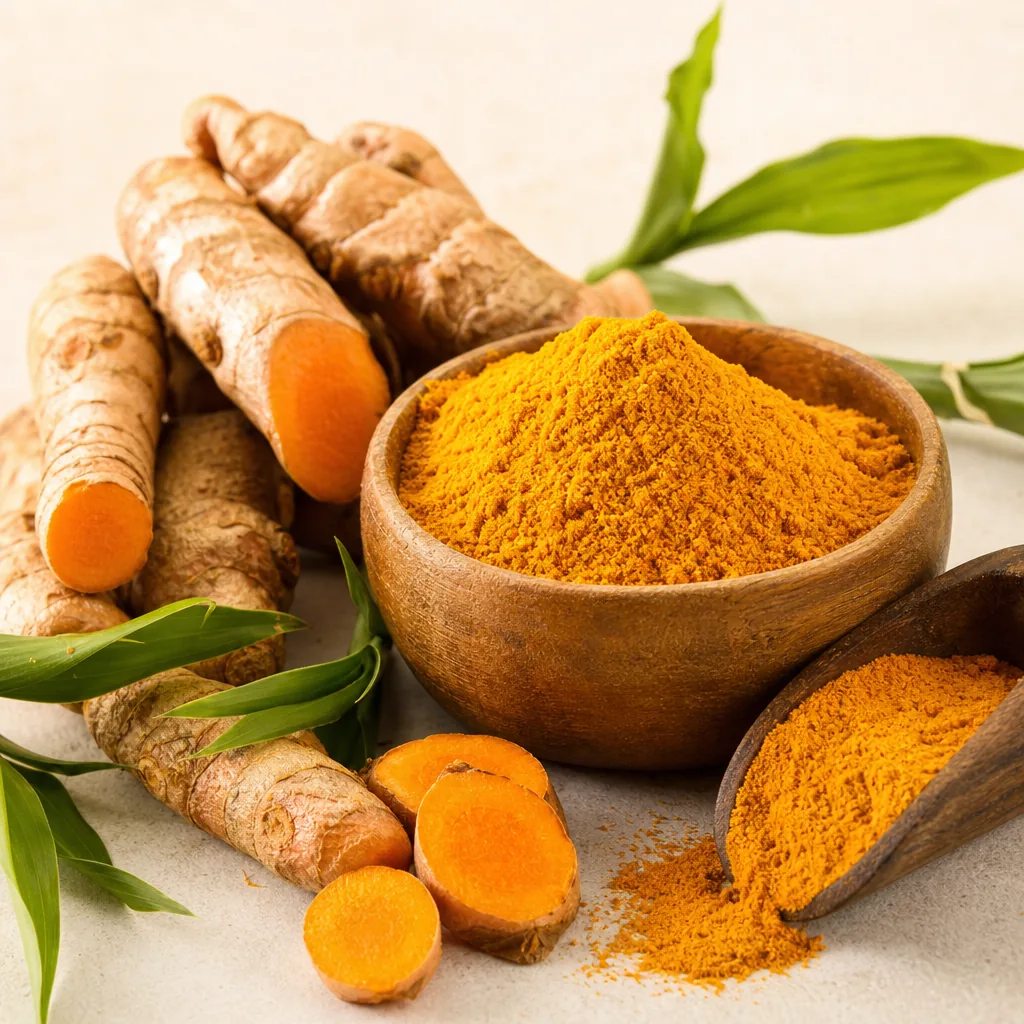
What is Turmeric? Turmeric is the bright yellow-orange rhizome (root) of Curcuma longa, a plant in the ginger family native to South Asia. As a culinary s…
Read more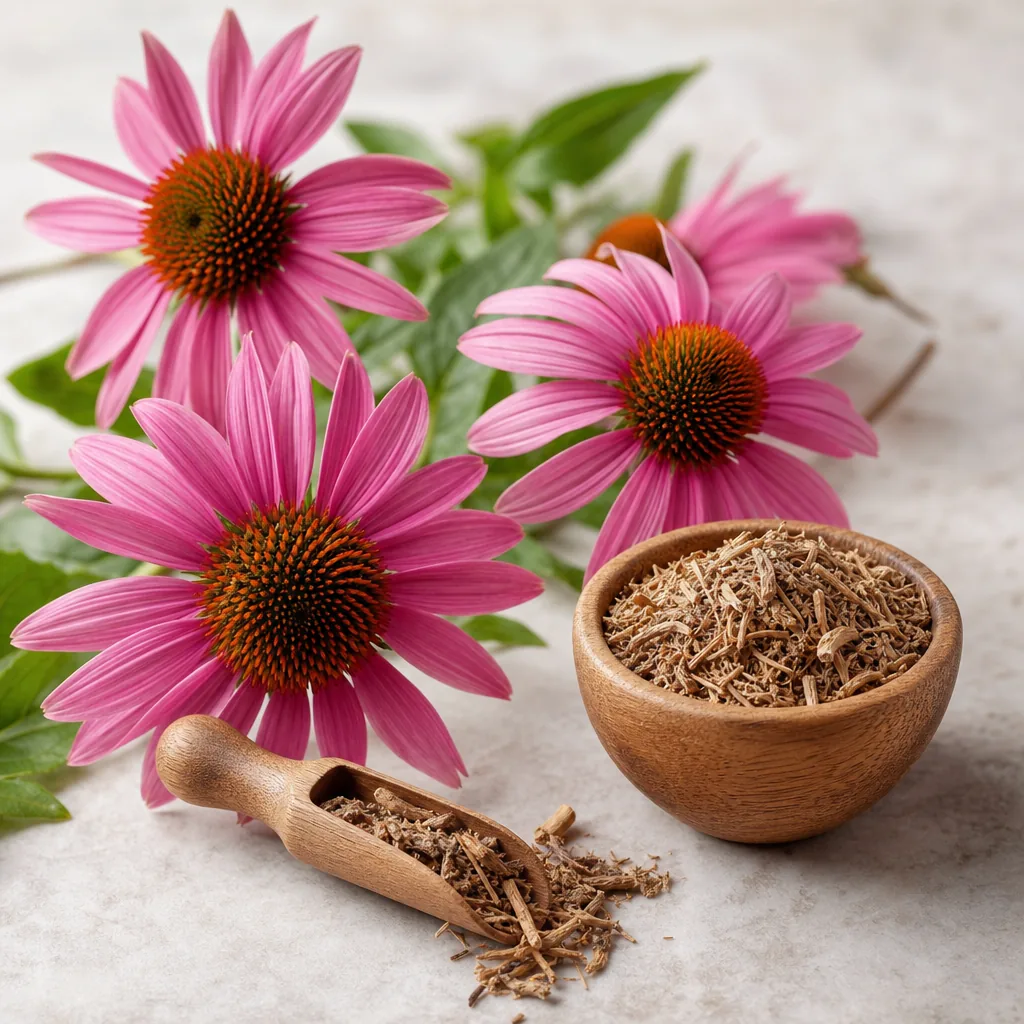
What is Echinacea? Echinacea is a group of flowering plants in the daisy family (Asteraceae), native to North America. The most commonly used species in s…
Read more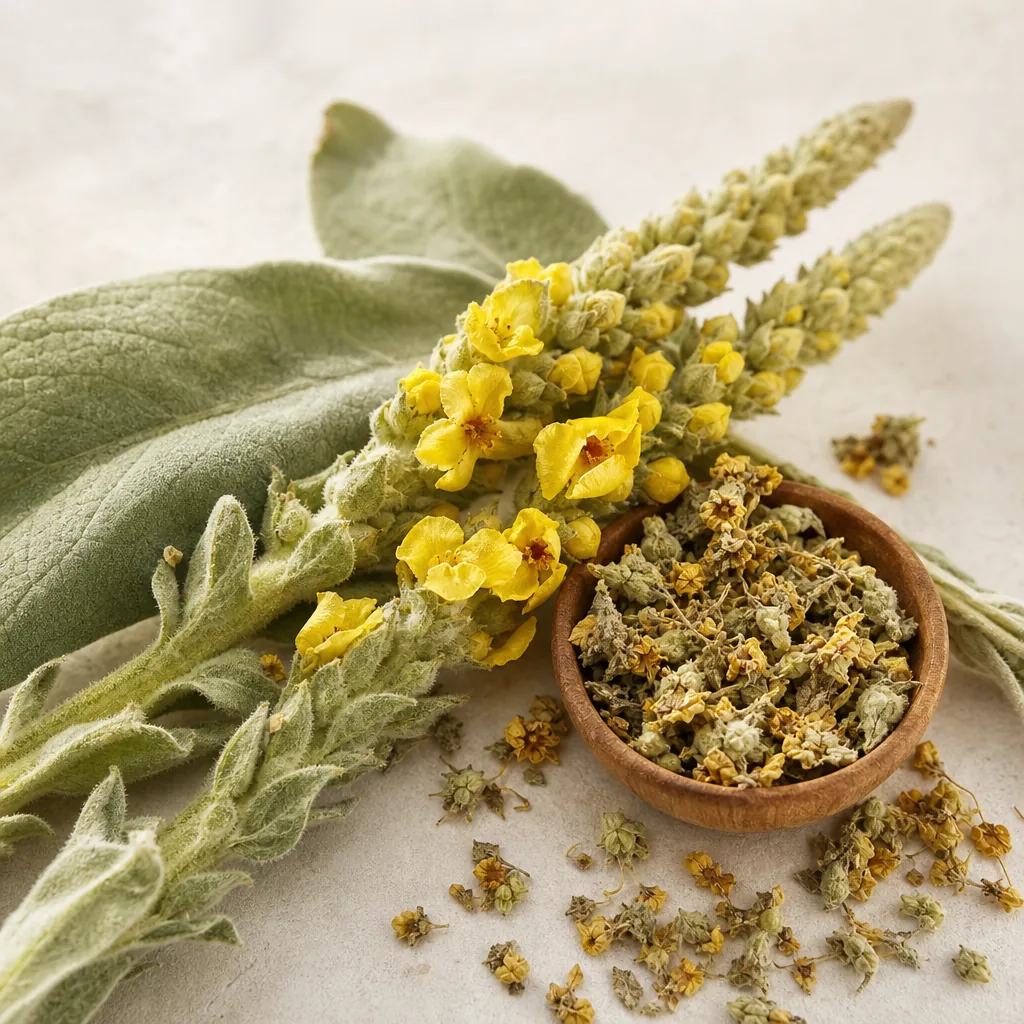
What is Mullein? Mullein (Verbascum thapsus) is a flowering plant native to Europe, Asia, and North Africa that now grows widely in temperate regions, oft…
Read more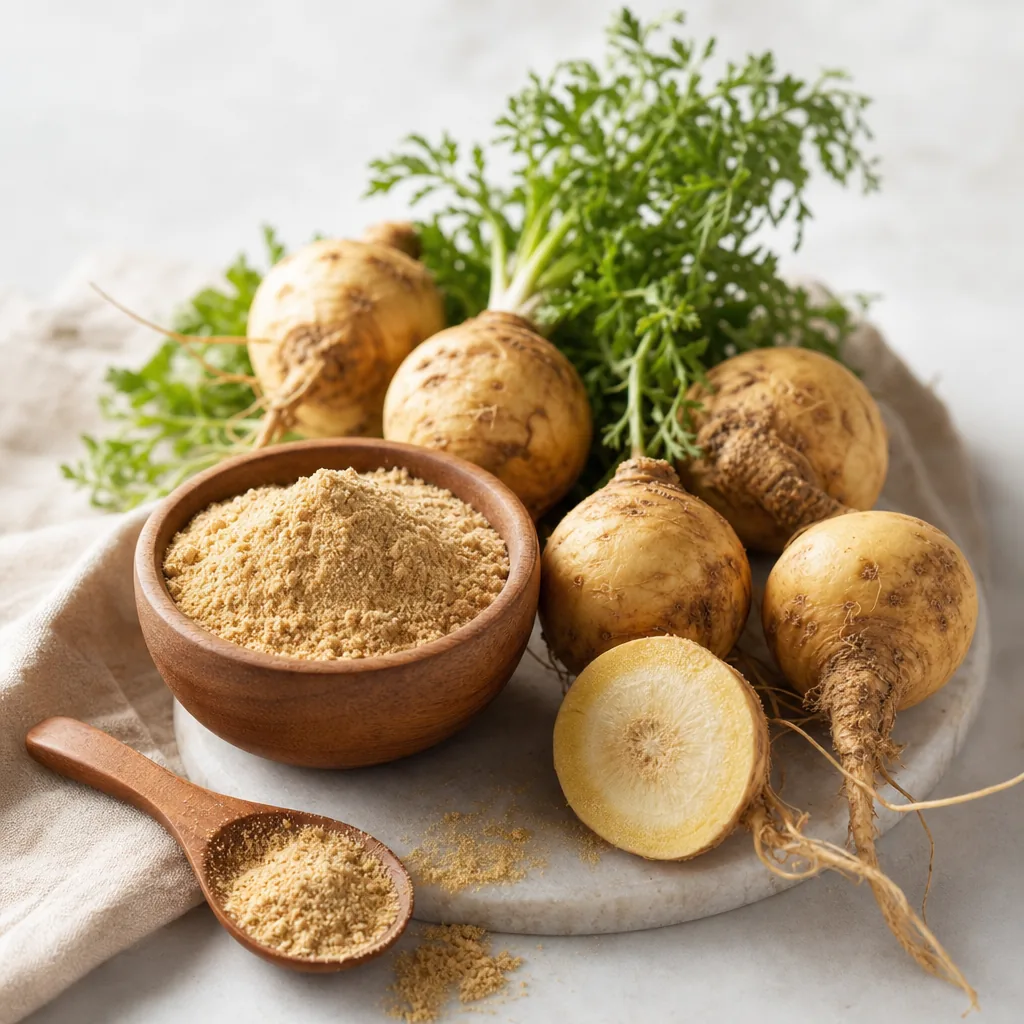
What is Maca? Maca (Lepidium meyenii) is a hardy cruciferous root vegetable native to the high Andes of Peru, traditionally consumed as a food and used in…
Read more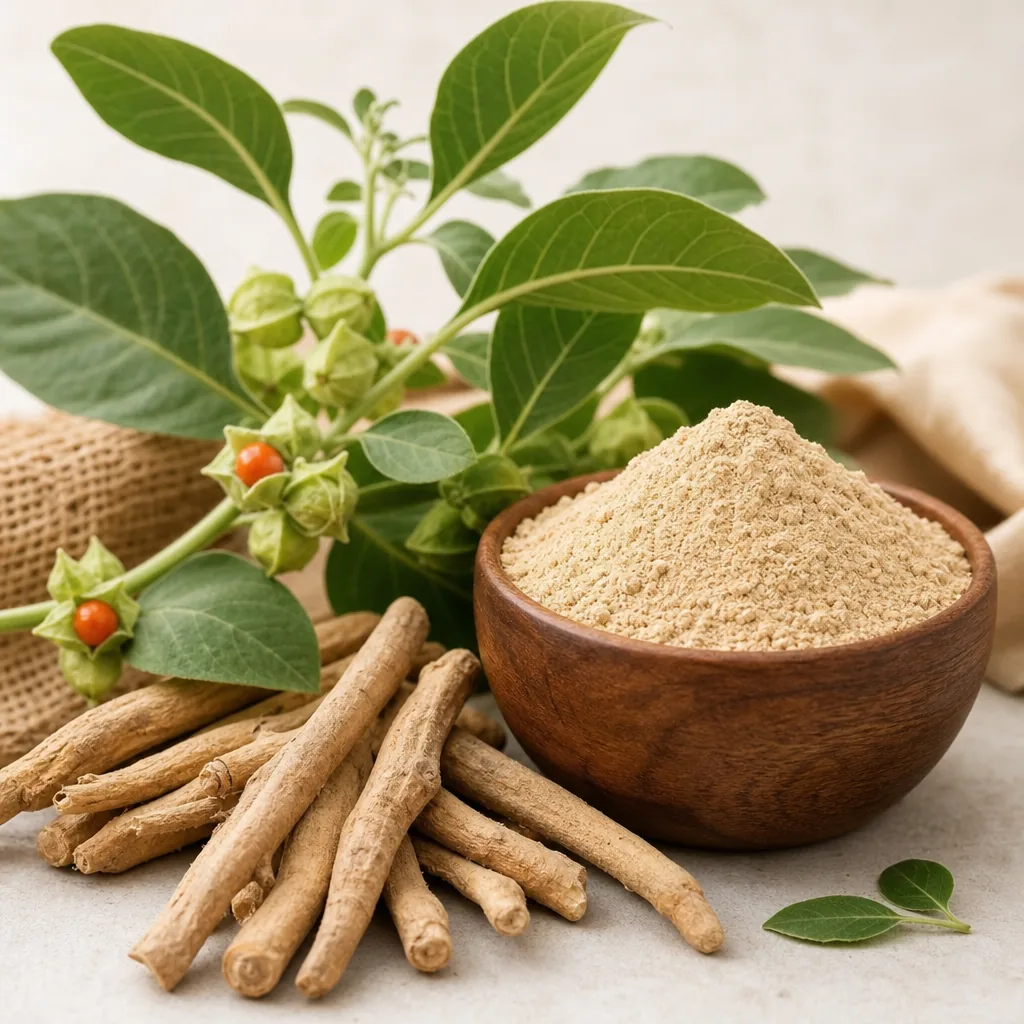
What is Ashwagandha? Ashwagandha (Withania somnifera) is a small shrub in the nightshade family traditionally used in Ayurvedic practice as a Rasayana—an …
Read more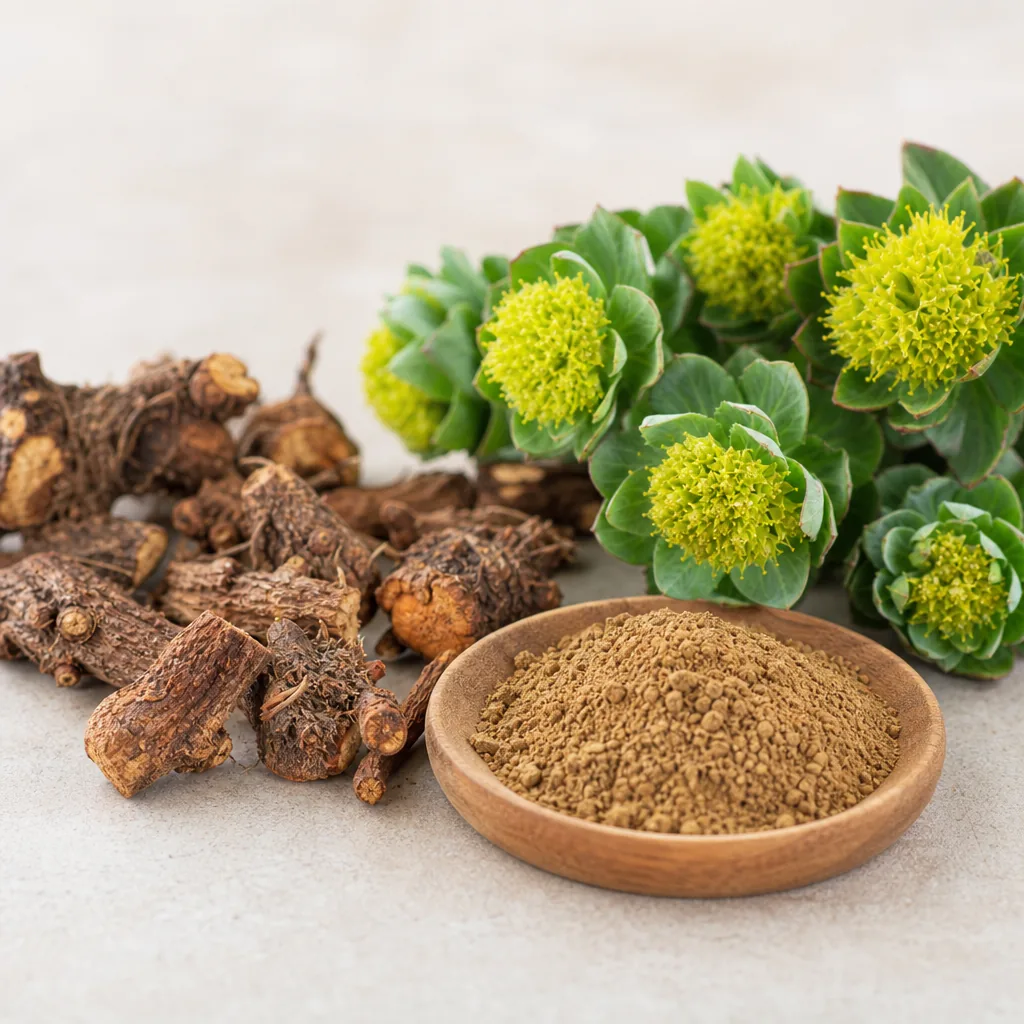
What is Rhodiola Rosea? Rhodiola rosea is an adaptogenic herb traditionally used in Northern and Eastern Europe and parts of Asia to help the body cope wi…
Read more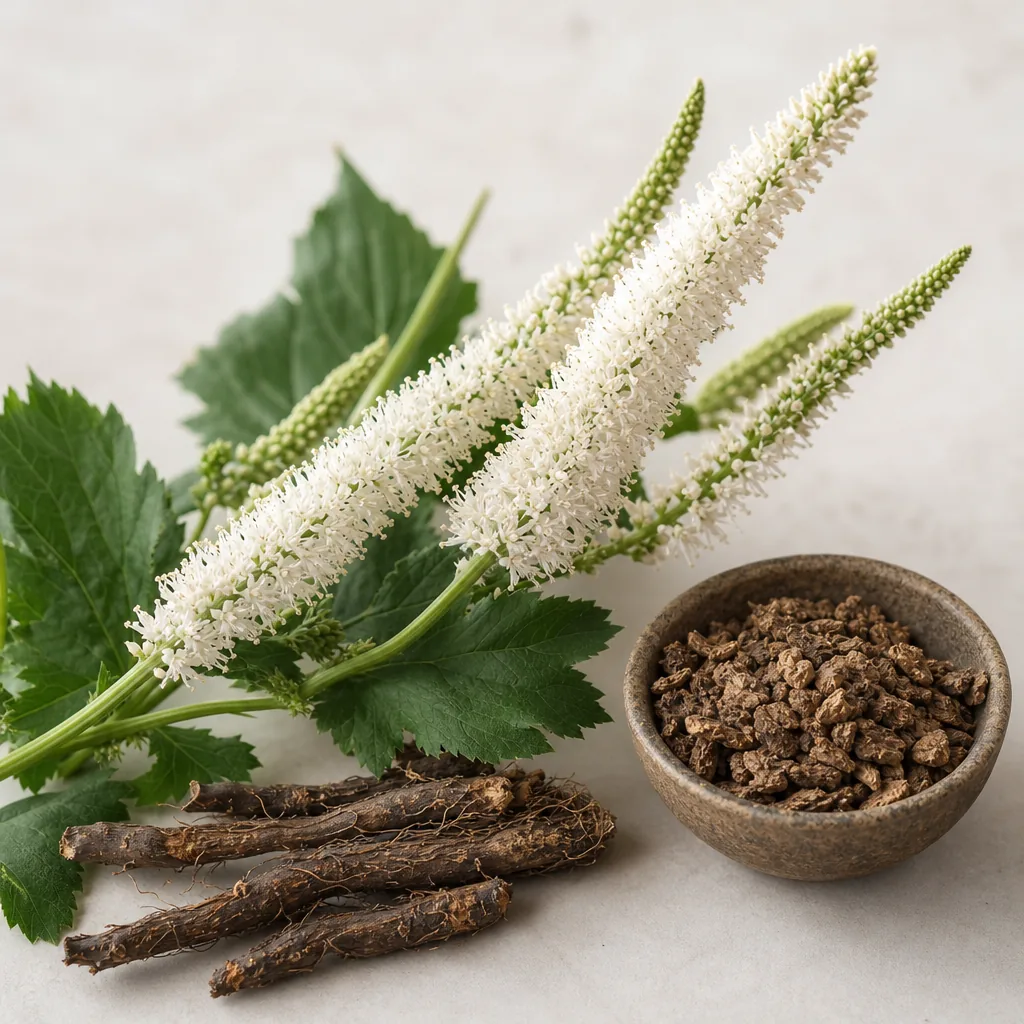
What is Black Cohosh? Black cohosh (Actaea racemosa, formerly Cimicifuga racemosa) is a perennial herb native to North America. The supplement is made fro…
Read more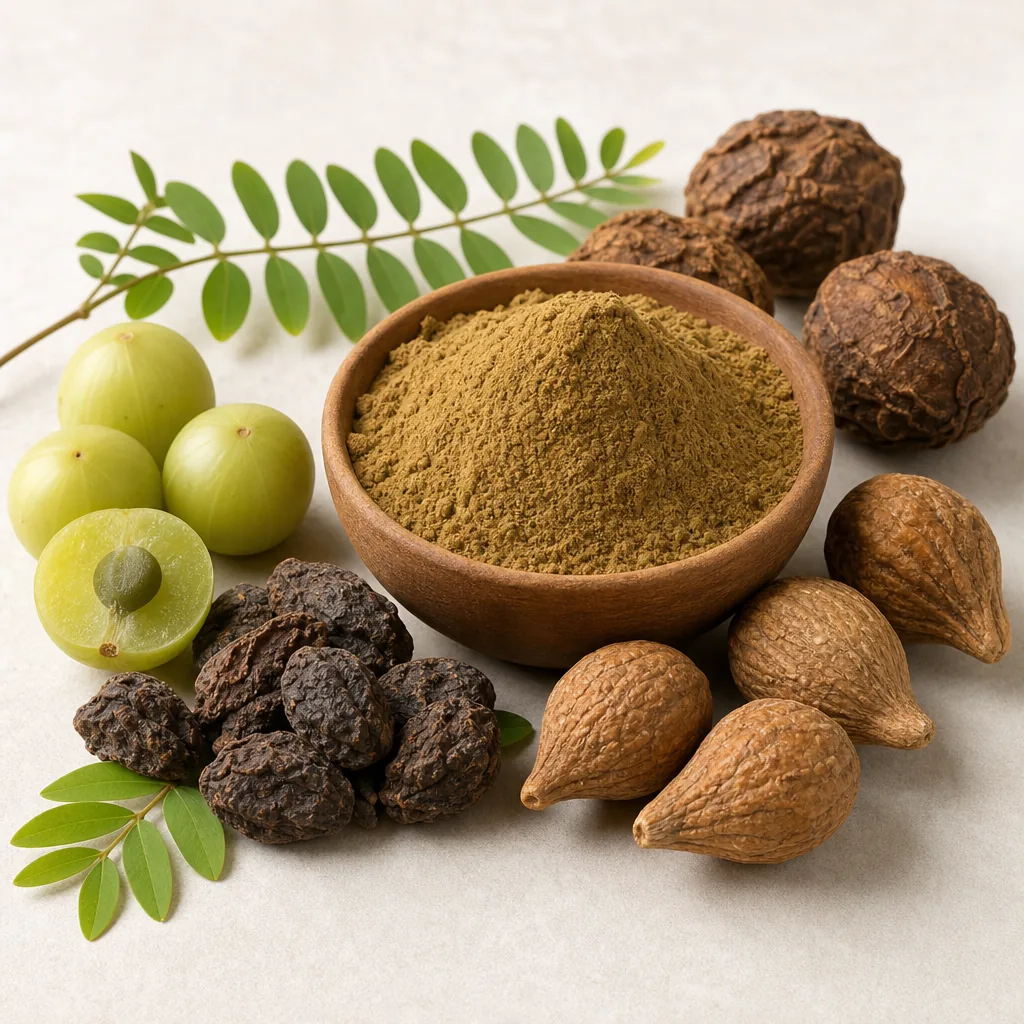
What is Triphala? Triphala is a traditional Ayurvedic herbal formulation made from the dried fruits of three trees native to the Indian subcontinent: amla…
Read more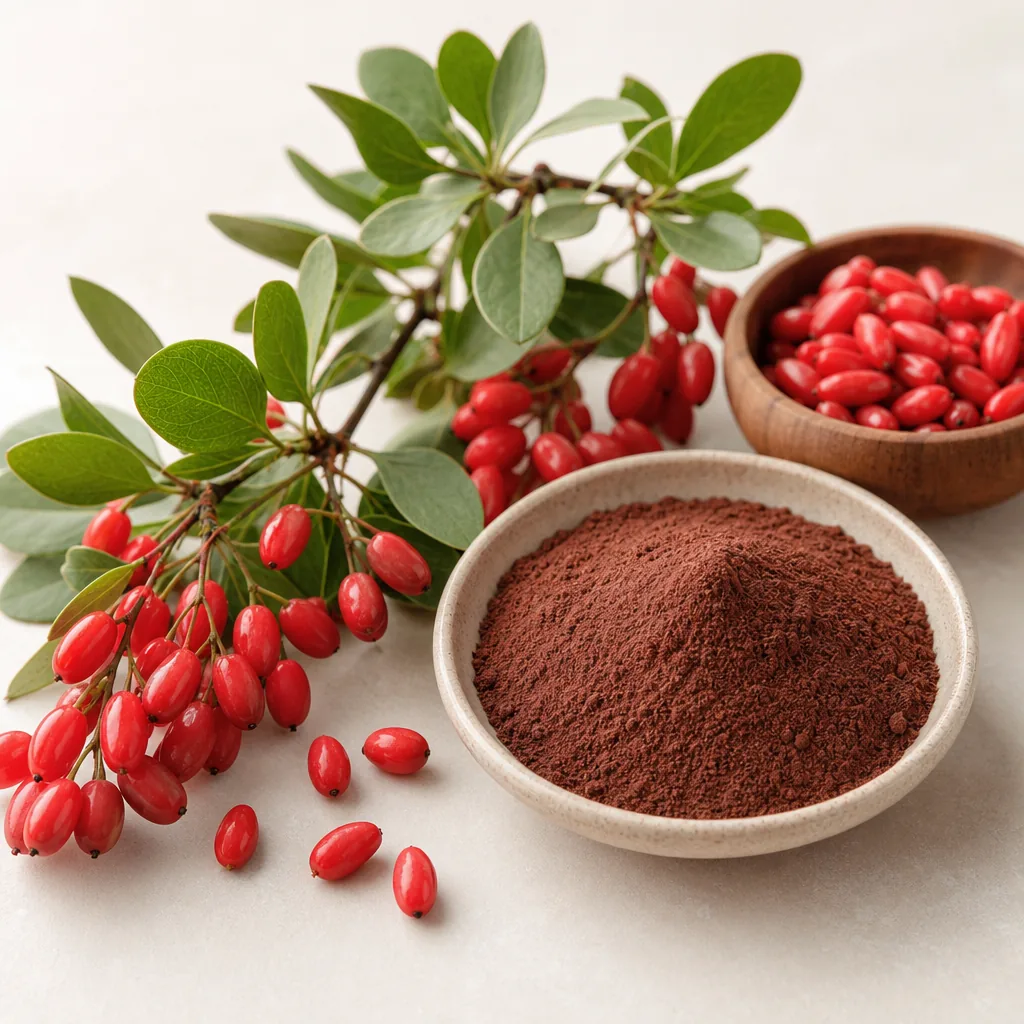
What is Barberry Extract? Barberry extract is a botanical preparation made from parts of shrubs in the Berberis genus, most commonly Berberis vulgaris (Eu…
Read more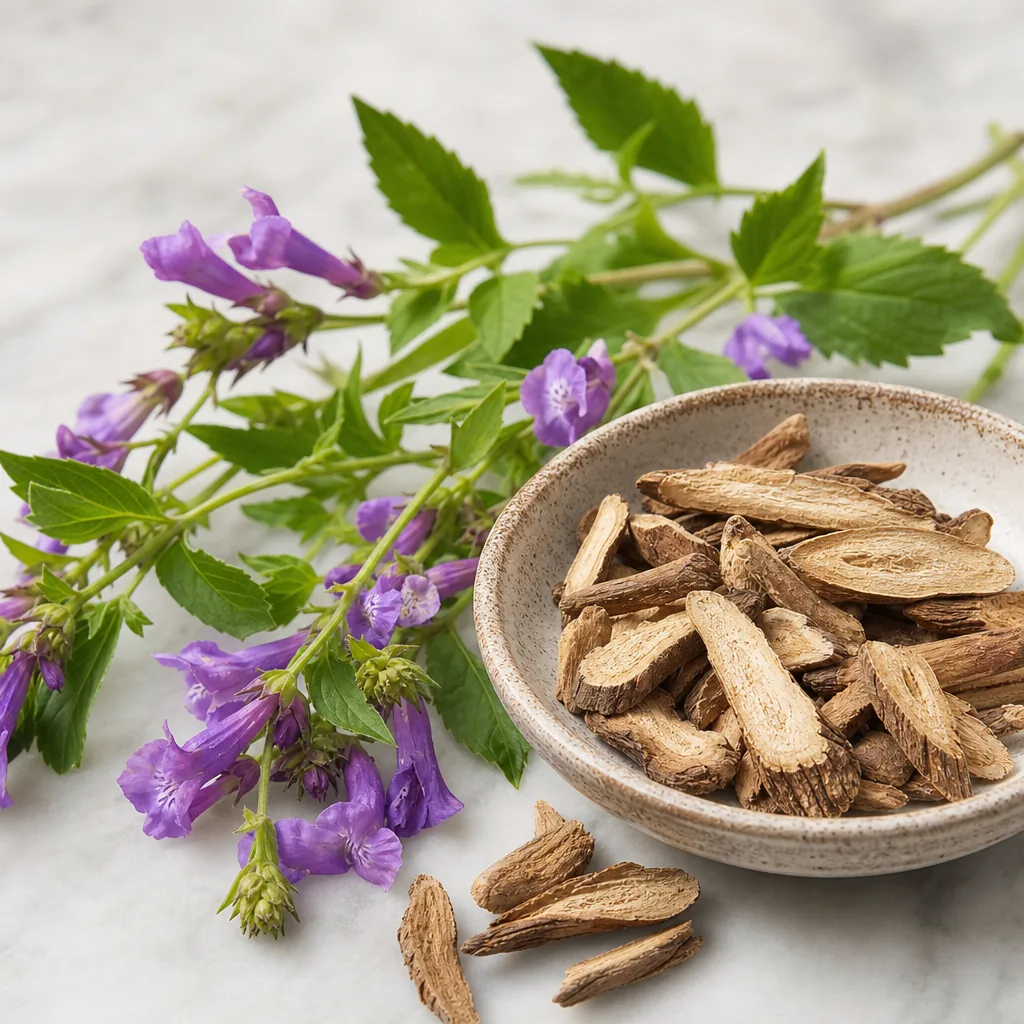
What is Chinese Skullcap? Chinese skullcap (Scutellaria baicalensis Georgi), also known as Huang Qin, is a perennial herb in the mint family whose dried r…
Read more