Health and wellness encompass the holistic balance of physical, mental, and emotional well-being. It’s not just the absence of illness but the pursuit of a lifestyle that nurtures vitality, resilience, and personal growth. Health refers to the body’s ability to function optimally, supported by factors like nutrition, exercise, and preventive care. Wellness, on the other hand, is an active, conscious process of making choices that lead to a fulfilling, healthy life. It involves managing stress, maintaining positive relationships, prioritizing self-care, and fostering mental clarity. Together, health and wellness form the foundation for living a vibrant, balanced life.
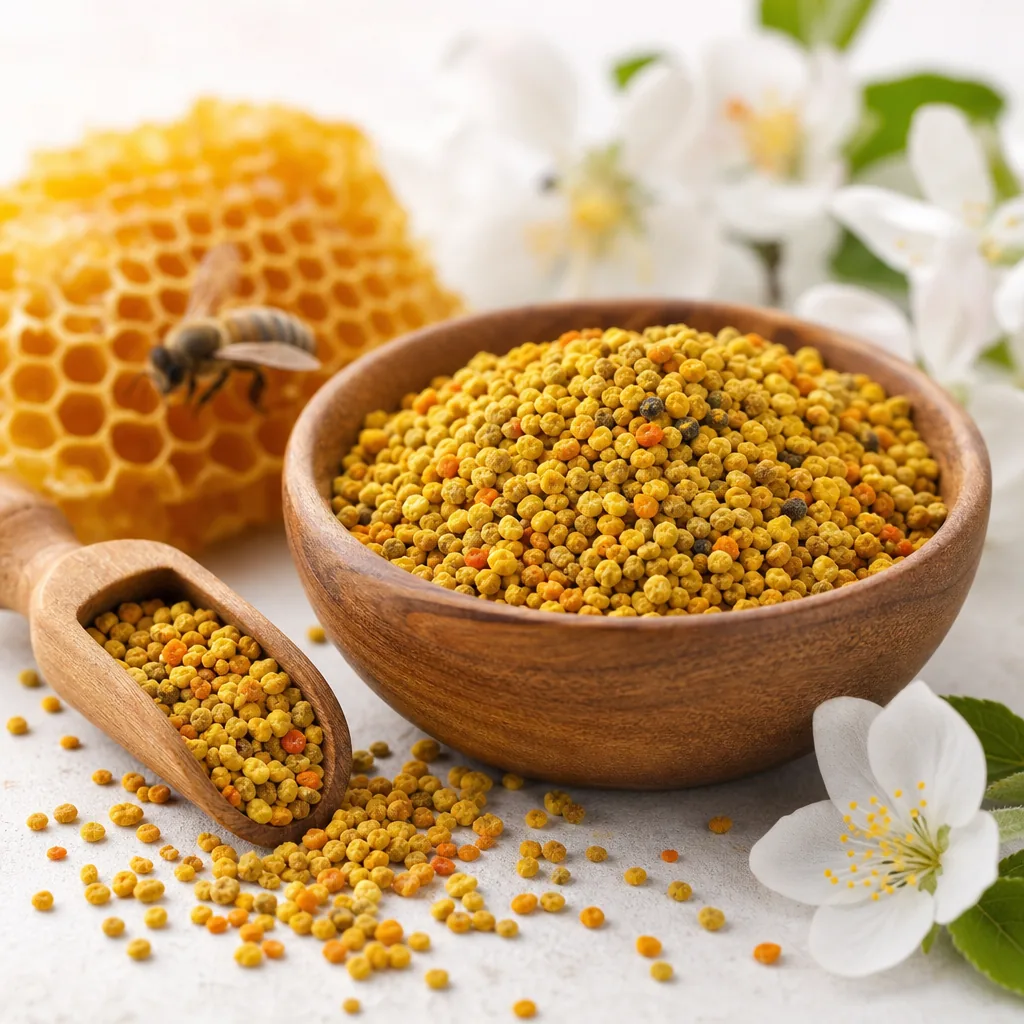
What is Bee Pollen? Bee pollen is a food-derived ingredient collected by honeybees from the male part of flowers. Bees mix microscopic pollen grains w…
Read more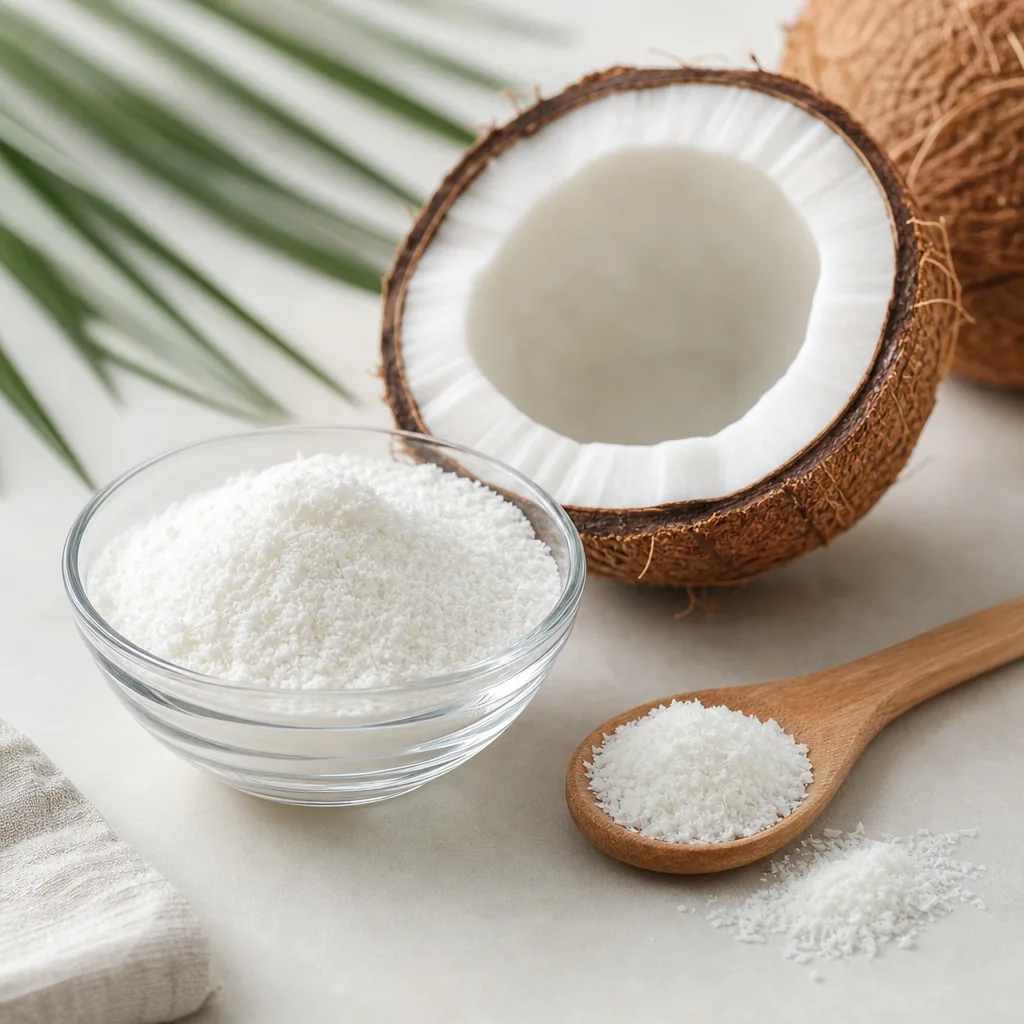
What is Capryl? Capryl generally refers to caprylic acid (also called octanoic acid) or its triglyceride form (C8 MCT), a medium-chain fatty acid naturall…
Read more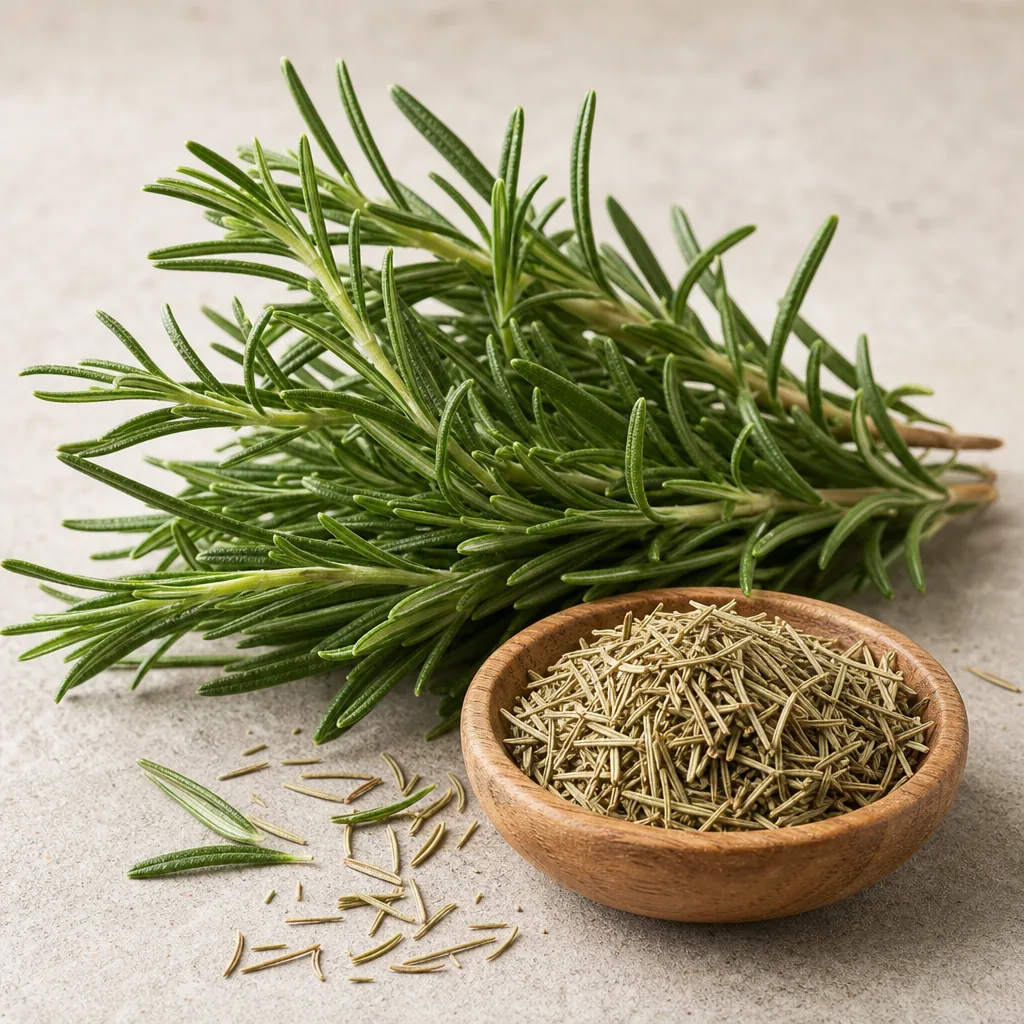
What is Rosemary Leaf? Rosemary leaf comes from the evergreen shrub Salvia rosmarinus (formerly Rosmarinus officinalis), a Mediterranean herb in the mint …
Read more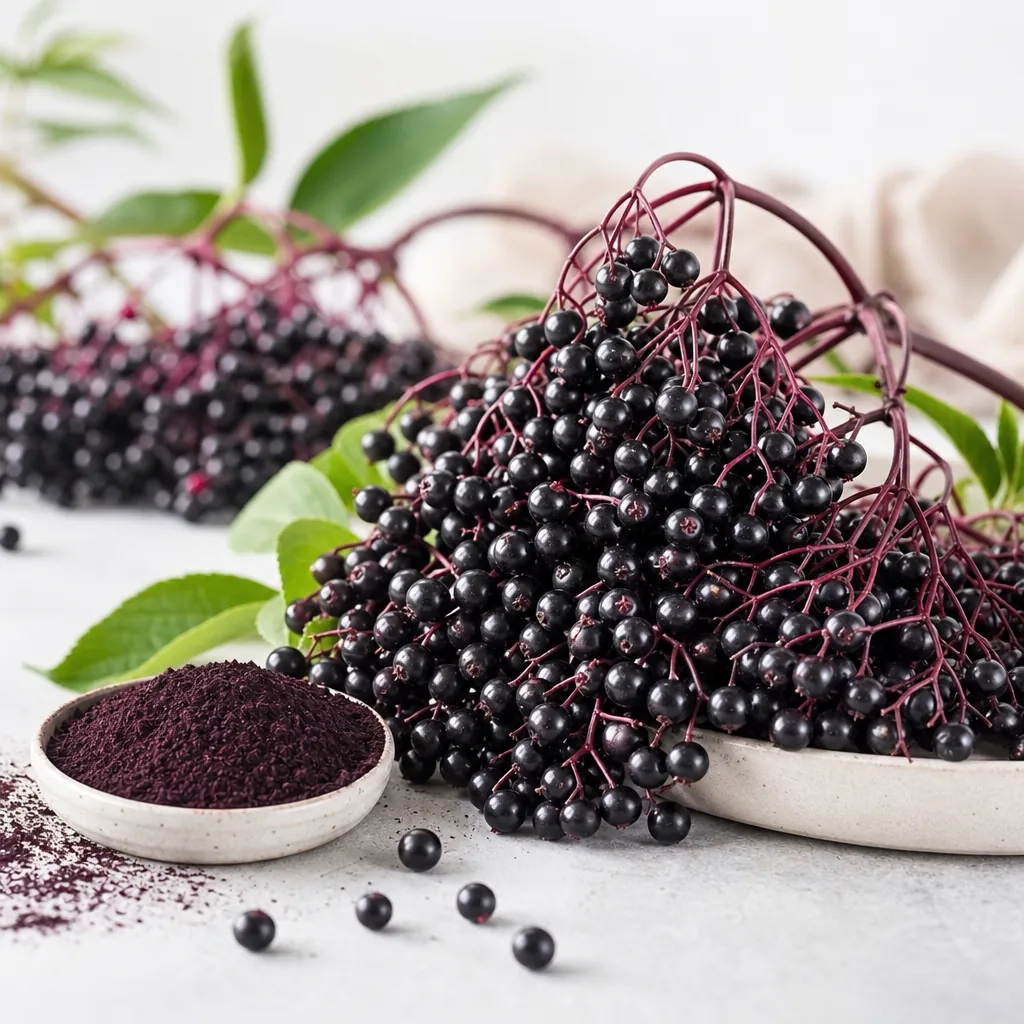
What is Elderberry? Elderberry refers most commonly to the dark purple berries of Sambucus nigra (European elder), a small tree or shrub native to Europe …
Read more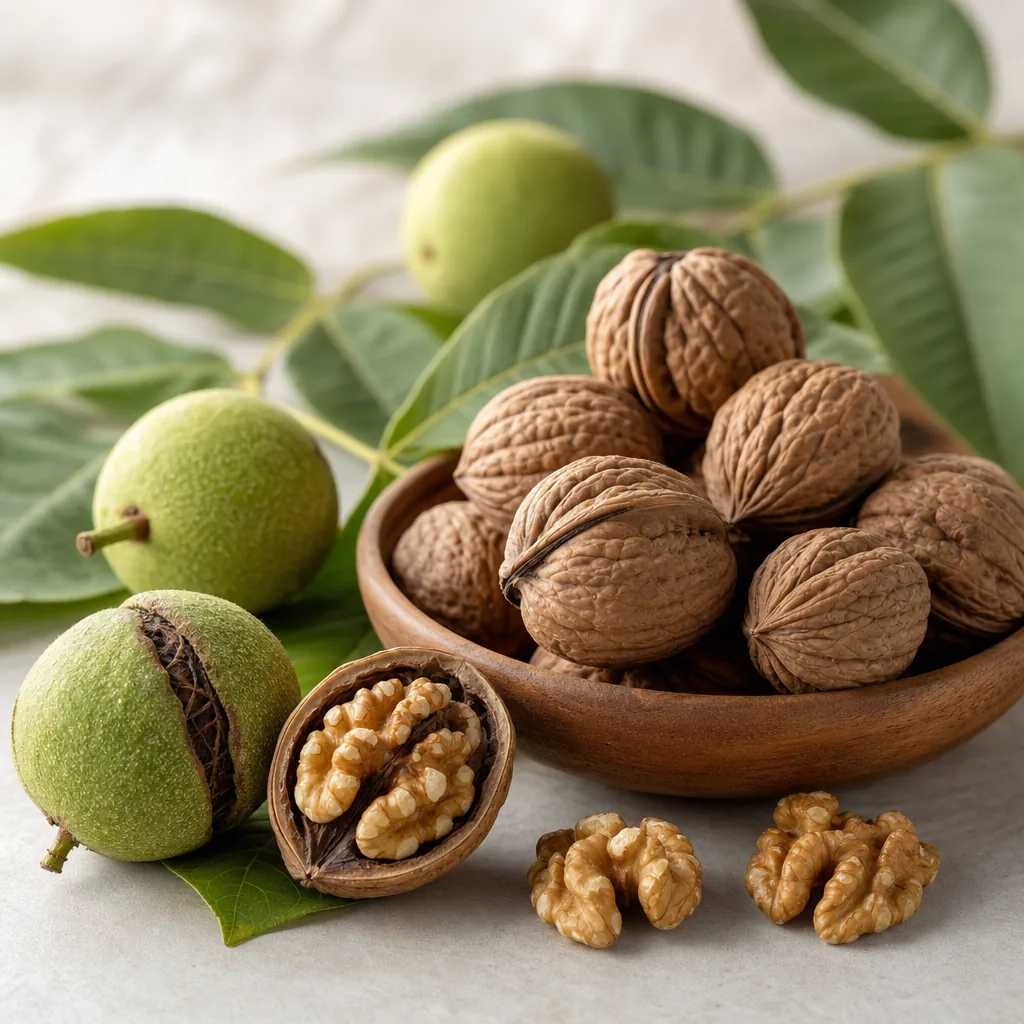
What is Black Walnut? Black walnut (Juglans nigra) is a North American tree known for its hard, dark wood and edible nuts. In traditional herbalism, the g…
Read more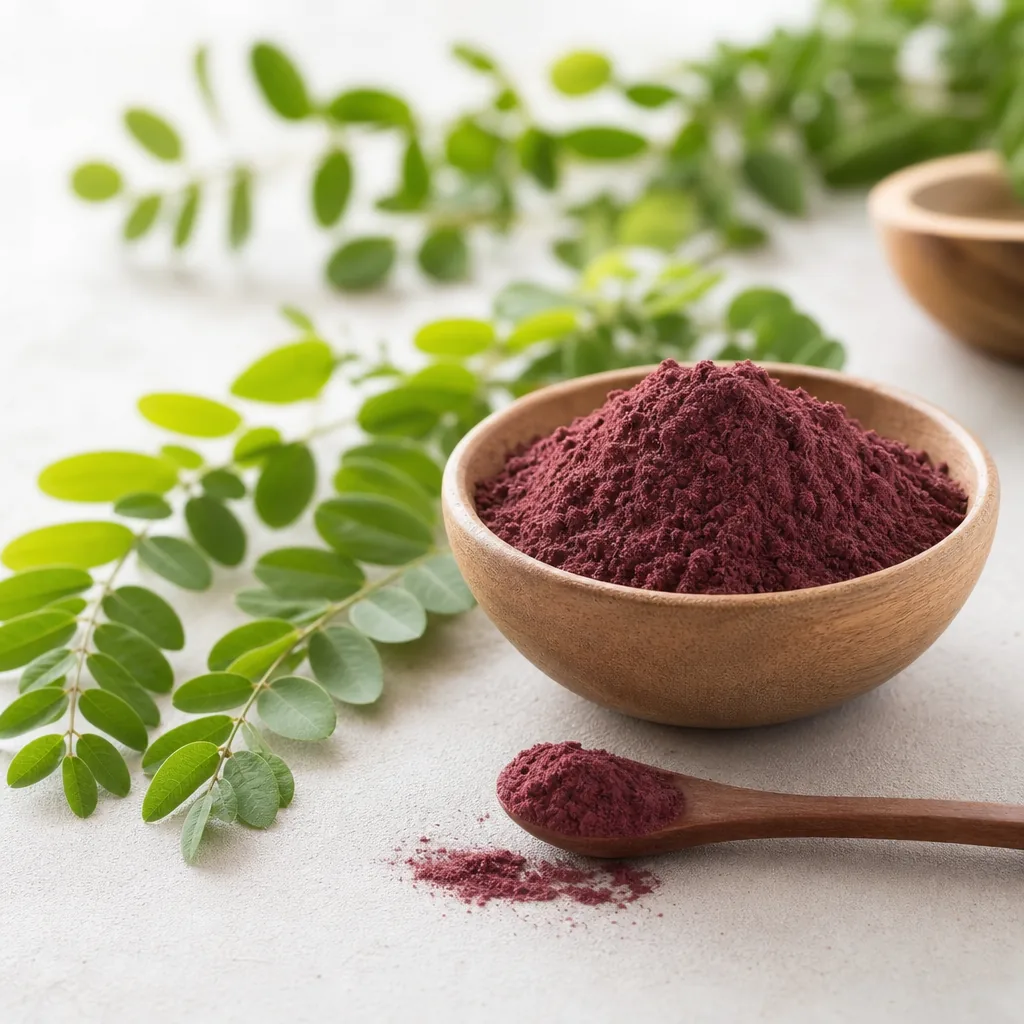
What is Pyrroloquinoline? Pyrroloquinoline most commonly refers to pyrroloquinoline quinone, abbreviated PQQ. PQQ is a small, redox-active quinone compoun…
Read more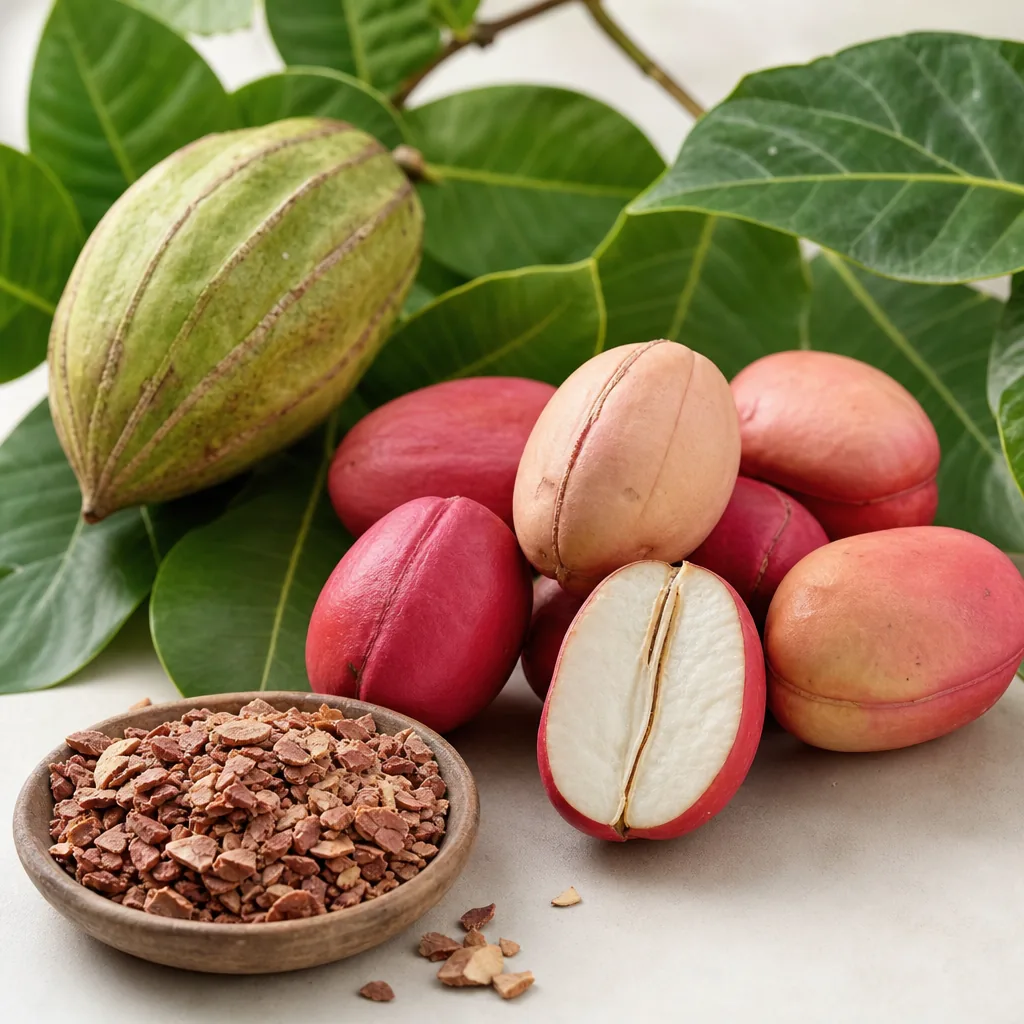
What is Kola Nut? Kola nut is the seed of trees in the Cola genus, most commonly Cola acuminata and Cola nitida, which are native to West and Central Afri…
Read more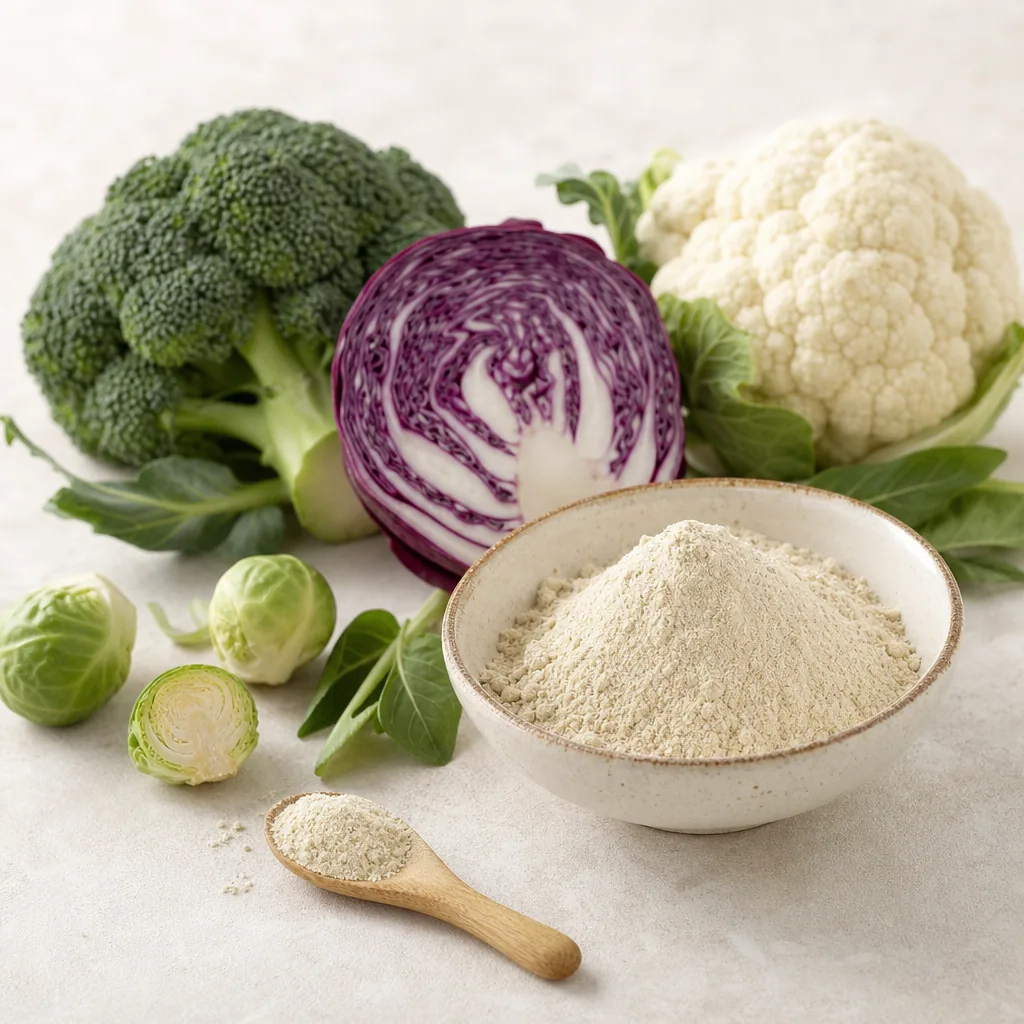
What is Diindolylmethane? Diindolylmethane (often abbreviated as DIM) is a compound formed in the body when you eat cruciferous vegetables such as broccol…
Read more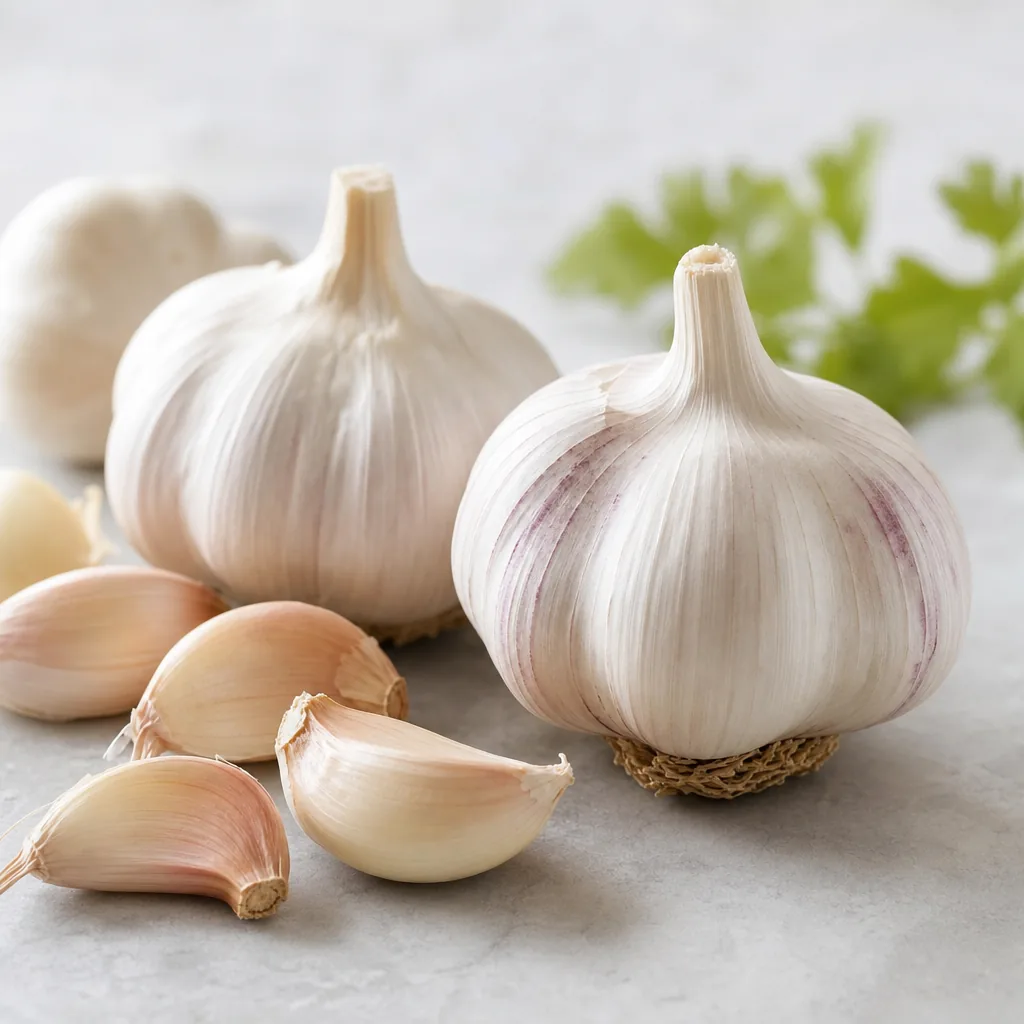
What is Garlic Bulb? Garlic bulb (Allium sativum) is a culinary plant from the onion family that has been used for flavor and traditional wellness practic…
Read more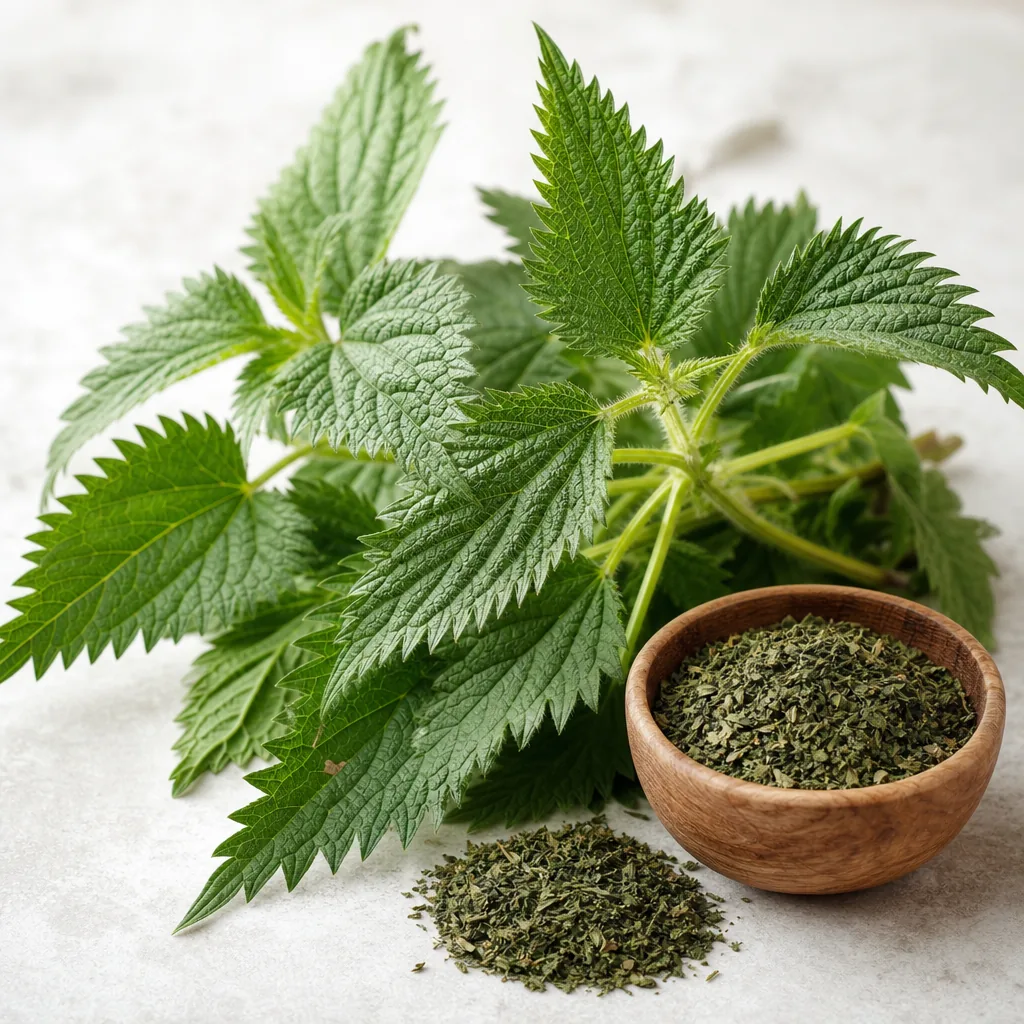
What is Stinging Nettle? Stinging nettle (Urtica dioica) is a perennial herb native to Europe, Asia, North Africa, and North America. It’s easily recogniz…
Read more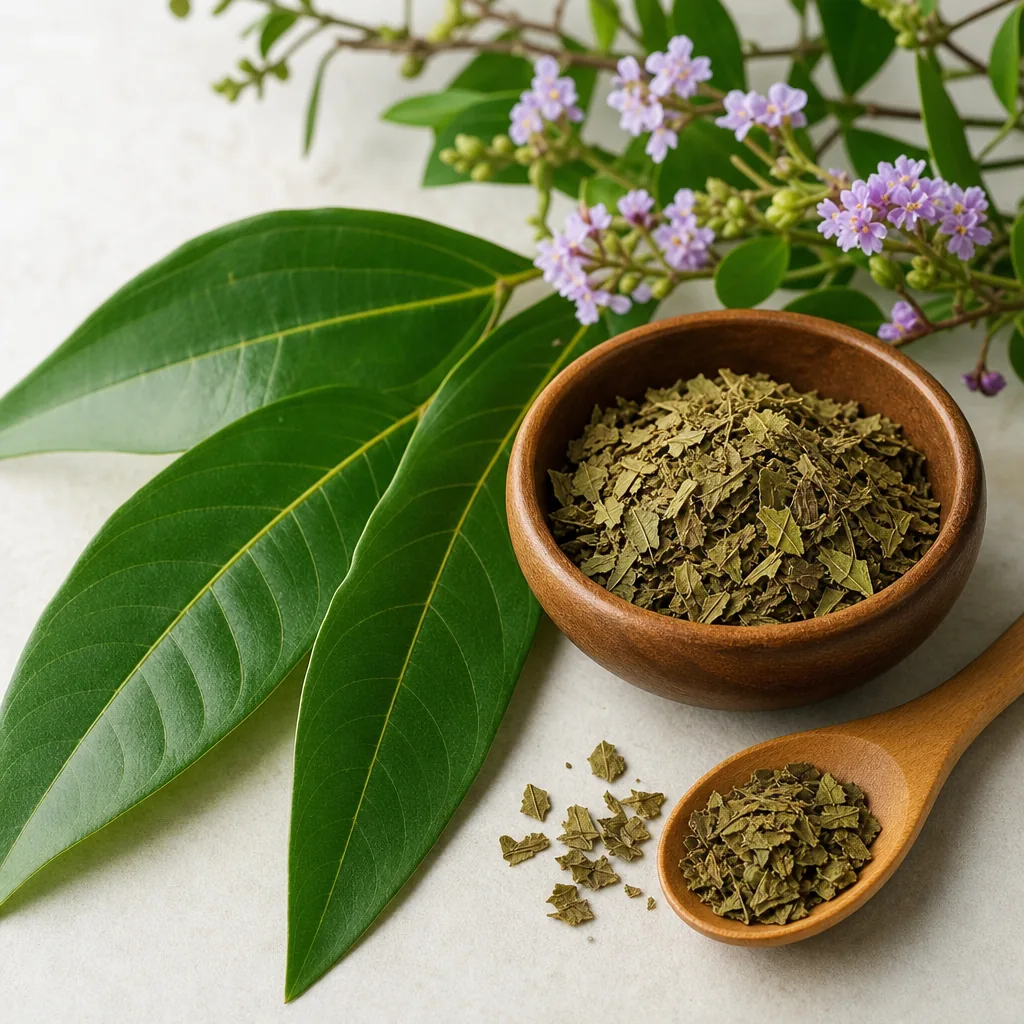
What is Banaba Leaf? Banaba leaf comes from Lagerstroemia speciosa, a flowering tree native to Southeast Asia and commonly found in the Philippines, India…
Read more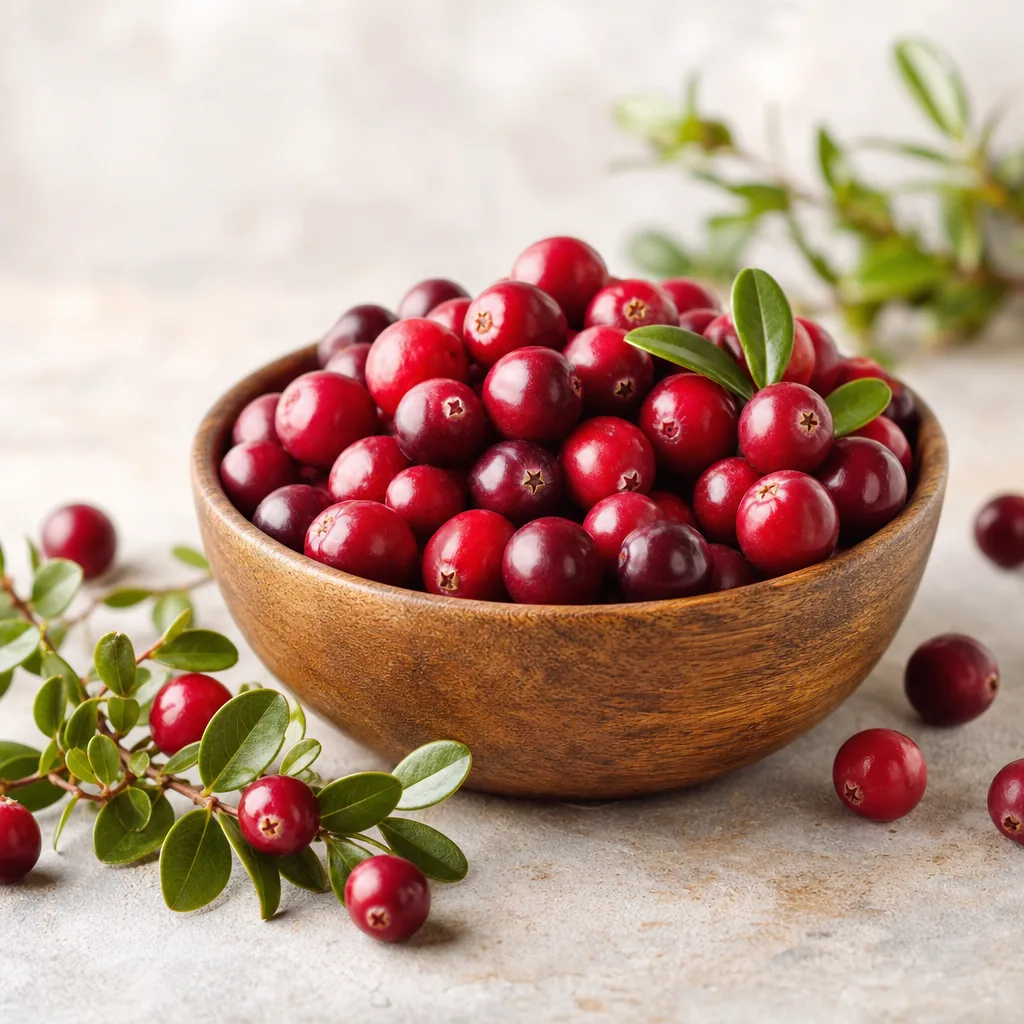
What is Cranberry? Cranberry (Vaccinium macrocarpon) is a small, tart red berry native to North America. It is widely consumed as a food (fresh, dried, ju…
Read more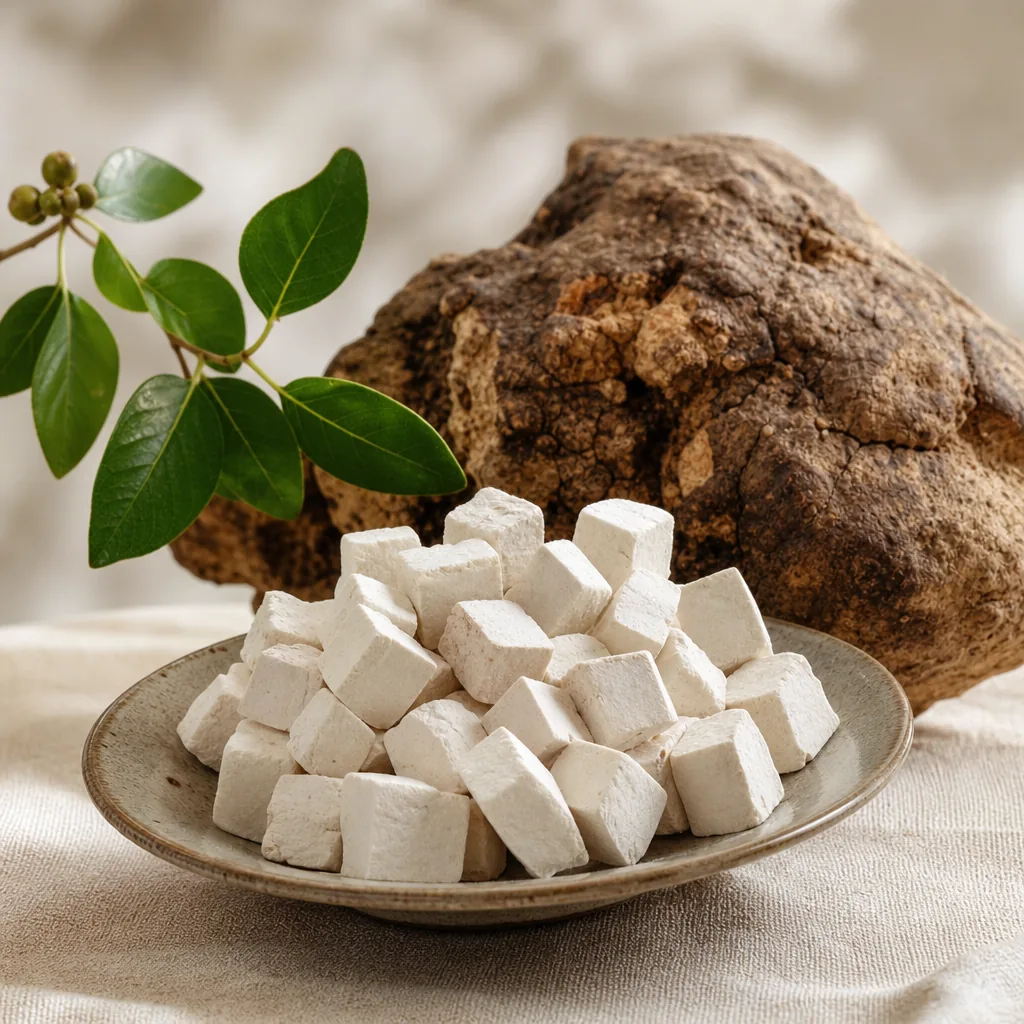
What is Fu Ling? Fu Ling is the common name in Traditional Chinese Medicine (TCM) for the sclerotium of Wolfiporia extensa (formerly Poria cocos), a medic…
Read more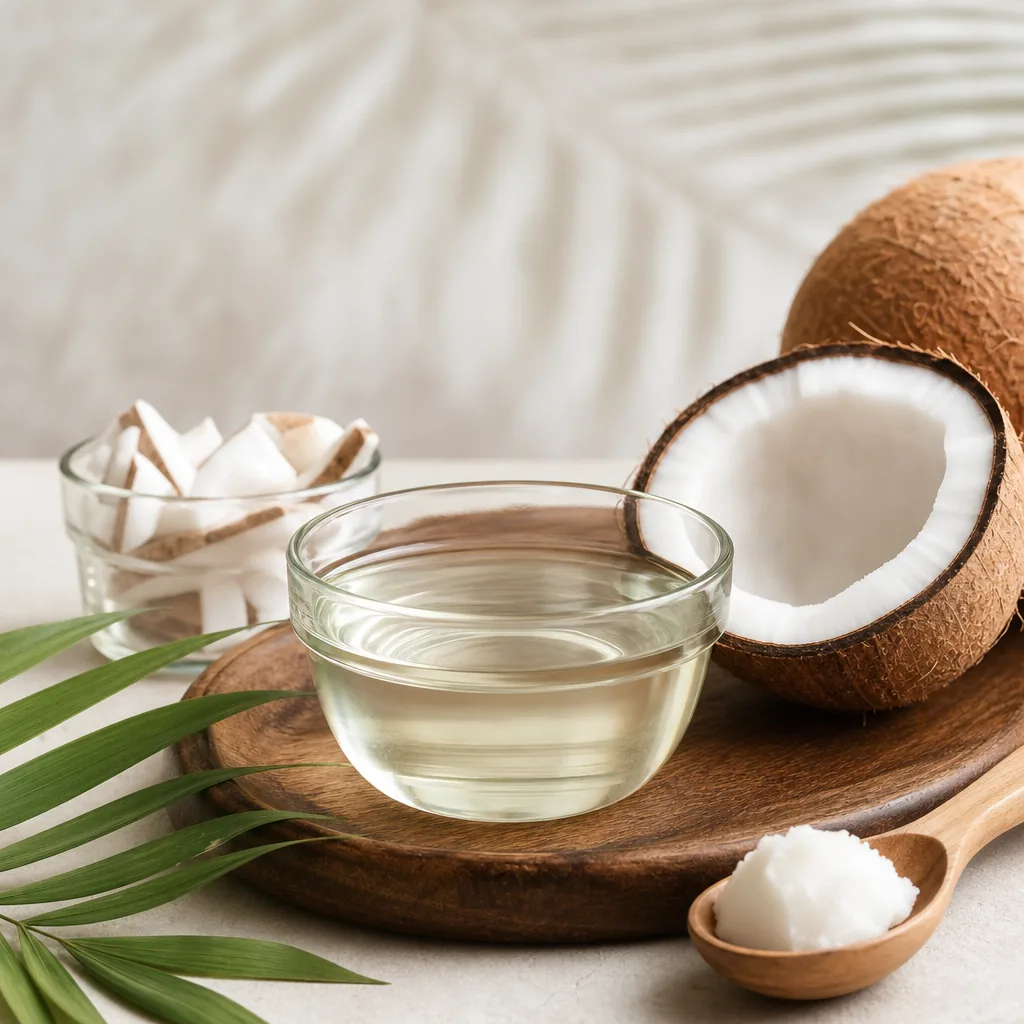
What is MCT Oil? MCT oil is a concentrated source of medium-chain triglycerides—fat molecules made of medium-length fatty acids, most commonly caprylic ac…
Read more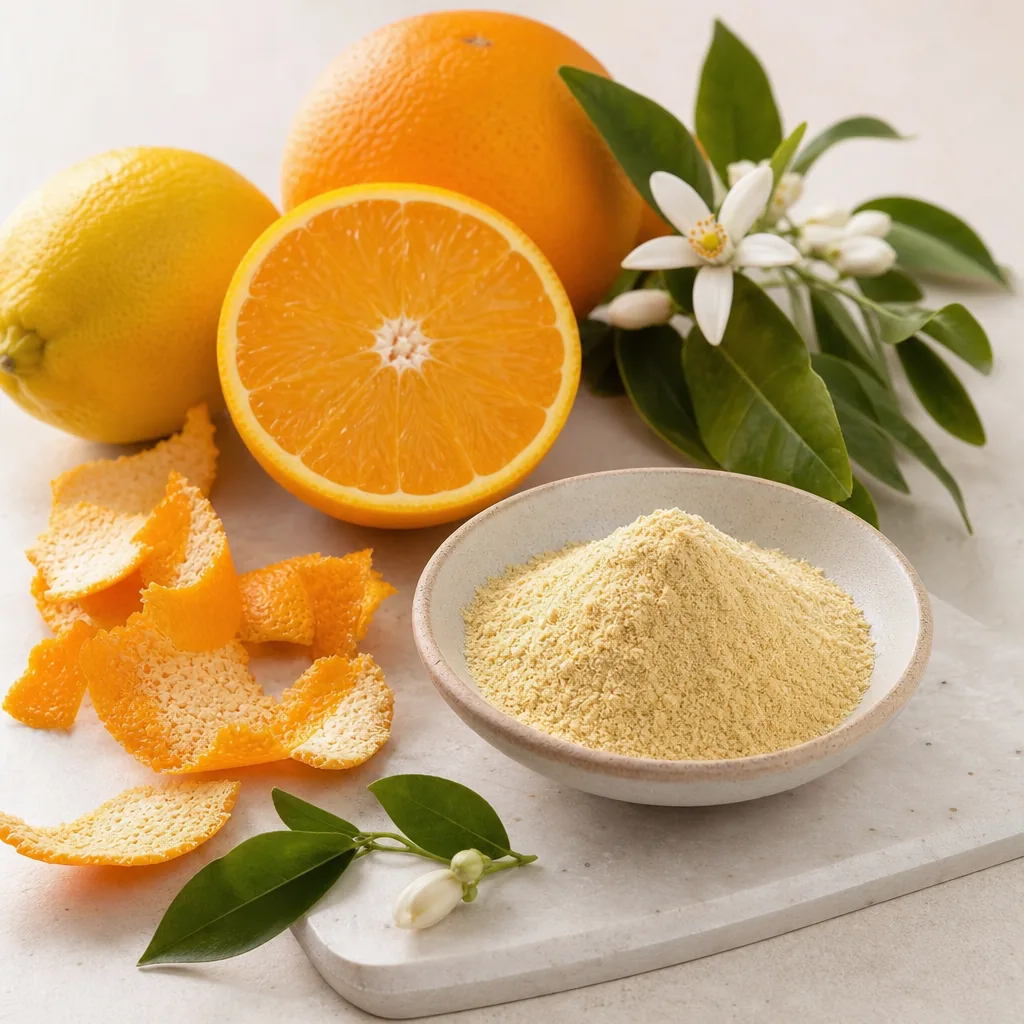
What is Hesperidin? Hesperidin is a citrus bioflavonoid—a plant-derived polyphenolic compound—found primarily in the peels, pith, and membranes of sweet o…
Read more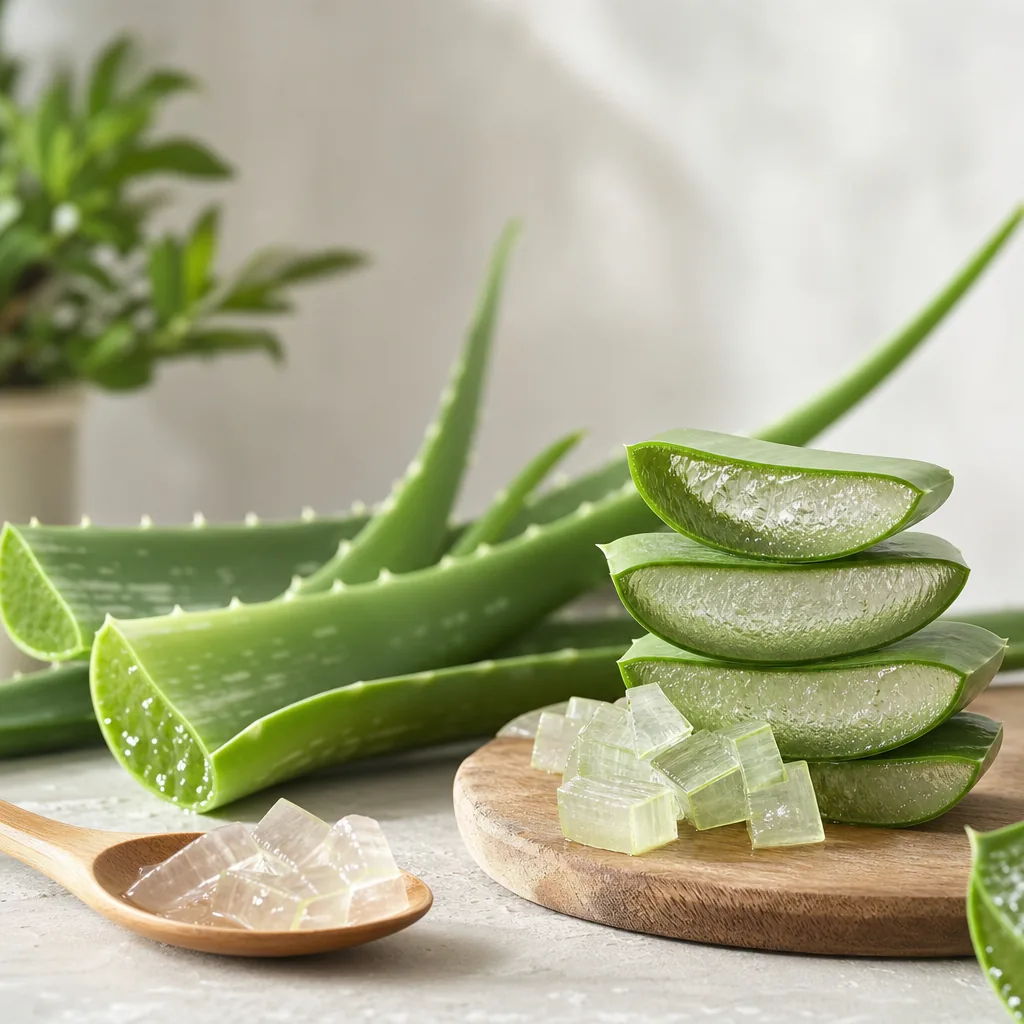
What is Aloe Vera? Aloe vera is a succulent plant (Aloe barbadensis Miller) long used in traditional medicine and skin care. Its fleshy leaves contain two…
Read more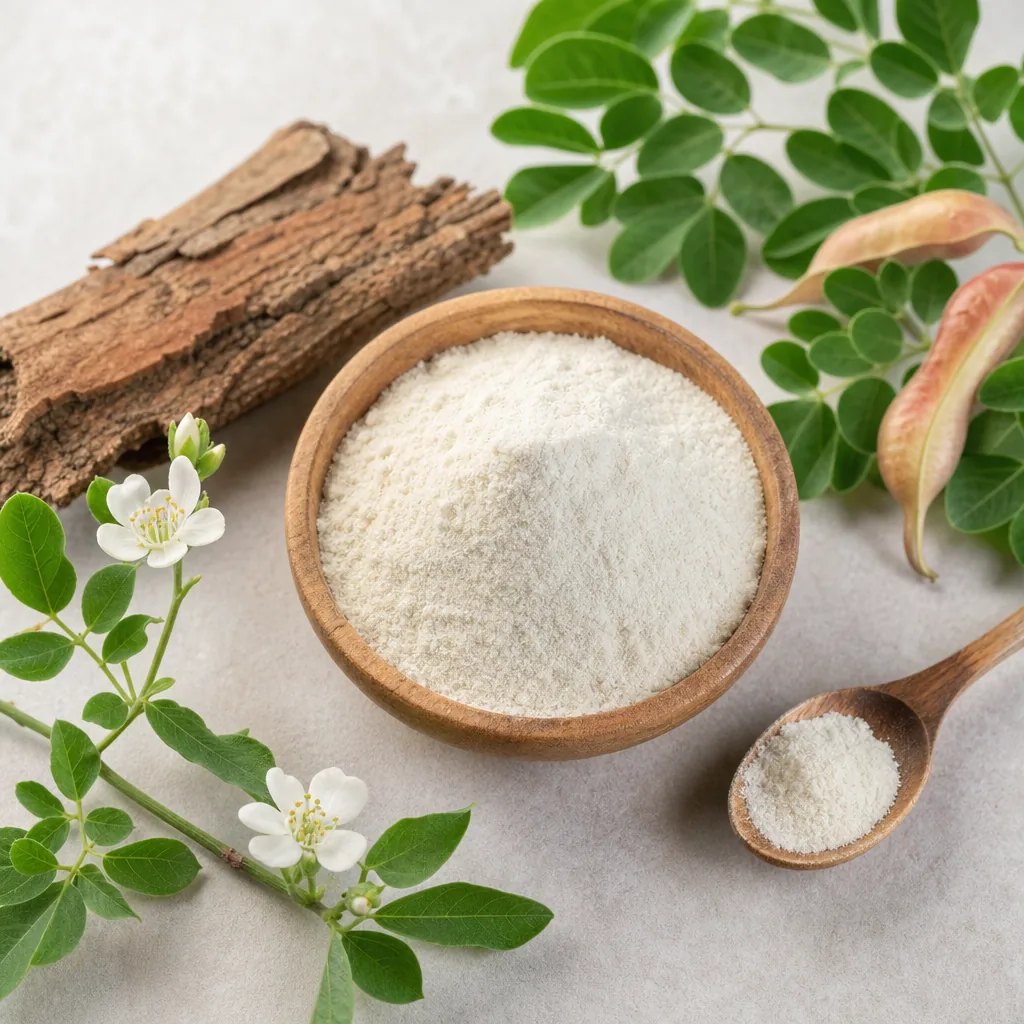
What is Paba? Para-aminobenzoic acid (PABA) is a small organic compound that sits at the crossroads of microbiology and nutrition. It is sometimes mislead…
Read more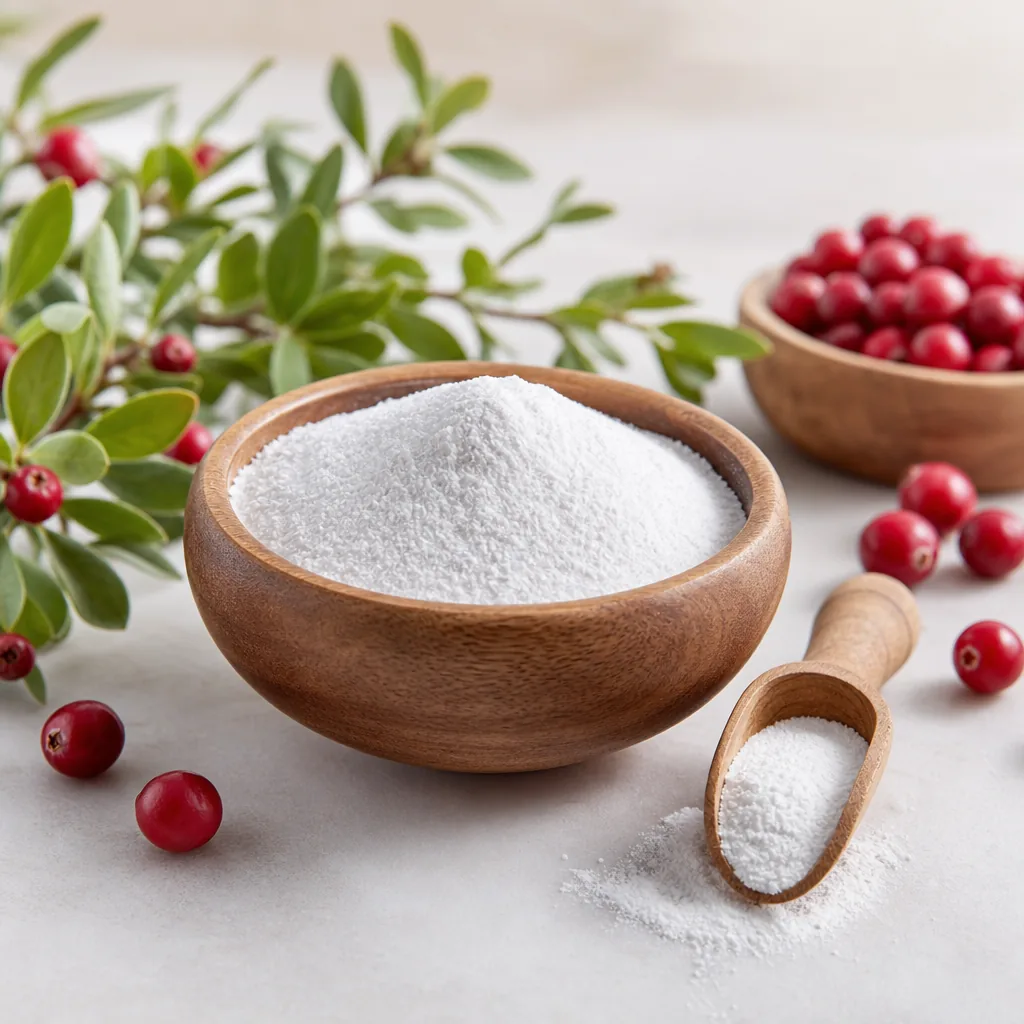
What is D-mannose? D-mannose is a simple sugar (a monosaccharide) closely related to glucose. It occurs naturally in small amounts in certain fruits and v…
Read more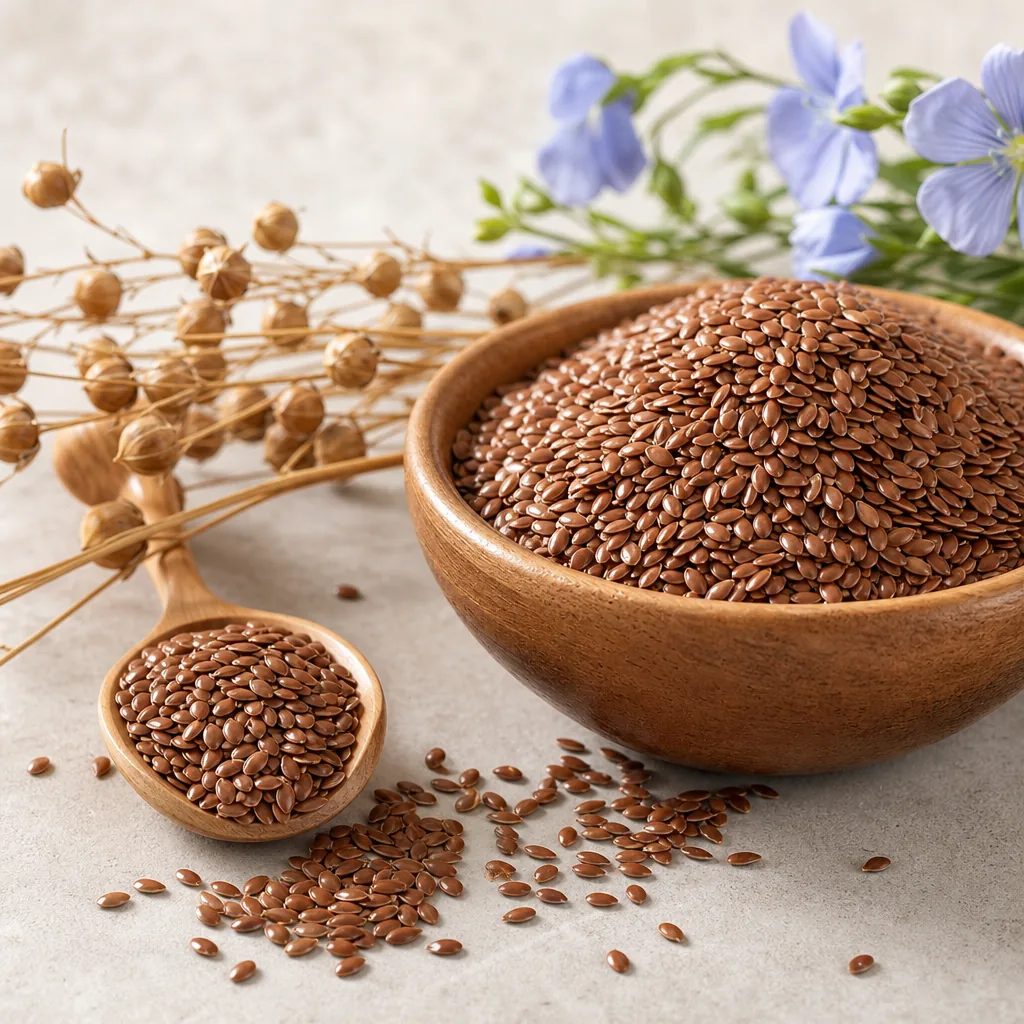
What is Flax Seed? Flax seed (Linum usitatissimum), also called linseed, is the small, edible seed of the flax plant. It has been cultivated for thousands…
Read more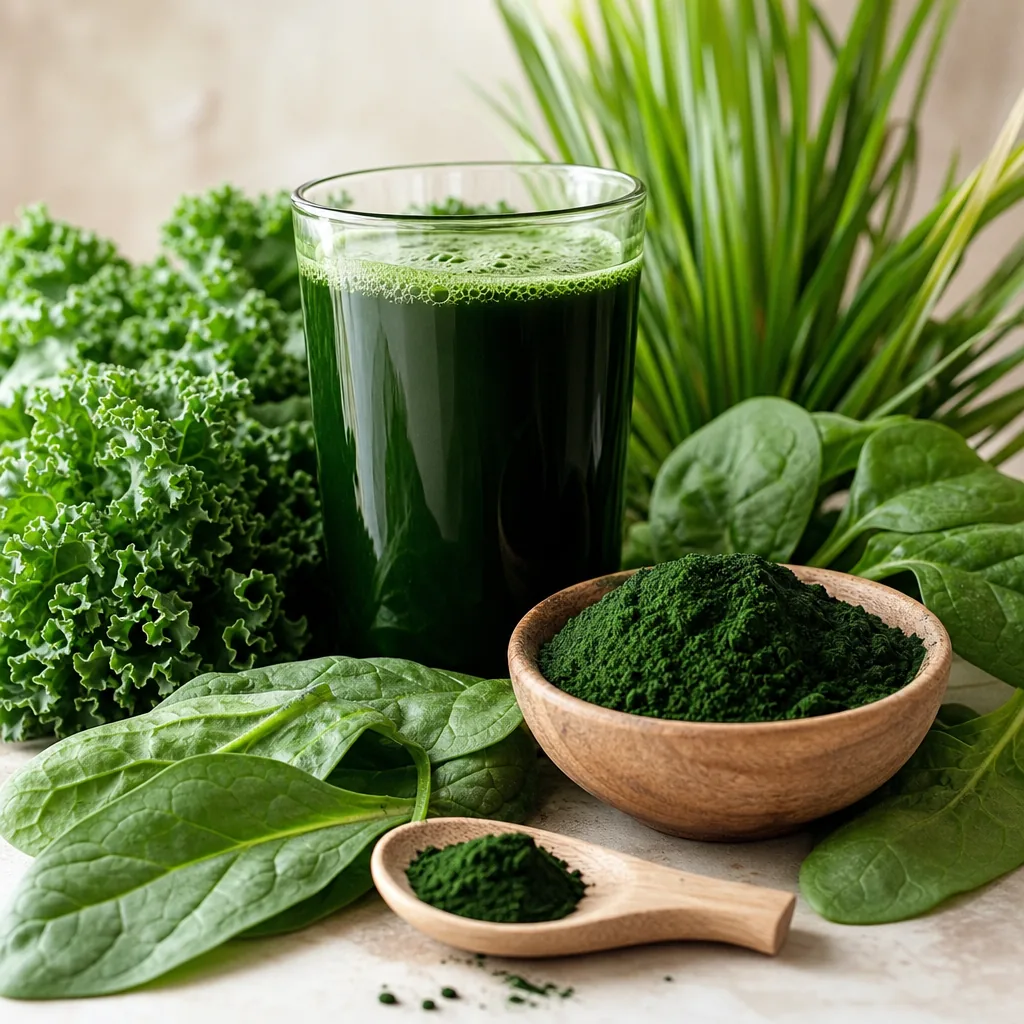
What is Chlorophyll? Chlorophyll is the green pigment in plants, algae, and some bacteria that captures light energy for photosynthesis. In nature, it hel…
Read more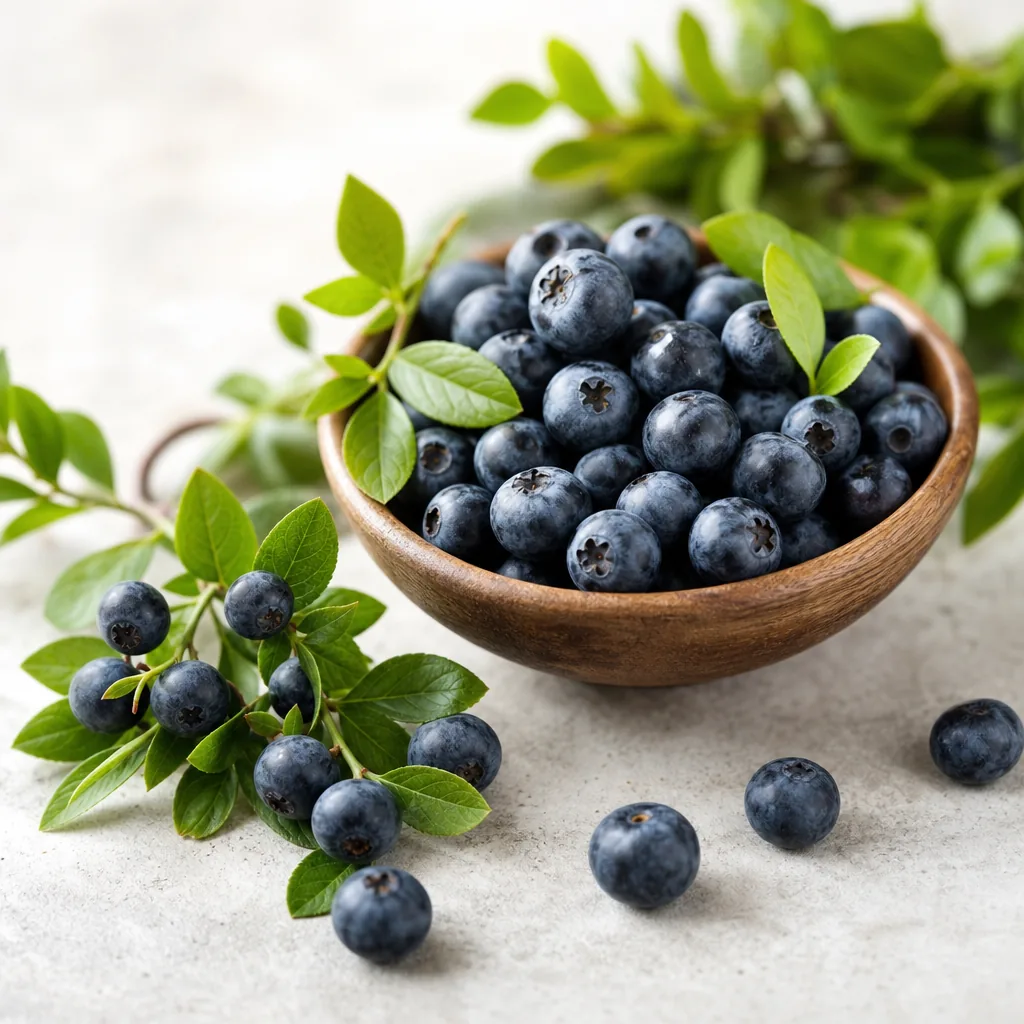
What is Bilberry? Bilberry (Vaccinium myrtillus) is a small, dark-blue berry native to northern Europe and parts of Asia. It belongs to the same genus as …
Read more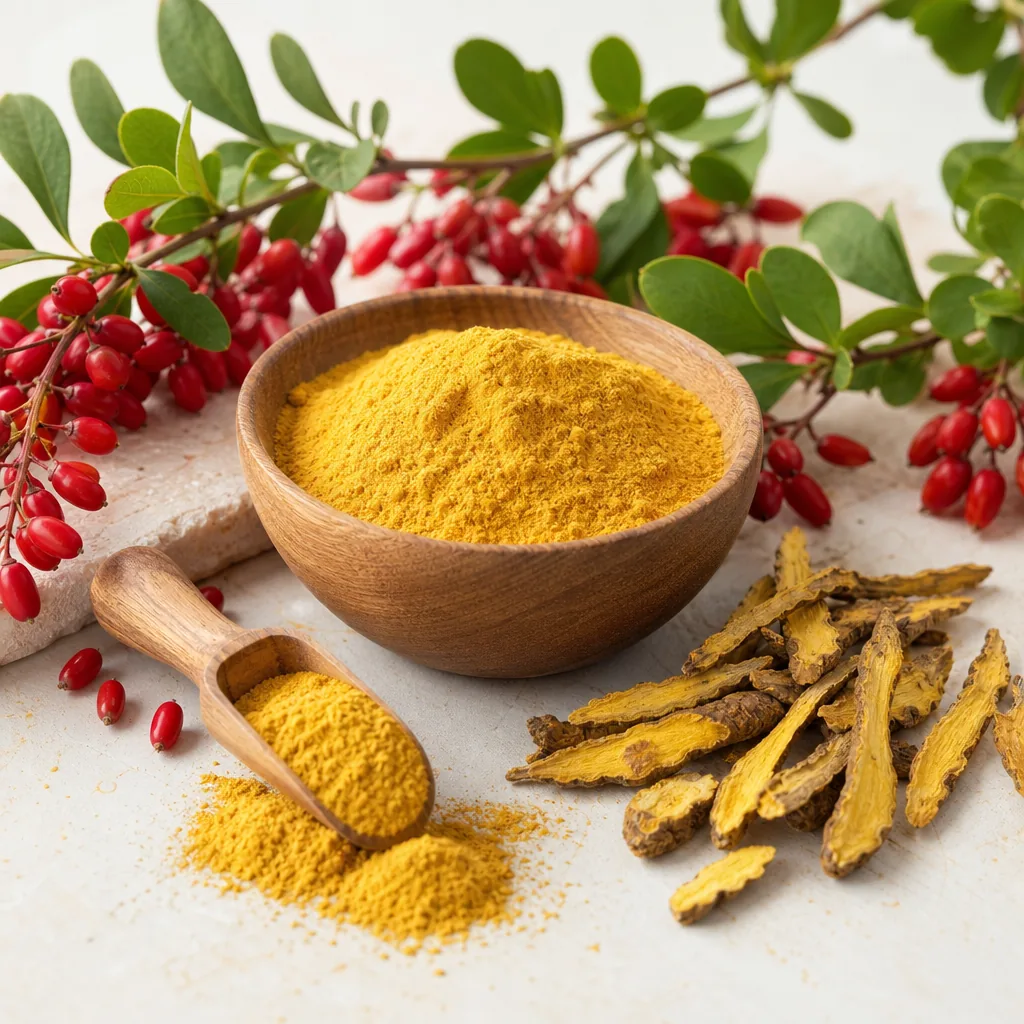
What is Berberine? Berberine is a bitter, yellow alkaloid compound naturally found in several plants, including barberry (Berberis aristata), goldthread (…
Read more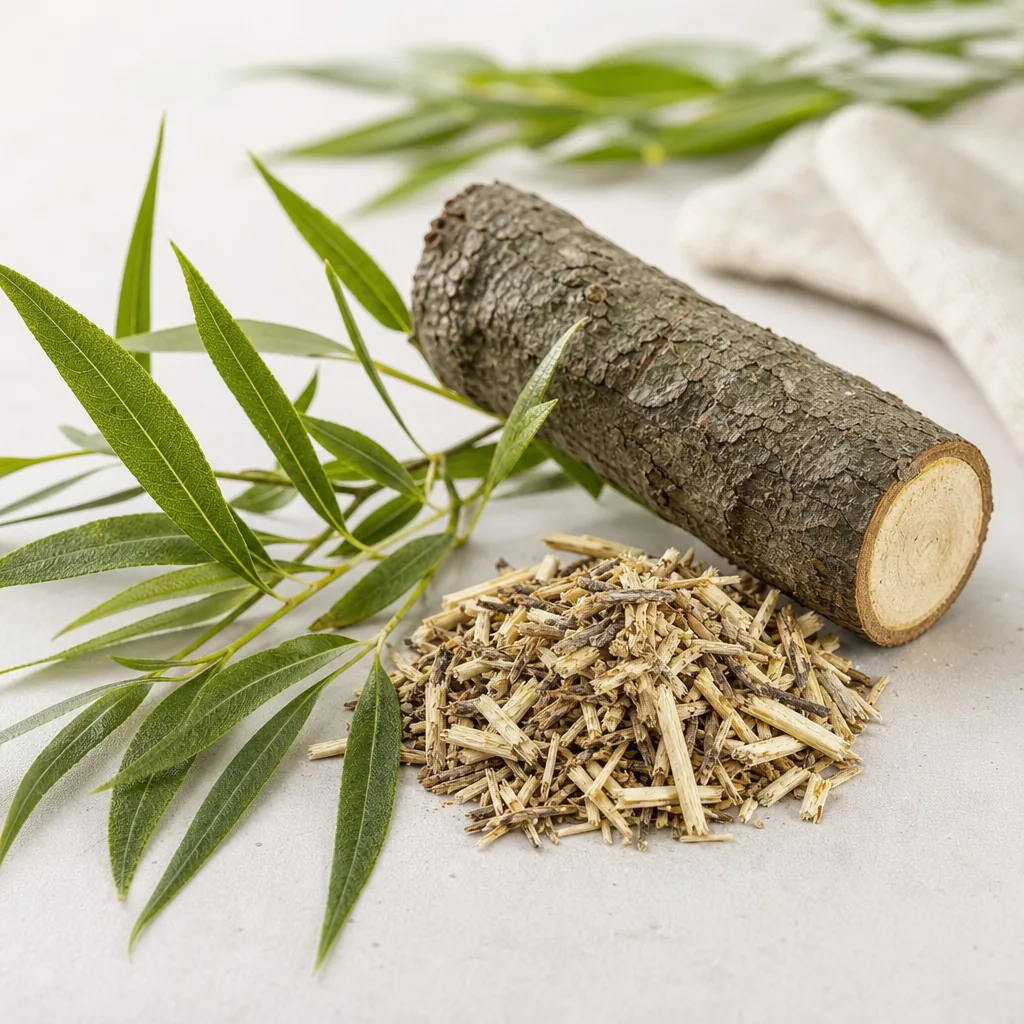
What is White Willow? White willow (Salix alba) is a botanical herb derived from the bark of willow trees native to Europe and parts of Asia. The bark con…
Read more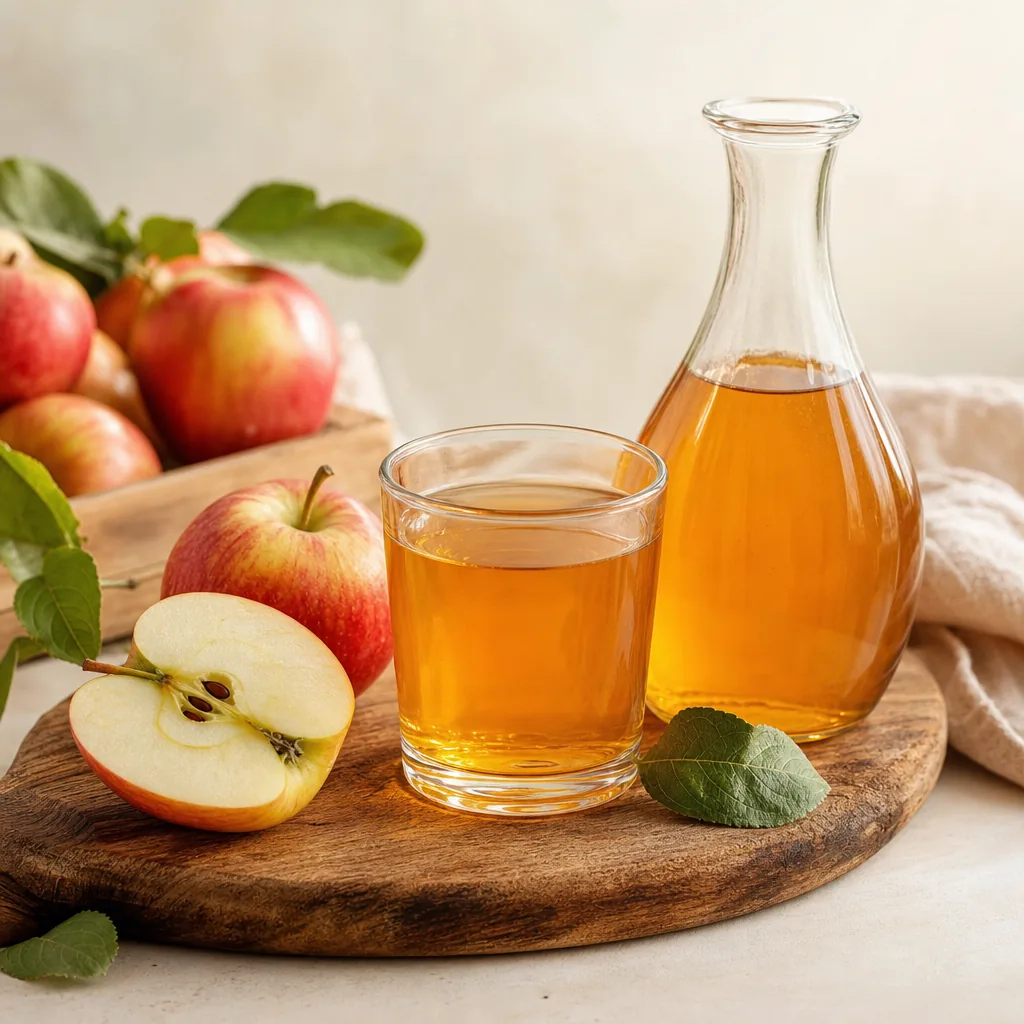
What is Apple Cider Vinegar? Apple cider vinegar (ACV) is a fermented liquid made by crushing apples, extracting the juice, and fermenting it in two steps…
Read more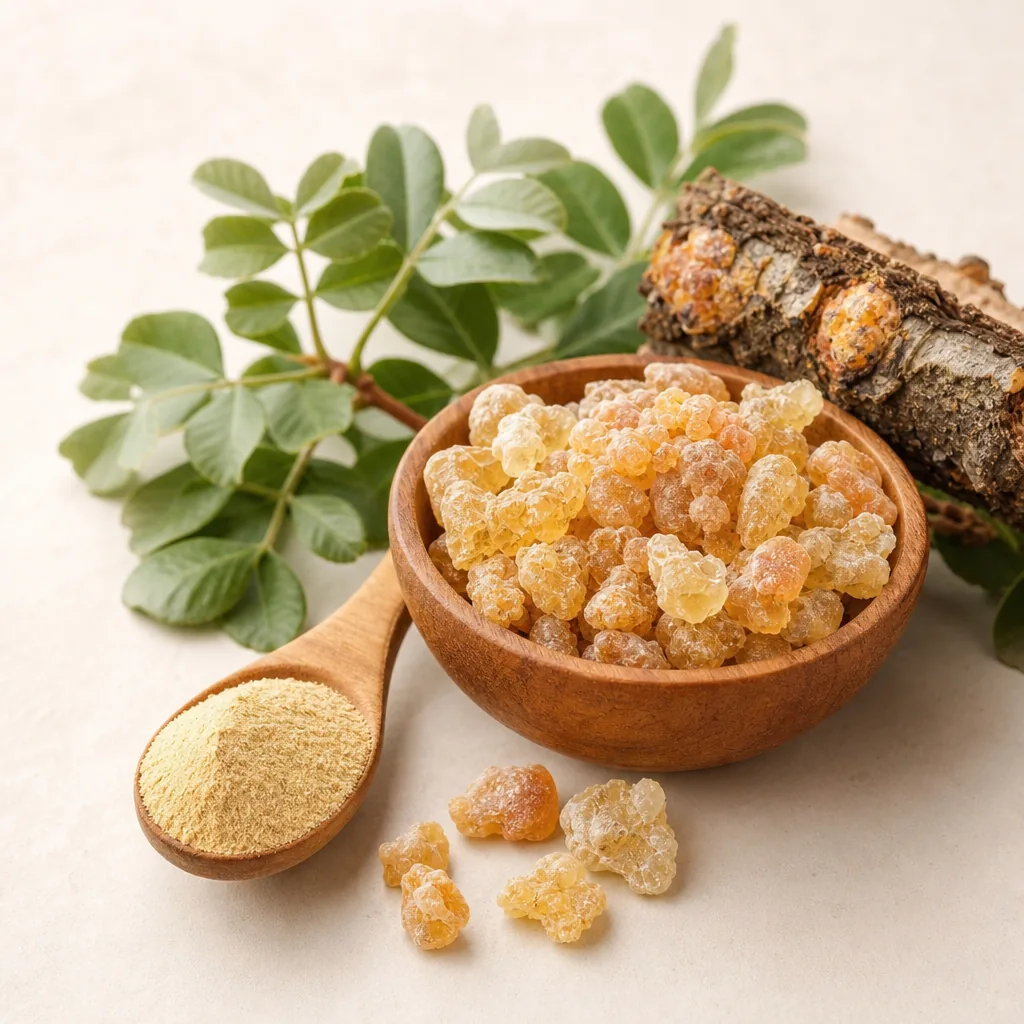
What is Boswellia Serrata? Boswellia serrata, often called Indian frankincense, is a tree native to India, the Middle East, and parts of Africa. Its aroma…
Read more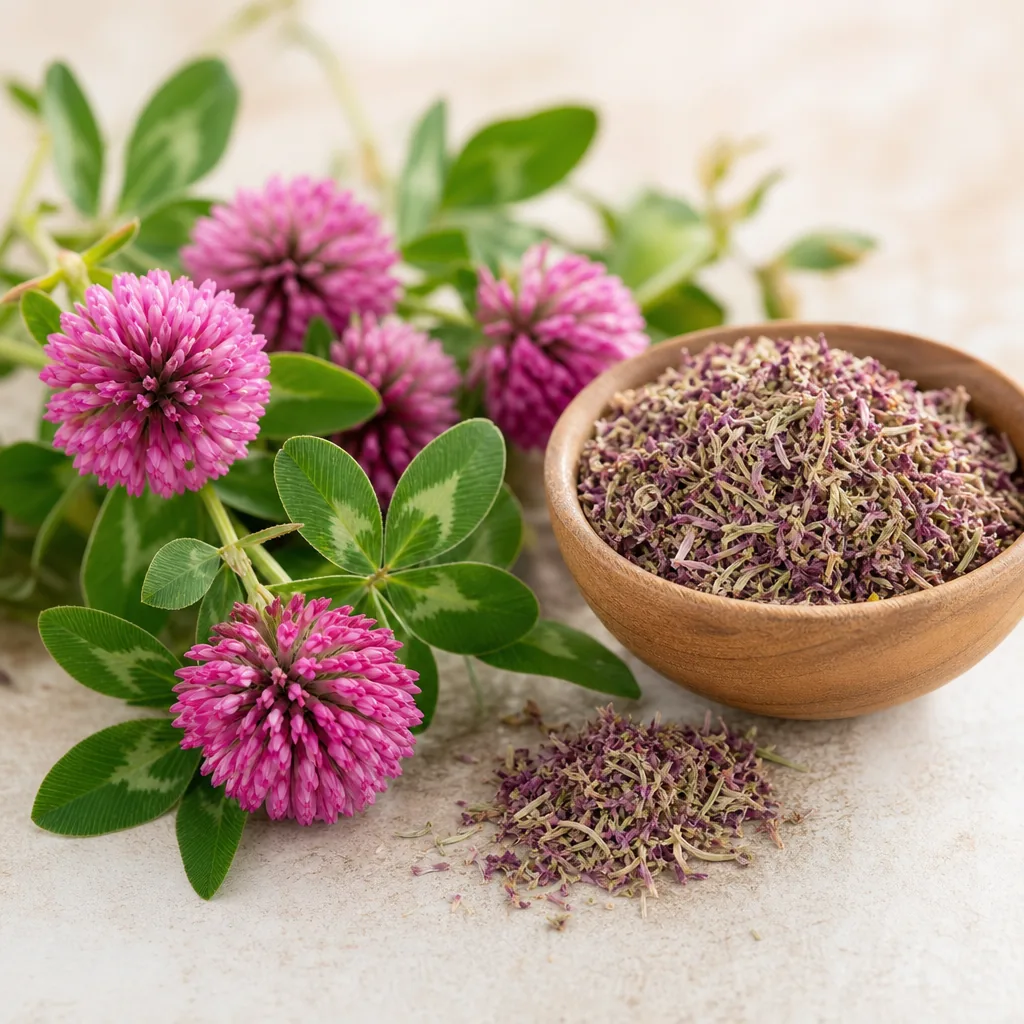
What is Red Clover? Red clover (Trifolium pratense) is a flowering plant in the legume family traditionally used in European and North American herbal pra…
Read more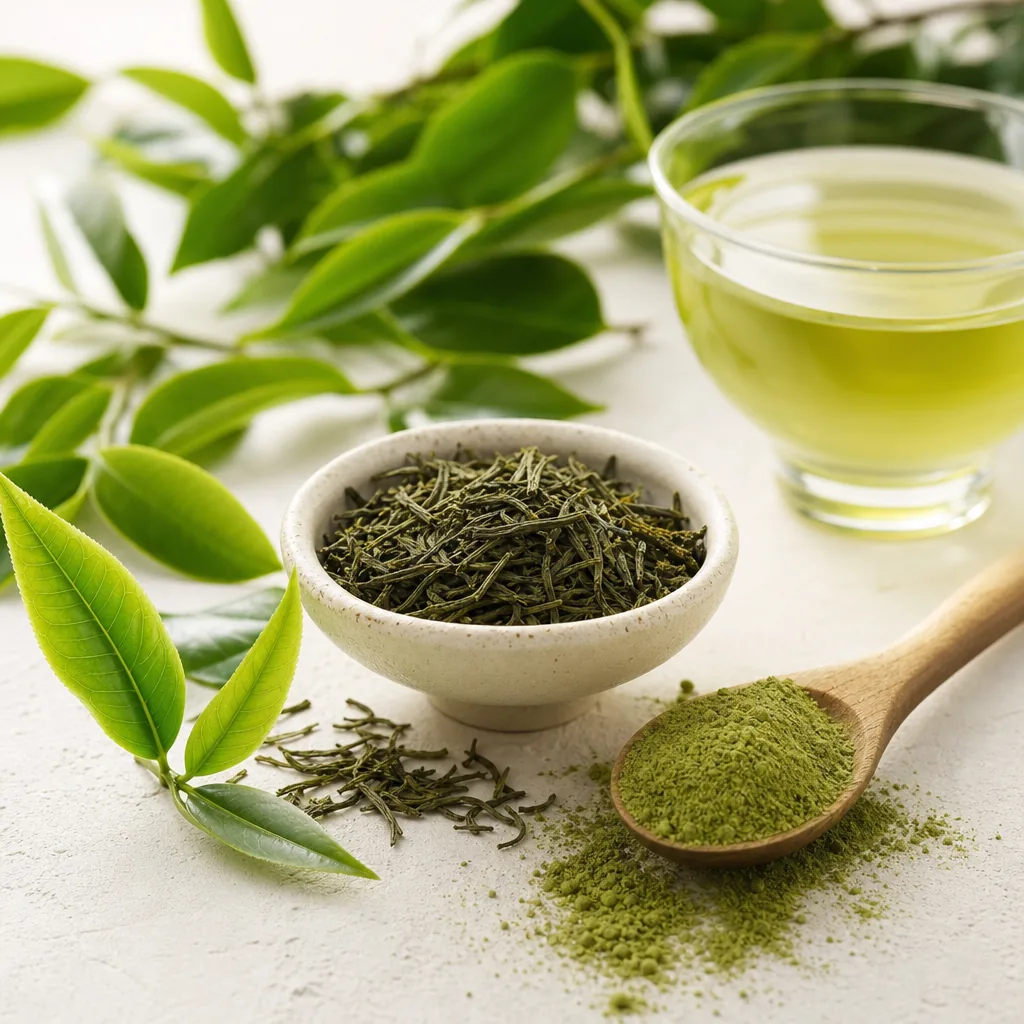
What is Green Tee Leaf? Green Tee Leaf—more commonly known as green tea leaf—comes from the plant Camellia sinensis. Unlike black or oolong tea, green tea…
Read more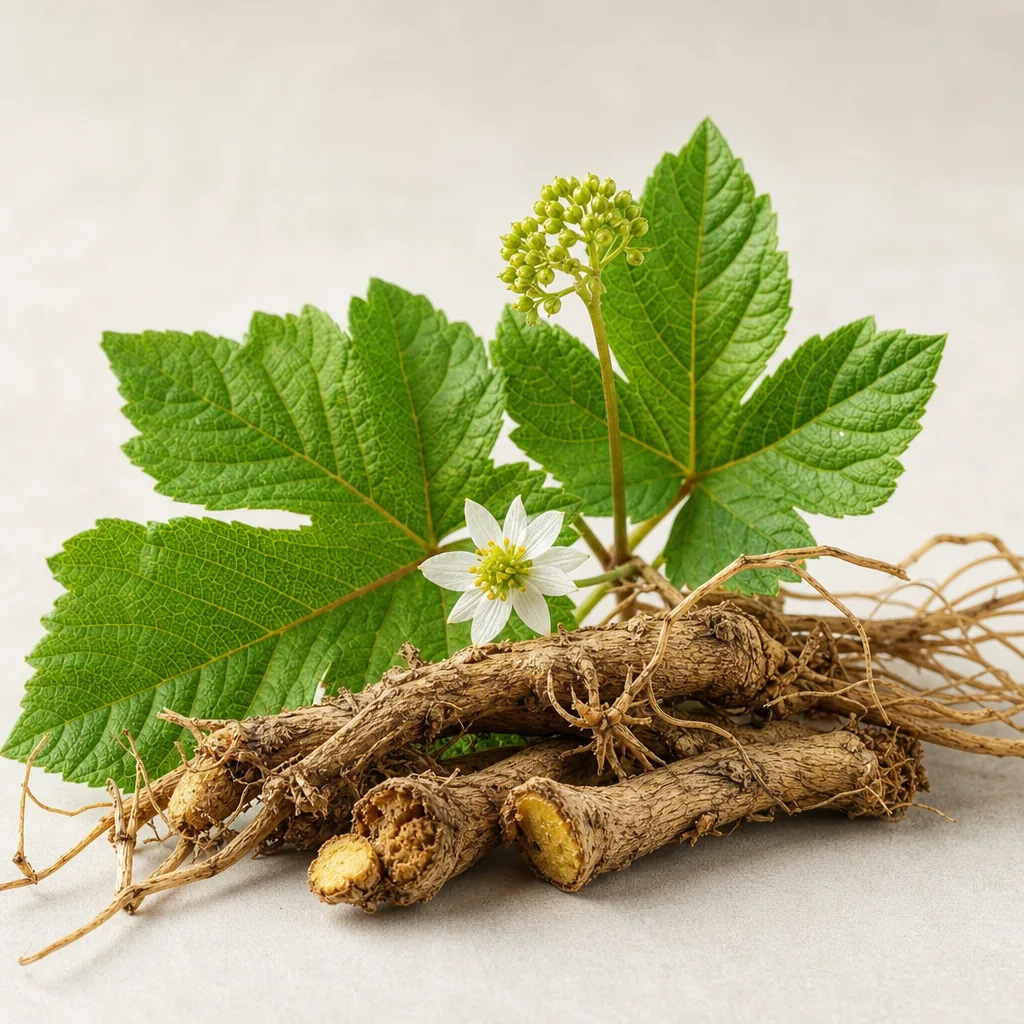
What is Goldenseal Root? Goldenseal (Hydrastis canadensis) is a woodland herb native to North America. The medicinal portion is the knotted underground st…
Read more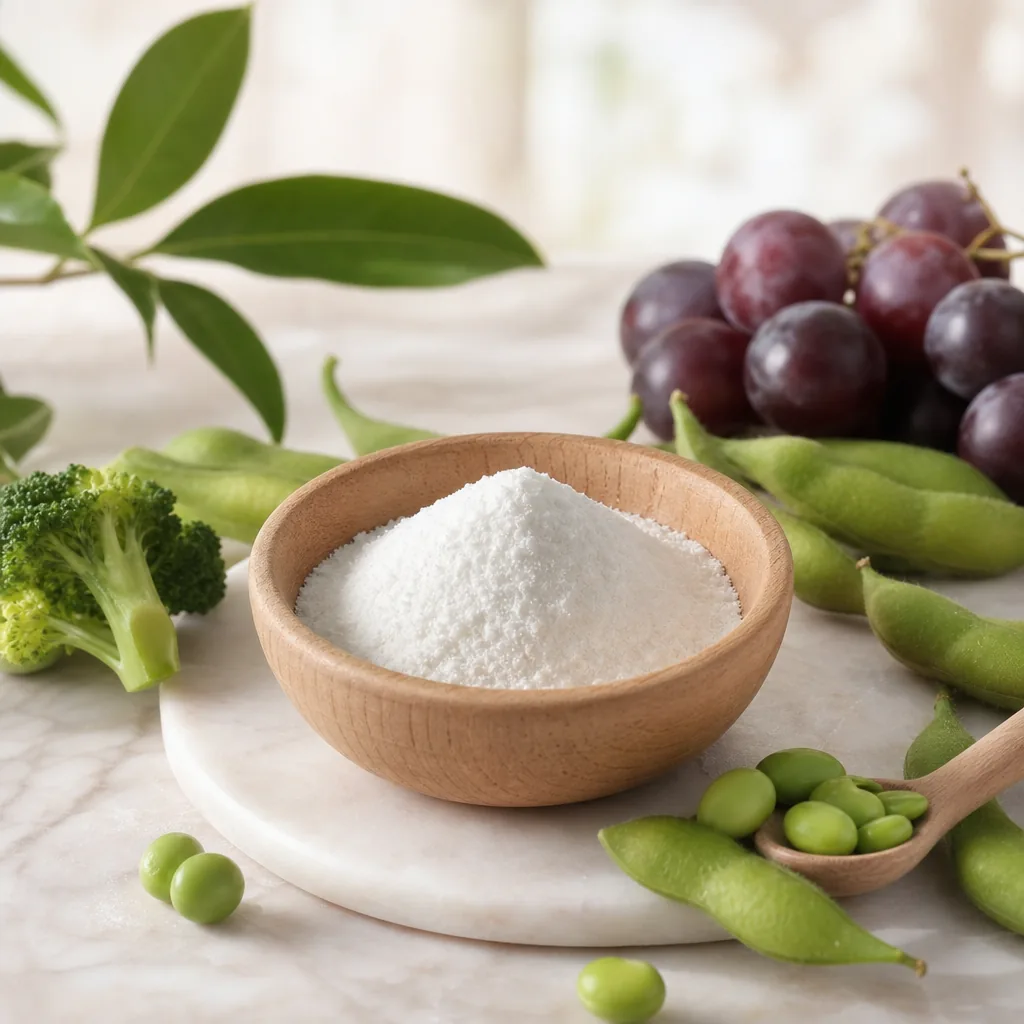
What is NMN? Nicotinamide mononucleotide (NMN) is a nucleotide composed of nicotinamide (a form of vitamin B3) and ribose-phosphate. It is a direct precur…
Read more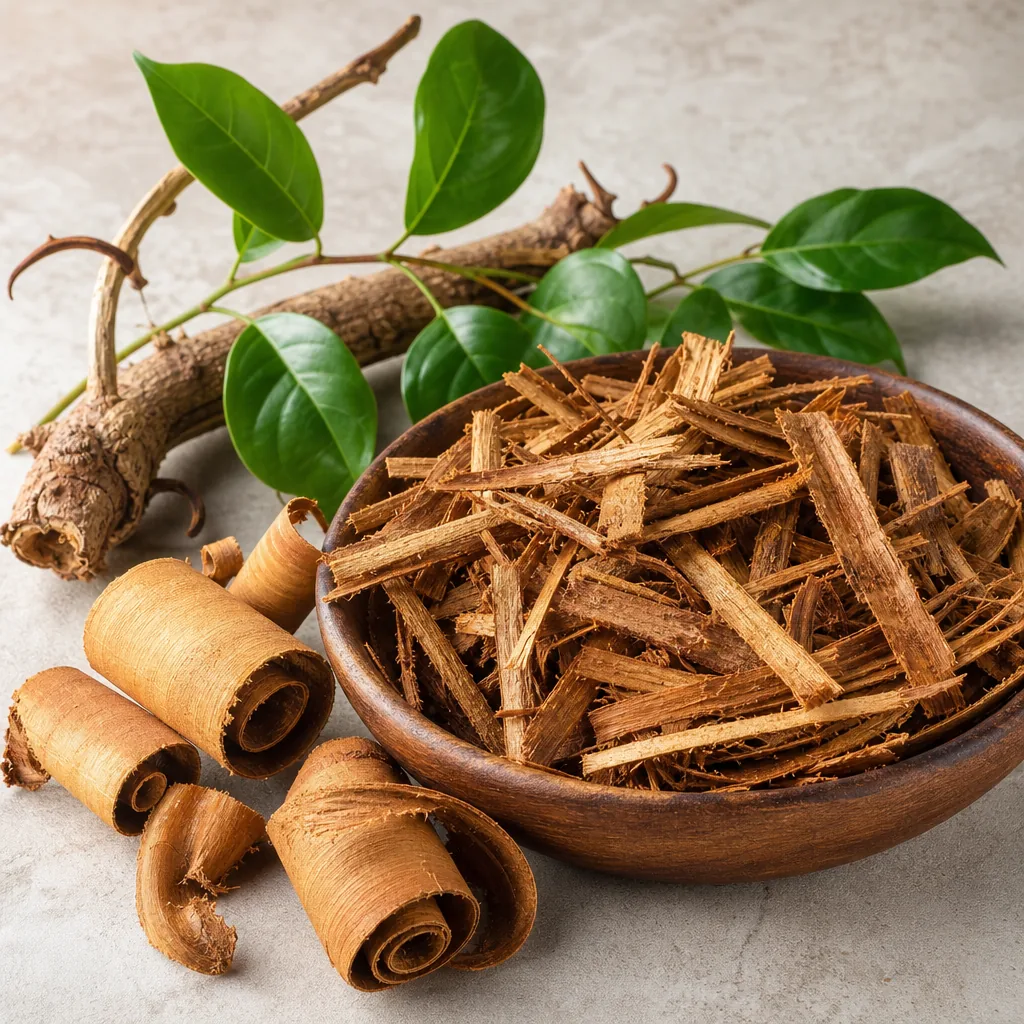
What is Cat's Claw? Cat’s Claw is a climbing vine native to the Amazon and other parts of Central and South America. The name commonly refers to two close…
Read more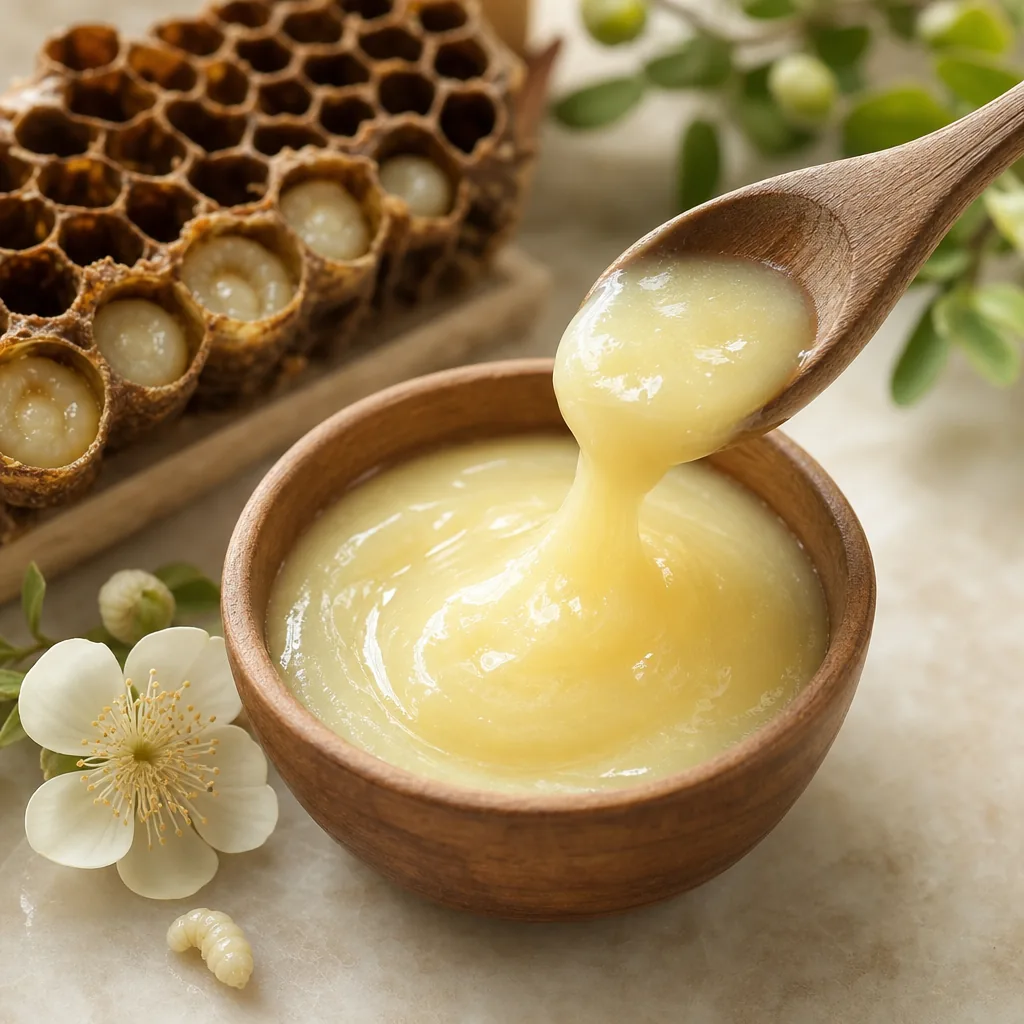
What is Royal Jelly? Royal jelly is a creamy, nutrient-dense secretion produced by worker honeybees to feed all larvae in their first days of life and exc…
Read more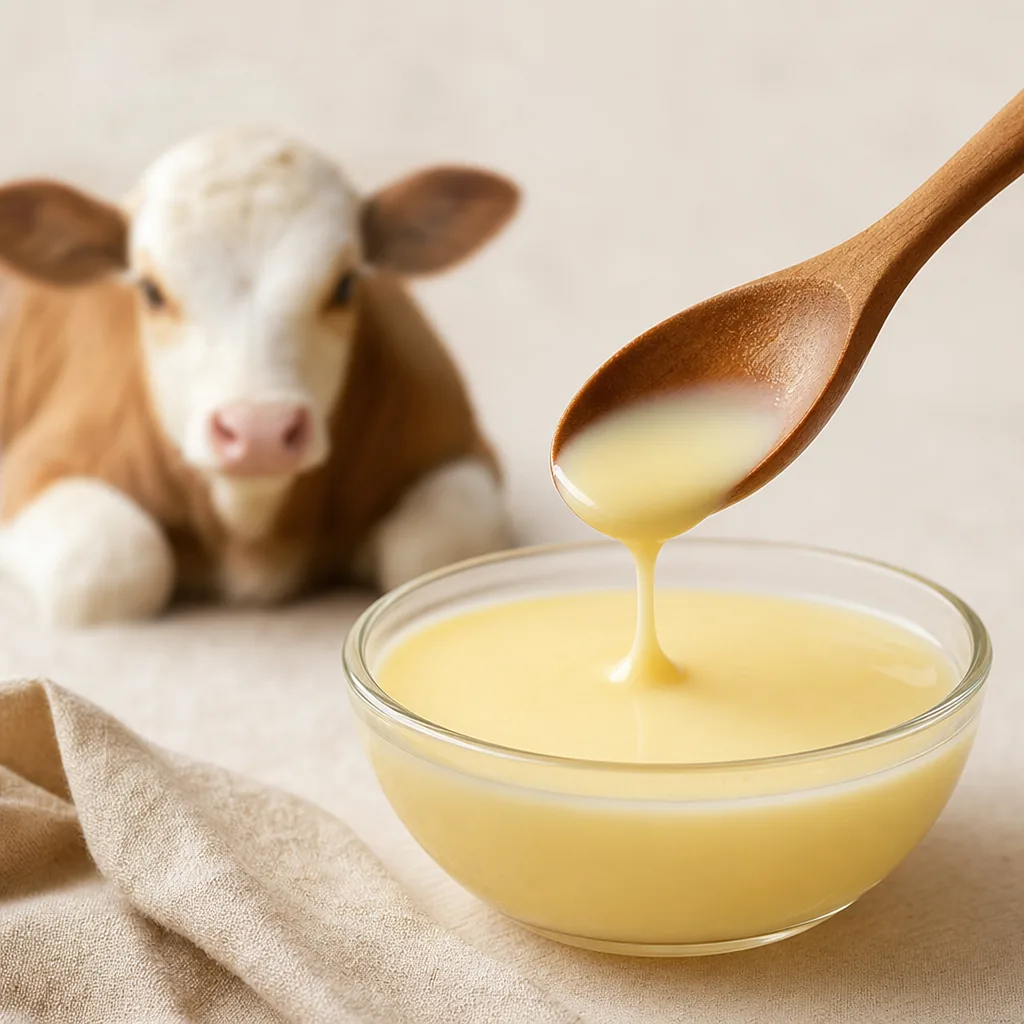
What is Colostrum? Colostrum is the first milk produced by mammals in the first days after giving birth. It is rich in immunoglobulins (antibodies such as…
Read more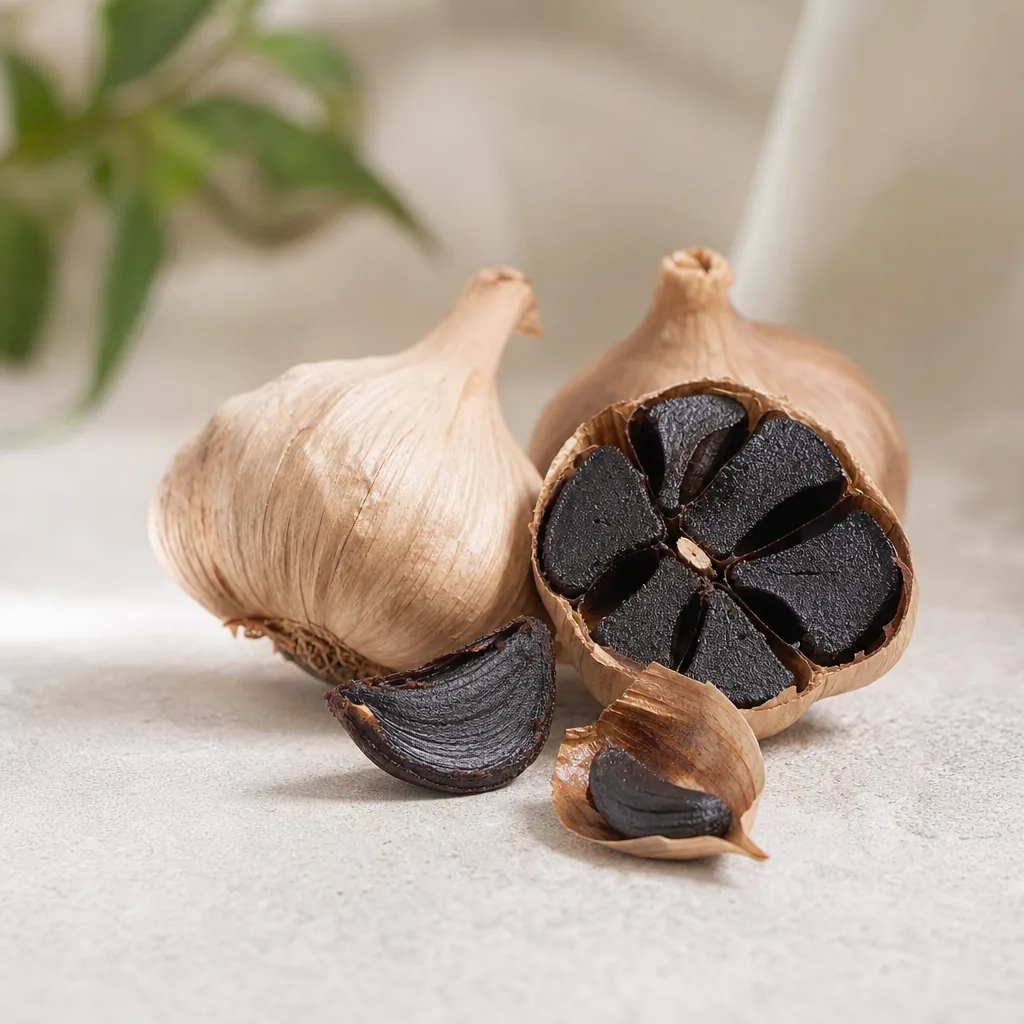
What is Black Garlic? Black garlic is a culinary form of garlic (Allium sativum) that has been slowly aged at controlled warm temperatures and high humidi…
Read more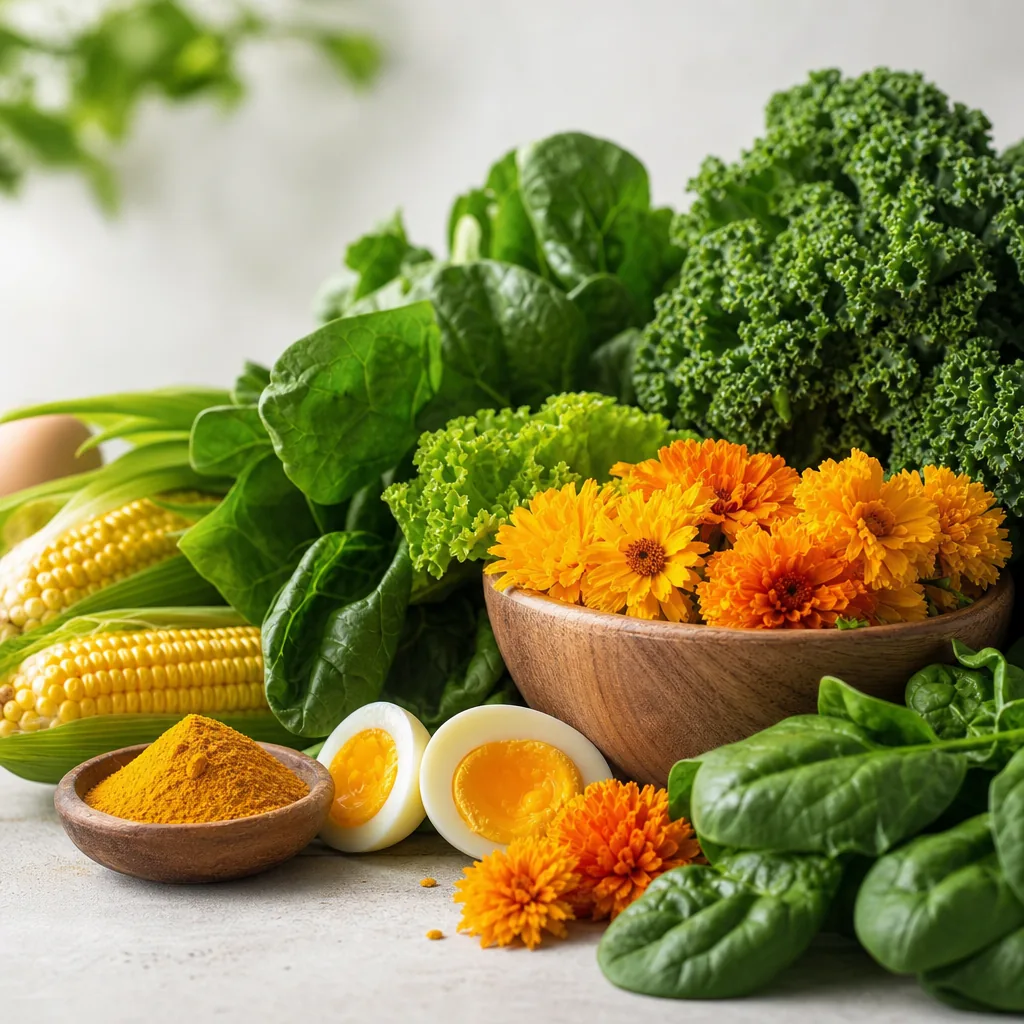
What is Lutein? Lutein is a yellow-orange carotenoid in the xanthophyll family, naturally found in many green and yellow vegetables, certain fruits, and e…
Read more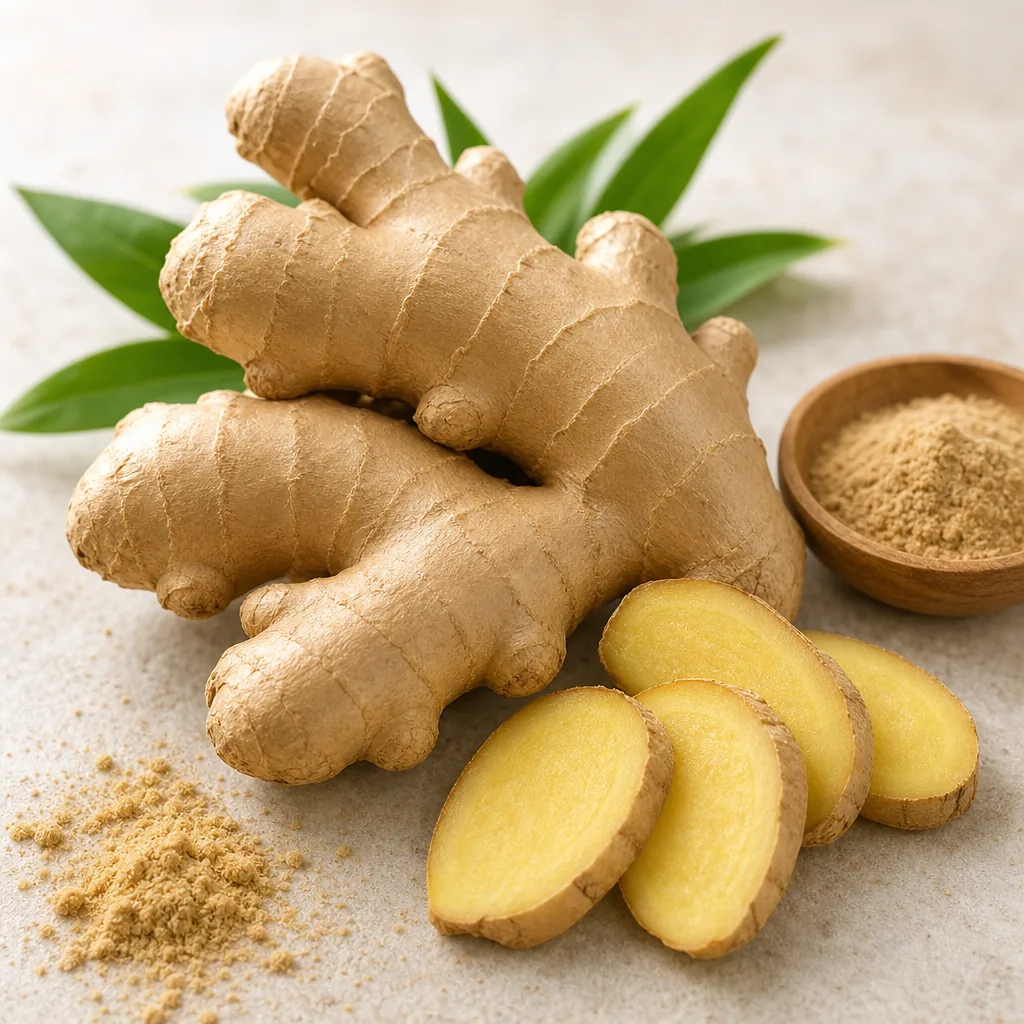
What is Ginger root? Ginger root is the knobby underground stem (rhizome) of Zingiber officinale, a flowering plant in the Zingiberaceae family. Used for …
Read more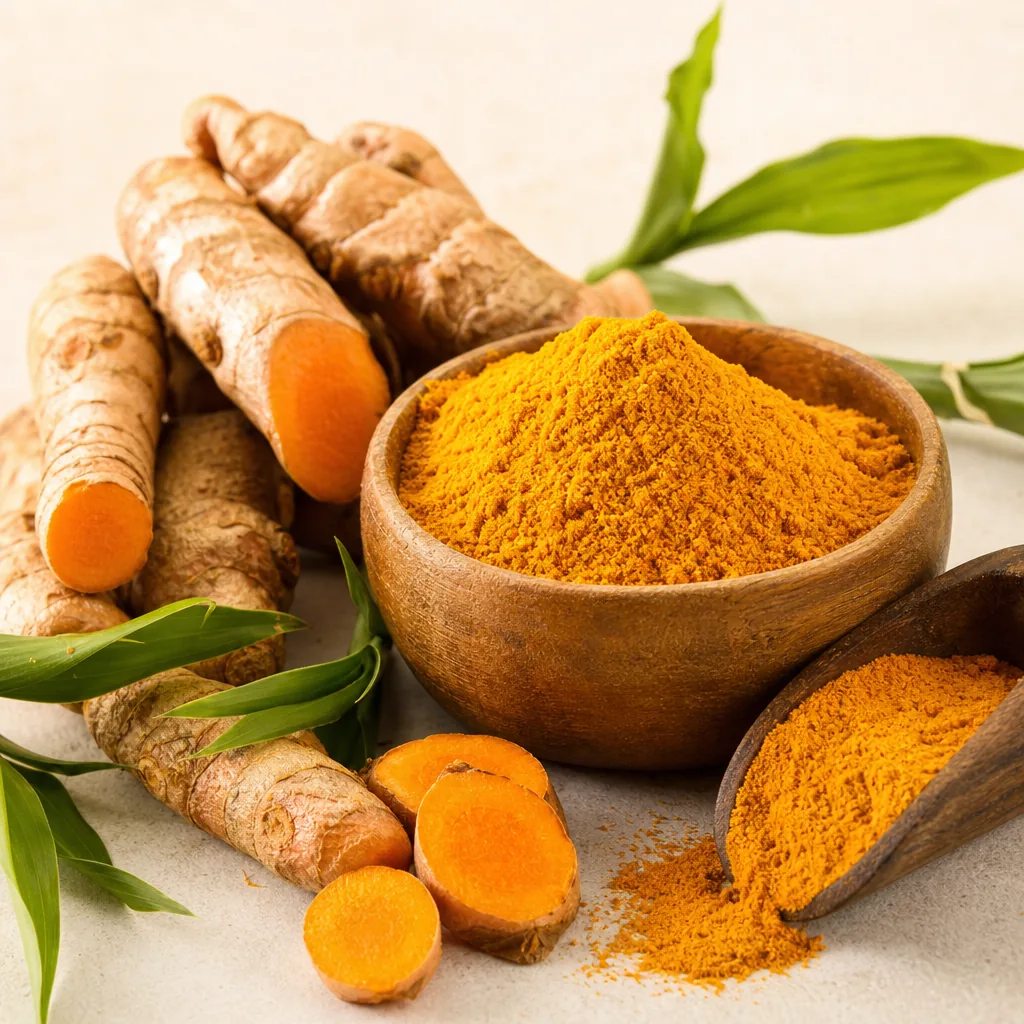
What is Turmeric? Turmeric is the bright yellow-orange rhizome (root) of Curcuma longa, a plant in the ginger family native to South Asia. As a culinary s…
Read more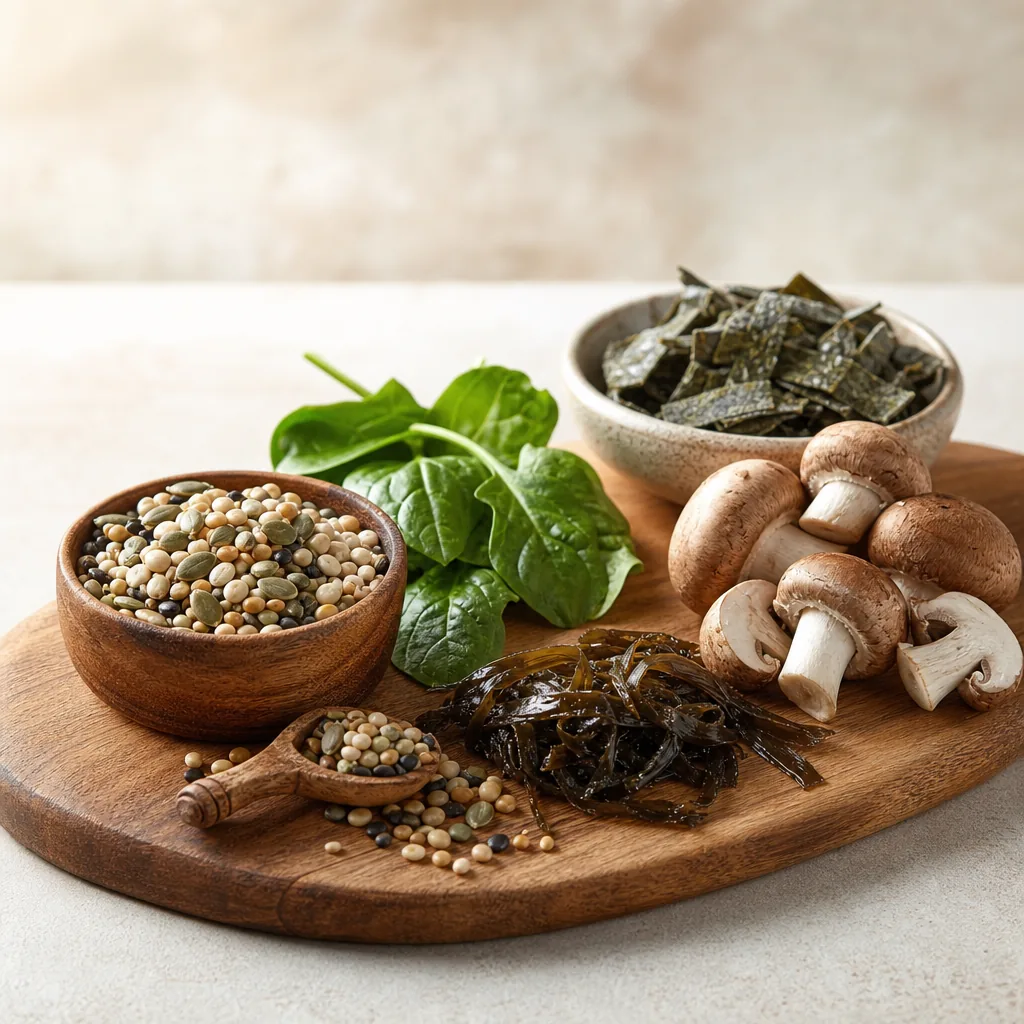
What is Vanadium? Vanadium is a trace element found naturally in the earth’s crust, seawater, and many foods in very small amounts. In supplements, it is …
Read more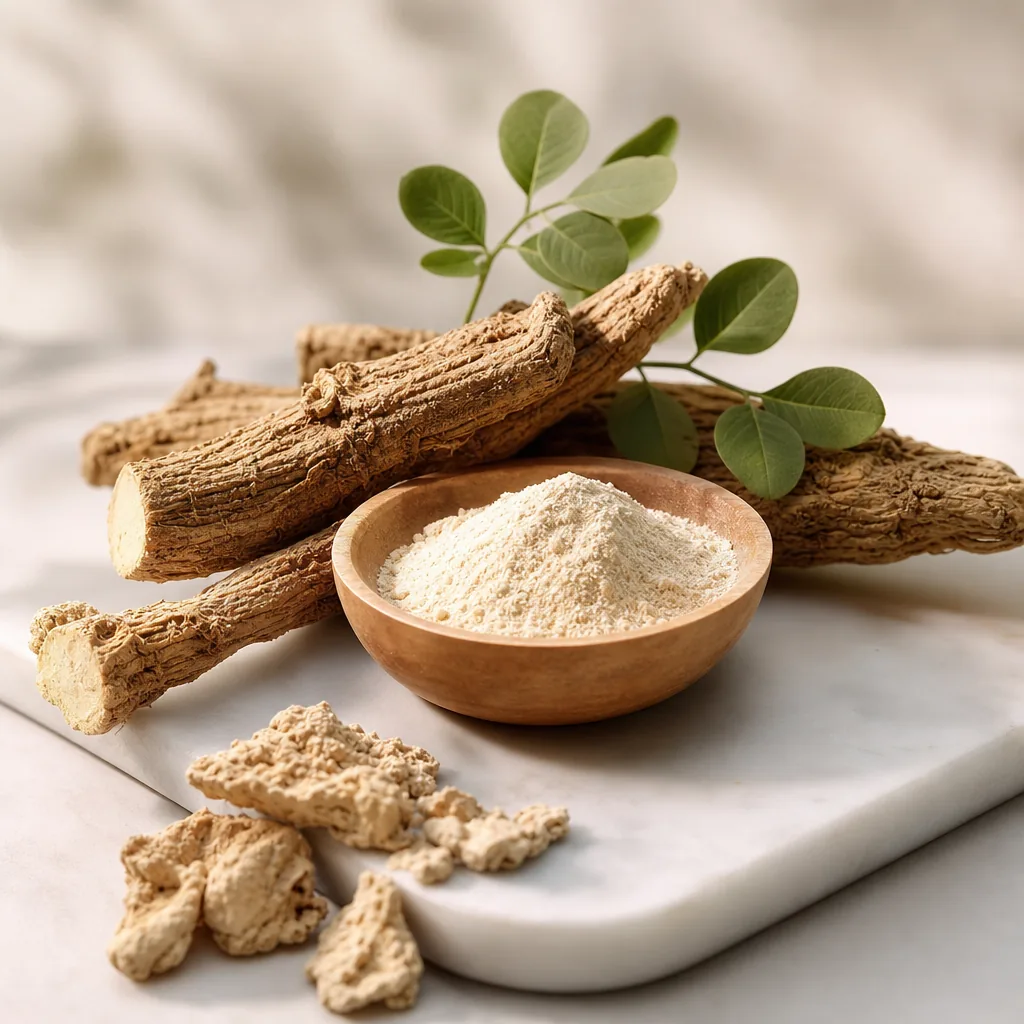
What is DHEA? Dehydroepiandrosterone (DHEA) is a steroid hormone precursor produced mainly by the adrenal glands, with smaller amounts made in the gonads …
Read more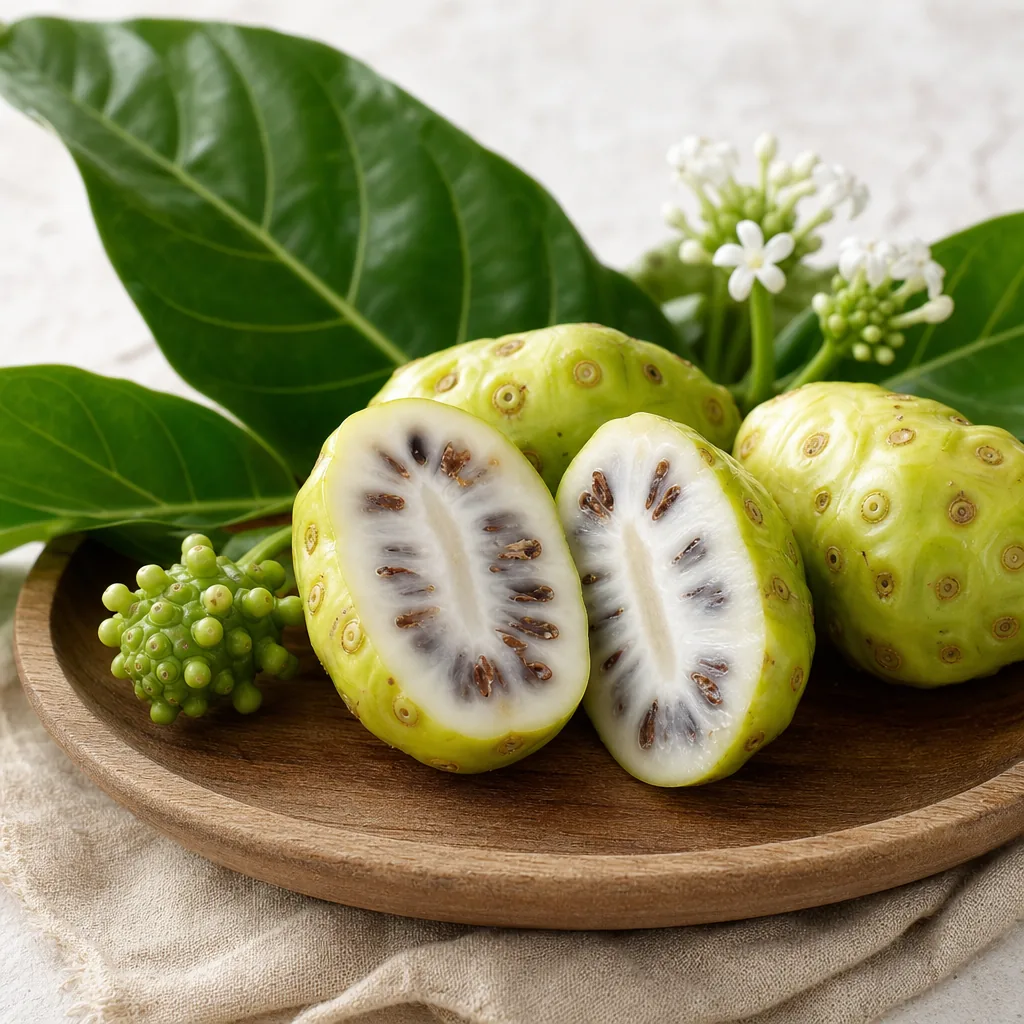
What is Noni? Noni (Morinda citrifolia) is a small evergreen tree native to Polynesia, Southeast Asia, and parts of the Indian Ocean. Its fruit, leaves, a…
Read more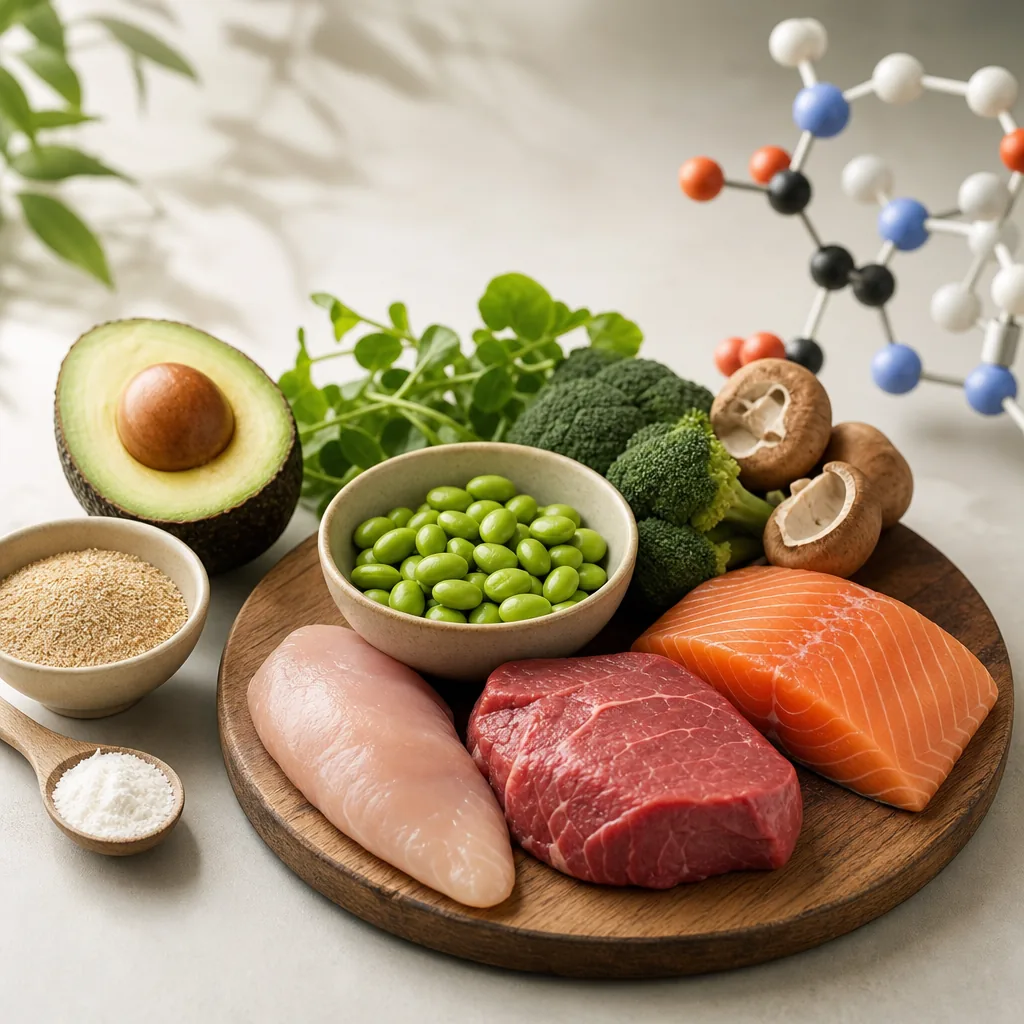
What is NAD+? Nicotinamide adenine dinucleotide (NAD+) is a coenzyme found in every living cell. It cycles between oxidized (NAD+) and reduced (NADH) form…
Read more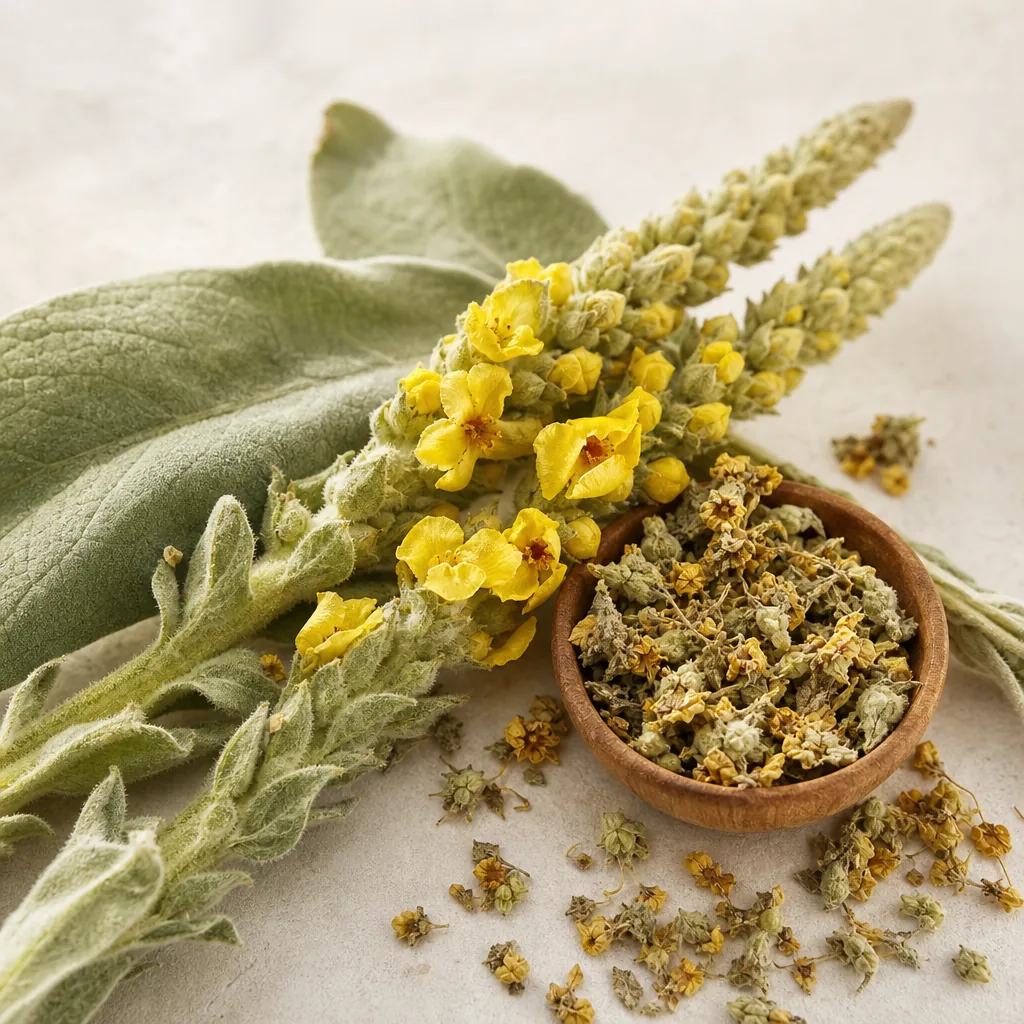
What is Mullein? Mullein (Verbascum thapsus) is a flowering plant native to Europe, Asia, and North Africa that now grows widely in temperate regions, oft…
Read more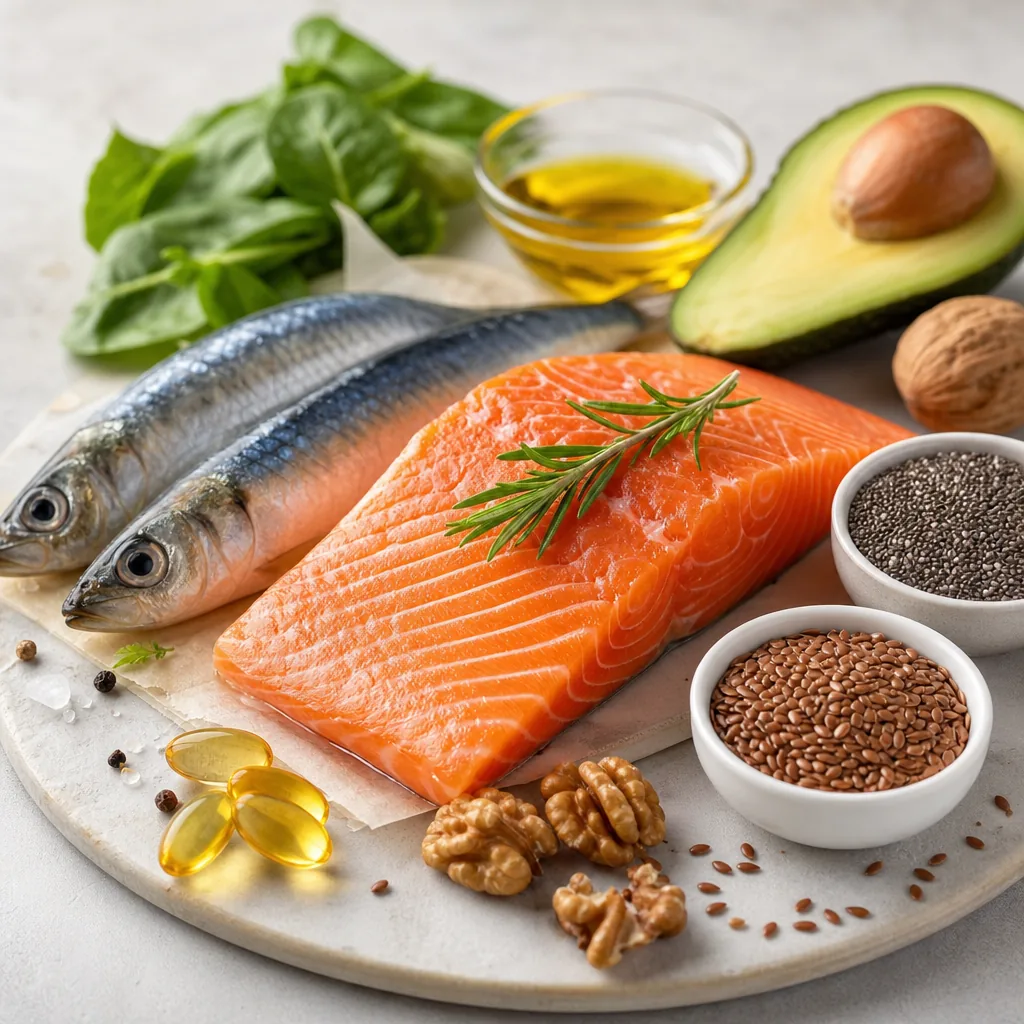
What is Omega 3? Omega-3 fatty acids are a family of polyunsaturated fats found in certain foods and supplements. The three most discussed are alpha-linol…
Read more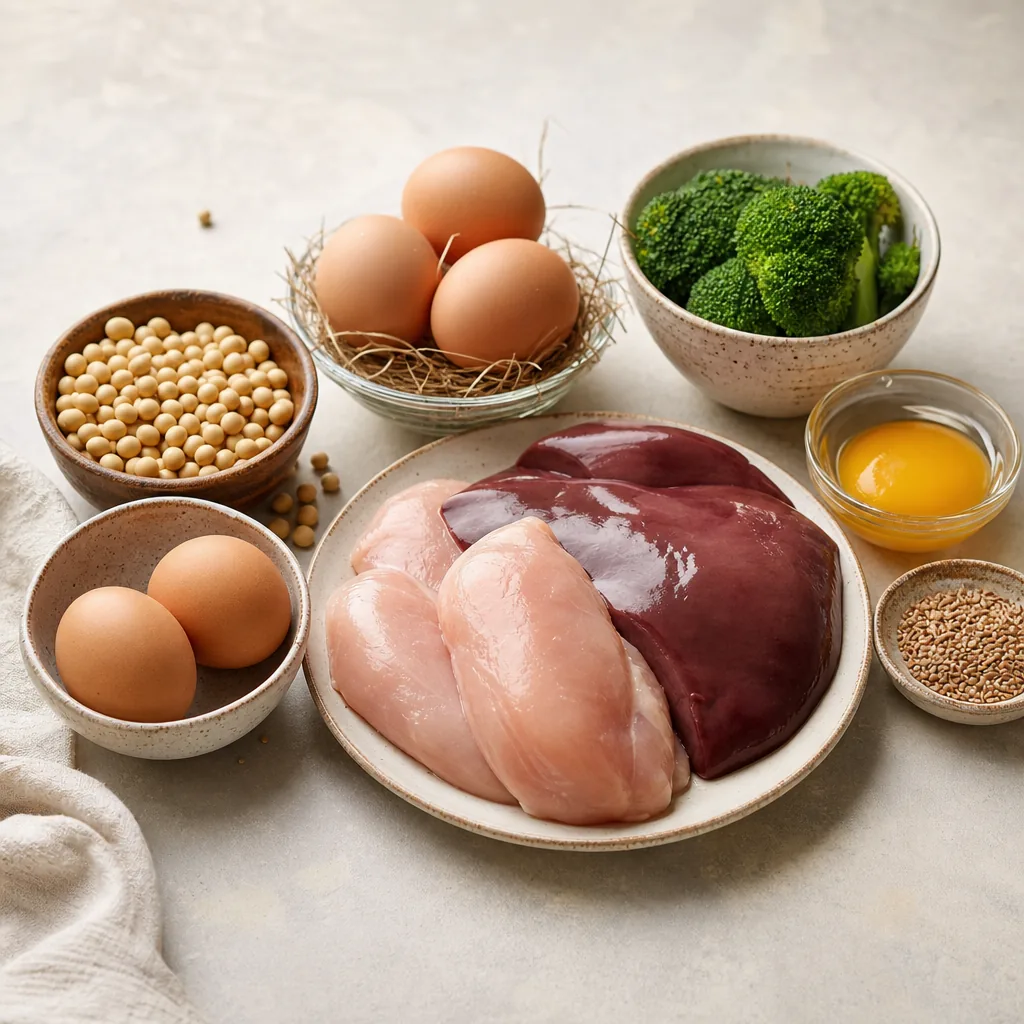
What is Choline? Choline is an essential, vitamin-like nutrient that your body uses to build cell membranes, make the neurotransmitter acetylcholine, supp…
Read more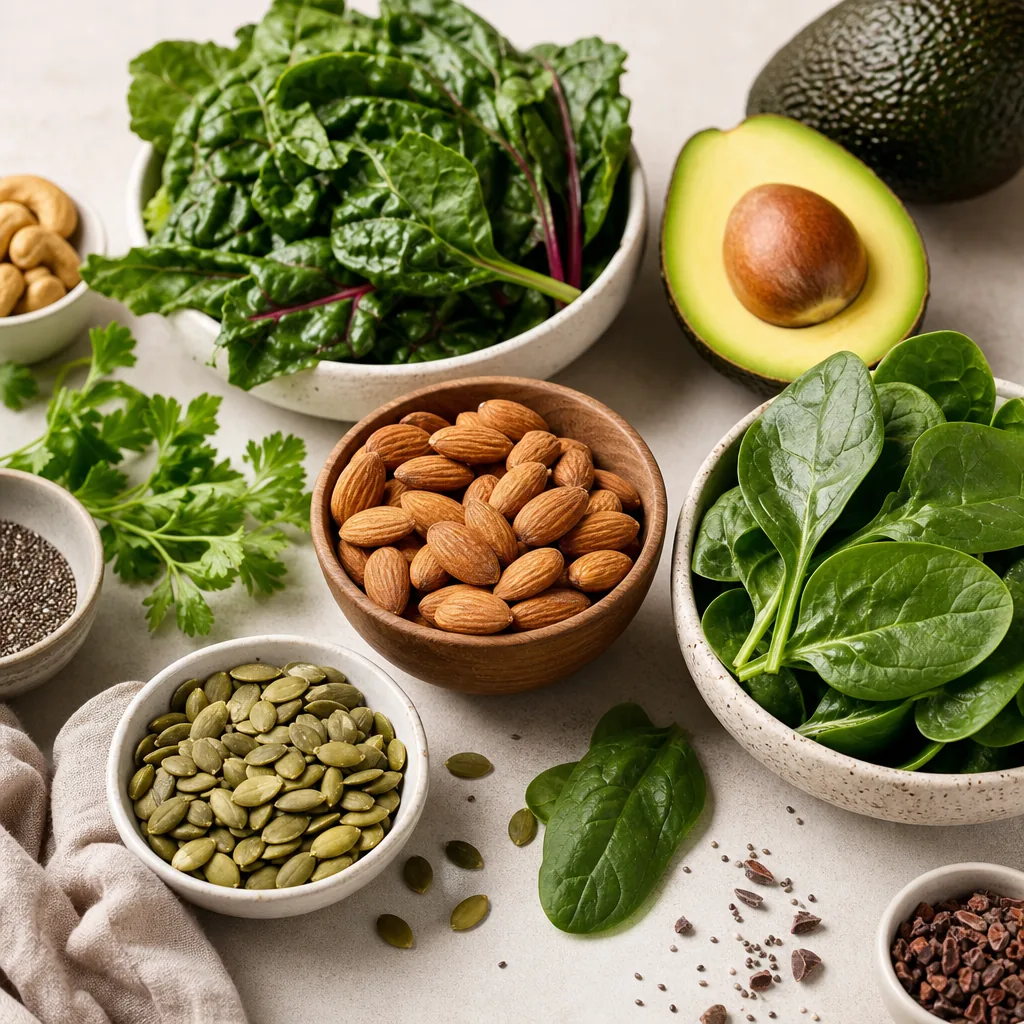
What is Magnesium? Magnesium is an essential mineral and electrolyte that your body requires to function properly. It participates in more than 300 enzyma…
Read more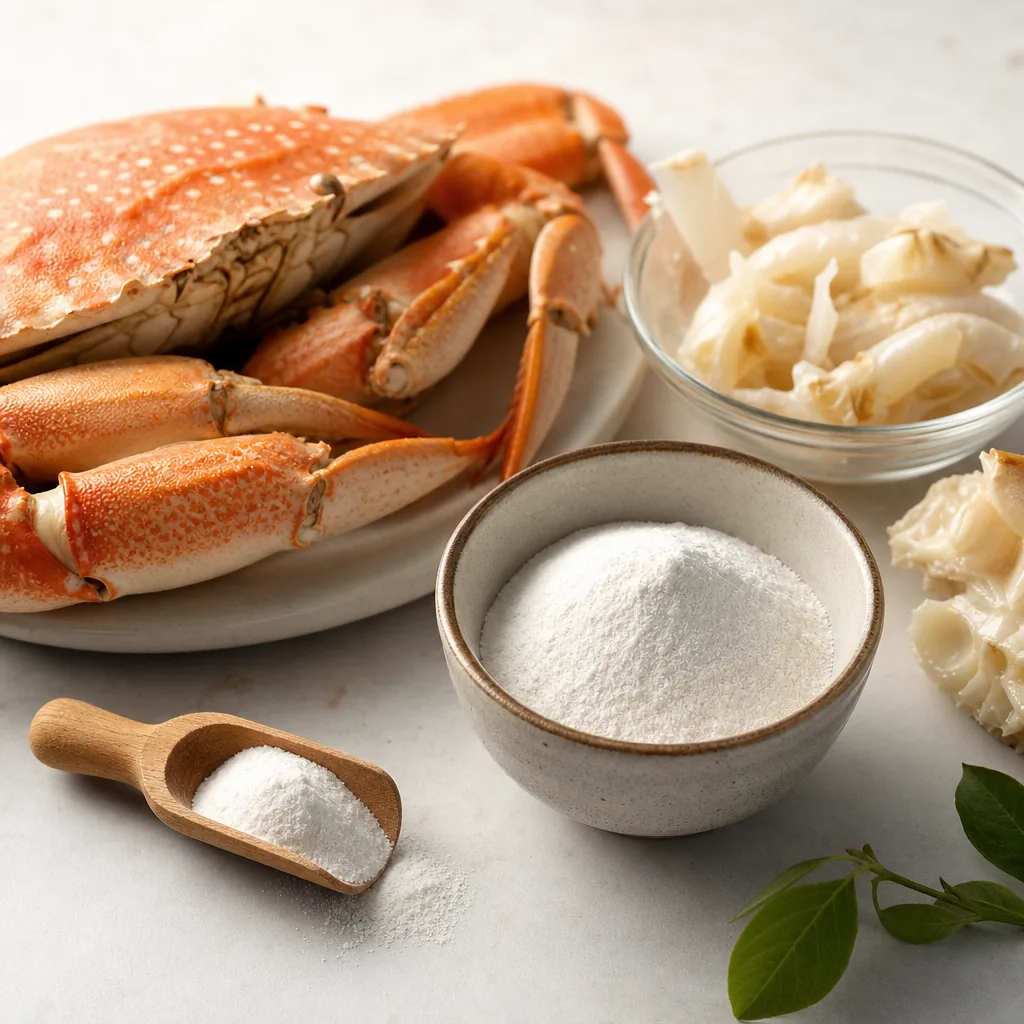
What is Glucosamine? Glucosamine is a naturally occurring amino sugar found in the body, especially concentrated in joint tissues where it helps form glyc…
Read more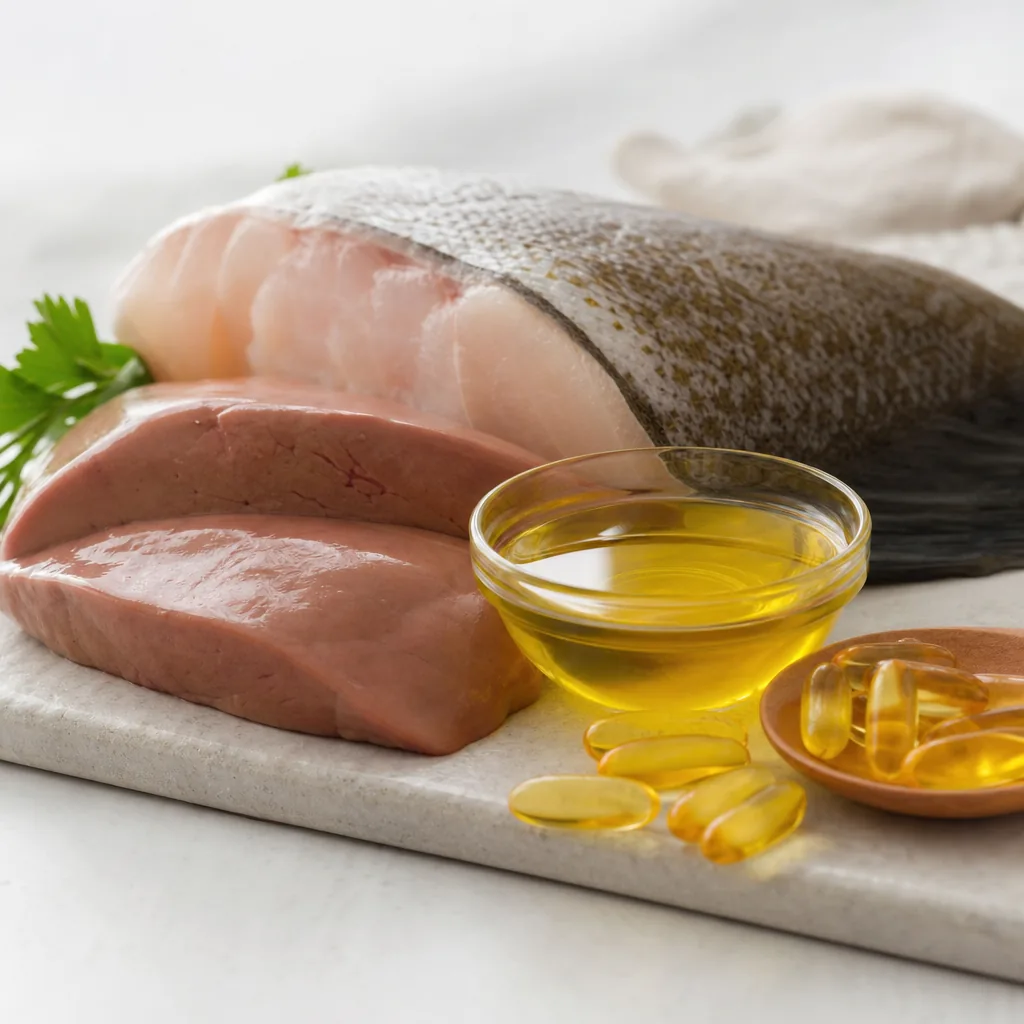
What is Cod Liver Oil? Cod liver oil is a food-derived oil extracted from the livers of codfish (most commonly Atlantic cod). It is best known as a tradit…
Read more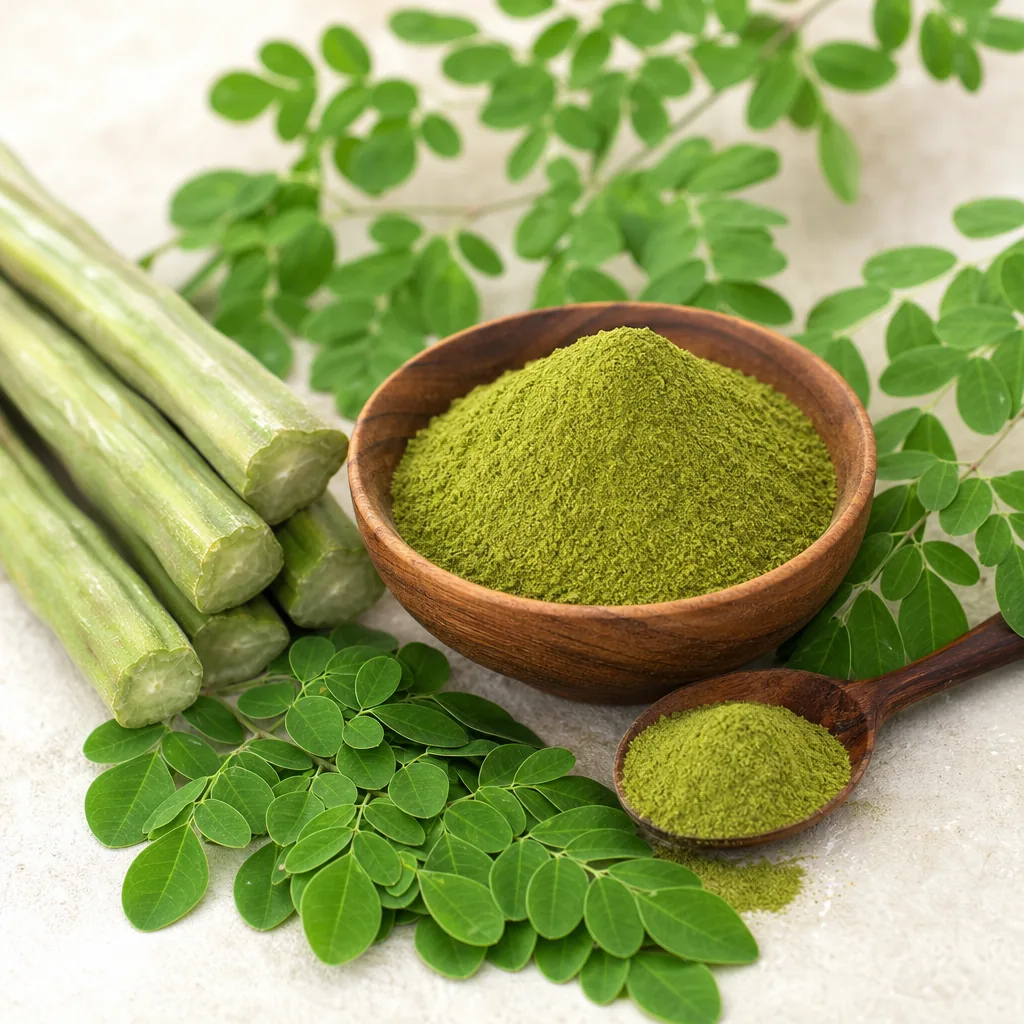
What is Moringa? Moringa (Moringa oleifera) is a fast-growing tree native to South Asia, now cultivated across Africa, Latin America, and tropical regions…
Read more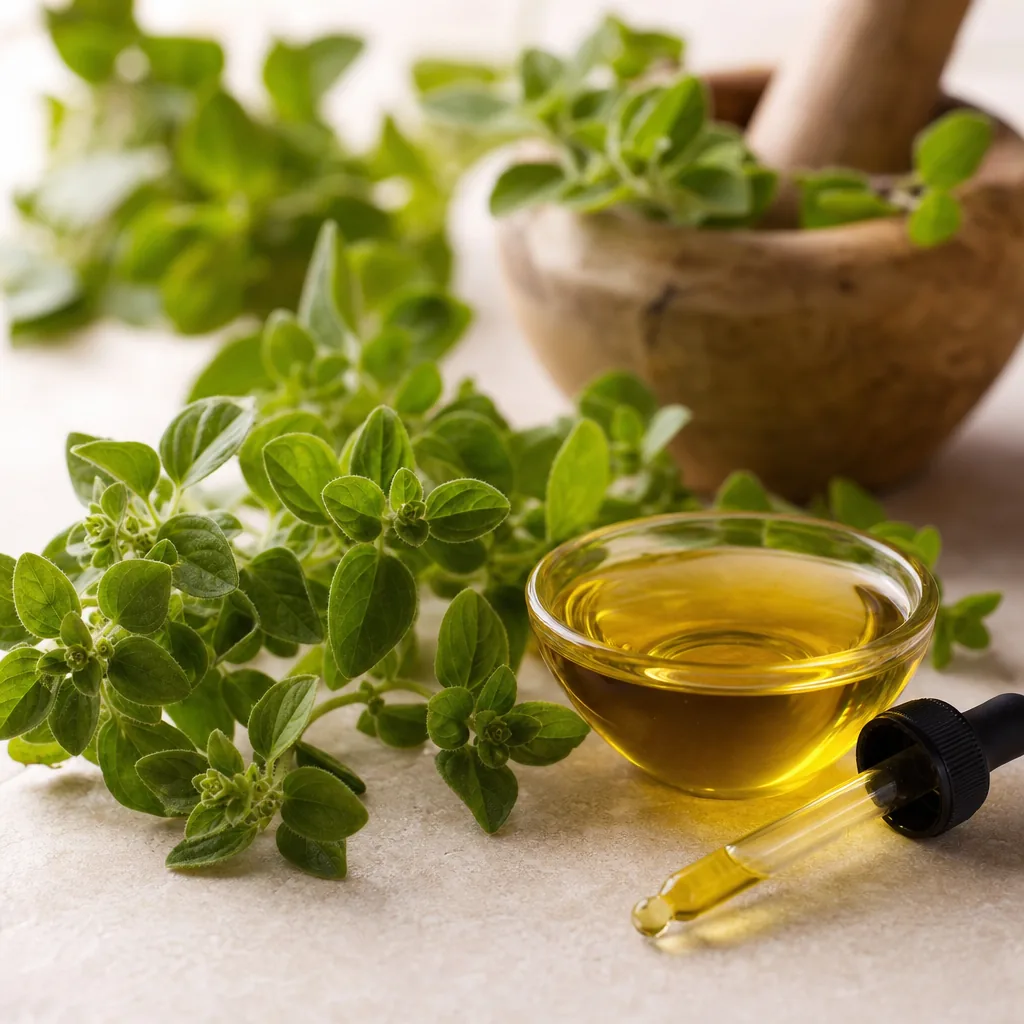
What is Oregano oil? Oregano oil is a concentrated essential oil distilled from the leaves of the oregano plant, most commonly Origanum vulgare or closely…
Read more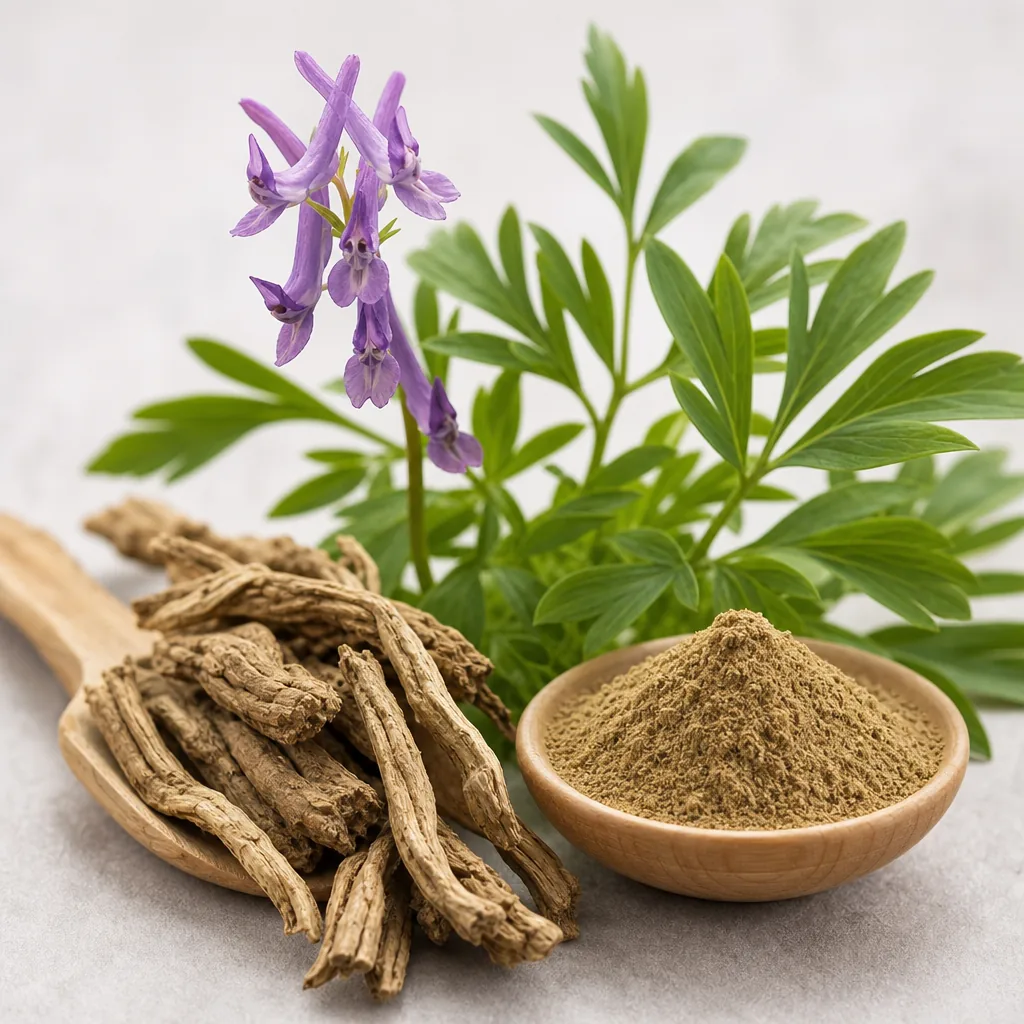
What is Corydalis? Corydalis generally refers to the rhizome of Corydalis yanhusuo, a flowering plant in the poppy family traditionally used in Chinese he…
Read more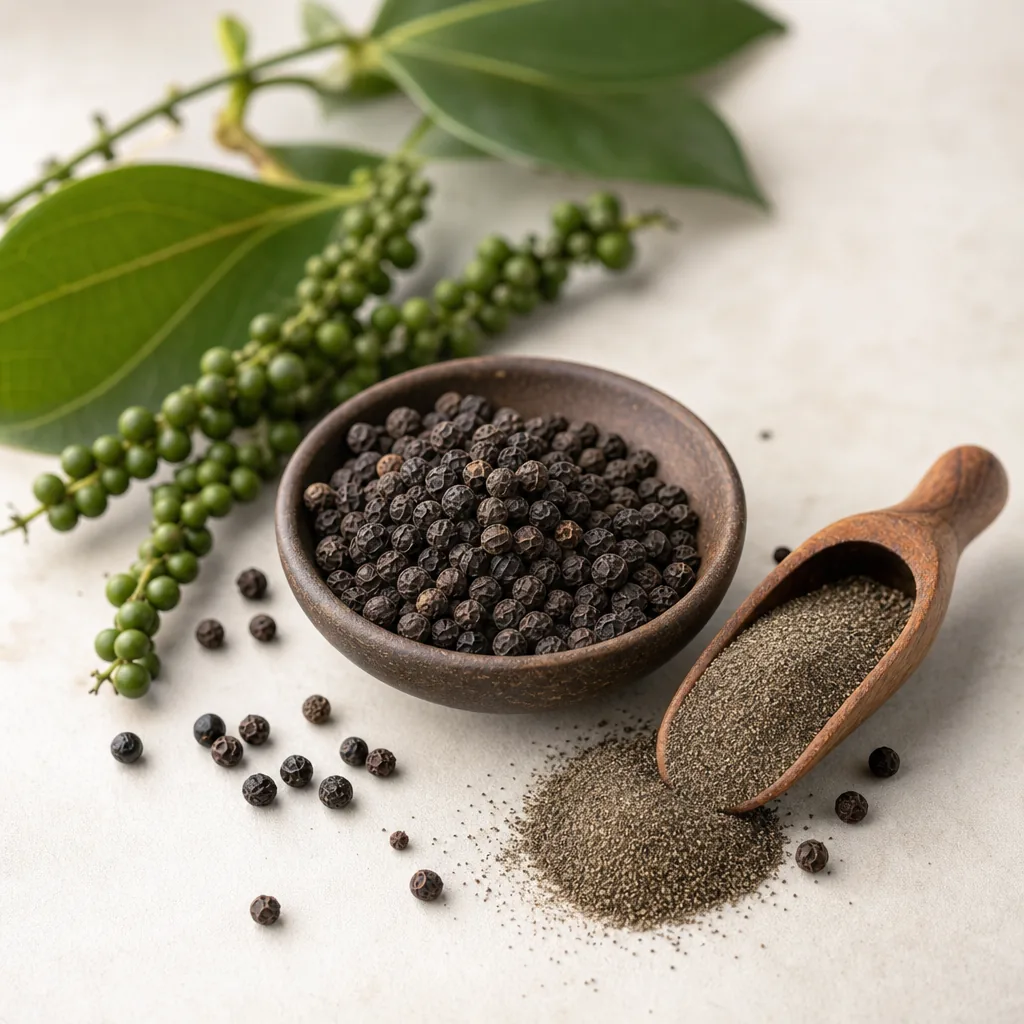
What is Black Pepper? Black pepper is the dried, unripe fruit of Piper nigrum, a flowering vine native to India and widely cultivated across tropical regi…
Read more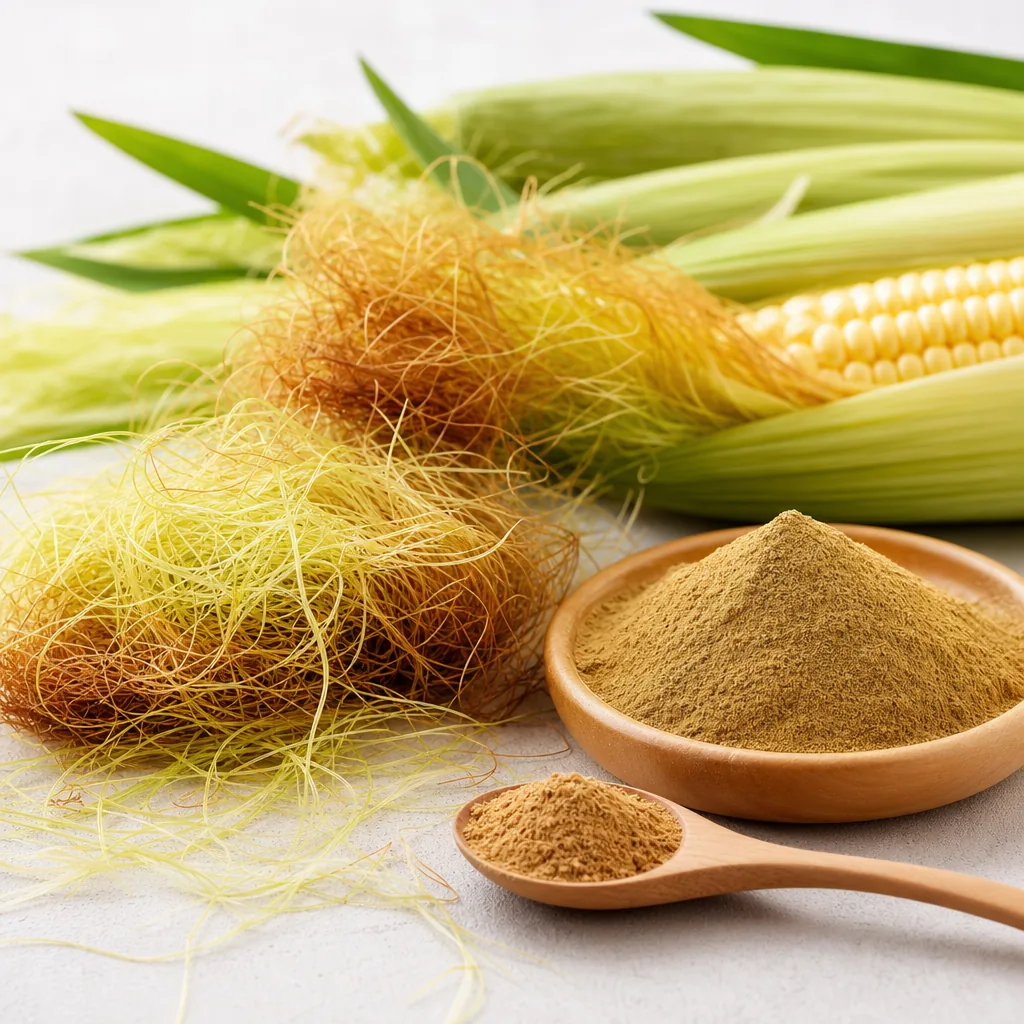
What is Corn Silk Extract? Corn silk extract is a concentrated preparation made from the long, thread-like styles (silks) of the maize plant (Zea mays). T…
Read more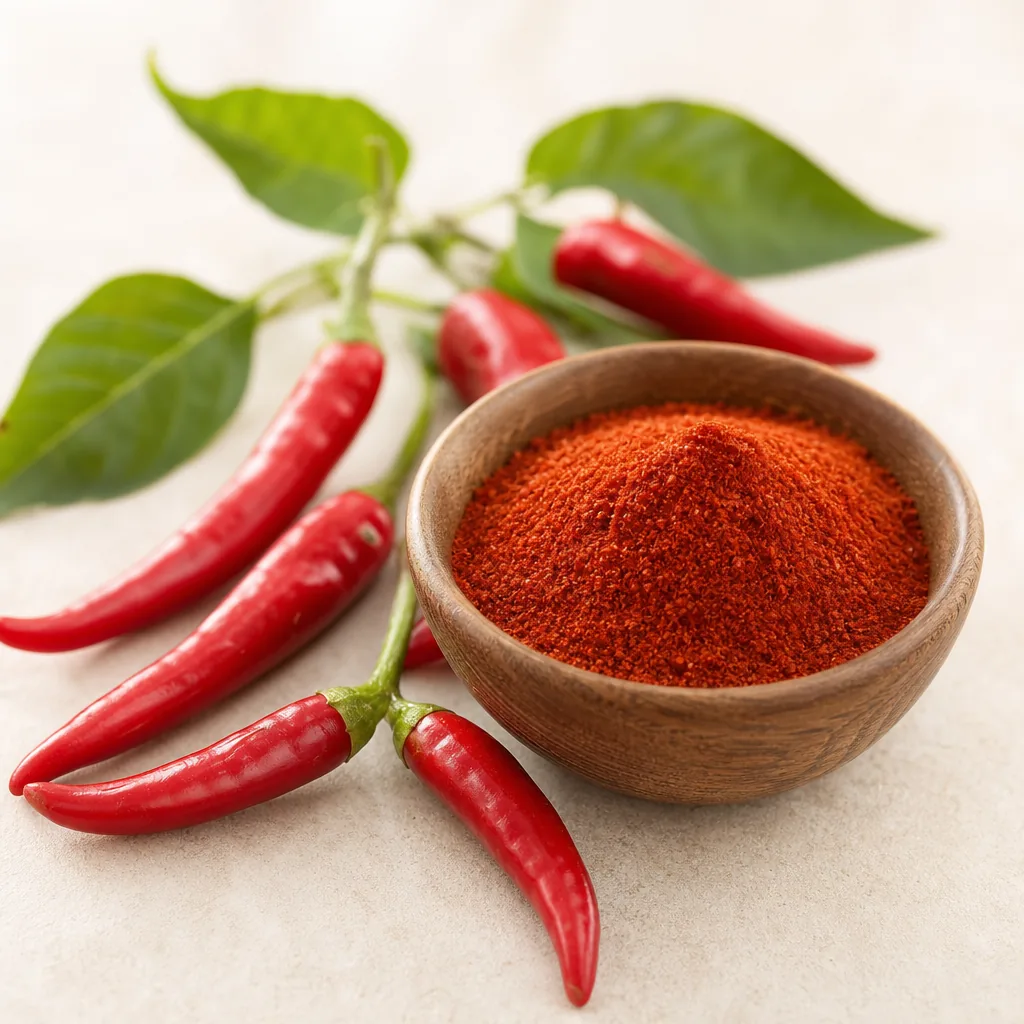
What is Cool Cayenne? Cool Cayenne is a supplemental form of cayenne pepper (Capsicum annuum) designed to deliver the potential benefits of capsaicinoids—…
Read more