Vitamins and minerals are essential nutrients that support nearly every function in the body, from energy production and immune defense to bone strength and cognitive health. These micronutrients act as catalysts for vital biochemical processes, ensuring that the body operates efficiently. While vitamins help regulate metabolism, support cell growth, and enhance immunity, minerals contribute to strong bones, fluid balance, and nerve function. Since the body cannot always produce these nutrients on its own, they must be obtained through a balanced diet or supplementation. Maintaining optimal levels of vitamins and minerals is key to overall health, longevity, and daily vitality.
What is Inositol? Inositol is a naturally occurring carbocyclic sugar alcohol found in plants and animals, with myo-inositol being the predominant form in…
Read more
What is Sodium? Sodium is an essential mineral and electrolyte that carries a positive charge (Na+) and is the primary cation in the fluid outside your ce…
Read more
What is Paba? Para-aminobenzoic acid (PABA) is a small organic compound that sits at the crossroads of microbiology and nutrition. It is sometimes mislead…
Read more
What is Boron? Boron is a naturally occurring trace element found in the earth’s crust and widely distributed in plants, especially fruits, vegetables, nu…
Read more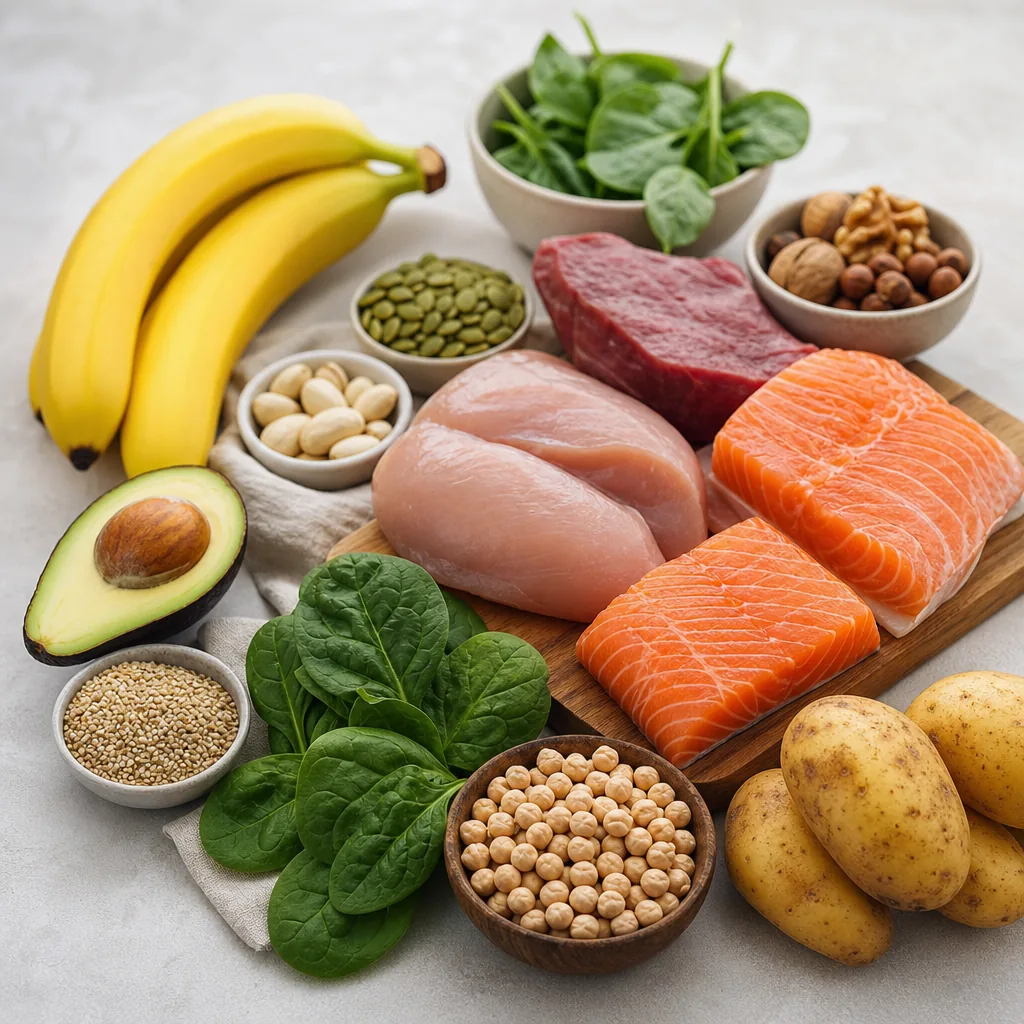
What is Vitamin B6? Vitamin B6 is a water-soluble essential vitamin that your body must obtain from food or supplements. It refers to a group of related c…
Read more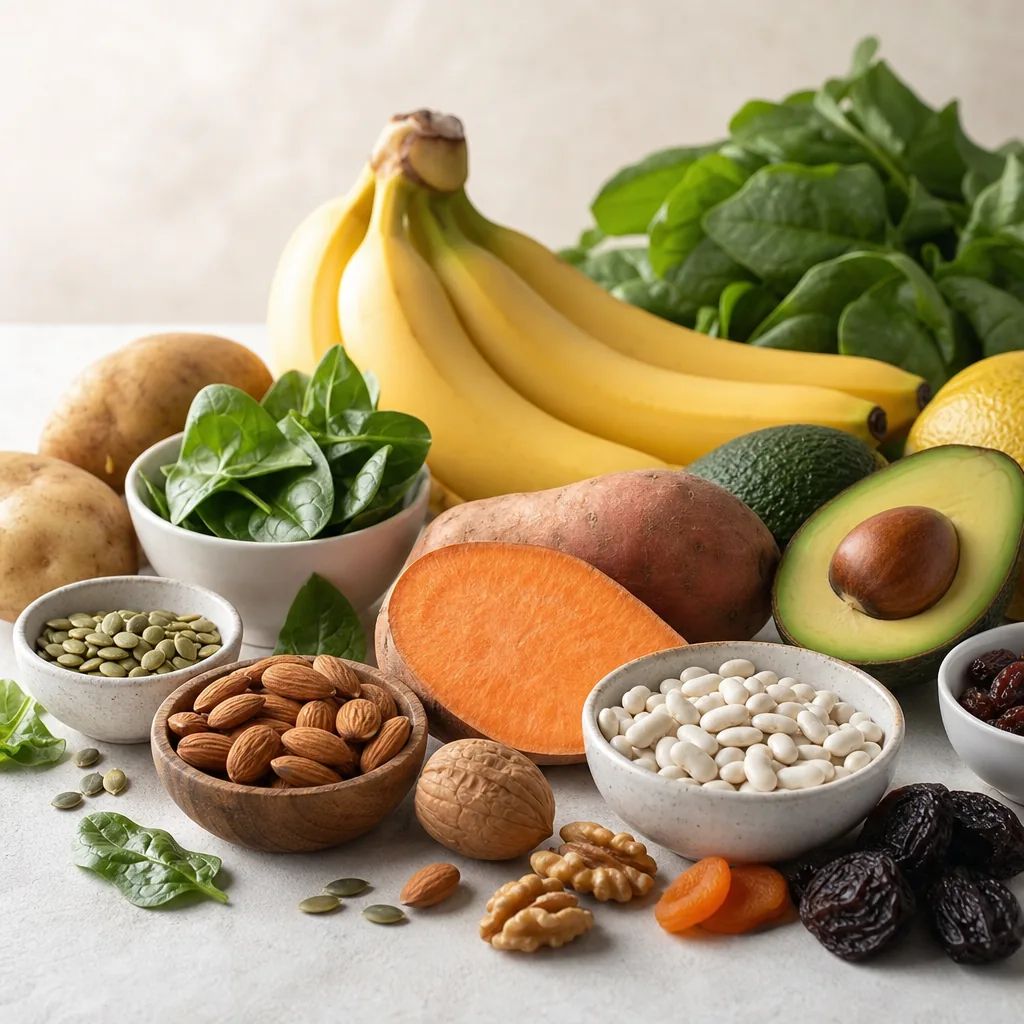
What is Potassium? Potassium is an essential mineral and electrolyte that the body requires for normal cell function, nerve signaling, muscle contraction,…
Read more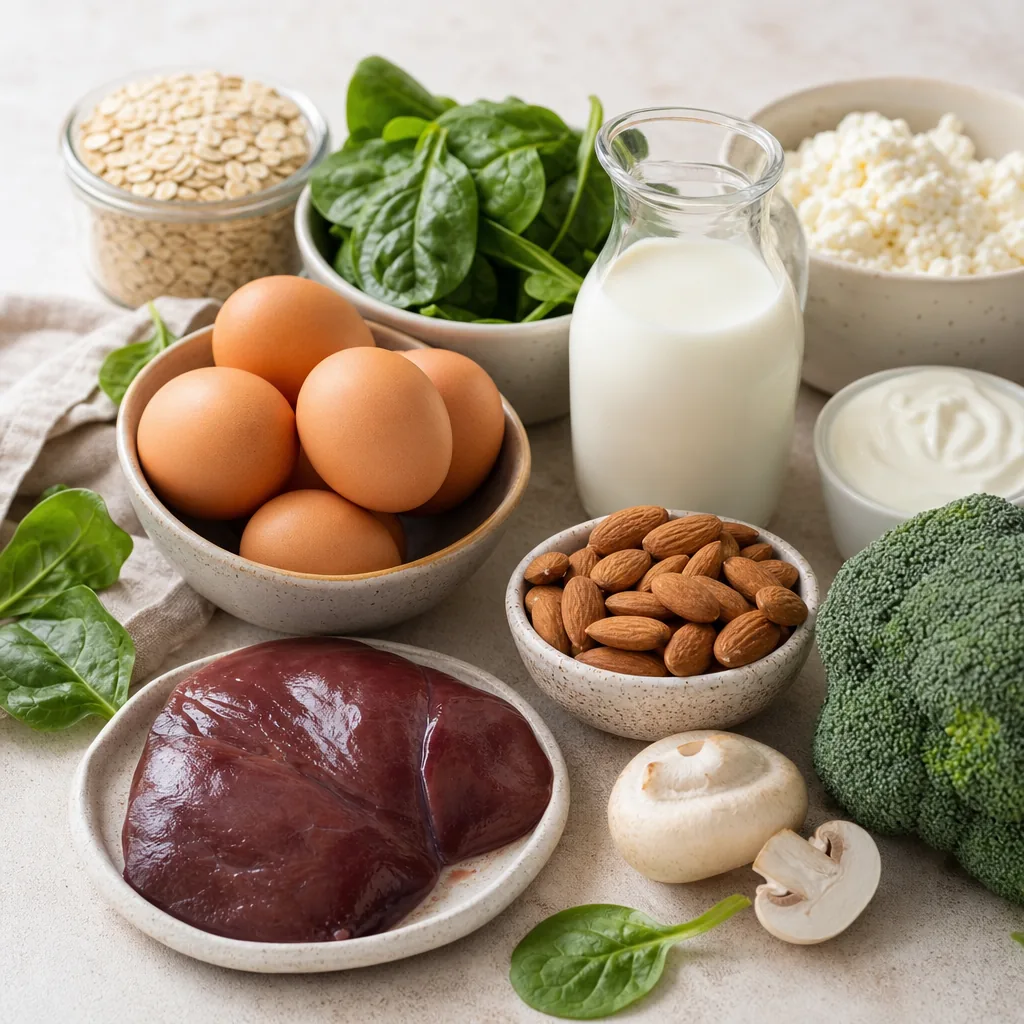
What is Riboflavin? Riboflavin, also known as vitamin B2, is an essential water-soluble vitamin. It is a yellow-orange compound naturally present in many …
Read more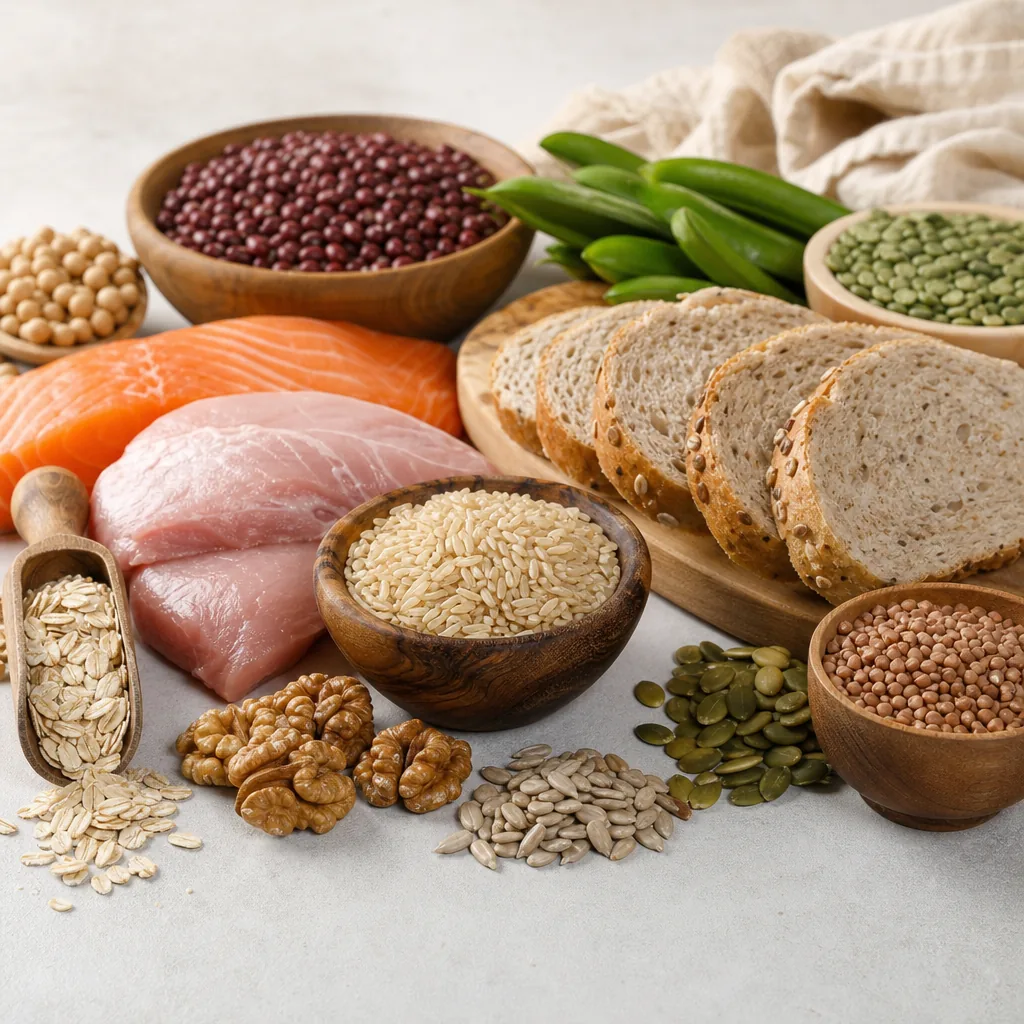
What is Thiamine? Thiamine, also known as vitamin B1, is an essential water-soluble vitamin that the body cannot produce on its own in meaningful amounts.…
Read more
What is Vitamin A? Vitamin A is an essential fat-soluble nutrient that the body needs for normal vision, immune function, reproduction, and the maintenanc…
Read more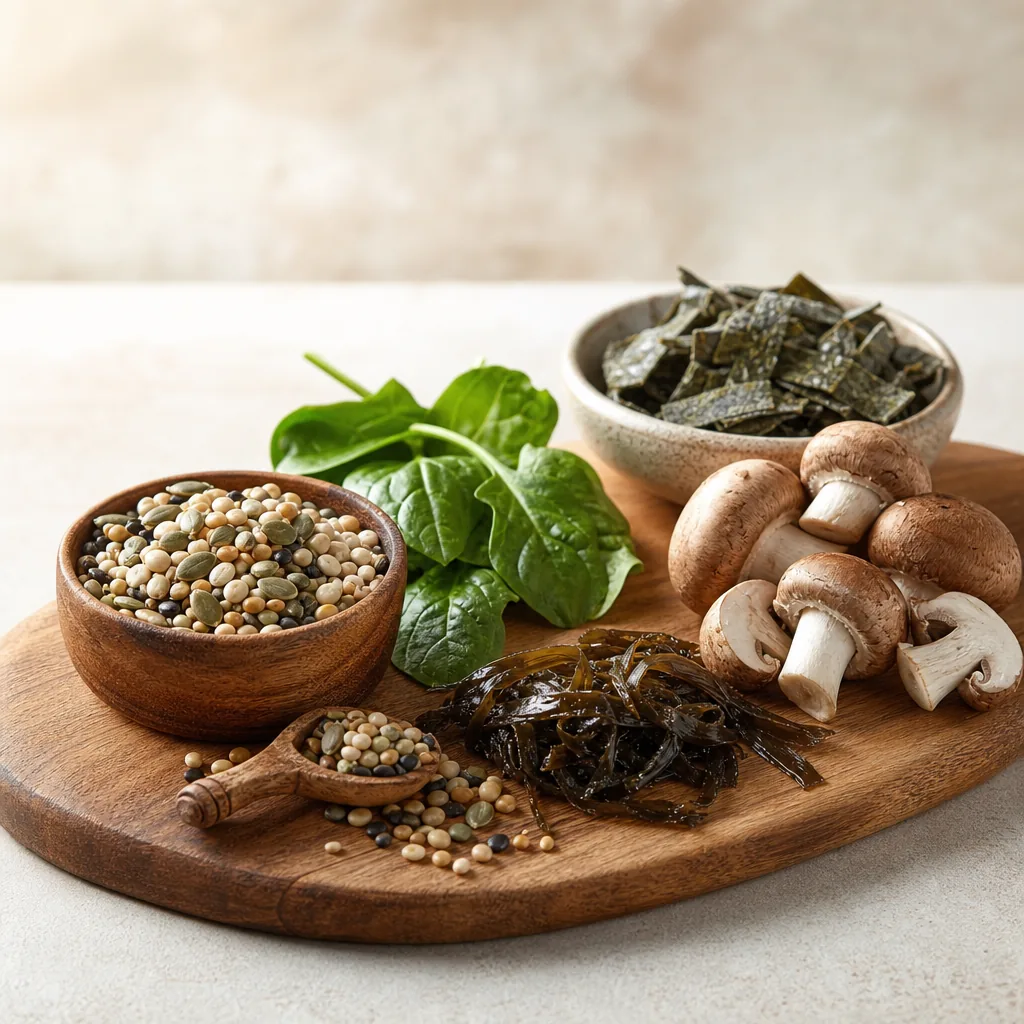
What is Vanadium? Vanadium is a trace element found naturally in the earth’s crust, seawater, and many foods in very small amounts. In supplements, it is …
Read more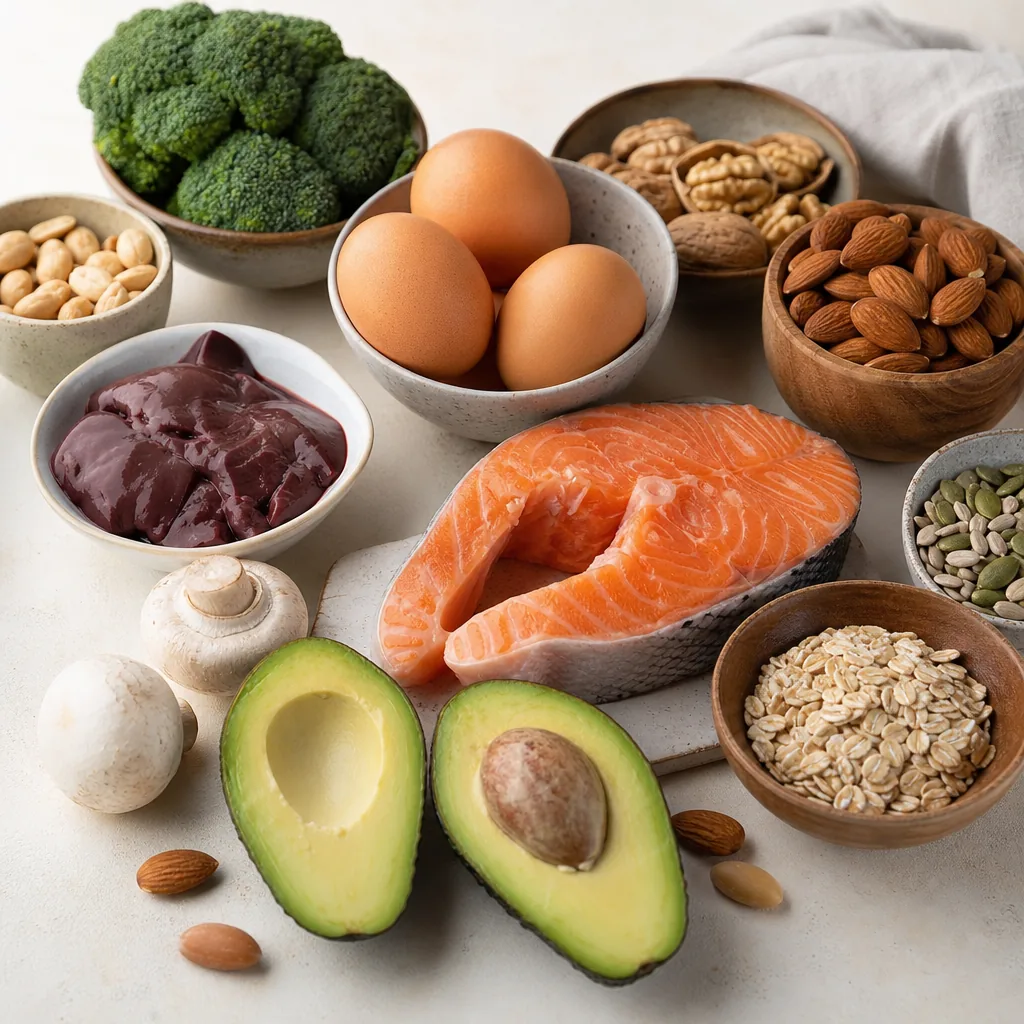
What is Biotin? Biotin, also known as vitamin B7 or vitamin H, is a water-soluble, essential B vitamin. It serves as a coenzyme for several carboxylase en…
Read more
What is Vitamin D3? Vitamin D3 (cholecalciferol) is a fat-soluble vitamin and an essential nutrient. It is synthesized in the skin when ultraviolet B (UVB…
Read more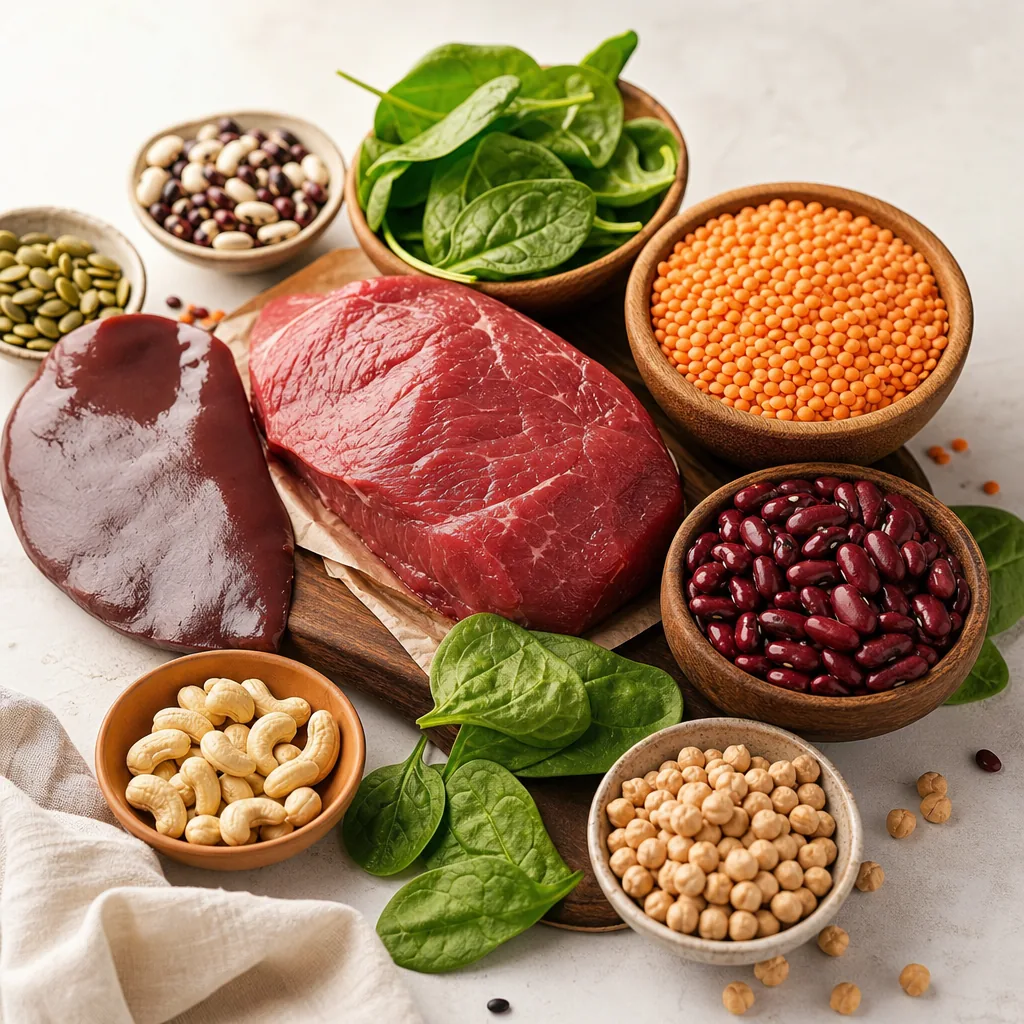
What is Iron? Iron is an essential mineral that your body needs to make hemoglobin—the protein in red blood cells that carries oxygen from your lungs to t…
Read more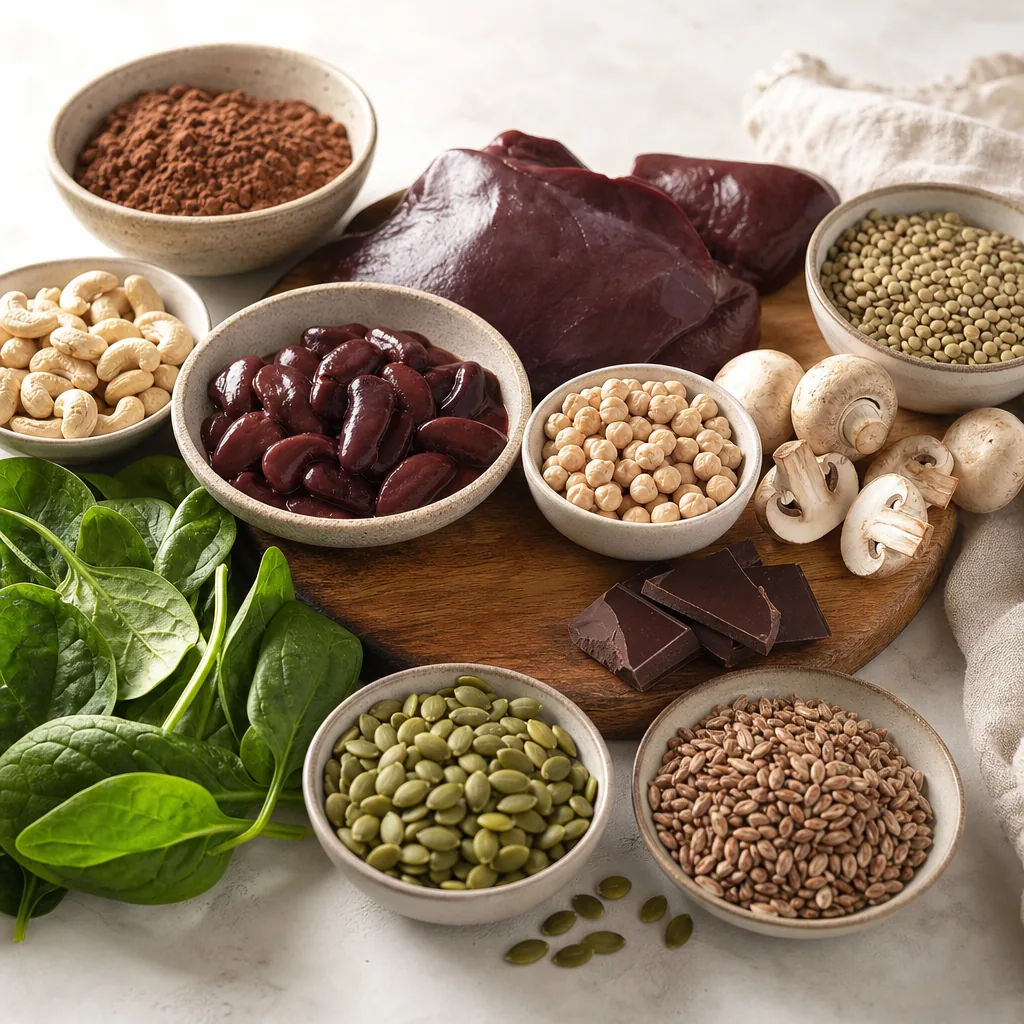
What is Copper? Copper is an essential trace mineral that the body needs in small amounts to function properly. It naturally occurs in soil and water and …
Read more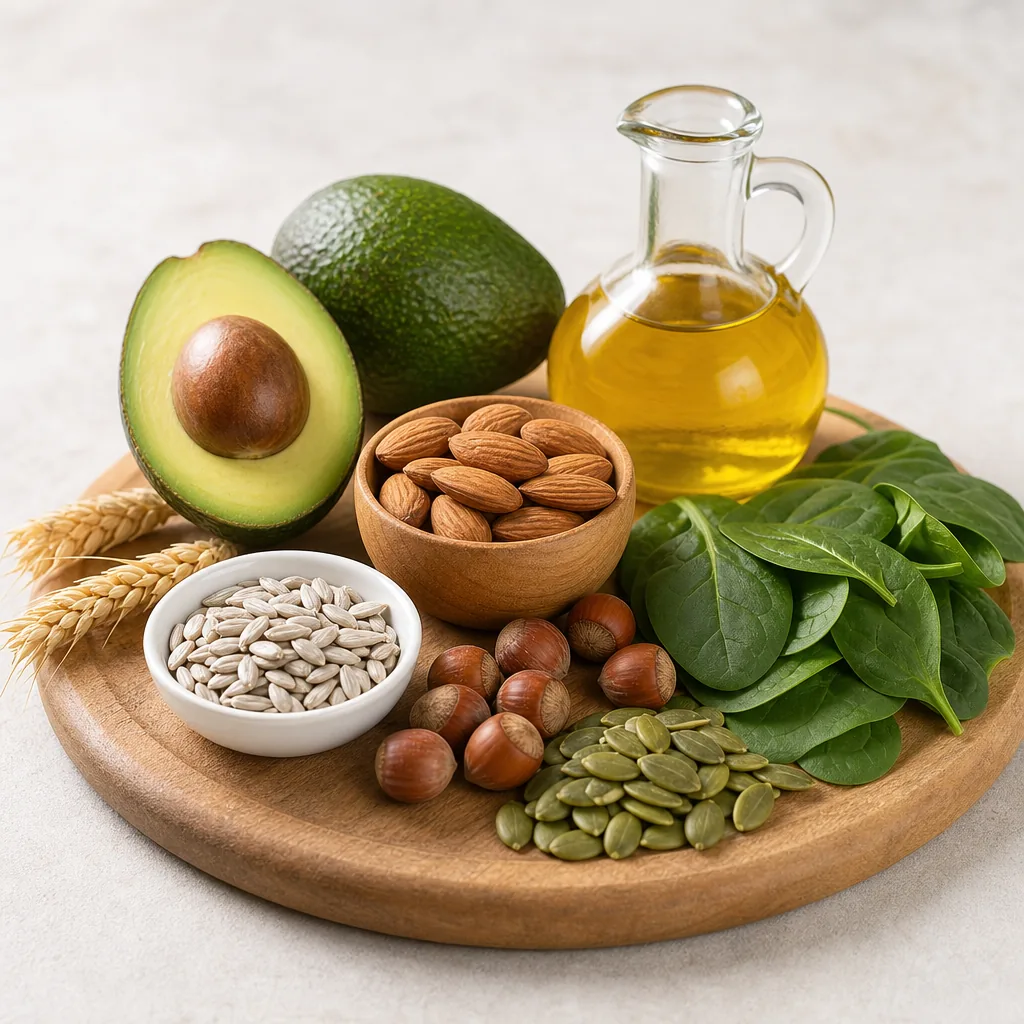
What is Vitamin E? Vitamin E is a family of fat-soluble compounds best known for their antioxidant role in the body. It includes eight naturally occurring…
Read more
What is Vitamin C? Vitamin C (ascorbic acid) is an essential, water-soluble vitamin that humans must obtain from diet or supplements because we cannot syn…
Read more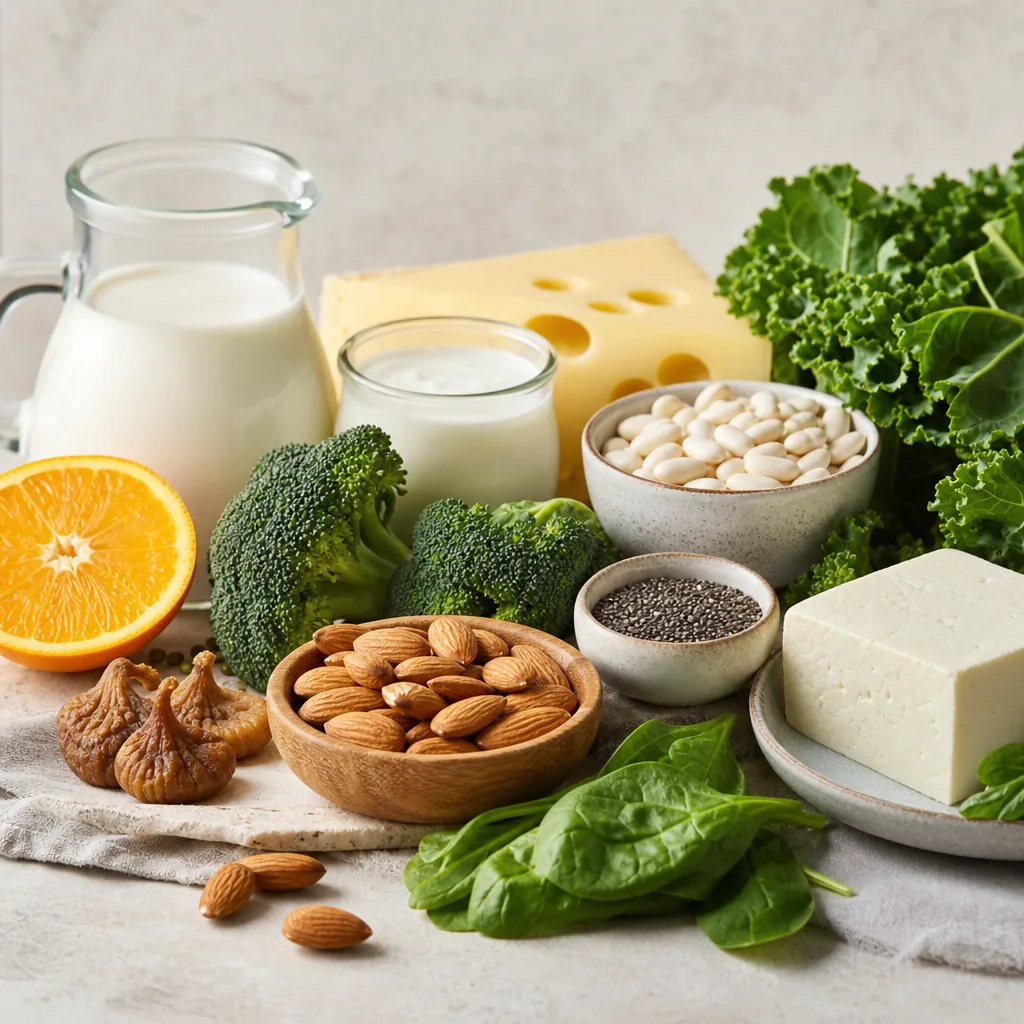
What is Calcium? Calcium is an essential mineral and one of the most abundant elements in the human body. It naturally occurs in the earth’s crust (for ex…
Read more
What is Benfotiamine? Benfotiamine is a fat-soluble derivative of thiamine (vitamin B1) designed to enhance absorption and increase thiamine availability …
Read more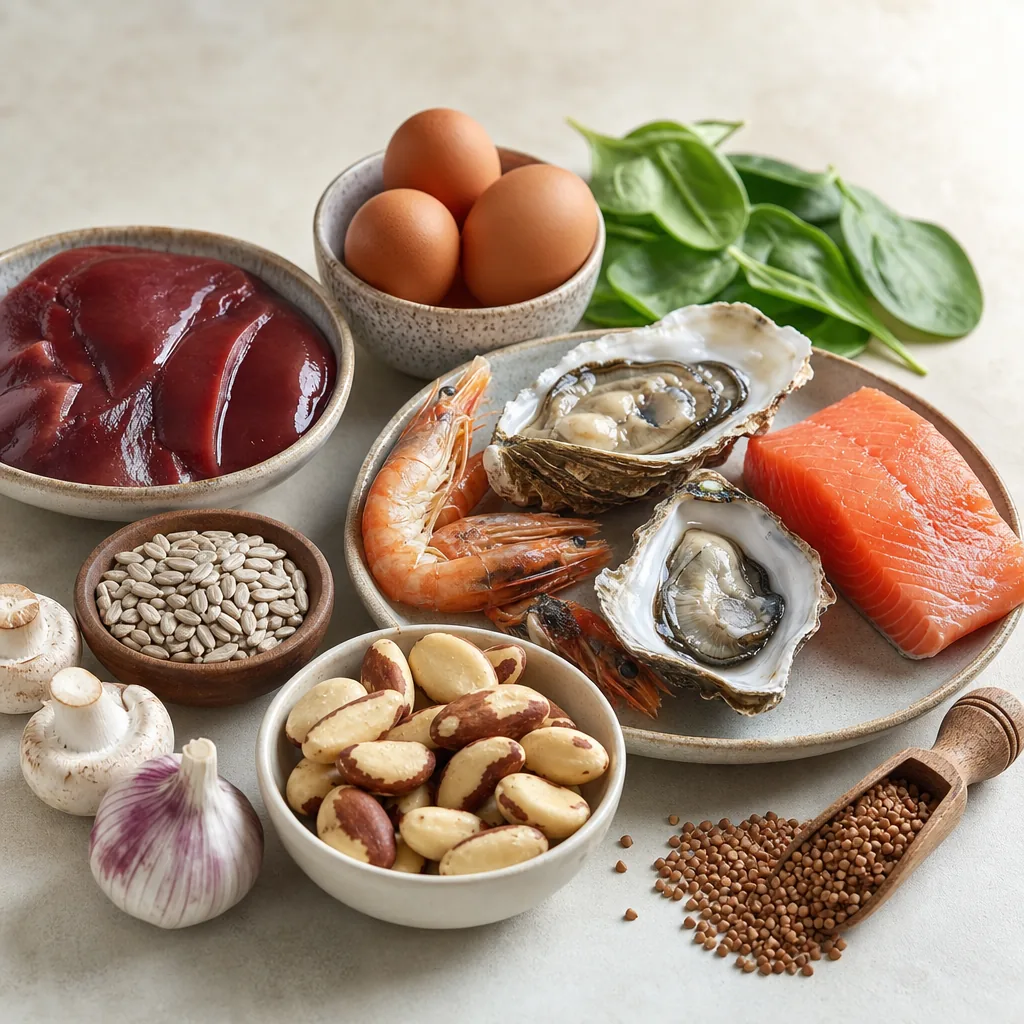
What is Selenium? Selenium is an essential trace mineral that the body needs in very small amounts to support critical processes. It is naturally present …
Read more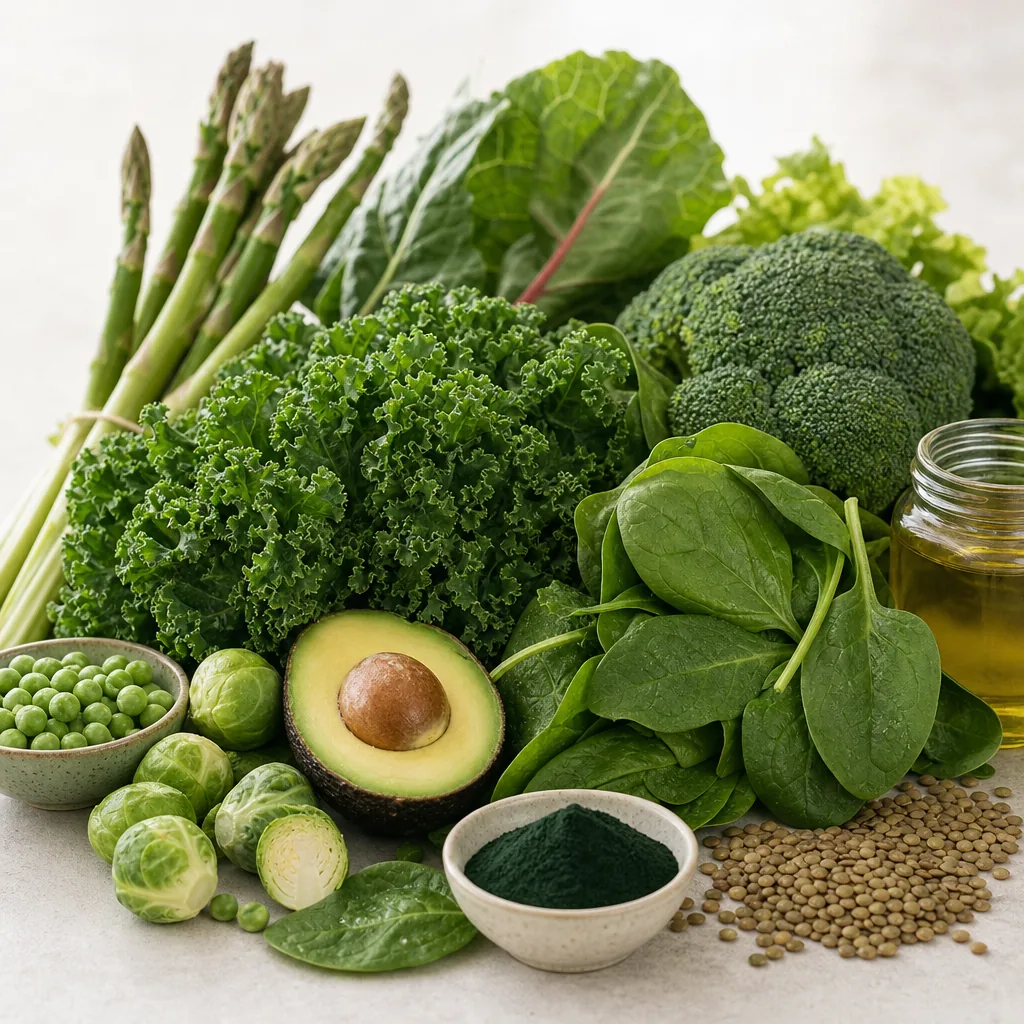
What is Vitamin K? Vitamin K is a fat-soluble essential nutrient that plays a central role in normal blood clotting and in the activation of several prote…
Read more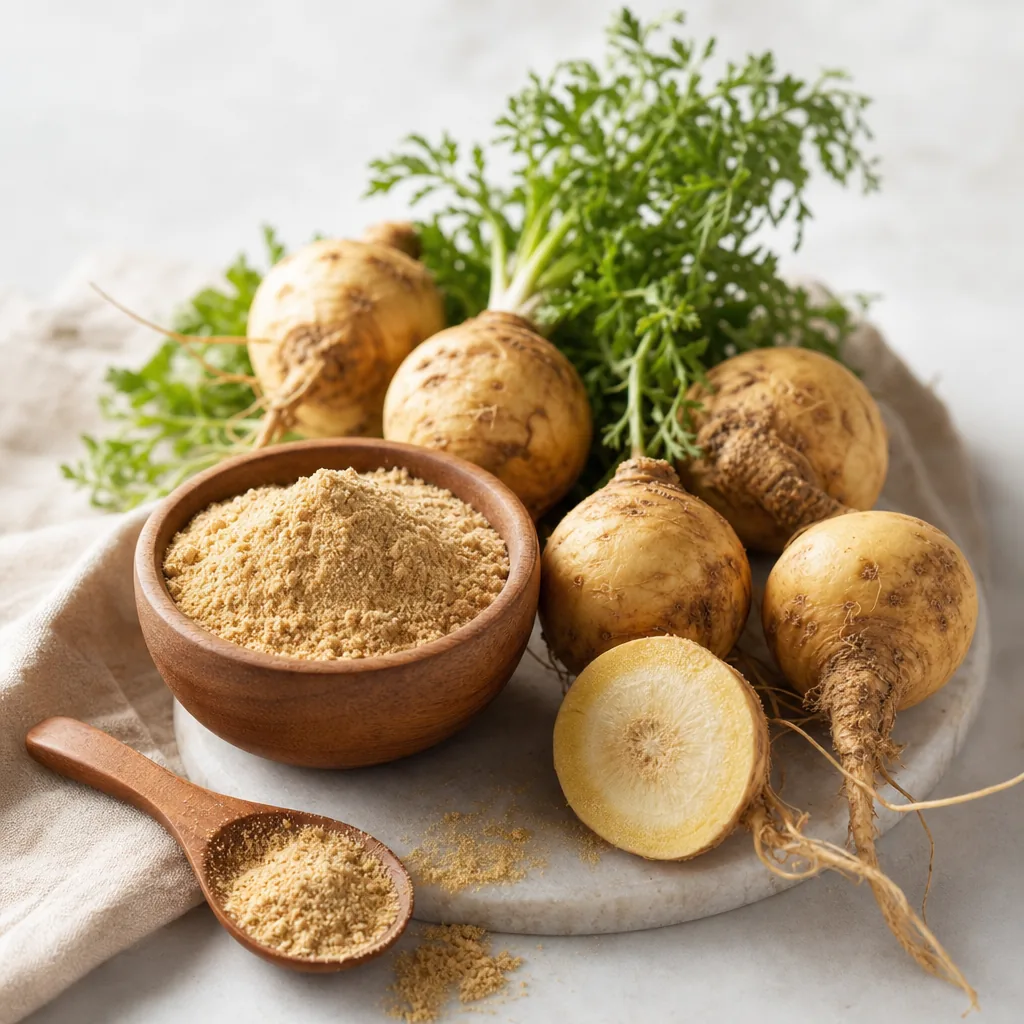
What is Maca? Maca (Lepidium meyenii) is a hardy cruciferous root vegetable native to the high Andes of Peru, traditionally consumed as a food and used in…
Read more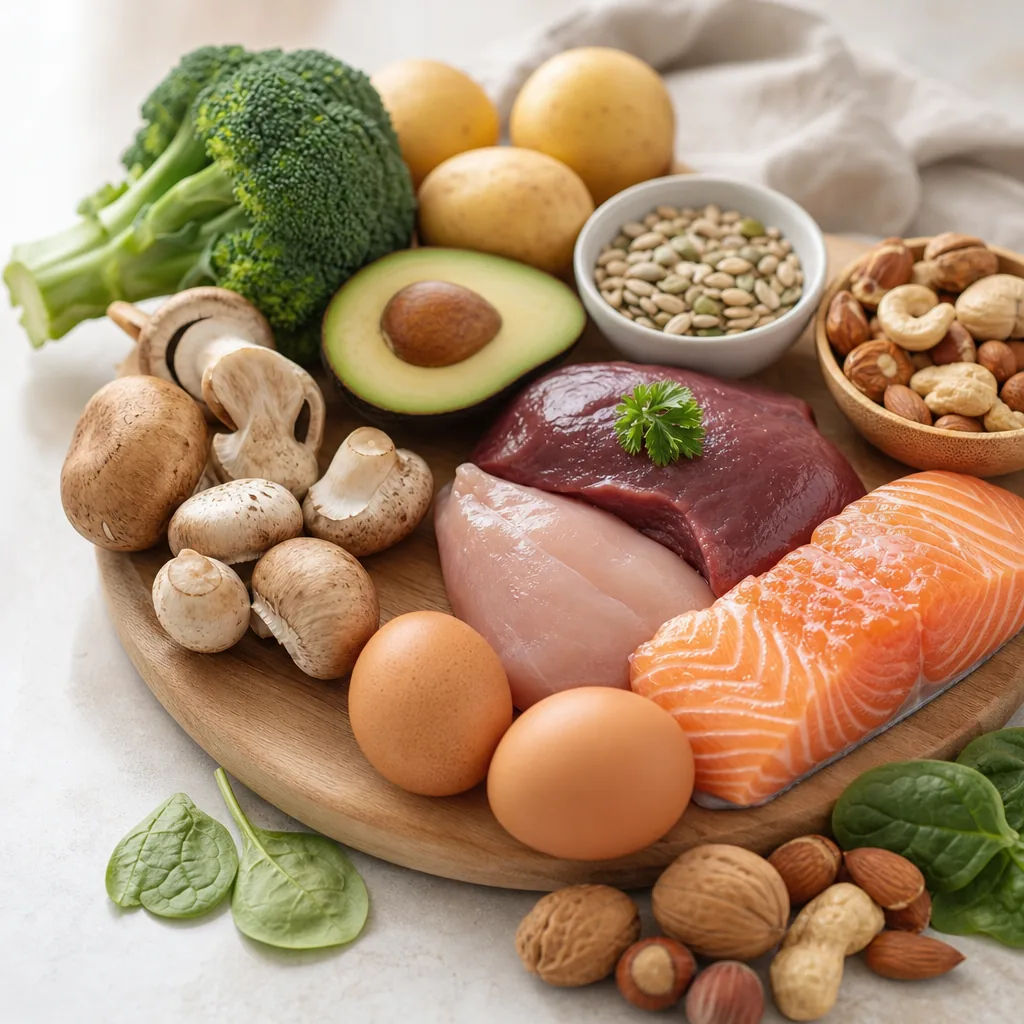
What is Phantothenic Acid? Phantothenic Acid is commonly intended to refer to pantothenic acid, better known as vitamin B5—an essential, water-soluble B v…
Read more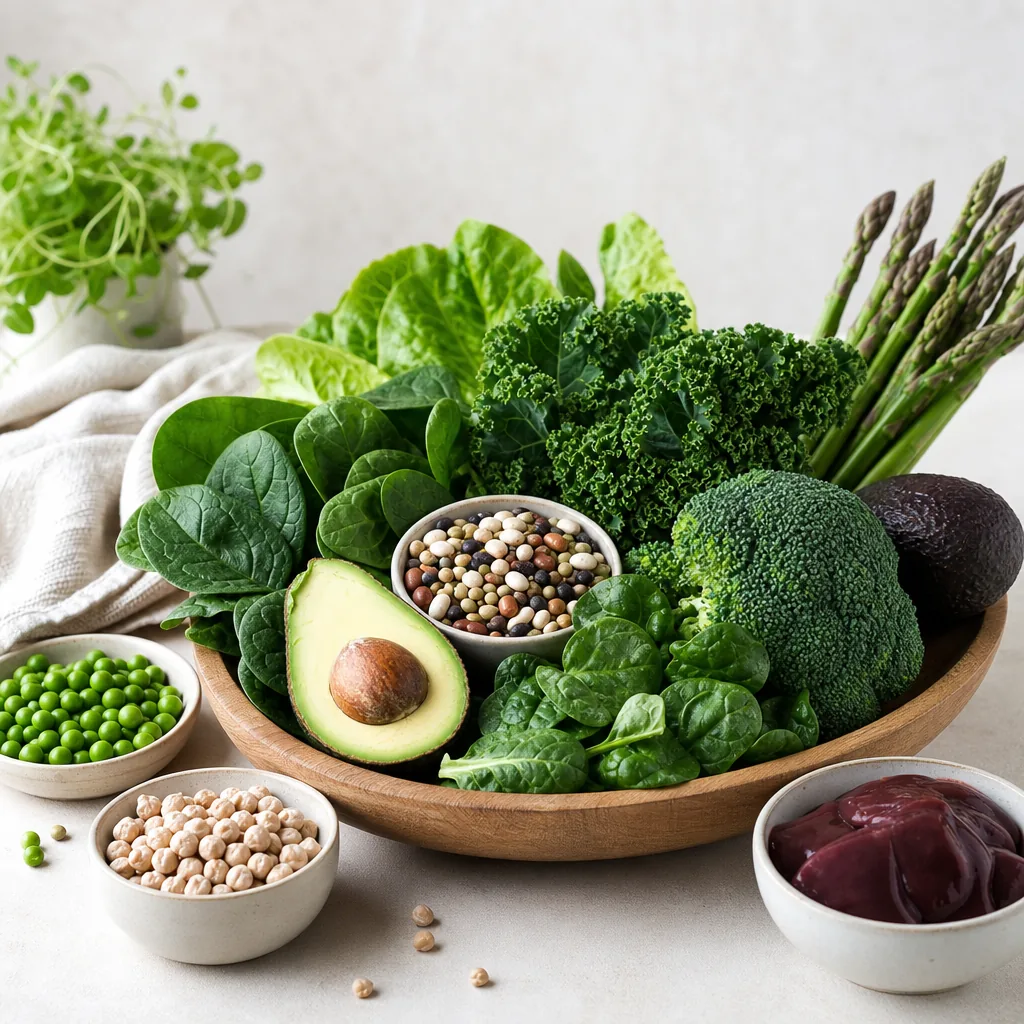
What is Folate? Folate, also known as vitamin B9, is an essential water-soluble vitamin found naturally in many foods and available as dietary supplements…
Read more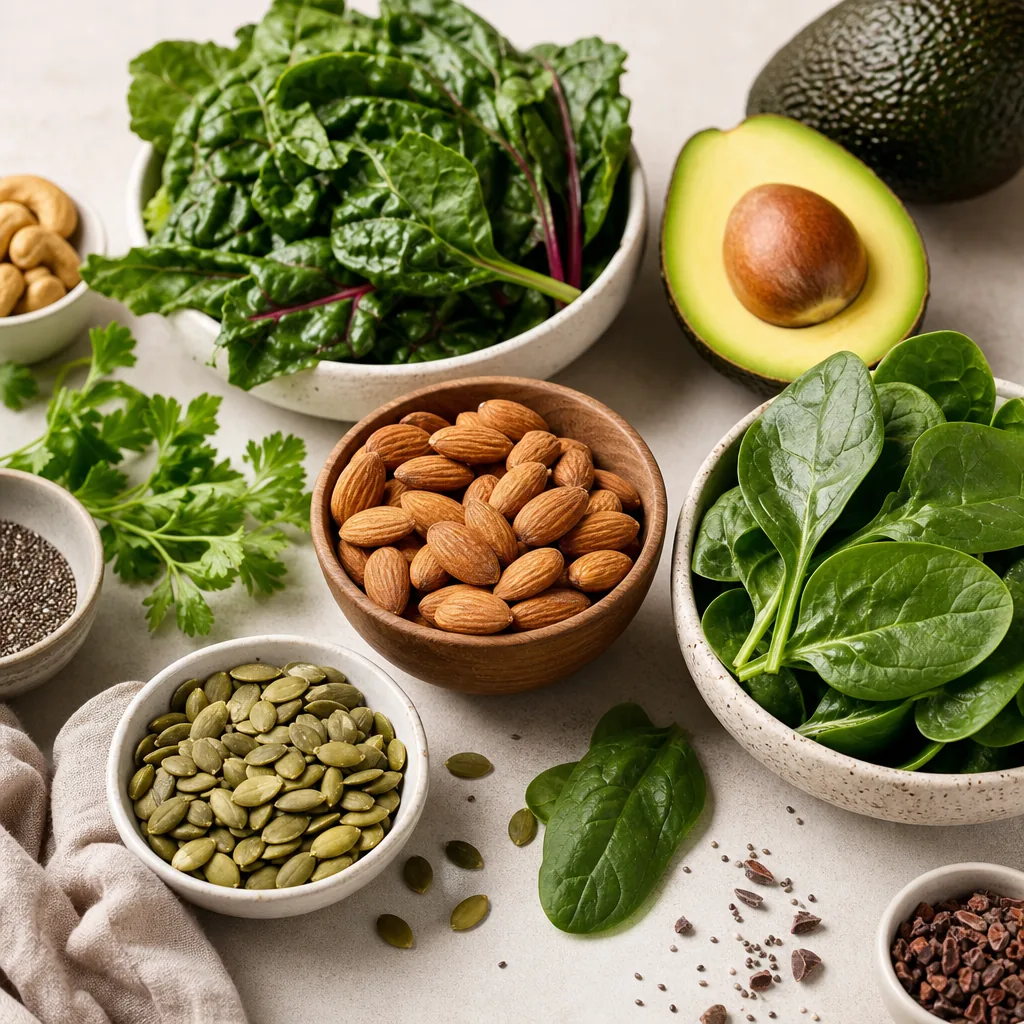
What is Magnesium? Magnesium is an essential mineral and electrolyte that your body requires to function properly. It participates in more than 300 enzyma…
Read more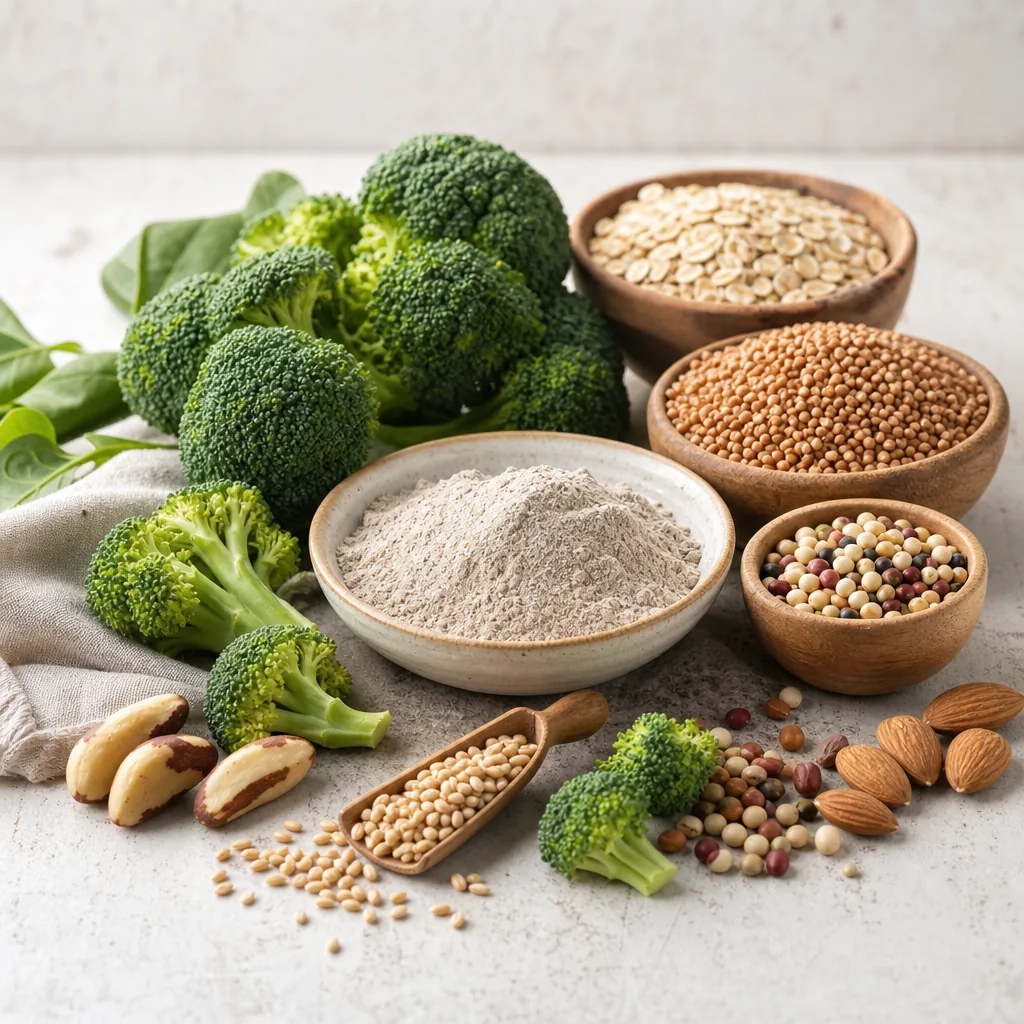
What is Chromium? Chromium is a trace mineral found in very small amounts in foods and the environment. In supplements and foods, it is typically present …
Read more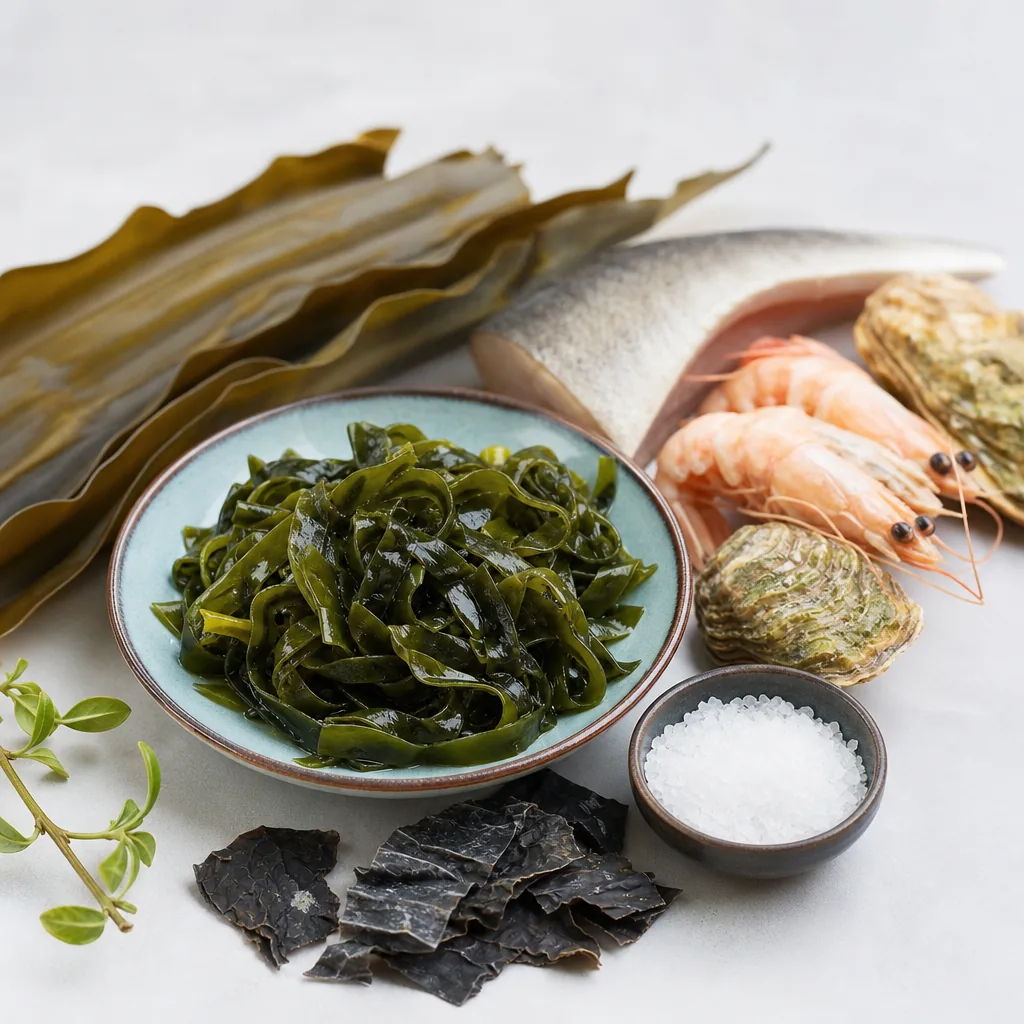
What is Iodine? Iodine is an essential trace mineral that the body needs in very small amounts to function properly. Naturally present in seawater, coasta…
Read more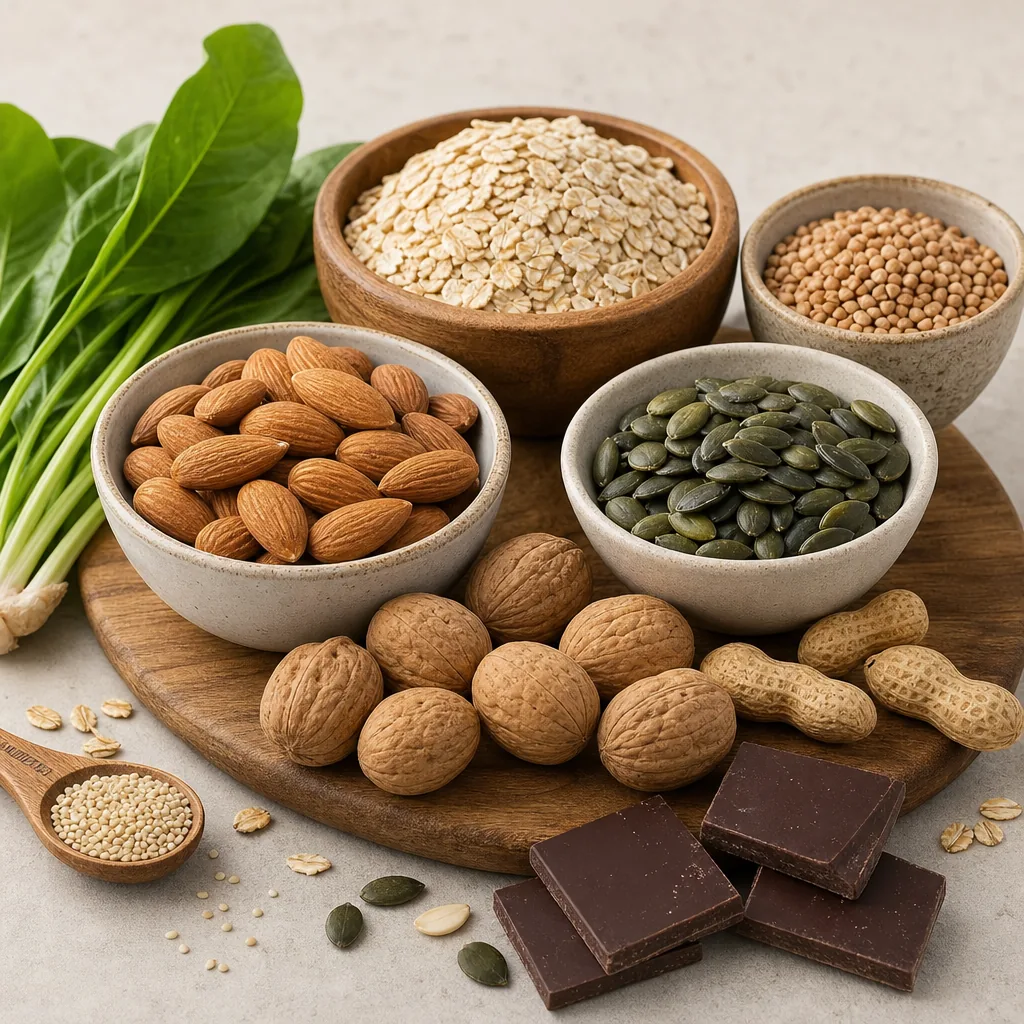
What is Manganese? Manganese is an essential trace mineral—meaning the body requires it in very small amounts to function properly. It occurs naturally in…
Read more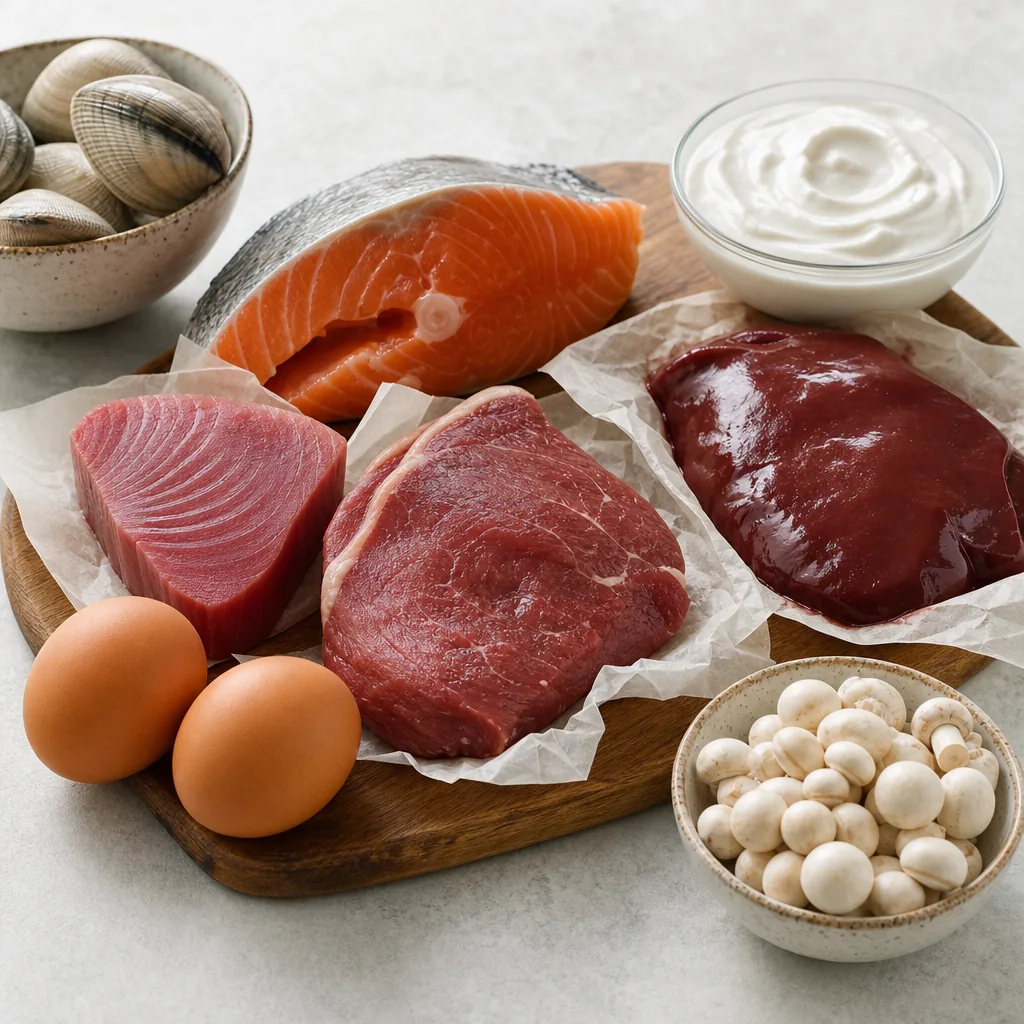
What is Vitamin B12? Vitamin B12 (cobalamin) is an essential water-soluble vitamin that the body needs for DNA synthesis, red blood cell formation, and no…
Read more