


Lycopene
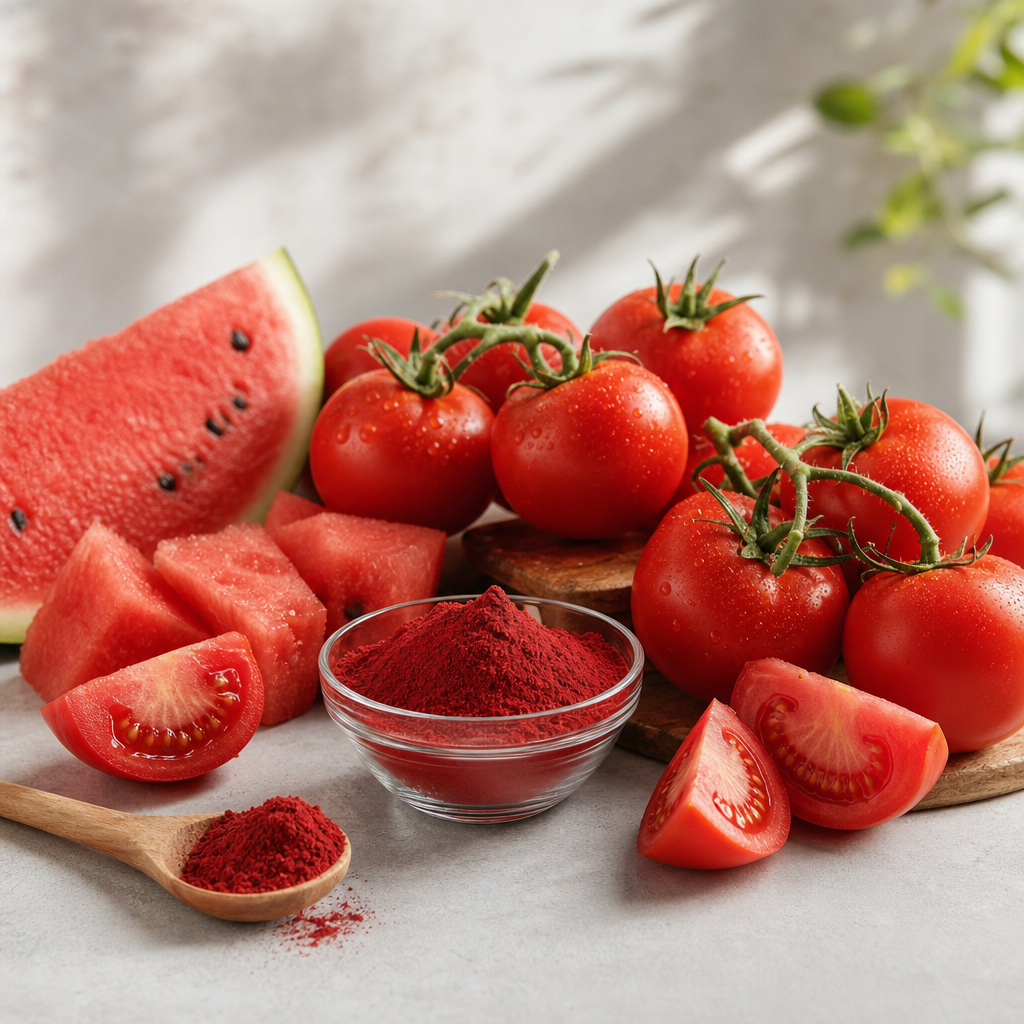
What is Lycopene?
Lycopene is a bright red carotenoid pigment found naturally in several red and pink fruits and vegetables, most notably tomatoes and tomato products. It is a non-provitamin A carotenoid (unlike beta-carotene), meaning the body does not convert it into vitamin A. Lycopene functions primarily as a lipid-soluble antioxidant and a dietary phytochemical. It is commonly consumed through foods and is also available as a supplement derived from tomato extract or produced synthetically.
Lycopene is not an essential nutrient in the way vitamins and minerals are. The human body does not require lycopene to prevent a specific deficiency disease. However, it may support health by helping to manage oxidative stress and by influencing cellular signaling pathways related to inflammation and vascular function. Interest in lycopene has focused on cardiovascular health, skin photoprotection, and prostate health, though research findings vary by outcome and population.
Benefits of Lycopene
- Cardiovascular health markers (blood pressure, LDL oxidation) (Moderate evidence) Evidence from randomized trials and meta-analyses suggests lycopene intake—especially from tomato products or standardized supplements—can modestly improve certain cardiovascular risk markers. Benefits reported include small reductions in systolic blood pressure and decreases in LDL oxidation, which may contribute to vascular health. Effects are generally modest and more consistent when lycopene is consumed regularly with meals containing fat.
- Prostate health and related biomarkers (Mixed evidence) Observational studies often associate higher dietary lycopene or tomato intake with lower risk of prostate cancer, but randomized trials on lycopene supplements show inconsistent effects on PSA levels, tumor biology, or disease progression. Some small interventions suggest favorable changes in oxidative stress or inflammation within the prostate, while others find minimal impact. Overall, lycopene may support prostate health as part of a balanced diet, but it should not be viewed as a stand-alone preventive or therapeutic agent.
- Skin photoprotection (Moderate evidence) Several controlled studies indicate that regular consumption of lycopene-rich foods or supplements can provide mild protection against UV-induced skin damage, reflected by increased minimal erythema dose (the threshold for visible sunburn) and reduced oxidative stress markers in the skin. The effect is gradual and most apparent after weeks of consistent intake. Lycopene complements—but does not replace—topical sun protection strategies like sunscreen, shade, and protective clothing.
- Male fertility parameters (Limited evidence) Small randomized studies have reported improvements in certain semen parameters (such as sperm motility or morphology) with daily lycopene supplementation. Findings vary, sample sizes are modest, and not all measures improve consistently. While promising, more rigorous and larger trials are needed before firm conclusions can be drawn.
- Inflammation and metabolic markers (Mixed evidence) Some trials show small reductions in inflammatory markers (e.g., CRP) and improvements in lipid profiles or insulin sensitivity with lycopene-rich interventions. However, results are inconsistent across studies, populations, and dosages. Benefits may be more evident when lycopene is consumed as part of a diet rich in fruits, vegetables, and healthy fats, suggesting a synergistic effect with other nutrients.
- Exercise-induced oxidative stress (Limited evidence) Preliminary research in athletes and active individuals suggests lycopene may modestly reduce biomarkers of oxidative stress after strenuous exercise. Effects on performance or recovery outcomes are unclear, and current evidence does not support lycopene as a primary ergogenic aid.
Types or Forms Available
- Tomato extract (oleoresin) : The most common supplemental form, standardized to a specific lycopene content (often 6–15%) and may include other tomato carotenoids. Naturally derived and typically delivered in oil-based softgels to enhance absorption.
- Oil-based softgels : Lycopene dissolved in oils (e.g., soybean, sunflower, olive) to improve bioavailability. Fat enhances absorption, and these forms are convenient and consistent for daily use.
- Beadlet or microencapsulated lycopene : Powdered forms designed for stability and controlled release. Useful in multivitamins or functional foods; absorption can be good when taken with dietary fat.
- Lactolycopene : Lycopene complexed with a protein or carbohydrate matrix (often whey protein) to improve stability and absorption. Studied in some trials on male fertility and skin photoprotection.
- Synthetic lycopene : Chemically identical to natural lycopene but may differ in isomer profile. Some products enrich “cis” isomers, which tend to be more bioavailable than the naturally dominant all-trans form; processing (heat) can also increase cis isomers.
- Food concentrates : Tomato paste, sauces, and juices function as “food-first” delivery with naturally occurring carotenoid mixtures. Heat processing and the presence of oil increase lycopene’s bioavailability.
How to Use Lycopene
Lycopene works best when taken consistently and with dietary fat to improve absorption. Foods and supplements can both contribute meaningfully to total intake. If you choose supplements, prioritize standardized products from reputable brands with third-party testing for quality and potency.
- Common dosage range: 5–20 mg per day is typical in supplements. Some studies use up to 30 mg per day for specific endpoints such as blood pressure or LDL oxidation. Higher or long-term megadoses are not well studied and are not recommended without professional guidance.
- Best timing: Take with a meal that contains fat (e.g., olive oil, avocado, nuts, dairy) to enhance absorption. Timing within the day is less important than taking it with food.
- How to take it: Oil-based softgels or capsules with food are common. If using powders or beadlets, combine with a meal. For dietary intake, cooked tomato products with added oil (e.g., tomato sauce) are particularly bioavailable.
- Consistency: Aim for daily intake from foods, supplements, or both over weeks to months. Benefits such as skin photoprotection and cardiovascular biomarker changes are gradual.
Food Sources and Supplement Options
Lycopene is naturally found in many foods and is also available as a supplement. A food-first approach is reasonable for most people, as whole foods provide additional vitamins, minerals, fiber, and other carotenoids that may act synergistically. Supplements can offer targeted dosing when dietary intake is low or when specific health goals are being pursued.
- Tomatoes and tomato products (paste, purée, sauce, juice, and ketchup)
- Watermelon
- Pink or red grapefruit
- Guava
- Papaya
- Red carrots and certain varieties of red-fleshed oranges (varies by cultivar)
- Gac fruit (very high lycopene; more common in certain regions or specialty products)
Cooking tomatoes and adding oil substantially increases lycopene’s bioavailability compared with raw tomatoes. Supplements may be useful for individuals who do not regularly consume lycopene-rich foods, have increased needs, or prefer a standardized daily dose. Remember that high-quality supplements complement but do not replace a balanced diet.
Who May Benefit from Lycopene?
- People with low intake of tomatoes or other lycopene-rich foods who want to increase carotenoid diversity in their diet.
- Individuals interested in cardiovascular wellness and maintaining healthy blood pressure and lipid oxidation markers as part of a comprehensive lifestyle approach.
- Men seeking to support general prostate health alongside routine screening and medical guidance.
- Those seeking mild, systemic support for skin photoprotection in addition to sunscreen and sun-safe behaviors.
- Middle-aged and older adults who want to increase intake of antioxidant-rich foods or standardized carotenoid supplements.
- Athletes or highly active individuals exploring antioxidant support around training, with the understanding that performance benefits are uncertain.
- People with dietary patterns that limit absorption (e.g., very low-fat diets) who may benefit from intentional pairing of lycopene with healthy fats.
Side Effects and Considerations
- General safety: Lycopene from foods is widely considered safe. Supplemental doses in the typical range are generally well tolerated, but gastrointestinal upset (nausea, diarrhea, stomach discomfort) can occur in some individuals.
- Skin discoloration: Very high intakes from foods or supplements may rarely cause a harmless orange tint to the skin (lycopenodermia), which resolves when intake is reduced.
- Medication interactions: Lycopene may have a small blood-pressure–lowering effect; monitor if you take antihypertensive medications. People undergoing chemotherapy or radiation should consult their oncology team before using antioxidant supplements, including lycopene.
- Health conditions: If you have conditions affecting fat absorption (e.g., certain GI disorders), lycopene absorption may be reduced. Speak with a clinician about appropriate strategies.
- Pregnancy and breastfeeding: Food sources are appropriate for most people, but high-dose lycopene supplements during pregnancy or breastfeeding should only be used with medical guidance due to limited safety data.
- Allergies and sensitivities: Those with known allergies or sensitivities to tomato or related products should use caution with tomato-derived lycopene extracts.
- Surgery: If you plan surgery, discuss supplement use with your healthcare team. Many clinicians advise stopping nonessential antioxidant supplements 1–2 weeks prior as a precaution.
- Dosing caution: Avoid megadoses. Long-term safety data for very high supplemental intakes are limited. More is not necessarily better, and excessive single-carotenoid dosing may compete with absorption of other carotenoids.
- Quality and purity: Choose products that specify lycopene content and, ideally, have third-party testing. Store away from heat and light to prevent degradation.
- Medical supervision: Individuals who are pregnant, breastfeeding, taking medications, or managing a medical condition should consult a healthcare professional before starting lycopene supplements.
Common Myths About Lycopene
- Lycopene is a vitamin your body must have. Lycopene is a nonessential carotenoid, not a vitamin. The body does not require it to prevent deficiency diseases, though it may support health through antioxidant and cellular effects.
- Raw tomatoes are the best way to get lycopene. Cooking tomatoes and consuming them with fat substantially improves lycopene bioavailability. Tomato paste, sauces, and oil-based preparations often provide more absorbable lycopene than raw tomatoes.
- Taking lycopene will prevent prostate cancer. While higher lycopene intake is associated with lower risk in some observational studies, clinical trials have not confirmed that lycopene prevents prostate cancer. It should not replace screening, medical advice, or evidence-based treatment.
- Supplements are always superior to foods. Supplements can provide standardized dosing, but whole foods supply a matrix of nutrients and phytonutrients that may work together. For many people, a food-first approach is appropriate, with supplements used to fill gaps.
Conclusion
Lycopene is a nonessential, food-derived carotenoid with potential benefits for cardiovascular health markers, skin photoprotection, and prostate health, though results vary and effects are generally modest. A practical approach is to emphasize lycopene-rich foods—especially cooked tomato products with healthy fats—while considering a standardized supplement if dietary intake is low or specific goals warrant it.
Choose quality products from reputable brands, avoid megadoses, and use lycopene consistently with meals. Individuals who are pregnant, breastfeeding, taking medications, undergoing cancer treatment, or managing chronic conditions should consult a healthcare professional before supplementing. For most, a balanced, plant-forward diet remains the foundation, with lycopene as a supportive addition rather than a cure-all.
Want a nutrition plan with recipes adapted to your goals?
Build a personalized plan with meals and recipe ideas that fit your lifestyle, preferences, and nutrition goals.
Create My Nutrition Plan →