Hydration is essential for maintaining the body’s optimal function, as water plays a key role in regulating temperature, supporting digestion, transporting nutrients, and flushing out toxins. Electrolytes—such as sodium, potassium, magnesium, and calcium—are vital minerals that help maintain fluid balance, nerve function, and muscle contractions. Proper hydration, especially when combined with the right electrolyte levels, prevents fatigue, improves physical performance, and supports cognitive function. Factors like exercise, climate, and daily activity levels influence hydration needs, making it crucial to replenish fluids and electrolytes regularly. Staying properly hydrated is the foundation of sustained energy, endurance, and overall well-being.
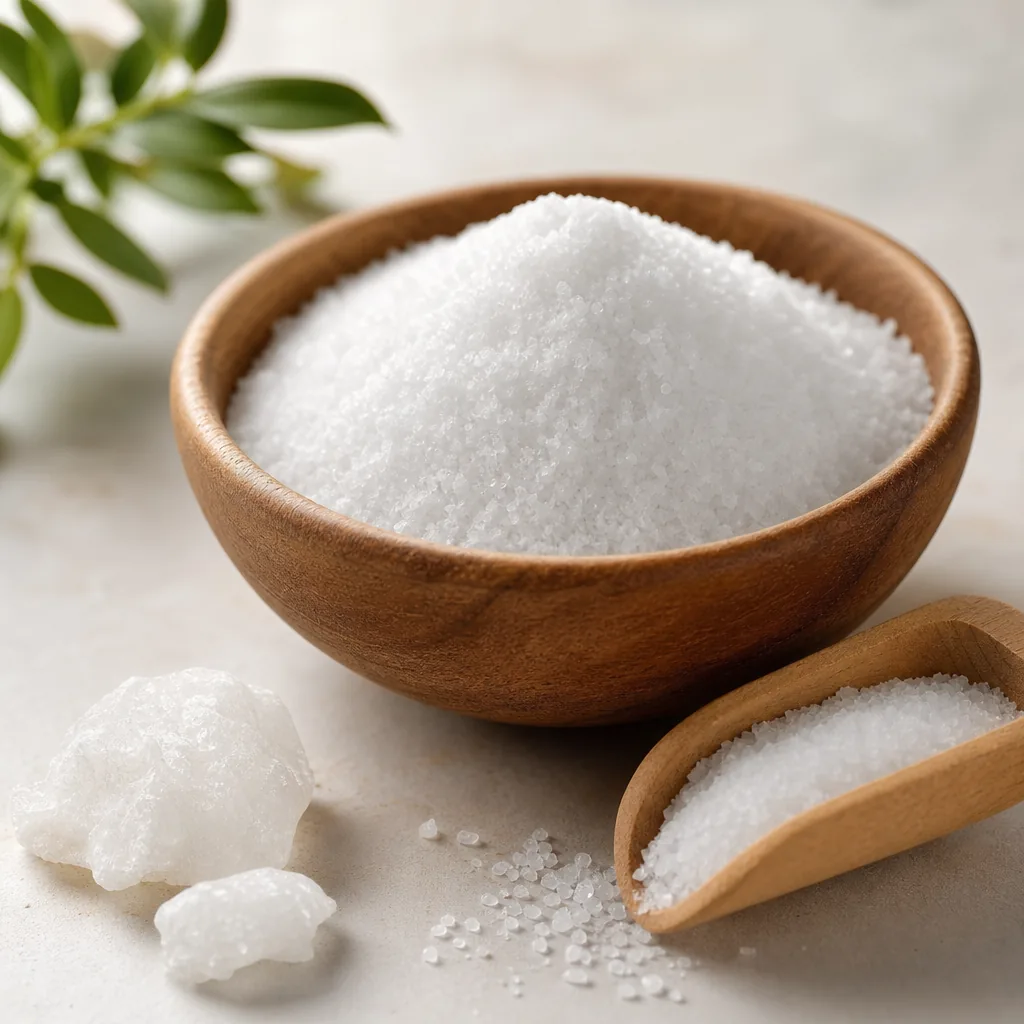
What is Sodium? Sodium is an essential mineral and electrolyte that carries a positive charge (Na+) and is the primary cation in the fluid outside your ce…
Read more
What is Grapefruit? Grapefruit (Citrus × paradisi) is a hybrid citrus fruit that likely originated in the Caribbean from a cross between sweet orange and …
Read more
What is Potassium? Potassium is an essential mineral and electrolyte that the body requires for normal cell function, nerve signaling, muscle contraction,…
Read more