What is Sodium?
Sodium is an essential mineral and electrolyte that carries a positive charge (Na+) and is the primary cation in the fluid outside your cells. It naturally occurs as part of salts and minerals in the environment and is widely present in foods, particularly those that are processed or prepared in restaurants. In the body, sodium helps regulate fluid balance, supports nerve signaling, enables muscle contraction, and helps maintain normal blood volume and pressure. Because the human body cannot produce sodium, it must come from the diet.
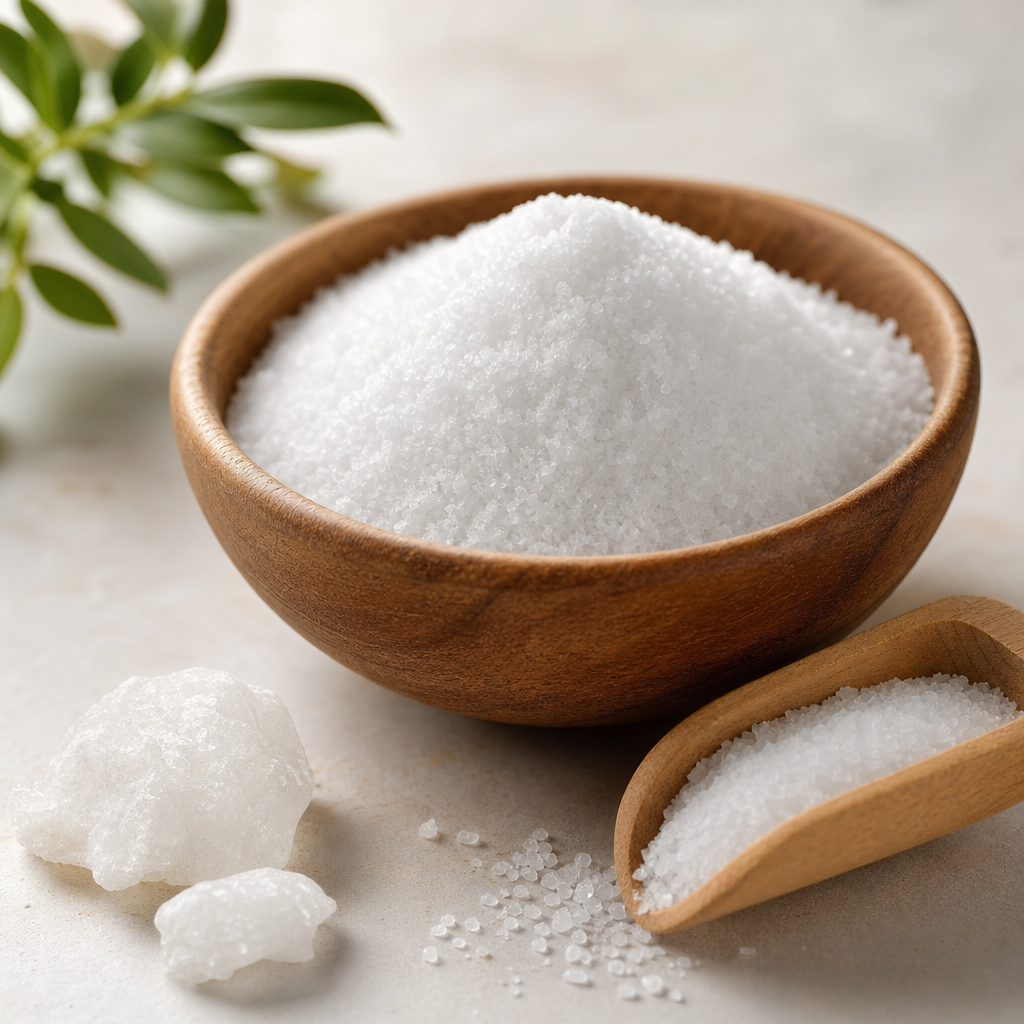
Most dietary sodium comes in the form of sodium chloride (table salt), though it is also found in compounds like sodium bicarbonate and sodium citrate. While “salt” and “sodium” are often used interchangeably, salt is a compound that is about 40% sodium and 60% chloride by weight. Sodium can be consumed through foods, beverages, and targeted products such as electrolyte solutions, salt tablets, and (for specific athletic or clinical uses) sodium bicarbonate. As an essential mineral, sodium requirements vary based on age, health status, climate, and activity level.
Benefits of Sodium
-
Fluid balance and blood volume regulation
(Strong evidence)
Sodium works with chloride and water to maintain the right amount of fluid inside and outside cells. Adequate sodium intake supports circulating blood volume and normal blood pressure. This balance is critical for delivering oxygen and nutrients to tissues and for thermoregulation during daily living and exercise.
-
Nerve signaling and muscle contraction
(Strong evidence)
Sodium is essential for generating and transmitting electrical impulses in nerves and for initiating muscle contractions, including those of the heart. Proper sodium levels help ensure coordinated movement, reflexes, and steady heart rhythm. When sodium levels drop too low, neuromuscular symptoms such as cramps, weakness, and confusion can occur.
-
Rehydration and recovery from fluid losses
(Strong evidence)
Solutions that provide sodium alongside glucose enhance water absorption in the small intestine via the sodium-glucose transport mechanism. This is the basis of oral rehydration solutions used for diarrhea, vomiting, and other causes of dehydration. Compared with plain water, sodium-containing fluids better restore plasma volume and encourage ongoing drinking by maintaining thirst and fluid retention.
-
Exercise in the heat and sweat losses
(Moderate evidence)
During prolonged or high-heat exercise, sodium is lost in sweat. Incorporating sodium in fluids or foods can help maintain plasma sodium concentration, support fluid retention, and sustain performance, particularly for heavy or “salty” sweaters and events lasting longer than about two hours. The degree of benefit depends on sweat rate, sweat sodium concentration, environmental conditions, and overall hydration strategy.
-
Reducing risk of exercise-associated hyponatremia (EAH)
(Moderate evidence)
EAH arises when blood sodium becomes abnormally low, often from excessive intake of low-sodium fluids during endurance events. Consuming sodium along with appropriate fluid volumes can help maintain blood sodium and reduce EAH risk. Appropriate pacing of fluid intake (avoiding overdrinking) remains the most important factor.
-
High-intensity performance buffering with sodium bicarbonate
(Strong evidence)
Supplemental sodium bicarbonate can improve repeated or sustained high-intensity efforts (for example, 1–7 minute events) by buffering acid buildup. Benefits are due to the bicarbonate (alkalizing) effect rather than sodium’s electrolyte role. This strategy requires careful dosing and individual testing because of common gastrointestinal side effects.
-
Support for orthostatic intolerance and POTS symptoms
(Moderate evidence)
For individuals with low blood volume or certain forms of orthostatic intolerance (including some with Postural Orthostatic Tachycardia Syndrome), increasing dietary salt and fluids under medical guidance can help expand plasma volume and reduce dizziness or fainting on standing.
Deficiency or Low Levels of Sodium
-
Common signs of low levels:
Headache, nausea, vomiting, fatigue, muscle cramps or weakness, confusion, irritability, unsteady gait, and in severe cases seizures, coma, or respiratory distress. Symptoms may develop gradually or rapidly depending on how quickly sodium falls.
-
Who may be at risk:
Endurance athletes or outdoor workers who sweat heavily (especially when replacing fluids with plain water), older adults, people using thiazide diuretics or certain antidepressants, those with kidney, heart, or liver conditions, individuals with SIADH (inappropriate antidiuretic hormone secretion), people with gastrointestinal illness causing significant fluid loss, and those on very low-sodium diets who also have high sweat losses.
-
How it is checked:
A basic metabolic panel measures serum sodium; values below about 135 mEq/L indicate hyponatremia. Clinicians consider symptom severity, duration, and contributing factors (fluid intake, medications, comorbidities). Additional tests may include serum and urine osmolality and urine sodium to clarify the cause. Hyponatremia should be assessed and corrected by healthcare professionals; rapid, unsupervised correction can be dangerous.
Types or Forms Available
-
Table salt (sodium chloride), iodized or non-iodized:
The most common dietary source of sodium. Iodized salt adds iodine to support thyroid health. By weight, sea salt, kosher salt, and table salt deliver similar sodium; crystal size affects volume measurements (teaspoons), not sodium content per gram.
-
Electrolyte drinks, tablets, and powders:
Provide measured amounts of sodium (often 200–500 mg per serving) with other electrolytes and sometimes carbohydrates. Useful for athletes, hot-weather workers, and during recovery from mild dehydration.
-
Oral rehydration solutions (ORS):
Evidence-based formulations combining sodium and glucose to optimize fluid absorption. Standard ORS packets are designed for rehydration during diarrhea or vomiting and are mixed with a precise volume of clean water.
-
Salt tablets:
Compressed sodium chloride, often 300–600 mg sodium per tablet. Sometimes used for heavy sweaters, heat exposure, or specific medical guidance (for example, some orthostatic intolerance cases). They should be paired with fluids to avoid gastrointestinal upset.
-
Sodium bicarbonate:
Used for performance buffering in high-intensity exercise. Effective for some athletes but commonly causes GI distress; dosing and timing need individual experimentation and professional guidance.
-
Sodium citrate:
An alternative buffering and electrolyte form that may be gentler on the stomach than bicarbonate for some individuals, with similar goals of improving high-intensity performance in specific contexts.
How to Use Sodium
For most people, meeting daily sodium needs is straightforward through regular meals. General dietary guidance in many countries suggests limiting total sodium to about 2,300 mg per day for adults, with lower targets advised for some individuals to support blood pressure and heart health. Athletes and those with high sweat losses may need more sodium around training and competitions, but routine long-term high intakes are not recommended without medical oversight.
-
Common dosage range:
Everyday intake from all foods and beverages commonly falls between 1,500–2,300 mg sodium per day for many adults. For endurance exercise in heat, practical strategies often supply about 300–600 mg sodium per hour, adjusted for sweat rate, sweat sodium concentration, climate, and individual tolerance. Typical sports drinks provide roughly 300–1,000 mg sodium per liter. Sodium bicarbonate protocols for performance commonly range from 0.2–0.3 g/kg body mass taken 60–180 minutes pre-exercise; start low and test in training due to GI risks.
-
Best timing:
Spread sodium intake across the day with meals. For training or events lasting longer than about two hours, include sodium in pre-hydration, during activity (in measured amounts with fluids), and post-exercise to aid rehydration.
-
How to take it:
Pair sodium with fluids. Electrolyte drinks, broths, salty snacks, or measured tablets/powders can be used as needed. For ORS, follow packet instructions exactly. For sodium bicarbonate or citrate, use capsules or solutions as directed and test tolerance well before competition.
-
Consistency:
Daily consistent “high” sodium intake is not generally advisable. Use targeted sodium around heavy sweating, hot environments, or specific medical guidance. For chronic conditions (for example, orthostatic intolerance), follow a clinician-directed plan that balances sodium with fluids and monitors blood pressure.
Food Sources and Supplement Options
Sodium is naturally present in some foods but is most abundant in added salt used during processing and preparation. Whole foods typically contain modest amounts, whereas packaged and restaurant foods are the major contributors for most people. Supplements (electrolyte tablets, powders, ORS, salt tablets, sodium bicarbonate) can be useful in specific scenarios such as prolonged exercise, hot environments, or gastrointestinal illness.
-
Breads, rolls, and tortillas
-
Deli meats, sausages, and cured meats
-
Cheeses and savory spreads
-
Canned soups, broths, and packaged noodles
-
Sauces and condiments (soy sauce, fish sauce, ketchup)
-
Pickles, olives, and fermented vegetables
-
Salty snacks (chips, pretzels, crackers)
-
Restaurant and fast foods
-
Naturally occurring sources: milk, shellfish, beets, celery, and sea vegetables (levels vary)
Food-first strategies are generally preferred because whole foods provide additional nutrients (for example, potassium, magnesium, protein, and fiber) that support overall health. Supplements allow precise dosing when matching sweat losses, supporting rehydration, or using performance-buffering strategies. Consider supplements when needs are acute or higher than can be comfortably achieved with food alone, and choose products with clear labels and appropriate sodium content without excessive sugars or stimulants.
Who May Benefit from Sodium?
-
Endurance athletes and team-sport players training or competing for longer than about two hours, especially in hot or humid conditions
-
“Salty sweaters” (visible salt residue on clothing/skin or high sweat rates) who consistently experience large sodium losses
-
Outdoor workers (construction, agriculture, firefighting) in heat who sweat heavily over long shifts
-
Individuals recovering from gastrointestinal illness with fluid and electrolyte loss (using standardized ORS)
-
Some people with orthostatic intolerance or POTS who are advised by a clinician to increase salt and fluids
-
Individuals on very low-carbohydrate or ketogenic diets who may excrete more sodium and experience low-energy or dizziness without adequate electrolyte intake
-
People with consistently low dietary sodium intake who also have high sweat exposure
Side Effects and Considerations
-
High habitual sodium intake can raise blood pressure in many individuals and is associated with higher cardiovascular risk. People with hypertension or at risk of heart disease should prioritize moderate intake and follow clinician guidance.
-
Medical conditions requiring caution include kidney disease, heart failure, liver cirrhosis, and certain endocrine disorders; sodium and fluid intake may need strict limits under medical supervision.
-
Medications can influence sodium balance. Thiazide diuretics, some antidepressants (for example, SSRIs), carbamazepine, and oxcarbazepine can increase hyponatremia risk. Corticosteroids may promote fluid retention. Lithium levels are affected by sodium intake; abrupt sodium changes can alter lithium pharmacokinetics. Always discuss changes with a clinician.
-
Exercise-associated hyponatremia is dangerous. Do not overconsume plain water during prolonged exercise. Use planned fluid intake and include sodium as appropriate for conditions and individual needs.
-
Sodium bicarbonate may cause significant gastrointestinal distress (bloating, nausea, diarrhea). Split doses, co-ingestion with a small carbohydrate-containing meal, or using enteric-coated forms may help, but not for everyone. Avoid use close to bedtime.
-
Salt tablets can irritate the stomach if taken without adequate fluid and may cause nausea. Start with lower doses, take with water and food, and assess tolerance.
-
Quality and labeling matter. Check the actual sodium amount (mg), not just “salt” or “electrolyte.” Some sports drinks contain large amounts of sugar or caffeine that may not suit your goals.
-
Do not self-treat suspected hyponatremia or severe dehydration; seek medical care. Rapid correction of low sodium without supervision can cause serious neurological harm.
-
Pregnant or breastfeeding individuals, children, and people with medical conditions or taking medications should consult a healthcare professional before using salt tablets, high-sodium products, or sodium bicarbonate.
-
Allergies and sensitivities are rare to sodium itself, but accompanying ingredients (flavorings, colorants, sweeteners) in electrolyte products can cause reactions in sensitive individuals.
Common Myths About Sodium
-
Myth: Everyone should eat as little sodium as possible.
Extremely low sodium can impair performance, increase the risk of hyponatremia in heavy sweaters, and may not be necessary for healthy, active individuals. Many adults benefit from moderating (not eliminating) sodium while emphasizing potassium-rich whole foods and overall dietary quality.
-
Myth: Sea salt is healthier and contains much less sodium than table salt.
By weight, sea salt and table salt provide similar sodium. Trace minerals in sea salt are present in very small amounts and do not meaningfully offset excessive sodium intake. Iodized table salt has the advantage of providing iodine, which many diets lack.
-
Myth: Muscle cramps always mean you need more salt.
Cramps are multifactorial—neuromuscular fatigue, pacing, conditioning, hydration, and electrolyte balance all play roles. Sodium can help some people in certain conditions, but it is not a guaranteed or universal solution.
-
Myth: Only processed foods are high in sodium.
Processed foods are major contributors, but restaurant meals, sauces, breads, and seemingly “healthy” packaged items can also contain substantial sodium. Reading labels and checking restaurant nutrition information are important.
Conclusion
Sodium is an essential electrolyte that supports fluid balance, nerve and muscle function, and effective rehydration. Most people meet needs through regular meals, while athletes, hot-environment workers, and individuals recovering from fluid losses may benefit from targeted sodium strategies. In specific cases—such as high-intensity performance—sodium bicarbonate can offer benefits, though careful testing and tolerance checks are crucial.
Balance and context are key. For many adults, a food-first approach that emphasizes moderate sodium intake alongside potassium-rich whole foods supports long-term health. Use supplements (electrolyte products, ORS, salt tablets, bicarbonate) when there is a clear need, with attention to dose, timing, and quality. Those who are pregnant or breastfeeding, children, and anyone taking medications or managing medical conditions—especially hypertension, kidney, heart, or liver disease—should consult a healthcare professional before increasing sodium or using sodium-containing supplements.