What is Potassium?
Potassium is an essential mineral and electrolyte that the body requires for normal cell function, nerve signaling, muscle contraction, heart rhythm, and fluid balance. As an essential nutrient, it must be obtained regularly from the diet because the body cannot synthesize it. Most potassium in the body is found inside cells, where it helps maintain the electrochemical gradients that power nerve impulses and muscle contractions, including those of the heart.
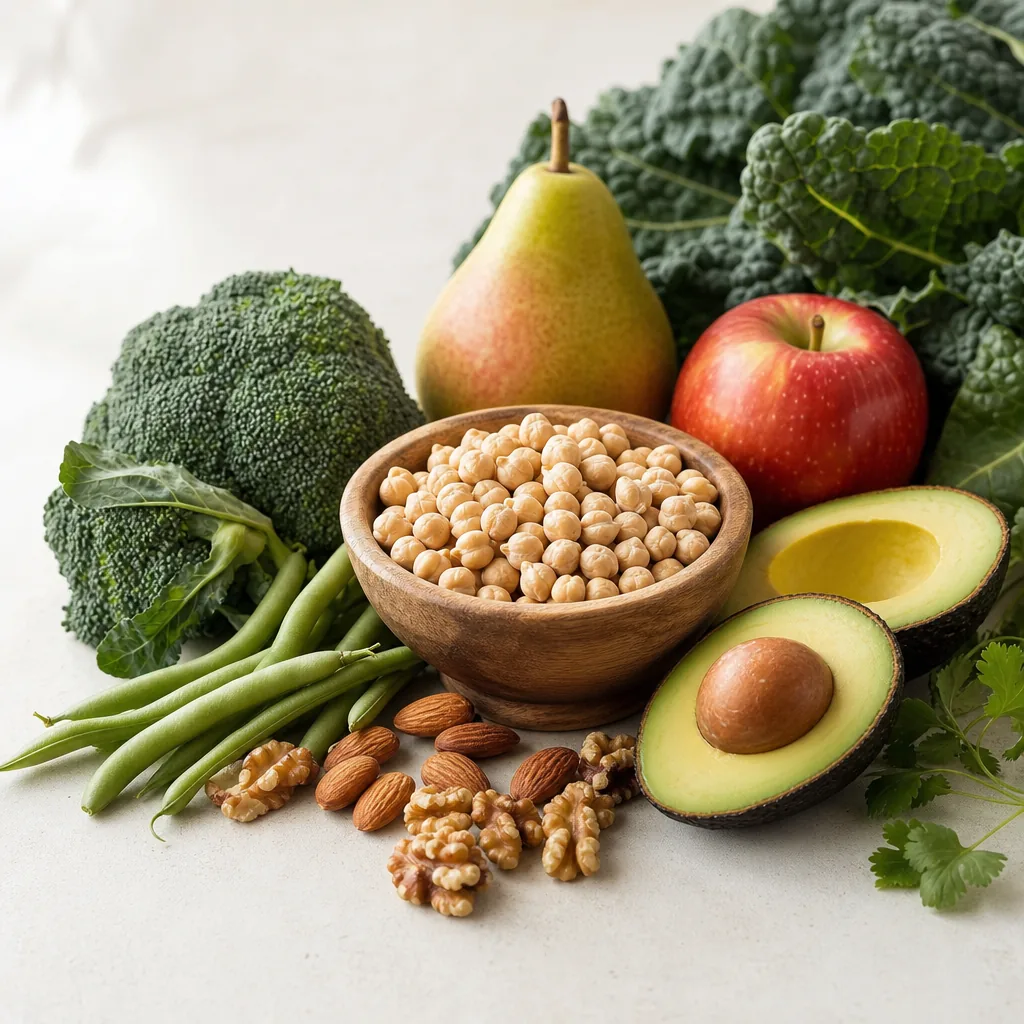
In everyday nutrition, potassium comes predominantly from whole foods—especially fruits, vegetables, legumes, dairy, and some fish. It is also available as a dietary supplement and as a component of certain “salt substitute” products that partially or fully replace sodium chloride with potassium chloride. Adequate potassium intake is associated with healthy blood pressure and cardiovascular function, particularly when paired with reduced sodium intake.
Because potassium is a true essential mineral, consistently achieving recommended intakes through food is a central goal of healthy eating patterns. Supplements can be helpful in specific situations, but they require more caution than many vitamins due to the tight regulation needed to keep blood potassium within a safe range.
Benefits of Potassium
-
Supports healthy blood pressure
(Strong evidence)
Higher dietary potassium intake helps counterbalance the effects of sodium and supports normal blood pressure. Multiple randomized controlled trials and meta-analyses show that increasing potassium—especially while reducing sodium—lowers systolic and diastolic blood pressure, with the greatest benefit in people with elevated blood pressure or high sodium intake.
-
Reduces risk of stroke and cardiovascular events
(Moderate evidence)
Prospective cohort studies consistently associate higher potassium intake with a lower risk of stroke, and some analyses suggest potential reductions in overall cardiovascular disease. While blood pressure improvements likely explain part of this benefit, hard-outcome randomized trials are fewer, so the overall quality of evidence is considered moderate.
-
Helps prevent recurrent calcium kidney stones (potassium citrate)
(Moderate evidence)
Potassium citrate can increase urinary citrate and alkalinity, which reduces calcium stone formation. Clinical trials and routine clinical practice support its use for people with recurrent calcium stones and low urinary citrate. This is typically managed and dosed by a healthcare professional.
-
Supports normal nerve and muscle function
(Strong evidence)
Potassium is essential for transmitting nerve impulses and enabling muscle contraction, including the heartbeat. While this is a fundamental physiological role rather than a performance “boost,” adequate intake helps maintain normal neuromuscular function, and deficiency can cause weakness, fatigue, or dangerous heart rhythm changes.
-
May support bone health via reduced calcium loss
(Limited evidence)
Diets rich in potassium—especially from fruits and vegetables—or supplementation with alkaline potassium salts (e.g., citrate or bicarbonate) can lower urinary calcium excretion and improve some bone turnover markers. Evidence for actual fracture reduction is limited, so conclusions remain cautious.
-
Potential role in glucose and insulin regulation
(Mixed evidence)
Observational research links lower potassium intake or lower blood potassium with a higher risk of type 2 diabetes, but intervention trials have produced mixed results. Potassium repletion may help when low levels are present, yet routine potassium supplementation for glycemic control is not well established.
Deficiency or Low Levels of Potassium
-
Common signs of low levels:
Mild hypokalemia can cause fatigue, muscle weakness or cramps, constipation, and palpitations. More severe or rapid drops may lead to significant muscle weakness or paralysis, heart rhythm disturbances (e.g., arrhythmias), abnormal EKG findings (such as U waves), and in rare cases rhabdomyolysis. Low magnesium often coexists and can worsen or sustain low potassium.
-
Who may be at risk:
People with significant gastrointestinal losses (vomiting, diarrhea, laxative abuse), those using loop or thiazide diuretics, individuals with eating disorders or very low food intake, alcohol use disorder, bariatric surgery patients, and those with conditions causing high aldosterone. Shifts of potassium into cells can also occur with high-dose insulin, certain beta-agonists, and alkalosis. Endurance athletes with inadequate intake and heavy losses may be vulnerable, although sweat potassium losses are typically smaller than sodium.
-
How it is checked:
A blood test for serum potassium is the standard initial assessment, though it does not always reflect total body stores. Clinicians may also evaluate urinary potassium excretion, acid–base status, magnesium levels, kidney function, medications, and perform an EKG when symptoms or risks are present.
Types or Forms Available
-
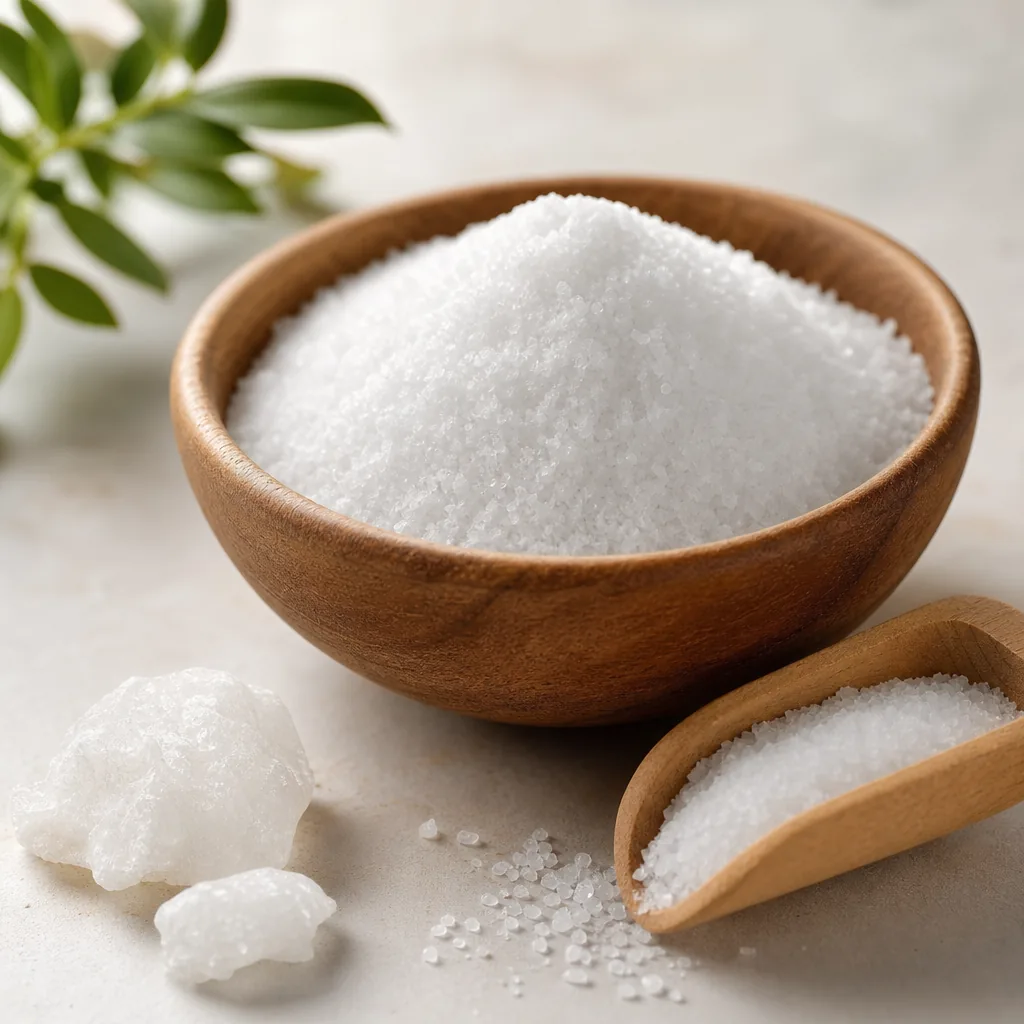
Potassium chloride (KCl):
The most common form in supplements and salt substitutes. It replaces both potassium and chloride, which can be useful when chloride losses are present (e.g., from diuretics or vomiting). It has a salty, slightly bitter taste and can meaningfully reduce sodium intake when used as a partial salt replacement.
-
Potassium citrate:
An alkalinizing form often used to raise urinary citrate and pH, reducing calcium kidney stone risk. It may be better tolerated by some people. Typically used under medical supervision for recurrent stone prevention.
-
Potassium bicarbonate:
Another alkalinizing form that can decrease urinary calcium excretion. Often used in research or under clinical guidance to affect acid–base balance.
-
Potassium gluconate, aspartate, or other organic salts:
Alternative forms available in tablets or powders. Bioavailability is generally good across soluble salts when fully dissolved. Tolerance may vary—liquids or powders mixed with water often reduce stomach upset compared with large tablets.
-
Prescription extended-release formulations:
Used to treat medically confirmed hypokalemia. These require careful dosing and monitoring and should not be cut, crushed, or chewed due to risk of dose dumping and gastrointestinal irritation.
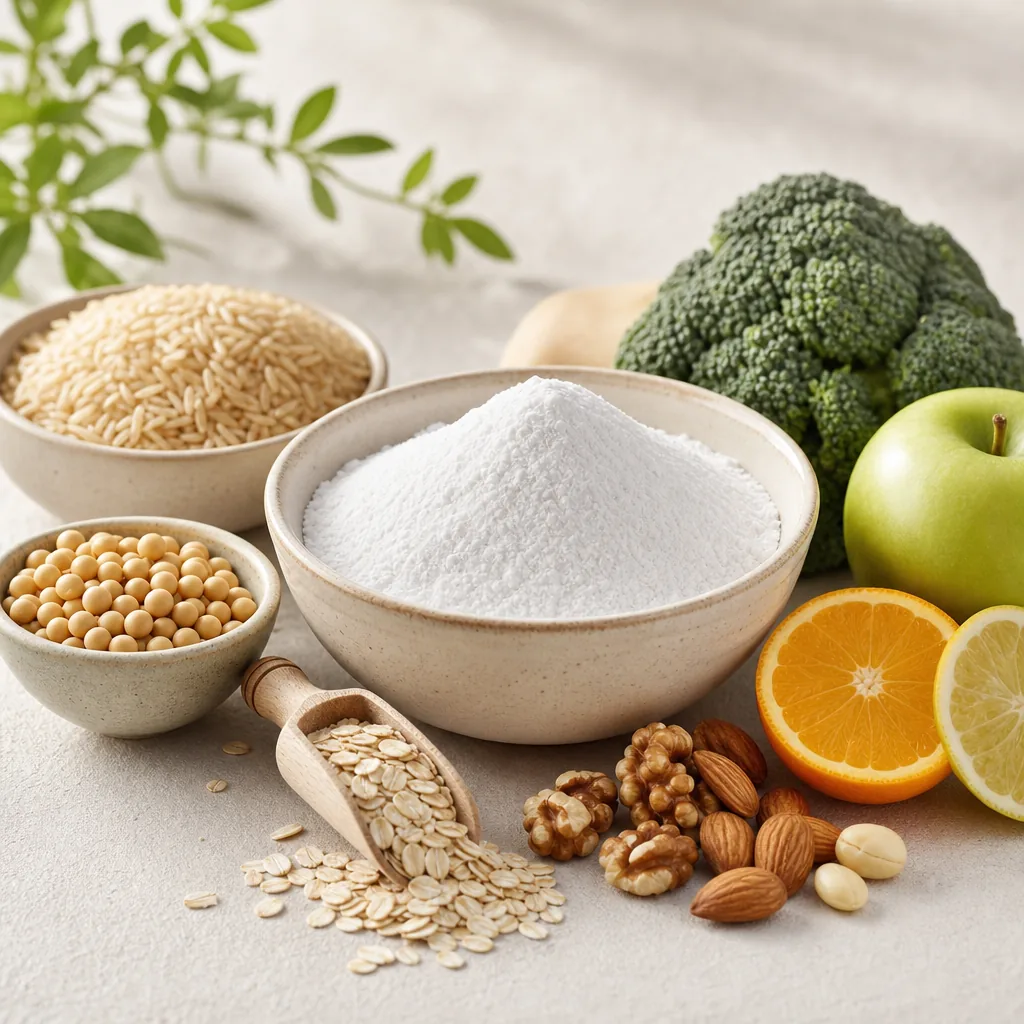
Food forms of potassium are abundant and remain the preferred source for most people because foods provide additional nutrients (fiber, vitamins, phytonutrients) that support overall health.
How to Use Potassium
For most healthy adults, the best approach is to prioritize potassium-rich foods within a balanced diet while moderating sodium intake. Supplements can be appropriate in specific scenarios, but they warrant caution and, for higher doses, medical guidance.
-
Common dosage range:
Many countries, including the United States, limit over-the-counter potassium supplements to about 99 mg elemental potassium per serving to reduce the risk of gastrointestinal injury. This small amount can help “top up” intake but is not a substitute for a potassium-rich diet. For treating confirmed low potassium, clinicians may prescribe 10–40 mEq daily (1 mEq equals about 39 mg of elemental potassium), divided into multiple doses, with lab monitoring—do not self-treat at these doses.
-
Best timing:
Timing is usually flexible. Dividing doses can improve tolerance. Prescription forms are commonly taken 2–4 times per day as directed.
-
How to take it:
Take with food and a full glass of water to reduce stomach upset. Avoid lying down immediately after swallowing tablets. Do not crush or chew extended-release products. Powders dissolved in water or effervescent forms are often gentler on the stomach.
-
Consistency:
Meeting daily potassium needs is most effective when intake is consistent across days. If using supplements for a medical reason, follow your clinician’s instructions and schedule for lab checks.
Food Sources and Supplement Options
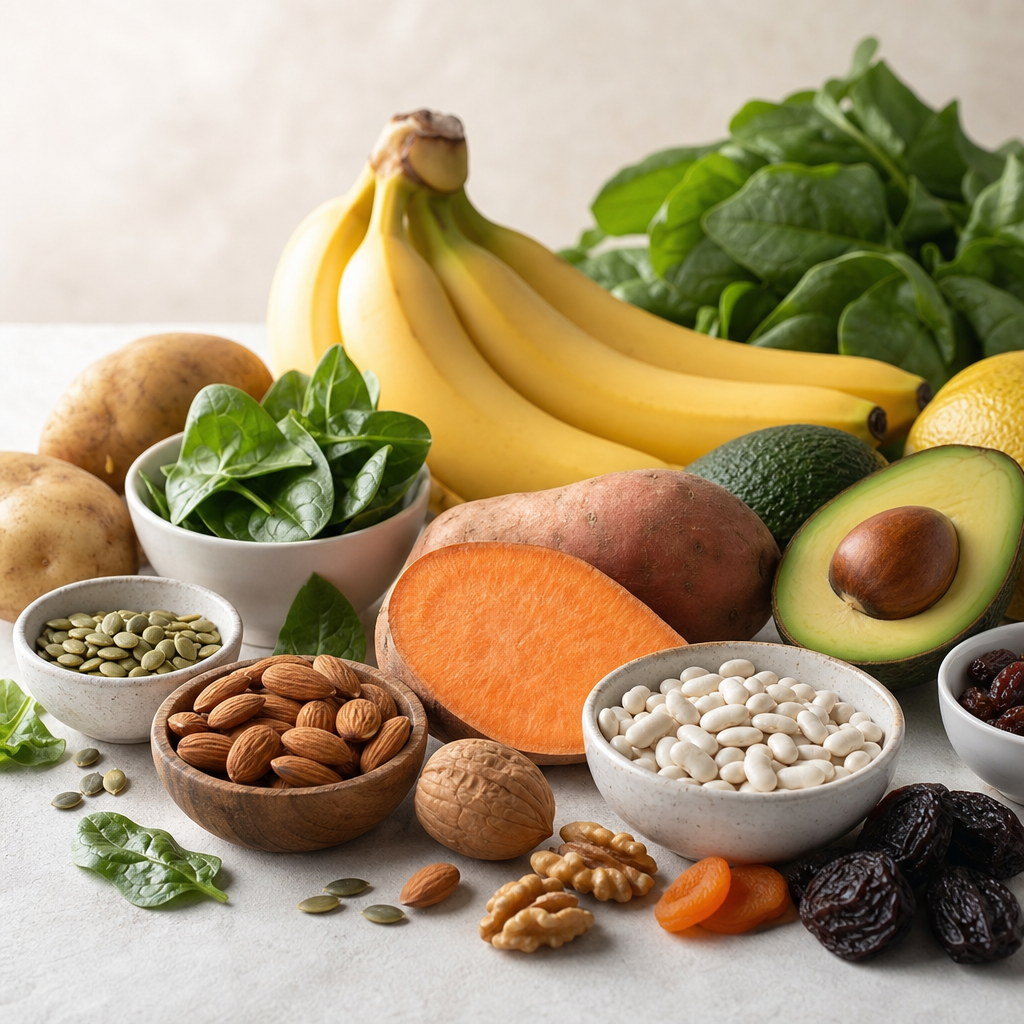
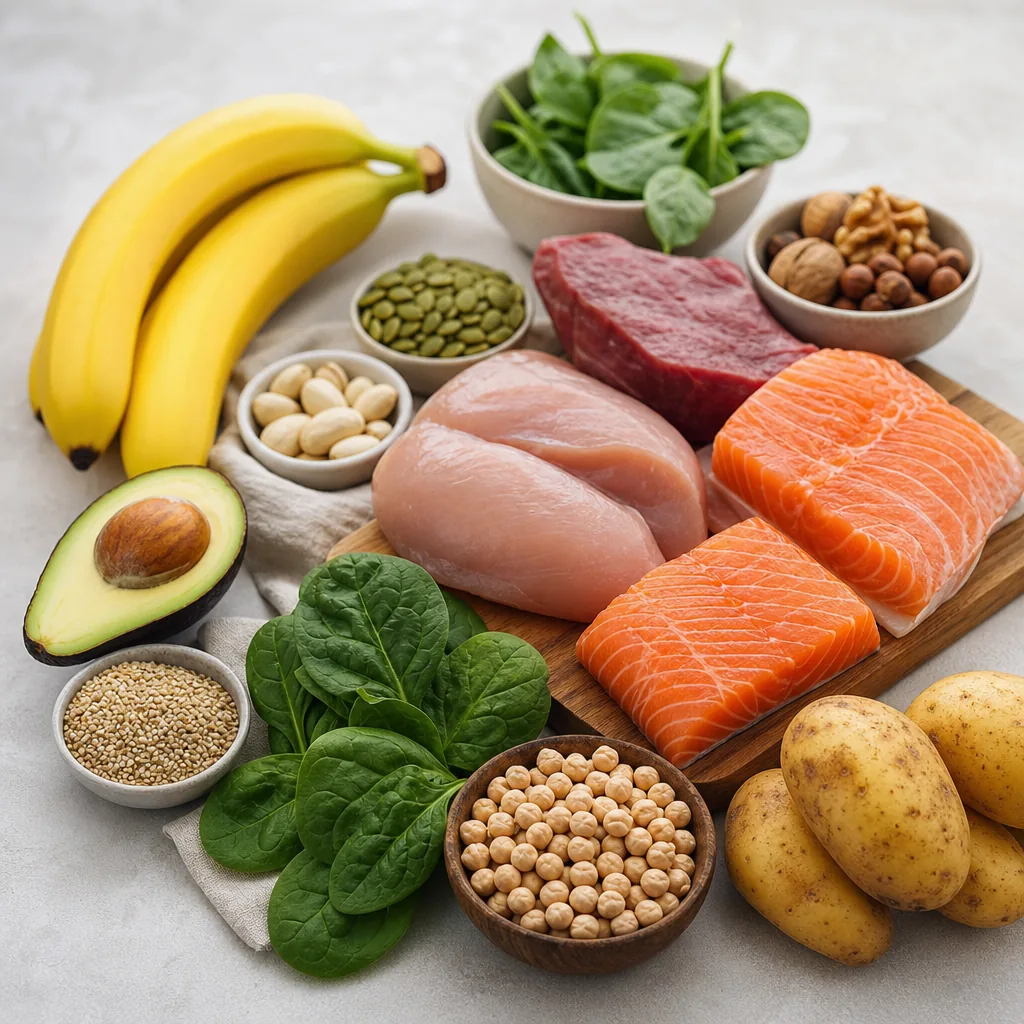
Potassium is naturally abundant in many whole foods, and food-first strategies are generally preferred. Supplements exist in multiple forms and can be useful for people who cannot meet needs through diet or who have medical indications. Whole foods provide additional nutrients and fiber, whereas supplements allow targeted dosing when necessary.
-
Potatoes and sweet potatoes (especially with skin)
-
Beans and lentils (white beans, kidney beans, soybeans)
-
Leafy greens (spinach, Swiss chard, beet greens)
-
Tomatoes and tomato products
-
Avocado
-
Bananas, oranges, apricots (fresh or dried), cantaloupe
-
Yogurt and milk
-
Fish (salmon, halibut), clams
-
Winter squash, mushrooms
-
Coconut water (varies by brand)
Supplementation may make sense for individuals with low intake despite dietary efforts, those on certain medications (e.g., non–potassium-sparing diuretics) under medical care, or people advised by their clinician for kidney stone prevention with potassium citrate. If you are pregnant, breastfeeding, taking medications, or managing a medical condition, consult a healthcare professional before starting potassium supplements or salt substitutes.
Who May Benefit from Potassium?
-
Adults with elevated blood pressure or high sodium intake who are improving their diet to follow a DASH-style pattern emphasizing potassium-rich foods.
-
People with low dietary intake due to limited produce consumption, restricted diets, low appetite, or reliance on ultra-processed foods.
-
Individuals using loop or thiazide diuretics who are advised by their clinician to increase dietary potassium or use supplements with monitoring.
-
Those with recurrent calcium kidney stones who are prescribed potassium citrate and need guidance on diet alongside medical therapy.
-
Older adults who may have difficulty meeting nutrient needs due to reduced appetite or chewing/swallowing limitations.
-
Athletes with high energy expenditure who struggle to include sufficient potassium-rich foods, especially in hot environments—dietary strategies usually suffice.
Side Effects and Considerations
-
Risk of high potassium (hyperkalemia):
Excess potassium can be dangerous, causing muscle weakness, tingling, or life-threatening heart rhythm disturbances. People with chronic kidney disease, uncontrolled diabetes with kidney involvement, Addison’s disease, or severe dehydration should not use potassium supplements or salt substitutes unless a clinician advises and monitors them.
-
Medication interactions:
ACE inhibitors (e.g., lisinopril), ARBs (e.g., losartan), potassium-sparing diuretics (e.g., spironolactone, eplerenone, amiloride), certain NSAIDs, heparin, trimethoprim, cyclosporine, tacrolimus, and some beta-blockers can raise potassium. Always check with a healthcare professional before supplementing if you take prescription medications. Conversely, loop/thiazide diuretics can lower potassium and may require dietary strategies or supervised supplementation.
-
Gastrointestinal irritation:
Large tablets and some formulations can cause nausea, vomiting, abdominal pain, or diarrhea, and in rare cases esophageal or gastrointestinal ulceration. Take with food and a full glass of water; avoid lying down for 30 minutes after swallowing. Do not crush or chew extended-release tablets.
-
Salt substitutes are not benign for everyone:
Many salt substitutes contain potassium chloride. They can help reduce sodium intake but may dangerously raise potassium for people with reduced kidney function or those on interacting medications. Read labels and consult a clinician if you have any medical conditions.
-
Lab monitoring:
People with kidney disease, heart failure, diabetes, older age, or those on interacting medications should have potassium levels checked periodically when dietary changes or supplements are used.
-
Pregnancy, breastfeeding, and children:
Emphasize food sources first. Use supplements only if recommended by a clinician who can monitor safety and dosing.
-
Dosing and product quality:
Over-the-counter supplements typically provide about 99 mg elemental potassium per serving. Choose reputable brands with third-party testing where possible, and follow label directions. More is not better.
-
Pre-surgery considerations:
Ensure clinicians are aware of any supplements or salt substitutes you use; optimizing electrolytes before procedures is important for safety.
Common Myths About Potassium
-
Myth: “More potassium is always better.”
Potassium has a narrow safe range in the blood; too little and too much can both be dangerous. For most people, prioritizing potassium-rich foods and moderating sodium is ideal. High-dose supplements should only be used with medical guidance.
-
Myth: “Bananas are the best (or only) source of potassium.”
Bananas contain potassium, but many foods provide equal or greater amounts per serving, including potatoes, beans, leafy greens, yogurt, and tomato products. A varied diet is more effective than relying on a single food.
-
Myth: “Muscle cramps always mean you need potassium.”
Cramps have many causes—fatigue, nerve sensitivity, dehydration, and electrolyte imbalances (often sodium) among them. Unless you are truly low in potassium, extra supplementation may not help; stretching, hydration, and training adjustments are often more effective.
-
Myth: “Salt substitutes are safe for everyone.”
Many salt substitutes use potassium chloride. They can be helpful for some people but risky for those with kidney problems or on certain medications. Always check with a healthcare professional before using them regularly.
Conclusion
Potassium is an essential mineral that supports healthy blood pressure, normal nerve and muscle function, and, in certain forms, may help prevent recurrent calcium kidney stones. For most people, a food-first approach—rich in fruits, vegetables, legumes, dairy, and other whole foods—provides ample potassium along with beneficial fiber and micronutrients. Supplements and salt substitutes can play a role for select individuals, but they require care due to the risk of high potassium, especially in the context of kidney disease or interacting medications.
If you are pregnant, breastfeeding, taking medications, or managing a medical condition, consult a qualified healthcare professional before using potassium supplements or salt substitutes. Choose quality products, follow label directions, and prioritize dietary patterns (such as DASH) that naturally raise potassium while controlling sodium. This balanced strategy typically offers the safest and most effective path to reaping potassium’s benefits.