What is Collagen?
Collagen is a structural protein that serves as a primary building block for skin, cartilage, tendons, ligaments, and bone matrix. It is rich in the amino acids glycine, proline, and hydroxyproline, which form strong triple-helix fibers that confer tensile strength and elasticity to tissues. The body synthesizes collagen from dietary protein with help from vitamin C and other cofactors. There are many collagen types, with Type I predominant in skin and bone, Type II in cartilage, and Type III in blood vessels and certain soft tissues.
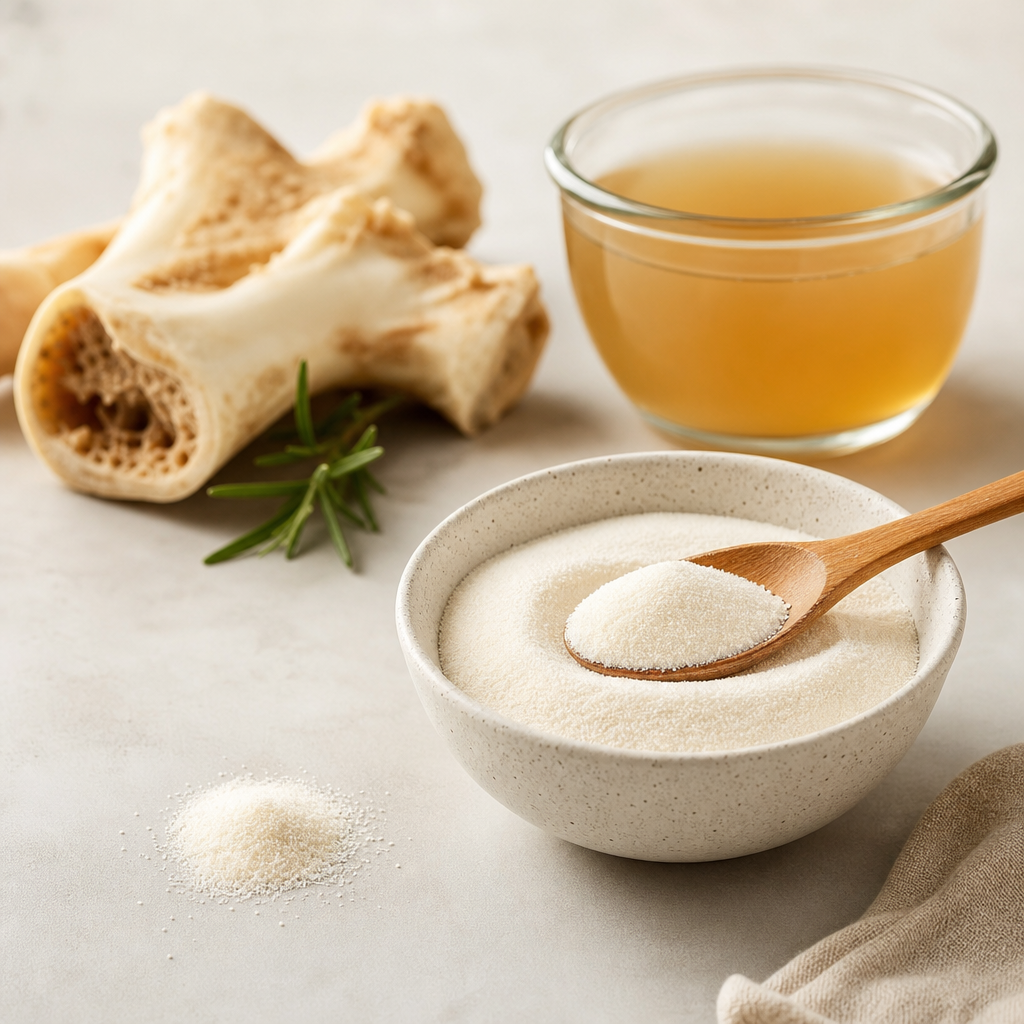
As a supplement, collagen is a food-derived ingredient made from animal connective tissues (commonly bovine hide, porcine skin, chicken sternum cartilage, fish skin or scales) and processed into gelatin or hydrolyzed collagen peptides. It is not an essential nutrient in the way vitamins, minerals, essential fatty acids, or essential amino acids are. Healthy bodies can make collagen from adequate protein and micronutrients, though production generally declines with age and can be affected by lifestyle factors such as UV exposure, smoking, high sugar intake, and insufficient dietary protein.
Collagen supplements are typically used to support skin appearance, joint comfort, and connective tissue health. While research has expanded quickly over the last decade, effects vary by product type, dose, duration, and individual factors. Collagen should be seen as a supportive option rather than a stand-alone cure for musculoskeletal or skin concerns.
Benefits of Collagen
-
Skin elasticity, hydration, and fine lines
(Moderate evidence)
Several randomized trials report small-to-moderate improvements in skin elasticity, hydration, and wrinkle appearance after 8–12 weeks of daily collagen peptides, typically 2.5–10 g/day. Benefits appear more consistent in photoaged or older skin and with well-characterized collagen peptides. Results are measurable but modest, and individual responses vary.
-
Joint comfort and function (e.g., knees)
(Moderate evidence)
Hydrolyzed collagen (often 5–10 g/day) and undenatured type II collagen (UC‑II, ~40 mg/day) have shown reductions in joint discomfort and stiffness and improved function in some studies of osteoarthritis and activity-related joint pain. Effects tend to emerge after several weeks and are generally modest. Collagen may be a useful adjunct to exercise, weight management, and standard care.
-
Tendon and ligament support around training
(Limited evidence)
Small studies suggest 10–15 g gelatin or collagen peptides taken with vitamin C about 30–60 minutes before loading exercise may enhance collagen-related biomarkers and potentially support tendon or ligament adaptations. Evidence is early, with limited clinical outcomes; still, this protocol is popular among athletes and therapists.
-
Bone health markers in postmenopausal adults
(Limited evidence)
Some trials report improvements in bone turnover markers and small gains in bone mineral density with daily collagen peptides over several months, especially when combined with adequate calcium, vitamin D, and resistance training. Findings are promising but not definitive, and collagen should complement—not replace—standard bone health strategies.
-
Nail strength and reduced brittleness
(Limited evidence)
A few small studies and user reports note fewer nail breaks and improved nail growth rate with daily collagen peptides after 2–3 months. Evidence is limited and largely based on small sample sizes without rigorous controls.
-
Lean mass or body composition with resistance training
(Mixed evidence)
Some studies in older or sarcopenic adults show modest gains in fat-free mass and strength when collagen is combined with progressive resistance training, likely by supporting total protein intake. However, collagen is low in essential amino acids—especially leucine—so it is not optimal as a primary protein for muscle building compared with higher-quality proteins like dairy whey or soy.
Types or Forms Available
-
Hydrolyzed collagen (collagen peptides)
: Collagen is enzymatically “cut” into smaller peptides for better solubility and digestibility. Commonly derived from bovine, porcine, or marine sources, and typically rich in Type I (skin, bone) and Type III (soft tissues). It dissolves in hot or cold liquids and is the most researched form for skin and general joint support.
-
Gelatin
: Partially hydrolyzed collagen that gels in cool liquids. It provides similar amino acids but forms a gel rather than dissolving completely. Often used in the pre-exercise tendon protocol (10–15 g) with vitamin C due to practical mixing properties.
-
Undenatured Type II Collagen (UC‑II)
: A specialized, low-dose form (about 40 mg/day) from chicken sternum cartilage. Unlike peptides, it may act via immune tolerance mechanisms in the gut to reduce joint discomfort. It is distinct from hydrolyzed peptides and used primarily for knee and general joint comfort.
-
Marine collagen
: Sourced from fish skin or scales; primarily Type I. Often preferred for lower taste/odor when flavored and for those who avoid bovine/porcine sources. Allergen caution applies to fish-sensitive individuals.
-
Eggshell membrane and chicken sternal cartilage
: Provide Type I/V and Type II collagen plus other matrix components (e.g., glycosaminoglycans). Used in some joint formulas; doses and standardization vary.
-
“Vegan collagen” and boosters
: True collagen is animal-derived. Vegan products typically supply amino acids, vitamin C, minerals (e.g., copper), and botanicals (e.g., silica-containing horsetail) intended to support the body’s collagen production rather than provide collagen itself.
-
Delivery forms
: Powders (most flexible and cost-effective), capsules/tablets (lower dose per serving), liquids, and fortified bars/drinks. Quality varies; look for transparent sourcing and third-party testing.
How to Use Collagen
-
Common dosage range:
Collagen peptides: 2.5–10 g/day for skin support; 5–10 g/day for general joint support. Gelatin: 10–15 g near targeted loading exercise in tendon protocols. UC‑II: about 40 mg/day. Avoid excessive intakes that displace higher-quality protein sources in your diet.
-
Best timing:
For everyday skin or joint goals, timing is flexible—take at any convenient time. For tendon/ligament support, consider 10–15 g gelatin or collagen with 50–100 mg vitamin C about 30–60 minutes before loading or rehab exercises to align circulating peptides with tissue loading.
-
How to take it:
Mix powders into water, coffee, tea, smoothies, oatmeal, soups, or yogurt. Most people tolerate collagen with or without food. If you experience stomach upset, take with meals and split doses.
-
Consistency:
Daily use for 8–12 weeks is commonly needed to assess effects on skin and joints. Training-related protocols are typically used on workout days. Reevaluate benefit after 3 months and continue only if helpful.
Food Sources and Supplement Options
Collagen is naturally present in animal connective tissues and skin. Cooking these tissues converts collagen to gelatin, which still provides the key amino acids. Many people do not regularly eat collagen-rich cuts, so supplements offer a convenient, standardized alternative.
-
Skin-on fish (e.g., salmon), fish skin snacks, and fish scale–derived products
-
Poultry skin and collagen-rich cuts (e.g., chicken thighs, wings, chicken feet)
-
Pork skin (crackling), pork hocks, and shank cuts
-
Beef shank, oxtail, short ribs, and tendon
-
Bone broths, stocks, and aspic (collagen content varies widely by recipe and simmer time)
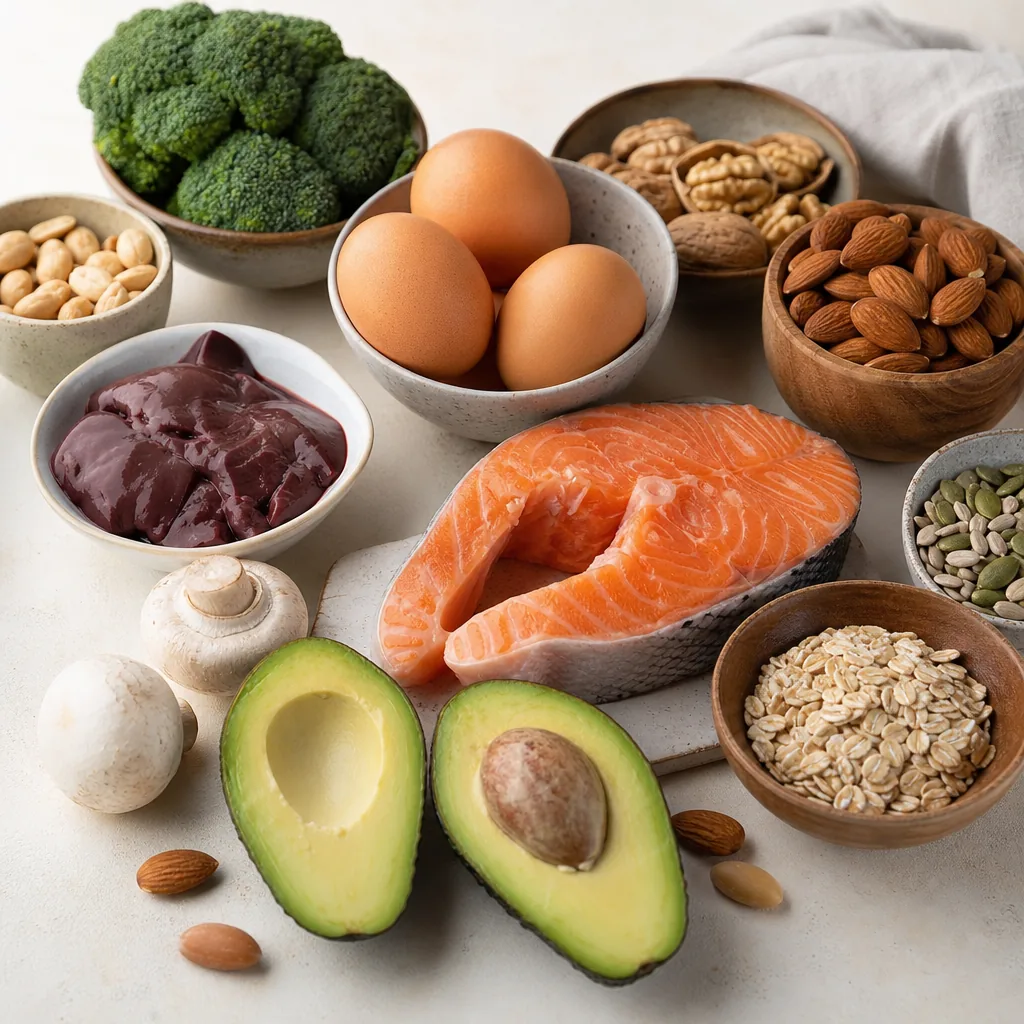
Supplements may make sense if you rarely eat collagen-rich foods, prefer accurate dosing for a specific goal (e.g., a skin or joint protocol), or want a neutral-tasting protein addition that mixes easily. Whole-food sources provide additional nutrients (minerals, glycosaminoglycans, and, in meals, complementary proteins and micronutrients), while supplements provide standardized peptides and predictable serving sizes. Either approach still benefits from a protein-sufficient, nutrient-dense overall diet, including vitamin C–rich produce to support the body’s collagen synthesis.
Who May Benefit from Collagen?
-
Adults seeking modest improvements in skin hydration, elasticity, or fine lines
-
People with mild joint discomfort or active individuals with high joint loading who want adjunct support
-
Athletes undergoing tendon or ligament rehabilitation, using collagen/gelatin with vitamin C alongside a structured loading program under professional guidance
-
Postmenopausal adults exploring additional nutritional support for bone health alongside calcium, vitamin D, and resistance training
-
Individuals with low intake of collagen-rich foods who want convenient connective-tissue–focused amino acids
-
Those looking to increase total protein intake when other proteins are poorly tolerated, recognizing collagen is not a complete protein
Side Effects and Considerations
-
Generally well tolerated; possible digestive effects include fullness, mild bloating, or aftertaste. Start with a lower dose and take with food if sensitive.
-
Allergy cautions: Marine collagen is contraindicated in fish allergy; some products include shellfish-derived ingredients. Chicken sternum–derived UC‑II and eggshell membrane products are not suitable for those with related allergies. Review labels carefully.
-
Not a complete protein: Collagen lacks tryptophan and is low in essential amino acids. Do not rely on it as your primary protein source, especially if you have higher protein needs for muscle building or recovery.
-
Kidney or liver concerns: People with advanced kidney or liver disease, or those on protein-restricted diets, should consult a healthcare professional before using collagen regularly.
-
Medication and condition cautions: UC‑II may influence immune tolerance mechanisms; individuals on immunosuppressive therapy or with autoimmune conditions should seek medical advice before use.
-
Pregnancy, breastfeeding, and children: Data on long-term safety and optimal dosing are limited. Consult a qualified healthcare professional before use.
-
Quality and contaminants: Select reputable brands that disclose source species and undergo third-party testing for heavy metals, microbiological safety, and label accuracy. Bone-derived products and multi-ingredient blends may vary in purity.
-
Sodium and histamine sensitivity: Some bone broths and ready-to-drink products can be high in sodium and histamine, which may not suit sensitive individuals.
-
Pre-surgery disclosure: Protein supplementation is typically acceptable, but always inform your surgical team about all supplements.
Common Myths About Collagen
-
“Collagen supplements are vegan.”
True collagen is animal-derived. So-called “vegan collagen” products do not contain collagen; they supply nutrients like vitamin C and certain amino acids intended to support your body’s own collagen production.
-
“Collagen is the best protein for building muscle.”
Collagen is low in essential amino acids—especially leucine—so it is not ideal as a primary muscle-building protein. Higher-quality proteins (e.g., dairy whey, soy, mixed plant proteins) more effectively stimulate muscle protein synthesis. Collagen can still contribute to total protein intake and connective tissue support.
-
“Bone broth equals a standardized collagen supplement.”
Collagen content in broths varies widely by ingredients and cooking time, and gelatin in broth differs from specific peptide profiles found in standardized supplements. Both can be useful, but they are not interchangeable for dosing precision.
-
“Collagen will quickly rebuild cartilage and cure arthritis.”
Evidence suggests modest improvements in comfort and function for some people over weeks to months. Collagen is not a cure and should complement, not replace, medical care, exercise therapy, and weight management where appropriate.
-
“You must take collagen at night (or on an empty stomach) for it to work.”
There is no consistent evidence that specific timing (aside from the pre-exercise tendon protocol) meaningfully alters general outcomes. Choose a time you can stick with consistently.
Conclusion
Collagen is a food-derived supplement that can provide modest, practical support for skin appearance and joint comfort, with early but intriguing signals for tendon protocols and bone health markers. It is not an essential nutrient and should not replace balanced dietary proteins or evidence-based treatments. If you use collagen, choose a well-sourced, third-party–tested product, match the form to your goal (e.g., peptides for skin/joints, UC‑II for joint comfort, gelatin for pre-exercise protocols), and give it 8–12 weeks to gauge benefit.
People with allergies to source materials, those who are pregnant or breastfeeding, children, individuals on immunosuppressants, and anyone with kidney, liver, or significant medical conditions should consult a healthcare professional before starting. A food-first approach—adequate total protein, vitamin C–rich produce, and, if desired, collagen-rich foods—remains a solid foundation. Supplements can then provide targeted dosing and convenience for specific goals when used thoughtfully and safely.