What is Burdock?
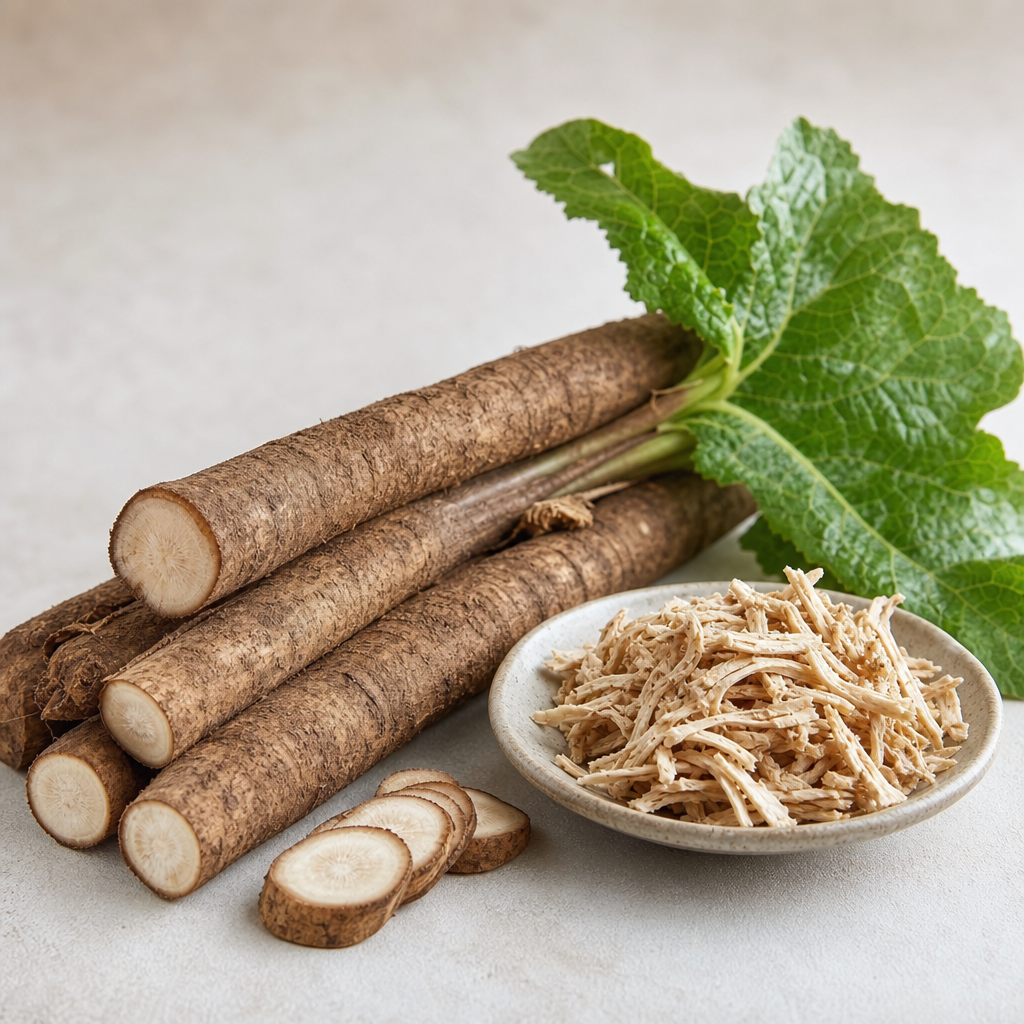
Burdock (Arctium lappa and related Arctium species) is a hardy biennial plant in the Asteraceae family, long used in European folk medicine and East Asian traditional cuisines and herbal practices. The root is the most commonly consumed part—known as “gobo” in Japan and “u-eong” in Korea—while the seeds (fruits) and leaves also appear in traditional herbal formulas. In modern wellness, burdock is positioned as an herb or botanical ingredient rather than a vitamin or mineral.
Burdock is not an essential nutrient; the body does not require it in the same way it requires vitamins, minerals, essential fatty acids, or amino acids. Instead, it is an herb/food-derived ingredient that supplies various plant compounds, including lignans (such as arctiin and arctigenin), inulin-type prebiotic fibers, phenolic acids, and flavonoids. These compounds have been investigated for potential antioxidant, anti-inflammatory, and other biological activities. As a food, burdock root offers dietary fiber and modest amounts of minerals; as a supplement or extract, it offers more concentrated, targeted dosing of specific plant constituents.
Benefits of Burdock
-
Antioxidant support
(Limited evidence)
Burdock root contains phenolic acids, quercetin derivatives, and lignans that demonstrate antioxidant activity in test-tube and animal studies. Small human studies and food-based use suggest it can contribute to overall antioxidant intake, but robust, long-term clinical trials confirming meaningful outcomes are limited. As part of a plant-rich diet, burdock may help buffer oxidative stress, though its standalone impact remains uncertain.
-
Support for healthy inflammatory balance
(Limited evidence)
Extracts of burdock have shown anti-inflammatory effects in preclinical research. A few small human trials have reported reductions in inflammatory biomarkers (for example, C-reactive protein) when burdock tea or extracts were used adjunctively in conditions associated with inflammation. However, sample sizes are small and methods vary, so conclusions are tentative. Burdock may be considered a complementary approach alongside established medical care and lifestyle measures.
-
Skin health and complexion
(Limited to Preliminary evidence)
Traditionally used as a “blood purifier,” burdock has been explored for skin concerns such as acne, dry or irritated skin, and photoaging. Some topical formulations containing burdock extracts show promise for supporting skin hydration and texture, while oral use has limited clinical data and relies largely on historical use and small trials. It may be reasonable as an adjunct to evidence-based skincare and nutrition, but it is not a cure for dermatologic conditions.
-
Glycemic support
(Mixed to Limited evidence)
Animal studies and a few small human studies suggest burdock root (often as tea or extract) may modestly support fasting glucose or insulin sensitivity. Effects are inconsistent, and study quality varies. People with diabetes or those on glucose-lowering medications should not use burdock as a substitute for medical care and should monitor glucose closely if they choose to use it, as additive effects are possible.
-
Digestive support and prebiotic fiber
(Moderate evidence for fiber benefits; Limited evidence specific to burdock)
Burdock root naturally contains inulin-type fructans that function as prebiotic fibers, which are generally recognized to support gut microbiota and regularity. While the benefits of prebiotic fibers are well established, burdock-specific trials are fewer. Culinary use of burdock as a vegetable can contribute to daily fiber intake and may support digestion when included as part of a varied, fiber-rich diet.
-
Urinary and mild diuretic effects
(Preliminary to Limited evidence)
Traditional use and small preclinical studies suggest gentle diuretic properties, which could help with transient water retention in otherwise healthy individuals. Clinical confirmation is limited, and people with kidney, heart, or blood pressure conditions—or those on diuretics—should exercise caution and seek medical advice before use.
-
Liver health adjunct
(Preliminary evidence)
In vitro and animal data suggest burdock may influence bile flow and protect liver cells from certain stressors. Human clinical evidence is preliminary. It should not replace medical treatments for liver disease, and anyone with liver conditions should consult a healthcare professional before considering use.
Types or Forms Available
-
Dried root (cut/sifted) for tea or decoction:
Common in traditional use. Typically simmered to draw out water-soluble compounds, including some lignans and prebiotic fibers. Flavor is earthy and slightly sweet-bitter.
-
Powdered root capsules or tablets:
Provide standardized dosing without the need to brew tea. Useful for those who prefer convenience or dislike the taste. Potency depends on raw material quality and processing.
-
Liquid extracts/tinctures (alcohol or glycerite):
Concentrated forms that can deliver a consistent amount of constituents. Ratios such as 1:5 or 1:2 indicate raw herb-to-solvent concentrations. Alcohol-based extracts tend to pull a broader spectrum of phytochemicals than water alone.
-
Standardized extracts:
Some products specify levels of arctiin/arctigenin or total phenolics to improve batch-to-batch consistency. Standardization can help with predictable dosing but does not guarantee superior clinical outcomes.
-
Topical creams/serums:
Formulated with burdock root or fruit (seed) extracts for skin hydration and cosmetic support. These target local effects on the skin barrier and appearance rather than systemic actions.
-
Seeds (fruit) and leaves:
Less commonly used in the West but present in traditional systems. The seed (often called “burdock fruit” in herbal texts) contains different proportions of active constituents than the root and may have distinct traditional indications; use with guidance from a qualified practitioner.
How to Use Burdock
As a food, burdock root can be eaten cooked, stir-fried, or simmered in soups. As a supplement or herbal preparation, it is typically used short- to medium-term to support specific wellness goals. Because research is not definitive, start with conservative amounts and assess tolerance and effects.
-
Common dosage range:
Dried root tea or capsules: about 1–2 grams per dose, up to 2–3 times daily (roughly 2–6 grams/day). Liquid extract/tincture: commonly 2–4 mL up to 3 times daily (following a 1:5 extract guideline), or per manufacturer directions. Standardized extracts: often 300–500 mg 1–3 times per day, depending on the product. Topicals: use as directed on the label.
-
Best timing:
Timing is flexible. If using for digestion or glycemic support, taking with meals may be sensible. For diuretic effects, avoid late-evening dosing to minimize nighttime urination.
-
How to take it:
Tea/decoction is simmered for 10–20 minutes to extract water-soluble components. Capsules and extracts can be taken with water; taking with food may improve gastrointestinal comfort.
-
Consistency:
For general wellness aims, consistent daily use for several weeks may be needed to notice effects. Reassess after 8–12 weeks. Long-term continuous use should be reviewed with a healthcare professional.
Food Sources and Supplement Options
Burdock is both a food and a botanical supplement. As a food, the fresh root is widely used in East Asian cuisines, providing fiber and a distinctive earthy flavor. As a supplement, it is available in teas, capsules, liquid extracts, and topical preparations. Food use supplies additional nutrients (notably fiber) and culinary enjoyment, while supplements allow more precise and concentrated dosing when a specific wellness target is desired.
-
Natural source:
Burdock root (gobo), seeds (fruit), and leaves from Arctium species; most common culinary form is the root.
-
Common culinary uses:
Stir-fries (e.g., kinpira gobo), simmered dishes, soups, and pickles.
Supplementation may make sense for those who do not regularly consume the root as food, prefer a tasteless capsule over tea, or are seeking a specific standardized extract at a consistent dose. Whole foods offer fiber and a spectrum of phytonutrients; supplements are more targeted but should be chosen for quality and used thoughtfully.
Who May Benefit from Burdock?
-
Individuals who enjoy culinary experimentation with nutrient-dense root vegetables and want to increase fiber intake through whole foods.
-
Adults seeking a gentle, traditional herb to complement routines for skin wellness, recognizing the evidence is limited and results vary.
-
People interested in adjunctive strategies for healthy inflammatory balance alongside medical care and lifestyle changes.
-
Those with borderline metabolic concerns, under healthcare supervision, who are already implementing diet, activity, and medication plans as needed.
-
Individuals looking for mild, occasional diuretic support who do not have kidney, heart, or blood pressure disorders and are not on diuretics.
-
Users who prefer topical, plant-based skincare products as part of a broader routine including sun protection and evidence-based derm care.
Side Effects and Considerations
-
Allergies:
Burdock is in the Asteraceae family (ragweed, daisies). People with known allergies to this family should avoid or exercise caution; allergic reactions can include rash, itching, or more serious responses.
-
Gastrointestinal effects:
Some users experience nausea, bloating, gas, or loose stools—especially with higher doses or strong teas. Taking with food and starting low may help.
-
Blood sugar interactions:
Burdock may have additive effects with antidiabetic medications or supplements. Monitor glucose closely and consult a clinician if you use insulin or oral hypoglycemics.
-
Diuretics and blood pressure medicines:
Gentle diuretic actions may interact with diuretic drugs and could modestly influence blood pressure. Combining may increase risk of dehydration or electrolyte imbalance; consult your healthcare provider.
-
Lithium caution:
Herbs with diuretic properties can alter lithium levels by changing fluid balance and renal clearance. Avoid combining without medical supervision and monitoring.
-
Anticoagulants/antiplatelets:
Some botanical constituents may influence platelet activity. Though clinical data are limited, use caution if taking blood thinners or before surgery.
-
Pregnancy and breastfeeding:
Safety data are insufficient. Avoid supplemental or concentrated forms unless advised by a qualified healthcare professional.
-
Kidney or liver conditions:
People with kidney or liver disease should seek medical advice before use. Burdock as a vegetable is typically safe in moderate amounts, but concentrated supplements warrant caution.
-
Adulteration and quality concerns:
Rare historical reports describe contamination with toxic plants (e.g., Atropa belladonna) due to misidentification. Choose reputable brands that perform identity testing and screen for heavy metals, pesticides, and microbial contaminants.
-
Pre-surgical use:
Because of potential effects on blood sugar and bleeding risk, discontinue supplemental burdock 1–2 weeks before scheduled surgery unless your surgical team advises otherwise.
-
Children and adolescents:
Safety data for supplemental forms are limited. Culinary amounts of the root are generally acceptable; avoid concentrated extracts unless directed by a pediatric professional.
Common Myths About Burdock
-
“Burdock detoxes the body and cleanses the blood completely.”
The liver, kidneys, lungs, skin, and gut already manage detoxification and waste removal continuously. Burdock may contribute antioxidants and fluid intake and is traditionally used for “purifying,” but evidence for comprehensive detox claims is lacking. Think of it as a supportive herb or food—not a standalone detox solution.
-
“If it’s natural, it’s automatically safe for everyone.”
Natural products can still cause side effects, allergies, and drug interactions. Burdock may interact with diabetes medications, diuretics, or blood thinners, and certain populations (pregnant or breastfeeding individuals, people with medical conditions) should be cautious.
-
“Burdock cures diabetes and melts fat.”
No high-quality evidence shows burdock cures metabolic diseases or causes rapid fat loss. Some small studies suggest modest glycemic or inflammatory support, but it should never replace prescribed therapies or lifestyle interventions.
-
“More is better.”
Higher doses increase the risk of gastrointestinal upset, interactions, and other adverse effects without guaranteeing better results. Use conservative, label-directed amounts and reevaluate with a clinician.
Conclusion
Burdock is a traditional herb and versatile root vegetable that offers fiber and a spectrum of phytochemicals. Early research and historical use suggest potential benefits for antioxidant support, inflammatory balance, skin wellness, digestion, and gentle diuretic effects, though clinical evidence remains limited and mixed in many areas. For most people, starting with food forms is a sensible, low-risk approach, while supplements can provide more targeted dosing for short-term, specific goals.
Choose quality products that verify identity and purity, especially to avoid contamination or adulteration. Individuals who are pregnant or breastfeeding, children, and those taking medications or managing medical conditions should consult a healthcare professional before use. Burdock is best used as part of a broader, evidence-informed plan—alongside a nutrient-dense diet, physical activity, sleep, and medical guidance—rather than as a cure-all.