What is Rosemary Leaf?
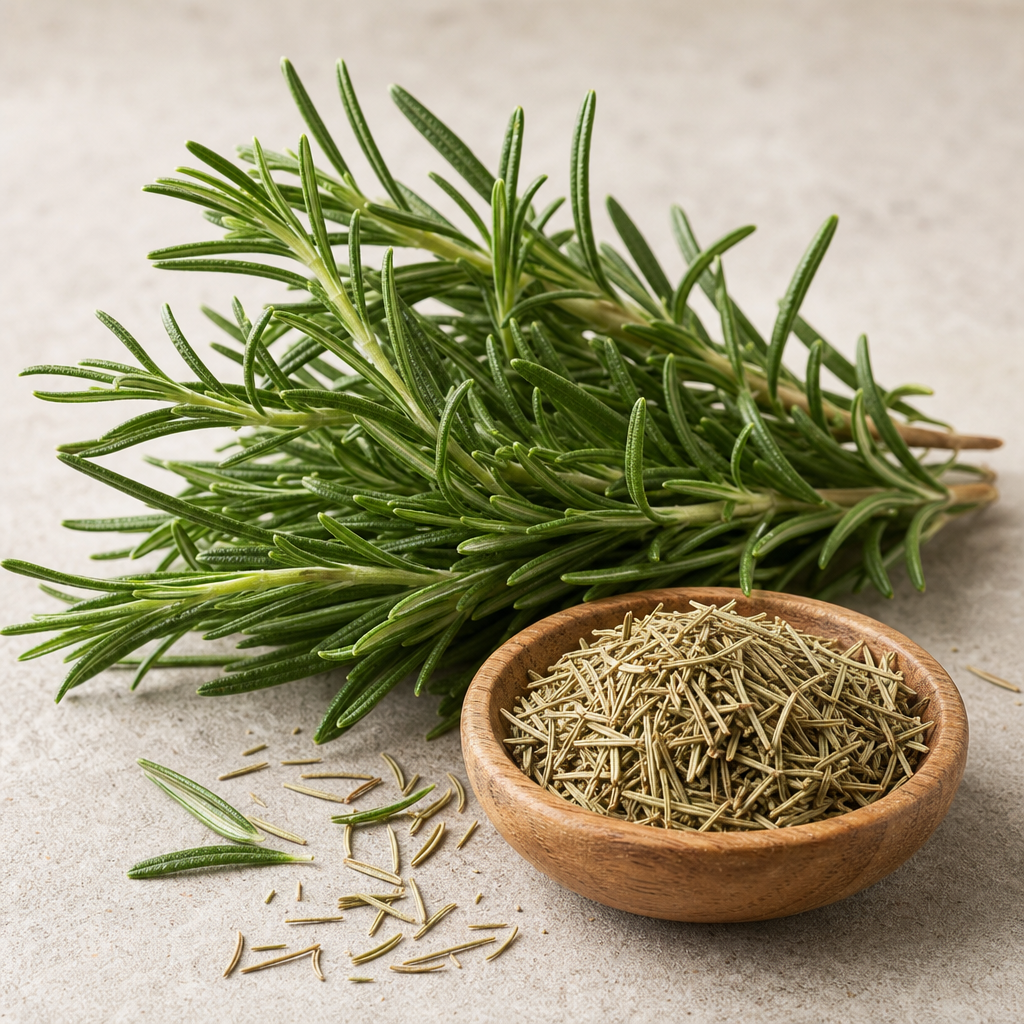
Rosemary leaf comes from the evergreen shrub Salvia rosmarinus (formerly Rosmarinus officinalis), a Mediterranean herb in the mint family. It is widely used as a culinary seasoning and traditional remedy. The leaf contains aromatic oils and polyphenols, most notably rosmarinic acid, carnosic acid, and carnosol, which have been studied for antioxidant and anti-inflammatory properties. Rosemary can be used fresh or dried in food, brewed as an herbal tea, applied topically in diluted essential-oil preparations, or taken as standardized extracts in supplements.
Rosemary leaf is an herb and botanical ingredient, not an essential nutrient. The body does not require rosemary in the same way it requires vitamins, minerals, essential fatty acids, or essential amino acids. However, its bioactive compounds may influence health-related processes such as oxidative balance, digestion, alertness, and skin or scalp comfort. Research in humans ranges from culinary and food-science studies to small clinical trials, with the overall evidence varying by outcome.
Benefits of Rosemary Leaf
-
Supports antioxidant defenses and oxidative balance
(Moderate evidence)
Rosemary’s polyphenols, particularly rosmarinic acid and carnosic acid, scavenge free radicals and help stabilize fats during cooking. Human studies show that rosemary used in marinades or meals can reduce the formation of some oxidation byproducts and potentially lower post-meal oxidative stress markers. While this supports physiological antioxidant defenses, evidence for long-term disease outcomes is not established.
-
May aid focus and alertness (aroma and oral forms)
(Mixed evidence)
Small trials suggest that inhaling rosemary aroma may modestly improve alertness or aspects of memory and reaction time in the short term. Oral doses in some studies show neutral effects, while higher doses have occasionally impaired performance, indicating a dose-sensitive response. Findings vary by method (aromatherapy vs. ingestion), dose, and individual sensitivity, so consistent cognitive benefits are uncertain.
-
Digestive comfort (carminative herb)
(Limited evidence)
Traditional use of rosemary leaf tea or extracts for mild digestive discomfort, gas, or a sense of heaviness after meals is supported by its aromatic bitters and spasmolytic properties. Small human and mechanistic studies suggest rosemary may help relax intestinal smooth muscle and support bile flow. However, rigorous clinical trials are limited, and benefits may be modest.
-
Scalp and hair support (topical use of rosemary oil derived from leaf)
(Limited evidence)
Topical preparations made from rosemary leaf essential oil have shown promise for scalp comfort and early hair thinning in small studies, with some data suggesting comparable outcomes to low-strength minoxidil over several months. Benefits, if any, likely require consistent use and proper dilution to avoid irritation. Large, high-quality trials are needed.
-
Glycemic and lipid-related markers
(Preliminary evidence)
Early trials with rosemary tea or standardized extracts report small improvements in fasting glucose, insulin sensitivity, or lipids in certain groups. These findings are not uniform across studies and typically involve short durations. Larger, longer trials are needed to confirm clinical significance and identify effective dosing strategies.
-
Culinary use may reduce harmful compounds in cooked meats
(Moderate evidence)
When used as a marinade or seasoning, rosemary can reduce the formation of heterocyclic amines and lipid oxidation products during high-heat cooking. This is well supported in food-science research and is a practical, low-risk culinary application. While this improves the quality of cooked foods, direct links to long-term health outcomes require more study.
Types or Forms Available
-
Fresh or dried leaf (culinary herb):
Used in cooking, rubs, and marinades. Provides flavor plus naturally occurring polyphenols. Heat-stable compounds like carnosic acid help protect fats when grilling or roasting.
-
Herbal tea (infusion):
Dried leaf steeped in hot water. Delivers water-soluble components such as rosmarinic acid. Potency varies with leaf quality, steep time, and water temperature.
-
Powdered leaf capsules or tablets:
Ground herb in supplemental form for convenience. Less standardized than extracts; polyphenol content can vary widely by brand and batch.
-
Standardized extracts:
Concentrated leaf extracts often standardized to rosmarinic acid and/or carnosic acid. Offer more predictable levels of active compounds compared with simple powdered herb. Formulations may be ethanol or water-based; labels sometimes specify percentages of marker compounds.
-
Essential oil (for aromatherapy or topical use only):
Steam-distilled from the leaves; rich in volatile constituents like 1,8-cineole and camphor. Highly concentrated and not the same as a tea or ingestible extract. Not intended for oral use; must be diluted for skin application.
-
CO2 or other solvent extracts (topical or supplemental):
Specialized extracts that may preserve certain compounds differently. Typically used in advanced formulations; quality and concentration vary.
How to Use Rosemary Leaf
Rosemary can be incorporated through food, tea, topical applications, aroma, and standardized supplements. Start with conservative amounts and observe how you feel, especially if you take medications or have medical conditions.
-
Common dosage range:
Culinary use is generally free-form within normal cooking amounts. For tea, 1–2 grams of dried leaf (about 1–2 teaspoons) steeped in 200–250 mL hot water for 5–10 minutes, up to 1–3 cups per day. For capsules of powdered leaf, commonly 500–1,000 mg once or twice daily. For standardized extracts, many products provide approximately 100–300 mg per day, depending on the percentage of rosmarinic or carnosic acid; follow product instructions. Essential oil should not be ingested; for topical use, dilute to 1–2% in a carrier oil (about 6–12 drops per 30 mL) and patch test first.
-
Best timing:
Timing is flexible. Many people take rosemary with meals to minimize gastrointestinal upset and to pair antioxidant compounds with dietary fats. For focus or alertness, brief aromatherapy before a task may be useful for some individuals.
-
How to take it:
Tea and capsules are typically taken with water. Extracts are usually taken with food. Culinary use in marinades or alongside higher-fat meals can help protect fats during cooking. For topical scalp applications, apply diluted oil to the scalp and wash hands thoroughly afterward.
-
Consistency:
Culinary and tea use can be occasional or daily. For potential scalp or cognitive benefits, consistent use over weeks may be necessary; hair-related outcomes may take 3–6 months. Avoid escalating to high doses; more is not always better and may increase side effects.
Food Sources and Supplement Options
Rosemary leaf is naturally found in the rosemary plant itself and is widely available as a fresh or dried culinary herb. It is also sold as tea, powdered herb capsules, standardized extracts, and essential oil (for non-oral uses). Because rosemary is a botanical rather than a vitamin or mineral, you can obtain its compounds from both foods and supplements, depending on your goals.
-
Natural source:
Fresh or dried rosemary leaves used in cooking, teas, and marinades.
-
Supplements:
Powdered leaf and standardized extracts that provide more predictable levels of rosmarinic and/or carnosic acid, as well as essential oil for aromatherapy or topical use (not for ingestion).
Supplementation may make sense if you want consistent, quantified amounts of specific compounds or if you are targeting a particular application (for example, a standardized extract for research-aligned dosing or a diluted essential-oil preparation for scalp use). Whole-food culinary use offers additional flavor, meal enjoyment, and synergy with other food nutrients, while supplements can provide more targeted and convenient dosing. Many people benefit from a food-first approach and add supplements only when there is a clear purpose.
Who May Benefit from Rosemary Leaf?
-
Home cooks who want to enhance flavor while reducing sodium, and who value the culinary antioxidant effect of herbs in marinades.
-
People seeking gentle digestive support from an aromatic, carminative tea after meals.
-
Students or professionals interested in short-term alertness support via aromatherapy, recognizing that effects vary between individuals.
-
Adults noticing early scalp or hair concerns who want to try a diluted rosemary essential-oil preparation as an adjunct to standard approaches.
-
Individuals who frequently grill or high-heat cook meats and want to reduce the formation of some oxidation products through herb-rich marinades.
-
Herb enthusiasts looking for a convenient, standardized extract to ensure consistent polyphenol intake, acknowledging that health outcomes are not guaranteed.
-
Athletes who prefer low-risk aromatherapy for perceived alertness before training or competition, while avoiding high-dose antioxidant supplements near workouts.
Side Effects and Considerations
-
Gastrointestinal upset:
Large amounts of rosemary tea or supplements may cause nausea, stomach discomfort, or reflux in sensitive individuals. Start low and take with food.
-
Allergies and sensitivities:
People allergic to plants in the mint family (Lamiaceae) may react to rosemary. Essential oil can irritate skin; always dilute and patch test before use.
-
Blood pressure and seizure considerations:
Highly concentrated forms, especially essential oil, have stimulating constituents (e.g., camphor). People with hypertension, arrhythmias, or seizure disorders should avoid high-concentration exposures and consult a healthcare professional, particularly with aromatherapy or topical use.
-
Bleeding and medication interactions:
Rosemary’s polyphenols may have mild antiplatelet effects. Use caution with anticoagulants or antiplatelet drugs (e.g., warfarin, apixaban, clopidogrel), high-dose NSAIDs, or before surgery. Stop supplemental use at least 1–2 weeks prior to procedures unless your clinician advises otherwise.
-
Blood sugar and blood pressure medications:
Early data suggest potential effects on glycemic and blood pressure markers. If you use antidiabetic or antihypertensive medications, monitor closely and speak with your clinician before starting a rosemary supplement.
-
Pregnancy, breastfeeding, and children:
Culinary amounts are generally considered acceptable, but medicinal doses of leaf and all oral use of essential oil should be avoided unless a qualified professional advises otherwise, due to limited safety data.
-
Liver and kidney conditions:
While significant toxicity from typical culinary use is unlikely, concentrated extracts and essential oils place greater demands on detoxification. People with liver or kidney disease should use caution, choose reputable brands, and discontinue if adverse symptoms occur.
-
Essential oil ingestion is unsafe:
Rosemary essential oil is not for internal use and can be toxic if swallowed, potentially causing vomiting, breathing difficulties, or seizures. Keep out of reach of children and pets.
-
Quality and adulteration:
Choose products from reputable manufacturers that provide clear labeling, standardization details, and third-party testing for purity and contaminants (e.g., heavy metals, solvent residues).
Common Myths About Rosemary Leaf
-
“Rosemary cures memory loss or Alzheimer’s.”
While small studies suggest rosemary aroma may transiently support alertness or certain memory tasks, there is no robust evidence that rosemary treats or cures neurodegenerative diseases. It can be part of a broader lifestyle approach, but it is not a stand-alone therapy.
-
“Essential oil is just a stronger tea, so it’s safe to drink.”
Essential oil is a highly concentrated, distilled product that differs chemically and pharmacologically from tea or whole herb. It should not be ingested due to toxicity risks and must be diluted for skin use.
-
“If a little helps, a lot helps more.”
Higher doses can increase side effects and do not guarantee better results. For cognitive effects, some studies show an inverted U-shaped response where too much may impair performance. Stick to conservative, evidence-aligned amounts.
-
“Natural means no interactions.”
Rosemary may affect blood clotting, blood sugar, or blood pressure, and can irritate skin in essential-oil form. Natural products can still interact with medications and underlying conditions.
Conclusion
Rosemary leaf is a versatile culinary herb with bioactive compounds that can support antioxidant balance in meals, offer gentle digestive comfort, and provide aroma-associated alertness for some people. Topical preparations from the leaf’s essential oil may help with scalp concerns in select cases, but evidence remains limited and requires consistent, careful use. For most, a food-first approach—using rosemary in cooking and tea—balances flavor, safety, and practicality.
Those who are pregnant or breastfeeding, children, individuals with seizure disorders, hypertension, bleeding risks, diabetes, or those taking medications should consult a healthcare professional before using concentrated forms or supplements. If you choose a supplement, prioritize reputable brands with clear standardization and third-party testing. Use conservative doses, avoid essential oil ingestion, and consider rosemary as one helpful piece of a broader, well-rounded nutrition and wellness plan rather than a cure-all.