What is Biotin?
Biotin, also known as vitamin B7 or vitamin H, is a water-soluble, essential B vitamin. It serves as a coenzyme for several carboxylase enzymes that are central to energy metabolism, helping the body process carbohydrates, fats, and certain amino acids. Because it is an essential nutrient, humans must obtain biotin regularly from food or supplements; the body cannot make enough on its own to meet needs.
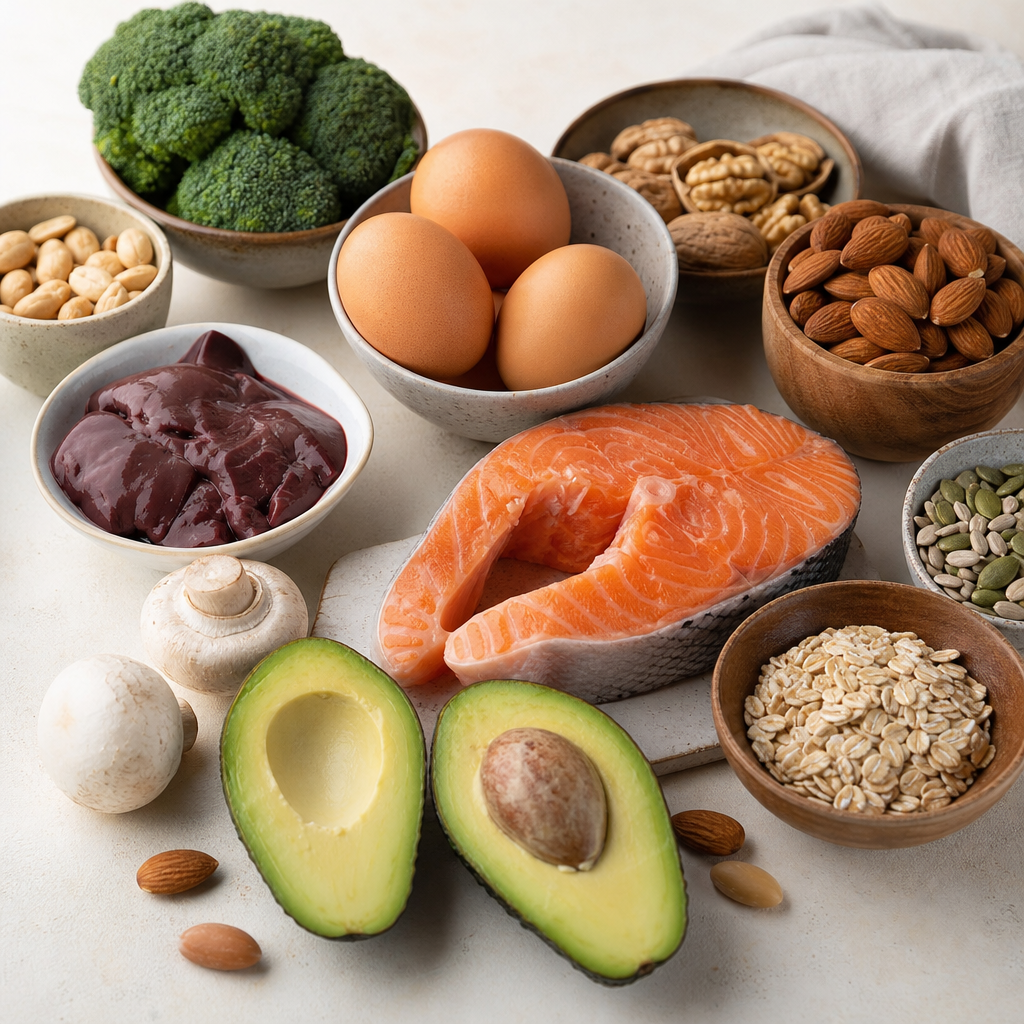
In everyday nutrition, biotin is present in a wide range of foods, including organ meats, egg yolks, legumes, nuts, seeds, and some vegetables. The gut microbiota can synthesize biotin, but this contribution is thought to be limited and not reliably absorbed. As a dietary supplement, biotin is commonly marketed for hair, skin, and nail support, although the strongest, most consistent role of biotin is as a metabolic cofactor and in preventing deficiency-related problems.
Benefits of Biotin
-
Supports energy metabolism and macronutrient utilization
(Strong evidence)
Biotin is a required coenzyme for several carboxylases (e.g., pyruvate carboxylase, acetyl-CoA carboxylase, propionyl-CoA carboxylase, and methylcrotonyl-CoA carboxylase). These enzymes enable the body to convert carbohydrates, fats, and certain amino acids into usable energy and to synthesize fatty acids. Adequate biotin status is essential for normal metabolic function across tissues.
-
Maintains healthy hair, skin, and nails—when deficiency is present
(Moderate evidence)
Biotin deficiency can lead to hair loss, skin rashes (especially around the eyes, nose, and mouth), and brittle nails. In deficient individuals, restoring biotin typically reverses these symptoms. In people with normal biotin status, evidence that extra biotin improves hair thickness or nail quality is limited, and benefits, if any, are usually modest.
-
Supports normal fetal development during pregnancy (by preventing deficiency)
(Strong evidence)
Pregnancy appears to increase biotin turnover, and marginal biotin deficiency may be more common during this period. Ensuring adequate intake helps maintain maternal metabolic health and supports fetal growth and development. Supplementation above the usual adequate intake has not consistently shown additional benefits in healthy pregnancies, so “more” is not necessarily better.
-
May help brittle nails in some individuals without overt deficiency
(Limited evidence)
A few small, mostly uncontrolled studies report increased nail thickness or reduced brittleness with biotin supplementation (often around 2.5 mg/day). However, robust randomized trials are lacking, and not everyone responds. If tried, it should be done cautiously and with realistic expectations.
-
Potential effects on glucose and lipid markers
(Mixed evidence)
Some studies—particularly those combining biotin with chromium—report small improvements in blood glucose or lipid profiles, while others find no meaningful effect. Evidence for biotin alone is inconsistent, and any metabolic improvements appear modest at best in people without deficiency.
-
High-dose biotin for certain neurological conditions (investigational)
(Mixed evidence)
Very high doses of biotin have been studied in progressive multiple sclerosis and rare metabolic disorders. Results are inconsistent, and such dosing can interfere with many lab tests. These therapeutic uses should only occur under specialist supervision; they are not general wellness applications.
Deficiency or Low Levels of Biotin
-
Common signs of low levels:
Symptoms can include thinning hair or diffuse hair loss; scaly, red dermatitis (often around eyes, nose, and mouth); conjunctivitis; brittle nails; fatigue; and, in more severe deficiency, neurologic issues such as depression, paresthesias, ataxia, or seizures. In infants, deficiency can present with dermatitis, alopecia, and developmental concerns.
-
Who may be at risk:
People with genetic biotinidase deficiency or holocarboxylase synthetase deficiency; those consuming raw egg whites long term (avidin binds biotin); individuals with malabsorption (e.g., inflammatory bowel disease, short-bowel syndrome, post-bariatric surgery), prolonged parenteral nutrition without adequate vitamins, or chronic alcoholism; users of certain anticonvulsants (e.g., carbamazepine, phenobarbital, phenytoin, primidone); and pregnant individuals, who may have increased biotin turnover.
-
How it is checked:
Plasma or serum biotin levels can vary and are not always reliable. Functional markers such as urinary 3-hydroxyisovaleric acid or biotin-dependent carboxylase activity (holocarboxylase) may better reflect status. Newborn screening detects biotinidase deficiency via enzyme activity. Because high-dose supplements can interfere with many immunoassays, always tell your clinician about any biotin intake before testing.
Types or Forms Available
-
D-biotin (free biotin)
: The naturally occurring, bioactive form used in most supplements, multivitamins, and B-complex products. This is the standard, well-absorbed form for general use.
-
High-potency capsules/tablets (e.g., 1,000–10,000 mcg)
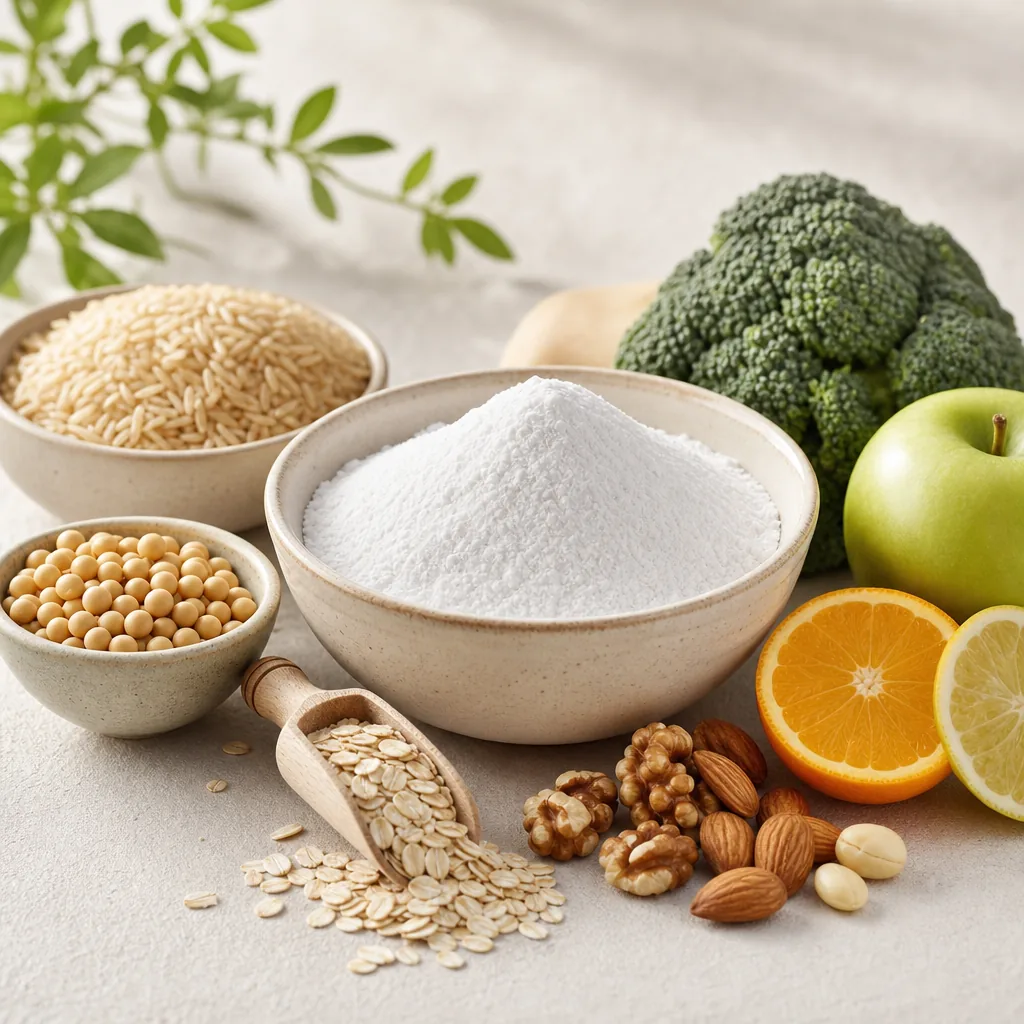
: Popular for “hair, skin, and nails” products. These doses exceed typical daily needs; benefits beyond correcting deficiency are uncertain and higher doses increase the risk of lab test interference.
-
Liquids, drops, and gummies
: Alternative delivery formats that can ease swallowing. They offer no clear absorption advantage over capsules but can differ in sugar content and stability; quality and dosing accuracy vary.
-
B-complex and multivitamins
: Provide biotin alongside other B vitamins and minerals. Useful when overall micronutrient adequacy is the goal rather than targeting biotin alone.
-
Topical biotin (shampoos/serums)
: Often marketed for hair or nails, but skin penetration is minimal and clinical evidence for meaningful effects is limited compared with oral correction of deficiency.
How to Use Biotin
Most people with a balanced diet meet their biotin needs from food. Supplementation can be considered for those at risk of low intake or with physician-identified deficiency. Choose products with sensible doses and third-party testing, and inform your healthcare provider about any biotin use because it can affect laboratory results.
-
Common dosage range:
The adequate intake (AI) for adults is about 30 mcg/day (35 mcg/day for breastfeeding). Many standalone supplements provide 30–300 mcg, which is generally sufficient for routine support. Higher doses (e.g., 1,000–10,000 mcg) are common in beauty formulas but are not well supported for additional benefit and increase the chance of lab test interference. Very high doses used in certain medical conditions should be supervised by a specialist.
-
Best timing:
Timing is flexible. Because biotin is water-soluble, once-daily dosing is typical. Taking it at the same time each day helps with consistency.
-
How to take it:
Swallow with water. It can be taken with or without food; a small meal may help if you experience any stomach upset. Avoid consuming raw egg whites regularly, as they contain avidin, a protein that binds biotin and reduces absorption.
-
Consistency:
Daily intake is preferred to maintain adequate levels. For targeted trials (e.g., brittle nails), measurable changes may require several months; reassess benefit periodically and avoid indefinite high-dose use without a clear rationale.
Food Sources and Supplement Options
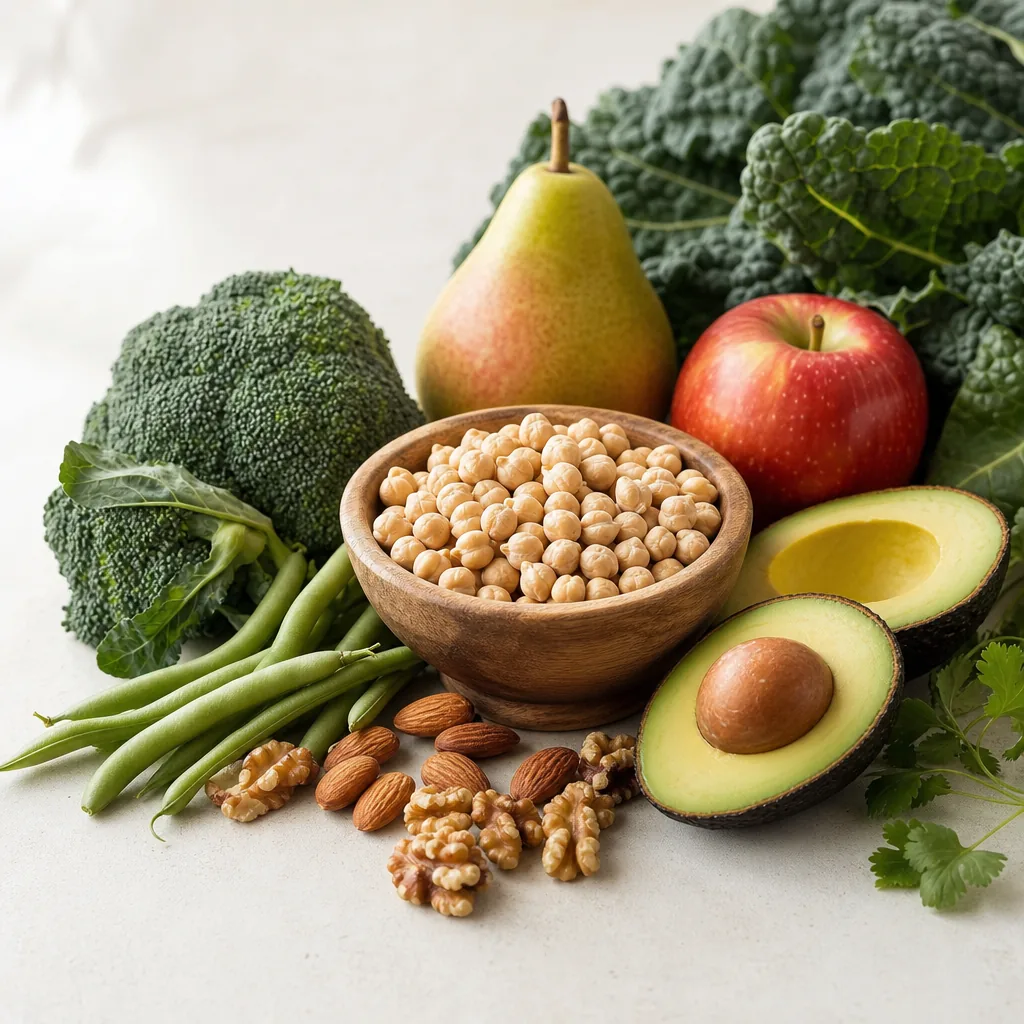
Biotin is naturally found in foods and also widely available as a supplement. A food-first approach typically provides adequate amounts along with other beneficial nutrients and fiber. Supplements can be helpful for people with diagnosed low status, at-risk groups, or when intake is uncertain, but they are not a substitute for a balanced diet.
-
Organ meats (liver, kidney)
-
Cooked egg yolks (avoid raw whites, which contain avidin)
-
Legumes (soybeans, peanuts, lentils)
-
Nuts and seeds (almonds, walnuts, sunflower seeds)
-
Whole grains and wheat germ
-
Mushrooms
-
Sweet potatoes
-
Avocado, banana
-
Dairy and some fish contain smaller amounts
Supplements may be considered when dietary intake is low, absorption is impaired, or a clinician recommends correction of deficiency. Whole foods offer additional vitamins, minerals, phytonutrients, and protein, while supplements can provide predictable dosing and convenience. If supplementing, choose reputable brands with third-party testing and avoid megadoses unless medically indicated.
Who May Benefit from Biotin?
-
Individuals with confirmed or suspected deficiency (e.g., due to malabsorption, prolonged parenteral nutrition without vitamins, chronic alcoholism, or long-term raw egg white consumption).
-
People taking certain anticonvulsant medications that can reduce biotin levels (e.g., carbamazepine, phenobarbital, phenytoin, primidone), after discussing with their clinician.
-
Pregnant individuals with limited intake, poor appetite, or nausea affecting diet quality; aim to meet, not exceed, recommended amounts unless advised otherwise.
-
Post–bariatric surgery patients or those with inflammatory bowel disease or short-bowel syndrome, where absorption may be compromised.
-
Individuals with brittle nails or hair loss associated with low biotin status; responses in those with normal status are variable and often modest.
-
People with rare genetic conditions affecting biotin metabolism (biotinidase deficiency, holocarboxylase synthetase deficiency), under medical supervision.
Side Effects and Considerations
-
Generally well tolerated at typical dietary and supplement intakes; occasional mild nausea, cramping, or skin rash can occur in sensitive individuals.
-
Lab test interference is a major concern, especially at high doses. Biotin can cause falsely high or low results in many immunoassays (e.g., thyroid hormones, troponin, reproductive hormones, parathyroid hormone, vitamin D). Inform healthcare providers about biotin use and consider stopping supplements 48–72 hours (or longer for very high doses) before blood tests, as advised by your clinician or lab.
-
Medication interactions: Certain anticonvulsants (carbamazepine, phenobarbital, phenytoin, primidone) may lower biotin levels; long-term broad-spectrum antibiotics may reduce microbiota-derived biotin, though the impact is usually small if dietary intake is adequate.
-
Health conditions: People with kidney disease, liver disease, or those on complex medication regimens should avoid high-dose biotin without medical guidance due to potential accumulation or test interference concerns.
-
Pregnancy and breastfeeding: Aim to meet recommended intakes (about 30–35 mcg/day). Avoid high-dose products unless prescribed. If you are pregnant, planning pregnancy, or breastfeeding, consult a healthcare professional before using supplements.
-
Children and adolescents: Use only age-appropriate doses. Avoid high-dose “beauty” products in minors unless directed by a pediatric clinician.
-
Allergies and sensitivities: True biotin allergy is rare. Check inactive ingredients (e.g., dyes, gelatin, sweeteners) if you have sensitivities or follow dietary restrictions.
-
Quality considerations: Choose products from brands that use third-party testing to confirm potency and purity. Be careful not to confuse micrograms (mcg) with milligrams (mg); 5,000–10,000 mcg equals 5–10 mg.
-
Surgery or acute care: Because of lab interference risks, disclose biotin use to surgical and emergency teams; inaccurate lab values can affect clinical decisions.
-
Do not use megadoses for unproven benefits. Supplements with drug-like dosing for neurological conditions should only be used under specialist supervision.
Common Myths About Biotin
-
Myth: “Biotin supplements make everyone’s hair grow faster and thicker.”
Most people already get enough biotin from food. While deficiency can cause hair loss and correcting it helps, evidence that extra biotin improves hair in well-nourished individuals is limited. Managing overall nutrition, iron status, thyroid health, stress, and hair care practices often matters more.
-
Myth: “If 30 mcg is good, 10,000 mcg must be better.”
Higher doses have not consistently shown superior results for hair, skin, or nails, and they increase the risk of misleading lab tests. Meeting daily needs is the goal; megadoses should not be used without a clear medical reason.
-
Myth: “A standard vitamin blood test can always tell if I need biotin.”
Biotin status is tricky to assess. Serum levels fluctuate and may not reflect tissue sufficiency. Functional markers and clinical evaluation are more informative, and high-dose biotin can distort unrelated lab tests, complicating interpretation.
-
Myth: “Biotin is only a beauty vitamin.”
Biotin is primarily a metabolic coenzyme essential for energy production and fatty acid synthesis. Its most reliable role is preventing deficiency and supporting normal physiology, not delivering cosmetic transformations.
Conclusion
Biotin is an essential B vitamin that underpins everyday energy metabolism and helps maintain healthy hair, skin, and nails when deficiency is present. Most people can meet their needs through a varied diet that includes foods like cooked eggs, legumes, nuts, seeds, mushrooms, and organ meats. Supplements can be useful for at-risk groups, individuals with diagnosed low status, or when intake is uncertain. Choose products with sensible doses and third-party testing, and avoid megadoses for unproven benefits.
Because biotin can interfere with many common laboratory tests, always inform your healthcare team about your use and follow their guidance on pausing supplements before bloodwork. People who are pregnant or breastfeeding, taking medications, or managing medical conditions should consult a qualified professional to personalize intake. A food-first approach is usually best, reserving supplements for targeted, evidence-informed use.