What is Alpha GPC?
Alpha GPC (L-alpha-glycerylphosphorylcholine) is a choline-containing compound found naturally in small amounts in the body and in certain foods. It serves as a precursor to choline, which is used to produce the neurotransmitter acetylcholine—important for memory, attention, and muscle activation—and to support cell membrane integrity via phospholipids. In supplements, Alpha GPC is typically derived from purified lecithin and is valued for its ability to efficiently deliver choline.
Alpha GPC is best described as a food-derived bioactive compound and dietary supplement, not an essential nutrient. Unlike vitamins and minerals that must be consumed regularly to prevent deficiency diseases, the body does not require Alpha GPC specifically. However, it can be a useful supplemental source of choline, particularly in contexts where targeted acetylcholine support is desired (for example, certain cognitive goals or athletic performance routines). In some countries, pharmaceutical-grade Alpha GPC has been studied for cognitive disorders, though study quality and results vary.
Benefits of Alpha GPC
-
Cognitive support in age-related decline or mild cognitive impairment
(Mixed evidence)
Older clinical trials, including some controlled studies, suggest Alpha GPC may modestly support memory, attention, and functional performance in people with cognitive impairment. However, not all studies are high quality, and results are inconsistent across populations and dosing regimens. Benefits, when present, tend to be modest and more apparent in those with existing cognitive issues rather than in healthy young adults.
-
Post-stroke cognitive recovery and neurological rehabilitation
(Mixed evidence)
Some clinical research and observational reports indicate Alpha GPC may assist aspects of cognitive recovery after stroke or transient ischemic attack when used alongside standard rehabilitation. While these signals are encouraging, methodologies are often variable and not universally rigorous. Any use in this context should be clinician-guided and integrated with comprehensive medical care.
-
Attention, working memory, and mental focus in healthy adults
(Limited evidence)
Small studies and short-term trials show Alpha GPC can raise circulating choline and may acutely influence attention and memory tasks. Yet findings are inconsistent, sample sizes are small, and effects, if present, are generally subtle. Larger, well-controlled studies are needed to establish reliable benefit for healthy individuals seeking cognitive enhancement.
-
Acute power output and strength performance
(Preliminary evidence)
Early research in resistance training suggests that a single pre-exercise dose of Alpha GPC may produce small increases in power output (for example, in vertical jump or peak force). Results are not uniform, and practical significance varies. This potential ergogenic effect appears modest and may depend on dose, timing, training status, and the specific performance test.
-
Growth hormone response after a single dose
(Preliminary evidence)
Acute studies report transient increases in growth hormone after Alpha GPC ingestion. The effect, when observed, is short-lived, and there is no clear evidence that it translates into meaningful changes in muscle mass, strength, or body composition over time. This outcome should not be used as a primary reason to supplement.
-
Supplemental choline source
(Limited evidence)
Alpha GPC reliably increases circulating choline and contributes to acetylcholine synthesis. While this is mechanistically sound, direct clinical outcomes tied to improved “choline status” via Alpha GPC in healthy people are not well established. For most individuals, choline-rich foods can meet needs, with supplementation considered when diet is insufficient or targeted dosing is desired.
Types or Forms Available
-
Alpha GPC 50% powder or granules
Often labeled as “50%,” this form is blended with carriers to reduce clumping because pure Alpha GPC is highly hygroscopic (attracts moisture). It is common in bulk powders and some capsules. Doses on labels are typically adjusted so the stated amount corresponds to actual Alpha GPC content.
-
Alpha GPC 98–99% (high-purity) powder
More concentrated and often used in premium capsules. It tends to clump or liquefy if exposed to humidity, so packaging and storage are important. Because of higher purity, capsule sizes can be smaller for the same dose.
-
Capsules and tablets
Convenient, pre-measured forms that reduce issues with moisture and taste. Many products standardize the dose per capsule (e.g., 300 mg) and may include desiccants to protect from humidity.
-
Liquid or liposomal formulations
Less common but marketed for absorption and ease of use. Quality and stability can vary; verify third-party testing when possible.
-
Combination products (“nootropic” or performance blends)
Alpha GPC is sometimes paired with caffeine, L-tyrosine, or herbal extracts. While combinations can be convenient, they make it harder to identify what ingredient is causing a benefit or side effect. Be cautious with stimulant-containing blends.
-
Comparison to other choline forms
Alpha GPC and citicoline (CDP-choline) are generally considered more effective at raising brain choline than simple salts like choline bitartrate, though head-to-head evidence is limited. Phosphatidylcholine (lecithin) provides choline within a fat matrix and is common in foods; it may be gentler on the stomach but delivers less choline per gram than concentrated supplements.
How to Use Alpha GPC
Alpha GPC can be used for cognitive goals or occasional pre-workout support. Individual responses vary, so start low and adjust gradually within safe ranges.
-
Common dosage range:
300–600 mg per day for general cognitive support, taken as a single dose or split into two doses. For athletic performance, 300–600 mg about 30–60 minutes before training is common. Clinical studies in cognitive impairment have used up to 1,200 mg per day in divided doses under medical supervision. Avoid megadoses; higher amounts increase the likelihood of side effects without clear added benefit.
-
Best timing:
Morning or early afternoon is typical for cognitive support. Pre-workout doses are taken 30–60 minutes before exercise. To reduce potential sleep disturbance or vivid dreams, avoid taking late in the evening.
-
How to take it:
Can be taken with water; taking with a small meal may help minimize gastrointestinal discomfort. Ensure adequate hydration and consider consistent meal timing to assess tolerance.
-
Consistency:
For cognitive support, daily use for several weeks may be needed to fairly assess effects. For performance, occasional pre-training use is common. Periodic breaks (for example, 1–2 weeks off every 6–8 weeks) can help gauge ongoing need.
Food Sources and Supplement Options
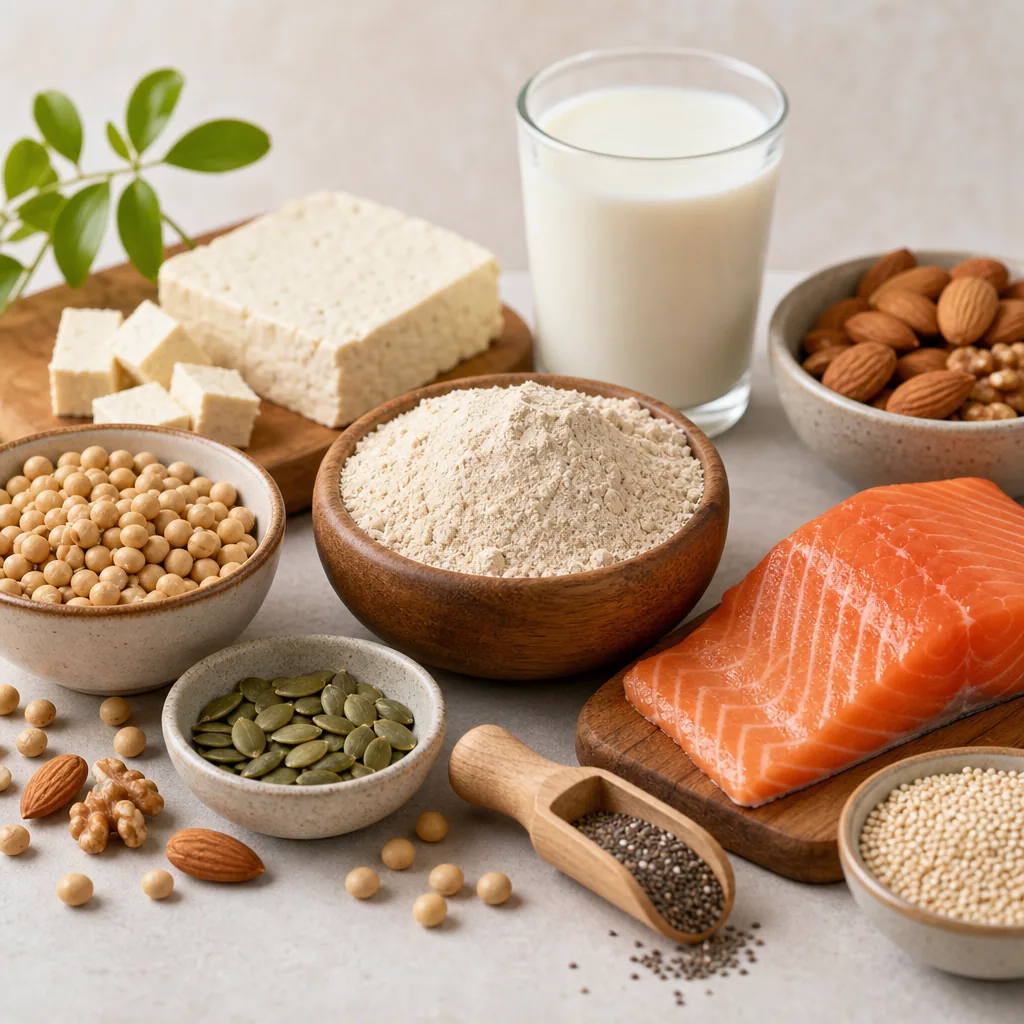
Alpha GPC itself occurs naturally in very small amounts in some foods, especially dairy (including human and cow’s milk) and organ meats. However, typical diets provide only trace amounts of Alpha GPC. Most people obtain meaningful amounts only through supplements. In contrast, choline—the nutrient Alpha GPC supplies—is widely available from whole foods.
-
Milk and dairy products (contain small amounts of glycerophosphorylcholine)
-
Organ meats such as liver and kidney (trace Alpha GPC; rich in choline overall)
-
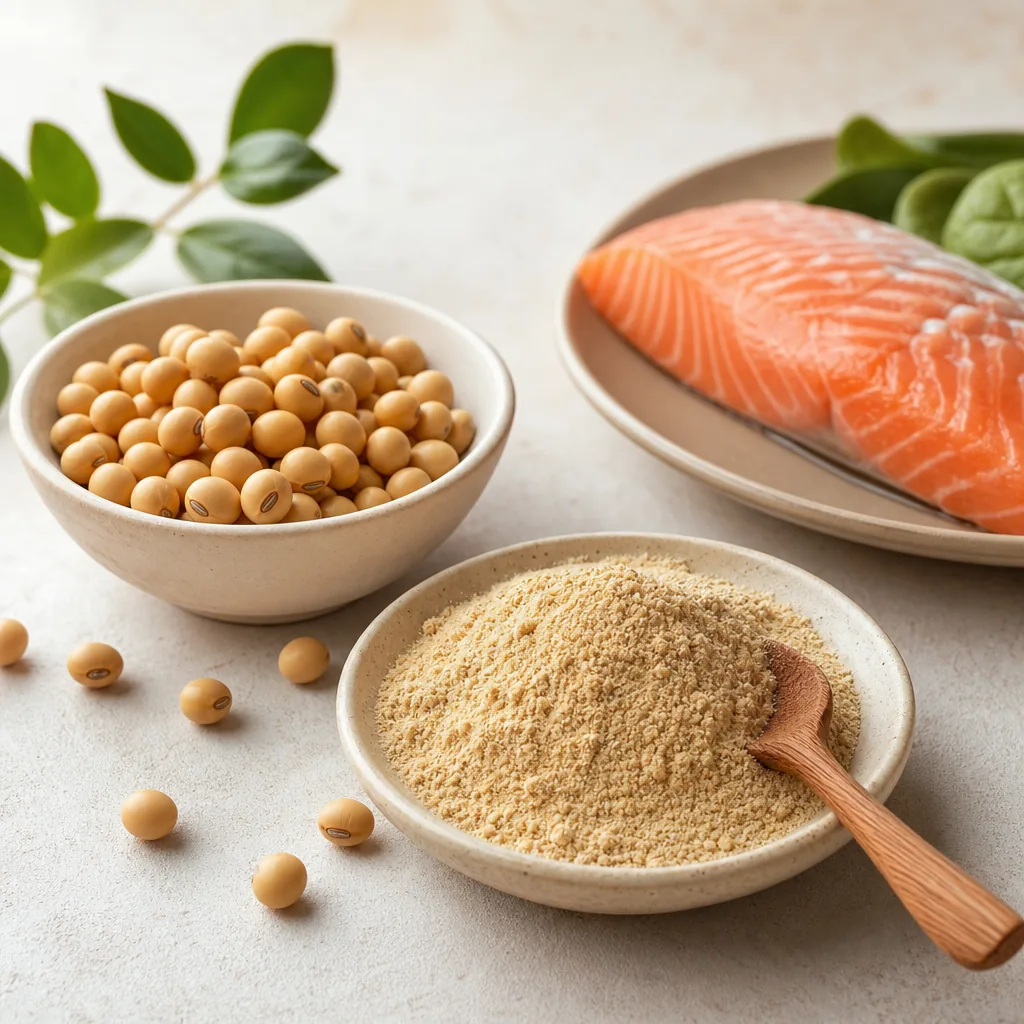
Wheat germ and soy-derived foods (minor amounts of GPC; good choline sources)
-
Eggs, beef, poultry, fish, legumes, and potatoes (primarily as choline rather than Alpha GPC)
Supplementation may make sense when a person wants a targeted choline source with good brain availability, has a low-choline diet they cannot readily change, or is exploring structured cognitive or performance protocols. Whole foods remain foundational because they deliver choline alongside other beneficial nutrients (for example, B vitamins, omega-3s, and protein). Supplements provide precise dosing but do not replace the broader nutritional value of a balanced diet.
Who May Benefit from Alpha GPC?
-
Adults interested in cautiously exploring cognitive support after discussing options with a healthcare professional, especially if experiencing age-related cognitive complaints.
-
Individuals in post-stroke cognitive rehabilitation programs, when supervised by a clinician as part of a comprehensive plan.
-
Athletes or active individuals seeking a modest, acute boost in power output for specific sessions, understanding effects are variable and generally small.
-
People with consistently low dietary choline intake (for example, some vegetarians or individuals who avoid eggs and meat), when food-based strategies are insufficient and a targeted choline source is desired.
-
Those who do not tolerate other choline forms but respond better to Alpha GPC’s profile.
Side Effects and Considerations
-
Common side effects:
Gastrointestinal upset (nausea, abdominal discomfort), headache, dizziness, increased sweating, nervousness, and insomnia or vivid dreams—often dose-related. Reducing the dose or taking earlier in the day may help.
-
Cholinergic interactions:
Alpha GPC may have additive effects with acetylcholinesterase inhibitors (such as donepezil or rivastigmine) and may counteract anticholinergic drugs (such as certain antihistamines, tricyclic antidepressants, some bladder or Parkinson’s medications). Consult a clinician if you take these medications.
-
Cardiovascular caution:
An observational study signaled a possible association between Alpha GPC use and increased stroke risk, but causality is uncertain. Additionally, high choline intakes can raise TMAO levels in some individuals, a marker linked to cardiovascular risk. People with prior stroke, atrial fibrillation, or high cardiovascular risk should seek medical advice before use.
-
Pregnancy, breastfeeding, and children:
Safety data are limited. Those who are pregnant, breastfeeding, or considering Alpha GPC for children should consult a qualified healthcare professional and generally avoid unsupervised use.
-
Mood, sleep, and neurological conditions:
Increased cholinergic tone can affect sleep architecture and mood in sensitive individuals. Use caution if you have anxiety disorders, depression, bipolar disorder, epilepsy, or migraine, and discuss with a clinician first.
-
Liver and kidney considerations:
While Alpha GPC is metabolized and cleared similarly to other choline sources, people with significant hepatic or renal impairment should use caution and seek medical guidance.
-
Allergen and source concerns:
Many Alpha GPC products are derived from soy or sunflower lecithin. Check labels if you have allergies or dietary restrictions.
-
Quality and purity:
Choose products with third-party testing to verify potency and check for contaminants. Alpha GPC is hygroscopic; improperly stored powders can degrade or clump.
-
Surgery and medical procedures:
To minimize unforeseen interactions with anesthesia or medications, consider stopping Alpha GPC 1–2 weeks before elective surgery after discussing timing with your care team.
-
Avoid megadoses:
More is not necessarily better; higher doses increase side effects without proven added benefit.
Common Myths About Alpha GPC
-
Myth: Alpha GPC is an essential nutrient like a vitamin.
Reality: Alpha GPC is a supplemental choline compound, not an essential vitamin or mineral. The body requires choline, which can be obtained from foods or various choline supplements; it does not specifically require Alpha GPC.
-
Myth: Alpha GPC dramatically boosts memory and IQ in everyone.
Reality: Evidence shows modest and inconsistent effects. Potential benefits are more likely in people with cognitive impairment than in healthy young adults, and even then results vary. It is not a guaranteed cognitive enhancer.
-
Myth: Higher doses produce better results.
Reality: Beyond moderate ranges, side effects are more likely without clear added benefits. Sensible dosing, patience, and monitoring tolerance are safer than megadosing.
-
Myth: Alpha GPC is a stimulant and is banned in sports.
Reality: Alpha GPC is not a classical stimulant and is not on major anti-doping banned lists. Some athletes use it for potential small boosts in power, but effects are modest and not comparable to stimulants.
Conclusion
Alpha GPC is a targeted choline source that may support acetylcholine-related functions, with mixed evidence for cognitive impairment, preliminary signals for acute power output, and limited benefits for healthy adults seeking cognitive enhancement. It is not an essential nutrient, but it can be a practical supplement when food-based choline intake is difficult to meet or when a clinician-guided protocol calls for a specific choline form.
Choose high-quality, third-party tested products and start with conservative doses. People who are pregnant, breastfeeding, taking medications, or managing medical conditions—especially cardiovascular, neurological, or psychiatric—should consult a healthcare professional before use. Prioritize a food-first approach for meeting choline needs through eggs, seafood, meats, legumes, and dairy; consider Alpha GPC when targeted dosing is appropriate and the potential benefits outweigh the risks in your specific context.