What is Phosphatidylserine?
Phosphatidylserine (often abbreviated as PS) is a phospholipid—a fat-like compound that forms a key structural component of cell membranes, especially in brain and nerve cells. As part of the membrane bilayer, PS helps maintain cell fluidity, supports cell signaling, and influences receptor function and neurotransmitter activity. In practical terms, it plays a role in how brain cells communicate, adapt, and respond to stressors.
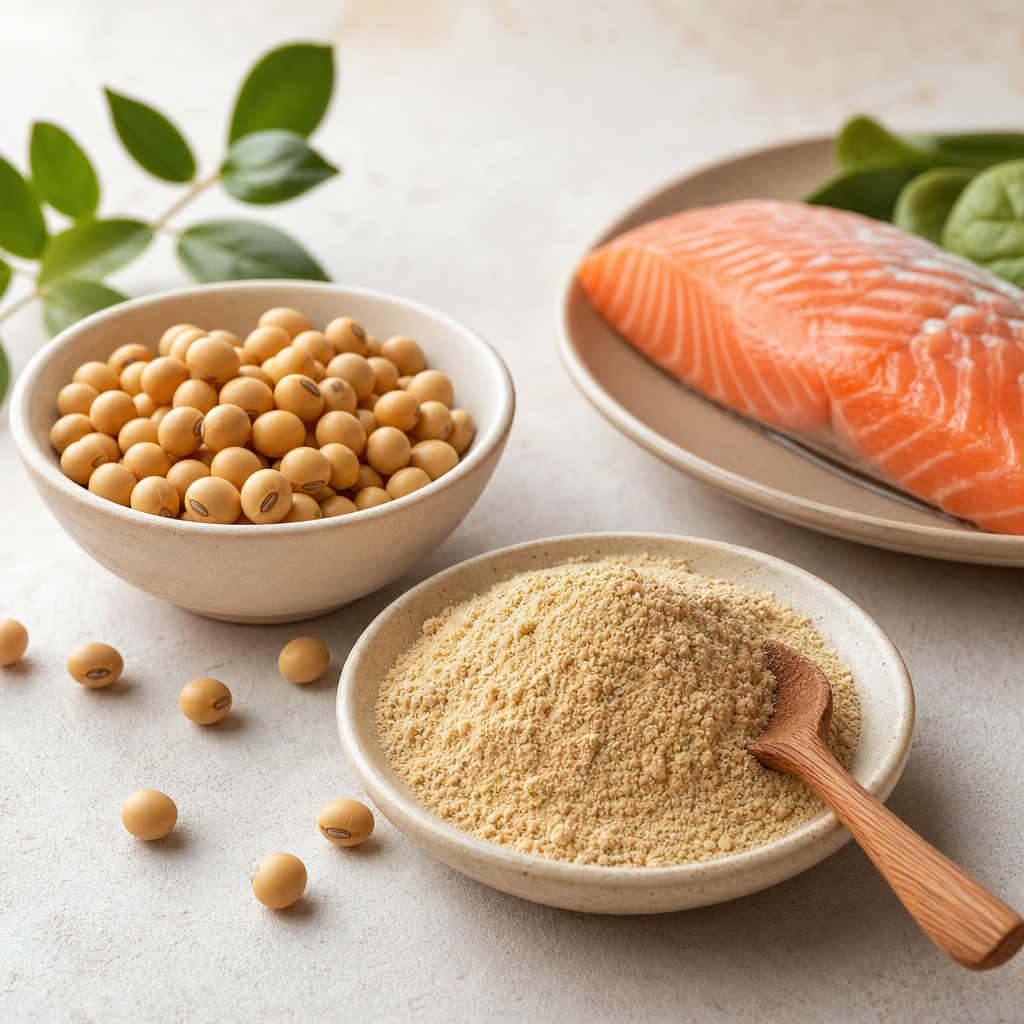
PS is naturally present in small amounts in certain foods and can also be taken as a dietary supplement. Commercial supplements today are typically derived from soy or sunflower lecithin; older studies sometimes used bovine-cortex PS, which is rarely used now. Phosphatidylserine is not an essential nutrient like vitamins or minerals—the body can synthesize it from other dietary fats and amino acids—so it is not “required” in the same way an essential nutrient is. However, targeted supplementation may influence specific cognitive or stress-related outcomes in some contexts.
Benefits of Phosphatidylserine
-
Memory and cognitive function in older adults
(Mixed evidence)
PS has been studied for age-related memory complaints and cognitive decline. Earlier clinical trials using bovine-derived PS reported improvements in memory, attention, and daily functioning among older adults with cognitive impairment. More recent studies using soy-derived PS have shown variable results—some modest benefits on memory or mental flexibility, while others did not find significant effects. Differences in source material, dose, duration, and participant characteristics likely contribute to the mixed findings.
-
Stress response and cortisol modulation
(Moderate evidence)
Several small clinical studies suggest PS may help blunt the cortisol response to acute stress and support a calmer mood under pressure. Doses around 200–400 mg per day, often over several weeks, have been associated with more balanced stress hormone patterns and improved perceived well-being during challenging cognitive tasks. While not a treatment for anxiety disorders, PS may support individuals dealing with frequent performance-related or work-related stress.
-
Attention and behavioral symptoms
(Limited to mixed evidence)
Research in children and adolescents with attention or behavioral concerns has explored PS alone and PS combined with omega-3 fatty acids. Some small randomized trials report improvements in attention, impulsivity, and working memory, while others show minimal change. Study sizes are often small and designs vary, so results are not definitive. Any pediatric use should be under the guidance of a qualified clinician.
-
Cognitive performance under fatigue or intense effort
(Limited evidence)
A few studies in athletes and healthy adults suggest PS may help maintain accuracy, reaction time, or perceived composure during strenuous physical or mental effort. Findings include reduced perception of stress and occasional improvements in skill execution under fatigue. However, effects are inconsistent across studies, and overall performance gains are typically modest if present at all.
-
Mood and perceived well-being
(Preliminary evidence)
Some trials note small improvements in mood or feelings of alert calmness, potentially related to PS’s effects on membrane function and stress signaling. These findings are not universal, and PS should not replace standard care for mood disorders. More robust, longer-term trials are needed to clarify who benefits most and at what doses.
Types or Forms Available
-
Soy-derived phosphatidylserine (from soy lecithin)
: The most common modern source. Typically provided in softgels or capsules standardizing each serving to deliver 100–200 mg PS. Suitable for most users, but not for those with soy allergies.
-
Sunflower-derived phosphatidylserine
: A soy-free alternative for individuals avoiding soy. Similar PS content and usage; often preferred for allergy or preference reasons.
-
PS combined with omega-3 fatty acids (PS-DHA/EPA complexes)
: Formulations pair PS with marine omega-3s to support membrane composition. Some preliminary studies suggest potential synergy for cognitive endpoints, but evidence is limited compared with standalone PS.
-
Legacy bovine-cortex PS
: Used in older studies but largely discontinued due to safety and sourcing concerns. Modern products rarely use bovine brain sources, and most consumers should favor plant-derived options.
-
Powder vs. softgel/capsule
: PS is lipid-based and often better stabilized in oil-filled softgels. Powders exist but may be more prone to oxidation; quality and proper storage are important.
How to Use Phosphatidylserine
PS is generally taken as a daily supplement over several weeks to assess effect. Because it is lipid-based, consistency and co-ingestion with food aid absorption and help minimize digestive discomfort.
-
Common dosage range:
100–300 mg per day is typical in adults, often split into two doses. Some stress-related studies used up to 400 mg per day for short periods. Avoid higher or prolonged dosing unless advised by a qualified professional.
-
Best timing:
Taking PS with meals (especially meals containing some fat) supports absorption. For stress or performance contexts, doses are often taken in the morning and midday. Individual preferences vary; some find evening doses stimulating while others use them to help with evening calm—adjust based on personal response and professional guidance.
-
How to take it:
Swallow with water alongside a meal or snack containing healthy fats. Softgels are common and convenient; powders should be kept airtight and away from heat to reduce oxidation.
-
Consistency:
Use daily for at least 4–8 weeks before judging effects. Some people continue for 8–12 weeks during high-demand periods and then reassess. Occasional, single-use dosing is less studied.
Food Sources and Supplement Options
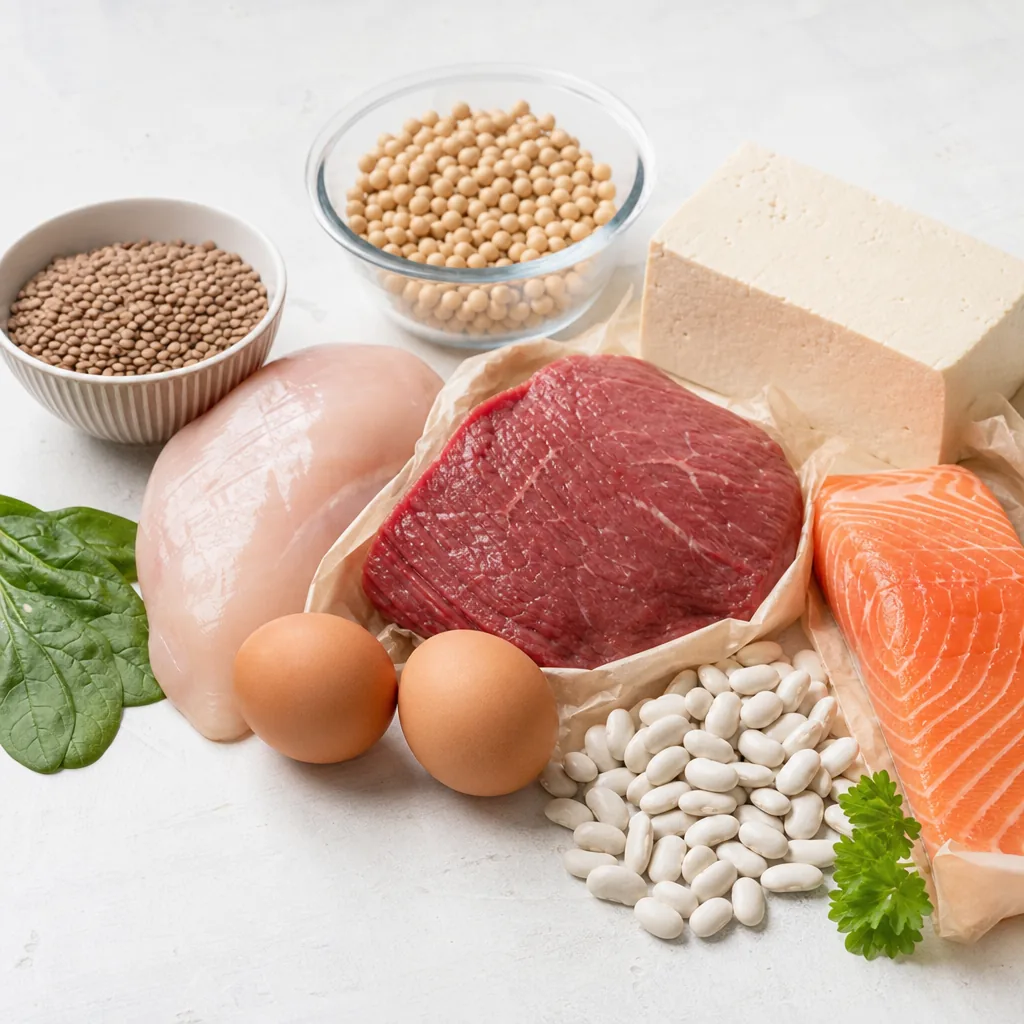
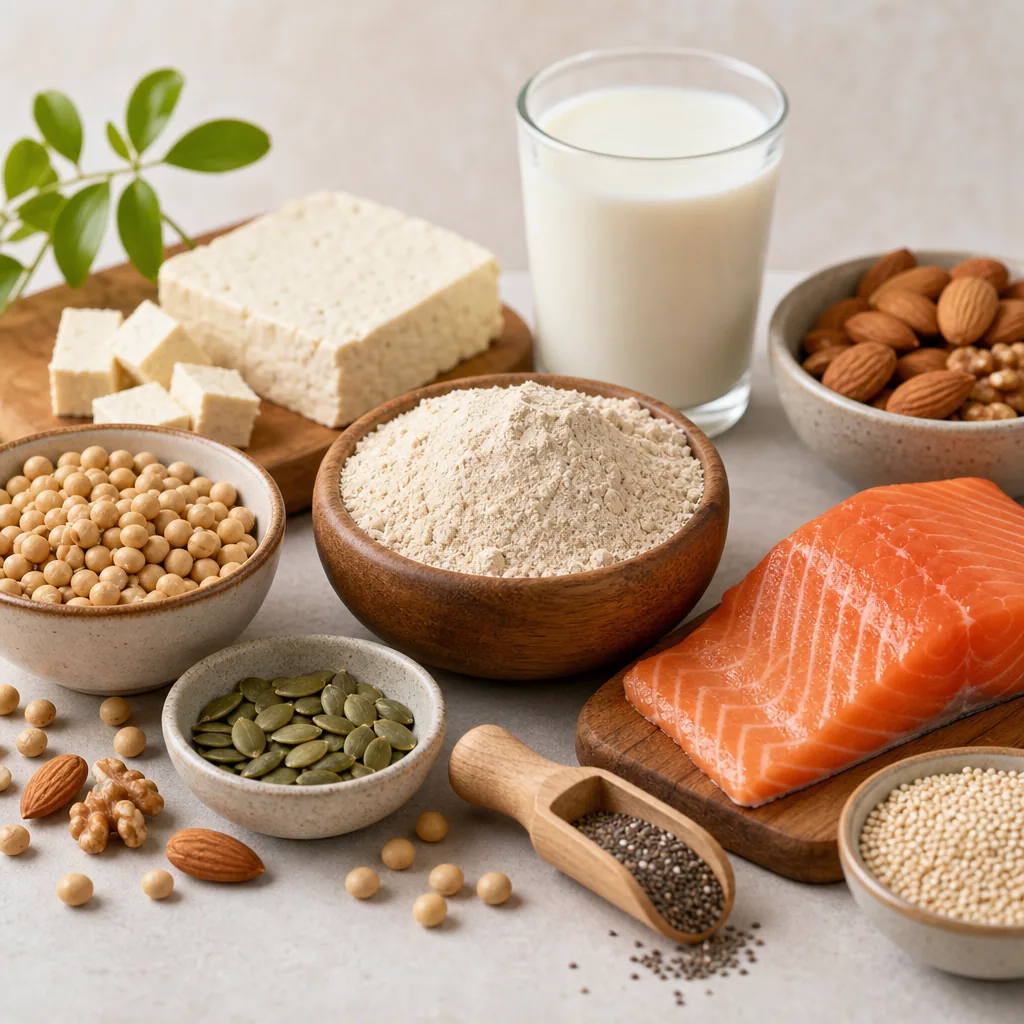
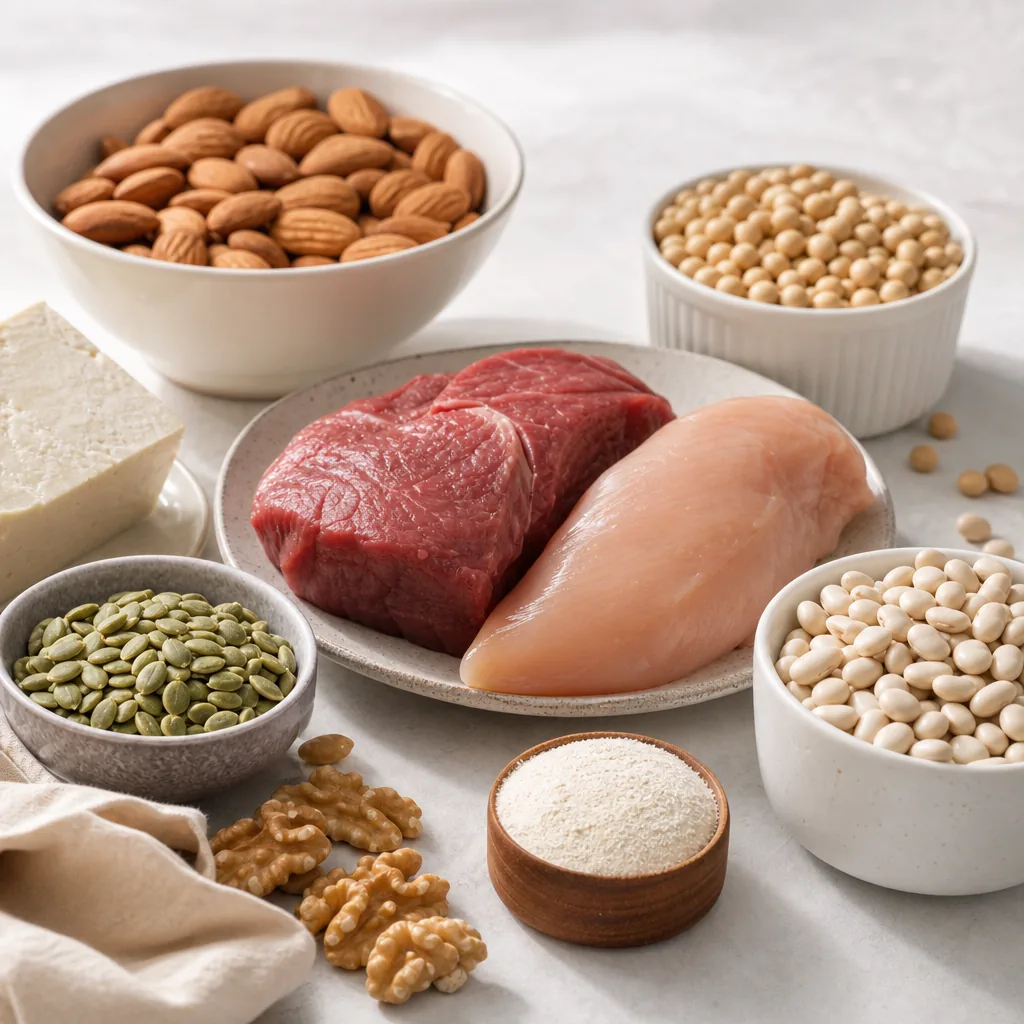
Phosphatidylserine is naturally present in foods but typically at low levels compared with supplement doses. Historically, the richest dietary sources were organ meats such as brain, which are rarely consumed today. More practical sources include certain fish and legumes, with variable amounts that may not match targeted supplement dosing.
-
Organ meats:
Highest levels are found in brain and to a lesser extent in heart and liver (not commonly eaten in many diets).
-
Fatty fish:
Herring, mackerel, and similar fish contain PS along with other beneficial lipids.
-
Soy-based foods:
Soy lecithin and some soy products provide small amounts of PS.
-
Egg yolks and legumes:
Provide minor contributions to overall intake.
Supplements are commonly used when a specific, consistent intake is desired (for example, 100–300 mg per day) that would be impractical to achieve from foods alone. Whole foods, however, supply additional nutrients—such as protein, vitamins, minerals, and other phospholipids—that support overall health. A food-first approach is generally wise, with supplements considered for targeted goals like supporting stress resilience or addressing age-related memory concerns, especially when guided by a healthcare professional.
Who May Benefit from Phosphatidylserine?
-
Older adults with subjective memory complaints seeking conservative, adjunctive support for everyday cognition.
-
People experiencing frequent work, academic, or performance-related stress who want help moderating stress responses.
-
Athletes and highly active individuals aiming to support mental sharpness and composure under fatigue or high training loads.
-
Individuals on low-phospholipid or very low-fat dietary patterns who wish to bolster phospholipid intake through supplements.
-
Those exploring non-pharmacologic options for attention support under professional supervision, especially when considering PS combined with lifestyle changes and standard care.
Side Effects and Considerations
-
General tolerance:
PS is usually well tolerated at 100–300 mg/day. Possible side effects include mild gastrointestinal upset, nausea, or gas. A minority report restlessness or sleep changes at higher doses.
-
Allergies and sourcing:
Many PS supplements are soy-derived; avoid if you have a soy allergy and consider sunflower-derived options. If PS is combined with fish oil, those with fish allergies should review labels carefully.
-
Pregnancy, breastfeeding, and children:
Safety data are limited. Individuals who are pregnant, breastfeeding, taking medications, or managing a medical condition should consult a healthcare professional before use. Pediatric use should be guided by a qualified clinician.
-
Medication interactions:
While no widely established interactions exist, PS may influence neurotransmitter systems and stress hormones. Use caution and seek medical advice if you take medications that affect cognition or mood (for example, anticholinergics, stimulants, or sedatives).
-
Medical conditions:
People with significant liver, kidney, or gastrointestinal conditions should consult a clinician before starting PS. If you have a history of hormone-sensitive conditions or are on corticosteroid therapy, discuss PS with your provider because of its potential to influence stress hormone dynamics.
-
Pre-surgery caution:
Discontinue nonessential supplements 1–2 weeks before surgery unless your surgeon advises otherwise.
-
Quality and stability:
As a lipid, PS can oxidize. Choose products with third-party testing, check expiration dates, store in a cool, dry place, and avoid excessive heat. Softgels can help protect PS from oxidation.
-
Dosing prudence:
More is not always better. Higher or long-term doses beyond typical ranges should be supervised to monitor for side effects and to reassess need and benefit.
Common Myths About Phosphatidylserine
-
“Phosphatidylserine is an essential nutrient that everyone should take.”
PS is not essential in the same way vitamins and minerals are; the body can synthesize it. Some individuals may benefit from supplementation for specific goals, but routine use for everyone is not supported by current evidence.
-
“PS reverses Alzheimer’s disease.”
Evidence does not show that PS reverses neurodegenerative diseases. Some studies—especially older ones using bovine-derived PS—report modest benefits for certain cognitive measures, but results are inconsistent, and PS should not replace standard medical care.
-
“Only bovine-brain PS works.”
Modern PS supplements are typically soy- or sunflower-derived and have demonstrated biological activity. Differences among studies likely reflect study design, dose, duration, and populations—not simply the source. High-quality plant-derived PS is the contemporary standard.
-
“If a little helps, a lot helps more.”
Higher doses do not guarantee better outcomes and may increase the risk of side effects like sleep disturbance or digestive upset. Most adult studies use 100–300 mg/day; exceeding this without medical input is not advised.
Conclusion
Phosphatidylserine is a membrane phospholipid that helps support cellular communication, particularly in the brain. Supplementation may be useful for some older adults with memory complaints, individuals facing frequent performance-related stress, and highly active people seeking steadier cognitive function under fatigue. Evidence for cognition and stress modulation ranges from preliminary to moderate depending on the outcome and population, and responses vary by individual.
Choose high-quality, third-party tested products—preferably soy- or sunflower-derived—and use prudent doses (typically 100–300 mg/day with meals). Emphasize a food-first approach that includes nutrient-dense whole foods, using PS supplements for targeted goals when diet alone is unlikely to provide the studied intakes. People who are pregnant or breastfeeding, children, and anyone taking medications or managing medical conditions should consult a healthcare professional before use. Regularly reassess the need for PS, focusing on overall lifestyle factors—sleep, nutrition, physical activity, and stress management—that form the foundation of cognitive and metabolic health.