What is L-Phenylalanine?
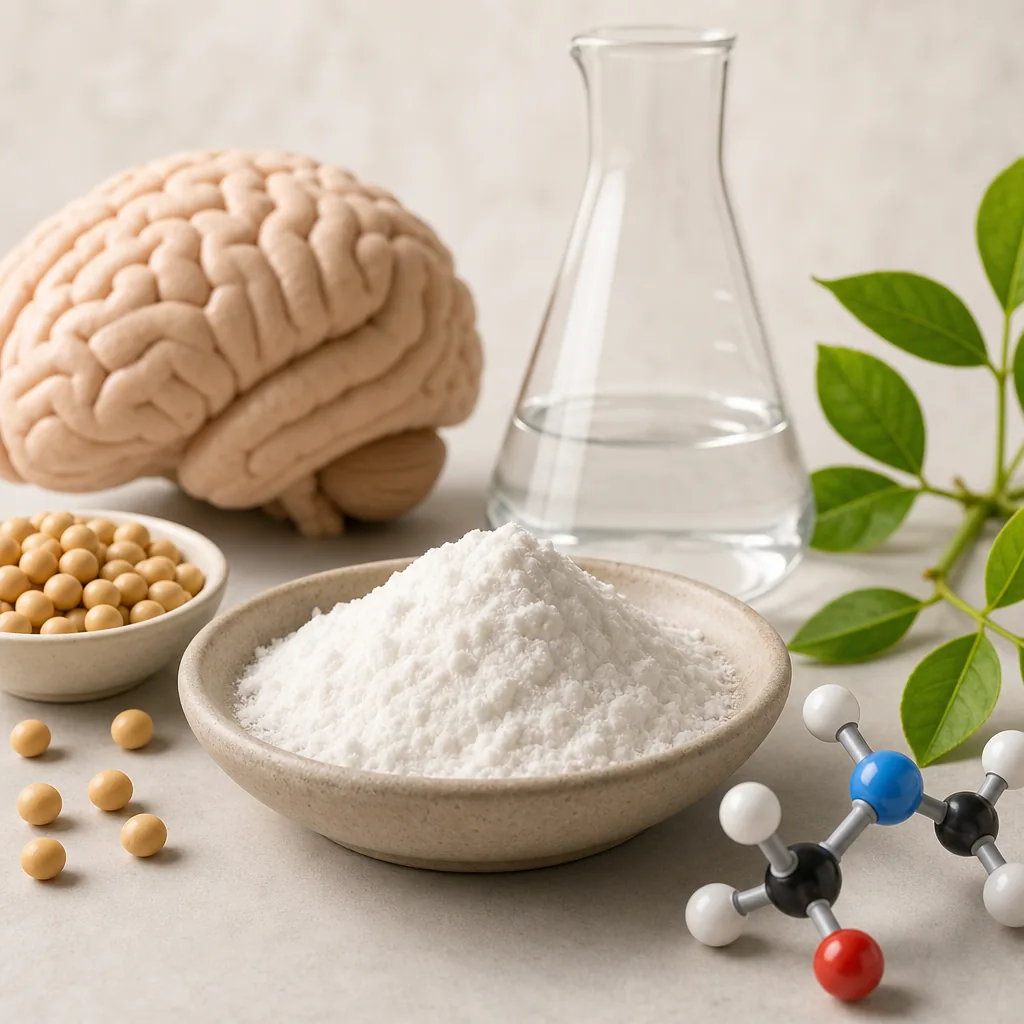
L-Phenylalanine is an essential amino acid—the body cannot make it, so it must come from food or supplements. It is a fundamental building block of proteins and a precursor to several important molecules, including L-tyrosine, which in turn is used to produce the neurotransmitters dopamine, norepinephrine, and epinephrine, as well as the pigment melanin. Because it is essential, L-phenylalanine is required for normal growth, tissue repair, and overall metabolic function.
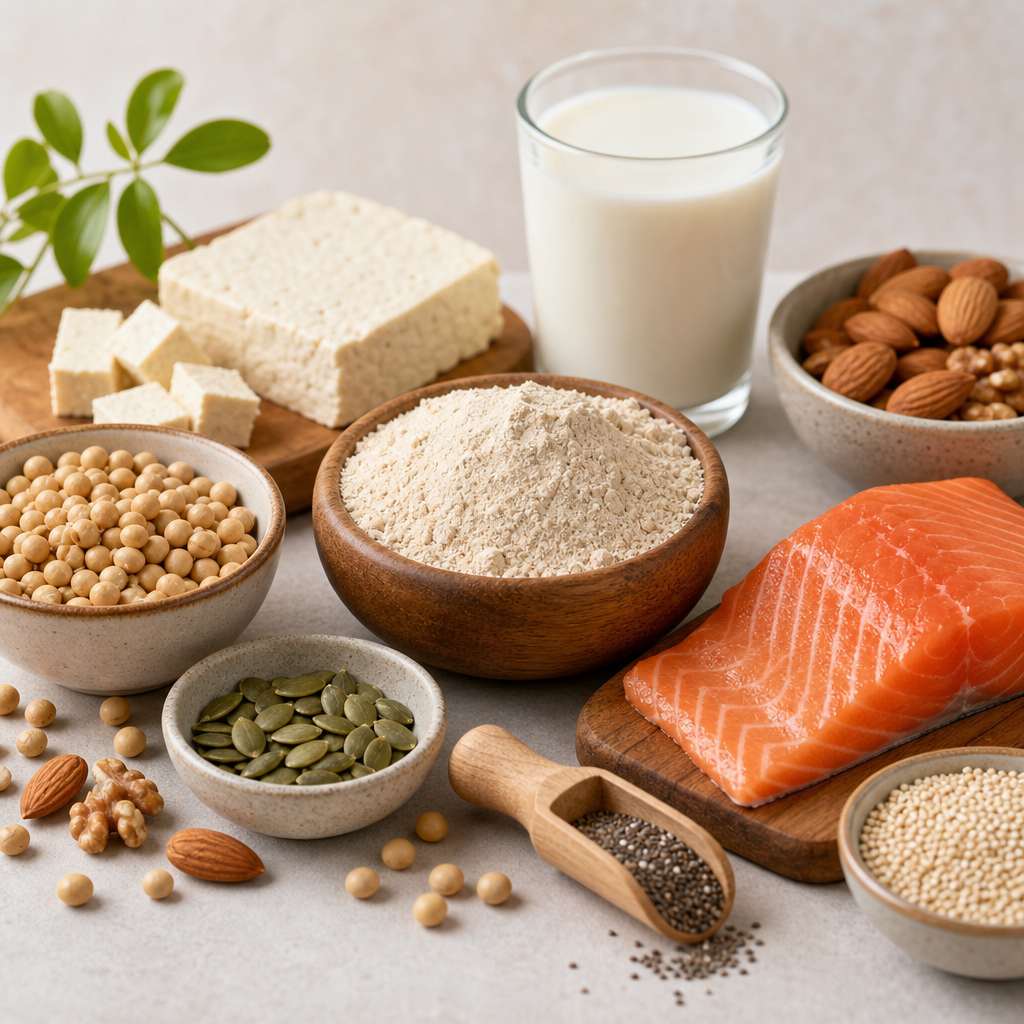
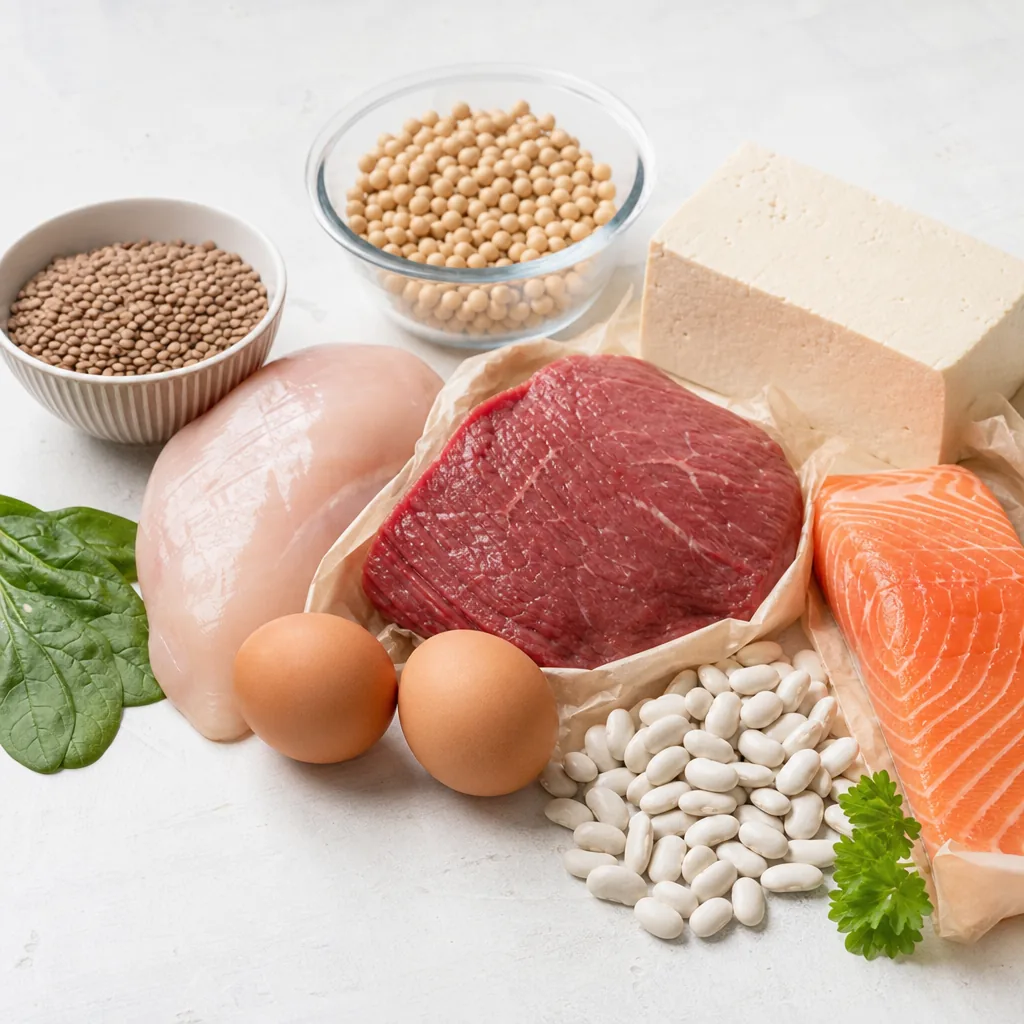
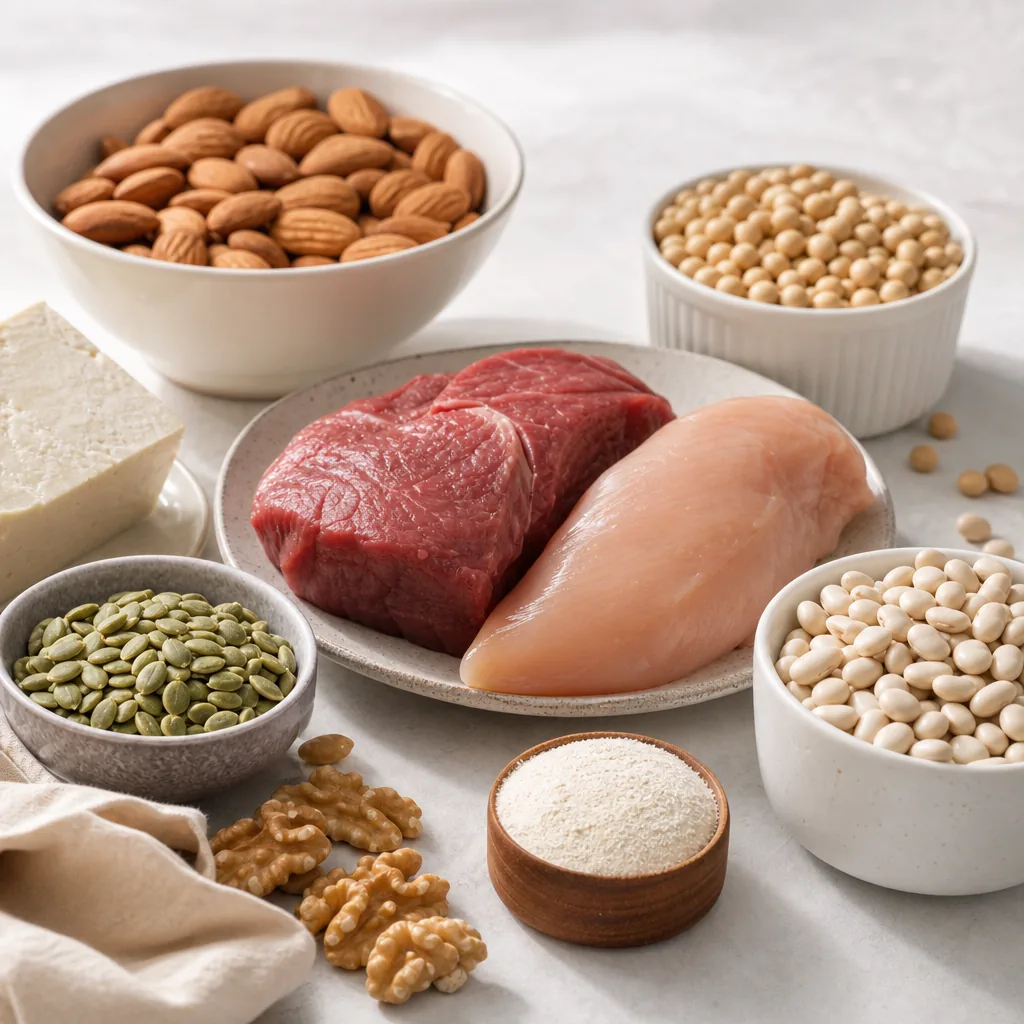
In the diet, L-phenylalanine is naturally present in protein-containing foods such as meat, fish, eggs, dairy, soy, legumes, nuts, and seeds. It is also available as a dietary supplement on its own, and as part of essential amino acid (EAA) blends and medical foods. While L-phenylalanine is a nutrient and not a drug or botanical, supplementation can be considered in specific situations. Importantly, individuals with phenylketonuria (PKU)—a genetic condition that impairs phenylalanine metabolism—must strictly limit phenylalanine intake under medical supervision.
Benefits of L-Phenylalanine
-
Supports protein synthesis and tissue repair
(Strong evidence)
L-Phenylalanine is one of the nine essential amino acids required for building and maintaining body proteins, including muscle, enzymes, and structural tissues. Adequate intake through food or balanced amino acid formulas helps maintain nitrogen balance and supports recovery from exercise, illness, or injury. This benefit is foundational and well-established in human physiology.
-
Precursor for neurotransmitters via L-tyrosine
(Mixed evidence)
As a precursor to L-tyrosine, phenylalanine contributes to the production of dopamine and norepinephrine, which influence alertness, motivation, and stress response. Ensuring sufficient dietary phenylalanine supports normal neurotransmitter synthesis. However, evidence that supplemental L-phenylalanine alone reliably enhances mood, focus, or stress resilience in healthy individuals is mixed; more consistent effects are seen with L-tyrosine under acute stress, not necessarily with phenylalanine itself.
-
Adjunctive support for vitiligo (with phototherapy)
(Limited evidence)
Small clinical studies suggest that oral or topical L-phenylalanine, when used alongside ultraviolet light therapy, may modestly enhance repigmentation in some people with vitiligo. Results vary and protocols differ (dose, duration, and light source), so responses are inconsistent. This approach should be guided by a dermatologist, and it is not a stand-alone treatment.
-
Pain modulation (primarily with DL-phenylalanine)
(Limited evidence)
Research on pain relief more commonly involves DL-phenylalanine (a 50:50 mixture of D- and L-forms). The D-form may help inhibit enzymes that break down endorphins and enkephalins, potentially affecting pain perception. Evidence is limited and heterogeneous, and it does not directly generalize to pure L-phenylalanine. Anyone considering this approach should consult a clinician, especially if taking pain medications.
-
Appetite and satiety signaling
(Preliminary evidence)
Amino acids, including phenylalanine, can influence gut-brain signals (such as cholecystokinin and GLP-1) that affect hunger and fullness. Early human studies suggest phenylalanine-containing drinks may transiently reduce appetite or calorie intake, but findings are preliminary and not a substitute for comprehensive nutrition strategies.
Deficiency or Low Levels of L-Phenylalanine
-
Common signs of low levels:
Because L-phenylalanine is essential, insufficient intake typically occurs as part of overall protein inadequacy. Potential signs and consequences may include poor growth (in children), loss of lean mass, fatigue, slower recovery from illness or exercise, brittle hair or nails, and impaired immune response. Given its role as a precursor to tyrosine and catecholamines, low intake may also contribute to reduced alertness or low mood in susceptible individuals, though symptoms are nonspecific and overlap with general protein-energy malnutrition.
-
Who may be at risk:
People with chronically low protein intake (very restrictive diets, eating disorders), older adults with low appetite, individuals with malabsorption (inflammatory bowel disease, celiac disease, post-bariatric surgery), those with severe illness or trauma with increased protein needs, and patients on dialysis (who can lose amino acids) may be at higher risk of inadequate intake.
-
How it is checked:
Healthcare providers can assess dietary patterns, measure plasma amino acid profiles (including phenylalanine and tyrosine), evaluate nitrogen balance, and consider clinical signs. Testing should be interpreted in context, as levels can be influenced by recent meals, illness, and metabolic conditions.
Types or Forms Available
-
L-Phenylalanine:
The natural, biologically active form found in foods and used by the body to build proteins and make L-tyrosine. Most standalone supplements contain this form.
-
D-Phenylalanine (DPA):
A mirror-image form not used for protein synthesis. Research interest centers on potential effects on endorphin metabolism and pain perception. It is not a dietary nutrient.
-
DL-Phenylalanine (DLPA):
A 50:50 blend of D- and L-forms. Some studies on mood and pain use DLPA rather than pure L-phenylalanine. Effects and safety may differ from L-phenylalanine alone.
-
Essential amino acid (EAA) blends and medical foods:
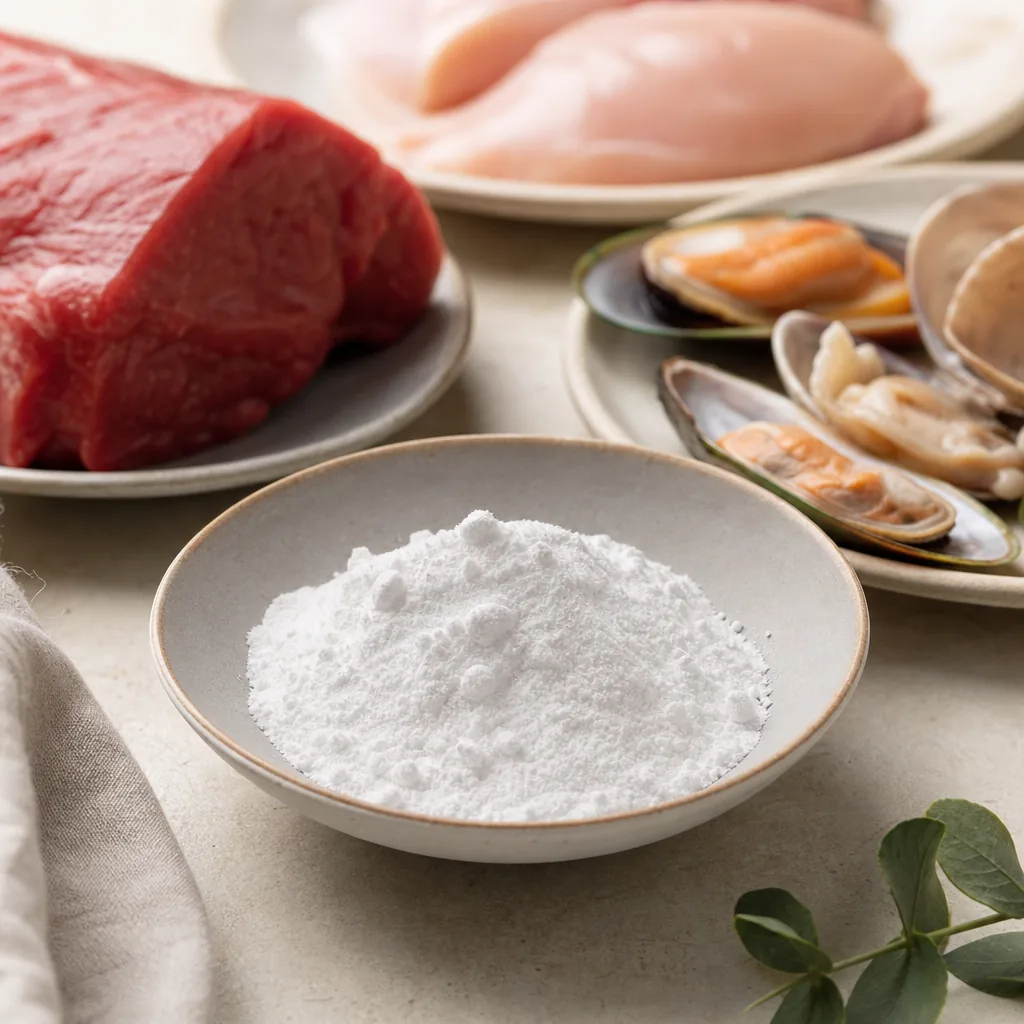
Phenylalanine can be present as part of balanced EAA supplements designed to support muscle protein synthesis during low appetite, periods of immobilization, or clinical use. People with PKU use specialized low-phenylalanine medical foods under medical supervision.
-
Topical formulations for vitiligo:
Creams or gels containing L-phenylalanine are sometimes used with phototherapy. Concentrations and regimens vary; these should be used under dermatologic guidance.
-
Capsules, tablets, and powders:
Delivery forms differ mainly in convenience and dose flexibility. There is no widely accepted advantage to “time-release” phenylalanine for most uses.
How to Use L-Phenylalanine
Most people meet their phenylalanine needs through protein-rich foods. Supplementation may be considered for targeted goals or when dietary intake is inadequate. Individuals with PKU must avoid supplemental phenylalanine and follow their prescribed diet.
-
Common dosage range:
Typical supplemental L-phenylalanine doses range from 250–1,000 mg once or twice daily. Clinical studies have used a variety of doses depending on the goal, but high or “megadose” intakes are not recommended without medical supervision. For pain or mood-related research, DL-phenylalanine is more commonly studied than pure L-phenylalanine.
-
Best timing:
Taking amino acids away from high-protein meals can enhance uptake due to less competition with other large neutral amino acids. Many users take L-phenylalanine in the morning or early afternoon to avoid potential sleep disruption.
-
How to take it:
Swallow with water. If mild stomach upset occurs, a small carbohydrate-containing snack (without significant protein) may help. Do not combine with other stimulatory supplements without professional guidance.
-
Consistency:
For general amino acid support, daily use is common during periods of increased need or limited intake. For targeted goals (for example, use alongside dermatologic therapy), follow the specific plan set by a clinician and reassess effectiveness periodically.
Food Sources and Supplement Options
L-Phenylalanine is abundant in protein-rich foods and also available as a supplement. Most healthy adults can meet needs through diet alone. Supplements may be useful when appetite is low, during rehabilitation, when using balanced EAA formulas, or under guidance for specific therapeutic goals.
-
Meat and poultry (chicken, turkey, beef, pork)
-
Fish and seafood (salmon, tuna, cod, shellfish)
-
Dairy (milk, yogurt, cheese)
-
Eggs
-
Soy foods (tofu, tempeh, edamame)
-
Legumes (lentils, chickpeas, beans)
-
Nuts and seeds (almonds, peanuts, pumpkin seeds, sesame)
-
Whole grains (oats, quinoa, whole wheat)
Whole foods provide a spectrum of amino acids along with vitamins, minerals, and other beneficial compounds. Supplements offer precise dosing and convenience, especially in medical or training contexts. Note that the artificial sweetener aspartame contains phenylalanine; products with aspartame carry a phenylalanine warning for individuals with PKU.
Who May Benefit from L-Phenylalanine?
-
People with low protein intake or poor appetite who struggle to meet daily protein needs from food alone.
-
Older adults aiming to preserve lean mass, particularly if total protein intake is marginal (food-first is preferred; EAA blends may be considered).
-
Athletes during heavy training blocks who use balanced EAA formulas to support muscle protein synthesis when meals are not feasible.
-
Individuals under dermatologic care for vitiligo who are following a supervised protocol involving phenylalanine with phototherapy.
-
People in recovery from illness, injury, or surgery who require higher-quality protein support and cannot meet needs through diet (with clinical guidance).
Side Effects and Considerations
-
PKU contraindication:
Individuals with phenylketonuria must restrict phenylalanine and avoid supplements; follow medical guidance and use specialized medical foods.
-
Neurologic and mood effects:
Some people may experience restlessness, anxiety, irritability, or headache, especially at higher doses or when combined with stimulants.
-
Sleep disruption:
Because of its role in catecholamine synthesis, taking phenylalanine late in the day may interfere with sleep in sensitive individuals.
-
Migraine susceptibility:
Phenylalanine may trigger headaches in some people with migraine; start low and monitor response.
-
Medication interactions:
Use caution with monoamine oxidase inhibitors (MAOIs) and other drugs affecting catecholamines, as increased precursor availability may alter blood pressure or mood. Large neutral amino acids can also compete with levodopa for absorption/transport; separate timing and consult your prescriber.
-
Psychiatric conditions:
People with bipolar disorder, schizophrenia, or a history of psychosis should use caution and seek professional advice due to potential effects on neurotransmitter pathways.
-
Skin cancer history:
Because phenylalanine contributes (via tyrosine) to melanin synthesis, individuals with a history of melanoma should seek medical guidance before using high-dose supplements or topical products.
-
Kidney or liver disease:
These conditions affect amino acid metabolism and clearance; discuss any supplementation with a healthcare professional.
-
Pregnancy, breastfeeding, and children:
Do not use phenylalanine supplements without medical supervision. Nutrient needs are unique, and safety data for high-dose use are limited.
-
Quality and dosing:
Choose third-party tested products to reduce contamination risk. Avoid megadoses; more is not necessarily better and may increase side effects.
Common Myths About L-Phenylalanine
-
L-Phenylalanine acts like a stimulant such as caffeine.
While phenylalanine is a precursor to catecholamines, it is not a central nervous system stimulant in the way caffeine is. Any alertness effects are indirect, variable, and generally modest, especially at typical dietary or supplemental doses.
-
Taking more phenylalanine will boost mood and focus for everyone.
Evidence is mixed. Adequate intake supports normal neurotransmitter synthesis, but supplementing beyond needs does not guarantee cognitive or mood benefits and can cause side effects in some individuals.
-
Vegetarians and vegans cannot get enough phenylalanine.
Many plant proteins—soy, legumes, nuts, seeds, and whole grains—are good sources. A varied plant-based diet typically provides sufficient phenylalanine when total protein needs are met.
-
DL-Phenylalanine and L-phenylalanine are the same.
They are different forms with different properties. Research on pain and some mood applications often involves DL-phenylalanine (or D-phenylalanine), which cannot be assumed to have the same effects as L-phenylalanine alone.
-
Aspartame exposure causes dangerous phenylalanine levels in everyone.
For the general population, typical intakes of aspartame are considered safe. The phenylalanine warning on labels is specifically for individuals with PKU, who must strictly control intake.
Conclusion
L-Phenylalanine is an essential amino acid that underpins protein synthesis and supports the production of tyrosine-derived neurotransmitters and melanin. Most people can meet their needs through a balanced, protein-rich diet. Supplements may be useful in select situations—such as low appetite, clinical recovery, use within balanced EAA blends, or under dermatologic supervision for vitiligo—but benefits beyond meeting basic requirements vary, and evidence for stand-alone cognitive or pain effects is mixed or limited.
Those with PKU must avoid supplemental phenylalanine and follow medical guidance. Individuals who are pregnant or breastfeeding, children, and people taking medications or managing medical conditions should consult a healthcare professional before use. If supplementation is appropriate, choose quality-tested products, start with conservative doses, monitor for side effects (especially headaches, anxiety, or sleep issues), and prioritize a food-first approach for broader nutritional benefits.