What is Saffron Extract?
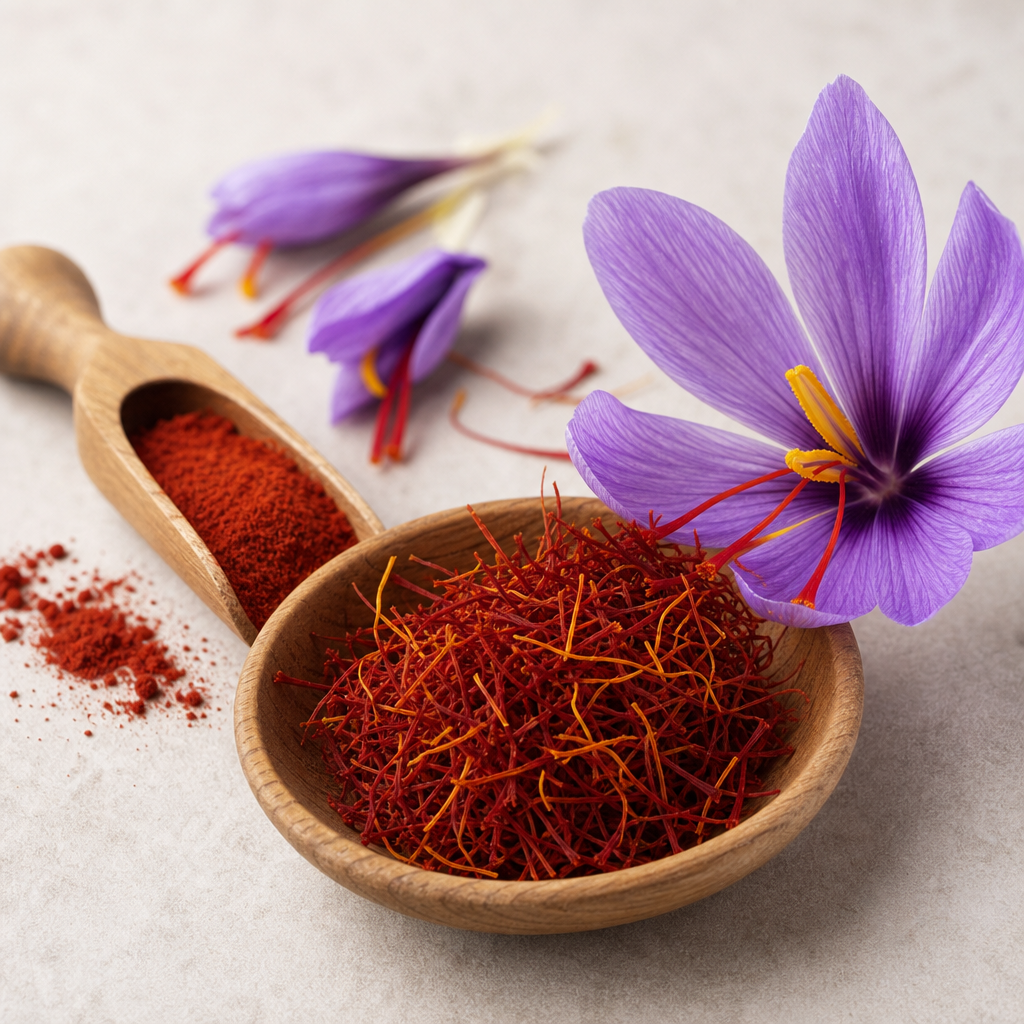
Saffron extract is a concentrated preparation derived from the dried stigmas of the Crocus sativus flower, a prized culinary spice known for its deep golden color and distinctive aroma. While culinary saffron is used in small amounts to flavor dishes like paella and risotto, saffron extract is standardized to key bioactive compounds—primarily crocins, safranal, and picrocrocin—to deliver consistent amounts of these constituents for research and supplemental use. Because whole saffron is one of the world’s most expensive spices and is frequently adulterated, reputable extracts aim to ensure purity and potency.
Saffron extract is best categorized as a botanical extract and food-derived ingredient, commonly used as a dietary supplement. It is not an essential nutrient, meaning the body does not require it in the same way it requires vitamins, minerals, essential fatty acids, or essential amino acids. That said, saffron’s bioactive compounds have been studied for potential roles in mood support, menstrual comfort, appetite regulation, visual function in certain retinal conditions, and antioxidant activity. Its mechanisms may include modulation of neurotransmitters (such as serotonin and dopamine), antioxidant and anti-inflammatory effects, and possible impacts on satiety signaling.
Benefits of Saffron Extract
-
Mood support for mild-to-moderate depression
(Moderate evidence)
Studies using standardized saffron extract (often around 30 mg per day) have found improvements in depressive symptoms compared with placebo, with some trials showing similar effects to certain conventional antidepressants in people with mild-to-moderate depression. Effects may appear within 1–2 weeks, though many studies run 6–8 weeks. While results are encouraging, trials are generally small and short-term, so saffron should not replace prescribed treatments without medical guidance.
-
PMS symptom relief (mood and discomfort)
(Moderate evidence)
Clinical trials suggest saffron may reduce premenstrual symptoms—such as irritability, mood swings, and cramping—when taken daily across cycles, commonly at doses around 30 mg/day of a standardized extract. Benefits appear to involve modulation of neurotransmitters and inflammatory pathways. More large-scale, longer studies are needed, but current evidence supports saffron as a reasonable adjunct for PMS under professional guidance.
-
Support for SSRI-associated sexual dysfunction
(Moderate evidence)
Small randomized trials have reported improvements in certain sexual function domains among individuals experiencing selective serotonin reuptake inhibitor (SSRI)-associated sexual side effects when saffron extract was added. While findings are not universal and study sizes are limited, results indicate saffron may offer an adjunct approach. People using antidepressants should consult their clinician before adding saffron due to potential interactions.
-
Appetite, snacking, and weight-management support
(Mixed evidence)
Some proprietary saffron extracts have shown reductions in snacking frequency and subjective appetite, with modest effects on weight in certain trials. Other studies report minimal or no change. Differences may reflect dose, extract standardization, and study design. Saffron, if helpful, should complement—not replace—nutrition, activity, sleep, and behavioral strategies for weight management.
-
Visual function in early age-related macular changes
(Preliminary evidence)
Early research suggests saffron may improve certain measures of retinal function and visual acuity in people with early age-related macular changes when taken at about 20–30 mg/day. While promising, these studies are relatively small, and long-term outcomes (such as disease progression) are not fully established. Individuals with eye conditions should work closely with an eye-care professional.
-
Markers of inflammation and oxidative stress
(Limited evidence)
Laboratory and small human studies indicate saffron’s carotenoids (crocins) and volatile compounds (such as safranal) may exert antioxidant and anti-inflammatory effects. Some trials note modest improvements in oxidative stress markers; others show no meaningful change. More robust, longer-duration studies are necessary to confirm clinical significance.
-
Metabolic health (glucose and lipids)
(Mixed evidence)
A few trials report modest improvements in fasting glucose, lipids, or blood pressure with saffron or crocin supplementation, while others find little effect. Variability in extracts, doses, and populations make conclusions uncertain. Saffron should not replace prescribed cardiometabolic medications or lifestyle interventions.
Types or Forms Available
-
Standardized saffron extracts (capsules/tablets)
: These are the most common supplemental forms, typically standardized to specific levels of crocins and/or safranal. Examples include branded ingredients with proprietary standardizations. Standardization helps ensure batch-to-batch consistency for research-aligned dosing.
-
Proprietary satiety-focused extracts
: Certain products are designed specifically for appetite and craving support and may use higher milligram doses than mood-focused extracts, but with different marker compounds and standardization targets. Efficacy can vary by brand and formula.
-
Liquid extracts and tinctures
: Less common and with more variability in active compounds. Useful for those who prefer liquids, but look for clear standardization and third-party testing to ensure potency and purity.
-
Culinary saffron (threads or powder)
: Intended primarily for cooking, not standardized for medical dosing. Culinary amounts provide small and variable levels of crocins and safranal and should not be assumed equivalent to supplemental extracts.
-
Gummies and combination formulas
: Some products include saffron with other botanicals (e.g., ashwagandha) or nutrients (e.g., magnesium) for mood or stress support. Blends can complicate identifying what is providing the benefit and may alter the dose of saffron itself.
How to Use Saffron Extract
Saffron extract is typically used in short to moderate timeframes (e.g., 8–12 weeks) followed by reassessment. Because extracts vary in potency and standardization, always follow the product’s label and consult a qualified professional if you have health conditions or take medications.
-
Common dosage range:
Many mood and PMS studies use about 30 mg/day of a standardized extract, often split as 15 mg twice daily. Some satiety-focused products use higher milligram amounts specific to the proprietary extract. For early visual function research, 20–30 mg/day has been used. Avoid high doses; very large amounts of saffron (far above supplement levels) have historically been linked to toxicity.
-
Best timing:
Timing is flexible. Many people take saffron with breakfast and/or dinner. Splitting the dose (morning and evening) may improve tolerability and consistency.
-
How to take it:
Take with food and water to reduce the chance of stomach upset. There is no clear requirement for fat or specific macronutrients, but pairing with a routine meal can aid adherence.
-
Consistency:
Daily use is typically recommended during the study periods noted above. Benefits for mood or PMS often appear within 1–2 weeks but may take longer. If you notice no benefit by 6–8 weeks, discuss next steps with a healthcare professional.
Food Sources and Supplement Options
Saffron extract comes from the saffron spice, which is naturally found in the stigmas of the Crocus sativus flower. Culinary saffron is used in small amounts in dishes such as paella, biryani, risotto alla milanese, and bouillabaisse. However, culinary use provides variable and generally low amounts of the bioactive compounds; it is not equivalent to a standardized extract.
For targeted, research-aligned dosing, supplements are commonly used. High-quality saffron supplements specify standardization targets (e.g., crocins and/or safranal) and provide third-party testing for purity and potency. This can be especially important because saffron is expensive and has a history of adulteration with look-alike plant materials or colorants. Whole foods remain foundational for overall diet quality and provide a wide array of nutrients and phytochemicals, while standardized supplements can offer a consistent dose of saffron’s specific actives to explore targeted benefits.
Who May Benefit from Saffron Extract?
-
Adults seeking complementary mood support for mild-to-moderate symptoms, alongside lifestyle strategies and professional care.
-
Individuals with bothersome PMS-related mood or discomfort who prefer a botanical adjunct after discussing options with a clinician.
-
People experiencing SSRI-associated sexual dysfunction where a clinician recommends trying saffron as an adjunct.
-
Those working on managing snacking or cravings as part of a structured weight-management plan.
-
Individuals with early macular health concerns, under the guidance of an eye-care professional.
-
People who prefer a non-stimulant botanical for general well-being, stress, or mood balance, understanding that responses vary.
Side Effects and Considerations
-
General tolerability:
Saffron is usually well tolerated at typical supplemental doses, but can cause nausea, stomach discomfort, dizziness, dry mouth, headache, or anxiety-like feelings in some individuals.
-
Pregnancy and breastfeeding:
Avoid supplemental doses during pregnancy due to reports that high intakes of saffron may stimulate uterine contractions. Safety during breastfeeding is not well established. Culinary amounts in food are generally considered acceptable, but consult a healthcare professional.
-
Medication interactions (serotonergic agents):
Saffron may influence serotonergic pathways. Use caution and consult a clinician if you take SSRIs, SNRIs, MAOIs, tricyclics, or other mood medications, as well as St. John’s wort, due to potential additive effects.
-
Bleeding risk and surgery:
Limited data suggest saffron may affect platelet aggregation. Use caution with anticoagulant/antiplatelet drugs (e.g., warfarin, apixaban, clopidogrel, aspirin) and stop use 1–2 weeks before surgery unless your surgeon advises otherwise.
-
Blood pressure and glucose:
Saffron may modestly affect blood pressure or blood sugar in some people. Monitor if you have hypotension, diabetes, or take related medications.
-
Allergy and sensitivities:
Rarely, individuals may react to saffron or related botanicals. Discontinue if you develop rash, itching, breathing difficulty, or other allergic symptoms.
-
Liver and kidney considerations:
Significant toxicity at standard supplemental doses is uncommon, but those with liver or kidney disease should use only under medical supervision and choose third-party tested products.
-
Quality and adulteration:
Due to its high cost, saffron is prone to adulteration. Choose brands that cite standardization markers, ISO or DNA authentication where available, and independent testing for identity, potency, and contaminants.
-
Dose caution:
Do not exceed label directions. Very high amounts of saffron (far above typical supplement doses) have been associated with toxicity. More is not better.
-
Children and adolescents:
Safety data in minors are limited. Avoid use unless specifically recommended and monitored by a qualified healthcare professional.
Common Myths About Saffron Extract
-
Saffron is just a culinary coloring with no real health effects.
Research suggests that standardized saffron extracts can influence mood, PMS symptoms, and certain visual measures, likely via crocins and safranal. Culinary saffron is valuable, but extracts used in studies provide consistent, measured amounts of actives that are difficult to achieve through cooking alone.
-
Saffron works instantly and can replace antidepressants.
Some people notice benefits within 1–2 weeks, but responses vary and most trials last 6–8 weeks. Saffron should not replace prescribed treatments. Any medication changes must be coordinated with a qualified clinician.
-
All saffron supplements are the same.
Products differ in plant quality, standardization (crocin/safranal content), authentication, dose, and third-party testing. Choose reputable brands that document identity and potency; adulteration is a known issue in the saffron supply chain.
-
More saffron means better results.
Higher doses can increase the risk of side effects without guaranteeing more benefit. Most evidence-based use falls around 20–30 mg/day of a standardized extract for mood or PMS, or specific doses tied to certain proprietary formulas. Stick to evidence-informed dosing and professional guidance.
Conclusion
Saffron extract is a botanical supplement standardized to compounds such as crocins and safranal. Evidence supports potential benefits for mood in mild-to-moderate depression, PMS symptom relief, SSRI-associated sexual dysfunction, appetite control in some individuals, and early visual function measures, though study sizes are generally modest and durations short. It is not an essential nutrient, and it should complement—not replace—established medical care, nutrition, physical activity, and sleep.
If you choose to try saffron, prioritize quality: select standardized, authenticated, third-party tested products and follow evidence-aligned dosages. People who are pregnant or breastfeeding, children, and anyone taking medications—especially serotonergic, anticoagulant/antiplatelet, blood pressure, or diabetes drugs—or managing medical conditions should consult a healthcare professional first. Culinary saffron remains a flavorful part of a food-first approach, while standardized supplements can provide a more precise dose when targeted support is desired. As with any supplement, start conservatively, monitor your response, and review progress with a qualified clinician.