What is Flax Seed?
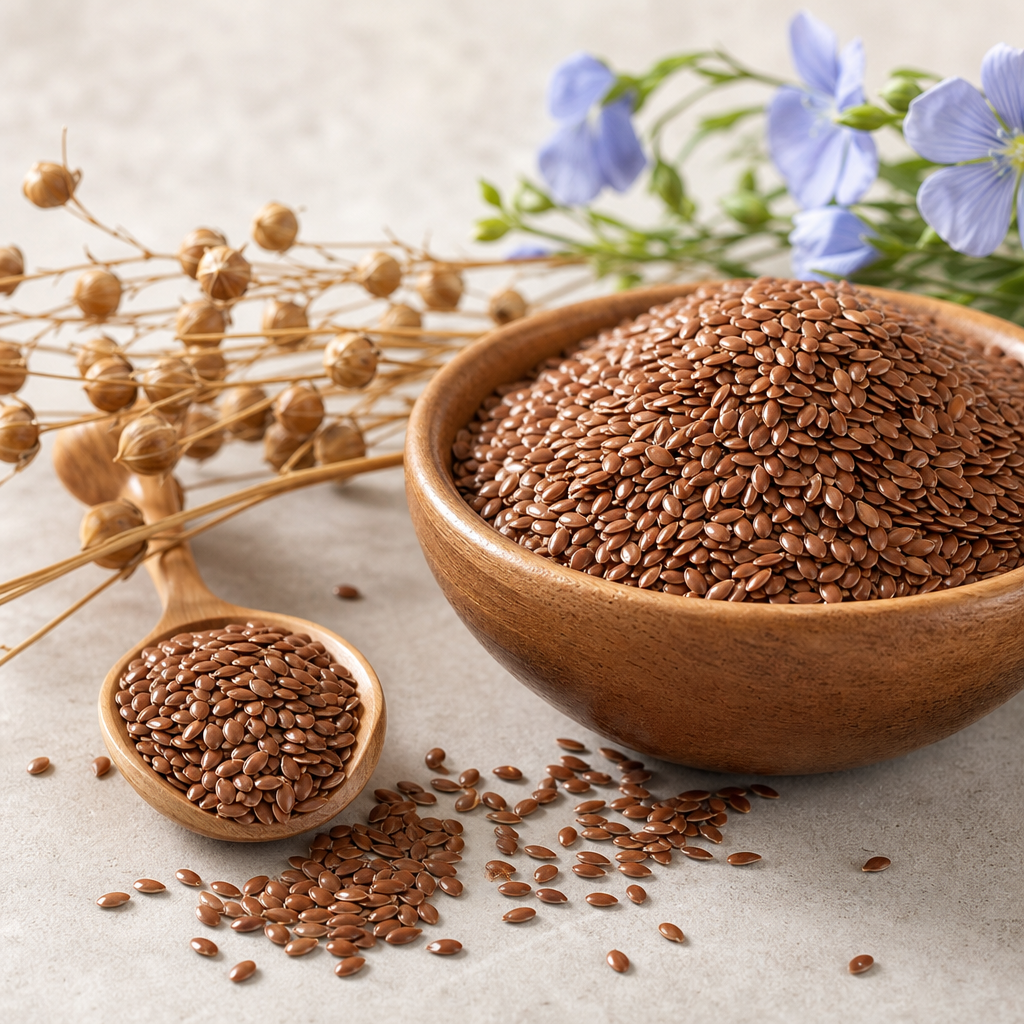
Flax seed (Linum usitatissimum), also called linseed, is the small, edible seed of the flax plant. It has been cultivated for thousands of years for both its fiber (linen) and its nutrient-dense seeds. Flax seed is naturally rich in alpha-linolenic acid (ALA), a plant-based omega-3 fatty acid; lignans (especially secoisolariciresinol diglucoside, or SDG), which are polyphenolic compounds with phytoestrogen and antioxidant activity; and both soluble and insoluble fiber. It also provides plant protein, magnesium, and small amounts of other micronutrients.
Flax seed is best thought of as a whole food and a botanical ingredient commonly used in both food and dietary supplements. It is not an essential nutrient on its own, meaning the body does not require “flax seed” per se the way it requires vitamins, minerals, or essential fatty acids. However, it is a notable source of the essential fatty acid ALA, along with fiber and lignans that support various aspects of health. People use whole or ground flax seed in meals, and flaxseed oil or lignan extracts as supplements when a more targeted intake of ALA or lignans is desired.
Benefits of Flax Seed
-
Supports healthy cholesterol and lipids
(Moderate evidence)
Meta-analyses of randomized controlled trials suggest ground flax seed can modestly reduce total and LDL cholesterol, particularly in individuals with elevated lipids and when used consistently for at least 8–12 weeks. The soluble fiber and lignans appear to contribute, and whole or ground seed is generally more effective than oil for lipid changes because oil lacks fiber and most lignans. Effects on triglycerides are smaller and more variable.
-
Helps maintain healthy blood pressure
(Moderate evidence)
Several trials indicate small but meaningful reductions in systolic and diastolic blood pressure with regular flax seed intake, especially with milled seed providing both fiber and lignans. Benefits tend to accrue over months and may be most noticeable in people with higher baseline blood pressure, as part of a broader diet and lifestyle approach.
-
Improves bowel regularity and digestive comfort
(Strong evidence)
Because it contains both soluble fiber (which forms a gel-like “mucilage”) and insoluble fiber (which adds bulk), flax seed can support regular bowel movements and relieve mild constipation when paired with adequate fluid intake. Ground flax seed is often used as a gentle, food-based strategy for improving stool form and frequency. Individuals with strictures, swallowing difficulties, or significant GI disease should seek medical advice before using high-fiber supplements.
-
Supports glycemic control in some individuals
(Mixed evidence)
Research on flax seed and blood sugar management shows variable results. Some trials using ground seed or lignan-rich preparations report modest improvements in fasting glucose, insulin sensitivity, or A1C in people with insulin resistance or type 2 diabetes, while others find minimal change. Differences in dose, form (seed vs. oil), and duration likely explain the variability.
-
Increases omega-3 (ALA) intake
(Strong evidence)
Flax seed and flaxseed oil are reliable sources of alpha-linolenic acid. Regular intake raises blood levels of ALA and, to a lesser extent, EPA via limited conversion in the body. However, conversion to DHA is minimal, so flax should not be viewed as a substitute for preformed EPA/DHA from marine sources if those long-chain omega-3s are specifically desired.
-
May modestly reduce systemic inflammation markers
(Mixed evidence)
Some studies find small reductions in C-reactive protein (CRP) and other inflammatory markers with flax seed intake, particularly among individuals with higher baseline inflammation. Other trials do not see significant changes. Differences in health status, baseline diet, and the flax preparation used likely contribute to inconsistent findings.
-
Menopausal symptom support (lignans)
(Limited evidence)
Lignan-rich flax preparations have been studied for hot flashes and other menopause-related symptoms. Results are inconsistent: some trials report mild improvements, while others show no significant benefit compared to placebo. When benefits occur, they tend to be modest. Individuals with hormone-sensitive conditions should consult a clinician before using concentrated lignan supplements.
-
Satiety and weight management adjunct
(Limited evidence)
Flax seed’s fiber and mucilage can increase fullness and may slightly reduce subsequent calorie intake, especially when incorporated into meals. While supportive of appetite control, flax seed alone is unlikely to produce substantial weight loss without comprehensive dietary and lifestyle changes.
Types or Forms Available
-
Whole flax seeds (brown or golden)
: Whole seeds are shelf-stable and easy to store, but many nutrients—especially ALA and lignans—are less available if the seed passes through the digestive tract largely intact. Chewing thoroughly or grinding improves absorption.
-
Ground/milled flax seed (flax meal)
: Grinding breaks the seed coat and makes ALA, lignans, and fiber more accessible. This is the preferred form for most health purposes. Choose cold-milled or freshly ground seed and store it in an airtight container in the refrigerator or freezer to minimize oxidation.
-
Flaxseed oil (liquid or softgels)
: Concentrated source of ALA without the fiber and most lignans (unless labeled “with lignans”). It’s not suitable for high-heat cooking due to a low smoke point and susceptibility to oxidation. Look for cold-pressed oil in dark bottles, and refrigerate after opening.
-
Lignan-enriched extracts
: Standardized preparations of SDG lignans derived from flax. Used when targeting lignan intake specifically. These lack the fiber of the whole seed. People with hormone-sensitive conditions should consult a clinician.
-
Defatted flax meal and baked goods with added flax
: Defatted meal retains fiber and lignans but little oil/ALA. Commercial breads, cereals, and snack bars may include flax for texture and nutrition; amounts vary widely.
How to Use Flax Seed
Flax seed is versatile and easy to incorporate into meals and snacks. Choose the form that matches your goals: ground seed for fiber, lignans, and broad benefits; oil for targeted ALA; or lignan extracts for focused polyphenol support.
-
Common dosage range:
For ground flax seed, 1–2 tablespoons (about 10–20 g) per day is typical; some studies use up to 30 g/day for lipid or blood pressure support. For flaxseed oil, 1–2 teaspoons to 1 tablespoon (5–15 mL) per day is common, providing roughly 2–7 g ALA. Avoid excessive intakes, and increase gradually to reduce GI discomfort.
-
Best timing:
Timing is flexible. Many people add flax to breakfast (oatmeal, smoothies, yogurt) to support satiety and regularity. Splitting the dose across meals can enhance tolerance.
-
How to take it:
Take ground flax with food and adequate water. Stir into oats, mix into smoothies, sprinkle over salads or yogurt, or incorporate into baked goods. Use flaxseed oil in dressings, dips, or to finish cooked dishes; avoid high-heat frying.
-
Consistency:
Daily or near-daily use is most supportive for lipids, blood pressure, and bowel regularity. Expect several weeks to see changes in blood markers when used for cardiometabolic goals.
Food Sources and Supplement Options
Flax seed is both a whole food and a supplemental ingredient. You can obtain it naturally by eating the seed in meals, or use concentrated forms such as flaxseed oil or lignan extracts when targeted dosing is desired. Whole foods offer fiber, protein, minerals, and synergistic phytochemicals, while supplements allow more precise ALA or lignan intake but typically lack fiber.
-
Whole flax seeds (brown or golden), ground/milled flax seed, and defatted flax meal
-
Flaxseed oil (cold-pressed; sometimes labeled “with lignans”)
-
Foods made with flax: breads, cereals, crackers, snack bars, smoothie mixes, and non-dairy “flax milk” beverages
Supplementation may make sense for individuals seeking a consistent ALA dose without the bulk of additional fiber, or for those aiming to increase lignans specifically. However, many people benefit from a food-first approach by adding ground flax to routine meals, which provides broader nutrition and is often cost-effective.
Who May Benefit from Flax Seed?
-
Adults looking to support healthy cholesterol and blood pressure as part of a comprehensive lifestyle approach
-
Individuals with low dietary fiber intake who want a gentle, food-based way to improve regularity
-
People who do not eat fish (e.g., vegetarians, vegans) and want to increase plant-based omega-3 (ALA) intake
-
Those with insulin resistance or type 2 diabetes aiming for incremental improvements in cardiometabolic markers, alongside medical care and dietary changes
-
Postmenopausal adults interested in exploring lignan-rich foods (with clinician guidance if there are hormone-sensitive conditions)
-
Athletes during lower-intensity phases seeking added fiber and healthy fats for satiety and overall diet quality; many prefer to reduce high-fiber additions close to intense training or competition
Side Effects and Considerations
-
GI effects:
A sudden increase in fiber may cause bloating, gas, or changes in stool. Increase intake gradually and drink adequate water. People with GI strictures, swallowing difficulties, or bowel obstruction risk should avoid high-fiber supplements unless advised by a clinician.
-
Medication timing:
The fiber in flax can reduce absorption of some oral medications and supplements. Take medications at least 2 hours before or after consuming flax.
-
Bleeding and surgery:
Flaxseed oil may have mild antiplatelet effects. Individuals on anticoagulants/antiplatelets or with bleeding disorders should consult a healthcare professional. Many providers recommend discontinuing nonessential supplements 1–2 weeks before surgery.
-
Blood sugar and blood pressure medications:
Because flax may modestly influence glycemia and blood pressure, monitor levels if you use related medications and discuss with your clinician to avoid overtreatment.
-
Hormone-sensitive conditions:
Flax lignans have weak phytoestrogen activity. Dietary amounts are generally considered safe for most people, but those with hormone-sensitive conditions (e.g., certain breast or endometrial cancers) should consult their oncology or healthcare team before using concentrated lignan supplements.
-
Allergies:
Seed allergies are possible. Discontinue use and seek care if you experience itching, hives, swelling, or breathing difficulties.
-
Cyanogenic compounds and iodine status:
Raw flax contains small amounts of cyanogenic glycosides; typical dietary intakes are considered safe, especially with adequate protein and when seeds are cooked or baked. Individuals with known thyroid or iodine issues should avoid excessive intakes and consult a clinician.
-
Rancidity and quality:
ALA-rich oils are prone to oxidation. Choose fresh, cold-pressed oil in dark bottles, store refrigerated, and use by the “best by” date. For ground flax, buy in smaller quantities, keep airtight and refrigerated or frozen. Consider products tested by third-party quality programs.
-
Pregnancy, breastfeeding, and children:
Culinary amounts of ground flax in food are generally considered acceptable for most people, but data on high-dose supplements (oil or lignans) in pregnancy, breastfeeding, and children are limited. Consult a healthcare professional before supplemental use.
-
Kidney or liver concerns:
While flax is not typically problematic at dietary amounts, individuals with significant kidney or liver disease should review supplement plans with their clinicians.
Common Myths About Flax Seed
-
Flaxseed oil is the same as fish oil.
While both provide omega-3s, flax offers ALA, which the body converts only minimally to EPA and very little to DHA. If you specifically need EPA/DHA (e.g., under clinical guidance), flax is not a direct substitute for marine sources.
-
Whole flax seeds work just as well as ground seeds.
Whole seeds often pass through the gut intact, limiting access to ALA and lignans. Grinding or thorough chewing increases nutrient availability and is recommended for most health goals.
-
Heating flax makes it dangerous.
Flaxseed oil should not be used for high-heat cooking due to oxidation. However, baking with ground flax seed at typical oven temperatures is generally considered acceptable, with only modest impacts on nutritional quality.
-
Flax seed dramatically melts fat.
Flax can enhance satiety and support a healthy diet, but it is not a rapid weight-loss solution. Sustainable weight management depends on overall dietary pattern, energy balance, activity, sleep, and stress.
-
Flax’s phytoestrogens are always harmful.
Flax lignans have weak, selective activity and do not act like prescription hormones. Research does not show harm from dietary amounts in the general population, though individuals with hormone-sensitive conditions should seek personalized advice before using concentrated lignan supplements.
Conclusion
Flax seed is a practical, food-first way to add plant-based omega-3s, fiber, and lignans to your diet. Consistent use of ground flax—about 1–2 tablespoons per day—can support cholesterol, blood pressure, and bowel regularity, and it may offer additional cardiometabolic and inflammatory benefits for some people. Flaxseed oil is useful when targeted ALA intake is desired, but it lacks the fiber and most lignans found in the whole seed.
Choose quality products, store them properly to prevent oxidation, and increase intake gradually with adequate water. People who are pregnant, breastfeeding, taking medications, or managing medical conditions—including hormone-sensitive disorders, bleeding risks, or significant GI disease—should consult a healthcare professional before using concentrated forms. For most, incorporating ground flax into everyday meals is a safe, approachable strategy; supplements can fill targeted gaps when food-based intake isn’t sufficient or practical.