What is Banaba Leaf?
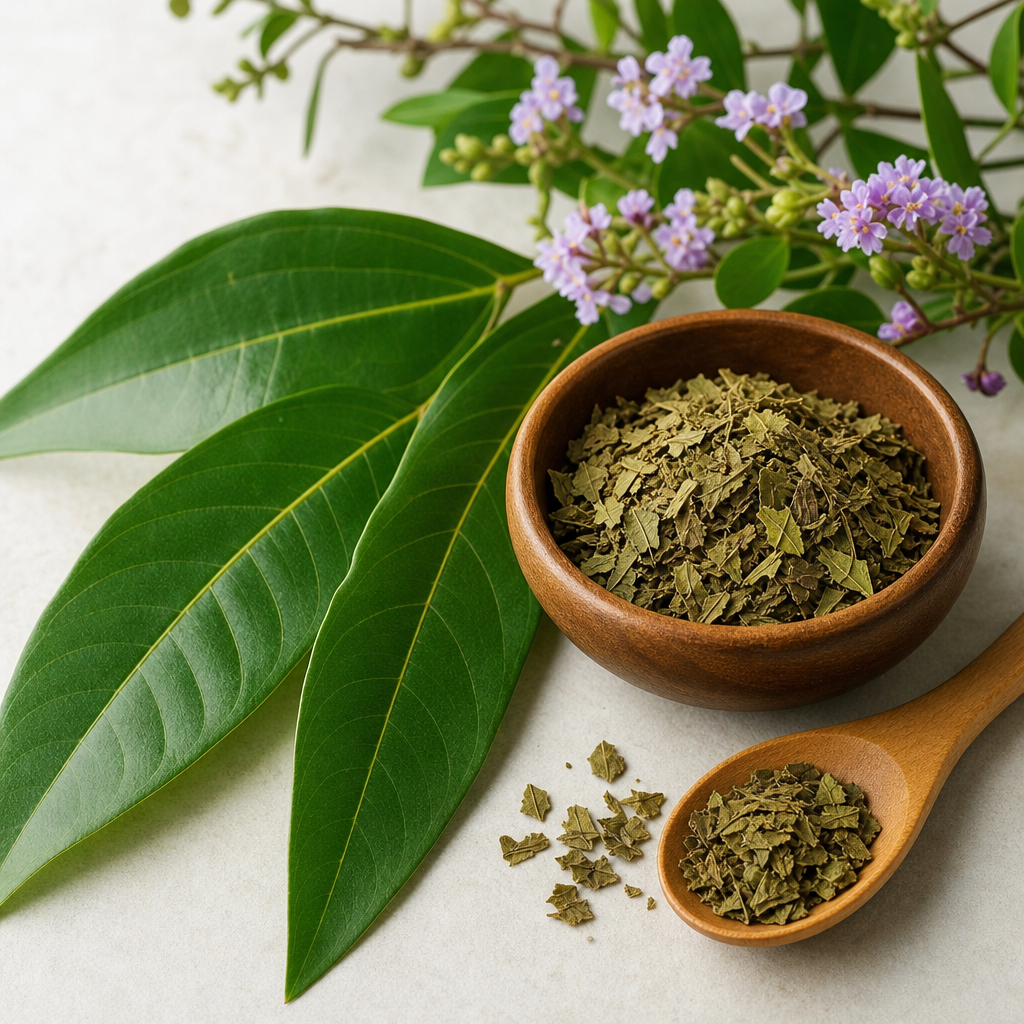
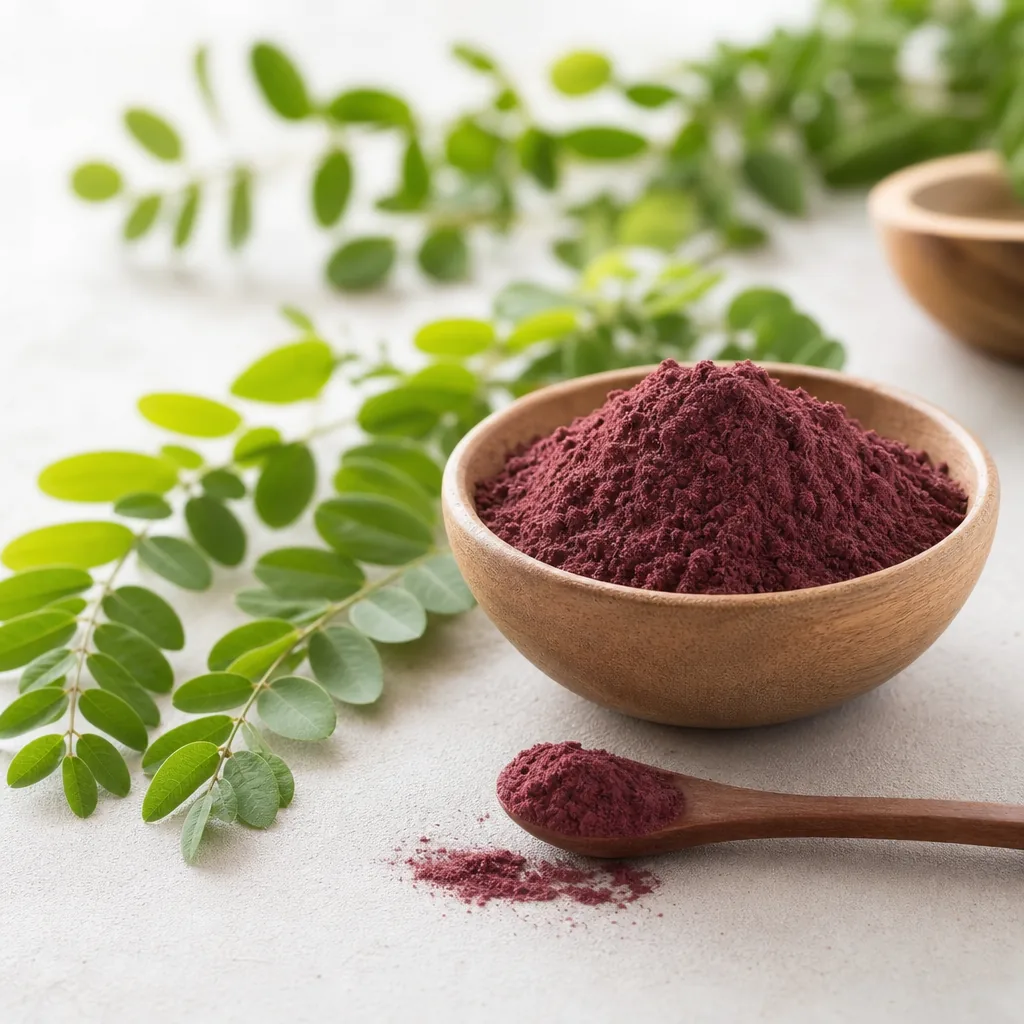
Banaba leaf comes from Lagerstroemia speciosa, a flowering tree native to Southeast Asia and commonly found in the Philippines, India, and surrounding regions. In traditional medicine, banaba tea has been used for centuries to support healthy blood sugar and urinary health. Modern supplements typically use extracts of the leaf rather than the bark or fruit. The leaf contains several bioactive compounds, including corosolic acid, ellagitannins (such as lagerstroemin), and other polyphenols that appear to influence glucose metabolism and cellular signaling.
Banaba leaf is an herb/botanical ingredient, not an essential nutrient like a vitamin or mineral. The body does not require banaba to survive, but certain compounds in the leaf may help support healthy metabolic function when used appropriately. Today, banaba leaf is most often taken as a dietary supplement or brewed as a tea to provide a standardized, consistent amount of its active constituents. While early and emerging research is promising for blood sugar support, it should be considered an adjunct to—not a replacement for—medical care, medication (when prescribed), and foundational lifestyle strategies like nutrition, physical activity, sleep, and stress management.
Benefits of Banaba Leaf
-
Supports healthy blood sugar and insulin sensitivity
(Moderate evidence)
Multiple small human studies suggest that banaba leaf extract can help promote healthy fasting blood glucose and improve insulin efficiency. Extracts standardized to corosolic acid and/or ellagitannins have been associated with improved glucose disposal in response to carbohydrate intake. While effect sizes vary by preparation and population, findings generally support a role as a complementary tool for metabolic health, particularly when paired with diet and exercise.
-
Helps reduce post-meal (postprandial) glucose excursions
(Moderate evidence)
Banaba’s corosolic acid and polyphenols may enhance cellular glucose uptake and influence carbohydrate handling shortly after meals. Several controlled studies have shown reductions in postprandial glucose when banaba extract or corosolic acid (often around 10 mg) is taken shortly before carbohydrate-rich meals. Results are not uniform across all trials, but the most consistent signal appears in the post-meal window.
-
May support modest improvements in lipid profile
(Limited evidence)
Some preliminary human and animal research reports small reductions in triglycerides and LDL cholesterol with banaba supplementation, potentially via improvements in insulin sensitivity and downstream effects on lipid metabolism. However, data are limited and inconsistent, and many studies combine banaba with other ingredients, making it difficult to isolate the effect of banaba alone.
-
Potential assistance with body weight and waist circumference
(Limited to mixed evidence)
A few small studies and combination-formula trials suggest banaba could help modestly reduce body weight or central adiposity over time, likely secondary to improved glycemic control rather than a direct “fat-burning” effect. Evidence remains mixed, and any weight effects appear modest at best. Banaba should not be relied upon for weight loss without diet and activity changes.
-
Antioxidant and anti-inflammatory activity
(Preliminary evidence)
In vitro and animal studies indicate banaba’s polyphenols can act as antioxidants and modulate inflammatory pathways. While these mechanisms are biologically plausible and supportive of metabolic health, robust human trials confirming clinically meaningful outcomes from these effects are still limited.
Types or Forms Available
-
Standardized leaf extracts (capsules/tablets)
These are the most common supplements and are often standardized to a specific percentage of corosolic acid (e.g., 0.5–2%) or to ellagitannins. Standardization helps deliver consistent dosing between batches. Extract strength and solvent (water vs. alcohol) influence the profile of polyphenols and corosolic acid.
-
Corosolic acid–standardized products
Some products specifically highlight a precise corosolic acid dose (e.g., 4–10 mg per serving). This can be useful for postprandial support, but focusing solely on corosolic acid may overlook other synergistic tannins present in the whole-leaf extract.
-
Banaba tea (dried leaf)
Traditional aqueous infusions provide a broad spectrum of water-soluble compounds, especially tannins. Teas are less standardized, so potency can vary with leaf quality, steeping time, and serving size. Tea may be a gentler introduction for those interested in trying banaba with lower, food-like exposures.
-
Blended “glucose support” formulas
Banaba is frequently combined with ingredients like berberine, cinnamon, chromium, alpha-lipoic acid, gymnema, or bitter melon. These blends may have additive effects but also complicate identifying what works and increase the chance of interactions or hypoglycemia when used alongside medications.
-
Liquid extracts/tinctures
Less common but available, these can offer flexible dosing. Alcohol-based tinctures may extract different constituents than water-based preparations. Potency and flavor vary widely, and labels should be checked for standardization and serving equivalence.
How to Use Banaba Leaf
Banaba can be used as a standalone supplement, within a blend, or as a tea. As with any botanical, start low, go slow, and monitor how you feel. People with diabetes or those taking medications that affect blood sugar should consult a healthcare professional before use and monitor glucose closely when initiating or adjusting doses.
-
Common dosage range:
For standardized extracts, typical total daily amounts range from 250–600 mg of banaba leaf extract, often providing approximately 1–10 mg of corosolic acid per day, depending on standardization. Some research has used corosolic acid at around 10 mg once daily or before carbohydrate-rich meals. Always follow product-specific directions and avoid megadoses.
-
Best timing:
When the goal is to blunt post-meal glucose spikes, taking banaba 15–30 minutes before carbohydrate-containing meals is common. For general metabolic support, once or twice daily with meals may be used.
-
How to take it:
Capsules or tablets are typically taken with water and food to minimize stomach upset. Teas can be consumed with or shortly before meals. If using a blend, follow the label and consider starting with the lowest effective serving.
-
Consistency:
Banaba’s effects are most evident around meals and with consistent daily use over several weeks. It is reasonable to evaluate response after 4–8 weeks, alongside lifestyle measures and healthcare guidance.
Food Sources and Supplement Options
Banaba is a botanical, not a common dietary nutrient. Its leaves can be consumed as a traditional tea, but it is not widely present in typical foods. Most people who use banaba rely on supplements that provide standardized amounts of active compounds for predictable dosing.
Supplementation may make sense for adults seeking targeted support for postprandial glucose or overall glycemic control, especially if brewing consistent-strength tea is impractical. Whole-food dietary patterns remain foundational for metabolic health because they deliver fiber, micronutrients, and phytonutrients that work synergistically. Supplements can provide more precise and convenient dosing, but they should complement—not replace—diet, exercise, and medical care.
Who May Benefit from Banaba Leaf?
-
Adults with elevated post-meal glucose excursions who want adjunctive, non-pharmaceutical support under professional guidance.
-
People with insulin resistance or prediabetes who are already implementing diet, exercise, sleep, and weight-management strategies.
-
Individuals with type 2 diabetes working with a clinician who can monitor medications and blood glucose while trialing an adjunct botanical.
-
Those with high-carbohydrate meal patterns seeking to moderate postprandial glucose, when appropriate.
-
People with features of metabolic syndrome (e.g., central adiposity, elevated triglycerides) who are optimizing lifestyle and considering supportive botanicals.
-
Some individuals with PCOS characterized by insulin resistance, in collaboration with a healthcare professional.
Side Effects and Considerations
-
Hypoglycemia risk:
Banaba may lower blood sugar, especially around meals. Combined use with antidiabetic medications (insulin, sulfonylureas, metformin, GLP-1 agonists, SGLT2 inhibitors, etc.) or other glucose-lowering supplements (berberine, cinnamon, gymnema, alpha-lipoic acid) can increase the risk of low blood glucose. Monitor closely and coordinate with a healthcare professional.
-
Gastrointestinal upset:
Some users report nausea, stomach discomfort, or mild diarrhea, particularly with higher doses or when taken on an empty stomach. Taking with food and starting at a low dose may help.
-
Blood pressure considerations:
Limited evidence suggests potential mild blood-pressure–lowering effects. Use caution if you take antihypertensive medications and monitor for dizziness or lightheadedness.
-
Surgery and procedures:
Because banaba can affect blood sugar, discontinue use at least 1–2 weeks before surgery or procedures unless advised otherwise by a clinician.
-
Pregnancy and breastfeeding:
Safety data are insufficient. Avoid use unless specifically recommended by a qualified healthcare professional.
-
Children and adolescents:
Limited data exist; avoid use unless directed by a pediatric clinician.
-
Liver and kidney conditions:
Although serious toxicity is not well-documented, individuals with hepatic or renal issues should use caution due to limited long-term safety data on concentrated extracts.
-
Allergies and sensitivities:
Those with known sensitivities to Lythraceae family plants should avoid banaba. Discontinue if rash, itching, or swelling occurs.
-
Quality and adulteration:
Choose brands that provide standardization details, lot numbers, and third-party testing for purity, potency, and contaminants (e.g., heavy metals, solvents). Botanical quality can vary widely.
-
Medication adjustments:
If blood glucose improves, medication dosages might need reevaluation to prevent hypoglycemia. Do not change prescriptions without medical supervision.
-
Duration of use:
Long-term data are limited. Periodically reassess need, benefits, and safety with a clinician, especially when using higher-potency extracts.
Common Myths About Banaba Leaf
-
“Banaba cures diabetes.”
No herbal supplement has been proven to cure diabetes. Some studies show banaba can help support blood sugar control and insulin sensitivity, but it functions as an adjunct to diet, activity, and medical therapy—not a replacement.
-
“More is better—high doses work faster.”
Higher doses can increase side effects and the risk of hypoglycemia without guaranteeing better results. Evidence supports modest, standardized amounts taken consistently. Start low, follow product directions, and monitor responses.
-
“Natural means risk-free.”
Botanicals can interact with medications and affect physiology. Banaba may lower blood sugar and possibly blood pressure, which can be risky for some people. Natural origin does not eliminate the need for careful dosing and medical guidance.
-
“Banaba replaces healthy eating and exercise.”
No supplement can compensate for a diet high in refined carbohydrates, physical inactivity, poor sleep, or chronic stress. Banaba appears most effective when layered onto a strong lifestyle foundation.
Conclusion
Banaba leaf is an herbal supplement derived from Lagerstroemia speciosa that shows promise for supporting healthy blood sugar—especially around meals—and improving insulin efficiency. Evidence is most consistent for postprandial control, with limited or mixed findings for lipids, weight, and inflammation. When used thoughtfully, standardized extracts or teas can complement nutrition, exercise, sleep, and stress-management efforts. Quality matters: choose third-party-tested products that clearly state standardization and serving details.
People with diabetes, prediabetes, metabolic syndrome, or PCOS should consult a healthcare professional before use, particularly if taking medications that influence glucose or blood pressure. Those who are pregnant, breastfeeding, managing medical conditions, or taking prescriptions should seek individualized guidance. A food-first approach to metabolic health remains essential, with supplements like banaba serving as targeted tools when appropriate. Consistent, moderate dosing and regular monitoring are key to safe, effective use.