What is Capryl?
Capryl generally refers to caprylic acid (also called octanoic acid) or its triglyceride form (C8 MCT), a medium-chain fatty acid naturally occurring in coconut oil, palm kernel oil, and, in smaller amounts, dairy fat. In supplements and nutrition, “Capryl” is used as a shorthand for concentrated C8 medium-chain triglycerides (MCTs) or for encapsulated caprylic acid salts designed for oral use. It is a food-derived ingredient and supplement, not a vitamin, mineral, or herb.
Unlike essential nutrients such as vitamins, minerals, essential fatty acids (omega-3 and omega-6), or essential amino acids, caprylic acid is not essential; the body does not require it to prevent a deficiency state. However, it can play practical roles in health and performance. Medium-chain fats like C8 are rapidly absorbed and transported to the liver, where they are quickly used for energy and can be converted into ketones. These properties make Capryl popular for ketogenic-style eating patterns, quick energy support, and targeted formulations that aim to influence gut microbial balance. While laboratory and small clinical studies suggest several potential benefits, evidence strength varies depending on the outcome measured.
Benefits of Capryl
-
Rapid, readily available energy and ketone support
(Moderate evidence)
Caprylic acid (C8) is absorbed and oxidized quickly, providing a fast energy source that does not require bile for digestion and is preferentially used by the liver to produce ketones. Compared with long-chain fats, C8 raises blood ketone levels more efficiently, which may support mental and physical tasks that benefit from an alternative fuel to glucose. Multiple human metabolic studies show reliable increases in circulating ketones after C8 intake, though the practical performance implications can vary among individuals.
-
Weight management and satiety support
(Mixed evidence)
Some small randomized trials suggest MCTs may modestly increase energy expenditure and promote satiety versus long-chain fats, potentially supporting a reduced-calorie diet. However, findings are inconsistent, and effects are generally modest. Total calorie balance, overall dietary pattern, and adherence remain the dominant drivers of weight outcomes, so Capryl should be viewed as an adjunct rather than a primary weight-loss solution.
-
Digestive support in fat malabsorption
(Moderate evidence)
Because C8 does not require bile salts or pancreatic lipase to the same extent as long-chain fats, MCTs are used in clinical nutrition for individuals with certain malabsorptive conditions under medical supervision. They can help deliver calories when fat digestion is compromised. While protocols are individualized and should be guided by a clinician or dietitian, the physiological basis and clinical use of MCTs in specific settings are well established.
-
Microbial balance in the gut (including Candida)
(Limited evidence)
In vitro and animal studies show that caprylic acid can disrupt fungal and some bacterial cell membranes, including certain Candida species. Limited human evidence and mixed-quality supplement trials exist, so it is premature to consider Capryl a stand-alone anti-fungal therapy. It may complement broader gut health strategies, but medical care is essential for suspected infections.
-
Cognitive support via ketone availability
(Mixed evidence)
Raising ketones with MCTs can offer an alternative fuel for the brain. Some studies in mild cognitive impairment or during acute cognitive tasks show small improvements linked to ketone availability, particularly in certain subgroups. Results are not uniform, benefits may be transient, and broader lifestyle factors (sleep, exercise, diet quality) remain important.
-
Neutral to modestly variable effects on blood lipids
(Mixed evidence)
Research on MCTs shows variable outcomes: some studies report neutral effects on LDL cholesterol with possible increases in HDL, while others show small rises in LDL. Responses depend on total diet, dose, and individual biology. Regular lipid monitoring is reasonable if you use Capryl frequently or in higher amounts.
Types or Forms Available
-
Pure C8 MCT oil (tricaprylin)
: A liquid oil standardized to nearly 100% caprylic triglycerides. It is favored for rapid ketone production and is typically flavorless, making it easy to add to coffee, smoothies, or soft foods. Because it is concentrated, small amounts can have noticeable effects.
-
C8/C10 MCT blends
: Many MCT oils blend caprylic (C8) with capric (C10) acids. These are cost-effective and still produce ketones, though generally not as efficiently as pure C8. Label transparency matters; higher C8 percentage usually correlates with stronger ketone response per dose.
-
Encapsulated caprylic acid (caprylates)
: Capsules or softgels may contain caprylic acid as mineral salts (e.g., calcium or magnesium caprylate) or as triglycerides. Capsules can be convenient and may reduce oil-associated GI side effects for some users. Doses are typically measured in milligrams rather than milliliters.
-
Time-release or enteric-coated capsules
: Designed to dissolve further along the gastrointestinal tract. These are often marketed for gut microbial balance, though comparative clinical evidence versus standard forms is limited.
-
Powdered C8 (MCT powder)
: C8 bound to carriers (such as soluble fibers) to produce a mixable powder. Useful for travel or adding to shakes. Carriers differ—some are gentler on digestion than others—so check for additives if you have sensitivities.
-
Topical cosmetic form (caprylic/capric triglyceride)
: Commonly used in skincare as an emollient. This is for external use and is not the same as dietary supplementation.
How to Use Capryl
Start low and increase gradually to gauge tolerance. Individual responses vary, especially regarding digestive comfort and ketone sensitivity. As with any supplement, discuss use with a healthcare professional if you have a medical condition, take medications, are pregnant or breastfeeding, or plan to use Capryl as part of a therapeutic diet.
-
Common dosage range:
For liquid C8 MCT oil, many people start with 1 teaspoon (about 5 mL) once daily and titrate toward 1 tablespoon (15 mL) once or twice daily as tolerated. For capsules, common ranges are 500–1,000 mg per serving, taken 1–3 times daily with meals. Higher intakes can increase GI side effects and calorie load; avoid megadoses.
-
Best timing:
If your goal is a ketone boost for focus, a small dose on an empty stomach may have a more noticeable effect, but it can increase the risk of GI upset. For general use or gut comfort, take with meals. Pre-workout use is individualized; trial a small dose well before training to assess tolerance.
-
How to take it:
Mix liquid C8 into coffee, tea, smoothies, yogurt, or soft foods. Capsules can be taken with water. Taking Capryl with food often reduces digestive discomfort.
-
Consistency:
For ketogenic strategies or clinical nutrition uses, daily consistency may help maintain a steady response. For occasional energy support, use as needed. Reassess dose if you change your diet, training load, or health status.
Food Sources and Supplement Options
Caprylic acid occurs naturally in certain foods, though usually in modest amounts compared with concentrated supplements. Supplements provide targeted dosing of C8, while whole foods contribute a wider mix of fatty acids and other nutrients.
-
Coconut oil:
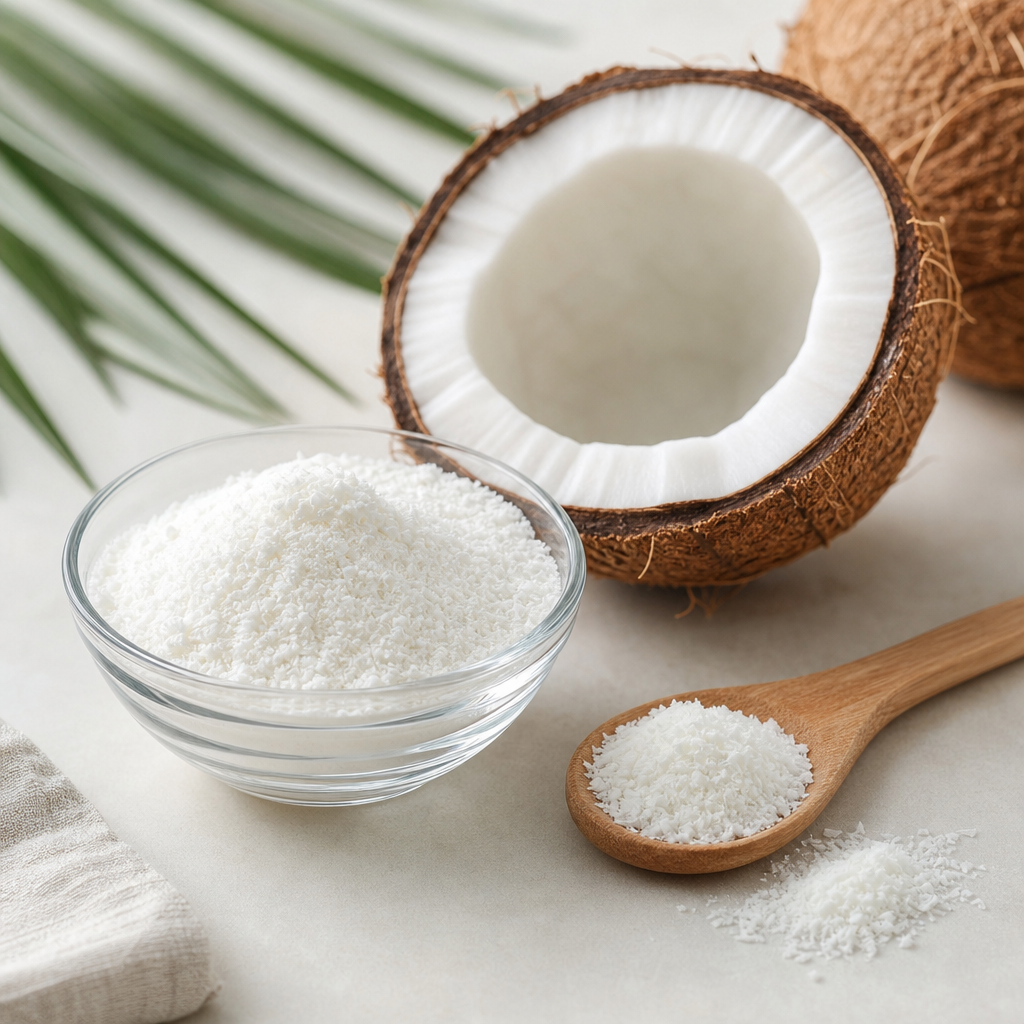
Contains multiple MCTs; caprylic acid typically comprises a smaller fraction compared with lauric acid (C12).
-
Palm kernel oil:
Similar MCT profile to coconut oil; sourcing and sustainability are important considerations.
-
Dairy fat:
Butter, cream, and goat’s milk contain small amounts of C8 and other short- and medium-chain fats.
When consistent or higher C8 intake is desired (for ketone support or specialized diets), C8 MCT oils or capsules are commonly used. Food-first approaches provide additional nutrients and culinary variety, but supplements allow more predictable dosing and may be preferable when specific, measurable effects (such as ketone generation) are the goal.
Who May Benefit from Capryl?
-
People following ketogenic or low-carbohydrate diets who want a more efficient ketone rise without increasing carbohydrate intake.
-
Individuals seeking a rapidly absorbed fat source for energy during busy periods or before cognitively demanding tasks.
-
Those working with a clinician on nutrition support for certain malabsorptive conditions, where MCTs can supply calories more easily than long-chain fats.
-
Active individuals experimenting with different fueling strategies; note that tolerance varies and GI comfort should guide use.
-
People aiming for appetite management within a structured, calorie-controlled plan and comprehensive lifestyle changes.
-
Older adults who may benefit from calorie-dense, easy-to-consume fats when overall intake is low (with medical guidance).
-
Individuals exploring gut health strategies who are considering adjunctive tools; professional evaluation is recommended for persistent GI symptoms.
Side Effects and Considerations
-
Gastrointestinal upset:
Nausea, cramping, diarrhea, or reflux can occur, especially with larger or fasted doses. Start small and take with food to reduce risk.
-
Calorie density:
MCTs are calorie-dense. Overuse can contribute to unintended weight gain despite potential satiety effects.
-
Lipid changes:
Some individuals experience increases in LDL cholesterol; monitor lipids if using routinely, particularly if you have hyperlipidemia or cardiovascular risk.
-
Liver and pancreatic considerations:
Although often used in clinical settings, people with advanced liver disease, pancreatitis, or significant GI disorders should use Capryl only under medical supervision.
-
Diabetes and ketosis risk:
C8 can raise ketones. People with type 1 diabetes, those prone to ketoacidosis, or anyone taking SGLT2 inhibitors should consult their clinician before use.
-
Pregnancy, breastfeeding, and children:
Food sources are generally acceptable, but safety data for high-dose supplements are limited. Seek medical advice before supplementing.
-
Allergies and sensitivities:
Rare coconut or palm-related allergies exist. Check labels for source oils and for additives in powdered products if you have sensitivities.
-
Medication considerations:
Capryl is not known for broad drug interactions, but individuals on glucose-lowering medications or weight-loss drugs (e.g., orlistat) should discuss use due to GI effects and changes in fuel utilization.
-
Quality and sourcing:
Look for products specifying C8 content and, for palm-derived options, sustainable sourcing. Avoid products that do not disclose MCT composition.
-
Pre-surgical use:
Introduce no new supplements in the two weeks before surgery unless your surgical team advises otherwise.
Common Myths About Capryl
-
“Capryl cures Candida infections.”
Laboratory data show caprylic acid can disrupt certain fungi, but clinical evidence in humans is limited. It should not replace medical evaluation or prescribed antifungal therapy for infections. At best, it may serve as an adjunct within a clinician-guided plan.
-
“C8 guarantees better athletic performance.”
While C8 raises ketones and provides rapid energy, studies on endurance or high-intensity performance are mixed. Some athletes experience GI distress that offsets any potential benefit. Training status, event type, and individual tolerance matter more than any single supplement.
-
“Capryl is an essential nutrient like a vitamin.”
Caprylic acid is not essential; there is no recognized human deficiency state. It can be a useful tool but is not required for health in the way vitamins, minerals, or essential fatty acids are.
-
“Coconut oil is the same as pure C8.”
Coconut oil contains multiple fatty acids, with C8 making up only a smaller portion. Pure C8 MCT oil produces a more pronounced and predictable ketone rise per dose than coconut oil.
-
“C8 puts you into the same level of ketosis as fasting.”
C8 can raise ketones modestly to moderately, but not typically to the levels seen with prolonged fasting or strict ketogenic diets. Diet composition and energy balance still dominate ketone production.
Conclusion
Capryl (caprylic acid/C8 MCT) is a food-derived supplement prized for rapid energy delivery and reliable ketone production. Evidence is strongest for its metabolic effects and clinical use of MCTs in certain malabsorptive states, while research on body weight, cognition, and gut microbial balance remains mixed to limited. For many people, small, well-tolerated doses can be a practical addition to a thoughtful nutrition strategy, especially within low-carbohydrate or ketogenic approaches.
Choose quality products that clearly disclose C8 content and sourcing, introduce them gradually, and monitor your individual response, including lipids and digestive comfort. Whole foods provide broader nutrition and should anchor your diet; supplements are most useful when you need targeted, predictable dosing. If you are pregnant, breastfeeding, managing a medical condition, or taking medications, consult a qualified healthcare professional before using Capryl.