What is Boron?
Boron is a naturally occurring trace element found in the earth’s crust and widely distributed in plants, especially fruits, vegetables, nuts, and legumes. In nutrition, it is considered a non-essential trace element for humans—meaning there is no established daily requirement and no recognized deficiency disease as there is for essential vitamins and minerals. Still, boron appears to influence several physiological processes, including mineral metabolism, bone health, and aspects of hormonal and inflammatory regulation.
From a product standpoint, boron is offered as a dietary supplement, not as an essential nutrient. It is also present in the diet through plant-based foods where its content varies with soil levels and agricultural practices. Research in humans suggests boron may support bone maintenance, cognitive performance under low-intake conditions, and healthy inflammatory responses, but findings are not uniform and large, long-term clinical trials are limited. As such, boron is best viewed as a potentially helpful, food-derived bioactive available through diet and supplements rather than a nutrient the body strictly requires.
Benefits of Boron
-
Supports bone and mineral metabolism
(Moderate evidence)
Human feeding studies indicate boron can reduce urinary excretion of calcium and magnesium and may influence vitamin D metabolism, potentially supporting bone maintenance. Small trials in postmenopausal adults suggest favorable effects on bone-related markers, though consistent, long-term data on bone mineral density or fracture risk are limited. Boron likely works by helping the body utilize minerals and vitamin D more efficiently rather than acting as a stand-alone bone builder.
-
Joint comfort in osteoarthritis
(Mixed evidence)
Preliminary clinical studies, including trials using calcium fructoborate, report modest improvements in joint comfort and function along with reductions in certain inflammatory markers. However, these studies are generally small, vary in quality, and sometimes combine boron with other ingredients, making it difficult to attribute benefits solely to boron. Larger, well-controlled trials are needed to confirm any meaningful effect for osteoarthritis.
-
Influence on sex hormones
(Limited evidence)
Some small, short-duration studies suggest boron supplementation (often around 6–10 mg/day) can modestly affect hormone-related markers such as free testosterone, sex hormone–binding globulin (SHBG), and inflammatory cytokines. The clinical significance of these changes is unclear, particularly for healthy individuals. Any hormone-related effects, if present, appear small and may be most relevant when overall dietary intake is low or in specific subgroups.
-
Cognitive performance under low-boron conditions
(Limited evidence)
Controlled feeding studies that experimentally restricted boron intake reported decrements in attention, psychomotor speed, and manual dexterity, which improved when dietary boron was reintroduced. These findings suggest boron adequacy may play a supportive role in cognitive function. However, real-world supplementation studies in diverse populations are scarce, and the magnitude of benefit in people with typical diets is uncertain.
-
Inflammatory and oxidative stress markers
(Preliminary evidence)
Early studies note reductions in biomarkers such as high-sensitivity C-reactive protein (hsCRP) and certain cytokines following short-term boron supplementation. While intriguing, these results are not yet robust across larger, longer trials, and it is unclear how they translate to concrete health outcomes. More research is needed to establish consistent anti-inflammatory effects.
Types or Forms Available
-
Boron glycinate, citrate, aspartate, or “amino acid chelate”
These are common supplemental forms designed for good absorption. Differences in bioavailability among these salts and chelates have not been conclusively established in head-to-head human trials, so practical differences may be small for most users.
-
Calcium fructoborate
A plant-inspired complex of boron, fructose, and calcium used in some studies on joint comfort and inflammatory markers. It may be gentler on the stomach for some individuals, but evidence that it is consistently superior to other forms is limited.
-
Multivitamin/mineral products with boron
Many quality multis include 1–3 mg of boron. This low-dose approach emphasizes coverage of potential dietary gaps rather than targeted, higher dosing.
-
Boric acid and borax (sodium tetraborate)
These are not appropriate oral supplement forms. Boric acid is sometimes used topically or in vaginal suppositories under medical guidance; ingestion can be harmful. Always avoid products intended for non-oral use.
How to Use Boron
Because boron is not an essential nutrient with a required intake, there is no Recommended Dietary Allowance (RDA). Practical use is generally conservative and tailored to goals, dietary intake, and tolerance.
-
Common dosage range:
1–3 mg/day is common in multivitamins and is a prudent daily range for general support. Some studies have used 3–6 mg/day; short-term research has explored around 10 mg/day, but such higher intakes should be approached cautiously and kept well below the adult Tolerable Upper Intake Level (UL) of 20 mg/day. Children have lower ULs. Avoid megadoses.
-
Best timing:
Timing is not critical. Many people take boron with a meal to minimize any chance of stomach upset.
-
How to take it:
Swallow with water; taking boron alongside meals that include minerals and vitamin D is reasonable given their interrelationships, though not required.
-
Consistency:
Daily use over several weeks is typical when evaluating effects on joint comfort or general well-being. Reassess periodically and discontinue if no clear benefit is observed.
Food Sources and Supplement Options
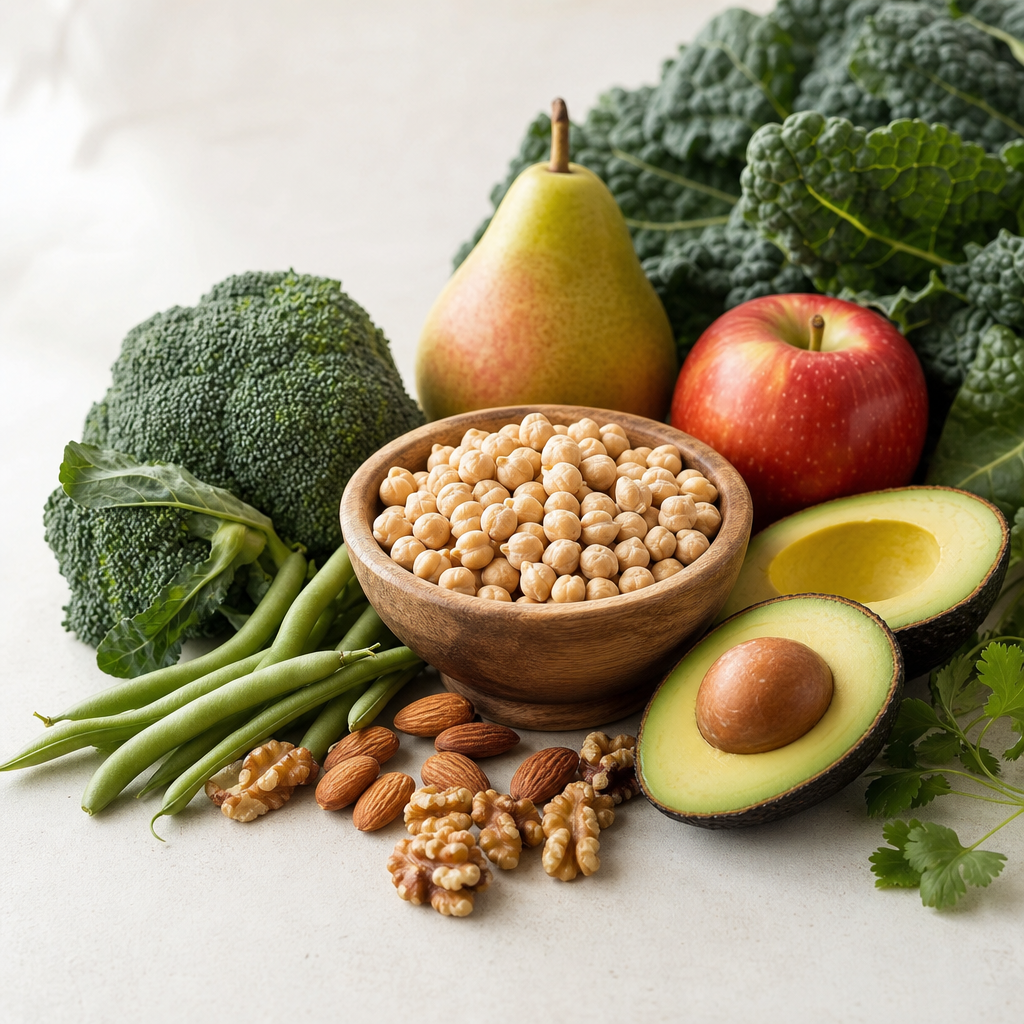
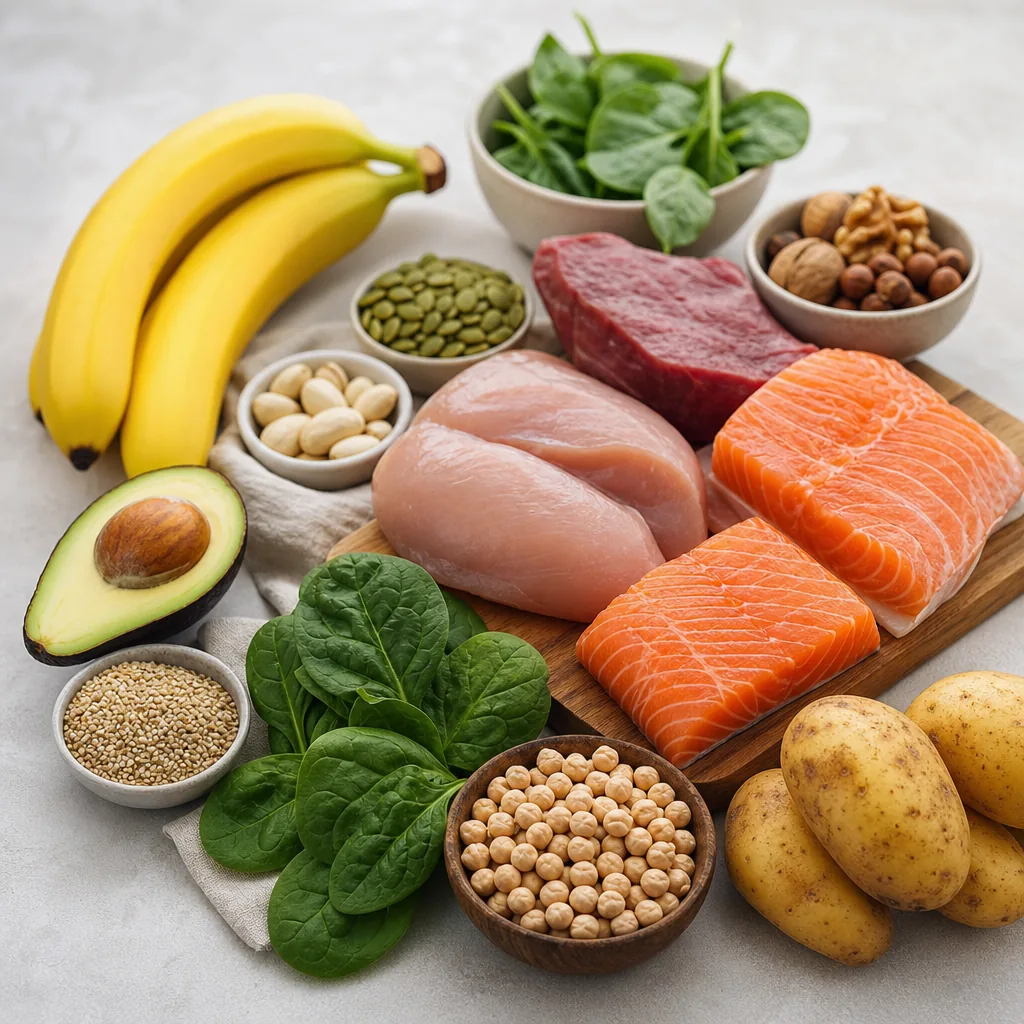
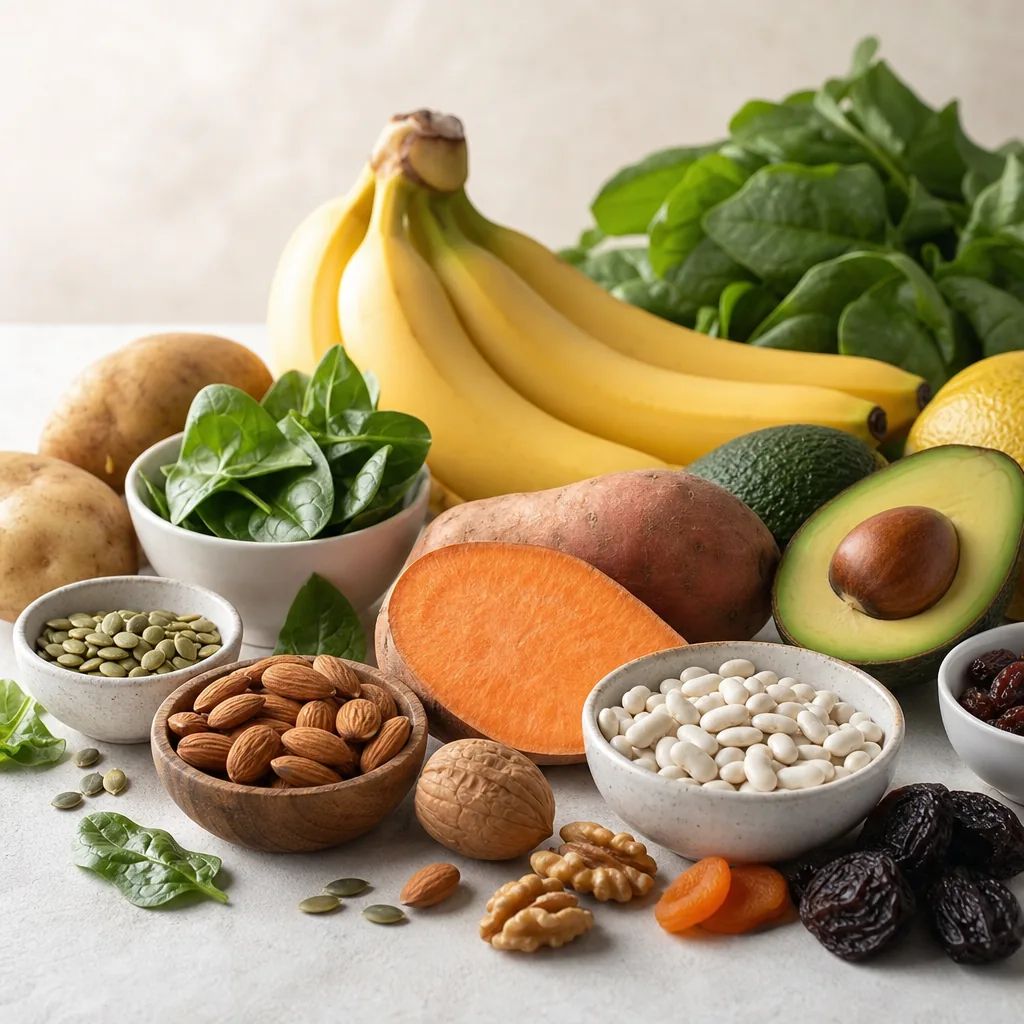
Boron is naturally found in many plant foods. Because soil content varies widely by region, food boron levels can differ. A varied, plant-forward diet generally provides small amounts of boron without the need for supplements. Supplements are available for more precise dosing or in cases of low plant-food intake.
-
Prunes, raisins, and other dried fruits
-
Avocado
-
Almonds, walnuts, hazelnuts, and other nuts
-
Legumes such as chickpeas, lentils, and beans
-
Leafy greens and cruciferous vegetables
-
Apples, pears, grapes; coffee and tea
Supplementation may make sense for individuals who consistently consume few plant foods, those exploring joint comfort support, or people participating in structured bone health regimens alongside calcium, vitamin D, magnesium, protein, and resistance exercise. Whole foods offer additional benefits like fiber and polyphenols, while supplements allow more consistent, modest dosing when diet alone is insufficient.
Who May Benefit from Boron?
-
Adults with low intake of fruits, vegetables, nuts, and legumes who want to cover potential gaps in boron intake.
-
Postmenopausal adults or those focused on bone maintenance as part of a comprehensive plan including diet, vitamin D, calcium, magnesium, and resistance training.
-
Individuals seeking joint comfort support, especially when other first-line strategies (weight management, physical therapy, appropriate medications) are in place.
-
People following highly restrictive or very low–plant-food patterns (e.g., strict carnivore-style diets) who want to ensure exposure to plant-derived trace elements.
-
Those in areas with boron-poor soils or with limited access to a varied plant-based diet.
Side Effects and Considerations
-
Stay below the UL:
The adult Tolerable Upper Intake Level is about 20 mg/day; for children it is lower (approximately 3 mg/day for ages 1–3, 6 mg/day for 4–8, 11 mg/day for 9–13, and 17 mg/day for 14–18). Typical supplemental intakes are much lower. Do not exceed recommended amounts.
-
Gastrointestinal upset:
Higher intakes can cause nausea, vomiting, diarrhea, or abdominal discomfort. Reduce dose or discontinue if symptoms occur.
-
Pregnancy and breastfeeding:
Avoid supplemental boron beyond normal food amounts unless advised by a clinician. Do not ingest boric acid or borax. Pregnant or breastfeeding individuals should consult a healthcare professional before use.
-
Children and adolescents:
Because ULs are lower and safety data are limited, avoid boron supplements in minors unless directed by a qualified clinician.
-
Kidney concerns:
Boron is cleared by the kidneys. Those with kidney impairment should avoid supplementation unless medically supervised due to potential accumulation.
-
Hormone-sensitive conditions:
Because boron may influence sex hormone–related markers, people with hormone-sensitive conditions (e.g., certain breast, uterine, ovarian, or prostate conditions, endometriosis) or those using hormone therapies should consult a healthcare professional before use.
-
Medication considerations:
No well-established drug interactions are confirmed, but exercise caution with hormone therapies, anti-estrogen medications, or high-dose vitamin D/mineral regimens. If you take prescription medications, discuss boron with your clinician.
-
Form matters:
Use boron supplements intended for oral use (e.g., citrate, glycinate, amino acid chelates). Do not ingest borax or boric acid; topical or vaginal products containing boric acid must not be taken by mouth.
-
Quality and purity:
Choose third-party tested products to reduce risk of contamination and ensure label accuracy, especially at low doses where precision matters.
-
Pre-surgery:
As a precaution, stop new non-essential supplements 1–2 weeks before surgery and inform your surgical team of all products you take.
-
General medical advice:
Anyone who is pregnant, breastfeeding, taking medications, or managing a medical condition should consult a healthcare professional before starting boron.
Common Myths About Boron
-
Boron is an essential nutrient that everyone must supplement.
Current evidence does not classify boron as essential for humans, and there is no recognized deficiency syndrome. Many people get small amounts through a varied diet, and routine supplementation is not universally necessary.
-
Boron dramatically boosts testosterone and athletic performance.
Small, short-term studies show modest shifts in hormone-related markers at best, and not consistent improvements in performance. Any effects, if present, are typically small and should not be considered a substitute for training, nutrition, and recovery fundamentals.
-
More boron is always better—high doses accelerate benefits.
Exceeding conservative doses does not guarantee better outcomes and increases the risk of side effects. Adults should remain well below the UL of 20 mg/day, and most practical uses fall in the low milligram range.
-
Borax and boric acid are safe, natural ways to get dietary boron.
These are not oral supplements and can be harmful if ingested. Only use boron products formulated for oral consumption and follow label directions.
Conclusion
Boron is a non-essential, plant-derived trace element that may support bone and mineral metabolism, healthy inflammatory balance, and cognitive performance under low-intake conditions. Evidence is promising in some areas but remains limited or mixed, especially for long-term outcomes. For most people, a food-first approach—emphasizing fruits, vegetables, nuts, legumes, and overall dietary quality—provides small, consistent amounts of boron along with many other beneficial nutrients.
Supplementation can be considered for those with very low plant-food intake, individuals focusing on comprehensive bone or joint health strategies, or people working with a clinician on targeted goals. Choose quality products, avoid non-oral forms like borax and boric acid, and keep doses low—typically 1–3 mg/day—well below the adult UL. People who are pregnant, breastfeeding, taking medications, or managing medical conditions should consult a healthcare professional before use. As with any supplement, reassess periodically and prioritize well-rounded nutrition, sleep, physical activity, and medical guidance to support overall health.