What is Vitamin B6?
Vitamin B6 is a water-soluble essential vitamin that your body must obtain from food or supplements. It refers to a group of related compounds—pyridoxine, pyridoxal, and pyridoxamine—and their active coenzyme form, pyridoxal 5′-phosphate (PLP). As a true essential nutrient, vitamin B6 cannot be synthesized in sufficient amounts by the body, yet it is required for hundreds of enzyme reactions involved in protein, carbohydrate, and fat metabolism.
In everyday health, vitamin B6 supports the production of neurotransmitters (such as serotonin, dopamine, and GABA), the formation of hemoglobin for red blood cells, the conversion of homocysteine to methionine alongside folate and vitamin B12, and normal immune function. It is naturally present in a wide range of foods and is also available as a stand-alone supplement or within multivitamins and B-complex formulations.
Because vitamin B6 is water-soluble, the body does not store large amounts. Daily intake through food or appropriate supplementation is important, particularly when needs are increased or when absorption or utilization is impaired.
Benefits of Vitamin B6
-
Supports homocysteine metabolism and cardiovascular health
(Strong evidence)
Vitamin B6, with folate and vitamin B12, helps convert homocysteine to methionine, maintaining normal homocysteine levels. Numerous clinical trials show that supplementing these B vitamins lowers elevated homocysteine. While homocysteine reduction is beneficial for biochemical risk profiles, large trials have not consistently demonstrated a reduction in heart attack or stroke events from B-vitamin therapy alone. The clearest, evidence-backed benefit is normalization of homocysteine in people with elevated levels or low B-vitamin status.
-
Reduces nausea and vomiting in pregnancy (NVP)
(Moderate evidence)
Vitamin B6 is commonly used, often with doxylamine, under clinician guidance to help reduce morning sickness. Multiple randomized trials indicate a modest but meaningful reduction in nausea severity for many pregnant individuals. Because pregnancy is a sensitive period, dosing and use should be individualized and supervised by a healthcare professional.
-
Helps prevent medication-induced neuropathy (e.g., isoniazid, cycloserine, penicillamine)
(Strong evidence)
Certain medications form complexes with vitamin B6 or interfere with its activity, increasing the risk of peripheral neuropathy. Clinicians routinely prescribe pyridoxine alongside these drugs to prevent deficiency-related nerve damage. This use is well-established in clinical practice; dosing should be directed by a healthcare provider to match the specific medication regimen.
-
May alleviate premenstrual symptoms (PMS)
(Mixed evidence)
Some studies suggest vitamin B6 may modestly reduce PMS-related mood changes, irritability, or breast tenderness, especially when combined with other nutrients. However, trials vary in quality and dosing, and not all outcomes show benefit. It may be reasonable to try a conservative, short-term trial under guidance, recognizing that responses differ.
-
Corrects deficiency-related anemia and neurological symptoms
(Strong evidence)
When vitamin B6 deficiency causes microcytic or sideroblastic anemia, dermatitis, mouth soreness, irritability, or even seizures (in severe cases), appropriate repletion resolves symptoms. This benefit is specific to people who are deficient or have impaired vitamin B6 metabolism.
Deficiency or Low Levels of Vitamin B6
-
Common signs of low levels:
Cracks at the corners of the mouth (cheilosis), swollen or sore tongue (glossitis), scaly dermatitis, fatigue, irritability, confusion, microcytic or sideroblastic anemia, weakened immune function, and in severe cases peripheral neuropathy or seizures (especially in infants).
-
Who may be at risk:
Older adults; people with alcohol use disorder; individuals with malabsorption (e.g., celiac disease, inflammatory bowel disease), kidney disease or dialysis; those taking certain medications (isoniazid, cycloserine, penicillamine, hydralazine, some anticonvulsants, oral contraceptives); people with limited dietary variety; and individuals post–bariatric surgery. Pregnancy and lactation increase needs.
-
How it is checked:
Blood levels of PLP (pyridoxal 5′-phosphate) are the most common indicator. Clinicians may also consider functional markers and overall nutritional status because inflammation and protein-energy malnutrition can influence results.
Types or Forms Available
-
Pyridoxine hydrochloride (PN-HCl):
The most common, stable supplement form. Readily converted by the body to PLP. Widely used in multivitamins, B-complex products, and stand-alone B6 supplements.
-
Pyridoxal 5′-phosphate (P5P):
The coenzyme “active” form. Some people prefer it for potential advantages in situations with impaired conversion, though for most healthy individuals, PN-HCl and P5P perform similarly at typical doses.
-
Pyridoxamine:
A natural B6 vitamer less commonly found in supplements due to regulatory and marketplace factors. Not typically necessary given the effectiveness and availability of PN-HCl and P5P.
-
Food forms:
Naturally present in animal and plant foods, often as PLP or PMP bound to proteins; cooking and processing can reduce content.
-
Combinations and delivery:
B6 often appears in B-complexes or prenatal vitamins; standard capsules or tablets are typical. Sustained-release versions exist but are not generally required for effectiveness.
How to Use Vitamin B6
Most people meet their needs through a varied diet. When supplements are used, choose conservative doses, avoid chronic high intakes, and tailor use to your goals and medical context. Always consult a healthcare professional if you are pregnant, breastfeeding, taking medications, or managing a medical condition.
-
Common dosage range:
The Recommended Dietary Allowance (RDA) for adults is about 1.3 mg/day (ages 19–50), 1.7 mg/day for men 51+, and 1.5 mg/day for women 51+. Pregnancy requires about 1.9 mg/day and lactation 2.0 mg/day. Typical supplement doses for general support are 2–10 mg/day; some targeted uses employ 10–25 mg/day for limited durations under guidance. Avoid long-term high doses because of neuropathy risk.
-
Best timing:
Timing is flexible. Taking B6 with meals may improve tolerance and absorption. If used for pregnancy-related nausea, timing is individualized by a clinician.
-
How to take it:
Swallow with water, preferably alongside a meal. Many people obtain B6 as part of a multivitamin or B-complex to support balanced B-vitamin intake.
-
Consistency:
Because B6 is water-soluble and not stored in large amounts, daily intake is ideal. For targeted, short-term uses (e.g., medication-induced depletion), follow medical advice.
Food Sources and Supplement Options
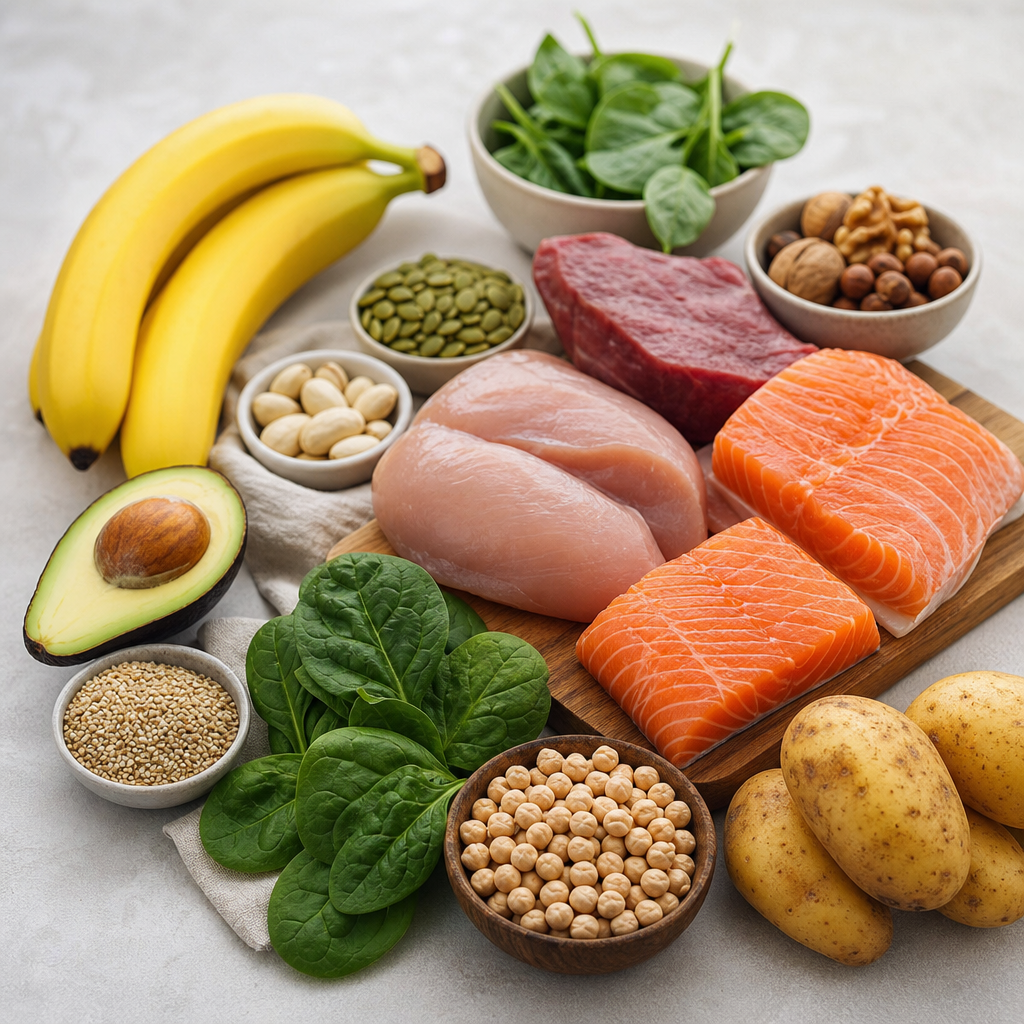
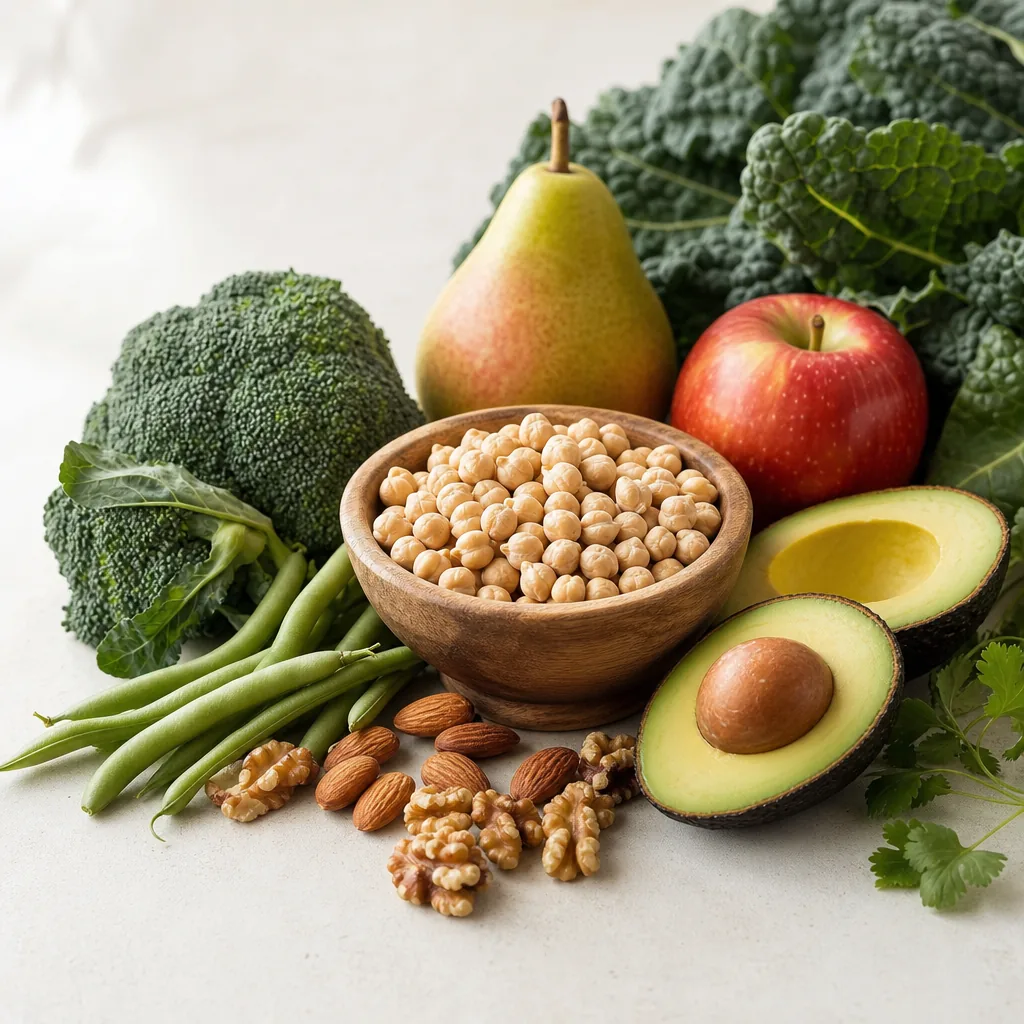
Vitamin B6 is widely available in foods and also as supplements. Food-first approaches provide B6 along with protein, fiber, and other micronutrients. Supplements can help when dietary intake is low, when needs are increased, or when certain medications or conditions impair vitamin B6 status.
-
Poultry (chicken, turkey)
-
Fish (salmon, tuna)
-
Organ meats
-
Potatoes and other starchy vegetables
-
Chickpeas and other legumes
-
Bananas
-
Nuts (e.g., pistachios) and seeds
-
Fortified breakfast cereals and whole grains
Supplementation may make sense for individuals with confirmed low PLP levels, those on medications that antagonize B6, older adults with poor appetite, or those following restricted diets. Whole foods remain the preferred foundation because they deliver a package of nutrients and bioactive compounds, while supplements provide precise, convenient dosing when needed.
Who May Benefit from Vitamin B6?
-
People with documented low B6 status or symptoms suggestive of deficiency.
-
Individuals taking medications that interfere with B6 (e.g., isoniazid, cycloserine, penicillamine, hydralazine), under medical supervision.
-
Pregnant individuals experiencing nausea and vomiting, using clinician-directed regimens.
-
Older adults, especially those with limited food intake or multiple medications.
-
People with malabsorption, celiac disease, inflammatory bowel disease, or post–bariatric surgery.
-
Individuals with elevated homocysteine, typically in combination with folate and B12.
-
Those with alcohol use disorder, due to impaired intake and metabolism.
-
Some with PMS-related symptoms seeking a cautious, short-term trial.
Side Effects and Considerations
-
Neuropathy risk at high doses:
Chronic high intakes of vitamin B6 can cause sensory neuropathy (numbness, tingling, burning). Cases have occurred at doses well below 200 mg/day with long-term use; stay within conservative limits and avoid self-prescribing high doses.
-
Upper limits vary by region:
In the United States, the Tolerable Upper Intake Level (UL) for adults is 100 mg/day, while some authorities in other regions have set much lower ULs (e.g., around 12–25 mg/day). The safest approach is to use the lowest effective dose for the shortest necessary time.
-
Medication interactions:
Isoniazid, cycloserine, hydralazine, and penicillamine can deplete or inactivate B6; supplementation is often prescribed. High-dose B6 can reduce the effect of levodopa when levodopa is taken without carbidopa. There are also reports of interactions with some anticonvulsants; consult your clinician.
-
Health conditions requiring caution:
People with kidney disease, liver disease, or neurological disorders should avoid high doses and seek medical guidance.
-
Pregnancy and breastfeeding:
Although B6 is used for pregnancy-related nausea, dosing should be individualized and supervised by a healthcare professional. Do not exceed recommended amounts without medical advice.
-
Children and adolescents:
Use only age-appropriate doses; high-dose products are not appropriate without medical supervision.
-
Allergies and sensitivities:
Rarely, supplements may contain excipients that trigger reactions. Choose reputable products with clear labeling.
-
Testing nuances:
PLP levels can be affected by inflammation, albumin status, and overall protein intake; clinicians interpret results in context.
-
Quality matters:
Select third-party tested supplements to verify potency and purity, especially if using sustained-release or “high-potency” products.
-
Surgery and procedures:
Inform your surgical team about all supplements. While B6 is not a blood thinner, many clinicians recommend pausing nonessential supplements before major procedures.
Common Myths About Vitamin B6
-
Myth: “More B6 means more energy instantly.”
B6 helps enzymes extract energy from food, but taking extra beyond your needs will not create a stimulant-like effect. Benefits mainly appear when correcting low intake or specific deficiencies.
-
Myth: “P5P is always superior to pyridoxine.”
Both forms can be effective at typical doses. Most healthy people convert pyridoxine to PLP efficiently. P5P can be useful in select situations, but it is not universally better for everyone.
-
Myth: “B6 lowers homocysteine, so it prevents heart attacks.”
B6 (with folate and B12) reliably reduces homocysteine, a biomarker. However, large outcome trials have not consistently shown fewer heart attacks or strokes from B-vitamin therapy alone. Homocysteine improvement does not automatically guarantee event reduction.
-
Myth: “Only animal foods contain B6.”
Plant foods such as potatoes, chickpeas, bananas, nuts, and fortified cereals are meaningful sources. A varied diet can meet B6 needs without animal products.
Conclusion
Vitamin B6 is an essential, multitasking nutrient that supports neurotransmitter production, red blood cell formation, immune function, and homocysteine metabolism. Most people meet needs through a varied diet, but supplements can be helpful for those with low intake, increased requirements, or drug interactions that deplete B6. Benefits are strongest for normalizing homocysteine, preventing medication-induced neuropathy, addressing deficiency symptoms, and easing pregnancy-related nausea under medical guidance. For PMS and other wellness goals, evidence is mixed, and a cautious, individualized approach is best.
Use conservative doses, prioritize product quality, and avoid long-term high intakes due to neuropathy risk. People who are pregnant or breastfeeding, children, and anyone taking medications or managing medical conditions should consult a healthcare professional before starting a supplement. A food-first strategy provides broader nutrition, while supplements offer targeted support when indicated and used responsibly.