What is Riboflavin?
Riboflavin, also known as vitamin B2, is an essential water-soluble vitamin. It is a yellow-orange compound naturally present in many foods, added to fortified foods, and available as a dietary supplement. The body cannot make sufficient riboflavin on its own, so regular intake from food or supplements is required to maintain normal function.
Riboflavin is a building block for two key coenzymes—flavin mononucleotide (FMN) and flavin adenine dinucleotide (FAD)—that participate in hundreds of reactions involved in energy production, cellular growth, and antioxidant defense. These coenzymes help enzymes convert carbohydrates, fats, and proteins into usable energy (ATP), recycle glutathione (a major cellular antioxidant), and support the normal function of skin, eyes, and nerves. Because it is a vitamin, riboflavin is an essential nutrient rather than an herb, botanical extract, or non-essential compound.
Benefits of Riboflavin
-
Energy metabolism and reduction of tiredness
(Strong evidence)
Riboflavin is a critical cofactor in oxidative metabolism, helping convert dietary macronutrients into ATP via FMN- and FAD-dependent enzymes. Adequate intake supports normal energy levels, while deficiency can lead to fatigue and exercise intolerance. Supplementation reliably corrects deficiency-related tiredness and supports normal energy metabolism.
-
Migraine prevention
(Moderate evidence)
Several clinical trials have shown that high-dose riboflavin (commonly 400 mg/day) can reduce migraine frequency and headache days in some adults. The benefit likely relates to improved mitochondrial energy efficiency in neurons. Not everyone responds, and benefits generally appear after 1–3 months of consistent use.
-
Eye health and cataract risk
(Moderate evidence)
Riboflavin deficiency is linked with eye irritation, light sensitivity, and lens changes. Observational studies and some interventional data suggest adequate riboflavin (often alongside other B vitamins) may help maintain lens clarity and modestly lower cataract risk over time. Ensuring sufficient intake is most important; high-dose supplementation beyond adequacy has uncertain added benefit.
-
Red blood cell support and iron metabolism
(Moderate evidence)
Riboflavin helps regenerate active forms of other nutrients and enzymes involved in erythropoiesis and iron handling. Low riboflavin status can contribute to anemia or blunt the response to iron supplementation. Correcting riboflavin deficiency can improve hematologic indices in those with suboptimal status.
-
Skin and mucous membrane integrity
(Strong evidence)
Adequate riboflavin supports normal maintenance of the skin, mouth, and lips. Deficiency (ariboflavinosis) commonly presents with angular cheilitis, sore tongue, and seborrheic-like dermatitis around the nose and ears. Restoring riboflavin status typically resolves these signs.
-
Antioxidant defense via glutathione recycling
(Moderate evidence)
Riboflavin is required for glutathione reductase, an enzyme that regenerates reduced glutathione, a major intracellular antioxidant. Adequate intake supports normal oxidative balance. While the biochemical role is clear, the extent to which extra riboflavin above adequacy translates to broad clinical antioxidant benefits is less certain.
Deficiency or Low Levels of Riboflavin
As an essential vitamin, riboflavin has a recognized deficiency state (ariboflavinosis). While severe deficiency is less common in high-income settings, mild to moderate insufficiency occurs in various groups and may contribute to non-specific symptoms and nutrient interactions.
-
Common signs of low levels:
Sore throat; cracks or sores at the corners of the mouth (angular cheilitis); swollen, magenta tongue (glossitis); dry, scaly skin or seborrheic dermatitis; eye irritation and light sensitivity; fatigue; and, in some cases, anemia or neuropathy-like symptoms. Bright yellow urine after taking riboflavin is normal and not a sign of deficiency.
-
Who may be at risk:
People with low dairy and limited animal food intake; vegans or vegetarians who do not consume fortified foods; older adults; individuals with alcohol use disorder; those with malabsorption (celiac disease, inflammatory bowel disease, post–bariatric surgery); people with limited total energy intake; pregnant and breastfeeding individuals with inadequate diets; and athletes or highly active people who under-fuel.
-
How it is checked:
Functional testing using the erythrocyte glutathione reductase activity coefficient (EGRAC) is commonly used; elevated values suggest low riboflavin status. Other assessments include urinary riboflavin excretion and blood levels of riboflavin or its coenzymes (FMN, FAD). A clinician can help interpret results in context.
Types or Forms Available
-
Riboflavin (vitamin B2)
: The standard form in most multivitamins and B-complex products. It is well absorbed at typical doses but has saturable transport; very large single doses are not fully absorbed.
-
Riboflavin-5’-phosphate (FMN)
: A “coenzymated” form sometimes labeled as R-5-P or FMN. It is converted in the body as needed. For most people, it offers no clear clinical advantage over standard riboflavin, but it can be useful in certain digestive or absorption issues.
-
Fortified foods
: Many breakfast cereals, nutrition bars, and some plant milks are fortified with riboflavin to help meet daily needs.
-
Delivery methods
: Available as tablets, capsules, powders, and occasionally sublingual or “liposomal” formats. Evidence for superior absorption from specialty delivery systems is limited; most users do well with standard tablets or capsules.
-
Packaging considerations
: Riboflavin is light-sensitive. Supplements and foods (like milk) are better protected in opaque packaging to reduce degradation.
How to Use Riboflavin
Most people can meet their needs through a varied diet or a basic multivitamin. Supplemental riboflavin may be used to correct low status or for specific goals such as migraine prevention under professional guidance.
-
Common dosage range:
Typical daily needs for adults are about 1.1–1.3 mg (higher in pregnancy and lactation). General supplements provide 1–25 mg per serving. For migraine prevention, clinical trials often used 400 mg/day; consider discussing this higher dose with a healthcare professional to ensure it suits your situation.
-
Best timing:
Absorption is saturable at higher single doses. If using more than about 25–30 mg per day, splitting the dose (e.g., morning and evening) may improve retention.
-
How to take it:
Take with water, ideally with meals to support absorption. Food can assist intestinal transport and may reduce mild stomach upset.
-
Consistency:
Daily use is recommended to maintain status because riboflavin is water-soluble and not stored in large amounts. For migraines, consistent use for at least 1–3 months is typically needed to evaluate benefit.
Food Sources and Supplement Options
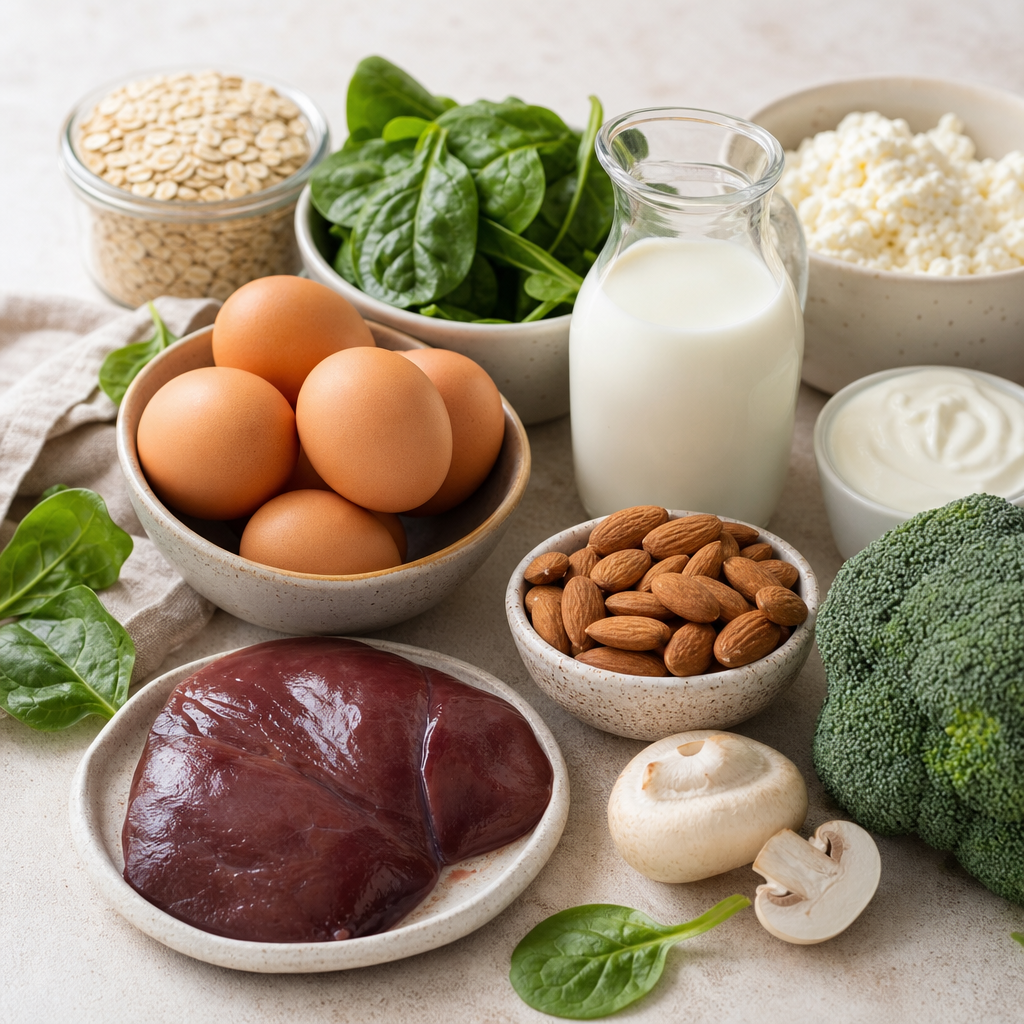
Riboflavin is naturally present in numerous foods and also widely available as a supplement. A food-first approach can meet needs for most healthy adults, while supplements provide a convenient, precise dose when dietary intake is insufficient or when pursuing specific therapeutic goals.
-
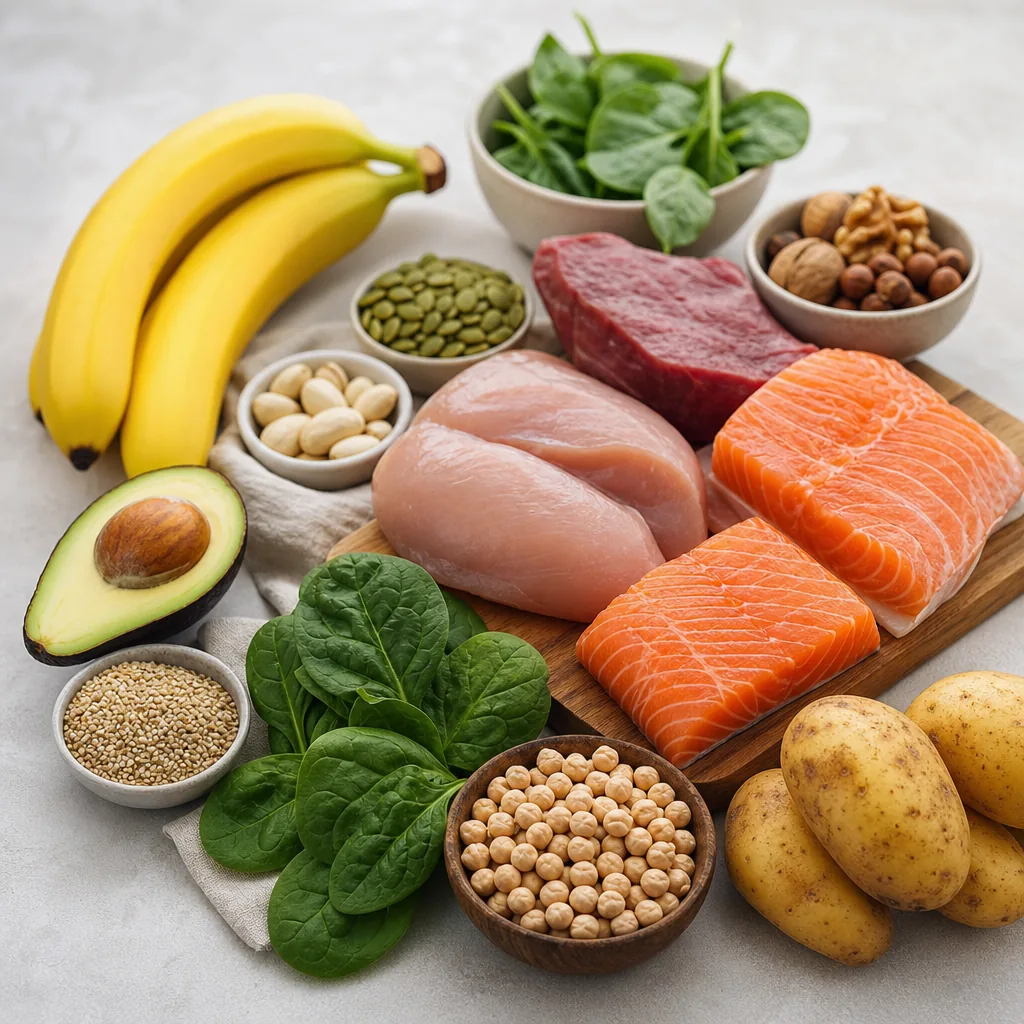
Dairy: milk, yogurt, kefir, and some cheeses
-
Animal foods: eggs, lean meats, and especially organ meats like liver
-
Fish: salmon and trout
-
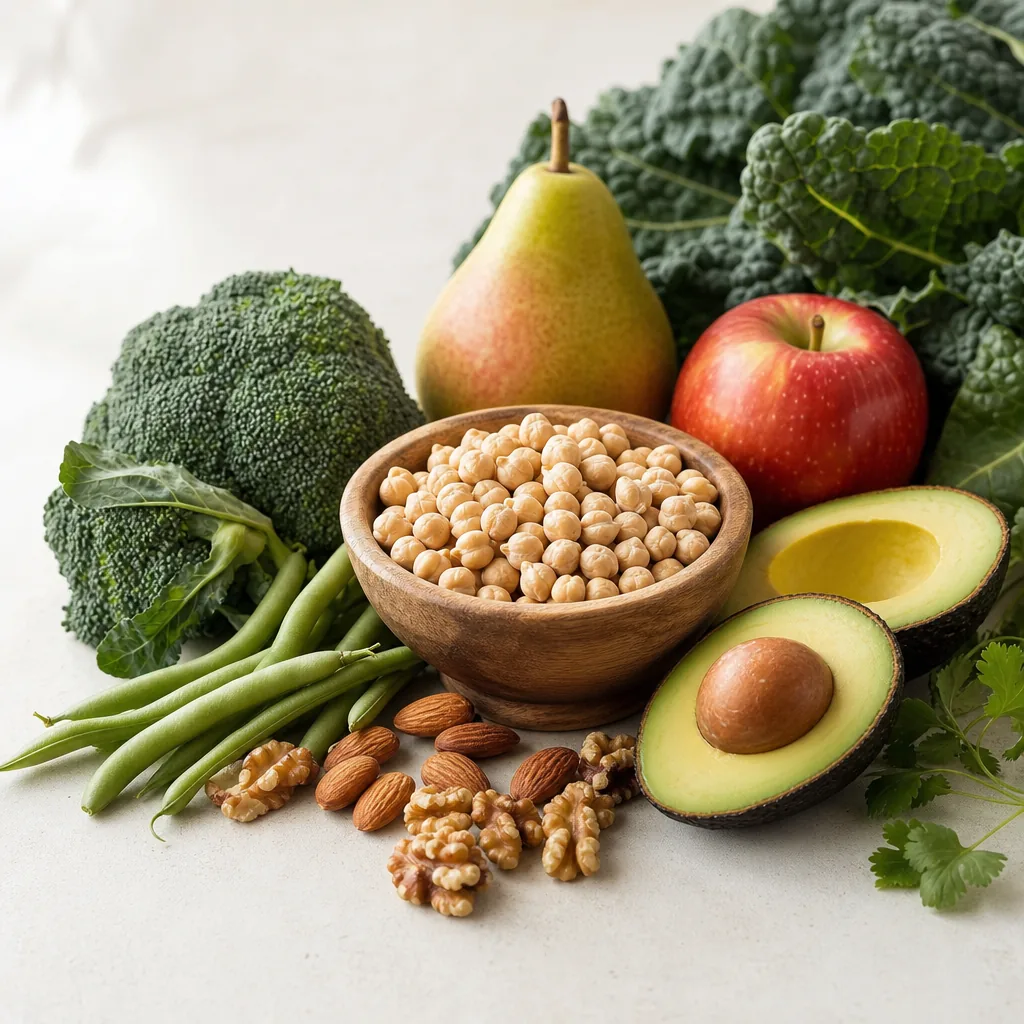
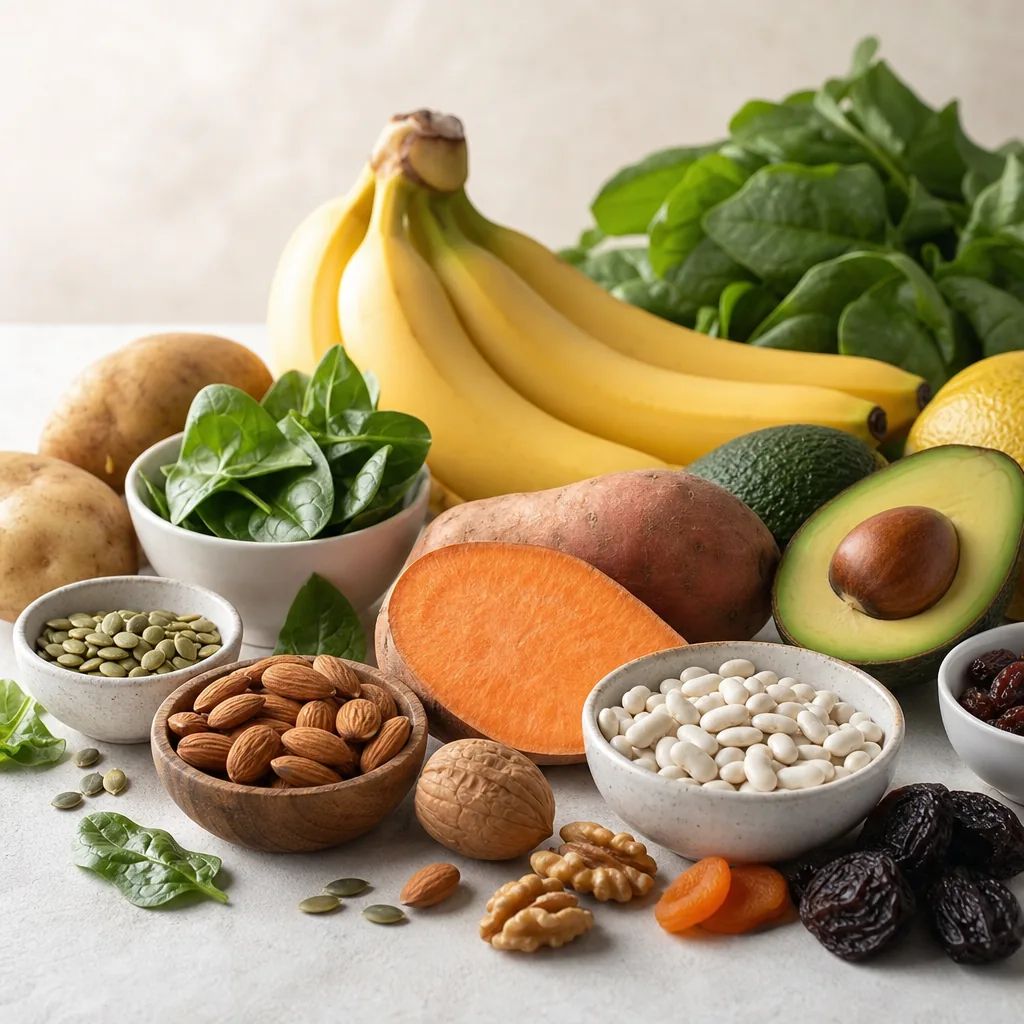
Plant sources: almonds, mushrooms, spinach, asparagus, and broccoli
-
Fortified foods: breakfast cereals, breads, and some plant milks
Supplements can be helpful for people with limited intake, increased needs, or specific uses like migraine prevention. Whole foods offer additional nutrients (e.g., protein, other B vitamins, minerals, and phytonutrients), while supplements deliver targeted dosing and consistency. Choose third-party–tested products when possible, and consider a multivitamin or B-complex if multiple B vitamins may be low.
Who May Benefit from Riboflavin?
-
Individuals with low dietary intake of dairy and animal foods, or those who do not regularly consume fortified foods
-
Vegans and vegetarians who have not planned B-vitamin intake carefully
-
People with malabsorption or increased losses (celiac disease, inflammatory bowel disease, post–bariatric surgery, alcohol use disorder)
-
Pregnant or breastfeeding individuals with suboptimal intake, due to increased requirements
-
Adults with recurrent migraines seeking a non-pharmaceutical preventive option
-
Older adults with reduced appetite or limited food variety
-
Athletes or highly active people who under-fuel and may have higher micronutrient turnover
-
Individuals with anemia that does not fully respond to iron alone, particularly if diet quality is low
Side Effects and Considerations
-
Generally well tolerated at typical dietary and supplemental intakes; high doses can cause harmless bright yellow urine (flavinuria) and, rarely, mild gastrointestinal discomfort.
-
Absorption is saturable; very large single doses are not fully absorbed and may offer diminishing returns. Split dosing can improve utilization if using higher amounts.
-
Medication interactions and status effects are possible. Some drugs and alcohol use can lower riboflavin status. If you take prescription medications (including certain antidepressants or antipsychotics) or chemotherapy agents, consult a healthcare professional before high-dose use.
-
Pregnancy and breastfeeding: Needs are slightly higher. Meeting the recommended intake is important, but high-dose supplementation (e.g., for migraine) should be discussed with a clinician.
-
Kidney or liver concerns: Riboflavin has low toxicity and is excreted in urine, but people with significant kidney or liver disease should seek medical advice before using high doses.
-
Children and adolescents: Meeting daily needs is safe and important. Higher-dose uses (such as migraine prevention) should be guided by a qualified professional with weight-appropriate dosing.
-
Allergies and sensitivities: True riboflavin allergy is rare. Check labels for excipients or coloring agents if you have known sensitivities.
-
Quality and storage: Riboflavin is light-sensitive. Choose products in opaque containers and store away from direct light and heat to preserve potency.
-
Surgery and procedures: No known effects on bleeding or anesthesia, but always disclose all supplements to your surgical team.
-
People with medical conditions or taking any regular medications should consult a healthcare professional before starting new supplements. This is especially important if you are pregnant, breastfeeding, or managing a chronic condition.
Common Myths About Riboflavin
-
“Extra riboflavin gives you limitless energy.”
Riboflavin helps enzymes turn food into energy, but once your needs are met, taking more will not keep boosting energy output. Excess is largely excreted in urine.
-
“Riboflavin supplements cure migraines for everyone.”
High-dose riboflavin can reduce migraine frequency for some people, but responses vary and benefits may be modest. It is one tool among many, not a guaranteed cure.
-
“Only dairy contains riboflavin.”
Dairy is a good source, but riboflavin is also found in eggs, fish, almonds, mushrooms, leafy greens, and many fortified foods. Thoughtful plant-based diets can meet needs.
-
“Bright yellow urine after taking B2 is dangerous.”
The vivid yellow color is a normal, harmless effect of riboflavin’s natural pigment and urinary excretion, not a sign of kidney problems or overdose.
Conclusion
Riboflavin is an essential vitamin that supports energy metabolism, antioxidant defenses, and the normal health of the skin, eyes, and blood. Most people can meet their needs through a balanced diet that includes dairy or fortified foods, along with eggs, mushrooms, greens, nuts, and fish. Supplements are useful when intake is low, when needs are increased, or for specific purposes such as migraine prevention under professional guidance.
Choose quality products from reputable brands, aim for food-first strategies whenever possible, and avoid unnecessary megadoses. If you are pregnant, breastfeeding, taking medications, or managing a medical condition, consult a healthcare professional before starting or changing supplements. With consistent intake from food or appropriate supplementation, riboflavin can be a simple, effective way to support overall metabolic and neurological health.