What is Inositol?
Inositol is a naturally occurring carbocyclic sugar alcohol found in plants and animals, with myo-inositol being the predominant form in the human body. It is sometimes informally referred to as “vitamin B8,” but it is not a true vitamin. The body can synthesize inositol from glucose, and it is present in many foods, so it is not considered an essential nutrient in the same way vitamins and minerals are.
Biologically, inositol serves as a building block for signaling molecules called inositol phosphates and phosphatidylinositols, which help cells respond to hormones like insulin and influence neurotransmitter signaling. Because of these roles, inositol has been studied for metabolic health (such as insulin sensitivity), reproductive health (particularly in polycystic ovary syndrome, or PCOS), and certain aspects of mental well-being. It is available as a dietary supplement and also occurs naturally in foods, especially plant foods such as beans, grains, and fruits.
Benefits of Inositol
-
Support for PCOS (menstrual regularity, ovulation, and metabolic markers)
(Moderate evidence)
Research suggests that myo-inositol, alone or combined with D-chiro-inositol in a 40:1 ratio, may improve ovulatory function, menstrual regularity, and markers like fasting insulin and androgens in people with PCOS. Several randomized trials and meta-analyses report benefits on cycle normalization and metabolic parameters, with a favorable safety profile. Inositol is often used as an adjunct to lifestyle changes and, when appropriate, medical therapy.
-
Insulin sensitivity and features of metabolic syndrome
(Moderate evidence)
Inositol participates in cellular signaling related to insulin action. Clinical studies show modest improvements in fasting insulin, HOMA-IR, triglycerides, and sometimes waist circumference in individuals with insulin resistance or features of metabolic syndrome. Effects are generally moderate and may be most meaningful alongside diet, physical activity, and other clinician-guided strategies.
-
Gestational diabetes risk in high-risk pregnancies
(Moderate evidence)
Trials in high-risk populations suggest that myo-inositol supplementation during pregnancy may reduce the incidence of gestational diabetes and improve some glucose-related outcomes. While findings are encouraging, prenatal supplementation should be guided by an obstetric provider to ensure dose, timing, and overall prenatal nutrition are appropriate.
-
Anxiety and panic symptoms
(Mixed evidence)
Small randomized trials have found reductions in panic attack frequency and improvements in anxiety symptoms with higher-dose inositol, but results are not consistent across all studies and conditions. Some individuals may experience benefit, while others may not. Anyone with an anxiety disorder should work with a qualified clinician, especially if taking psychiatric medications.
-
Mood and premenstrual concerns (PMS/PMDD)
(Limited evidence)
Preliminary research indicates that inositol may help with mood symptoms and premenstrual dysphoria for some individuals, potentially via effects on neurotransmitter signaling. Evidence is early-stage, and responses vary. Established approaches, including lifestyle strategies and clinician-directed treatments, remain important.
-
Fertility treatment support (oocyte quality and response)
(Limited to Moderate evidence)
In assisted reproduction settings, some studies suggest myo-inositol may support oocyte quality and reduce total gonadotropin dose. While promising, results are not uniform and protocols vary. Decisions about supplements during fertility treatment should be made with a reproductive endocrinologist.
Types or Forms Available
-
Myo-inositol (MI)
: The primary physiological form in humans and the most commonly used supplement. Often chosen for metabolic and reproductive goals. Typical products provide grams per day, usually as a powder or capsules.
-
D-chiro-inositol (DCI)
: Another naturally occurring stereoisomer. Sometimes used alone, but more commonly combined with myo-inositol. In PCOS-focused supplements, a 40:1 MI:DCI ratio is frequently used to approximate physiological ratios.
-
Combined MI + DCI (often 40:1 ratio)
: Designed to leverage complementary roles in insulin signaling and ovarian function. Combination products typically provide myo-inositol in gram amounts with a smaller DCI dose (e.g., 2,000 mg MI + 50 mg DCI per serving, taken twice daily).
-
Inositol hexaphosphate (IP6 or phytic acid)
: A phosphate-rich inositol compound occurring in high-fiber plant foods. Supplements are marketed for antioxidant or cellular health, but IP6 behaves differently from myo-inositol and may bind minerals. It serves distinct purposes and should not be confused with MI or DCI.
-
Inositol hexanicotinate
: A niacin–inositol compound marketed as “flush-free niacin.” Its primary effect relates to niacin, not inositol signaling. It is not interchangeable with myo-inositol for metabolic, reproductive, or mood-related uses.
-
Delivery forms
: Powders dissolve readily in water and allow gram-level dosing; capsules offer convenience but may require multiple capsules per dose. Some products include supporting nutrients (e.g., folate) tailored for prenatal or PCOS-focused use.
How to Use Inositol
Inositol is typically taken daily and may require several weeks to assess effects. Consistency, appropriate dose selection, and coordination with lifestyle strategies (nutrition, activity, stress management, sleep) increase the likelihood of meaningful benefits.
-
Common dosage range:
For general metabolic or PCOS-related goals, myo-inositol is often used at 2–4 grams per day, frequently as 2 grams taken twice daily. Combination formulas may provide 2 grams MI + 50 mg DCI per serving, taken twice daily (approximating a 40:1 ratio). Doses above 4 grams per day are sometimes used in research for specific indications but can increase gastrointestinal side effects; higher intakes should be supervised by a qualified healthcare professional.
-
Best timing:
Splitting the dose (morning and evening) may smooth absorption and improve tolerance. For sensitive stomachs, take with meals.
-
How to take it:
Powders can be mixed with water or another non-caffeinated beverage. Capsules are an alternative if you prefer not to use powders. Some prenatal or women’s health products include folate; verify the form and amount meet your needs.
-
Consistency:
Daily use for 8–12 weeks is commonly needed to evaluate changes in cycle regularity, ovulation, or metabolic markers. Continue to track outcomes (e.g., menstrual patterns, fasting labs) with your clinician to personalize your plan.
Food Sources and Supplement Options
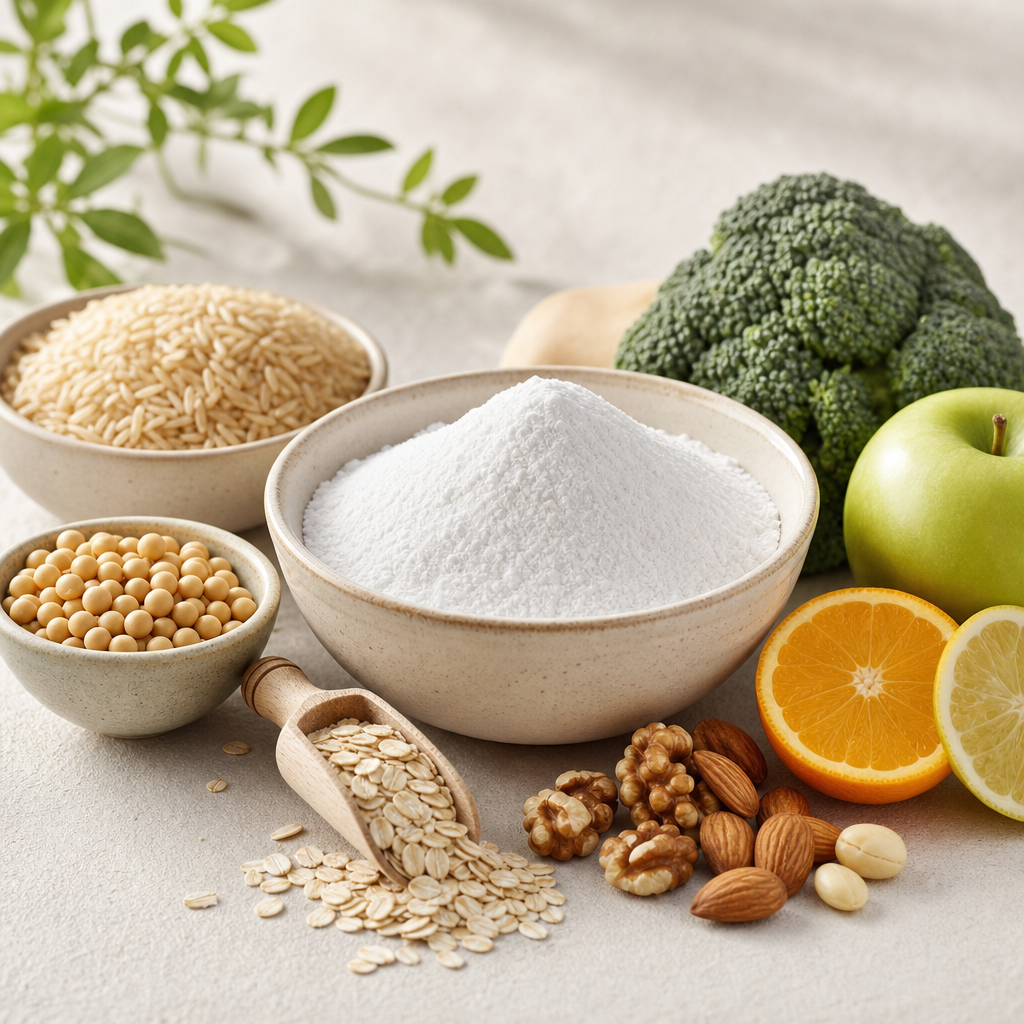
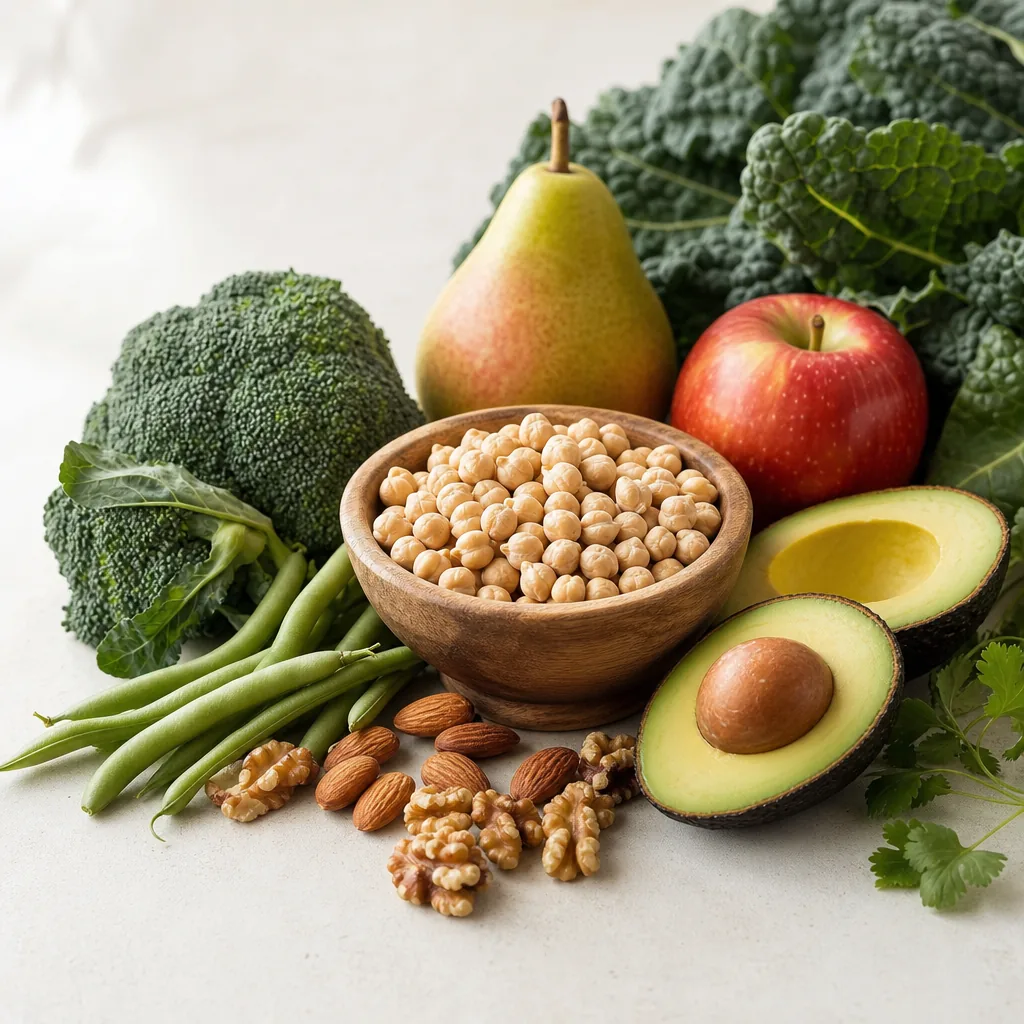
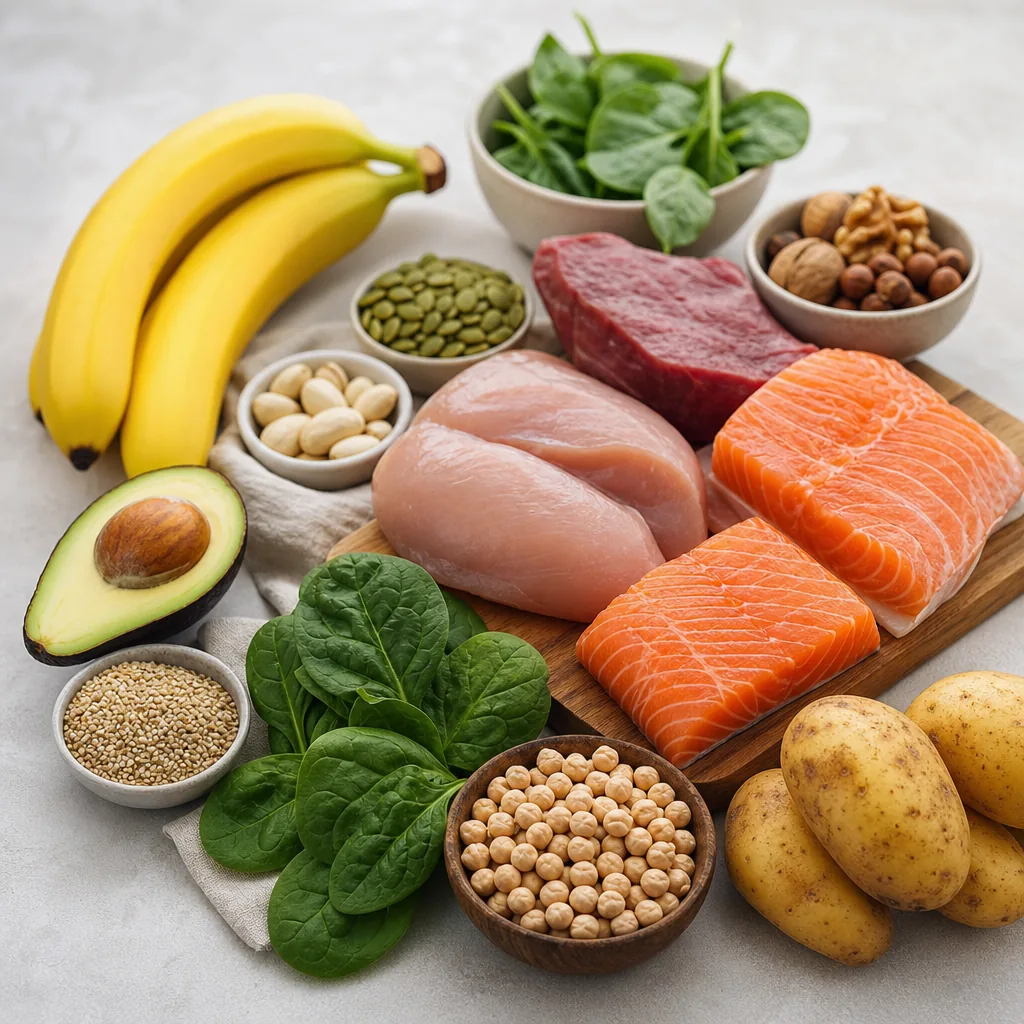
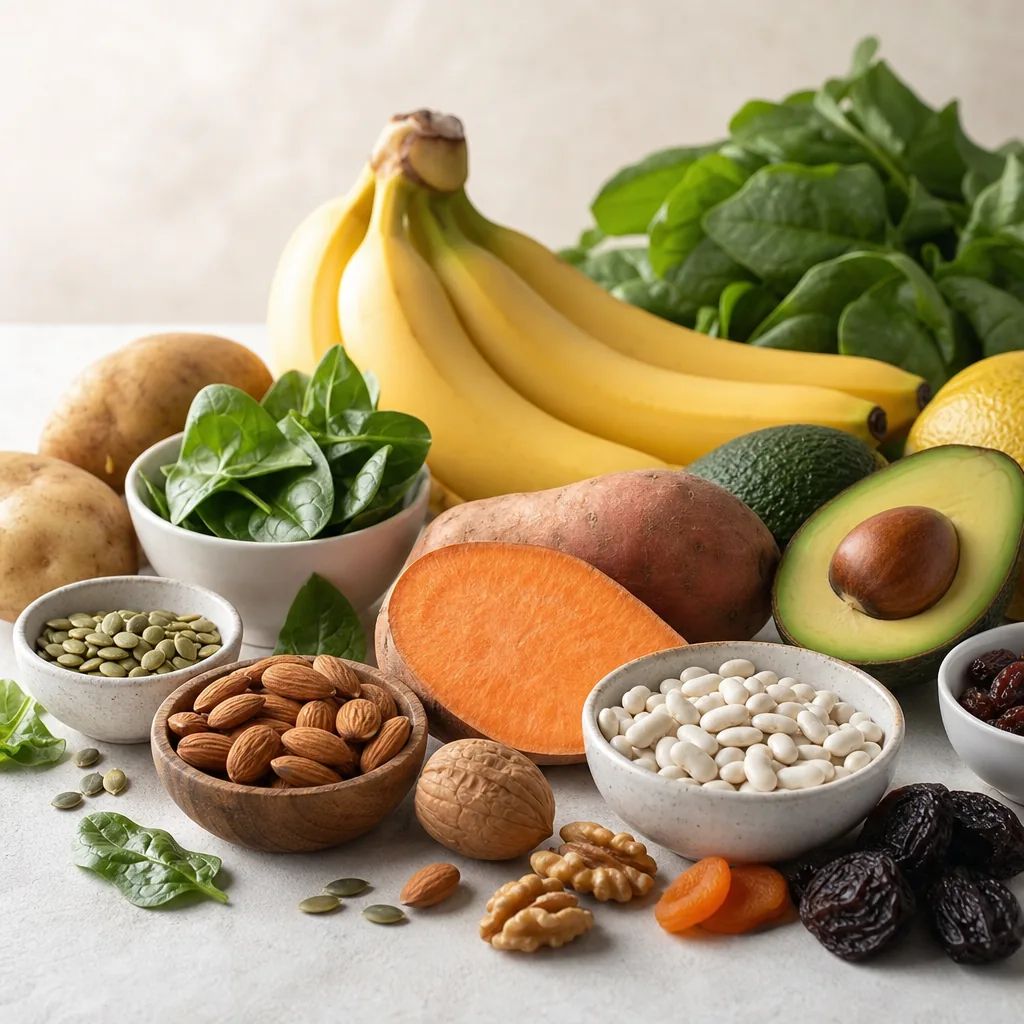
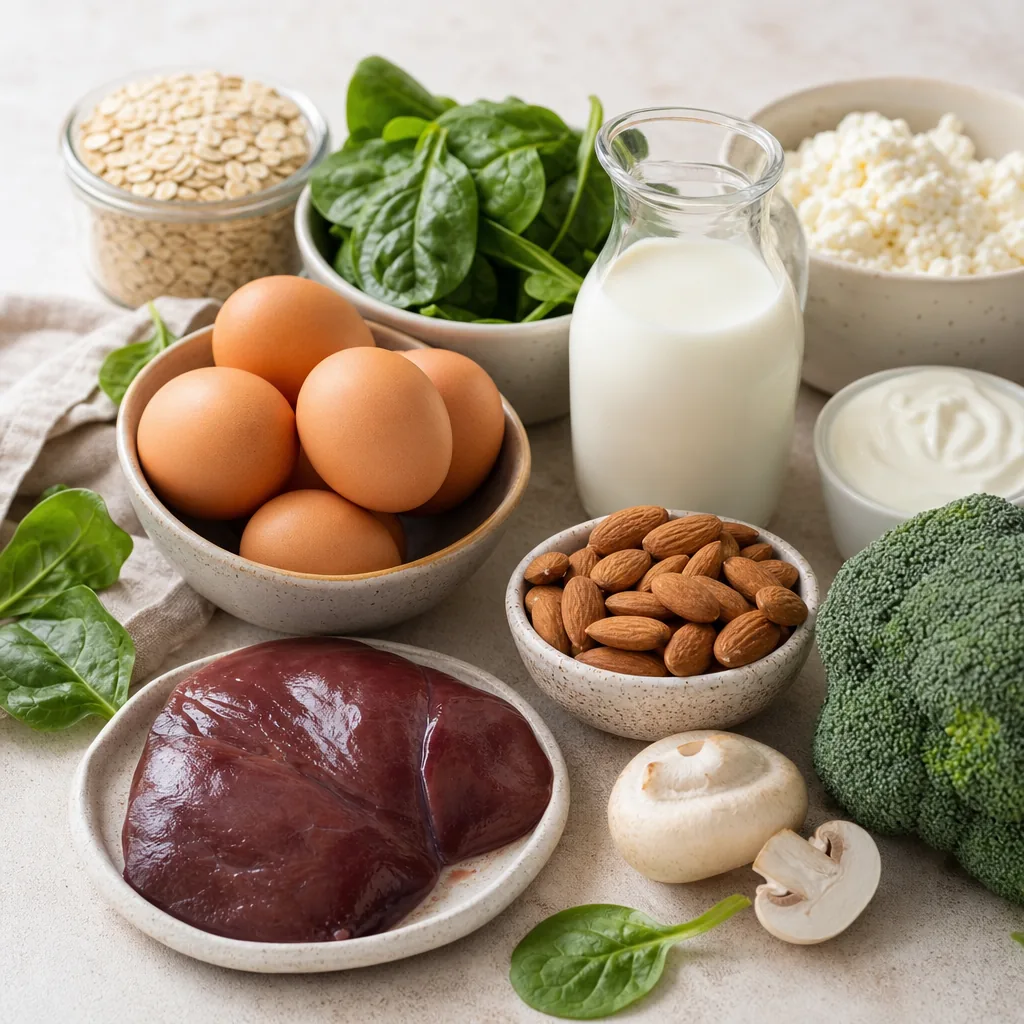
Inositol occurs naturally in many foods and is also synthesized by the body. Supplements provide standardized, targeted doses that are difficult to achieve consistently from diet alone, especially for clinical goals such as PCOS support or insulin sensitivity.
-
Fruits: citrus fruits, cantaloupe, oranges, bananas
-
Legumes: lentils, chickpeas, kidney beans
-
Whole grains: oats, brown rice, bran
-
Nuts and seeds: almonds, peanuts, sesame seeds
-
Vegetables: peas, bell peppers, tomatoes
Whole foods offer additional nutrients (fiber, vitamins, minerals, polyphenols) and remain foundational for overall health. Supplements may be considered when aiming for specific, research-informed doses or when dietary patterns and personal preferences make it difficult to reach consistent intakes. Choose reputable brands that provide clear labeling, appropriate forms (e.g., myo-inositol alone or MI:DCI in a 40:1 ratio for PCOS), and ideally third-party testing.
Who May Benefit from Inositol?
-
Individuals with PCOS seeking support for menstrual regularity, ovulation, and metabolic markers, in conjunction with lifestyle measures and medical care.
-
People with insulin resistance or features of metabolic syndrome who are working on diet, physical activity, and weight management, and want adjunct support.
-
High-risk pregnancies where an obstetric provider recommends myo-inositol to help reduce the likelihood of gestational diabetes.
-
Those undergoing fertility treatments, if a reproductive specialist suggests inositol as part of a broader protocol to support oocyte quality or response.
-
Individuals exploring non-pharmacologic options for anxiety or premenstrual mood symptoms under the guidance of a mental health professional.
-
People who prefer evidence-informed supplements to complement a food-first approach, especially when targeted doses are desired.
Side Effects and Considerations
-
General tolerance:
Inositol is typically well tolerated. Possible side effects include nausea, gas, diarrhea, abdominal discomfort, headache, and dizziness—more likely at higher doses. Starting low and splitting doses with meals can improve tolerance.
-
Medication considerations:
If you take glucose-lowering medications (e.g., metformin, insulin), monitor blood glucose as inositol may modestly improve insulin sensitivity. Coordinate with your clinician to adjust therapy if needed. Those on psychiatric medications should consult a prescriber before adding inositol.
-
Mental health conditions:
Individuals with bipolar disorder or a history of manic episodes should use caution and medical supervision, as any agent affecting neurotransmission could theoretically influence mood stability.
-
Pregnancy and breastfeeding:
Some studies support prenatal myo-inositol in high-risk pregnancies, but decisions should be individualized. Always consult an obstetric or pediatric provider before using inositol during pregnancy or lactation.
-
Thyroid conditions:
Myo-inositol is sometimes combined with selenium in research on subclinical hypothyroidism. If you have thyroid disease, work with your clinician and monitor labs to ensure appropriate management.
-
Kidney or liver concerns:
While myo-inositol is generally safe, individuals with significant kidney or liver disease should seek medical advice before starting any new supplement.
-
Form-specific cautions:
IP6 (phytic acid) can bind minerals like iron, zinc, and calcium; if using IP6, consider taking it away from mineral supplements and discuss with a clinician, especially if you have anemia or are at risk of deficiencies.
-
Quality and labeling:
Not all “inositol” products are equivalent. Distinguish myo-inositol/DCI (used for metabolic and reproductive support) from IP6 and inositol hexanicotinate (a niacin source). Choose third-party tested products and verify the intended form and dose.
-
Surgery and procedures:
Inform your healthcare team about all supplements before surgery or medical procedures. While inositol is not known to increase bleeding risk, full disclosure supports safer care.
-
Children and adolescents:
Evidence is limited. Use only with guidance from a pediatric clinician.
If you are pregnant, breastfeeding, taking medications, or managing a medical condition, consult a qualified healthcare professional before using inositol.
Common Myths About Inositol
-
“Inositol is an essential vitamin (B8) that everyone needs to supplement.”
Inositol is not a vitamin and the body can make it from glucose. Many people obtain sufficient amounts from normal physiology and diet. Supplementation is considered for targeted goals, not universal necessity.
-
“All forms of inositol are the same.”
Myo-inositol and D-chiro-inositol are physiologically active stereoisomers often used for metabolic and reproductive aims, whereas IP6 (phytic acid) and inositol hexanicotinate serve different purposes. Matching the form to your goal is essential.
-
“Inositol can cure PCOS on its own.”
PCOS is multifactorial. Inositol may support ovulation and metabolic health for many, but it is best used alongside nutrition, physical activity, and clinician-guided therapies. No supplement replaces comprehensive care.
-
“More inositol is always better.”
Higher doses do not guarantee better results and can increase side effects. Evidence-informed dosing and medical guidance—especially for doses above 4 grams per day—are prudent.
Conclusion
Inositol is a non-essential compound that plays key roles in cellular signaling, with growing evidence for benefits in PCOS, insulin resistance, and select prenatal contexts. It may also help some individuals with anxiety or premenstrual mood symptoms, although responses vary. For most people, the most practical approach is food-first for overall nutrition, with inositol supplements considered when targeted, research-informed doses are desired.
If you choose to supplement, select the appropriate form (commonly myo-inositol or a 40:1 MI:DCI blend), verify quality, and use evidence-based dosing. People who are pregnant or breastfeeding, taking medications, or managing health conditions should consult a healthcare professional before starting. As with any wellness strategy, pair inositol with supportive lifestyle habits and regular follow-up to evaluate progress and safety.