What is Caffeine?
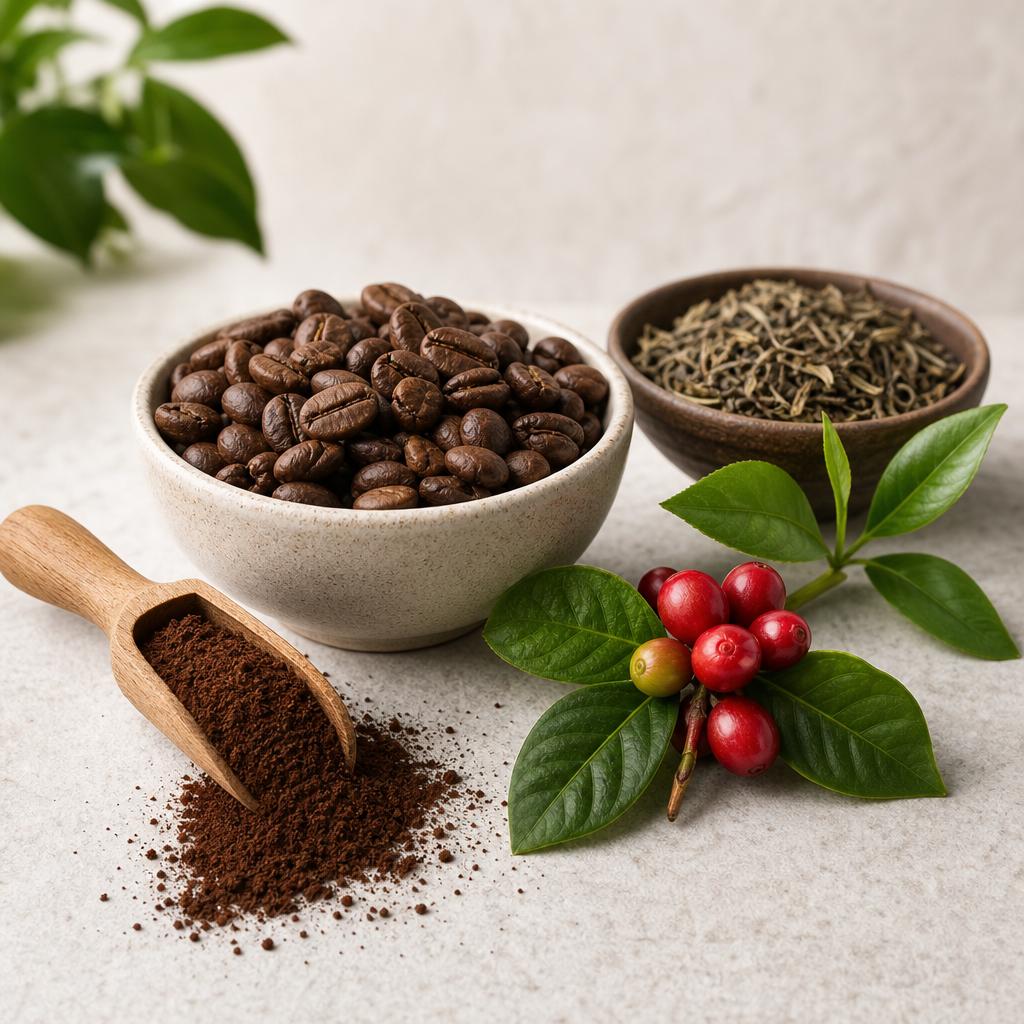
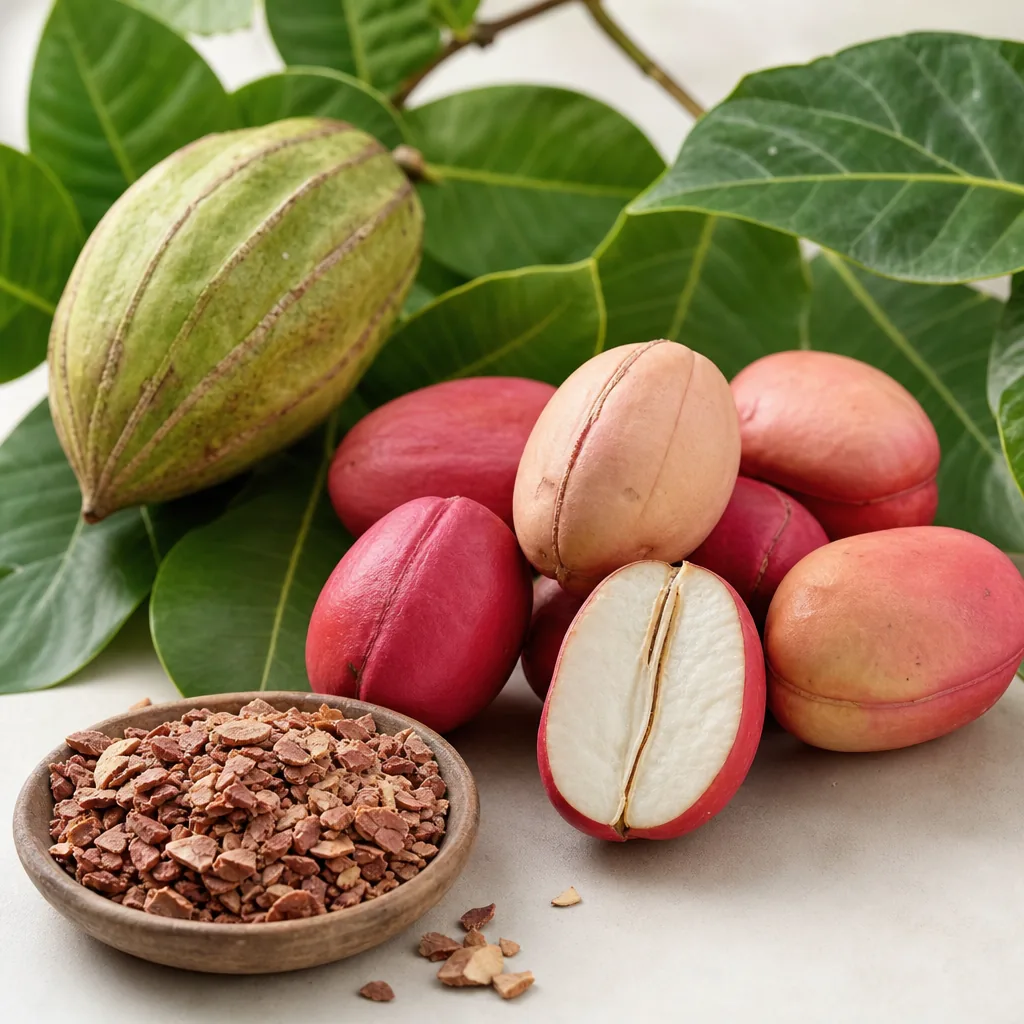
Caffeine is a naturally occurring methylxanthine compound best known for its stimulating effects on the central nervous system. It is found in coffee beans, tea leaves, cacao pods, kola nuts, guarana berries, and yerba mate. In foods and beverages, caffeine is a food-derived ingredient; in wellness and sports contexts, it is also available as a standalone supplement or as part of multi-ingredient formulas. Unlike vitamins and minerals, caffeine is not an essential nutrient—your body does not require it to survive or maintain basic physiological function.
Physiologically, caffeine primarily works by blocking adenosine receptors in the brain. Adenosine is a neuromodulator that promotes sleepiness and dampens neural activity; by antagonizing these receptors, caffeine can increase alertness, reduce perceived fatigue, and sharpen reaction time. Caffeine may also transiently increase circulating catecholamines (like adrenaline), which can influence heart rate, perceived effort, and substrate use during exercise. These effects explain why caffeine has become one of the most researched and widely used ergogenic aids in sport, as well as a common tool for sustaining attention in everyday life.
While caffeine can be helpful, responses vary. Genetics, habitual intake, liver metabolism, body size, age, and co-ingested nutrients influence how strongly and how long caffeine acts. Some people experience clear benefits from small amounts, while others may be more sensitive to side effects. Because it is pharmacologically active and can interact with medications and health conditions, it should be used thoughtfully, particularly in supplement form.
Benefits of Caffeine
-
Improved alertness, vigilance, and reaction time
(Strong evidence)
Caffeine consistently enhances subjective alertness and performance on attention and reaction-time tasks, especially during monotonous or prolonged activities. Benefits are seen in both habitual caffeine users and non-users, though the magnitude may differ. These effects are particularly notable in situations of sleep loss or circadian dips, where caffeine helps maintain vigilance and reduces lapses.
-
Enhanced endurance performance
(Strong evidence)
Caffeine can improve time-trial outcomes and time to exhaustion in endurance sports such as running, cycling, and rowing. Mechanisms include reduced perceived exertion, altered pain perception, and increased mobilization of fatty acids, potentially sparing muscle glycogen early in exercise. Benefits are typically observed with modest, individualized doses taken 30–60 minutes before effort.
-
Support for high-intensity and muscular endurance efforts
(Moderate evidence)
Beyond endurance, caffeine may improve performance in repeated high-intensity bouts, sprint intervals, and muscular endurance sets by increasing motor unit recruitment and reducing perceived fatigue. Effects on one-repetition maximum strength are variable, but small improvements in power output and total volume lifted are commonly reported with appropriate dosing and timing.
-
Reduced perceived exertion and exercise-related discomfort
(Moderate evidence)
Caffeine can lower ratings of perceived exertion during submaximal efforts and may blunt exercise-induced pain. This can translate into sustaining a higher pace or completing more work before fatigue. While not a substitute for training, this effect can be meaningful on race day or during key workouts.
-
Headache and migraine relief (as an adjunct)
(Moderate evidence)
Caffeine is commonly included with analgesics for tension-type headaches and some migraines. When used in combination with pain relievers, it can enhance pain control and speed onset of relief in some individuals. However, overuse or daily intake may lead to rebound headaches in susceptible people, so use should be occasional and guided by a clinician if headaches are frequent.
-
Cognitive performance under sleep restriction
(Strong evidence)
In sleep-deprived or shift-work contexts, caffeine improves sustained attention, psychomotor vigilance, and certain aspects of executive function. While it does not replace sleep, strategic dosing can help maintain performance and reduce error risk during prolonged wakefulness or night shifts.
-
Weight management support via thermogenesis and fat oxidation
(Mixed evidence)
Caffeine slightly increases resting energy expenditure and fat oxidation acutely, and may modestly curb appetite in the short term. However, long-term body weight changes are inconsistent due to compensations in intake and activity, as well as tolerance to metabolic effects. Caffeine should not be viewed as a standalone weight-loss solution.
-
Potential neuroprotective associations
(Limited evidence)
Observational studies link regular caffeine or coffee intake with lower risk of certain neurodegenerative conditions. While biologically plausible mechanisms exist, these findings are not proof of causation and may be confounded by other dietary and lifestyle factors. More rigorous trials are needed to confirm any protective effect.
Types or Forms Available
-
Coffee and espresso
: Naturally occurring caffeine with a complex matrix of polyphenols and oils. Total caffeine varies by bean, roast, grind, and preparation method; per serving, brewed coffee often contains more caffeine than a single shot of espresso despite espresso’s higher concentration.
-
Tea (black, green, oolong, white) and matcha
: Provide caffeine with L-theanine and catechins, which may yield a different subjective feel (some find it “smoother”). Matcha can be relatively higher per serving because the powdered leaf is consumed.
-
Caffeine anhydrous (tablets, capsules, powders)
: Synthetic or purified caffeine with precise dosing. Fast-acting and commonly used for performance or alertness. Pure powders are potent and should be handled with extreme caution; pre-measured forms reduce risk.
-
Gums, mints, and chews
: Provide quicker absorption via buccal tissues with relatively predictable, smaller doses. Useful for during-event top-ups in endurance sports or when liquids are impractical.
-
Energy drinks and shots
: Combine caffeine with sugars, amino acids, or herbal ingredients. Caffeine amounts vary widely. Formulas may include additional stimulants; read labels carefully to avoid excessive total stimulant load.
-
Botanical extracts (guarana, yerba mate, kola)
: Plant-derived sources standardized to caffeine content. Guarana often releases caffeine more gradually. Total dose and presence of other bioactives differ by product.
How to Use Caffeine
Caffeine is highly individual. Start low, assess response, and adjust thoughtfully. Occasional, purpose-driven use often maximizes benefits while limiting tolerance and side effects.
-
Common dosage range:
For general alertness or study/work, many adults use 50–200 mg per dose. For athletic performance, 1–3 mg/kg about 30–60 minutes pre-exercise is commonly effective, with little added benefit and more side effects at higher amounts. Many health authorities suggest not exceeding about 400 mg caffeine per day for most healthy adults.
-
Best timing:
Peak effects occur roughly 30–90 minutes after ingestion, and the half-life is typically 3–7 hours. To protect sleep, avoid use within 6–8 hours of bedtime, and longer if you are sensitive or a slow metabolizer.
-
How to take it:
Caffeine can be consumed with water or meals. Taking it with food may reduce gastrointestinal upset in sensitive individuals. For faster onset, anhydrous forms or gums/mints may be preferable.
-
Consistency:
Daily use builds tolerance and may blunt effects. Strategic use (e.g., before key workouts, exams, long drives, or shifts) can preserve responsiveness. If tapering down, reduce gradually to minimize withdrawal headaches and fatigue.
Food Sources and Supplement Options
Caffeine is naturally present in several foods and beverages and is also available as a supplement. Whole-food sources such as coffee and tea provide additional compounds—like polyphenols and L-theanine—that may offer complementary effects. Supplements offer precise, portable dosing and can be useful when consistency and timing are critical, such as before competition or during shift work.
-
Coffee (brewed, espresso, cold brew)
-
Tea (black, green, oolong, white) and matcha
-
Yerba mate and guayusa beverages
-
Dark chocolate and cocoa products
-
Energy drinks and ready-to-drink coffees or teas
-
Cola and other caffeinated soft drinks
Supplement use may make sense for athletes who need predictable doses, individuals who do not like or tolerate coffee/tea, or scenarios requiring rapid or late-stage dosing (e.g., caffeine gum mid-race). Still, a food-first approach suits many people, as beverages like coffee and tea contribute hydration and additional bioactives, while supplements are best reserved for targeted, time-limited purposes.
Who May Benefit from Caffeine?
-
Endurance and team-sport athletes seeking modest improvements in performance, power, or perceived effort management.
-
Shift workers, first responders, military personnel, or travelers needing to sustain vigilance during circadian misalignment.
-
Students or professionals facing prolonged attention tasks, used strategically rather than continuously.
-
Individuals who occasionally use caffeine-containing analgesics for tension headaches or select migraines, under medical guidance.
-
People who prefer precise dosing or cannot tolerate coffee or tea but still want alertness support.
-
Habitual users aiming to structure intake to protect sleep and reduce side effects by timing and dose control.
Side Effects and Considerations
-
Common side effects:
Jitteriness, anxiety, rapid heartbeat, gastrointestinal upset, and insomnia are dose-dependent. Start low and avoid late-day intake to reduce risk.
-
Sleep disruption:
Even afternoon caffeine can impair sleep quality and duration. Prioritize a long caffeine-free window before bedtime, especially if you struggle with sleep.
-
Anxiety and heart conditions:
Those with anxiety disorders, panic disorder, arrhythmias, uncontrolled hypertension, or severe GERD should be cautious or avoid use unless advised by a clinician.
-
Medication interactions:
Certain drugs slow caffeine clearance or amplify stimulant effects, including some antibiotics (e.g., ciprofloxacin), fluvoxamine, oral contraceptives, and others. Caffeine can interact with stimulant medications, certain psychiatric medicines, and theophylline. Always review with a healthcare professional if you take prescriptions.
-
Pregnancy and breastfeeding:
Many guidelines advise limiting total caffeine to no more than about 200 mg per day during pregnancy. Caffeine passes into breast milk; infants can be sensitive. Discuss safe intake with your obstetrician or pediatrician.
-
Children and adolescents:
Energy drinks are not recommended. If caffeine is used at all, amounts should be very limited and supervised due to greater sensitivity and smaller body size.
-
Bones, eyes, and metabolic considerations:
Very high intakes may increase calcium loss; ensure adequate calcium and vitamin D, particularly for older adults. Caffeine can transiently raise intraocular pressure in some individuals with glaucoma and may affect postprandial glucose in a subset of people with diabetes—monitor and discuss with a clinician.
-
Dose form safety:
Avoid bulk caffeine powders or “dry scooping” concentrates; small measurement errors can be dangerous. Choose reputable, third-party-tested products and clearly labeled servings.
-
Tolerance and withdrawal:
Regular use can lead to dependence. Abrupt cessation may cause headaches, fatigue, and irritability for a few days; taper gradually if needed.
-
Surgery and medical procedures:
Follow your surgeon’s or anesthesiologist’s instructions regarding preoperative caffeine; policies vary. Inform your care team about your usual intake to manage potential withdrawal and hemodynamic effects.
Common Myths About Caffeine
-
Caffeine dehydrates you.
While caffeine has a mild diuretic effect, habitual consumers develop tolerance. The water in coffee and tea contributes to hydration, and moderate caffeine intake does not cause net dehydration in most healthy adults.
-
Espresso always has more caffeine than coffee.
Espresso is more concentrated per ounce, but a typical cup of brewed coffee contains more total caffeine than a single espresso shot due to larger serving size.
-
Caffeine sobers you up after drinking alcohol.
Caffeine can make you feel more alert, but it does not reduce blood alcohol concentration or restore decision-making and coordination. Mixing the two can mask impairment and increase risk.
-
Caffeine stunts growth.
There is no strong evidence that moderate caffeine intake stunts growth. Concerns about bone health relate mainly to very high intakes without adequate calcium and vitamin D, and are more relevant to heavy, unsupervised use in youth.
Conclusion
Caffeine is a well-studied, food-derived stimulant that can improve alertness, vigilance, and endurance performance when used thoughtfully. Benefits are dose- and context-dependent, and the ideal approach varies by individual sensitivity, goals, and timing. For many, coffee and tea offer a practical, food-first way to obtain caffeine alongside helpful bioactives, while supplements are best reserved for precise, situational use such as pre-competition or during shift work.
Use conservative doses, prioritize sleep, and avoid late-day intake. People who are pregnant or breastfeeding, children and adolescents, and those taking medications or managing medical conditions should consult a healthcare professional before using caffeine, especially in concentrated forms. Choose reputable products, avoid bulk powders, and match your intake to your needs to capture benefits while minimizing side effects.