What is Lipase?
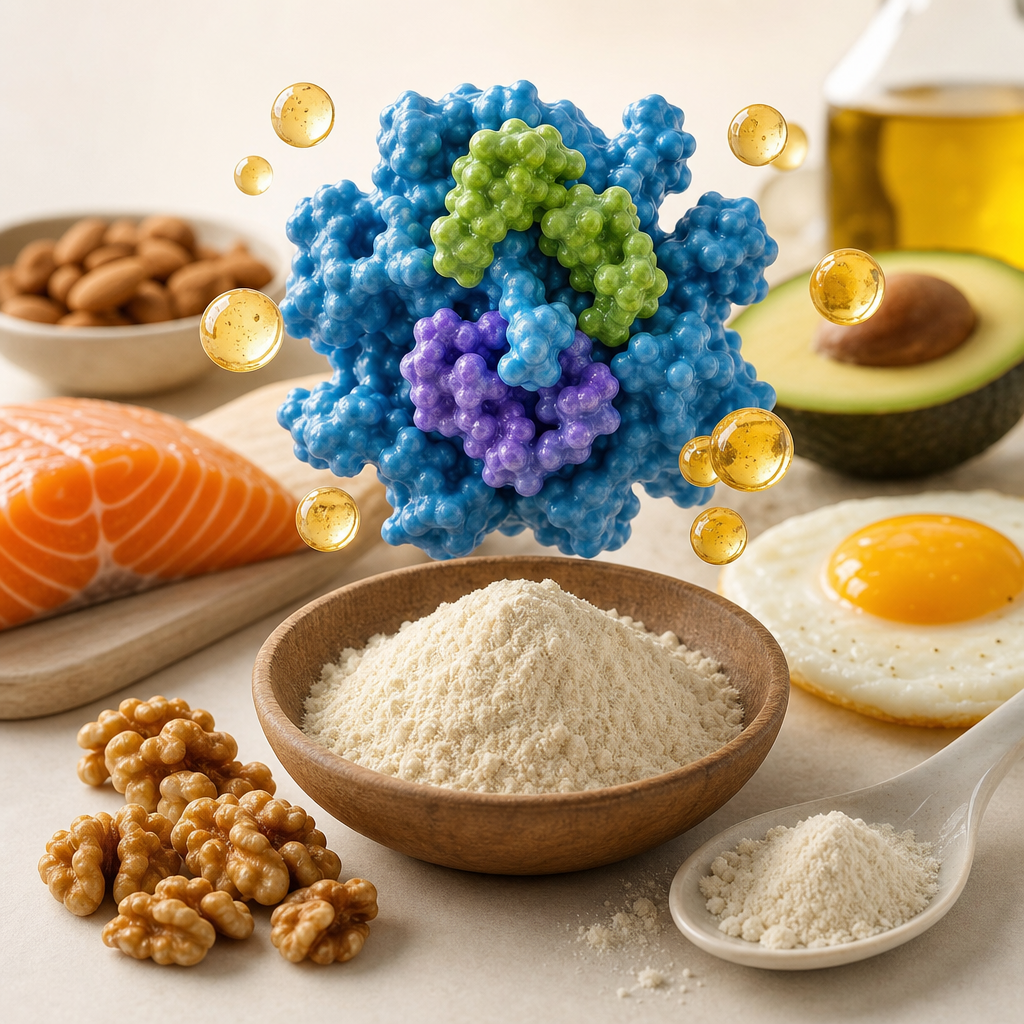
Lipase is a digestive enzyme that helps break down dietary fats (triglycerides) into smaller molecules—free fatty acids and monoglycerides—that can be absorbed in the small intestine. The primary source of lipase in humans is the pancreas, which secretes pancreatic lipase into the small intestine during meals. Smaller amounts also come from the mouth (lingual lipase) and stomach (gastric lipase), where fat digestion begins at a lower pH before the bulk of the work is completed in the intestine. In addition to human-produced enzymes, lipase can be derived from animal pancreas (porcine), microbial sources (such as Aspergillus or Rhizopus species), and, less commonly, from certain plants and fungi used in fermentation.
Lipase is not an essential nutrient like a vitamin or mineral; it is a protein enzyme that the body normally produces on its own. While you can find lipase sold as a supplement or included in prescription pancreatic enzyme replacement therapy (PERT), it is best thought of as a functional enzyme ingredient rather than a required dietary nutrient. In clinical care, PERT—containing lipase along with amylase and protease—is used to treat exocrine pancreatic insufficiency (EPI). In wellness contexts, over-the-counter (OTC) lipase appears in digestive enzyme blends marketed to support fat digestion, although benefits in healthy individuals are less certain. Note that “lipase” measured on a blood test refers to pancreatic lipase levels used to help evaluate pancreatitis and is different from supplemental lipase taken for digestion.
Benefits of Lipase
-
Improves fat digestion and reduces steatorrhea in exocrine pancreatic insufficiency (EPI)
(Strong evidence)
Enhancing intestinal lipase activity via prescription pancreatic enzyme replacement therapy helps people with EPI (such as those with cystic fibrosis, chronic pancreatitis, pancreatic cancer, or after pancreatic surgery) digest fat more effectively. This typically reduces greasy, floating stools, bloating, gas, and abdominal discomfort, and improves energy intake by allowing normal absorption of dietary fat.
-
Supports absorption of fat-soluble nutrients (A, D, E, K) in EPI
(Moderate to strong evidence)
When pancreatic lipase is insufficient, fat-soluble vitamin absorption often declines. Appropriately dosed PERT improves micelle formation and nutrient uptake, which can help normalize or maintain levels of vitamins A, D, E, and K over time when used alongside a balanced diet and, if needed, vitamin supplementation.
-
May help digestion of high-fat meals in people with suboptimal fat tolerance
(Limited evidence)
Some individuals without diagnosed EPI experience bloating or oily stools after very high-fat meals or during dietary shifts (for example, starting a ketogenic diet). Small studies and clinical experience suggest that supplemental lipase (often in multi-enzyme products) may reduce post-meal discomfort. However, effects are variable, products differ widely in potency, and research in otherwise healthy adults is limited.
-
Adjunctive support after gallbladder removal (cholecystectomy)
(Limited evidence)
After gallbladder removal, bile delivery is more continuous and less concentrated, which can contribute to fat intolerance in some people. While bile acids are the primary factor in fat emulsification, digestive support that includes lipase may help reduce fatty-food-related symptoms for select individuals. Evidence is limited; responses vary and not everyone benefits.
-
Improves growth and nutritional status in cystic fibrosis with EPI
(Strong evidence)
In cystic fibrosis, thick secretions block pancreatic ducts and reduce enzyme output. Adequate lipase dosing within PERT regimens is central to improving weight gain, maintaining growth in children, and optimizing overall nutritional status when combined with appropriate medical care and diet.
-
Potential relief of non-specific dyspepsia when fat maldigestion is suspected
(Mixed evidence)
For individuals with upper GI discomfort not explained by testing, multi-enzyme formulations that include lipase are sometimes tried. Some reports note symptom relief, but results are inconsistent and may be confounded by placebo effects, differences in formulations, and variable dosing. Enzyme trials should not replace proper medical evaluation.
Types or Forms Available
-
Prescription pancrelipase (porcine-derived)
: Medical-grade products containing lipase, amylase, and protease in enteric-coated microspheres or mini-tablets designed to release in the small intestine. Activity is labeled in USP lipase units, with different strengths and bead sizes for dose titration. These are used under medical supervision for EPI.
-
Microbial (fungal) lipase
: Produced by organisms such as Aspergillus niger or Rhizopus oryzae. Often labeled in FIP units (Ph. Eur.) or LU (lipase units). Some microbial lipases are more acid-stable than porcine enzymes and appear in OTC digestive blends. Potency and clinical effectiveness can vary by strain and formulation.
-
Plant- and fermentation-associated sources
: Certain plant tissues and fermentation cultures naturally contain lipases (for example, in sprouted seeds or mold-ripened cheeses). As standalone supplements, these are less common, and activity can be inconsistent compared with standardized microbial or prescription preparations.
-
Formulations and delivery
: Options include enteric-coated capsules or microspheres (to protect enzymes from stomach acid), non-coated capsules intended for use with meals or in higher gastric pH, powders, and chewables. Enteric-coated prescription products are generally preferred for EPI. OTC products vary widely in stability and acid resistance.
-
Standardization and units
: Prescription products use USP lipase units, while many OTC products use FIP units. These units are not interchangeable. Higher unit numbers do not necessarily translate across systems; compare products using the same unit system and follow product-specific directions.
How to Use Lipase
Use depends on your goal. For a diagnosed enzyme deficiency (EPI), pancreatic enzyme replacement is a prescription therapy guided by a clinician. For general digestive support without a diagnosed condition, OTC lipase-containing products are taken with fat-containing meals, understanding that benefits are less predictable and may be modest.
-
Common dosage range:
For prescription PERT in EPI, dosing is individualized; clinical guidelines often start around 500–2,500 USP lipase units per kilogram of body weight per meal (with proportionally lower doses for snacks), not exceeding recommended maximums set by guidelines. This must be prescribed and adjusted by a healthcare professional. For OTC digestive support, products commonly provide roughly 2,000–10,000 FIP lipase units with meals; follow label directions and avoid escalating doses beyond recommendations.
-
Best timing:
Take at the first bite of a meal and consider splitting the dose across the meal (for longer meals), so enzymes are present as fat enters the small intestine. Snacks that contain fat may warrant a smaller dose.
-
How to take it:
Swallow enteric-coated capsules or microspheres whole; do not crush or chew, as acid protection can be compromised. If a product allows opening capsules, sprinkle the microspheres on an acidic soft food per instructions and swallow immediately without chewing. Take with water and with the meal; avoid taking long before or long after eating.
-
Consistency:
In EPI, lipase is used with every fat-containing meal and snack on an ongoing basis under medical care. For non-EPI digestive support, use is typically occasional or with particularly high-fat meals; long-term daily use is usually unnecessary unless advised by a clinician.
Food Sources and Supplement Options
The body’s pancreas is the primary and most effective source of lipase for human digestion. While some foods and fermented products naturally contain lipases, their contribution to digestion is generally small because many enzymes are inactivated by cooking, pasteurization, or stomach acid. Supplements—either prescription pancrelipase for EPI or OTC digestive enzyme blends for general support—provide a targeted way to increase lipase activity during meals.
-
Foods that may naturally contain lipase or lipase activity:
-
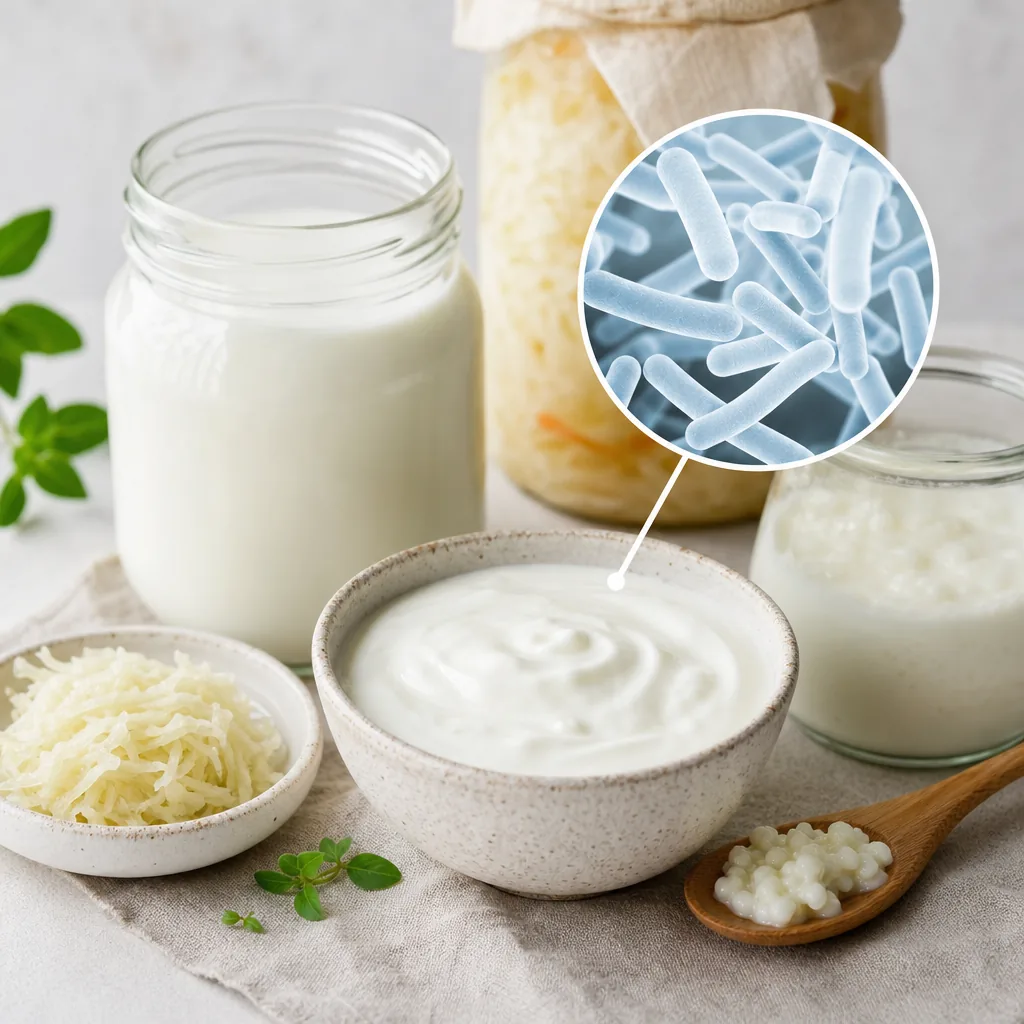
Fermented and mold-ripened cheeses (for example, blue cheese, brie), yogurt, and kefir (microbial enzymes contribute to flavor development and may include lipases).
-
Fermented soy foods such as tempeh and certain traditional ferments (microbial cultures can produce lipolytic enzymes).
-
Sprouted seeds and grains (germination activates endogenous plant enzymes, including lipases), typically when consumed raw or minimally processed.
Whole foods support digestive health broadly by providing fiber, micronutrients, and prebiotics that help maintain gut function. However, foods are not a reliable way to deliver precise lipase activity. When clinically indicated—such as in EPI—supplementation with prescription pancrelipase is standard of care. For individuals without EPI who experience occasional fatty-meal discomfort, a short trial of an OTC lipase-containing supplement may be reasonable, though results vary. Food-first remains a sound approach for most people, while supplements can offer targeted dosing when a specific digestive need exists.
Who May Benefit from Lipase?
-
People with diagnosed exocrine pancreatic insufficiency due to chronic pancreatitis, cystic fibrosis, pancreatic cancer, or after pancreatic or upper GI surgery.
-
Individuals experiencing fat maldigestion after gallbladder removal, recognizing that bile acids are central and responses to lipase supplements vary.
-
Those trialing high-fat dietary patterns (for example, ketogenic diets) who note oily stools, bloating, or fatty-meal intolerance, after ruling out medical causes.
-
Older adults or people with conditions that may impair pancreatic secretion who have symptoms suggestive of fat maldigestion, pending medical evaluation.
-
People with temporary, medically evaluated causes of reduced pancreatic output who need short-term digestive support under guidance.
Side Effects and Considerations
-
Gastrointestinal effects:
Nausea, abdominal discomfort, constipation, diarrhea, and bloating can occur, especially with dose changes or if enzymes are taken without food.
-
Allergies and sensitivities:
Prescription pancrelipase is typically porcine-derived; avoid if you have pork allergies or adhere to dietary restrictions that preclude porcine ingredients. Fungal-sourced lipase may not be suitable for those with mold sensitivities.
-
Oral and mucosal irritation:
Opening capsules or chewing enteric beads can cause mouth irritation or ulcers; follow product directions carefully.
-
High-dose risks:
Very high cumulative doses of prescription pancreatic enzymes have been linked to rare fibrosing colonopathy, particularly in children with cystic fibrosis. Dosing should follow medical guidance, and recommended maximums should not be exceeded.
-
Medication interactions and conflicts:
Orlistat (a weight-loss drug) inhibits pancreatic lipase and can counteract lipase supplements or PERT. Acid-suppressing therapy may alter the performance of non-enteric-coated products; clinicians sometimes use acid suppression to improve PERT efficacy in select cases. Always review medications with a healthcare professional.
-
Quality and labeling:
OTC enzyme products vary widely in potency, acid stability, and unit systems (FIP, LU, USP). Choose reputable brands with clear unit standardization and third-party testing when possible.
-
Medical conditions:
If you have unexplained weight loss, persistent diarrhea, greasy stools, or significant GI pain, seek medical evaluation rather than self-treating with enzymes.
-
Pregnancy, breastfeeding, and children:
Safety data for OTC lipase in pregnancy or breastfeeding are limited. Children should use enzyme therapy only under medical supervision. Consult a healthcare professional before starting.
-
Dietary considerations:
If you follow halal, kosher, or vegetarian/vegan diets, verify the enzyme source (porcine vs microbial) and excipients.
-
Liver, kidney, or severe illness:
While lipase acts locally in the gut, individuals with significant medical conditions should consult a clinician before use.
Common Myths About Lipase
-
Lipase supplements melt body fat and cause weight loss.
Lipase works in the gut to break down dietary fat for absorption; it does not “burn” stored body fat. In fact, more efficient fat digestion can increase calorie absorption. Sustainable weight management depends on overall diet, activity, sleep, and behavior—not digestive enzymes.
-
Everyone should take lipase with every meal.
Most healthy people produce sufficient pancreatic lipase and do not benefit from routine supplementation. Supplemental lipase is mainly helpful when fat digestion is impaired, such as in EPI, and should otherwise be used selectively, if at all.
-
Plant or fungal lipase works the same as prescription pancrelipase for EPI.
Microbial lipases can support digestion in some contexts, but prescription pancrelipase is standardized, enteric-coated, and clinically validated for EPI. OTC products vary widely in potency and are not substitutes for medical therapy in diagnosed insufficiency.
-
More units are always better.
Higher doses are not universally beneficial and can increase side effects or risks, especially in children with cystic fibrosis. The effective dose depends on body weight, meal fat content, and clinical status; more is not automatically better.
Conclusion
Lipase is a digestive enzyme, not an essential nutrient, that plays a central role in breaking down dietary fats. It is most clearly beneficial in diagnosed exocrine pancreatic insufficiency, where prescription pancrelipase reduces steatorrhea, improves comfort, and supports nutrient absorption. For people without EPI who experience occasional high-fat meal discomfort, OTC lipase-containing products may help, but results are variable and evidence is limited.
If you are pregnant, breastfeeding, taking medications, or managing a medical condition—including persistent GI symptoms—consult a healthcare professional before using lipase. Prioritize quality, standardized products, and avoid excessive dosing. A food-first approach remains appropriate for most people, with whole foods supporting overall digestive and metabolic health, while targeted lipase supplementation has a clear role when a specific clinical need exists and is guided by a qualified clinician.