What is Rauwolscine?
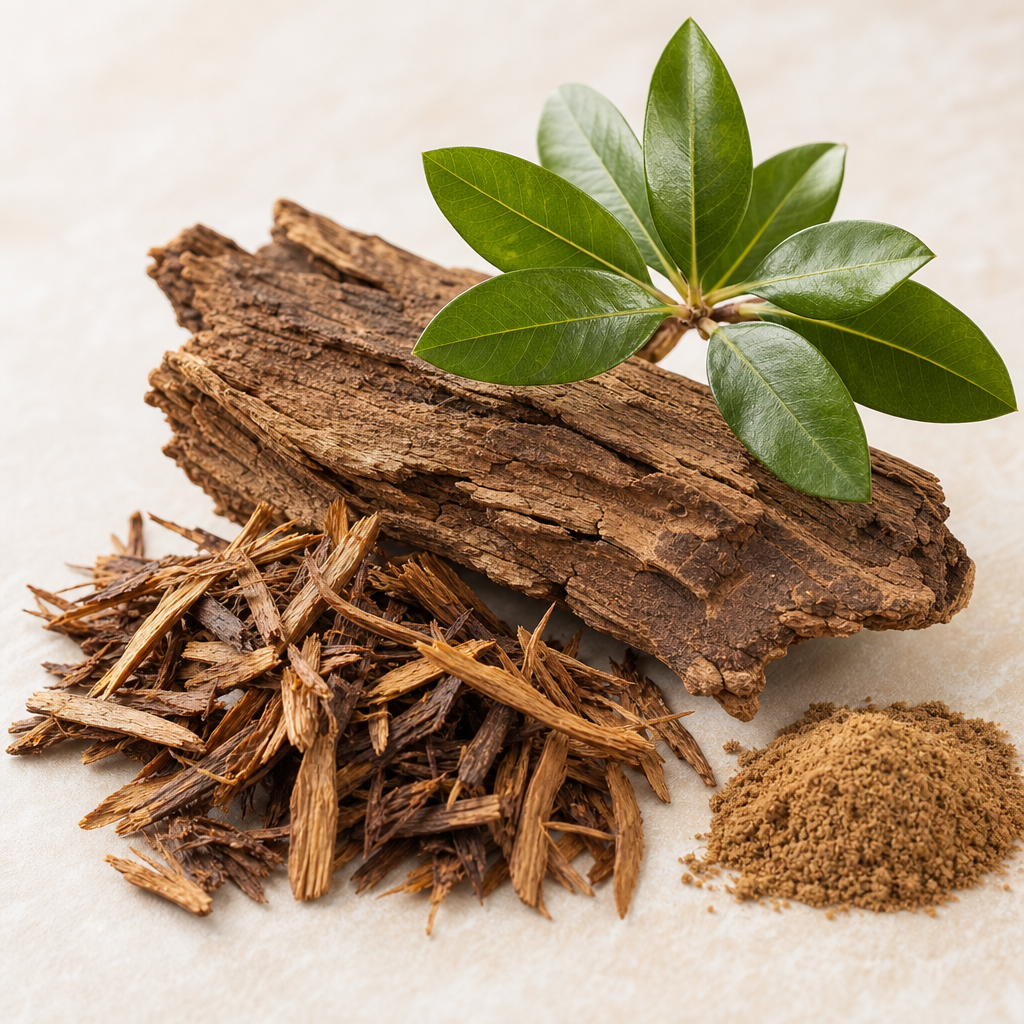
Rauwolscine—often marketed as “alpha-yohimbine”—is an indole alkaloid found in certain plants of the Apocynaceae family, including Rauwolfia species (such as Rauwolfia serpentina and Rauwolfia vomitoria) and, in smaller amounts, Yohimbe bark (Pausinystalia johimbe). It is a structural isomer of yohimbine with broadly similar pharmacology. In supplements, it commonly appears as isolated rauwolscine hydrochloride or in botanical extracts standardized to a specified rauwolscine content.
Physiologically, rauwolscine acts primarily as an alpha-2 adrenergic receptor antagonist. By blocking these receptors—especially the presynaptic alpha-2 autoreceptors that usually reduce norepinephrine release—it can increase sympathetic nervous system activity. This mechanism is thought to influence arousal, perceived energy, and lipolysis (fat breakdown), particularly under conditions like fasting or exercise. Rauwolscine is not an essential nutrient; the body does not require it to function the way it requires vitamins, minerals, essential fatty acids, or essential amino acids. It is best viewed as a stimulant-like plant compound or supplement with drug-like effects that warrants careful, informed use.
Benefits of Rauwolscine
-
Fat mobilization during fasting or exercise
(Limited evidence)
Rauwolscine’s alpha-2 antagonism may facilitate lipolysis by reducing the inhibitory tone that alpha-2 receptors place on fat cells, particularly in areas with higher alpha-2 density. Small human studies using yohimbine (a closely related alkaloid) suggest a modest increase in fat loss under calorie-deficit and exercise conditions, but well-controlled trials on rauwolscine specifically are scarce. Any effect is likely modest and dependent on an existing calorie deficit and activity.
-
Increased alertness and perceived energy
(Moderate evidence)
Pharmacologically, alpha-2 antagonism increases norepinephrine signaling, which can acutely heighten arousal and reduce perceived fatigue. While most direct clinical data focus on yohimbine, the shared mechanism supports short-term increases in alertness with rauwolscine. Effects are typically transient, dose-dependent, and may be accompanied by jitters or anxiety in sensitive users.
-
Support for cutting phases in trained athletes
(Mixed evidence)
In resistance-trained or endurance athletes, compounds that increase sympathetic drive may subjectively boost drive and training density during calorie restriction. Some coaches leverage rauwolscine pre-cardio or pre-training, particularly in fasted sessions. However, performance outcomes are inconsistent and individual tolerance varies widely; elevated heart rate and anxiety can negate potential benefits.
-
Adjunct for sexual function
(Limited evidence)
Yohimbine has historical clinical use for certain types of erectile dysfunction due to enhanced adrenergic signaling and potential effects on penile vasculature. Rauwolscine, as a related isomer, is sometimes promoted similarly. Direct human data for rauwolscine are minimal, and any benefit should be regarded as speculative and likely modest, with side effects often limiting usefulness.
-
Appetite and craving control
(Preliminary evidence)
Some users report reduced appetite or fewer cravings when sympathetic tone is elevated. Mechanistically plausible via catecholamine activity, but high-quality clinical trials with rauwolscine are lacking. Effects, if present, appear short-lived and may be offset by rebound hunger or sleep disruption in some individuals.
Types or Forms Available
-
Rauwolscine HCl (alpha-yohimbine HCl):
A purified, single-alkaloid form intended to provide consistent dosing. Often used in microgram-to-milligram amounts. Typically regarded as the most predictable option, though product quality still varies by brand.
-
Rauwolfia extracts (e.g., R. vomitoria or R. serpentina):
Botanical extracts may be standardized for rauwolscine or “total alkaloids.” Composition can vary and may include additional bioactives (e.g., ajmaline, reserpine-like compounds) that can affect blood pressure, mood, and nervous system function—making effects less predictable.
-
Yohimbe bark extracts:
Primarily standardized for yohimbine; rauwolscine may be present but usually at lower, variable levels. This route is the least precise way to obtain rauwolscine and has a higher risk of inconsistent potency and tolerability.
-
Delivery formats:
Capsules and tablets are most common; liquid drops and powdered pre-workout blends also exist. Blends may combine rauwolscine with caffeine or other stimulants, which can amplify both effects and side effects.
How to Use Rauwolscine
Because rauwolscine exerts drug-like, stimulant effects and has a relatively narrow comfort window, a “start low and go slow” approach is essential. It is generally used occasionally or short-term for specific goals rather than as a daily, long-term supplement.
-
Common dosage range:
Many products provide 0.5–2 mg per day, often split into 0.5–1 mg doses. Beginners should start at the lowest available dose (e.g., ~0.5 mg) to assess tolerance. Exceeding ~2 mg/day can markedly raise the risk of side effects and is not recommended without medical supervision.
-
Best timing:
30–60 minutes before training or cardio is common. For fat-mobilization strategies, some use it in a fasted state; however, taking it with a small snack may improve tolerability if nausea or jitters occur. Avoid near bedtime due to potential sleep disruption.
-
How to take it:
Swallow with water. Pairing with carbohydrates may blunt some stimulatory effects; empty-stomach use can be more potent but also more likely to cause side effects. Do not stack with other strong stimulants unless you understand the risks and have professional guidance.
-
Consistency:
Often used situationally (e.g., on training or cardio days) rather than every day. If used daily, consider periodic breaks to reassess need and tolerance.
Food Sources and Supplement Options
Rauwolscine is not a nutrient found in common foods. It occurs naturally in certain plant barks and roots (not typically consumed as part of a regular diet). For practical purposes, rauwolscine is accessed via supplements, either as a purified alkaloid or as part of a standardized botanical extract.
-
Natural sources (botanical):
Rauwolfia species such as R. vomitoria and R. serpentina; Yohimbe bark (Pausinystalia johimbe) may contain small amounts.
Supplements can provide targeted dosing, but product-to-product variability can be substantial, especially with multi-alkaloid bark extracts. Whole foods are preferred for meeting essential nutrient needs; rauwolscine does not replace a balanced diet and offers no essential nutritional value. If supplementation is considered, choose brands that disclose exact rauwolscine content and use third-party testing.
Who May Benefit from Rauwolscine?
-
Experienced athletes or physique enthusiasts during a structured cutting phase who tolerate stimulants and already have diet, sleep, and training dialed in.
-
Individuals seeking a short-term boost in alertness or perceived energy, understanding the trade-offs with potential anxiety or jitteriness.
-
People exploring alternatives to yohimbine under professional guidance; recognize that rauwolscine may feel more potent per milligram and is not inherently “safer.”
-
Men pursuing adjunct support for sexual function only after discussing options with a clinician and weighing better-studied treatments first.
Side Effects and Considerations
-
Stimulant-like adverse effects:
Anxiety, jitteriness, tremor, sweating, headache, dizziness, nausea, and insomnia are commonly reported at higher or poorly tolerated doses.
-
Cardiovascular concerns:
Can raise heart rate and blood pressure in some individuals; palpitations may occur. Those with hypertension, arrhythmias, or cardiovascular disease should avoid use unless cleared by a clinician.
-
Mental health:
May worsen panic disorder, generalized anxiety, bipolar disorder, or psychosis. Discontinue if panic, agitation, or mood changes occur.
-
Drug interactions:
Potentially risky with MAO inhibitors, SSRIs/SNRIs/TCAs, bupropion, stimulants (e.g., caffeine, ephedrine), decongestants (e.g., pseudoephedrine), certain antihypertensives (especially clonidine), and substances affecting heart rhythm or blood pressure. Consult a pharmacist or clinician if on any medication.
-
Metabolic effects:
Catecholamine surges can transiently increase blood glucose; people with diabetes or on glucose-lowering therapy should use caution and monitor closely.
-
Liver/kidney caution:
Limited safety data in hepatic or renal impairment—avoid or use only with medical supervision.
-
Quality and label accuracy:
Botanical alkaloid content can vary widely; some products have been found underdosed or overdosed. Prefer third-party tested supplements specifying rauwolscine content.
-
Stacking risks:
Combining with other stimulants or high-caffeine pre-workouts increases side effects. Start with single-ingredient products to gauge response.
-
Special populations:
Avoid use if pregnant or breastfeeding, and in children or adolescents. Stop use at least 1–2 weeks before surgery due to potential blood pressure and heart rate effects.
-
Legal and sport compliance:
Regulations on yohimbe/rauwolfia products vary by country. Competitive athletes should verify product compliance and choose certified supplements to reduce contamination risk.
Common Myths About Rauwolscine
-
“Rauwolscine melts stubborn fat regardless of diet.”
Calorie deficit and activity are the primary drivers of fat loss. At best, rauwolscine may slightly increase fat mobilization under specific conditions (e.g., fasted exercise), and results are highly individual. It does not override energy balance.
-
“It’s safer than yohimbine because it’s natural and a different isomer.”
“Natural” does not equal “safe.” Rauwolscine shares similar mechanisms and side effects with yohimbine and can feel more potent per milligram. Safety depends on dose, individual sensitivity, health status, and product quality.
-
“More is better for faster results.”
Higher doses mainly raise the risk of anxiety, palpitations, and insomnia without proportionally improving outcomes. Responsible, minimal effective dosing—if any—is the safer approach.
-
“It will boost performance for everyone.”
Some users experience increased arousal and drive; others experience anxiety or heart rate spikes that impair performance. Responses are variable and context-dependent.
Conclusion
Rauwolscine is a non-essential, stimulant-like plant alkaloid that can acutely increase sympathetic activity via alpha-2 receptor antagonism. For select, experienced users, it may offer modest support for fat mobilization during cutting phases or a short-lived boost in alertness—especially when training and nutrition are already well managed. Evidence specific to rauwolscine remains limited, and expectations should be conservative.
Because it has drug-like effects, careful dosing, product quality, and individual risk assessment are critical. People who are pregnant, breastfeeding, taking medications, or managing medical conditions should consult a healthcare professional before use. Those with cardiovascular or mental health concerns are generally better served by avoiding it. A food-first approach remains best for health and performance; when supplements are considered, choose third-party tested products, start with the lowest dose, and prioritize lifestyle fundamentals over quick fixes.