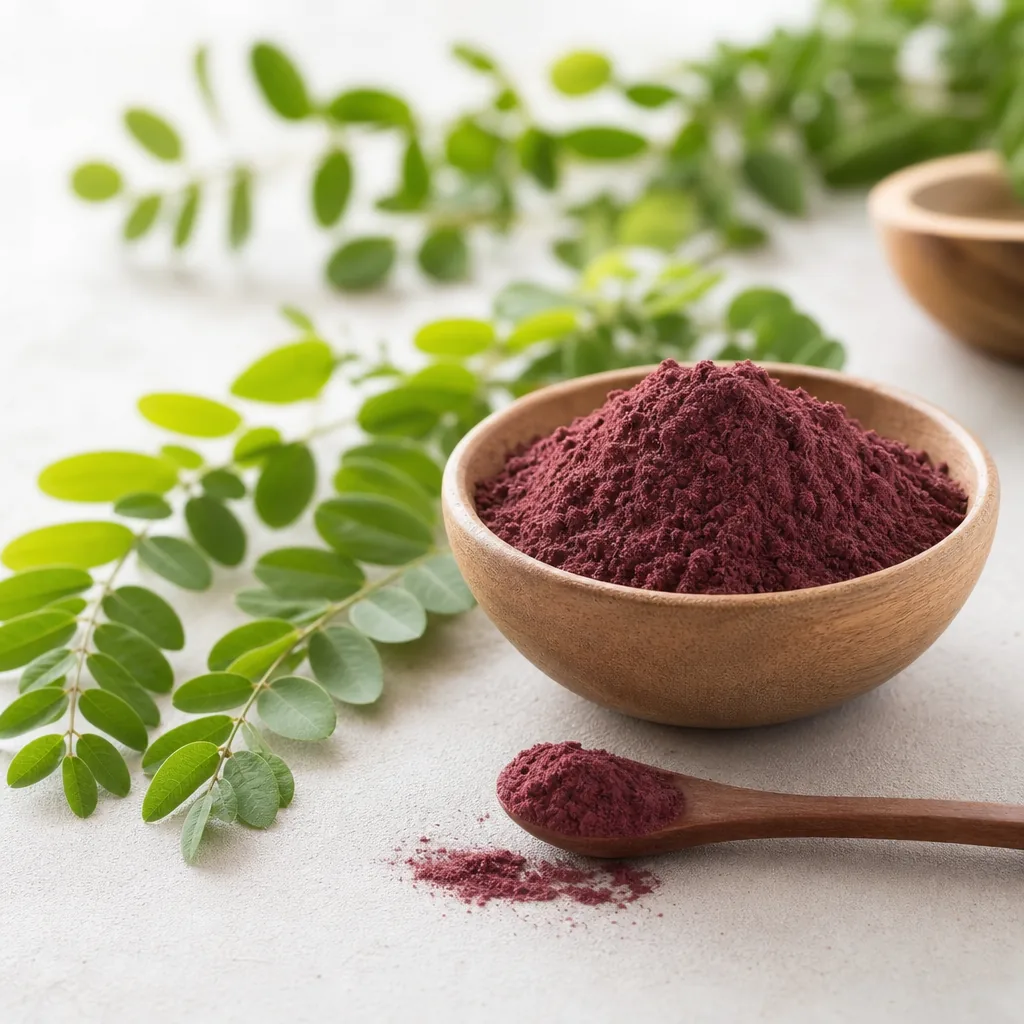
What is Kola Nut?
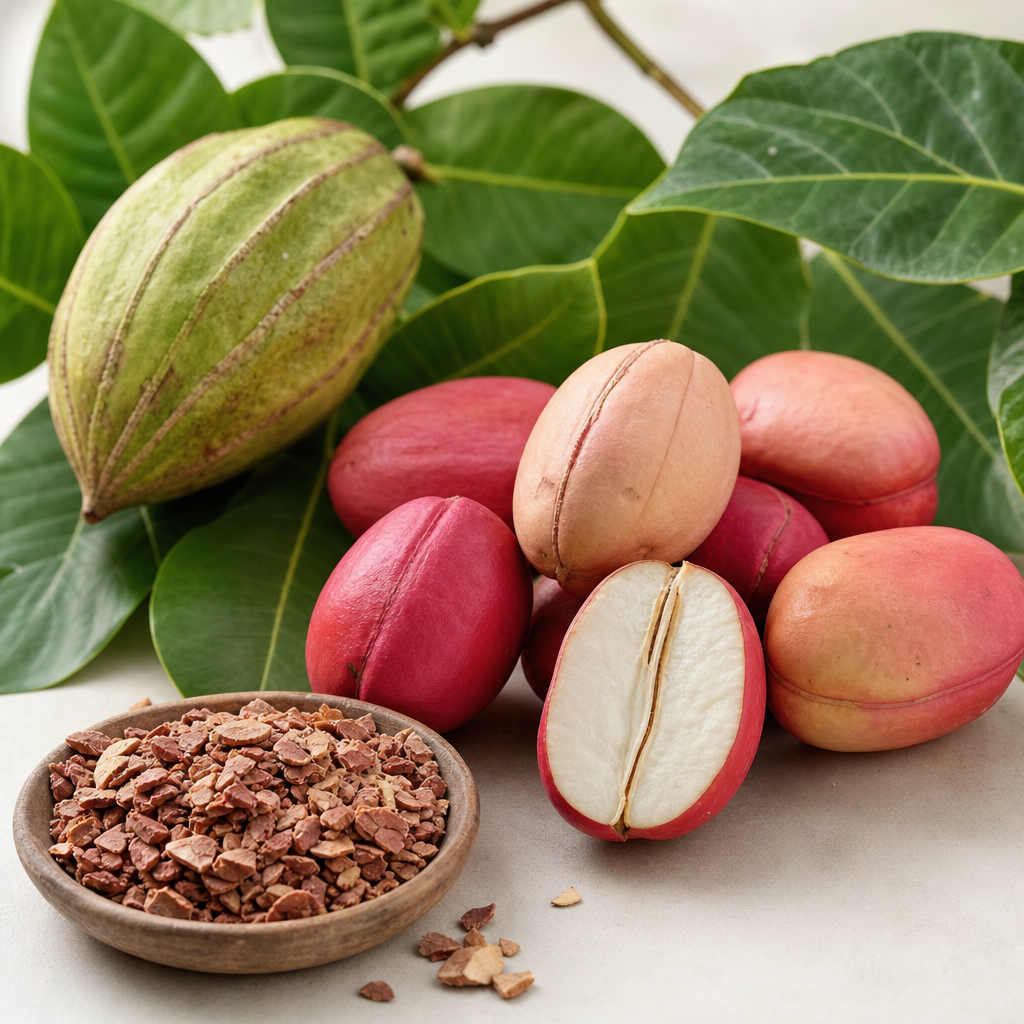
Kola nut is the seed of trees in the Cola genus, most commonly Cola acuminata and Cola nitida, which are native to West and Central Africa. Traditionally chewed for social, cultural, and functional purposes, kola nut has a distinctly bitter, astringent flavor and a naturally high content of methylxanthines—primarily caffeine, along with theobromine and small amounts of theophylline. Historically, it was used to flavor early cola beverages, although most modern sodas use synthetic flavorings rather than true kola extracts.
Kola nut is best described as a botanical or herb-derived ingredient rather than an essential nutrient. Its health effects come mainly from stimulant compounds and polyphenols rather than vitamins or minerals. The body does not require kola nut the way it requires essential nutrients like vitamin C or iron. Instead, it is used as a supplement or in foods and beverages for its stimulant effects (alertness and energy), potential performance benefits, and traditional digestive uses.
Benefits of Kola Nut
-
Increased alertness, vigilance, and reaction time
(Strong evidence)
Because kola nut is a natural source of caffeine, it can improve wakefulness, reaction time, and sustained attention. Caffeine reliably blocks adenosine receptors in the brain, reducing perceived fatigue and increasing alertness. Many studies have demonstrated these effects using caffeine from various sources; kola nut provides similar benefits when delivering comparable caffeine doses. Individual response varies based on genetics, tolerance, and timing.
-
Support for endurance exercise and perceived exertion
(Moderate evidence)
Caffeine has been shown to modestly enhance endurance performance, time-to-exhaustion, and ratings of perceived exertion in many trials. Kola nut, as a caffeine source, may help athletes or active individuals feel less effort during aerobic efforts and improve performance when taken pre-exercise. Effects are dose-dependent, and benefits tend to be more consistent for endurance than for short, maximal efforts. Not everyone responds the same, and side effects like jitters can offset benefits for some people.
-
Adjunct for headache relief
(Moderate evidence)
Caffeine can increase the absorption and analgesic effectiveness of certain over-the-counter pain relievers for tension-type headaches and some migraines. As a caffeine-containing botanical, kola nut may provide similar adjunctive benefits when used in appropriate doses. However, both too much and too little caffeine can influence headache patterns, and regular high intake may contribute to rebound headaches in some individuals.
-
Thermogenesis and appetite effects
(Mixed evidence)
Caffeine can transiently increase energy expenditure and may reduce appetite in the short term for some people. Kola nut is sometimes included in weight-management formulas on this basis. However, the long-term impact on meaningful weight loss is inconsistent, benefits are usually modest at best, and lifestyle factors remain far more important. Combining caffeine with other stimulants can increase risks without clear added benefit.
-
Traditional digestive support
(Limited evidence)
In traditional use, kola nut has been chewed after meals to reduce feelings of heaviness and promote alertness during long work hours, and it is sometimes used to counteract mild digestive discomfort. Scientific evidence specifically studying kola nut for dyspepsia is limited, and modern guidance typically favors established approaches (dietary patterns, meal timing, assessing triggers) before considering stimulant botanicals.
-
Antioxidant and antimicrobial properties
(Preliminary evidence)
Laboratory studies suggest that polyphenols and other constituents in kola nut may have antioxidant and antimicrobial activity. These findings are primarily in vitro or in animals and have not been confirmed as clinically meaningful benefits in humans. More high-quality trials are needed to determine real-world effects and appropriate applications.
Types or Forms Available
-
Whole dried nuts (chewed)
In many West African regions, whole kola nuts are traditionally chewed. This provides caffeine and theobromine but can be astringent and bitter. The stimulant dose is less standardized compared to modern supplements.
-
Powdered kola nut
Ground powder can be mixed into beverages or smoothies. Potency varies with source and processing. Some products list approximate caffeine content per serving, but many do not, making careful dosing more difficult.
-
Standardized extracts (capsules/tablets)
These are concentrated and typically list a guaranteed caffeine content (for example, standardized for a specific percentage of caffeine). Labeling may indicate milligrams of extract and milligrams of caffeine per serving, which helps with precise dosing. Standardization ranges can vary; compare brands and choose reputable, third-party tested products.
-
Liquid extracts and tinctures
Alcohol- or glycerin-based extracts allow flexible dosing. Potency depends on extraction strength and the herb-to-solvent ratio. Quality and caffeine content should be clearly stated to avoid accidental overuse.
-
Blended formulas (pre-workouts, energy products)
Kola nut is sometimes combined with other caffeine sources (such as guarana or green tea extract) and with additional stimulants or botanicals. These blends can obscure total caffeine content and increase side-effect risk. Always check the total caffeine per serving and avoid proprietary blends that do not disclose amounts.
How to Use Kola Nut
Responsible use focuses on total daily caffeine intake from all sources (coffee, tea, energy drinks, chocolate, medications, and kola nut). Start low to assess tolerance and avoid stacking stimulants.
-
Common dosage range:
Many people find 25–100 mg of caffeine effective for alertness, with 100–200 mg often used for pre-exercise support. Healthy adults are generally advised not to exceed 400 mg of total caffeine per day from all sources. With standardized kola nut extracts, this might correspond roughly to 100–500 mg of extract providing 20–100 mg of caffeine. Because products vary, follow the label and consider starting at the low end.
-
Best timing:
For alertness, take in the morning or early afternoon. For exercise, 30–60 minutes before training is typical. Avoid within 6–8 hours of bedtime to limit sleep disruption.
-
How to take it:
Capsules or standardized extracts are the easiest way to control caffeine dose. Powders can be mixed with water or a smoothie. Taking with a small snack may reduce stomach upset. Hydrate well around exercise.
-
Consistency:
Kola nut can be used situationally (e.g., before workouts or during periods of prolonged concentration). Daily use may lead to tolerance, reducing perceived effects. Some users cycle intake (e.g., caffeine-free days) to help maintain responsiveness.
Food Sources and Supplement Options
Kola nut is a botanical seed rather than a common dietary nutrient. It is naturally found in the nuts of Cola species and in some traditional beverages prepared from these nuts. Although early soft drinks used kola nut, most modern colas no longer include significant amounts of true kola extract. Outside of regions where the whole nut is traditionally chewed, kola nut is most often encountered as a supplement ingredient or in certain energy products.
-
Natural source:
Whole kola nuts from Cola acuminata or Cola nitida (chewed or brewed).
-
Traditional beverages:
Regional preparations in West and Central Africa using kola nut infusions or powders.
-
Specialty products:
Some herbal teas, energy shots, and pre-workout formulas may contain kola nut extract, usually as a caffeine source.
Supplements can make sense for those who prefer a botanical caffeine source with a clearly labeled dose, particularly before workouts or during times of increased cognitive demand. Whole foods generally provide broader nutritional benefits, but they are not relevant sources of kola’s active stimulants beyond the nut itself. When choosing supplements, opt for reputable brands that disclose exact caffeine content and undergo third-party testing, as quality and potency can vary.
Who May Benefit from Kola Nut?
-
Adults who tolerate caffeine and want a plant-derived stimulant for occasional alertness or focus.
-
Endurance athletes or recreational exercisers seeking a pre-workout boost without relying on coffee or energy drinks.
-
Shift workers or students who prefer flexible, labeled caffeine dosing from a supplement instead of brewed beverages.
-
People who occasionally use caffeine alongside an analgesic for tension-type headaches or selected migraines (under guidance).
-
Individuals experimenting with short-term appetite control as part of a broader, well-structured nutrition and activity plan.
Kola nut is not necessary or appropriate for everyone. Those sensitive to caffeine or with relevant medical conditions should avoid it or seek guidance first.
Side Effects and Considerations
-
Stimulant-related effects:
Possible jitteriness, anxiety, rapid heartbeat, increased blood pressure, tremor, and insomnia—especially at higher doses or when taken late in the day.
-
Gastrointestinal issues:
Nausea, stomach upset, reflux, or heartburn can occur. Caffeine may worsen gastritis, ulcers, or GERD symptoms.
-
Headache patterns:
While caffeine can enhance some pain relievers, frequent or high intake may contribute to rebound headaches in susceptible individuals.
-
Cardiovascular caution:
Use care if you have arrhythmias, uncontrolled hypertension, or cardiovascular disease. Stimulants may exacerbate palpitations or blood pressure spikes.
-
Interactions with medications:
Caffeine is metabolized by CYP1A2. Levels may rise with inhibitors like fluvoxamine or ciprofloxacin and fall with inducers like smoking. Caffeine can interact with theophylline, clozapine, certain psychiatric medications, and other stimulants. Check for drug interactions.
-
Combination products:
Avoid stacking kola nut with other stimulants (e.g., synephrine, high-dose yohimbine, ephedra/ephedrine) due to increased risk of adverse effects without clear added benefit.
-
Bone health and calcium:
Very high caffeine intakes may slightly increase calcium loss; those with osteoporosis should moderate intake and ensure adequate calcium and vitamin D.
-
Glaucoma and eye pressure:
Caffeine can transiently raise intraocular pressure; individuals with glaucoma should exercise caution.
-
Liver and kidney considerations:
Caffeine is primarily metabolized in the liver and excreted by the kidneys. People with significant hepatic or renal impairment should consult a clinician before use.
-
Pregnancy and breastfeeding:
Caffeine crosses the placenta and appears in breast milk. Many guidelines advise limiting total caffeine to less than 200 mg/day during pregnancy. Kola nut is generally not recommended beyond minimal caffeine intake in these populations.
-
Children and adolescents:
Stimulant intake should be limited; discuss with a healthcare professional before use.
-
Allergies and sensitivities:
Rare allergic reactions can occur. Discontinue use if rash, itching, or breathing difficulty arises.
-
Surgery and medical procedures:
Stimulants may affect heart rate and blood pressure; inform your surgical team and avoid use before procedures as directed by your clinician.
-
Quality and labeling:
Caffeine content can vary widely across products. Choose brands that disclose exact caffeine amounts, avoid undisclosed proprietary blends, and use third-party testing to reduce contamination risk.
-
General medical advice:
Individuals who are pregnant, breastfeeding, taking medications, or managing a medical condition should consult a healthcare professional before using kola nut or other stimulants.
Common Myths About Kola Nut
-
“Kola nut is a natural energy booster with no side effects.”
Natural does not mean risk-free. Kola nut’s primary active compound is caffeine, which can cause jitters, anxiety, elevated heart rate, increased blood pressure, reflux, and sleep disruption—especially at higher doses or in sensitive individuals.
-
“Kola nut is a proven fat-burner that guarantees weight loss.”
While caffeine can modestly increase energy expenditure and may blunt appetite short term, long-term weight loss from kola nut alone is not well supported. Sustainable weight management depends on dietary pattern, activity, sleep, and stress—not on stimulants.
-
“Drinking cola soda provides the same benefits as kola nut.”
Most modern colas do not contain meaningful amounts of kola nut extract. They typically rely on synthetic flavors and added sugars, which do not confer kola nut’s properties and may be counterproductive for health when overconsumed.
-
“Herbal caffeine is gentler and safe during pregnancy.”
Caffeine’s physiological effects are similar regardless of source. Pregnancy guidelines focus on total caffeine intake, not the plant it came from. Keeping intake low and discussing individual circumstances with a healthcare professional is important.
Conclusion
Kola nut is a botanical source of caffeine and related methylxanthines that can enhance alertness and may support endurance performance or complement certain headache treatments. It can also transiently increase energy expenditure and affect appetite, but long-term body-weight changes are uncertain. For many, its primary value is as a plant-derived, labeled source of caffeine that can be timed around work or training. When choosing a product, prioritize reputable brands that disclose exact caffeine content and undergo third-party testing.
Because kola nut is a stimulant, it is not appropriate for everyone. People who are sensitive to caffeine, have cardiovascular concerns, glaucoma, severe reflux, insomnia, or certain psychiatric conditions should be cautious. Those who are pregnant, breastfeeding, taking medications, or managing a medical condition should seek individualized guidance from a healthcare professional. A food-first approach remains foundational for overall health; consider kola nut supplements as an optional, targeted tool for specific situations rather than a daily necessity.