What is Coenzyme Q10?
Coenzyme Q10 (CoQ10), also called ubiquinone in its oxidized form and ubiquinol in its reduced form, is a fat-soluble compound found in nearly every cell of the body. It plays a central role in mitochondrial energy production by shuttling electrons within the electron transport chain, which helps generate ATP—the primary energy currency of cells. CoQ10 also functions as an antioxidant, helping to stabilize cell membranes and protect lipids, proteins, and DNA from oxidative damage.
CoQ10 is not a vitamin or mineral, and it is not considered an essential nutrient in the strict sense because the body can synthesize it. Small amounts are also present in foods, particularly animal organs and certain fish. As a supplement, CoQ10 is commonly used to support heart health, manage medication-related depletion (notably with statins), and address conditions linked to oxidative stress and mitochondrial function. Interest in CoQ10 often grows with age because endogenous production tends to decline over time.
Benefits of Coenzyme Q10
-
Heart failure symptom support
(Moderate evidence)
CoQ10 may improve functional capacity, quality of life, and some cardiac parameters in people with chronic heart failure when used alongside standard medical care. Randomized trials and meta-analyses suggest benefits such as improved exercise tolerance and reduced hospitalizations in some cohorts. Effects are not universal and the magnitude can vary by dose, duration, and heart failure severity, so it should be used under medical supervision.
-
Migraine prevention
(Moderate evidence)
Supplementation has been shown to reduce migraine frequency and headache days in several trials, especially when taken consistently over 2–3 months. It may be considered as part of a preventive strategy, sometimes alongside magnesium and riboflavin, particularly for those preferring non-pharmacologic approaches or who experience medication side effects.
-
Blood pressure support
(Mixed evidence)
Some studies and pooled analyses indicate small reductions in systolic blood pressure with CoQ10, especially in people with elevated baseline levels. However, findings are inconsistent across trials, and not all individuals experience meaningful changes. Any antihypertensive effect appears modest and should not replace prescribed therapies.
-
Statin-associated muscle symptoms
(Mixed evidence)
Statins may lower circulating CoQ10 levels as they share a biosynthetic pathway. Some trials report reduced muscle pain or cramps and improved exercise tolerance with CoQ10, while others show no difference. Given the low risk profile, a trial of supplementation is sometimes considered, but expectations should be moderate.
-
Male fertility (sperm quality)
(Moderate evidence)
CoQ10 can improve certain semen parameters such as sperm motility and oxidative stress markers in men with subfertility. Evidence for improved pregnancy or live birth rates is less robust, but quality measures often show favorable changes after 2–6 months of use.
-
Exercise performance and fatigue
(Mixed evidence)
Some studies report small improvements in time to exhaustion or perceived exertion, particularly in older adults or those with low baseline CoQ10 status, while others find no benefit in healthy, well-trained athletes. If benefits occur, they are usually modest and require consistent use.
-
Glycemic and metabolic markers
(Limited evidence)
Early research suggests potential small improvements in markers like HbA1c or fasting glucose in certain populations, but results are inconsistent and not sufficient to recommend CoQ10 as a primary strategy for diabetes or metabolic syndrome. It may be considered as an adjunct only with professional guidance.
-
Periodontal and gum health
(Preliminary evidence)
Topical or oral CoQ10 has been studied for gum inflammation and periodontal support. While some small trials suggest improvements in gum indices, methodologies are varied and larger, well-controlled studies are needed to confirm clinically meaningful effects.
Types or Forms Available
-
Ubiquinone vs. ubiquinol
: Ubiquinone is the oxidized form; ubiquinol is the reduced form. Both are interconvertible in the body. Some studies indicate ubiquinol may have higher bioavailability in certain individuals (e.g., older adults or those with absorption issues), but high-quality oil-based ubiquinone products can also reach effective blood levels. Choice often comes down to individual response, cost, and product quality.
-
Oil-based softgels
: Because CoQ10 is fat-soluble, suspending it in oils (e.g., soybean, olive, or MCT) can enhance absorption compared with dry powders. Many reputable brands use stabilized oil suspensions with emulsifiers for better uptake.
-
Water-dispersible and enhanced-absorption formulations
: These include nanoparticle, micellar, liposomal, or cyclodextrin-complexed CoQ10. They may improve absorption, especially at lower doses, but can be more expensive. Look for brands providing bioavailability data or third-party certifications.
-
Powders, capsules, gummies, and liquids
: Dry powders and chewables can be convenient but may absorb less effectively without a fat-containing meal. Liquids can be easy to titrate. Pay attention to serving sizes and total milligrams per dose.
-
Branded raw materials and certifications
: Some labels specify ingredient origin (e.g., Kaneka Q10). Third-party testing (USP, NSF, Informed Choice) can help ensure potency and purity and reduce the risk of adulteration.
How to Use Coenzyme Q10
CoQ10 works gradually and benefits typically appear after several weeks of consistent use. Because it is fat-soluble, taking it with a meal that contains some fat improves absorption. Splitting higher daily amounts into two doses can enhance tolerance and maintain steadier levels.
-
Common dosage range:
50–200 mg per day is typical for general wellness or to support energy and antioxidant status. For specific goals such as migraine prevention or adjunctive heart support, 100–300 mg per day is commonly studied. Higher intakes should be guided by a clinician. Avoid megadoses that exceed studied ranges without medical oversight.
-
Best timing:
Take with a main meal containing fat. If using 200 mg or more daily, consider split dosing (e.g., morning and evening) for better absorption and fewer gastrointestinal effects.
-
How to take it:
Swallow oil-based softgels with water alongside a meal. If using dry capsules or powders, pair with a meal that includes healthy fats (e.g., olive oil, avocado, nuts). Consistency is more important than exact clock time.
-
Consistency:
Daily use is recommended for at least 4–8 weeks to fairly assess effects. For ongoing goals (e.g., migraine prevention or heart support), continued daily use may be needed to maintain benefits.
Food Sources and Supplement Options
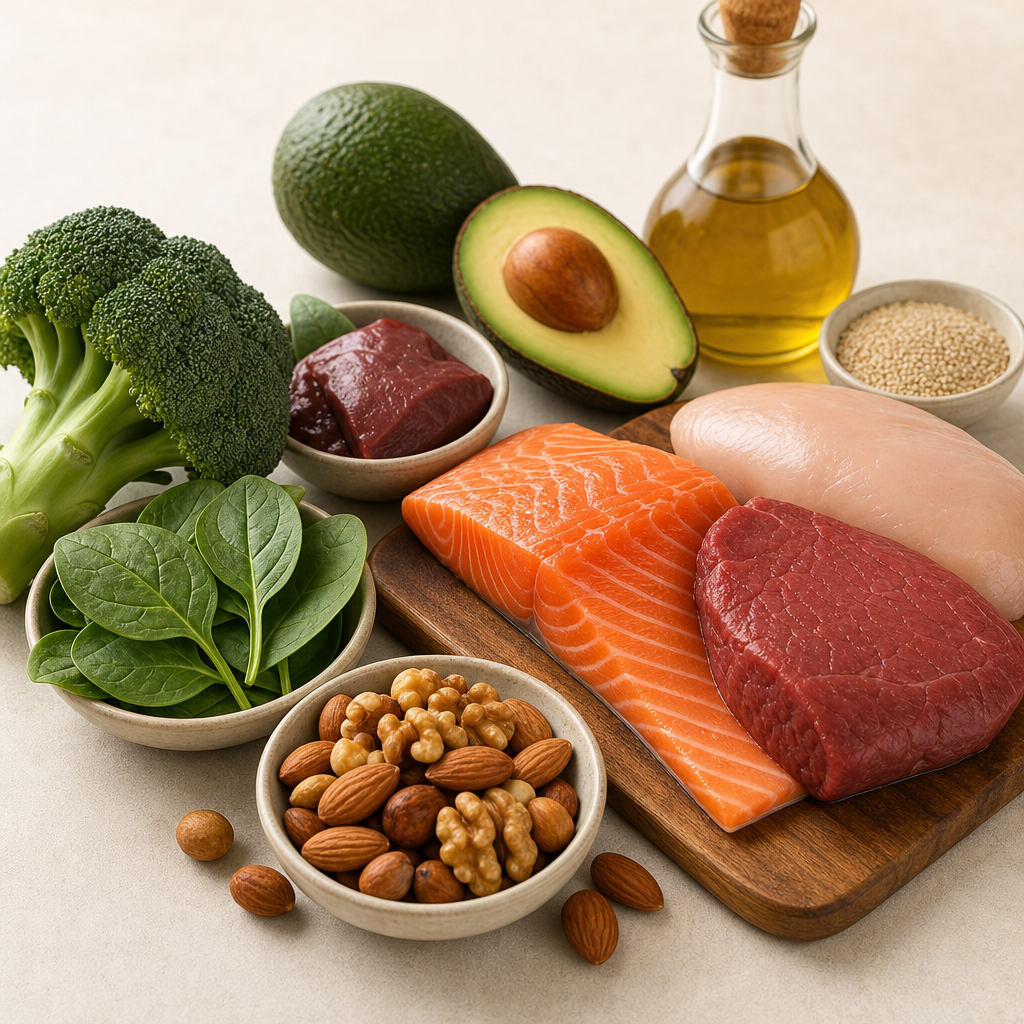
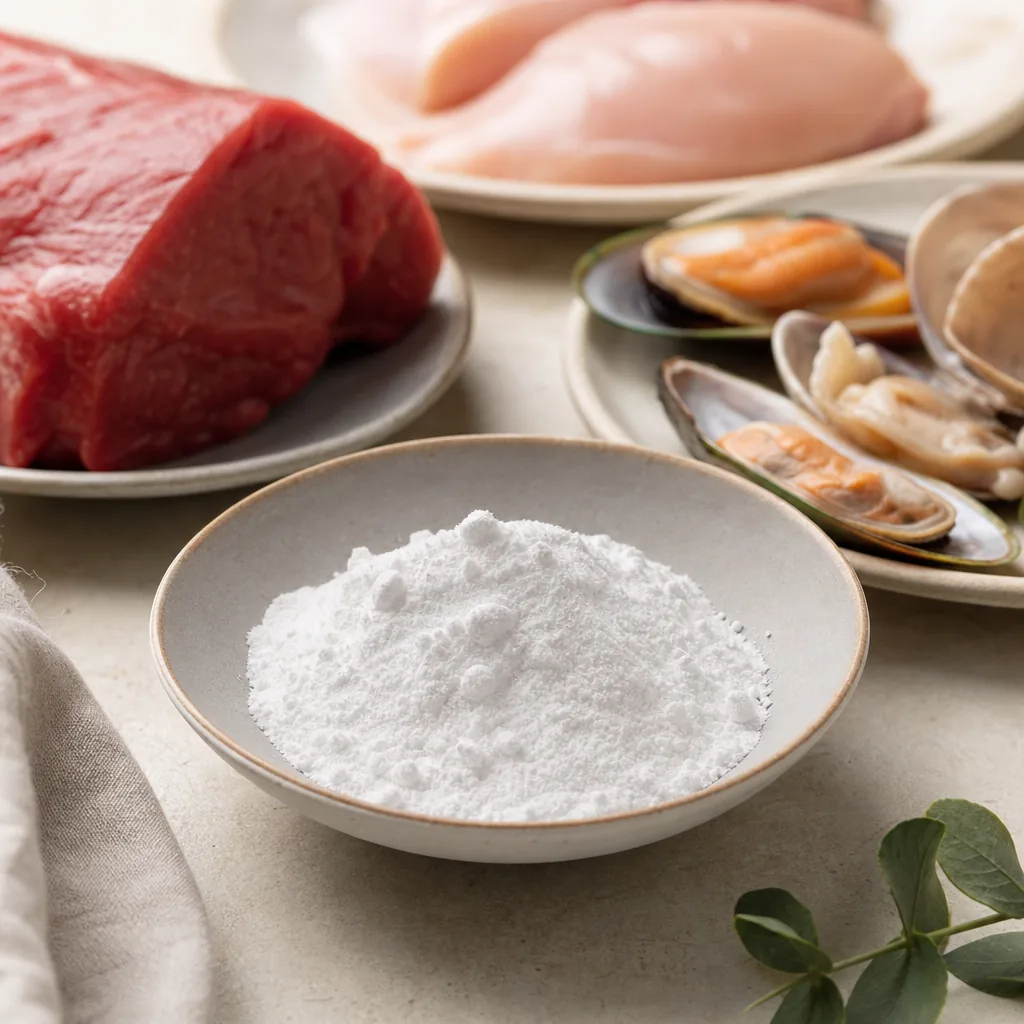
CoQ10 is naturally present in foods but in relatively small amounts compared with supplemental doses. The richest sources tend to be animal organs and certain fish. While whole foods contribute to overall nutrient intake and provide additional vitamins, minerals, and bioactive compounds, supplements offer a practical way to reach levels studied for specific outcomes.
-
Organ meats: beef heart, liver, and kidney
-
Fatty fish: sardines, mackerel, herring, and salmon
-
Meats and poultry: beef, pork, and chicken
-
Plant sources: soybeans, peanuts, pistachios, sesame seeds, and some whole grains
-
Vegetables (smaller amounts): broccoli, cauliflower, and spinach
A typical diet supplies only a few milligrams of CoQ10 per day, which is far below amounts used in clinical studies. Supplementation may make sense for people with specific health goals (e.g., migraine prevention), those taking medications that may lower CoQ10 levels (e.g., statins), or individuals seeking targeted support for heart function under medical guidance. Whenever possible, prioritize a food-first approach for overall dietary quality, and use supplements for precise dosing when indicated.
Who May Benefit from Coenzyme Q10?
-
Adults with chronic heart failure using CoQ10 as an adjunct to standard therapy under clinician supervision.
-
People who experience frequent migraines and prefer or require non-drug preventive options.
-
Individuals taking statins who develop muscle-related symptoms, after discussing options with their prescriber.
-
Men with subfertility characterized by low sperm motility or high oxidative stress markers.
-
Older adults, as endogenous production of CoQ10 declines with age and energy metabolism may be less efficient.
-
Athletes or active individuals seeking small, potential improvements in perceived exertion or recovery, with realistic expectations.
-
People aiming for modest blood pressure support as part of a comprehensive plan that includes diet, exercise, sleep, and prescribed therapy.
-
Those with mitochondrial or metabolic concerns managed by a specialist, where CoQ10 may be considered as part of a supervised regimen.
Side Effects and Considerations
-
Common side effects:
Generally well tolerated. Possible effects include gastrointestinal upset (nausea, diarrhea, abdominal discomfort), headache, appetite changes, or mild insomnia (especially if taken late in the day). Taking with food and splitting doses can improve tolerance.
-
Medication interactions:
CoQ10 may reduce the anticoagulant effect of warfarin and possibly other vitamin K–antagonists; INR monitoring and medical guidance are essential. It may have additive effects with blood pressure or glucose-lowering medications; monitor for hypotension or hypoglycemia.
-
Surgery and procedures:
Because of potential effects on blood pressure and anticoagulation management, stop CoQ10 1–2 weeks before surgery unless your surgeon advises otherwise.
-
Pregnancy and breastfeeding:
Safety data are limited. Do not use without guidance from a qualified healthcare professional.
-
Children and adolescents:
Limited evidence; use only under pediatric guidance for specific indications.
-
Kidney or liver conditions:
Use cautiously and consult a clinician, especially at higher doses or with multiple medications.
-
Allergies and excipients:
Check labels for potential allergens (e.g., soy, gelatin, beeswax) and avoid products containing substances you cannot tolerate.
-
Quality and stability:
Choose reputable brands with third-party testing (USP, NSF, Informed Choice). CoQ10 is sensitive to heat and light; store as directed to maintain potency.
-
Not a standalone therapy:
CoQ10 should complement, not replace, prescribed treatments for cardiovascular, neurological, or metabolic conditions.
-
Medical guidance:
People who are pregnant or breastfeeding, taking medications, or managing medical conditions should consult a healthcare professional before starting CoQ10.
Common Myths About Coenzyme Q10
-
Myth: CoQ10 is a vitamin that everyone must supplement.
CoQ10 is a body-made compound, not an essential vitamin or mineral. Many healthy people do not need to supplement if they have no specific indications. Supplementation is most appropriate for targeted goals or under medical guidance.
-
Myth: Ubiquinol is always superior to ubiquinone.
While some data suggest higher bioavailability for ubiquinol in certain contexts, well-formulated oil-based ubiquinone can also raise blood levels effectively. Individual response, dose, formulation quality, and cost should guide the choice rather than a blanket rule.
-
Myth: CoQ10 provides an immediate energy boost.
CoQ10 supports mitochondrial function, but benefits typically emerge gradually over weeks of consistent use. It does not act like a stimulant and should not be expected to produce instant effects.
-
Myth: Eating CoQ10-rich foods eliminates any need for supplements.
Foods contribute only small amounts of CoQ10 compared with dosages used in research. While a nutrient-dense diet is foundational, supplements may be considered for specific goals like migraine prevention or adjunctive heart support.
Conclusion
Coenzyme Q10 is a mitochondria-supporting, antioxidant compound that the body naturally produces and that is also present in small amounts in food. Evidence supports its use for certain goals—particularly adjunctive support in heart failure, prevention of migraines, and improvements in some male fertility parameters—while other areas such as blood pressure, exercise performance, and metabolic markers show mixed or limited findings. When used, consistency, appropriate dosing, and a quality formulation taken with food matter for results.
CoQ10 is generally well tolerated, but people who are pregnant or breastfeeding, taking medications (especially warfarin or blood pressure and glucose-lowering drugs), preparing for surgery, or managing medical conditions should consult a healthcare professional before starting. Choose reputable, third-party tested products and avoid megadoses. Emphasize a food-first approach to meet overall nutritional needs, and consider CoQ10 supplements for targeted, evidence-informed purposes when diet alone is unlikely to provide studied amounts.