What is Taurine?
Taurine is an amino sulfonic acid naturally found in the human body, especially in the brain, eyes, heart, and skeletal muscles. Although sometimes grouped with amino acids, it is technically not used to build proteins. Instead, taurine serves as a conditionally nonessential compound: the body can make it from cysteine and methionine (with vitamin B6 as a cofactor), and most people can obtain additional amounts from food. It is widely available as a standalone supplement and is also added to some energy drinks and sports formulations.
In the body, taurine supports several physiological processes: it helps conjugate bile acids for fat digestion, contributes to cell membrane stability and fluid balance (osmoregulation), supports calcium signaling in muscle and nerve cells, and appears to have antioxidant and anti-inflammatory actions. Because it is not an essential nutrient like vitamins or minerals, the body does not require dietary taurine in the same way; however, intake and circulating levels can vary by diet, age, and health status, which is why supplementation is sometimes considered.
Benefits of Taurine
-
Blood pressure support
(Moderate evidence)
Taurine may help modestly lower blood pressure in people with elevated levels, possibly by improving endothelial function, supporting nitric oxide availability, and aiding electrolyte balance. Several controlled studies using doses around 1–3 g/day have reported small but meaningful reductions in systolic and diastolic values. Effects tend to be larger in individuals with higher baseline blood pressure and when combined with broader lifestyle measures.
-
Exercise performance and recovery
(Mixed evidence)
Some trials report improved time to exhaustion, reduced perceived exertion, or better sprint performance with 1–2 g taken before exercise, potentially through calcium handling in muscle cells, antioxidant activity, and osmoregulation. Other studies show minimal or no effect, and results vary by training status, sex, dose, and sport. It may be more useful for endurance or repeated high-intensity efforts than for single, short maximal bursts.
-
Cardiometabolic health (lipids and insulin sensitivity)
(Mixed evidence)
Small clinical studies suggest taurine can modestly reduce triglycerides or total cholesterol and may improve fasting glucose or HbA1c in people with metabolic risk. Mechanisms may include improved bile acid metabolism, reduced oxidative stress, and enhanced mitochondrial function. Findings are not uniform across trials, and taurine should not replace prescribed cardiometabolic therapies.
-
Heart function in select conditions
(Limited evidence)
Preliminary clinical work in certain forms of heart failure and cardiomyopathy has shown improvements in measures such as ejection fraction and exercise capacity when taurine is added to standard care. The research base is small and heterogeneous, so supplementation in clinical cardiac conditions should only occur under medical supervision.
-
Eye and retinal support
(Limited evidence)
Taurine is abundant in the retina and is crucial for retinal cell health in animal models. Human research is less robust, but maintaining adequate taurine status is biologically plausible for supporting normal visual function over time. Supplementation for specific eye diseases requires more research and individualized clinical guidance.
-
Hydration and electrolyte balance
(Limited evidence)
Taurine participates in cell volume regulation and may help maintain fluid balance during strenuous activity or heat exposure. A few studies note reduced markers of muscle damage and improved subjective recovery, but consistent performance or hydration benefits are not guaranteed.
-
General antioxidant and anti-inflammatory support
(Preliminary evidence)
Through the formation of taurine chloramine and other mechanisms, taurine can temper excessive inflammatory signaling and oxidative stress in cells. Early human data and mechanistic studies are encouraging but do not define precise clinical applications outside broader wellness support.
-
Healthy aging
(Preliminary evidence)
Animal studies suggest taurine may support longevity-related pathways, and observational human data show taurine levels decline with age. However, cause-and-effect benefits on human aging or lifespan have not been established.
Types or Forms Available
-
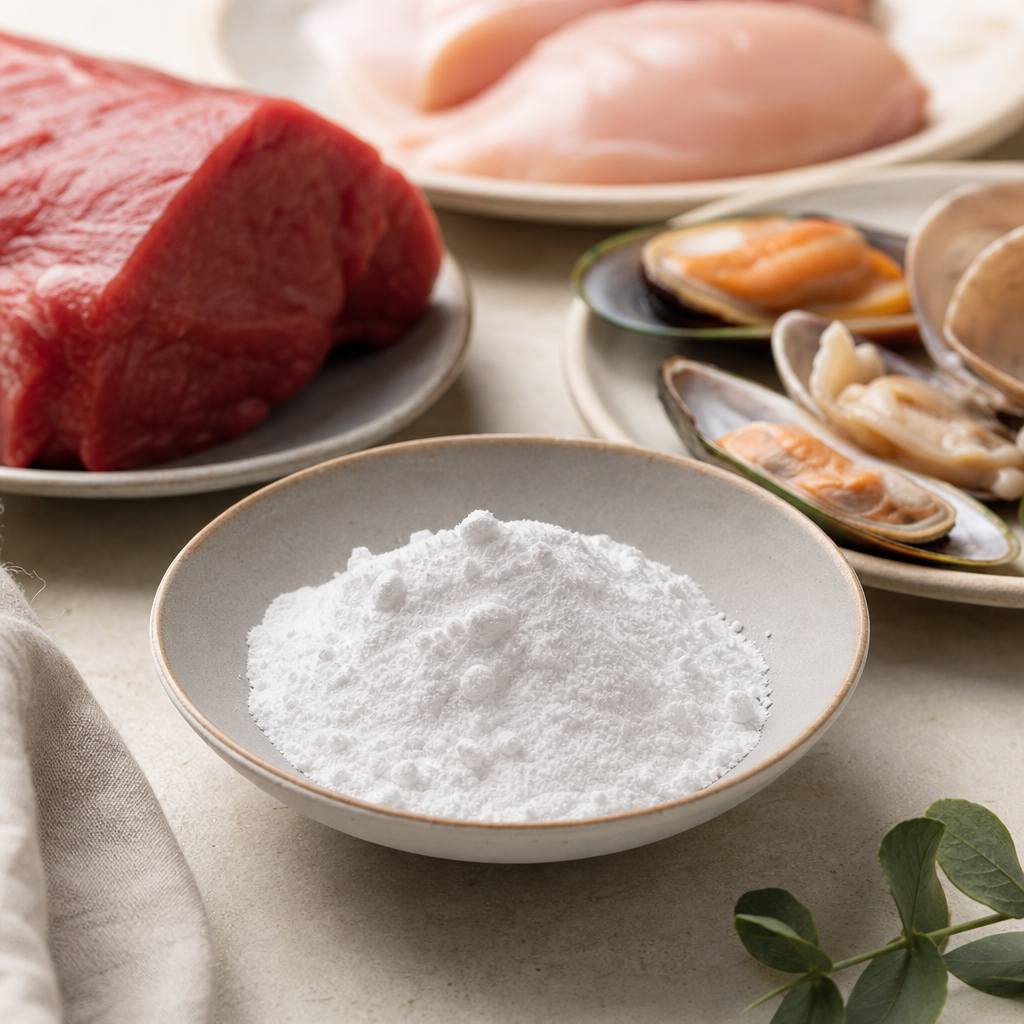
Pure taurine powder
: Offers flexible dosing and cost-effectiveness. It dissolves well in water or electrolyte solutions and is easy to split into smaller doses. Taste is mildly bitter/savory.
-
Capsules or tablets
: Convenient premeasured doses, typically 500–1,000 mg per unit. Useful for those who prefer not to measure powder or who dislike mixing drinks.
-
Energy drinks and ready-to-drink formulas
: Often contain taurine alongside caffeine, sugars, and other ingredients. The presence of stimulants and high sugar content may not suit everyone, and doses vary widely; the mixture makes it difficult to attribute effects to taurine alone.
-
Magnesium taurate
: A compound supplying magnesium bound to taurine. It functions primarily as a magnesium supplement; the amount of taurine delivered depends on the specific product. Choose this form if your goal is magnesium repletion with potential complementary effects of taurine.
-
Blended pre-workouts or electrolyte mixes
: Taurine is included for osmoregulation and recovery support. Check labels for total taurine content, caffeine level, and sugars or artificial sweeteners.
Unlike some amino acids, taurine is not chiral, so “L-taurine” and “taurine” refer to the same compound in supplements. Time-release or liposomal versions are not common and do not have clear advantages based on current evidence.
How to Use Taurine
-
Common dosage range:
Typical supplemental intakes are 500–2,000 mg per day. Many studies use 1–1.5 g/day for cardiometabolic support and about 1 g taken 30–60 minutes before exercise. Intakes above 2–3 g/day should be individualized and discussed with a healthcare professional.
-
Best timing:
For general wellness, timing is flexible. For workouts, take 30–60 minutes before activity. If using higher daily totals, splitting into two or three doses may improve tolerance.
-
How to take it:
Taurine can be taken with water, an electrolyte beverage, or a meal. Taking it with food may reduce the chance of mild gastrointestinal discomfort.
-
Consistency:
For blood pressure or metabolic goals, consistent daily use over several weeks is typically needed to assess response. For performance contexts, use before key training sessions or competitions and evaluate individual effects in practice first.
Food Sources and Supplement Options
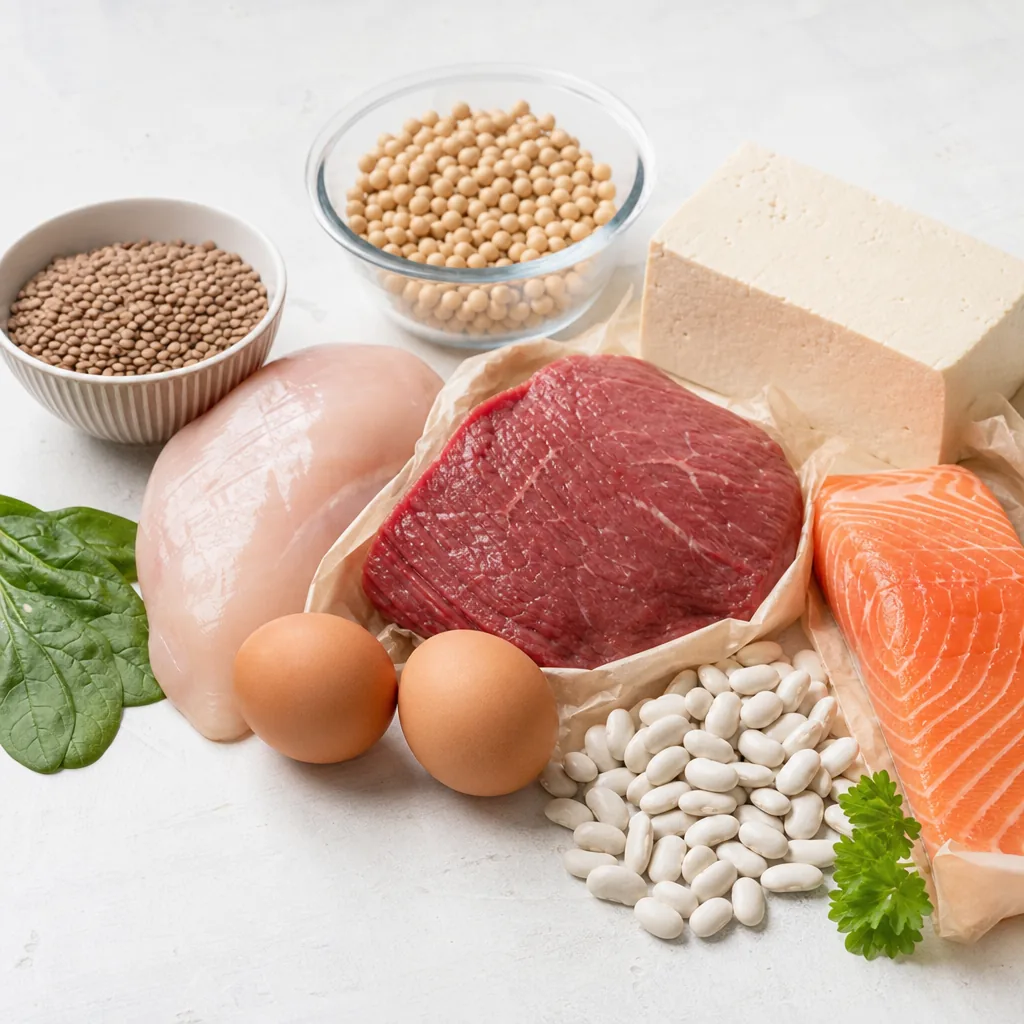
Taurine is naturally present in a range of animal-based foods and is also available as a standalone supplement. Plant foods contain little to no taurine, so dietary patterns influence intake. Whole foods contribute many additional nutrients beyond taurine, while supplements allow more precise dosing for specific goals.
-
Shellfish:
Scallops, mussels, clams, and oysters are among the richest sources.
-
Fish:
Tuna, salmon, mackerel, and sardines provide meaningful amounts.
-
Dark meat poultry:
Turkey legs and chicken thighs typically contain more taurine than white meat.
-
Red meats and organ meats:
Beef, lamb, pork, and especially heart and liver are notable sources.
-
Dairy and eggs:
Generally provide small amounts relative to seafood and meat.
Supplementation may be considered for people who avoid or limit animal products, for athletes testing targeted pre-exercise dosing, or for individuals pursuing specific wellness goals under professional guidance. When possible, begin with a food-first approach to also obtain protein, omega-3s, iron, zinc, B vitamins, and other beneficial compounds from whole foods.
Who May Benefit from Taurine?
-
Endurance and team-sport athletes who want to experiment with pre-exercise dosing for potential performance or recovery support.
-
People with low dietary intake of animal products (e.g., vegetarians and vegans) who want to ensure adequate taurine status through targeted supplementation.
-
Older adults, as circulating taurine levels tend to decline with age; supplementation may support general wellness routines.
-
Individuals with wellness goals related to mild elevations in blood pressure, triglycerides, or fasting glucose, as part of a broader lifestyle program and medical care plan.
-
Those training or working in hot environments who want to support hydration strategies; taurine may complement electrolytes and adequate fluids.
Side Effects and Considerations
-
General tolerance:
Taurine is usually well tolerated. Possible side effects include mild gastrointestinal upset, nausea, or headache, especially at higher doses or when taken on an empty stomach.
-
Blood pressure and glucose:
Because taurine can modestly influence blood pressure and glycemic control, people using antihypertensive or antidiabetic medications should monitor values and consult a clinician before starting.
-
Kidney or liver concerns:
Individuals with significant kidney or liver disease should seek medical advice before using taurine, as these organs are important for handling many nutrients and metabolites.
-
Pregnancy and breastfeeding:
Safety data for supplemental taurine in these life stages are limited. Avoid routine supplementation unless recommended by a qualified healthcare professional.
-
Children and adolescents:
Supplemental taurine should be used only under professional guidance. Energy drinks containing taurine and caffeine are not recommended for minors.
-
Stimulant combinations:
Taurine is not a stimulant, but many products pair it with caffeine and other actives. This combination can raise heart rate and blood pressure or disrupt sleep in sensitive individuals.
-
Surgery and procedures:
Consider pausing taurine 1–2 weeks before surgery, as it may influence blood pressure or glucose responses. Discuss with your surgical team.
-
Dosing prudence:
More is not necessarily better. Staying within 500–2,000 mg/day is a conservative approach for most healthy adults unless otherwise directed by a clinician.
-
Quality and purity:
Choose products from reputable brands with third-party testing to verify potency and screen for contaminants. Avoid proprietary blends that obscure exact taurine amounts.
-
Medical conditions and medications:
If you are pregnant, breastfeeding, taking medications, or managing a medical condition, consult a healthcare professional before use. This is especially important for heart, metabolic, neurologic, or renal conditions.
Common Myths About Taurine
-
“Taurine comes from bull semen.”
The name derives from “Taurus” because taurine was first isolated from ox bile in the 19th century. Modern supplements are synthesized in laboratories; they are not sourced from animal reproductive tissues.
-
“Taurine is a stimulant like caffeine.”
Taurine does not act as a classic stimulant. It may actually have calming or stabilizing effects on neuronal signaling and can appear in energy drinks for reasons unrelated to stimulation. Any “energizing” effect in such drinks is usually due to caffeine or sugar.
-
“Megadoses dramatically boost performance.”
Research does not support large, indiscriminate doses for athletic performance. When benefits are seen, they often occur with modest amounts (about 1–2 g) and vary widely between individuals and sports.
-
“Vegans cannot make taurine and will be deficient.”
Healthy adults can synthesize taurine, even with little or no dietary intake. However, some people on plant-based diets may choose to supplement if they prefer assured, targeted intakes for specific goals.
Conclusion
Taurine is a versatile, nonessential compound that plays meaningful roles in bile acid conjugation, cellular fluid balance, and neuromuscular function. Research suggests it may modestly support blood pressure, exercise recovery, and aspects of cardiometabolic health, with early but not definitive findings in eye and healthy-aging domains. As with most supplements, benefits are context-dependent, and responses vary.
A food-first approach—emphasizing seafood, dark meat poultry, and other nutrient-dense whole foods—provides taurine along with a spectrum of complementary nutrients. Supplements can be helpful for low–animal product diets, targeted pre-exercise trials, or specific wellness goals. Choose quality, third-party tested products and avoid megadoses. People who are pregnant or breastfeeding, children, and those taking medications or managing medical conditions should consult a healthcare professional before using taurine. When used thoughtfully and paired with solid nutrition, sleep, activity, and medical guidance, taurine can be a practical addition to select health and performance strategies.