What is Tart Cherry?
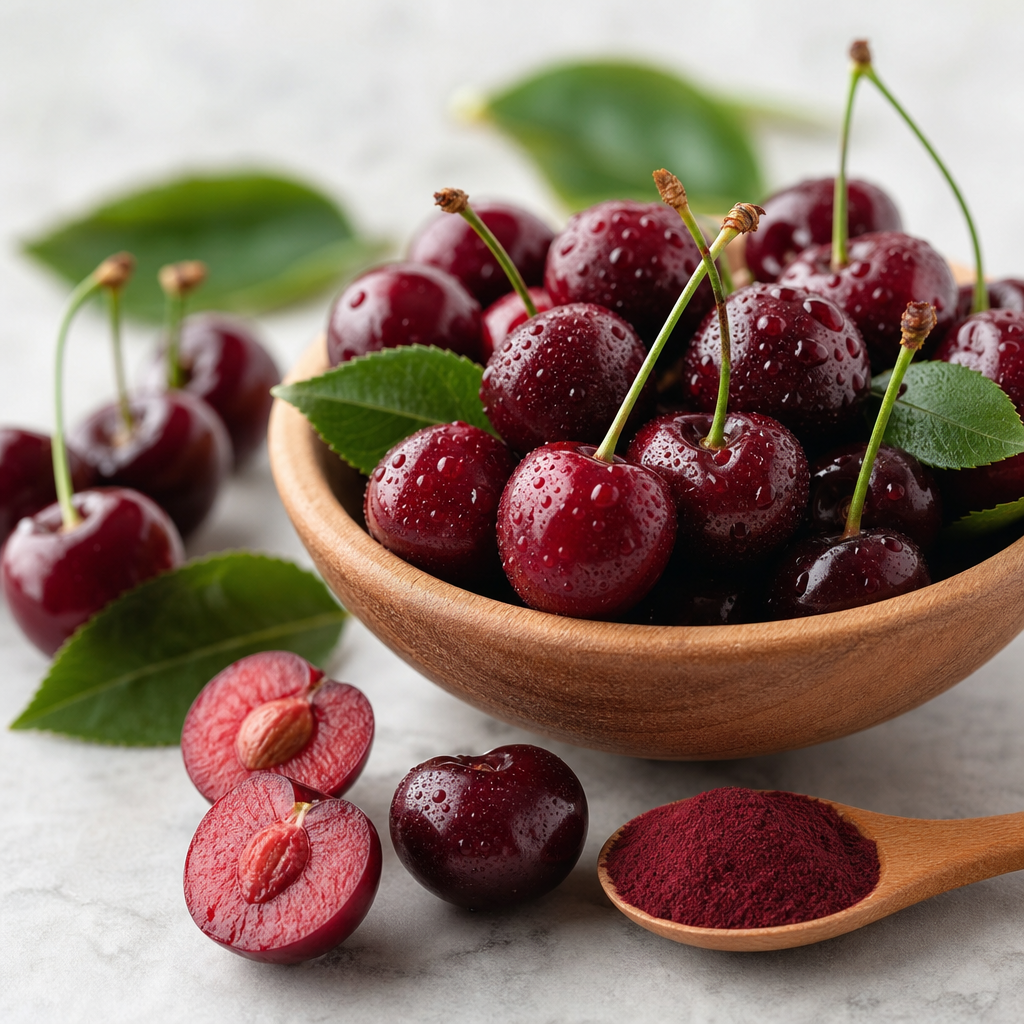
Tart cherry refers to the sour cherry varieties, most commonly Montmorency (Prunus cerasus), that are higher in certain plant compounds (especially anthocyanins) compared with sweet cherries. It is a food and a food-derived ingredient that can be eaten fresh or used to make juice, concentrate, dried fruit, powders, and encapsulated extracts. In nutrition and sports settings, “tart cherry” typically means Montmorency tart cherry juice or standardized extracts used to support recovery, sleep, and joint comfort.
Tart cherry is not an essential nutrient like a vitamin, mineral, essential fatty acid, or essential amino acid. The body does not require tart cherry to function. Instead, it provides polyphenols—particularly anthocyanins and related flavonoids—with antioxidant and anti-inflammatory activity in the body. These compounds may influence pathways related to exercise-induced muscle damage, sleep-wake regulation (via small amounts of naturally occurring melatonin), oxidative stress, and uric acid metabolism. Tart cherry is available as a whole food and as a dietary supplement; supplements aim to deliver a consistent amount of active compounds in a convenient dose, while whole-food forms provide broader nutritional value, including fiber (when the pulp is consumed) and additional phytochemicals.
Benefits of Tart Cherry
-
Exercise recovery and reduced muscle soreness
(Moderate evidence)
Several controlled trials in runners, team sport athletes, and resistance-trained individuals suggest tart cherry juice or concentrate can modestly reduce muscle soreness and strength loss after intense exercise. Benefits are most consistently observed when taken for several days before and after demanding events or training blocks. Proposed mechanisms include reduced secondary muscle damage and modulation of inflammatory responses. Effects are modest and may vary by dose, duration, and training status.
-
Sleep quality and duration
(Mixed evidence)
Small randomized studies have reported that tart cherry juice may increase total sleep time and improve sleep efficiency, potentially by providing melatonin and supporting tryptophan availability. However, results are not uniform across studies, sample sizes are small, and some trials show no meaningful effect. People with mild insomnia may notice benefits, but expectations should be conservative, and sleep hygiene practices remain foundational.
-
Gout and uric acid support
(Limited evidence)
Observational research and small trials suggest tart cherry intake may be associated with fewer gout flares and small reductions in serum uric acid. The anthocyanins and other polyphenols may help by reducing oxidative stress and influencing urate handling. However, the evidence base is limited and not definitive. Tart cherry should not replace prescribed gout medications; at best, it may serve as an adjunct alongside medical care, a prudent diet, hydration, and weight management when appropriate.
-
Joint comfort in osteoarthritis
(Mixed evidence)
Some studies in adults with knee osteoarthritis report modest improvements in pain and function with tart cherry juice, while others find little to no difference compared with placebo. Potential benefits may relate to reduced inflammatory signaling and oxidative stress. Effects, when present, are typically small to moderate and may be more noticeable in individuals with higher baseline inflammation.
-
Blood pressure and cardiovascular markers
(Preliminary evidence)
Early studies indicate tart cherry products may produce small, short-term reductions in systolic blood pressure and may favorably influence certain blood lipids or endothelial function. Findings are not consistent, often involve small samples, and may depend on baseline cardiometabolic risk. More rigorous research is needed before drawing firm conclusions.
-
General antioxidant and anti-inflammatory support
(Preliminary evidence)
Tart cherry anthocyanins can increase circulating antioxidant capacity and may reduce some markers of inflammation in the short term. While these biomarker changes are encouraging, translating them into long-term health outcomes remains uncertain, and broad disease-prevention claims are not warranted.
Types or Forms Available
-
Juice (not-from-concentrate)
: Ready-to-drink tart cherry juice typically provides a consistent serving of polyphenols but can be higher in volume and natural sugars. Good for those who prefer whole-food style beverages.
-
Juice concentrate “shots”
: A small serving (for example, 30–60 mL) of concentrated tart cherry diluted in water. Commonly used in studies due to standardized polyphenol content and convenient dosing.
-
Capsules or tablets (extracts)
: Dried tart cherry extract, sometimes standardized to total polyphenols or anthocyanins. Convenient for travel and lower in sugar. Standardization and quality vary widely; look for clear labeling of active compound content.
-
Powders
: Spray-dried juice or skin/pulp powders can be mixed into smoothies or yogurt. Sugar content varies depending on the manufacturing process.
-
Whole fruit (fresh, frozen, or dried)
: Provides fiber and a broad set of phytochemicals. Dried tart cherries are energy dense and may include added sugar; check labels.
-
Combination products
: Some sleep formulas combine tart cherry with melatonin or other botanicals. These may have different effects and safety considerations than tart cherry alone; read labels carefully.
How to Use Tart Cherry
There is no universally accepted dose, and products vary in polyphenol content. Research commonly uses concentrated juice or standardized extracts. Start with a modest, label-directed serving, and adjust based on tolerance and goals.
-
Common dosage range:
For exercise recovery, many protocols use about 240–480 mL/day of tart cherry juice (often split into two servings) or approximately 30–60 mL/day of juice concentrate, taken for 4–7 days before and 2–3 days after strenuous events. For sleep, studies often use 240–480 mL/day of juice or a comparable amount of concentrate. For joint comfort or gout support, intakes similar to the above have been studied. If using capsules, typical amounts range from 500–1,000 mg of extract once or twice daily, following product directions. Avoid very high intakes that exceed studied amounts.
-
Best timing:
For recovery, begin several days prior to high-intensity training or competition and continue for a few days after. For sleep, an evening serving 1–2 hours before bedtime is commonly used. In daily wellness routines, consistency may matter more than exact timing.
-
How to take it:
Juice or concentrate can be taken with water and, if desired, with meals to reduce stomach upset. Extract capsules can be taken with water; a small snack may improve tolerance. Whole fruit or powders can be included in balanced meals or snacks.
-
Consistency:
Benefits often require consistent use over days to weeks, particularly for training blocks or joint comfort. Occasional, single servings may be less effective than short “loading” periods around demanding exercise.
Food Sources and Supplement Options
Tart cherry is naturally found in foods, especially Montmorency and Balaton sour cherries. It is also widely available as juice, concentrate, powders, and capsules. Whole-food forms provide fiber, vitamin C (to a modest extent), potassium, and a diverse mix of polyphenols. Supplements can provide more predictable dosing of anthocyanins with less volume and, often, less sugar.
-
Key food sources:
Fresh tart cherries (in season), frozen tart cherries, unsweetened tart cherry juice, tart cherry juice concentrate (diluted), dried tart cherries (check for added sugar), and culinary uses such as sauces or smoothies made from the fruit.
Supplementation may make sense when consistent doses are desired (for example, around competitions), when fresh fruit is unavailable, or when managing sugar or volume intake. Choose products with transparent labeling of anthocyanin or total polyphenol content and, ideally, third-party testing for quality. Whole-food options remain valuable for overall diet quality, while supplements can be helpful for targeted, time-specific goals.
Who May Benefit from Tart Cherry?
-
Endurance and team-sport athletes seeking modest support for post-exercise soreness and recovery, especially around high training loads or events.
-
Resistance-trained individuals during blocks of novel or high-volume training who want a food-first alternative to frequent NSAID use.
-
Adults with mild sleep difficulties who are open to trying a low-risk, nutrition-based strategy alongside good sleep hygiene.
-
Individuals with recurrent gout flares looking for adjunctive dietary approaches in addition to prescribed therapy and medical guidance.
-
Older adults with osteoarthritis who prefer a nutrition-based trial for joint comfort, recognizing that effects are variable and typically modest.
-
People seeking practical ways to increase polyphenol intake as part of an overall healthy dietary pattern.
Side Effects and Considerations
-
Digestive tolerance:
Tart cherries are high-FODMAP and contain sorbitol; juice or concentrate can cause bloating, gas, or diarrhea in sensitive individuals. Start low and assess tolerance.
-
Sugar and calorie content:
Juice and dried fruit can contribute significant natural sugars and calories. Those managing blood glucose or weight should monitor portions and consider lower-sugar forms (diluted concentrate, powders, or capsules).
-
Kidney considerations and potassium:
Tart cherries provide potassium. Individuals with chronic kidney disease or those on potassium-restricted diets should consult a clinician and track total dietary intake.
-
Allergy and oral allergy syndrome:
People with stone-fruit allergies or pollen-related oral allergy syndrome may react to cherries. Discontinue use and seek medical advice if itching, swelling, or hives occur.
-
Medication interactions:
Robust drug-interaction data are limited. As a precaution, discuss use with a healthcare professional if you take anticoagulants/antiplatelets, sedatives (especially if a product includes added melatonin), or have complex medication regimens.
-
Pregnancy, breastfeeding, and children:
Food amounts are generally considered acceptable, but safety data on high-dose supplements are limited. Those who are pregnant, breastfeeding, or considering tart cherry for children should consult a healthcare professional.
-
Quality and standardization:
Anthocyanin content varies widely among products. Choose reputable brands with third-party testing and clear labeling of active compounds; avoid products with excessive added sugars.
-
Surgery and sedation:
If using combination products that include melatonin or other sedatives, stop use before surgery per your surgeon’s guidance. Tart cherry alone does not typically require cessation, but disclose all supplements to your care team.
-
Not a replacement for medical treatment:
Do not substitute tart cherry for prescribed therapies for gout, arthritis, insomnia, hypertension, or other conditions without clinician guidance.
Common Myths About Tart Cherry
-
“Tart cherry cures gout and replaces medication.”
While small studies and observational data suggest it may support uric acid management and reduce flare frequency, evidence is limited. It should be considered an adjunct to, not a replacement for, medical therapy and lifestyle measures advised by a clinician.
-
“More is always better.”
Very high intakes are not proven to be more effective and may increase gastrointestinal discomfort, sugar load, and calories. Most research uses moderate, time-limited doses around specific goals (for example, pre/post-event recovery).
-
“All cherry products are the same.”
Tart cherries typically contain higher anthocyanins and more melatonin than sweet cherries. Within tart cherry products, anthocyanin content can vary by variety, growing conditions, processing, and formulation. Quality and standardization matter.
-
“You’ll feel instant results after one serving.”
Benefits—when they occur—often appear after consistent intake for several days, particularly for exercise recovery protocols or joint comfort. Single servings may have limited impact.
Conclusion
Tart cherry is a food-derived source of anthocyanins and related polyphenols that may modestly support exercise recovery, sleep, and joint comfort, with early signs of cardiovascular and uric acid benefits. The strongest practical applications are short “loading” periods around intensive training and thoughtful trials for sleep or joint support, recognizing that responses vary and effects are usually modest.
Choose high-quality products with transparent polyphenol or anthocyanin content, minimize unnecessary added sugars, and match the form to your goals and tolerance. A food-first approach (whole cherries, diluted concentrate, or thoughtfully used juice) makes sense for many people, while supplements can help when precise, convenient dosing is preferred. Individuals who are pregnant or breastfeeding, children, and anyone taking medications or managing health conditions should consult a healthcare professional before starting tart cherry supplements, and no one should discontinue or replace prescribed treatments without medical guidance.