What is Cordyceps?
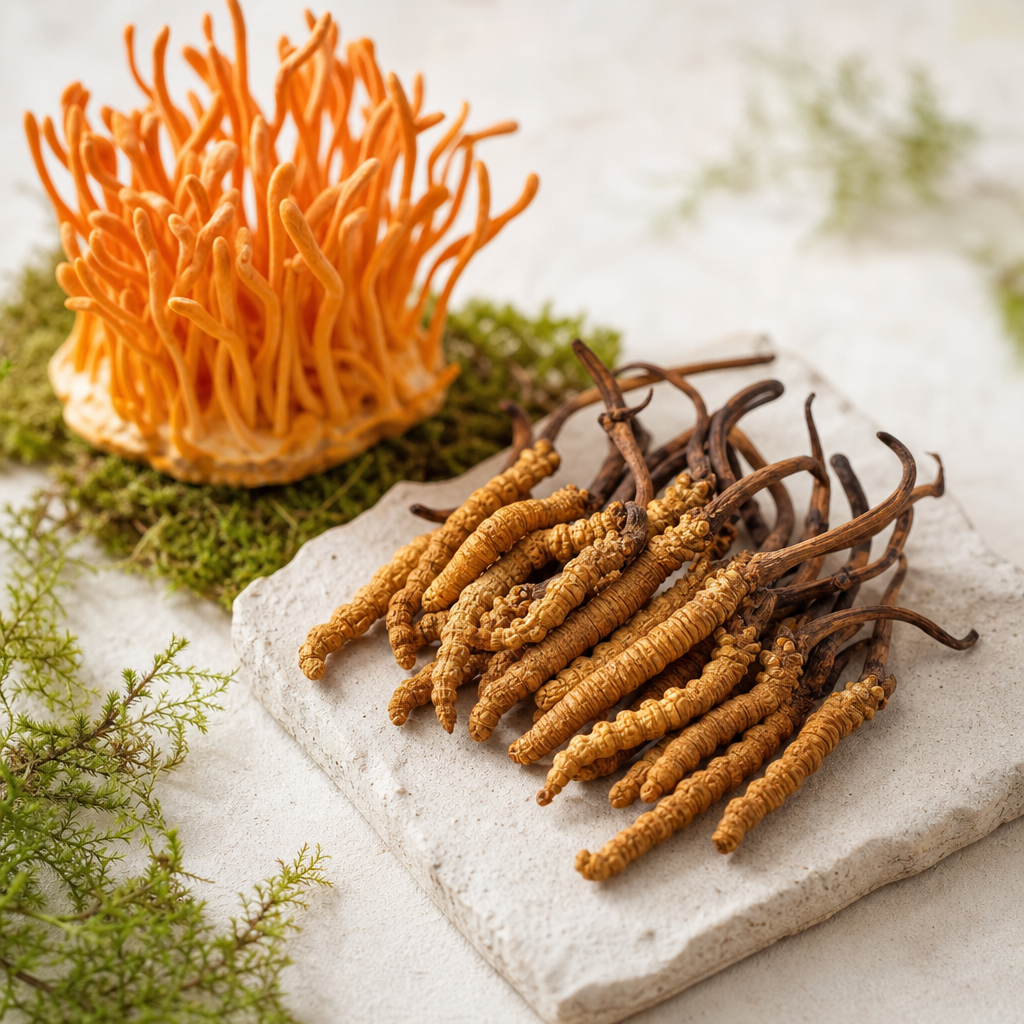
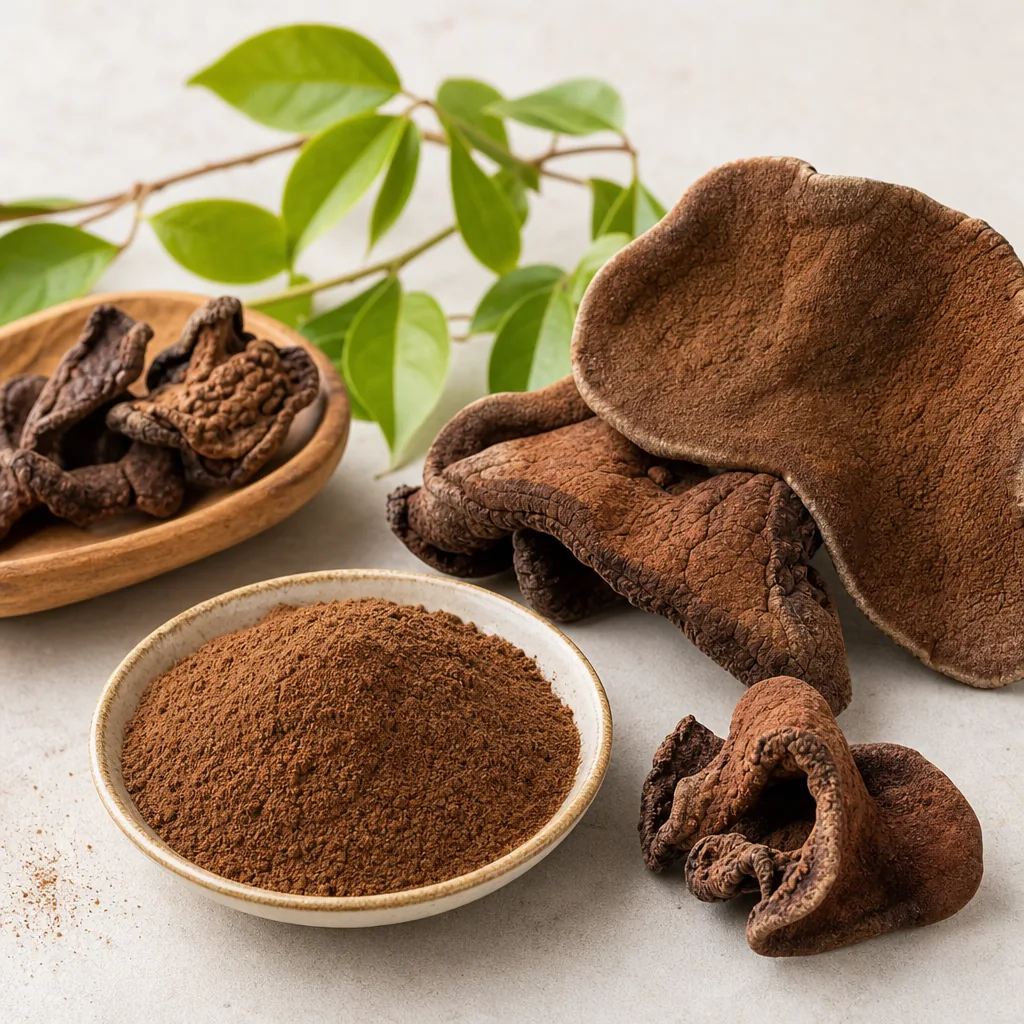
Cordyceps refers to a group of parasitic fungi best known from traditional East Asian medicine. Historically, the most famous species was Ophiocordyceps sinensis, which grows in high-altitude regions of the Himalayas on insect larvae and is extremely scarce in the wild. Today, most supplemental products use cultivated strains such as Cordyceps militaris (fruiting bodies grown on substrate) or cultured mycelial products like CS-4, developed to provide consistent composition and better sustainability. The primary bioactive compounds include cordycepin (3′-deoxyadenosine), adenosine, and a variety of polysaccharides (including beta-glucans), along with peptides and sterols.
Cordyceps is considered a mushroom-derived supplement and botanical ingredient, not an essential nutrient. The body does not require it for survival in the way it requires vitamins, minerals, essential fatty acids, or essential amino acids. Instead, it is used with the intention of supporting aspects of energy metabolism, exercise performance, resilience to stressors such as altitude, immune balance, and overall vitality. Research is ongoing, and while some human studies suggest benefits, findings are mixed and often based on small trials or specific extracts.
Benefits of Cordyceps
-
Endurance performance and aerobic capacity
(Mixed evidence)
Human studies on Cordyceps militaris and CS-4 show inconsistent results for improving VO2max, time-to-exhaustion, and ventilatory threshold. Some small trials report modest gains in aerobic capacity and reduced perceived exertion after several weeks of daily use, while others find no significant advantage versus placebo. Variability likely stems from differences in species, extract standardization, participant training status, and study duration.
-
Anti-fatigue and exercise recovery
(Limited evidence)
Cordyceps contains polysaccharides and nucleoside analogs that may influence cellular energy pathways and antioxidant defenses. Small human and animal studies suggest potential reductions in post-exercise fatigue, improvements in lactate handling, and favorable shifts in subjective energy. These effects appear modest and generally require consistent intake for weeks rather than a single dose.
-
Glycemic support within the normal range
(Limited evidence)
Preliminary human trials and mechanistic work indicate Cordyceps may help support healthy fasting glucose and insulin sensitivity. Effects are generally small and more apparent in individuals with higher baseline glucose. Cordyceps should not replace medical care for blood sugar management; individuals on glucose-lowering medications should consult a clinician due to the potential for additive effects.
-
Immune modulation
(Preliminary evidence)
Laboratory and early human data suggest Cordyceps polysaccharides can modulate innate and adaptive immune activity, influencing natural killer cells and cytokine balance. The direction and magnitude of these effects vary with dose, extract, and individual immune status. Evidence for tangible clinical outcomes in healthy adults remains preliminary.
-
Respiratory support and altitude adaptation
(Limited evidence)
Traditional use includes supporting respiration and stamina at high elevations. Some small studies report improvements in ventilatory efficiency or exercise tolerance at altitude with multi-week use, while others show little change. Current evidence supports possible modest benefits, particularly when combined with acclimatization and proper training.
-
Sexual well-being and libido
(Preliminary evidence)
Animal studies and historical use suggest potential benefits for libido and sexual function. Human evidence is sparse, with small, short-duration trials and variable preparations. Claims of robust hormonal effects are not substantiated by high-quality data.
Types or Forms Available
-
Cordyceps militaris (fruiting body) extracts:
Often standardized for cordycepin and/or beta-glucans. C. militaris naturally contains higher cordycepin than O. sinensis and is widely cultivated, making it more sustainable and consistent. Products may be hot-water extracts (polysaccharide-focused), alcohol extracts (more alcohol-soluble compounds), or dual-extracts combining both.
-
CS-4 (Ophiocordyceps sinensis mycelial fermentation):
A cultured mycelial form historically used in research. Usually standardized for polysaccharides or adenosine content rather than cordycepin. It does not contain insect-host tissues and is more available than wild-harvested O. sinensis.
-
Whole mushroom powder vs. concentrated extracts:
Whole powders provide the full matrix of compounds but at lower potency per gram. Extracts (e.g., 5:1, 10:1) deliver more actives per capsule/serving. Look for products that quantify beta-glucans and, for C. militaris, cordycepin content, rather than listing only “polysaccharides,” which can overestimate bioactives if grain starch is present.
-
Mycelium on grain vs. pure fruiting body:
Myceliated-grain products may contain substantial starch, reducing the proportion of mushroom-specific beta-glucans. Fruiting-body extracts typically provide higher levels of beta-glucans and cordycepin. Choose brands that disclose independent testing for active compounds.
-
Capsules, powders, and liquids:
Capsules are convenient and aid dose consistency. Powders mix into smoothies or pre-workout blends and allow flexible dosing. Tinctures and liquids vary in concentration; dual-extract liquids try to capture both water- and alcohol-soluble constituents.
How to Use Cordyceps
Usage depends on the specific extract, standardization, and your goals. Because human data are mixed and preparation-dependent, start conservatively, monitor how you feel, and adjust within typical ranges.
-
Common dosage range:
For Cordyceps militaris fruiting-body extracts, 500–1,500 mg per day is common; for whole fruiting-body powders, 1,000–3,000 mg per day; for CS-4 mycelial extracts, 1,000–3,000 mg per day. Begin at the low end for 1–2 weeks to assess tolerance. Avoid megadoses; more is not necessarily better.
-
Best timing:
Many users take Cordyceps in the morning or 30–60 minutes before training. However, benefits typically emerge with regular use over several weeks rather than immediately after a single dose.
-
How to take it:
Capsules can be taken with water; powders mix into smoothies, oats, or coffee/tea. If you experience stomach upset, take it with food and split the daily amount into two doses.
-
Consistency:
For performance or resilience goals, daily use for 4–8 weeks is commonly studied. If no meaningful effect is noticed after 8–12 weeks, reconsider the product, dose, or whether Cordyceps is appropriate for you.
Food Sources and Supplement Options
Cordyceps is a mushroom, but it is not a common food in most diets. In parts of East and Southeast Asia, cultivated Cordyceps militaris may be added to soups, stews, or teas. Outside these cuisines, Cordyceps is primarily consumed as a supplement because culinary access is limited and standardized dosing is easier with extracts.
Supplements are reasonable when a consistent, measurable intake of specific bioactives (like beta-glucans or cordycepin) is desired, such as during a structured training block or before travel to altitude. Whole-food mushrooms provide a spectrum of nutrients and fiber, but for Cordyceps specifically, standardized extracts allow more predictable dosing for research-aligned protocols. As with any supplement, quality varies widely; seek third-party tested products from reputable brands and clear labeling of active compounds.
Who May Benefit from Cordyceps?
-
Endurance athletes and recreationally active individuals seeking a non-stimulant way to support training blocks and perceived energy.
-
People preparing for moderate altitude exposure who want additional support alongside acclimatization and fitness training.
-
Adults experiencing high training loads who want to experiment with recovery support, while maintaining foundational sleep, nutrition, and hydration.
-
Older adults looking for gentle support of stamina and daily activity tolerance, recognizing that benefits are typically modest.
-
Individuals exploring adaptogenic-style mushrooms for well-being, with realistic expectations and attention to product quality.
-
People aiming to support healthy glucose regulation within normal ranges, in consultation with a healthcare professional if they take medications.
Side Effects and Considerations
-
Common side effects:
Generally well tolerated at typical doses. Possible effects include gastrointestinal upset, loose stools, nausea, dry mouth, or mild dizziness. Taking with food and reducing the dose may help.
-
Blood sugar and blood pressure:
Cordyceps may modestly lower blood glucose and, less commonly, blood pressure. If you use antidiabetic or antihypertensive medications, monitor levels and consult your healthcare professional to avoid additive effects.
-
Immune interactions:
As an immune-modulating mushroom, Cordyceps could theoretically interfere with immunosuppressive therapies or autoimmune conditions. People with autoimmune disease or those on immunosuppressants should seek medical guidance before use.
-
Bleeding risk and surgery:
In vitro data suggest antiplatelet activity; use caution if you take anticoagulant or antiplatelet medications (e.g., warfarin, DOACs, aspirin) or have a bleeding disorder. Stop use at least 1–2 weeks before elective surgery, per clinician advice.
-
Allergies and sensitivities:
Avoid if you are allergic to mushrooms or molds. Discontinue use if allergic symptoms (rash, itching, swelling, breathing difficulty) occur and seek care.
-
Pregnancy, breastfeeding, and children:
Robust safety data are lacking. People who are pregnant, breastfeeding, or considering Cordyceps for children should consult a qualified healthcare professional and generally avoid use unless specifically advised.
-
Liver and kidney considerations:
Though uncommon, any new supplement should be used cautiously in those with liver or kidney conditions. Discuss with your clinician and monitor if advised.
-
Quality and contamination:
Wild O. sinensis is often adulterated and may contain contaminants. Choose cultivated products with third-party testing for identity, heavy metals, and microbial safety, and look for quantified beta-glucans and, for C. militaris, cordycepin.
-
Drug testing and sport:
Cordyceps itself is not banned, but contaminated supplements can pose risks. Competitive athletes should use third-party certified products (e.g., NSF Certified for Sport or Informed Sport).
-
Dosing prudence:
More is not necessarily better. High, untested doses increase the chance of side effects without proven benefits. Start low and reassess after several weeks.
Common Myths About Cordyceps
-
Cordyceps is a powerful stimulant like caffeine and works immediately.
Cordyceps does not act like caffeine. Most reported benefits, when present, appear after consistent use for several weeks. Acute “energy boosts” are not typical in controlled studies.
-
Wild Ophiocordyceps sinensis is always superior to cultivated products.
Wild O. sinensis is rare, expensive, and frequently adulterated. Cultivated C. militaris can be richer in cordycepin, more sustainable, and far more consistent. Efficacy depends on the specific extract and verified actives, not just species prestige.
-
Higher “polysaccharide” percentages guarantee a stronger product.
Polysaccharide counts can be inflated by grain starch in myceliated products. Beta-glucans are a more meaningful metric for mushroom-specific polysaccharides, and C. militaris products may also list cordycepin content. Look for third-party testing and transparent labeling.
-
Cordyceps dramatically raises testosterone and libido in everyone.
Evidence for hormonal changes in humans is limited and inconsistent. Small or animal studies cannot be generalized to broad, robust effects. Users should set realistic expectations.
-
If one study shows performance benefits, it will work for all athletes.
Results vary by training status, dose, extract type, and study length. Some athletes may notice modest benefits; others may not respond. Foundational training, sleep, and nutrition remain the primary drivers of performance.
Conclusion
Cordyceps is a mushroom-derived supplement with a long history of traditional use and growing modern interest for supporting endurance, perceived energy, and resilience. The best evidence points to modest, preparation-dependent effects that typically require consistent use over several weeks. Benefits are not guaranteed, and some outcomes—especially immune and sexual effects—remain preliminary. If you decide to experiment, select a high-quality product with measured beta-glucans and, for C. militaris, cordycepin, and give it a defined trial period while tracking your training and recovery metrics.
People who are pregnant, breastfeeding, taking medications (especially for blood sugar, blood pressure, clotting, or immune suppression), or managing medical conditions should consult a healthcare professional before use. For most, a food-first approach remains foundational, with supplements serving targeted roles when food access or dosing precision is limited. Cordyceps may be worth considering for endurance blocks, altitude exposure, or as part of a measured wellness routine—always paired with sound training, nutrition, sleep, and medical guidance where appropriate.