What is Corn Silk Extract?
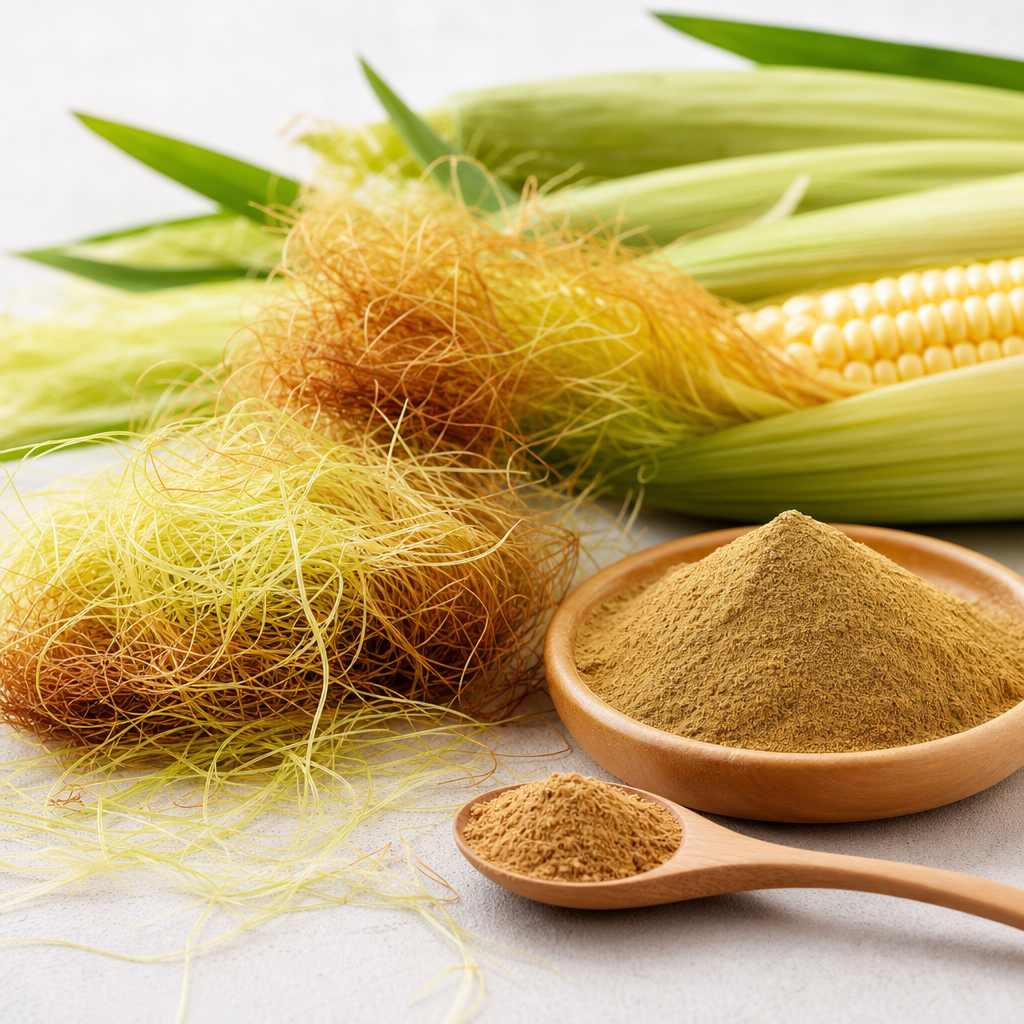
Corn silk extract is a concentrated preparation made from the long, thread-like styles (silks) of the maize plant (Zea mays). These silky strands sit at the top of an ear of corn and have been used in traditional medicine systems around the world for centuries, primarily as a gentle diuretic and for urinary tract support. The extract concentrates naturally occurring compounds such as flavonoids (including maysin, apigenin, and luteolin derivatives), phenolic acids, volatile constituents, and other phytochemicals thought to contribute to its biological effects.
Corn silk extract is considered a botanical extract and a supplement, not an essential nutrient. Unlike vitamins, minerals, essential fatty acids, or essential amino acids, the body does not technically require corn silk extract for normal physiological function. Instead, people use it for specific wellness goals, most often related to fluid balance and urinary tract comfort. As with many herbs, the scientific literature is evolving; some traditional uses are supported by preliminary or limited human evidence, while others rely largely on laboratory or animal data.
Benefits of Corn Silk Extract
-
Gentle diuretic support and fluid balance
(Limited evidence)
Corn silk has a longstanding traditional use as a mild diuretic, which may increase urine output and help reduce transient water retention. Small human studies and observational reports suggest a modest effect, likely related to its potassium content and polyphenols. While some users notice easier urination or reduced bloating, the magnitude of effect appears mild compared with prescription diuretics, and high-quality randomized trials are limited.
-
Adjunctive support for urinary tract comfort
(Mixed evidence)
By promoting urination and providing antioxidant/anti-inflammatory compounds, corn silk extract may help support urinary tract comfort when combined with adequate hydration and, when needed, medical care. Some small studies and traditional reports describe reduced urinary irritation or frequency; however, rigorous clinical trials are sparse. It should not replace evaluation or treatment for suspected infection, but may serve as a complementary approach for general urinary wellness.
-
Kidney stone risk reduction via increased urine output
(Preliminary evidence)
Adequate urine volume is a cornerstone of kidney stone prevention. Animal and in vitro research suggests corn silk may increase urine output and potentially influence crystal formation, which could theoretically lower stone risk. However, controlled human data are minimal, and established prevention strategies (hydration, dietary adjustments, and medical management) remain first-line. Corn silk extract may be considered as an adjunct under professional guidance.
-
Uric acid management (hyperuricemia/gout risk)
(Preliminary evidence)
Preclinical studies indicate corn silk may have uricosuric properties, helping the body excrete uric acid. Limited human data exist, and results are not uniform. Individuals with elevated uric acid levels should rely on clinician-directed therapy and monitoring; corn silk extract may provide complementary support but should not be used as a substitute for prescribed treatment.
-
Antioxidant and anti-inflammatory support
(Preliminary evidence)
Corn silk contains flavonoids and phenolic compounds with laboratory-demonstrated antioxidant and anti-inflammatory activity. These actions may contribute to its traditional uses for urinary comfort. Human outcomes data linking these mechanisms to clear clinical benefits are still limited.
-
Glycemic support
(Preliminary evidence)
Some animal and early human exploratory research suggests corn silk may modestly influence fasting glucose or insulin sensitivity. Evidence remains preliminary, dosing is not standardized, and results are inconsistent. People with diabetes or those taking blood sugar–lowering medications should consult a healthcare professional before using corn silk extract.
Types or Forms Available
-
Dried corn silk (loose or tea bags):
The simplest, traditional form. Dried silks are steeped as a tea. Potency varies by harvest, storage, and steeping time. Offers a gentle effect and is caffeine-free.
-
Standardized capsules/tablets:
Aqueous or hydroalcoholic extracts encapsulated and sometimes standardized to total flavonoids or phenolic content. Standardization improves batch-to-batch consistency and makes dosing easier.
-
Tinctures (alcohol-based extracts):
Often labeled at ratios like 1:3 or 1:5 (herb:solvent). Fast to use, adjustable by dropper. Taste can be strong, and alcohol content may not suit everyone.
-
Glycerites (alcohol-free liquid extracts):
Suitable for those avoiding alcohol; generally milder in taste but may be less concentrated than tinctures.
-
Combination formulas:
Corn silk is frequently included in urinary support blends with botanicals like dandelion leaf, goldenrod, parsley, uva ursi, or cranberry. Blends may target multiple mechanisms (urination, microbial adhesion, comfort), but they also increase the number of variables and potential interactions.
How to Use Corn Silk Extract
Start low, assess tolerance, and follow the manufacturer’s instructions. Because potency varies by product and form, your best dose may differ from someone else’s. If you take medications or manage a medical condition, consult a healthcare professional before use.
-
Common dosage range:
For tea, 2–4 grams of dried corn silk (about 1–2 teaspoons) steeped in 250 mL hot water for 10–15 minutes, 1–3 times daily. For standardized extracts, 300–500 mg once or twice daily is common. For tinctures (e.g., 1:3 to 1:5), 1–2 mL up to three times daily is typical. Avoid exceeding label directions or combining multiple forms without guidance.
-
Best timing:
Because it may increase urination, many people take corn silk earlier in the day and avoid late-evening doses to limit nighttime bathroom trips. There is no universally required timing with respect to meals.
-
How to take it:
Tea and capsules should be taken with water. Those with sensitive stomachs may prefer taking capsules/extracts with food. Maintain good hydration throughout the day, especially if using it for urinary support.
-
Consistency:
For general urinary comfort or fluid balance, short-term daily use (for example, a few days to a few weeks) is common, followed by reassessment. Long-term, continuous use should be discussed with a clinician, particularly if you have health conditions or take medications.
Food Sources and Supplement Options
Corn silk is the thread-like style of the corn plant; it is not typically eaten as part of a regular diet. While you can make tea from fresh or dried corn silk, most people encounter corn silk as an herbal supplement (tea bags, tinctures, capsules). Whole corn kernels or corn-based foods do not provide meaningful amounts of corn silk’s concentrated constituents.
Supplements may be useful when someone wants a convenient, standardized way to explore urinary comfort or gentle diuretic support. Tea prepared from dried silk is a traditional, food-like option but is less standardized. Whole foods remain foundational for health by providing fiber, vitamins, minerals, and phytonutrients that supplements do not replicate. Supplements, in contrast, can offer targeted dosing and convenience when a specific effect is desired.
Who May Benefit from Corn Silk Extract?
-
Adults seeking a gentle, caffeine-free option to support fluid balance or occasional water retention, alongside hydration and dietary measures.
-
Individuals looking for adjunctive support for urinary tract comfort, while still following medical advice for diagnosis and treatment when appropriate.
-
People with a history of kidney stones who are already working with a healthcare professional on prevention strategies and want to discuss complementary options.
-
Those with elevated uric acid who are being medically monitored and want to explore supportive lifestyle and adjunctive botanical options.
-
People who prefer traditional herbal teas or botanical supplements and want a mild option with a relatively benign side-effect profile when used appropriately.
Side Effects and Considerations
-
Increased urination and hydration needs:
As a gentle diuretic, corn silk may increase urinary frequency. Ensure adequate fluid intake to avoid dehydration, especially in hot weather or during exercise.
-
Electrolyte balance:
Excessive diuresis from any diuretic approach can influence electrolytes. While corn silk is generally mild, people with kidney issues or those on electrolyte-sensitive therapies should exercise caution and seek medical advice.
-
Medication interactions:
Use caution with blood pressure medications, prescription diuretics, lithium, and diabetes medications (possible additive effects on fluid balance or blood glucose). Discuss with a clinician if you take anticoagulants or antiplatelet agents, as data are limited and herb–drug interactions can be unpredictable.
-
Underlying medical conditions:
Do not self-treat edema from heart, liver, or kidney disease with corn silk; seek medical care. People with kidney or liver disorders should consult a healthcare professional before use.
-
Pregnancy and breastfeeding:
Safety data are insufficient. Avoid use unless recommended by a qualified healthcare professional familiar with your history.
-
Allergies:
Individuals with known allergies to corn or grasses should avoid corn silk extract due to potential cross-reactivity.
-
Surgery and procedures:
Stop use at least 1–2 weeks before surgery or invasive procedures because of potential effects on fluid balance and blood glucose.
-
Children and adolescents:
Limited safety research exists. Avoid use in minors unless a pediatric clinician recommends and supervises it.
-
Quality and contamination risks:
Choose reputable brands with third-party testing (for example, NSF, USP, Informed Choice) to reduce risks of adulteration, misidentification, or contamination with heavy metals or pesticides.
-
Sports and anti-doping:
Diuretics are banned in many competitive sports because they can mask other substances. Athletes subject to testing should avoid diuretic supplements unless cleared by their sport’s governing body.
Common Myths About Corn Silk Extract
-
Corn silk extract can cure urinary tract infections.
While it may support urinary comfort and hydration, it does not eradicate bacterial infections. Suspected UTIs require medical evaluation, and antibiotics may be necessary. Corn silk is best viewed as a supportive measure, not a stand-alone therapy.
-
It is a natural substitute for prescription diuretics.
Corn silk’s diuretic effect is generally mild and variable. It should not replace prescribed diuretics used for conditions like heart failure or significant hypertension. Always follow your clinician’s treatment plan.
-
More is better.
Higher doses do not necessarily yield better results and may increase the risk of side effects such as dehydration or electrolyte disturbance. Use the lowest effective dose and follow product directions.
-
If it’s herbal, it’s automatically safe for everyone.
Botanicals can interact with medications and may be inappropriate in pregnancy, certain medical conditions, or for athletes in tested sports. Individual risk factors matter; when in doubt, consult a healthcare professional.
Conclusion
Corn silk extract is a traditional, botanical option most often used for gentle diuretic support and urinary tract comfort. The scientific evidence ranges from preliminary to limited for many proposed uses, with more robust research still needed. For some people, especially those seeking a mild, caffeine-free approach, it can be a reasonable adjunct alongside proven strategies like adequate hydration and medical evaluation when symptoms arise.
Use reputable, third-party–tested products, follow label directions, and avoid megadoses. People who are pregnant, breastfeeding, taking medications, or managing medical conditions—particularly kidney, liver, cardiovascular, or metabolic disorders—should consult a healthcare professional before use. Food-first nutrition remains foundational for health, while corn silk tea or standardized supplements can offer targeted, short-term support when appropriate and guided by individual needs.