What is D-mannose?
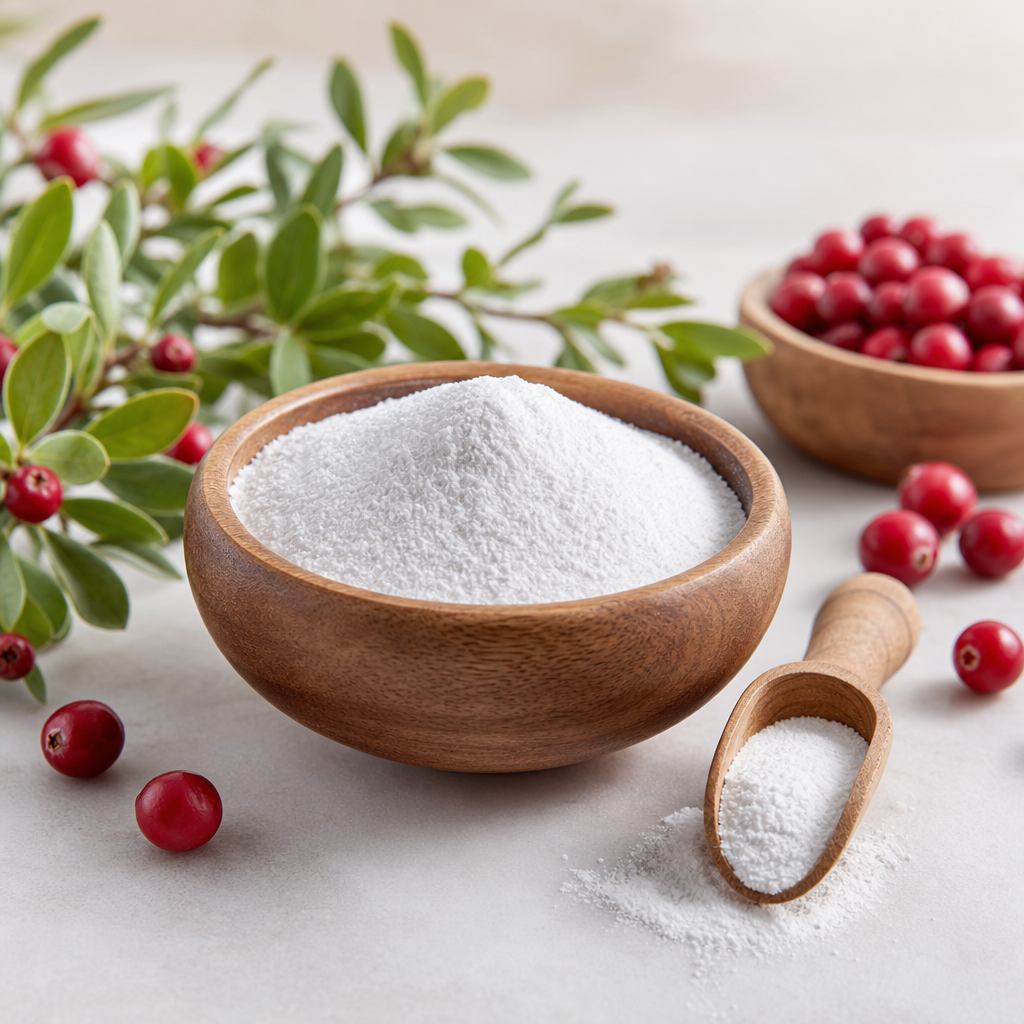
D-mannose is a simple sugar (a monosaccharide) closely related to glucose. It occurs naturally in small amounts in certain fruits and vegetables and is also produced in small quantities by the body as part of normal carbohydrate metabolism. In the urinary tract, D-mannose can attach to specific structures (FimH adhesins) on the surface of many uropathogenic Escherichia coli (E. coli), the most common bacteria involved in uncomplicated urinary tract infections (UTIs). By binding these adhesins, D-mannose may help prevent the bacteria from sticking to the bladder lining, supporting the body’s natural ability to flush microbes out with urine.
As a health product, D-mannose is best described as a dietary supplement and a food-derived compound rather than an essential nutrient. Unlike vitamins and minerals, the body does not require D-mannose from the diet to prevent a deficiency disease. Instead, it is used for targeted support—most commonly for people who experience recurrent, uncomplicated UTIs—based on its specific anti-adhesion mechanism. It is available as powders, capsules, and in combination formulas with ingredients like cranberry extracts or probiotics.
Benefits of D-mannose
-
Helps prevent recurrent uncomplicated UTIs in some individuals
(Mixed evidence)
Explanation: Smaller clinical trials have suggested that daily D-mannose can reduce the number of recurrent UTIs, with some studies reporting similar prevention to low-dose antibiotic prophylaxis. However, a more recent large, well-designed randomized trial did not find a significant benefit compared with placebo over several months. Taken together, the overall research is mixed. If D-mannose helps, it is most likely in people whose infections are predominantly caused by E. coli and who use it consistently as part of a broader prevention plan overseen by a clinician.
-
Inhibits E. coli adhesion to the bladder lining
(Strong evidence)
Explanation: Laboratory and mechanistic studies consistently show that D-mannose binds tightly to the FimH adhesin on type 1 fimbriae found on many uropathogenic E. coli strains. This reduces bacterial attachment to uroepithelial cells and supports natural clearance in urine. While mechanistic support is strong, clinical symptom reduction depends on many factors, including the infecting organism, dosing, hydration, and host factors.
-
Adjunct support during acute uncomplicated cystitis
(Limited evidence)
Explanation: Small pilot trials and pragmatic real-world use suggest that adding D-mannose to standard care for mild, uncomplicated cystitis may help reduce symptom duration or recurrence after treatment. Evidence is not definitive, and D-mannose should not replace medical evaluation or antibiotics when they are indicated, especially if there is fever, flank pain, pregnancy, or symptoms persist beyond 24–48 hours.
-
Alternative to postcoital antibiotic prophylaxis for some
(Limited evidence)
Explanation: For individuals whose UTIs are reliably triggered by sexual activity, taking D-mannose around the trigger event is a common strategy. Limited clinical data and observational reports suggest it may reduce recurrence in some people and can be considered under clinician guidance when minimizing antibiotic exposure is a priority.
-
May reduce antibiotic exposure and related side effects
(Preliminary evidence)
Explanation: Because D-mannose does not act like an antibiotic and primarily interferes with adhesion, it may, in some cases, help reduce reliance on preventive antibiotics. Early studies and programmatic use indicate potential for fewer antibiotic courses in select patients; more robust trials are needed to confirm this benefit.
-
Potential benefit in neurogenic bladder or catheter users
(Preliminary evidence)
Explanation: Very small studies and case series in populations with neurogenic bladder or intermittent catheterization suggest possible reductions in bacteriuria or symptomatic episodes. Evidence is preliminary, and management in these groups is complex; any use should be individualized and closely supervised by a healthcare professional.
Types or Forms Available
-
Powder (bulk or single-serve sticks):
The most common form; dissolves easily in water and allows flexible dosing. Suitable for those who prefer to adjust dose amounts. Taste is mildly sweet.
-
Capsules or tablets:
Typically 500–1,000 mg per unit; convenient for travel or those who dislike powders. Less flexible for custom dosing but easier for consistent daily use.
-
Combination formulas:
D-mannose blended with cranberry extracts (standardized for proanthocyanidins), probiotics, or vitamin C. These target multiple mechanisms (adhesion inhibition, microbiome support, urine acidity), though each added component introduces variability and its own evidence base.
-
D-isomer specificity:
Look for “D-mannose” (the biologically relevant isomer). Products labeled simply as “mannose” generally refer to D-mannose, but confirm on the label.
-
Sustained-release or pH-targeted forms:
Designed to influence delivery over time or across the urinary tract. Evidence that these outperform standard powders or capsules is limited.
-
Source and quality differences:
Commonly produced from corn-derived fermentation or other carbohydrate sources and typically vegan. Consider brands with third-party testing (e.g., for identity, purity, heavy metals) and minimal added sweeteners or flavors.
How to Use D-mannose
Work with a healthcare professional to confirm that UTIs are uncomplicated and predominantly due to E. coli, and to build a prevention plan that may include hydration, bladder habits, postcoital strategies, vaginal estrogen when appropriate, and prompt testing when symptoms arise.
-
Common dosage range:
For prevention, 1–2 grams once or twice daily is commonly used in studies and practice. For short-term adjunct support during mild, uncomplicated cystitis, some clinicians use 1.5–2 grams twice daily for a few days, then reduce to 1 gram twice daily for up to 10 days, alongside medical evaluation. Avoid exceeding label directions or using very high doses, as they have not been proven more effective and may increase side effects.
-
Best timing:
Consistency often matters more than exact timing. Many people take D-mannose morning and evening. For UTIs linked to sexual activity, a dose soon after intercourse and another the next morning is a common practice under clinician guidance.
-
How to take it:
Dissolve powder in a full glass of water, or swallow capsules with water. Taking it with or without food is acceptable; adequate hydration helps support urinary clearance.
-
Consistency:
For recurrent UTIs, a daily or trigger-based plan is typical. Reassess with your clinician after 2–3 months to evaluate benefit and adjust the plan. Do not rely on D-mannose alone if symptoms are severe, recurrent despite use, or suggest complicated infection.
Seek medical care promptly for red flags such as fever, back or flank pain, vomiting, blood in urine, symptoms during pregnancy, symptoms in children or men, or symptoms that worsen or persist beyond 24–48 hours.
Food Sources and Supplement Options
D-mannose occurs naturally in small amounts in some fruits and vegetables, but the quantities in foods are far below the amounts used in studies. For targeted urinary support, supplements are typically used to achieve reliable doses. Whole foods remain important for overall health and provide fiber, vitamins, minerals, polyphenols, and hydration, while supplements can offer precise, standardized dosing of D-mannose when a clinician believes it may help.
-
Cranberries and cranberry products (unsweetened juice, whole fruit)
-
Apples and pears
-
Blueberries and other berries
-
Peaches and oranges
-
Tomatoes and green beans
If recurrent UTIs are a concern, supplementation may make sense compared with relying on food alone because achieving gram-level intakes from diet is not practical. Choose reputable products with clear labeling, minimal additives, and third-party testing when possible.
Who May Benefit from D-mannose?
-
Adults with recurrent, uncomplicated UTIs—especially when cultures frequently show E. coli—and who want a non-antibiotic strategy under clinician guidance.
-
People whose UTIs are consistently associated with sexual activity and prefer a postcoital preventive approach rather than continuous antibiotics.
-
Postmenopausal women using a broader prevention plan that may include vaginal estrogen, hydration, and behavioral strategies, where D-mannose is an optional adjunct.
-
Individuals seeking to reduce antibiotic exposure, side effects, or antimicrobial resistance risks, provided a clinician agrees D-mannose is appropriate.
-
People with neurogenic bladder or intermittent catheterization only under specialist supervision, given limited and preliminary evidence.
Side Effects and Considerations
-
Gastrointestinal effects:
High or frequent doses can cause bloating, loose stools, diarrhea, or gas. Reduce the dose or stop if symptoms occur.
-
Blood sugar considerations:
Although D-mannose is handled differently from glucose, it is a sugar. People with diabetes, insulin resistance, or on glucose-lowering medications should monitor blood sugar and consult a clinician before use.
-
Kidney health:
Those with kidney disease should seek medical advice before use. Very high doses have not been well studied and could pose risks in impaired renal function.
-
Pregnancy and breastfeeding:
Human safety data are limited. Pregnant or breastfeeding individuals should consult a healthcare professional before using D-mannose.
-
Children and adolescents:
Evidence for dosing and safety is limited; use only under pediatric guidance.
-
Allergies and sourcing:
Many products are derived from corn fermentation. While finished products typically lack corn proteins, individuals with severe corn allergies should choose carefully vetted brands and consult an allergist if unsure.
-
Not a substitute for medical care:
D-mannose should not delay evaluation and treatment of suspected UTIs. Seek urgent care for fever, flank pain, vomiting, pregnancy, or symptoms lasting beyond 24–48 hours.
-
Pathogen specificity:
D-mannose primarily targets E. coli adhesion; it may be less helpful for UTIs caused by other organisms. Culture-guided care remains important for recurrent infections.
-
Product quality and additives:
Choose brands with third-party testing and minimal added sugars or flavorings, which may not be desirable for those managing carbohydrate intake.
-
Testing interference:
High supplemental intakes could lead to sugar detection in urine tests; inform your clinician if you are taking D-mannose.
Common Myths About D-mannose
-
D-mannose cures all UTIs and replaces antibiotics.
Evidence shows D-mannose may help prevent some recurrent, uncomplicated UTIs, but it does not treat all infections and is not a replacement for medical care. Complicated infections, persistent symptoms, or red flags still require prompt evaluation and often antibiotics.
-
D-mannose and cranberry work the same way.
They are different. D-mannose is a sugar that binds to bacterial adhesins, while cranberry extracts are typically standardized for proanthocyanidins (PACs) that may reduce bacterial adhesion via different targets. Some people use one or both, but they are not interchangeable.
-
More D-mannose is always better.
Higher doses have not consistently shown better results and may increase side effects like diarrhea. Most research uses modest gram-level doses; follow label directions and clinician guidance.
-
D-mannose feeds urinary bacteria and makes UTIs worse.
While D-mannose is a sugar, its primary role in the urinary tract is to bind E. coli adhesins and reduce attachment, not to serve as a food source. The goal is rapid urinary excretion to help flush adherent bacteria.
-
If D-mannose doesn’t work in a week, it never will.
For prevention, benefits—if they occur—often require consistent use over weeks to months and alignment with other strategies (hydration, toileting habits, addressing hormonal factors). A short trial may not reflect its full preventive potential.
Conclusion
D-mannose is a food-derived supplement with a well-understood anti-adhesion mechanism against many E. coli strains. Clinical findings are mixed: some studies show fewer recurrent uncomplicated UTIs with regular use, while a recent large trial did not. For select individuals—especially those with culture-proven, E. coli–driven recurrences—D-mannose may be a reasonable, low-risk adjunct within a broader prevention plan that includes hydration, bladder habits, culture-guided care, and, when appropriate, vaginal estrogen or postcoital strategies.
Because typical dietary amounts are small, supplements offer the most practical way to reach studied doses, but product quality, realistic expectations, and safety come first. People who are pregnant or breastfeeding, children, those with diabetes, kidney disease, or anyone taking medications or managing a medical condition should consult a healthcare professional before use. Choose reputable, third-party–tested products, avoid megadoses, and seek medical attention promptly for red-flag symptoms. A food-first approach supports overall health, while D-mannose supplementation can be considered for targeted urinary support when clinically appropriate.