What is Diindolylmethane?
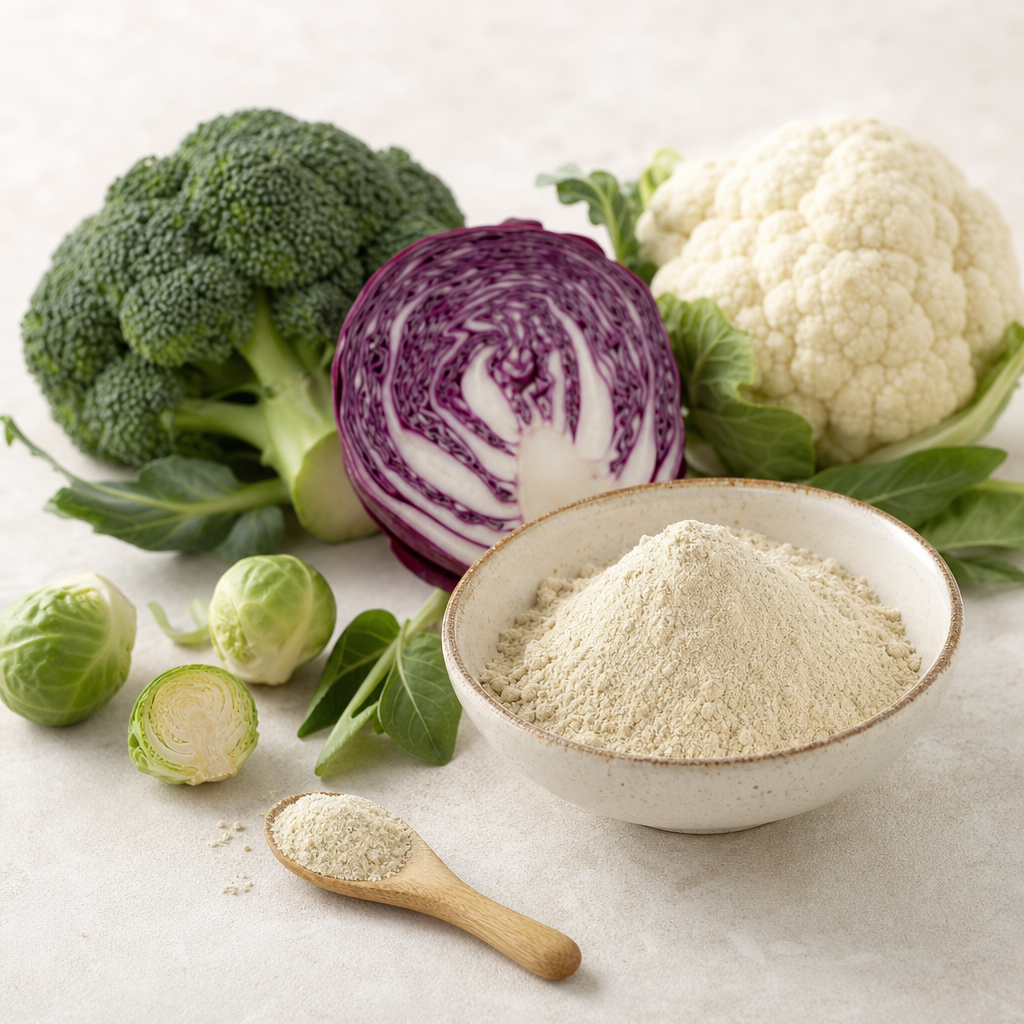
Diindolylmethane (often abbreviated as DIM) is a compound formed in the body when you eat cruciferous vegetables such as broccoli, Brussels sprouts, cabbage, kale, and cauliflower. These vegetables contain a glucosinolate called glucobrassicin, which is converted to indole-3-carbinol (I3C) by the plant enzyme myrosinase when the vegetable is chopped, chewed, or lightly cooked. In the acidic environment of the stomach, I3C condenses into several compounds—DIM being the most prominent and studied.
DIM is not a vitamin, mineral, or essential nutrient. It is a food-derived bioactive compound and is also available as a dietary supplement. While it is not required by the body in the same way essential nutrients are, DIM has attracted interest because it appears to influence estrogen metabolism, support certain detoxification pathways, and interact with cellular receptors involved in hormone signaling and inflammation. These activities have led to research on DIM for hormone-related symptoms, prostate health, and other wellness targets; however, clinical evidence varies by outcome and is stronger for changes in laboratory markers than for hard health endpoints.
Benefits of Diindolylmethane
-
Modulates estrogen metabolism markers
(Moderate evidence)
DIM can influence how the body processes estrogens, often shifting metabolism toward greater production of 2-hydroxy estrogens relative to 16α-hydroxy estrogens in some individuals. This is thought to occur via effects on enzymes such as CYP1A1 and through activation of the aryl hydrocarbon receptor (AhR). Several human studies report favorable changes in urinary or serum estrogen metabolites with supplemental DIM or its precursor I3C, though the clinical significance of these changes for disease prevention remains uncertain.
-
Adjunct support for HPV-related cervical changes
(Mixed evidence)
Interest in DIM and I3C for cervical intraepithelial neoplasia (CIN) and HPV-related changes stems from preclinical data and small human trials. Some studies have shown improvements in cytology or regression rates with DIM or I3C, while others found no significant differences versus placebo. Variability in formulations, doses, and study design contributes to mixed outcomes. DIM should not be viewed as a treatment for HPV or CIN; any use should be adjunct to medical care and screening.
-
Prostate health markers
(Preliminary evidence)
DIM has been studied for effects on prostate-related biomarkers and symptoms, including in men with high-grade prostatic intraepithelial neoplasia (PIN) or on active surveillance for prostate cancer. Early-phase trials suggest DIM may influence PSA kinetics or androgen signaling pathways, but evidence is limited and not definitive for clinical endpoints. More rigorous, longer-term trials are needed to determine benefits on symptoms or disease progression.
-
Support for hormone-related symptoms (e.g., cyclic breast discomfort)
(Limited evidence)
Because DIM can alter estrogen metabolism, it is sometimes used for cyclical breast tenderness or perimenopausal symptoms. Small open-label studies and clinician experience suggest some individuals report improvement, especially when dietary crucifer intake is low. Controlled trials are scarce, and responses appear variable. When symptoms are significant, discuss evaluation and options with a healthcare professional.
-
Induction of cellular detoxification and antioxidant defenses
(Preliminary evidence)
Laboratory and animal research indicate that DIM can induce phase I and phase II detoxification enzymes and may activate Nrf2, a transcription factor involved in antioxidant defenses. These mechanisms could contribute to resilience against certain environmental exposures. Human evidence remains limited to changes in enzyme activity or biomarkers rather than clinical outcomes.
-
Potential antiandrogenic effects relevant to acne or androgen-related concerns
(Limited evidence)
In vitro and mechanistic studies suggest DIM may weakly modulate androgen receptor signaling. Some users report improvements in hormonally influenced acne, but controlled human trials are minimal. Effects, if present, are usually modest and not universal, and comprehensive skincare and medical guidance remain important.
Types or Forms Available
-
Standard DIM capsules or tablets
: Provide crystalline DIM. Standalone DIM has relatively poor water solubility and variable absorption. Products often range from about 50–200 mg per capsule. Quality and bioavailability can differ across brands.
-
Microencapsulated/bioenhanced DIM (e.g., “BioResponse DIM”)
: Designed to improve DIM’s dispersibility and absorption using delivery systems such as microencapsulation with starches, phospholipids, or other carriers. These forms often achieve higher and more consistent blood levels at the same nominal dose compared with standard DIM.
-
Oil-based softgels
: Some formulations suspend DIM in oils to enhance solubility and absorption. This can be a practical alternative for those who prefer softgels or seek improved bioavailability.
-
Indole-3-carbinol (I3C)
: A precursor that converts to DIM in the stomach. I3C has been used in clinical research but can produce multiple condensation products besides DIM, making its effects less predictable. It may cause more gastrointestinal discomfort in some users compared with DIM.
-
Combination formulas
: DIM is sometimes paired with compounds like sulforaphane (from broccoli sprout extract), calcium D-glucarate, or resveratrol. These aim to complement pathways related to estrogen metabolism and detoxification. Evidence for the added benefit of combinations versus DIM alone varies.
How to Use Diindolylmethane
DIM is typically used as a targeted supplement when someone wants to support estrogen metabolism markers or specific wellness goals identified with a clinician. Since bioavailability varies, start with a low to moderate dose and adjust under professional guidance.
-
Common dosage range:
100–200 mg of DIM per day is a common supplemental range for adults. Some products suggest 50 mg for a gentle start or up to 300 mg daily in divided doses for short-term use under clinical supervision. Avoid high or “megadose” intakes without guidance.
-
Best timing:
Take with meals to reduce the chance of stomach upset and potentially enhance absorption. If using a higher daily amount, split into morning and evening doses.
-
How to take it:
Swallow with water alongside a meal that contains some fat. Bioenhanced or oil-based forms may offer more consistent absorption. Follow the label of your specific product.
-
Consistency:
For evaluating effects on hormone-related symptoms or lab markers, steady daily use over 8–12 weeks is typical before reassessment. Occasional, as-needed dosing is less likely to influence metabolism meaningfully.
Food Sources and Supplement Options
DIM is not present in foods in its final form; rather, it’s produced in the body after consuming cruciferous vegetables rich in glucobrassicin. Emphasizing these vegetables supports a broader nutrient pattern, including fiber, folate, vitamin C, vitamin K, and numerous phytochemicals beyond DIM.
-
Broccoli, broccoli rabe, and broccoli sprouts
-
Brussels sprouts
-
Cabbage (green, red, Napa) and bok choy
-
Kale, collard greens, and mustard greens
-
Cauliflower and Romanesco
Chopping, chewing, and lightly steaming can help preserve myrosinase activity or allow gut microbes to assist with conversion. Adding a small amount of raw mustard or daikon radish to cooked crucifers may also provide myrosinase. Supplements can make sense for targeted dosing or when someone rarely eats cruciferous vegetables, but whole foods deliver broader nutritional benefits and synergistic compounds. Supplements should complement—not replace—a diet rich in vegetables.
Who May Benefit from Diindolylmethane?
-
Adults seeking to support estrogen metabolism markers, especially if they consume few cruciferous vegetables.
-
Individuals working with a clinician on hormone-related symptoms, such as cyclical breast tenderness or perimenopausal complaints, where a monitored trial may be appropriate.
-
Men interested in nutritional strategies for prostate wellness under medical guidance.
-
People focusing on dietary patterns that emphasize crucifers and want a short-term supplement trial to assess biomarker changes.
-
Those exposed to low-crucifer diets who want a structured approach to reintroduce these compounds (ideally starting with food, then considering supplements if needed).
Side Effects and Considerations
-
Gastrointestinal symptoms:
Some users experience nausea, gas, or changes in bowel habits, especially at higher doses or when taken on an empty stomach. Start low and take with food.
-
Hormone-related effects:
By influencing estrogen metabolism, DIM may alter menstrual patterns or breast tenderness in sensitive individuals. If changes are significant or persistent, discontinue and consult a clinician.
-
Medication interactions:
DIM can affect drug-metabolizing enzymes (e.g., CYP pathways) in ways that might change levels of certain medications. Use caution if you take hormone therapies (oral contraceptives, estrogen, anti-estrogens like tamoxifen), anticoagulants, or drugs with narrow therapeutic windows. Medical supervision is recommended.
-
Cancer and hormone-sensitive conditions:
If you have a history of estrogen receptor–positive breast cancer, endometrial cancer, or are on oncology treatments, do not start DIM without discussing it with your oncology team. Human data on clinical outcomes are limited and mixed.
-
Liver and kidney considerations:
People with liver or kidney disease should be cautious, as these organs process supplements and metabolites. Seek medical advice before use.
-
Pregnancy, breastfeeding, and children:
Safety data are insufficient. Avoid use during pregnancy or breastfeeding, and do not give DIM to children unless a qualified healthcare professional recommends and supervises it.
-
Quality and formulation:
Choose third-party tested products from reputable brands. Bioenhanced or oil-based forms may provide more consistent absorption. Avoid combination products that include stimulants or unverified ingredients.
-
Surgery and procedures:
Because DIM may influence drug metabolism, consider stopping it 1–2 weeks before elective surgery or procedures requiring anesthesia, in coordination with your healthcare team.
-
Allergies and sensitivities:
While DIM itself is a small molecule, supplements can contain excipients (e.g., soy-derived carriers, gluten, or colorants). Check labels if you have allergies or intolerances.
-
Dosing discipline:
More is not necessarily better. High doses can increase side effects without clear added benefit. Reassess need and dose with your clinician after 8–12 weeks.
Common Myths About Diindolylmethane
-
Myth: “DIM is a hormone that raises or lowers estrogen.”
DIM is not a hormone. It is a food-derived compound that can influence the pathways by which the body metabolizes estrogens. It may shift relative levels of certain metabolites, but it does not “turn estrogen on or off” like a drug or an actual hormone.
-
Myth: “DIM detoxes all ‘bad estrogen’ and prevents cancer.”
The idea of “good” versus “bad” estrogen is an oversimplification. While DIM can affect estrogen metabolites and certain detoxification enzymes, evidence that it prevents cancer in humans is not conclusive. It should not replace screening, medical care, or healthy lifestyle choices.
-
Myth: “If a little DIM helps, high doses work better.”
Higher doses increase the risk of side effects and drug interactions without proven added benefits. Most research uses modest amounts, and responses vary. Aim for the lowest effective dose under professional guidance.
-
Myth: “DIM will clear HPV or reverse cervical dysplasia on its own.”
Some studies suggest potential adjunctive benefits, while others show no significant effect. DIM is not a treatment for HPV or CIN. Regular screening, follow-up with a healthcare professional, and evidence-based care remain essential.
Conclusion
Diindolylmethane is a food-derived compound formed from cruciferous vegetables that can influence estrogen metabolism and related cellular pathways. Evidence is strongest for changes in laboratory markers, with more limited or mixed findings for symptom relief and clinical outcomes. For many people, increasing cruciferous vegetable intake is a sound first step, delivering DIM precursors along with fiber, vitamins, minerals, and other beneficial phytochemicals. Supplements can be considered for targeted support, especially when dietary intake is low or specific biomarkers are being monitored.
If you are pregnant or breastfeeding, managing a medical condition, or taking medications—particularly hormone therapies or drugs metabolized by the liver—consult a qualified healthcare professional before using DIM. Choose high-quality, third-party tested products, start with conservative doses, take with meals, and reassess after several weeks. Used thoughtfully and alongside a nutrient-dense diet and regular screening, DIM may be a useful tool for select individuals seeking to support hormone metabolism and related wellness goals.