What is Ginko Biloba?
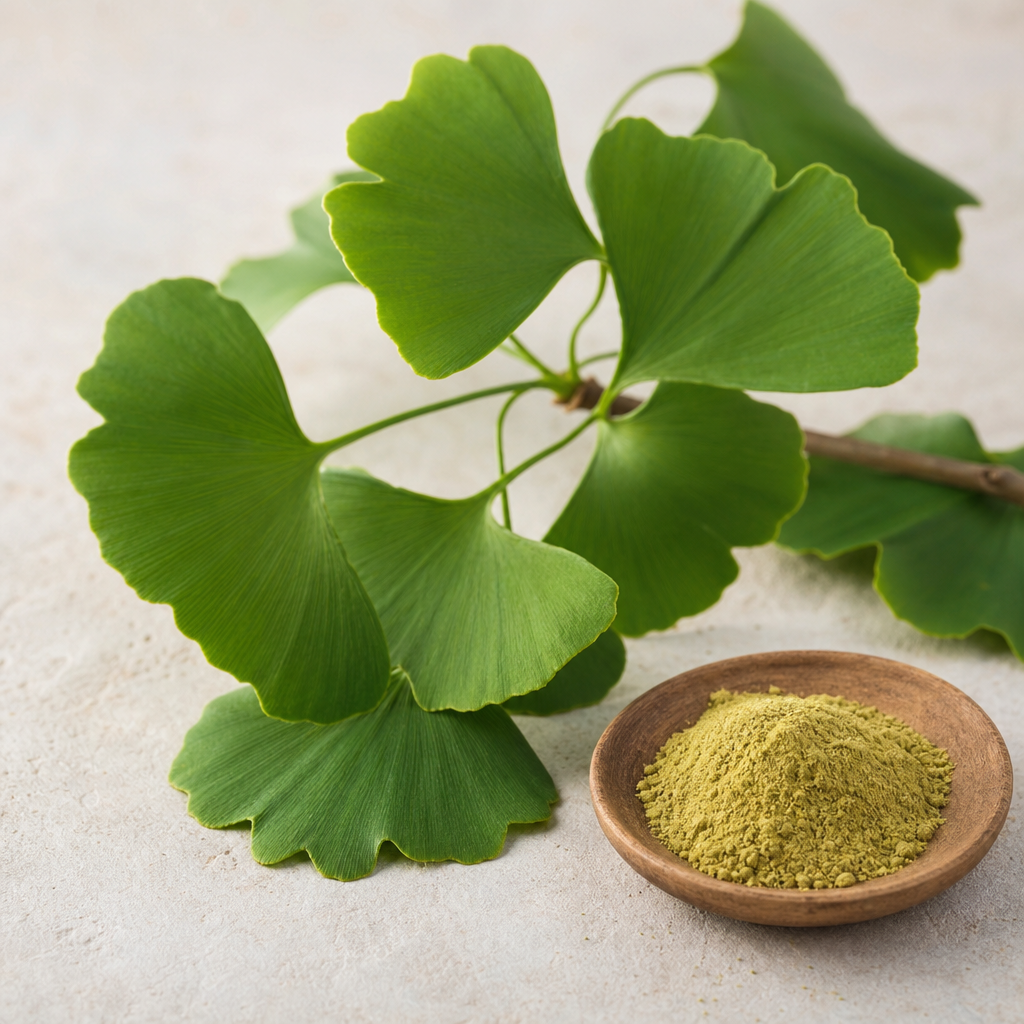
Ginkgo biloba (often misspelled “Ginko”) is a botanical supplement derived primarily from the leaves of the Ginkgo biloba tree, one of the oldest living tree species. The leaf extract contains several bioactive compounds, most notably flavone glycosides and terpene lactones (ginkgolides and bilobalide). Traditional medicine systems have used ginkgo for centuries to support circulation and cognitive function. Modern supplements typically use standardized extracts to provide consistent amounts of these constituents.
Ginkgo is an herb/botanical extract, not an essential nutrient like a vitamin or mineral. The human body does not require ginkgo to function, and there is no physiological “need” for it in the way there is for essential nutrients. Its proposed roles in health include supporting microcirculation, modulating neurotransmission, scavenging free radicals, and antagonizing platelet-activating factor through ginkgolides. These mechanisms may help explain research exploring ginkgo’s effects on cognitive symptoms, blood flow to the extremities, mood, and certain sensory concerns.
Benefits of Ginko Biloba
-
Cognitive symptoms in dementia and mild cognitive impairment
(Moderate evidence)
Standardized ginkgo extracts (especially EGb 761 at 120–240 mg/day) have demonstrated modest improvements in measures such as cognitive performance, activities of daily living, and clinician/global assessments in some studies of people with Alzheimer’s disease, vascular dementia, or mixed dementia. Benefits, when observed, generally emerge after several months and are not disease-curing. Results vary by study design and population, but overall effects appear small to moderate and are most consistent with standardized, quality-controlled extracts.
-
Age-related memory and attention in healthy adults
(Mixed evidence)
Research on ginkgo for memory, attention, or processing speed in healthy young or older adults yields inconsistent results. Some trials report small improvements in specific cognitive tasks after weeks to months of use, while many others find no meaningful difference compared to placebo. When benefits occur, they are typically modest and not equivalent to a quick “study boost.” Variability in extract quality, dosing, and baseline cognitive status likely influences outcomes.
-
Peripheral artery disease (intermittent claudication)
(Mixed evidence)
Ginkgo’s effects on microcirculation have been studied in people with intermittent claudication (leg pain from peripheral artery disease). Some earlier trials suggest small increases in pain-free walking distance compared with placebo, but findings are inconsistent and generally modest relative to standard care (e.g., supervised exercise, smoking cessation, medications). Ginkgo may be considered adjunctive under clinical guidance, not a primary therapy.
-
Anxiety symptoms
(Limited evidence)
A few randomized studies using higher-dose standardized extracts have shown reductions in generalized anxiety symptoms versus placebo. However, the number of trials is small, doses vary, and not all findings are consistent. Ginkgo is not a replacement for established therapies but may serve as a complementary approach for some individuals after discussing safety and interactions with a clinician.
-
Tinnitus (ringing in the ears)
(Mixed evidence)
Ginkgo has been evaluated for tinnitus, with many trials showing little to no overall benefit compared with placebo, while a few report improvements in select subgroups (e.g., recent-onset tinnitus or specific types). Given the heterogeneity of tinnitus causes and study designs, expectations should remain conservative. An ENT evaluation to identify treatable causes remains essential.
-
Ocular blood flow and glaucoma-related measures
(Preliminary evidence)
Small studies suggest ginkgo may influence ocular blood flow and visual field parameters in normal-tension glaucoma or optic neuropathy. Evidence is preliminary, sample sizes are small, and clinical significance is uncertain. Individuals considering ginkgo for eye health should do so only in consultation with an eye-care specialist and continue standard-of-care treatments.
Types or Forms Available
-
Standardized leaf extracts (e.g., EGb 761)
The most studied form is a standardized extract containing about 24% flavone glycosides and 6% terpene lactones, with very low ginkgolic acids (generally <5 ppm). EGb 761 and similar standardized products (e.g., LI 1370) offer batch-to-batch consistency and are the basis for most clinical research. These are typically sold as tablets, capsules, or liquid extracts with specified standardization on the label.
-
Non-standardized leaf powders or teas
Whole-leaf powders and teas contain variable amounts of active constituents, and their potency is less predictable. Because most efficacy data come from standardized extracts, non-standardized forms may not provide equivalent results. Teas can be pleasant but are not interchangeable with standardized products for targeted outcomes.
-
Enhanced-delivery or specialized formulations
Some supplements use sustained-release tablets, phytosome complexes, or combination formulas (e.g., with Panax ginseng). While these may improve convenience or tolerability, head-to-head data comparing their clinical effects with well-characterized standardized extracts are limited. Prioritize products with transparent standardization and third-party testing.
-
Ginkgo “nuts” (seeds)
Ginkgo seeds are used sparingly in certain cuisines but contain ginkgotoxin, which can be neurotoxic at higher intakes. They are not a substitute for standardized leaf extracts and should not be used medicinally. Children are particularly susceptible to ginkgotoxin toxicity, and culinary use should remain minimal and well-cooked.
How to Use Ginko Biloba
-
Common dosage range:
Most clinical studies use 120–240 mg per day of a standardized extract (about 24% flavone glycosides and 6% terpene lactones). Doses are often split into two or three servings (e.g., 60–120 mg twice daily). Higher doses have been studied for certain conditions but should only be considered with clinician oversight. Avoid exceeding label directions.
-
Best timing:
Timing is flexible. Many people take ginkgo in the morning and midday. If you notice restlessness or alertness, avoid dosing close to bedtime.
-
How to take it:
Take with water, and consider taking with meals to minimize gastrointestinal upset. Consistency with the same standardized product helps maintain stable exposure.
-
Consistency:
For cognitive or circulatory outcomes, daily use for 6–12 weeks is commonly needed before evaluating benefit. If no improvement is noticed after an adequate trial, reassess with your healthcare professional.
Food Sources and Supplement Options
Ginkgo is a botanical extract from the leaves of the Ginkgo biloba tree rather than a nutrient broadly found in foods. While ginkgo seeds appear in some traditional dishes, they are not a practical or safe means to obtain the standardized compounds used in research and should not be consumed in large amounts due to ginkgotoxin.
Because the desired flavonoid and terpene lactone profile is difficult to achieve through culinary use, ginkgo is typically taken as a supplement. Supplements allow standardized, targeted dosing that aligns with clinical trials, whereas whole-food patterns provide broader nutritional benefits (vitamins, minerals, fiber, and phytonutrients) that support overall health. If your goal is general wellness, a food-first approach is ideal; if your goal is a specific outcome studied with standardized ginkgo extracts (e.g., cognitive symptoms in dementia), a supplement may be considered in consultation with a healthcare professional.
Who May Benefit from Ginko Biloba?
-
Older adults with mild cognitive impairment or diagnosed dementia who, alongside standard care, wish to trial a standardized extract for potential modest symptom support.
-
People with intermittent claudication under medical supervision, recognizing benefits are variable and typically modest compared with established therapies.
-
Individuals experiencing anxiety symptoms who prefer exploring a complementary herbal option in addition to evidence-based treatments and lifestyle strategies.
-
People with chronic tinnitus who have been evaluated by an ENT specialist and are managing expectations about potential benefits.
-
Patients with normal-tension glaucoma or ocular blood flow concerns considering adjunctive options only under the guidance of an eye-care professional.
Side Effects and Considerations
-
Bleeding risk and interactions:
Ginkgo may have antiplatelet effects and can increase bleeding risk, especially with anticoagulants (e.g., warfarin, apixaban), antiplatelet agents (e.g., aspirin, clopidogrel), and NSAIDs. Stop 1–2 weeks before surgery or invasive dental procedures unless advised otherwise by your clinician.
-
Seizure risk and ginkgotoxin:
Ginkgo seeds contain ginkgotoxin, which can provoke seizures; even leaf extracts should be used cautiously in people with seizure disorders or those taking drugs that lower the seizure threshold (e.g., bupropion, tramadol). Avoid seed consumption for medicinal purposes.
-
Common side effects:
Gastrointestinal upset, headache, dizziness, palpitations, or skin rash can occur. Discontinue and seek medical advice if severe reactions develop.
-
Drug metabolism and interactions:
Ginkgo may affect certain liver enzymes and transporters (e.g., CYP2C19, CYP3A4, P-gp), potentially altering levels of some medications (anticonvulsants, PPIs, certain statins, and others). If you take prescription medications, consult your pharmacist or clinician before use.
-
Blood sugar and blood pressure:
Effects appear small and inconsistent, but individuals with diabetes or on antihypertensives should monitor closely and discuss with their provider.
-
Allergy and ginkgolic acids:
Ginkgolic acids can cause allergic reactions; high-quality standardized extracts limit these compounds to very low levels. Choose products that state ginkgolic acids are minimized and are third-party tested.
-
Pregnancy, breastfeeding, and children:
Safety data are insufficient, and potential bleeding risk exists. Avoid use during pregnancy and breastfeeding, and do not give ginkgo to children unless specifically advised by a pediatric specialist.
-
Liver and kidney considerations:
Serious toxicity is rare, but isolated case reports exist. Individuals with liver or kidney disease should use caution and involve their healthcare provider.
-
Quality and adulteration:
Some products are adulterated (e.g., spiked with unrelated flavonoids) or contain excessive ginkgolic acids or contaminants. Select brands with transparent standardization and independent testing (e.g., USP, NSF, or other reputable certifications).
Common Myths About Ginko Biloba
-
“Ginkgo prevents Alzheimer’s disease.”
Large, long-term trials have not shown that ginkgo prevents Alzheimer’s or overall dementia onset in otherwise healthy older adults. Some studies in people with existing dementia show modest symptom improvements, but ginkgo is not disease-preventing or curative.
-
“It’s a quick memory booster for exams.”
Acute, short-term benefits in healthy individuals are not reliably demonstrated. When effects occur, they tend to be small and require weeks to months of consistent use, not a last-minute performance boost.
-
“All ginkgo supplements are the same.”
Clinical research is based mostly on standardized extracts with defined levels of flavone glycosides and terpene lactones and very low ginkgolic acids. Non-standardized powders or teas may not deliver comparable constituents or effects.
-
“Natural means safe for everyone.”
Despite being plant-derived, ginkgo can increase bleeding risk, interact with medications, and is not advised during pregnancy, breastfeeding, or for children. “Natural” does not guarantee safety or suitability for every person.
-
“Ginkgo cures tinnitus.”
Evidence is inconsistent; some individuals may notice improvement, but many do not. Proper medical evaluation is crucial to address underlying causes and set realistic expectations.
Conclusion
Ginkgo biloba is a standardized botanical extract with the most consistent support for modest improvements in cognitive symptoms in some people with dementia, along with mixed or preliminary findings for age-related memory, peripheral circulation, anxiety, tinnitus, and certain eye-related measures. It is not an essential nutrient, nor a cure-all, and benefits—when present—are usually modest and require steady use over weeks to months.
If you choose to try ginkgo, prioritize a high-quality, standardized product from a reputable brand, start with conservative dosing, and reassess after an adequate trial. People who are pregnant or breastfeeding, children, and those with bleeding disorders, seizures, upcoming surgery, or who take medications (especially anticoagulants, antiplatelets, anticonvulsants, or drugs with narrow therapeutic windows) should consult a healthcare professional before use. A food-first approach remains foundational for overall health, while ginkgo supplementation may make sense when targeting specific, research-informed outcomes under appropriate clinical guidance.