What is Goldenseal Root?
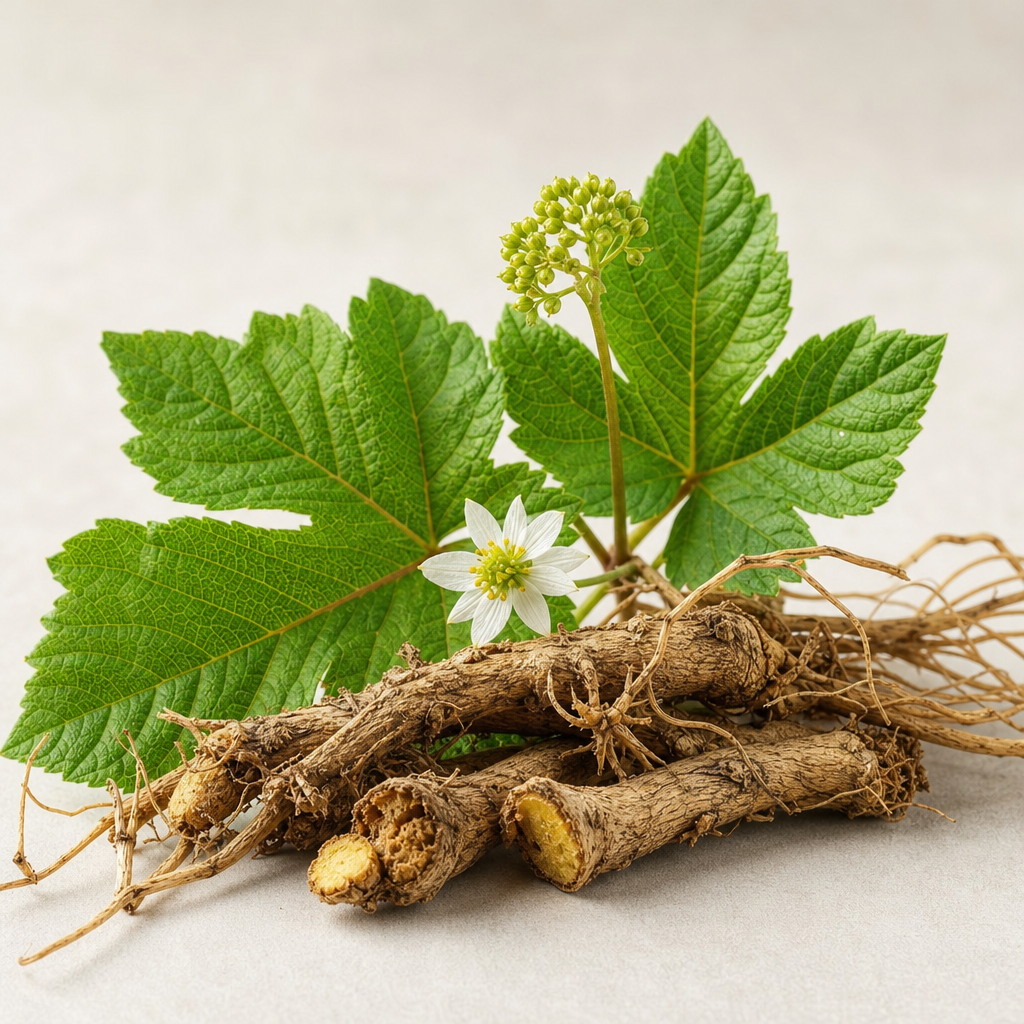
Goldenseal (Hydrastis canadensis) is a woodland herb native to North America. The medicinal portion is the knotted underground stem (rhizome) and root, which contain bright yellow pigments and a group of alkaloids, notably berberine, hydrastine, and canadine. Indigenous peoples and early North American herbalists used goldenseal for a variety of purposes, especially for mucous membrane irritation of the mouth, throat, and digestive tract. Today, goldenseal root is sold primarily as an herbal supplement in capsules, tinctures, and topical preparations.
Goldenseal is a botanical herb, not an essential nutrient. The body does not require it for normal physiological function the way it requires vitamins and minerals. Any potential health effects are due to its bioactive compounds, which have been studied for antimicrobial, astringent, and anti-inflammatory properties. Evidence for specific clinical uses remains limited or mixed, and goldenseal should be considered a complementary option rather than a replacement for standard medical care.
Benefits of Goldenseal Root
-
Upper respiratory symptom support (e.g., sore throat, nasal congestion)
(Mixed evidence)
Some people use goldenseal at the onset of colds for throat and nasal membrane comfort. Laboratory research shows antimicrobial activity of its alkaloids against certain bacteria, and traditional use emphasizes its astringent effect on mucous membranes. However, controlled human trials of goldenseal alone are scarce. Studies often use multi-herb combinations (frequently with echinacea), making it hard to isolate goldenseal’s effect. It may offer modest, short-term symptom support for some individuals, but it is not a proven treatment for colds or flu.
-
Digestive discomfort and occasional diarrhea
(Limited evidence)
Goldenseal’s alkaloids, especially berberine, demonstrate antimicrobial and antidiarrheal activity in lab and some clinical contexts. While berberine as an isolated compound has more research for certain types of diarrhea, evidence for whole goldenseal root is comparatively limited. Some users report short-term easing of mild, self-limited digestive upset. Persistent, severe, or bloody diarrhea requires medical evaluation; do not rely on goldenseal in place of appropriate diagnosis and care.
-
Oral and throat health
(Limited evidence)
Traditional use includes diluted tinctures as a gargle or mouth rinse for irritated gums or sore throats. In vitro studies suggest antimicrobial effects against oral bacteria, and the astringent action may feel soothing. Rigorous clinical trials are lacking, and goldenseal should not replace standard dental hygiene or professional dental care. If oral symptoms persist or worsen, seek dental or medical assessment.
-
Topical support for minor skin irritation
(Preliminary evidence)
Ointments or washes containing goldenseal are used by some for superficial skin irritation. Laboratory data show antibacterial activity of goldenseal constituents, but high-quality human studies are minimal. Use only on intact skin for brief periods and discontinue if irritation occurs. For infected, deep, or nonhealing wounds, seek medical attention.
-
Metabolic effects (blood sugar and lipids)
(Preliminary evidence)
Berberine, a compound also found in goldenseal, has been studied for glycemic and lipid support. However, evidence specifically for goldenseal root (which contains lower and variable berberine content compared with standardized berberine supplements) is limited. Any metabolic impact from whole goldenseal appears modest and inconsistent. Individuals with diabetes or on glucose-lowering or lipid-lowering medications should be cautious due to potential interactions.
Types or Forms Available
-
Whole root/rhizome powder (capsules or loose powder):
Contains the full spectrum of plant constituents with variable levels of alkaloids. Potency can differ widely depending on plant source, harvest, and processing.
-
Standardized extracts:
Often standardized to a specific percentage of total alkaloids or to berberine and/or hydrastine content (for example, 5–10% total alkaloids). Standardization aims to provide more predictable dosing and effects compared with non-standardized powders.
-
Tinctures and liquid extracts:
Alcohol- or glycerin-based preparations (e.g., 1:5 or 1:3 herb-to-solvent ratio). Liquids allow flexible dosing, faster absorption for some users, and can be diluted for gargles or mouth rinses.
-
Topical preparations:
Salves, ointments, or creams that include goldenseal extract, typically combined with other botanicals. Intended for short-term external use on intact skin.
-
Combination formulas:
Often paired with echinacea or other immune-focused herbs. While popular, combination products make it difficult to attribute any effect to goldenseal specifically.
Because natural variation is high and overharvesting has historically affected wild populations, choosing products from cultivated (not wildcrafted) goldenseal with clear standardization and third-party testing can improve consistency and support sustainability.
How to Use Goldenseal Root
Goldenseal is typically used short-term for situational support. Dosages vary by preparation and standardization. Always follow product directions and consult a qualified professional if you have medical conditions or take medications.
-
Common dosage range:
For standardized extracts, 250–500 mg per dose, taken 2–3 times daily, is common in dietary supplements. For non-standardized root powder, 0.5–1 g up to 2–3 times daily is typical. For tinctures (e.g., 1:5 in 40–60% alcohol), 1–2 mL up to 3 times daily is commonly used. Topical products should be applied as directed on intact skin only. Avoid high doses and prolonged use.
-
Best timing:
Timing is flexible. Taking with meals may reduce stomach upset. If using for throat support, a diluted tincture gargle before bed and as needed during the day may feel soothing.
-
How to take it:
Swallow capsules with water. Tinctures can be placed in a small amount of water or tea. For mouth rinses, dilute tincture well, swish briefly, and spit; do not swallow concentrated tinctures used as a rinse.
-
Consistency:
Generally used intermittently (e.g., several days to 1–2 weeks) rather than as a daily long-term supplement. Prolonged continuous use is not recommended due to potential gut microbiome disruption and interaction risks.
Food Sources and Supplement Options
Goldenseal is not a dietary nutrient and is not naturally present in common foods. It is obtained from the root and rhizome of the Hydrastis canadensis plant and is consumed almost exclusively as an herbal supplement or used topically. Because there are no meaningful food sources, supplementation is the practical route when someone chooses to use goldenseal.
Supplements can provide targeted dosing and convenient delivery (capsules, tinctures, standardized extracts). However, whole foods generally supply a broader array of essential nutrients, fiber, and phytonutrients that support overall health in ways single herbs cannot replicate. Consider goldenseal as a short-term, situational adjunct; prioritize a balanced diet and evidence-based medical care for ongoing health concerns.
Who May Benefit from Goldenseal Root?
-
Adults seeking short-term support for sore throat or nasal discomfort during common seasonal illnesses, alongside rest, fluids, and standard self-care.
-
Individuals who prefer traditional botanical approaches for brief episodes of mild digestive upset, with the understanding that persistent or severe symptoms require medical evaluation.
-
People interested in topical or oral rinse applications for minor skin or gum irritation, while maintaining proper hygiene and professional care as the foundation.
-
Those advised by an experienced practitioner to use goldenseal as part of a tailored, short-term herbal formula for a specific, self-limited concern.
Side Effects and Considerations
-
Gastrointestinal effects:
Goldenseal can cause nausea, stomach upset, constipation, or diarrhea, especially at higher doses or when taken on an empty stomach.
-
Medication interactions:
Goldenseal alkaloids (notably hydrastine and berberine) can inhibit drug-metabolizing enzymes and transporters (e.g., CYP3A4, CYP2D6, and P-glycoprotein), potentially increasing blood levels of many medications. Examples include certain statins, calcium channel blockers, benzodiazepines, opioids (e.g., codeine, tramadol), some antidepressants and antipsychotics, immunosuppressants (e.g., cyclosporine, tacrolimus), PDE5 inhibitors, and others. If you take any prescription or over-the-counter medications, consult a healthcare professional before use.
-
Blood sugar and blood pressure:
Goldenseal may modestly affect glucose and blood pressure in some people; use caution if taking antidiabetic or antihypertensive medications to avoid additive effects.
-
Liver and kidney considerations:
Rare cases of liver-related concerns have been reported with alkaloid-containing botanicals. People with liver or kidney disease should avoid or use only under professional supervision and for short durations.
-
Pregnancy and breastfeeding:
Avoid use. Berberine-like alkaloids may pose risks to newborns (including jaundice) and are not recommended during pregnancy or lactation.
-
Infants and children:
Do not use in infants; use in older children only with professional guidance due to sensitivity to alkaloids and limited dosing data.
-
Allergies and skin sensitivity:
Possible allergic reactions or contact dermatitis can occur. Discontinue if rash, itching, or swelling develops.
-
Surgery and procedures:
Stop goldenseal at least 1–2 weeks before surgery or procedures requiring anesthesia to reduce interaction risks and potential effects on blood pressure or glucose control.
-
Quality and adulteration:
Goldenseal has been historically adulterated with other berberine-containing plants (e.g., Coptis, Oregon grape) or contaminated with heavy metals. Choose products that are third-party tested, clearly labeled as “root/rhizome,” and standardized with verified botanical identity.
-
Sustainability:
Wild goldenseal populations have declined due to overharvesting and habitat loss. Prefer cultivated sources from responsible growers; avoid products of unknown or wildcrafted origin.
-
General caution:
People who are pregnant, breastfeeding, taking medications, or managing a medical condition should consult a qualified healthcare professional before using goldenseal. Do not use goldenseal as a substitute for antibiotics or other prescribed therapies when needed.
Common Myths About Goldenseal Root
-
“Goldenseal cures colds and flu.”
While some users report symptom relief, rigorous clinical trials demonstrating a cure or consistent, clinically meaningful benefit are lacking. At best, it may offer mild, short-term support for some people. Rest, hydration, and evidence-based care remain primary.
-
“Goldenseal can mask drugs on a urine test.”
This long-standing myth is not supported by modern toxicology methods. Standard drug tests are not reliably altered by goldenseal, and attempting to use it for this purpose is ineffective and potentially risky.
-
“If berberine is helpful, taking lots of goldenseal is even better.”
Goldenseal contains variable, generally lower amounts of berberine than isolated berberine supplements. Higher doses increase the risk of side effects and drug interactions without guaranteed benefits. More is not necessarily better.
-
“Topical goldenseal is always safe for wounds.”
Herbal topicals are not sterile and can irritate skin, especially on open or deep wounds. Use only on minor, intact-skin irritations and seek medical care for serious or infected wounds.
Conclusion
Goldenseal root is a traditional North American herb valued for its astringent and antimicrobial constituents. It may offer short-term support for sore throats, mild digestive upset, and minor oral or skin irritation. However, high-quality human evidence is limited or mixed, and goldenseal should not replace appropriate diagnosis or treatment for infections or chronic conditions. If you choose to use it, select standardized, third-party tested products from cultivated sources to ensure quality and sustainability.
Use goldenseal intermittently, at conservative doses, and be mindful of interactions, especially if you take prescription medications or have liver, kidney, blood pressure, or blood sugar concerns. People who are pregnant, breastfeeding, caring for infants, or managing medical conditions should consult a healthcare professional before use. Because goldenseal is not a nutrient and has no dietary sources, it functions best as a situational supplement rather than a daily staple. A food-first approach remains foundational for health, with targeted, short-term supplementation considered when appropriate and safe.