What is Iodine?
Iodine is an essential trace mineral that the body needs in very small amounts to function properly. Naturally present in seawater, coastal soils, and certain foods, iodine is most widely known for its central role in the thyroid gland. The thyroid uses iodine to produce thyroid hormones—thyroxine (T4) and triiodothyronine (T3)—which help regulate metabolism, growth, temperature control, and many aspects of brain and nervous system development. Because the human body cannot make iodine, it must come from the diet or supplements.
As a nutrient, iodine is classified as an essential mineral rather than an herb, botanical, or extract. It can be consumed through iodine-rich foods (for example, some seaweeds, seafood, dairy, and eggs), through iodized table salt, or as a standalone supplement (often in the iodide form). Public health programs that iodize salt have dramatically reduced the global burden of iodine deficiency disorders, but low or excessive intake can still occur depending on diet, geography, and supplement use.
Benefits of Iodine
-
Supports normal thyroid hormone production and metabolic regulation
(Strong evidence)
Iodine is a critical building block for thyroid hormones T4 and T3. Adequate intake helps maintain normal thyroid function, which influences metabolic rate, heart function, temperature regulation, and energy levels. When dietary iodine is sufficient, the thyroid can synthesize hormones efficiently, reducing the risk of hypothyroidism related to deficiency.
-
Fetal and infant brain and nervous system development
(Strong evidence)
During pregnancy and lactation, iodine needs increase because maternal iodine supplies the developing fetal and infant brain. Adequate iodine supports normal neurodevelopment, language acquisition, and cognition. Severe deficiency in pregnancy is well known to increase the risk of cretinism and intellectual disability, while even mild-to-moderate deficiency has been linked with subtle developmental and learning challenges.
-
Prevents and can reverse goiter and deficiency-related hypothyroidism
(Strong evidence)
Insufficient iodine stimulates the thyroid to enlarge in an attempt to trap more iodine, leading to goiter. Restoring adequate iodine intake—typically via iodized salt or appropriate supplementation—can help shrink goiters caused by deficiency and restore normal thyroid hormone production in many cases.
-
Improves cognitive performance in iodine-deficient populations
(Moderate evidence)
In children and adults with low iodine intake, improving iodine status (often through iodized salt programs) has been associated with better cognitive outcomes and school performance. While not all studies show the same magnitude of benefit—especially in regions with only marginal deficiency—the overall data suggest meaningful cognitive gains when deficiency is corrected.
-
Healthy growth in children where deficiency is present
(Moderate evidence)
Thyroid hormones influence growth, and iodine helps ensure adequate hormone availability. In regions with low iodine, programs that normalize iodine intake have been linked to improved growth patterns and reduced rates of stunting associated with hypothyroidism from deficiency.
-
Relief of cyclic breast discomfort (fibrocystic breast changes) with specific forms
(Mixed evidence)
Some studies using molecular iodine or carefully dosed iodine/iodide combinations report reductions in breast tenderness or nodularity in people with fibrocystic breast changes. However, findings are inconsistent, optimal dosing is unclear, and higher intakes can affect thyroid function. Anyone considering iodine for this purpose should consult a clinician to weigh potential benefits and risks.
-
Thyroid blockade after radiation exposure (emergency use)
(Strong evidence)
In nuclear emergencies, a single or short course of potassium iodide can saturate the thyroid with stable iodine, reducing uptake of radioactive iodine and lowering the risk of radiation-induced thyroid cancer, especially in children. This is a specialized, time-sensitive intervention directed by public health authorities and not a routine supplement strategy.
Deficiency or Low Levels of Iodine
-
Common signs of low levels:
Goiter (enlarged thyroid), hypothyroidism symptoms such as fatigue, cold intolerance, slowed heart rate, dry skin, hair loss, constipation, and weight gain. In infants and children: poor growth, delayed development, and learning difficulties. In pregnancy: increased risk of miscarriage, stillbirth, preterm birth, and impaired fetal brain development.
-
Who may be at risk:
People in regions with iodine-poor soils or where iodized salt is not widely used; individuals avoiding iodized salt or using only gourmet/sea salts that are not iodized; vegans and those who rarely consume dairy, eggs, or seafood; people on strict low-sodium diets; pregnant and breastfeeding individuals (higher needs); and people who frequently consume large amounts of iodine-poor foods while avoiding common iodine sources. Those with chronic exposure to substances that compete with iodine uptake (for example, high thiocyanate from heavy smoking or perchlorate exposure) may also be at risk.
-
How it is checked:
Population iodine status is often assessed by urinary iodine concentration (UIC). For individuals, repeated spot or 24-hour urinary iodine measurements can suggest status, but day-to-day variability is high. Thyroid function tests (TSH, free T4) help evaluate thyroid health but are not direct measures of iodine levels. In some settings, thyroglobulin is used as a population marker of iodine status. A clinician will interpret labs in context of diet, symptoms, and exam findings.
Types or Forms Available
-
Potassium iodide (KI):
The most common supplemental form. It dissociates to provide iodide, the form the thyroid primarily uses. Found in many multivitamins and standalone tablets or drops, typically at doses near the recommended daily intake.
-
Sodium iodide (NaI):
Another iodide salt used in some supplements and in iodized salt fortification in certain countries. Functionally similar to potassium iodide at typical doses.
-
Iodized salt:
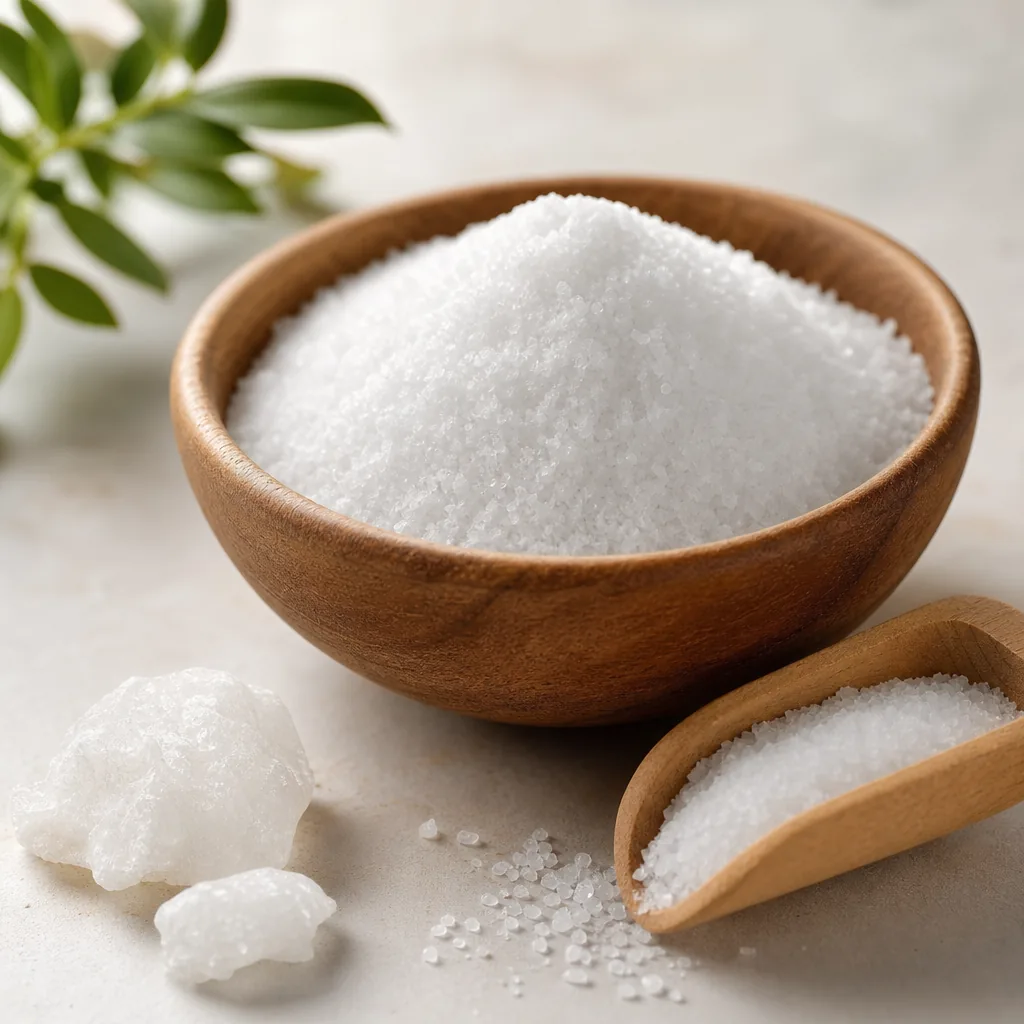
Table salt fortified with iodide or iodate. A simple, inexpensive public health tool to prevent deficiency. Not all gourmet, sea, or Himalayan salts are iodized unless specifically labeled.
-
Seaweed/kelp supplements:
Provide naturally occurring iodine, but content can vary substantially between products and batches. Some seaweeds (for example, kombu) can contain very high iodine levels, increasing the risk of excess intake and potential contaminants (such as arsenic in certain species). Look for products with standardized iodine content and quality testing.
-
Lugol’s solution and high-concentration drops:
A mixture of iodine and iodide in liquid form. Concentrations vary; these are generally not needed for routine dietary support and can easily exceed safe intake if misused. Use only under medical supervision.
-
Povidone-iodine (topical):
An antiseptic for skin and mucous membranes, not a nutritional iodine source and not for oral ingestion.
-
Molecular iodine formulations:
Sometimes marketed for breast comfort. Dosing and long-term thyroid safety remain less clear; medical guidance is advised.
How to Use Iodine
Most people can meet iodine needs through food and iodized salt. When supplements are used, choose a prudent dose and avoid megadoses unless specifically prescribed.
-
Common dosage range:
Typical adult supplements provide around 90–150 mcg per day, aligning with the recommended intake for non-pregnant adults (approximately 150 mcg/day). Pregnancy and lactation require more iodine overall (about 220–290 mcg/day total from diet plus supplements), often met by a prenatal vitamin that includes iodine. The adult Tolerable Upper Intake Level (UL) is about 1,100 mcg/day; regularly exceeding this can disrupt thyroid function. High-dose iodine products (for example, multiple milligrams per day) are generally not appropriate without medical supervision.
-
Best timing:
Timing is flexible. Take iodine supplements at the same time each day for consistency. If they cause stomach upset, take with a meal.
-
How to take it:
Swallow tablets with water or use calibrated drops as directed. If using seaweed or kelp products, verify the iodine content per serving and limit frequency to avoid excess.
-
Consistency:
Iodine is best consumed in small, regular daily amounts. Many people do well with steady intake from foods and iodized salt; supplements can fill gaps as needed. Avoid stacking multiple iodine-containing products (multivitamin, kelp, plus iodized salt) without tallying your total intake.
Food Sources and Supplement Options
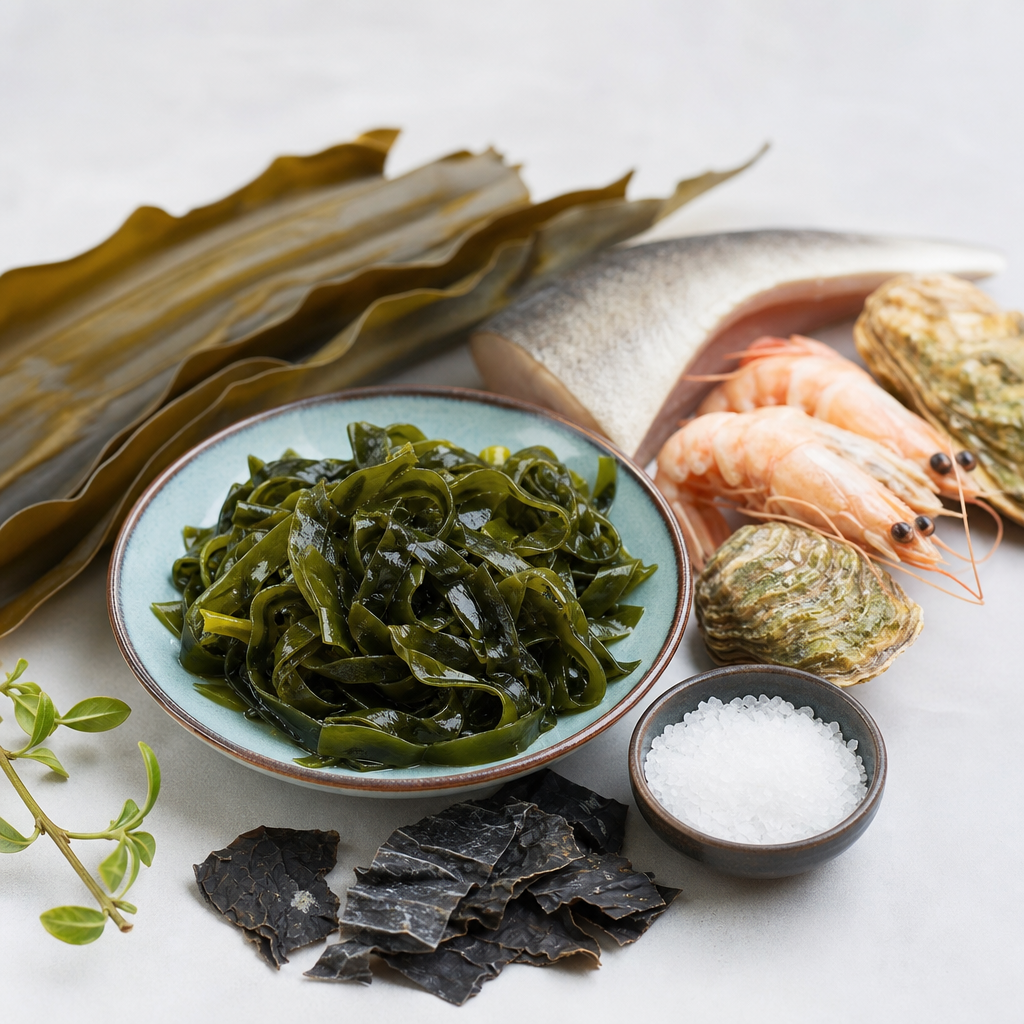
Iodine is found naturally in some foods and is also available in fortified foods and supplements. Seaweed can be very high in iodine, while the iodine content of plant foods grown inland can be low due to soil variability. Iodized salt remains a reliable source in many countries.
-
Seaweed (nori, wakame, kombu; content varies widely and can be very high)
-
Seafood (for example, cod, haddock, tuna, shrimp)
-
Dairy products (milk, yogurt, cheese; content varies by animal feed and sanitation practices)
-
Eggs
-
Iodized table salt
-
Some breads (if iodate dough conditioners are used; varies by country and brand)
Supplements can help when dietary intake is low, during pregnancy and breastfeeding, when avoiding iodized salt, or in dietary patterns that exclude typical iodine sources (such as vegan or dairy-free diets). Whole foods provide additional nutrients like protein, omega-3s, selenium, and vitamins, while supplements offer targeted dosing. For many, a balanced approach—iodized salt plus iodine-containing foods—is sufficient; a low-dose supplement can provide insurance if intake is uncertain.
Who May Benefit from Iodine?
-
People who avoid or rarely use iodized salt, or who rely solely on non-iodized gourmet or sea salts
-
Vegans, vegetarians, and individuals who consume little to no dairy, eggs, or seafood
-
Pregnant or breastfeeding individuals who need higher daily iodine to support infant neurodevelopment
-
People living in regions with iodine-poor soils or where iodized salt programs are inconsistent
-
Those on restrictive or low-sodium diets where iodine-containing foods are limited
-
Individuals with high exposure to substances that compete with iodine uptake (for example, heavy smokers with high thiocyanate exposure), as advised by a clinician
-
Some endurance athletes who heavily restrict salt and animal foods may benefit from assessing iodine intake, though needs are generally met with balanced diets and iodized salt
Side Effects and Considerations
-
Too much iodine can disrupt thyroid function, causing hypothyroidism or hyperthyroidism, particularly in people with thyroid nodules, autoimmune thyroid disease, or in older adults. Avoid high-dose products unless prescribed.
-
Autoimmune thyroid conditions (Hashimoto’s or Graves’ disease) can be sensitive to changes in iodine intake. Discuss supplements with your healthcare professional before use.
-
Medications that interact with iodine or thyroid function include amiodarone, lithium, and antithyroid drugs (methimazole, propylthiouracil). Changing iodine intake can also affect levothyroxine dosing; coordinate with your prescriber.
-
After receiving iodinated contrast for imaging, extra iodine supplementation is usually unnecessary and may complicate thyroid testing for several weeks; seek medical advice.
-
Seaweed and kelp products may contain excessive iodine and potential contaminants (for example, arsenic in some species). Choose tested products and limit frequency, especially with kombu.
-
Possible side effects of excess oral iodine include stomach upset, metallic taste, salivary gland swelling, skin eruptions, and in rare cases severe thyroid dysfunction. Stop use and seek care if concerning symptoms arise.
-
People with kidney disease may have altered iodine handling and should consult a clinician before supplementing.
-
Children require age-appropriate amounts; avoid concentrated solutions. Keep iodine products out of reach of children.
-
Pregnant and breastfeeding individuals need adequate but not excessive iodine. Prenatal vitamins commonly include iodine in safe amounts; avoid layering multiple iodine supplements.
-
“Iodine allergy” is often a misunderstanding. While some people react to contrast media or povidone-iodine, true allergy to elemental iodine is not considered possible. Still, if you have had reactions to these products, talk with your clinician before using iodine-containing supplements.
-
If you are pregnant, breastfeeding, taking medications, or managing a medical condition—especially a thyroid disorder—consult a qualified healthcare professional before making changes to your iodine intake.
Common Myths About Iodine
-
“Sea salt or Himalayan salt naturally provides all the iodine you need.”
Most specialty salts are not iodized and contain negligible iodine unless fortified. Check the label; if it does not say “iodized,” assume it has little iodine.
-
“More iodine speeds up metabolism and guarantees weight loss.”
While iodine supports normal thyroid hormone production, taking extra beyond needs does not boost metabolism in healthy individuals and can harm the thyroid. Weight management relies on overall nutrition, activity, sleep, and medical factors, not megadoses of iodine.
-
“Painting iodine on the skin can diagnose or treat deficiency.”
The rate at which a brown iodine stain fades reflects evaporation and skin chemistry, not body iodine status. Reliable assessment requires appropriate lab tests and clinical context.
-
“Seaweed is always a safe, natural way to get iodine.”
Some seaweeds contain extremely high iodine levels and may also carry contaminants. Occasional consumption of lower-iodine varieties (like many nori products) is usually fine, but frequent kombu or high-iodine seaweed can exceed safe intake.
-
“Most thyroid problems are caused by low iodine.”
In many countries, autoimmune conditions (not deficiency) are the leading causes of thyroid dysfunction. Both low and high iodine can impact the thyroid, so individualized assessment is important.
Conclusion
Iodine is an essential mineral that supports thyroid hormone production and is especially critical for fetal and infant brain development. Many people meet their needs through a combination of iodized salt and iodine-containing foods such as seafood, dairy, eggs, and certain seaweeds. Supplementation at modest doses can be helpful for those with limited dietary sources, pregnant or breastfeeding individuals, or people living in areas with low iodine availability. Quality matters—choose products that clearly state iodine content and avoid high-dose solutions unless prescribed.
Because both deficiency and excess can affect thyroid health, be thoughtful about total iodine intake from foods, salt, and supplements. Individuals with thyroid disease, nodular goiter, or those taking medications like amiodarone, lithium, antithyroid drugs, or thyroid hormone should seek medical guidance before adjusting iodine. Pregnant or breastfeeding individuals, children, and anyone managing a medical condition should consult a healthcare professional. A food-first approach using iodized salt and iodine-rich foods works well for most, with carefully dosed supplements filling gaps when needed.