What is L-Arginine?
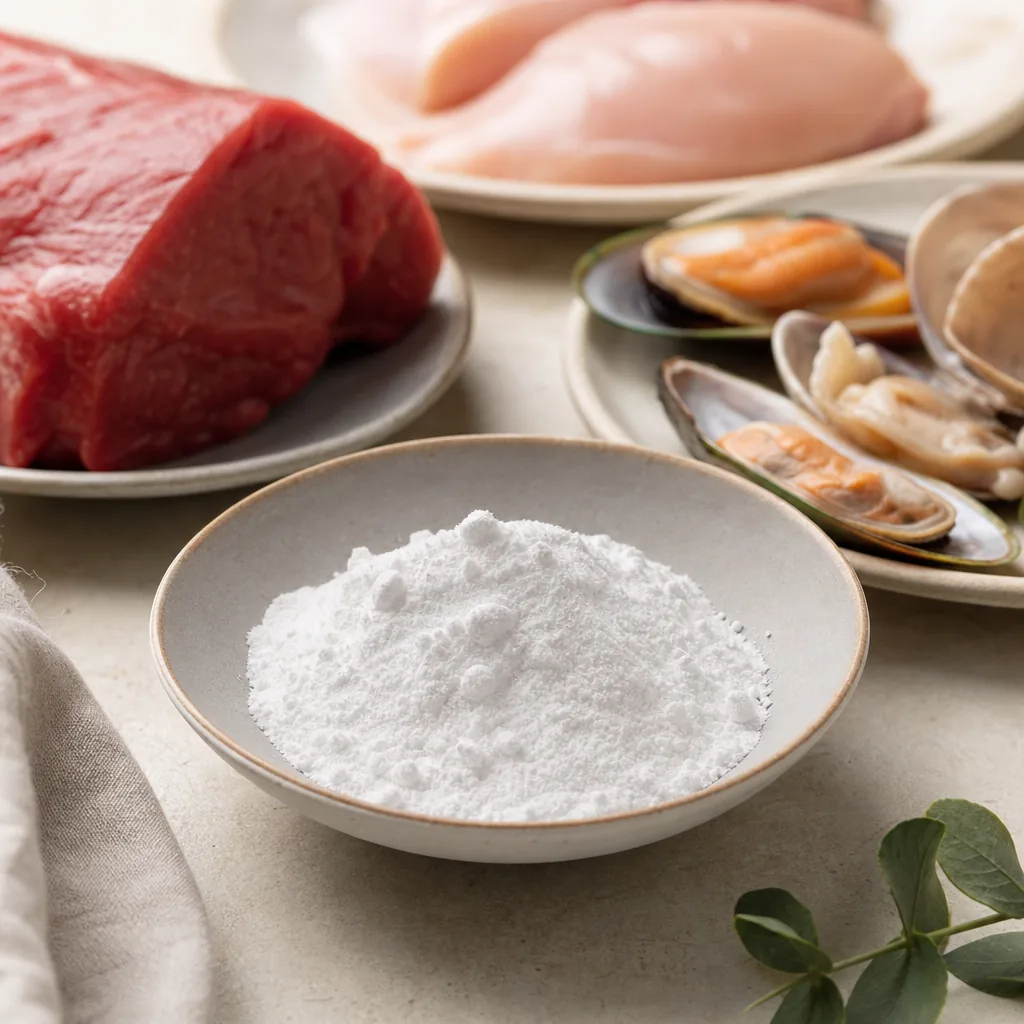
L-Arginine is a naturally occurring amino acid that the body uses to make proteins and several key molecules. It is best known as a direct precursor to nitric oxide (NO), a signaling molecule that relaxes blood vessels and supports healthy circulation. Arginine also participates in the urea cycle (helping the body remove ammonia), contributes to creatine synthesis (important for energy in muscle), and plays roles in immune function and wound repair.
Dietary L-arginine is found in many protein-rich foods and is also available as a dietary supplement. In nutrition terms, L-arginine is considered “conditionally essential,” meaning most healthy adults can make enough internally and obtain additional amounts from food. It is not an essential nutrient in the same way vitamins and minerals are, but under certain conditions—such as major trauma, burns, or severe illness—the body’s need may outpace its ability to produce it, and targeted medical nutrition may be used under clinical supervision.
As a supplement, L-arginine is taken for goals such as supporting vascular health, exercise blood flow, and, in some cases, sexual function and wound healing protocols. Its effects and reliability vary depending on the individual, dose, duration, and whether it is used alone or as part of multi-ingredient formulas.
Benefits of L-Arginine
-
Supports endothelial function and modestly lowers blood pressure
(Moderate evidence)
L-Arginine increases nitric oxide availability, which can relax blood vessels and support healthy endothelial function. Clinical trials and meta-analyses suggest that supplemental L-arginine can lead to small, clinically relevant reductions in blood pressure in some individuals—especially those with elevated blood pressure or endothelial dysfunction. Effects tend to be modest and depend on dose, baseline cardiovascular health, and consistency of use. It is not a substitute for prescribed antihypertensive therapy.
-
Helps with mild to moderate erectile dysfunction (ED)
(Mixed evidence)
Because nitric oxide is central to erectile physiology, L-arginine may aid men with mild to moderate ED. Some trials show improved erectile function, particularly at doses around 3–6 g/day or when combined with other agents that support blood flow (e.g., pycnogenol). However, other studies show minimal benefits, and response varies widely. For more severe ED or when underlying conditions are present (e.g., diabetes, vascular disease), benefits are less consistent. Men using nitrates or certain blood pressure medications must seek medical guidance due to additive blood pressure–lowering effects.
-
Supports wound healing, especially in clinical nutrition formulas
(Moderate evidence)
In medical settings, specialized nutrition formulas containing arginine—often combined with omega-3s and nucleotides—are used to support healing of pressure ulcers or recovery after major surgery or trauma. Several controlled studies suggest improved healing rates and tissue repair markers. Because these formulas contain multiple active nutrients, it’s difficult to attribute benefits solely to arginine, but arginine’s role in collagen deposition and immune function likely contributes. This approach should be guided by a healthcare professional.
-
Exercise blood flow and performance
(Mixed evidence)
Arginine can increase nitric oxide and potentially improve blood flow to working muscles. Some studies report better exercise tolerance or reduced oxygen cost during submaximal endurance efforts, while many show no meaningful improvement in performance or strength. Individual variability is high, and gastrointestinal tolerance can limit dosing before workouts. Related compounds like L-citrulline sometimes produce more consistent increases in arginine and NO with fewer GI issues.
-
Vascular support in peripheral artery disease or angina
(Mixed evidence)
Research on arginine for intermittent claudication or angina shows inconsistent results. Some studies suggest improved walking distance or symptom relief, while others find little benefit. Notably, one trial in post–heart attack patients raised safety concerns with chronic arginine use. People with established cardiovascular disease should not self-prescribe arginine; medical supervision is essential to weigh potential benefits against risks and medication interactions.
-
Male fertility parameters (sperm count and motility)
(Limited evidence)
Early trials and small studies indicate arginine may improve certain semen parameters in some men, possibly via NO-mediated blood flow and effects on the urogenital tract. However, studies are small, vary in quality, and often use multi-nutrient formulas. Benefits, if any, are likely modest and not universal. Men with fertility concerns should seek personalized evaluation before using supplements.
Types or Forms Available
-
L-Arginine (free-base):
The standard form used in most research and supplements. Offers relatively high elemental arginine per gram. Can cause GI upset at higher doses.
-
L-Arginine HCl:
Arginine bound to hydrochloride to improve stability and solubility. Elemental arginine content per gram is slightly lower than free-base, but it mixes well in water and is common in powders and capsules.
-
Sustained-release arginine:
Designed to release arginine gradually, potentially reducing GI side effects and smoothing blood arginine levels. Evidence for superior outcomes is limited, but some users prefer it for tolerance.
-
Arginine alpha-ketoglutarate (AAKG):
Popular in sports supplements. The alpha-ketoglutarate salt may alter absorption or metabolism, but robust evidence that AAKG outperforms plain arginine for performance is lacking.
-
Arginine nitrate:
Combines arginine with nitrate, providing two NO-related pathways. Early data suggest stronger “pump” effects but also a higher risk of additive blood pressure lowering; use caution if you take antihypertensives or PDE-5 inhibitors.
-
Topical arginine (medical use):
Included in some wound-care products under clinical guidance. Not a typical sports supplement and should be used per medical protocols.
-
Related option: L-citrulline (not arginine, but a precursor):
L-citrulline is converted to arginine in the body and often raises blood arginine more reliably with fewer GI issues. Some athletes and clinicians prefer citrulline for NO support.
How to Use L-Arginine
Start with the lowest effective dose to assess tolerance, and increase gradually if needed. Individual responses vary widely, and consistency matters for most goals.
-
Common dosage range:
3–6 g per day is typical for vascular support or mild ED, often split into 2–3 doses. For exercise, 3–6 g about 30–60 minutes pre-workout is commonly used. Some protocols use up to 8 g/day, but higher doses raise the risk of GI discomfort. Avoid megadoses and follow product labels and professional guidance.
-
Best timing:
For workout purposes, take pre-exercise. For general vascular support or ED, split morning and evening doses. Consistent daily use for several weeks may be needed to evaluate effects.
-
How to take it:
Mix powders in water or take capsules with a glass of water. Taking with a small snack can improve tolerance, though some prefer an empty stomach pre-exercise. If GI upset occurs, reduce the dose or split it further.
-
Consistency:
Occasional use may be reasonable for pre-workout “pump,” but for blood pressure or endothelial goals, steady daily intake is more relevant. Reassess need and response after 4–8 weeks.
Food Sources and Supplement Options
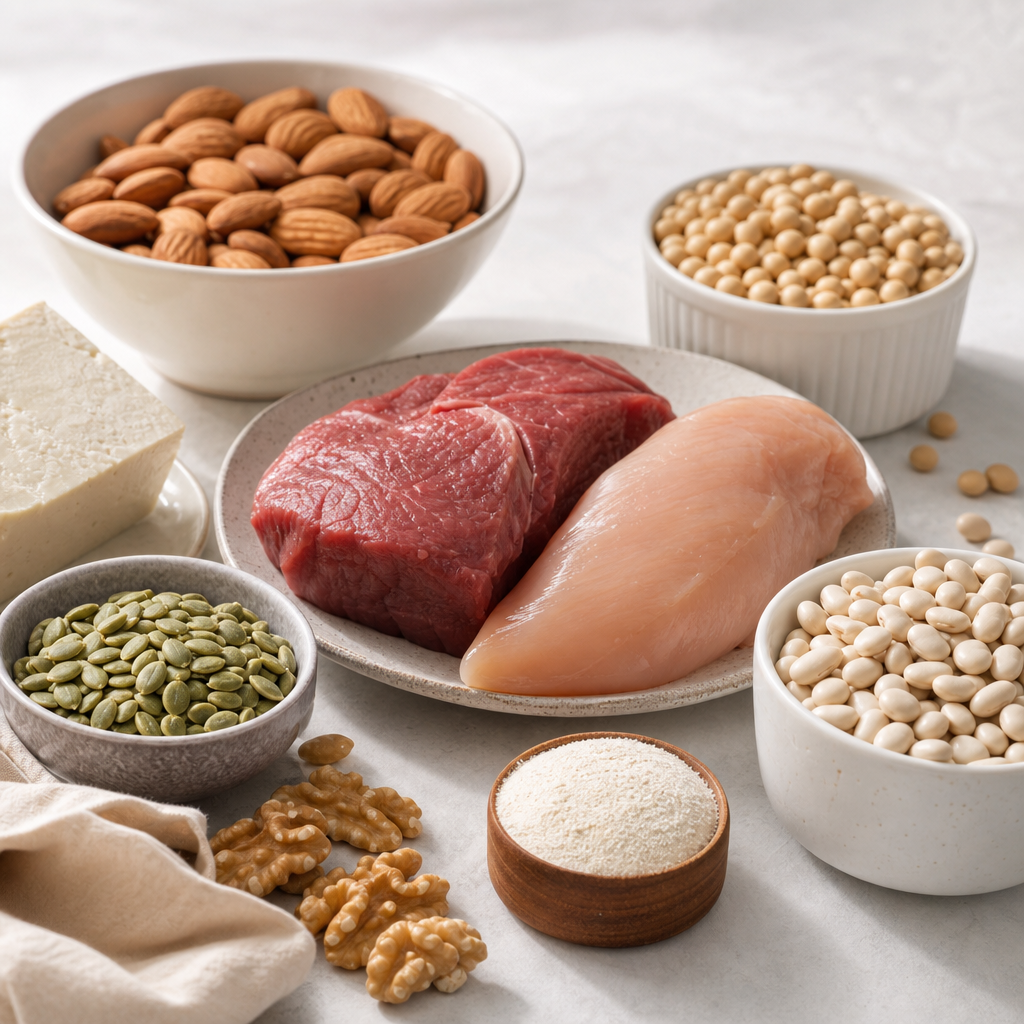
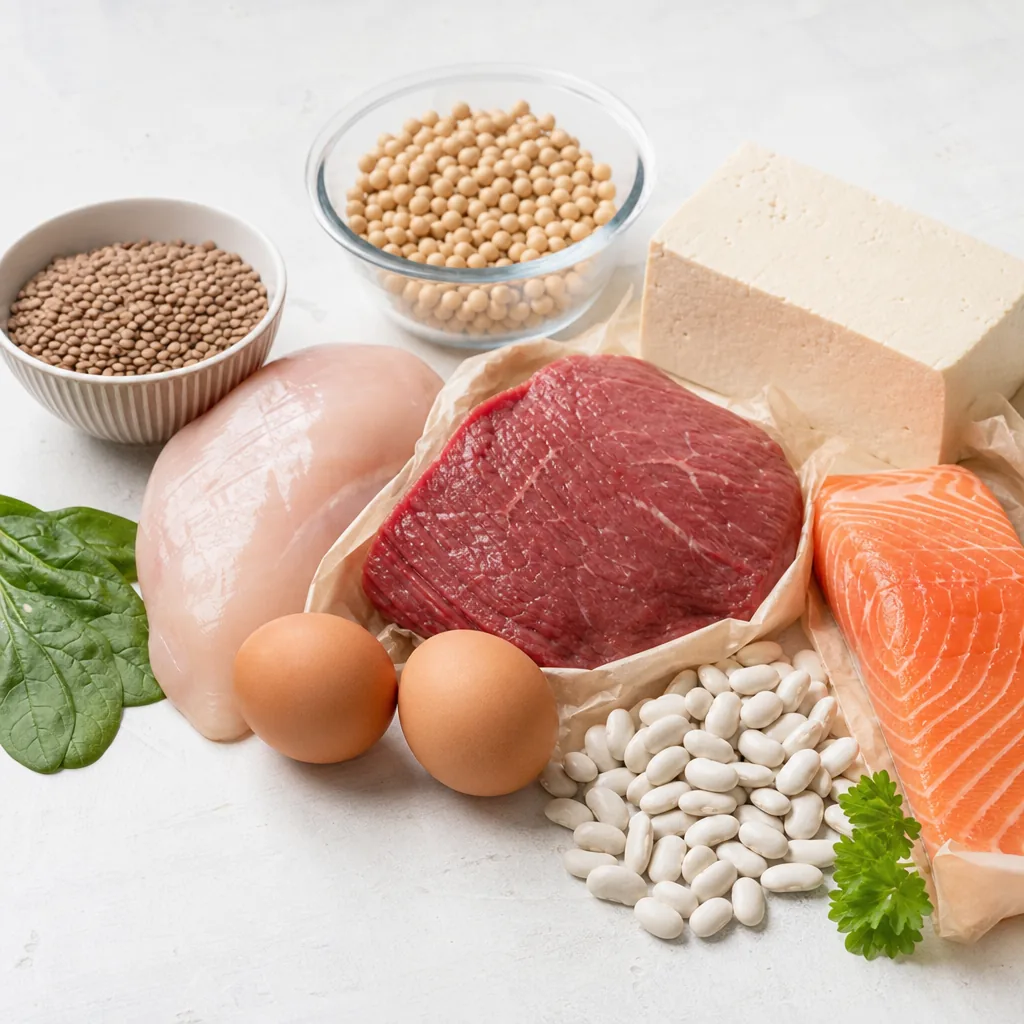
L-Arginine occurs naturally in many protein-rich foods. Most people can meet their needs through a balanced diet. Supplements provide a targeted dose when specific goals or clinical circumstances warrant more than food alone can reliably supply.
-
Meats and poultry:
Turkey, chicken, pork, and beef
-
Seafood:
Salmon, tuna, shrimp
-
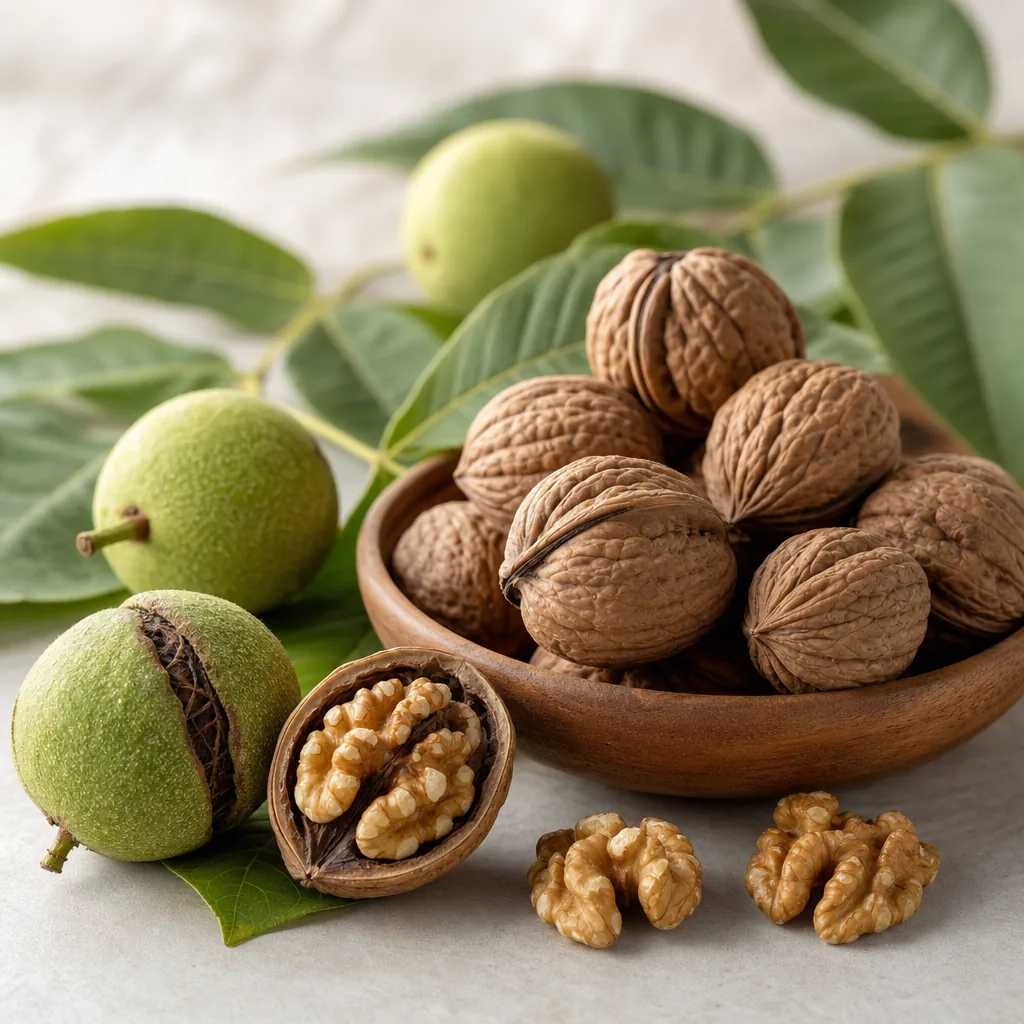
Nuts and seeds:
Pumpkin seeds, sesame seeds, peanuts, almonds, walnuts
-
Legumes:
Lentils, chickpeas, soybeans (tofu, tempeh)
-
Dairy and eggs:
Milk, yogurt, cheese, eggs
-
Whole grains and others:
Oats, quinoa, brown rice, cocoa
Whole foods offer additional nutrients such as fiber, vitamins, minerals, and phytonutrients, supporting broader health beyond any single compound. Supplements may make sense when consistent, higher intakes are desired for specific goals (e.g., trialing effects on mild blood pressure elevation, endothelial function, or ED), or when medical professionals recommend arginine-containing formulas for wound care. Choose products from reputable brands that provide third-party testing when possible.
Who May Benefit from L-Arginine?
-
Adults seeking modest support for endothelial function or mild elevations in blood pressure, in addition to lifestyle measures and under healthcare supervision.
-
Men with mild to moderate erectile dysfunction who are not using nitrates and who have discussed options with a clinician.
-
Athletes interested in experimenting with pre-workout blood flow support, recognizing that performance benefits are inconsistent.
-
Individuals with low total protein intake who prefer not to increase protein foods, though food-first strategies are generally advisable.
-
People using clinician-directed immune/wound-healing nutrition protocols that include arginine as part of multi-nutrient formulas.
-
Older adults with endothelial dysfunction who are already addressing blood pressure, sleep, exercise, and diet, and who have medical clearance.
Side Effects and Considerations
-
Gastrointestinal upset:
Common at higher doses; may include bloating, cramps, nausea, or diarrhea. Reduce dose, split doses, or try a different form if this occurs.
-
Blood pressure lowering:
Arginine can enhance vasodilation. Use caution if you have low blood pressure or take antihypertensives, nitrates, or PDE-5 inhibitors (e.g., sildenafil); additive effects can cause dizziness or fainting. Consult a clinician before combining.
-
Cardiovascular disease:
People with heart disease should not self-prescribe. One study raised concerns about arginine use after a recent heart attack. Medical supervision is essential for anyone with cardiovascular conditions.
-
Herpes simplex virus (HSV):
Arginine may facilitate HSV replication in vitro. Some people prone to cold sores report outbreaks with high arginine intake. Consider caution if you have frequent HSV episodes.
-
Kidney or liver concerns:
Because arginine participates in nitrogen handling, those with kidney or liver disease should avoid supplementation unless a clinician recommends and monitors it.
-
Blood sugar and metabolic effects:
Arginine can influence insulin and glucose handling. People with diabetes or insulin resistance should monitor glucose and speak with a healthcare professional.
-
Bleeding and surgery:
Theoretical effects on platelets and vasodilation warrant caution before surgery. Stop arginine 1–2 weeks preoperatively or as advised by your surgeon.
-
Medication interactions:
Potential interactions with antihypertensives, nitrates, PDE-5 inhibitors, and possibly anticoagulants/antiplatelets. Review all medications and supplements with your clinician.
-
Pregnancy, breastfeeding, and children:
Safety data for over-the-counter use are limited. Do not use without medical guidance in pregnancy, while breastfeeding, or for children.
-
Quality and contamination:
Choose reputable products with third-party testing to reduce the risk of contamination or inaccurate dosing, especially with complex pre-workout blends.
Common Myths About L-Arginine
-
Myth: L-Arginine is an essential nutrient that everyone must supplement.
Arginine is conditionally essential; most healthy adults synthesize enough and get additional amounts from food. Supplementation is situational, not universal.
-
Myth: Arginine is the best and only way to boost nitric oxide.
While arginine is a direct NO precursor, L-citrulline often raises arginine and NO more reliably with fewer GI issues, and lifestyle factors (exercise, balanced diet, blood pressure control) also support endothelial health.
-
Myth: Arginine supplements dramatically increase muscle size and strength.
Evidence does not show large or consistent improvements in strength or hypertrophy from arginine alone. Training quality, total protein intake, sleep, and overall nutrition are far more impactful.
-
Myth: If a little arginine helps, a lot will work even better.
Higher doses frequently cause GI side effects and do not guarantee more benefit. Reasonable dosing, monitoring, and medical guidance are safer and more effective strategies.
Conclusion
L-Arginine is a versatile, conditionally essential amino acid that supports nitric oxide production, circulation, and tissue repair. For some people, supplements can modestly help with endothelial function, mild blood pressure elevations, or mild to moderate erectile dysfunction, and arginine-containing medical nutrition formulas may aid wound healing under professional care. Results are variable, and benefits are generally modest rather than dramatic.
If you are pregnant, breastfeeding, taking medications, or managing a medical condition—especially cardiovascular, kidney, liver, or metabolic concerns—consult a healthcare professional before using L-arginine. Choose quality products, start with conservative doses, and reassess after several weeks. Whenever possible, prioritize food-first strategies: protein-rich whole foods supply arginine along with a spectrum of nutrients that support overall health. Supplements may be appropriate for targeted goals when used thoughtfully and safely.