What is L-Theanine?
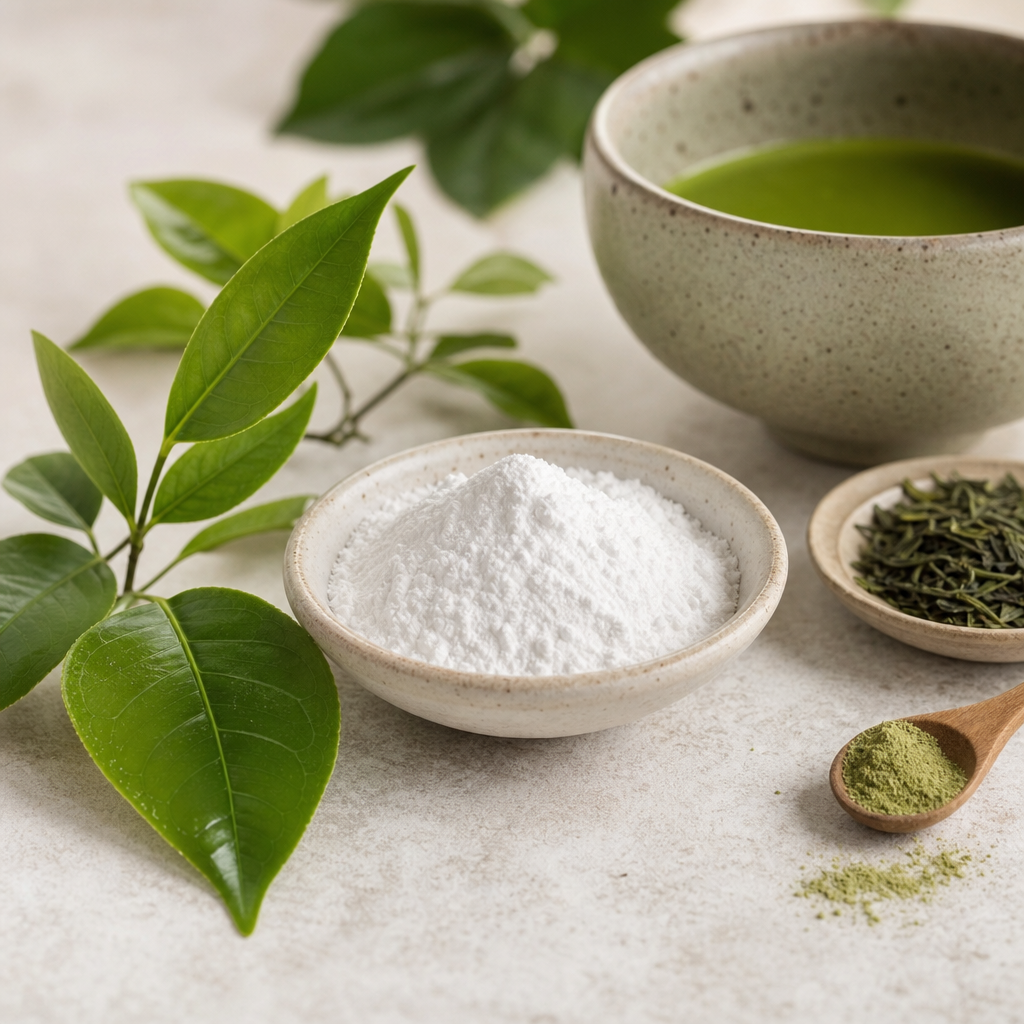
L-theanine is a non-protein amino acid naturally found in the leaves of the tea plant (Camellia sinensis), including green, black, oolong, and matcha teas. It contributes to the characteristic umami taste of high-quality green teas, especially shade-grown varieties like gyokuro and matcha. As a dietary ingredient, L-theanine is commonly used as a standalone supplement or in combination with caffeine to promote a state often described as “calm focus.”
L-theanine is not an essential nutrient—your body does not require it in the same way it needs vitamins, minerals, essential fatty acids, or essential amino acids. However, it can influence brain signaling by modulating glutamate, GABA, and dopamine pathways and by increasing alpha brain-wave activity, which is associated with relaxed alertness. Because of these properties, L-theanine is a popular option for people seeking smoother energy with caffeine, stress support, or gentler pre-sleep relaxation.
Benefits of L-Theanine
-
Calmer mood and stress support
(Moderate evidence)
L-theanine can promote relaxation without strong sedation. Controlled trials show reductions in subjective stress and improvements in markers of calmness, often within 30–60 minutes of a dose. It may be helpful for situational anxiety (e.g., exams, presentations), though it is not a treatment for anxiety disorders. Effects are typically gentle and most noticeable when acute stress is present.
-
Enhanced attention and task performance with caffeine
(Strong evidence)
When paired with caffeine, L-theanine reliably improves attention, reaction time, and accuracy on cognitively demanding tasks while reducing jitteriness for many users. A common practical approach is a 2:1 ratio of L-theanine to caffeine (for example, 200 mg theanine with 100 mg caffeine). This combination is widely used for studying, knowledge work, and esports.
-
Sleep quality and pre-bed relaxation
(Moderate evidence)
Supplementing earlier in the evening may help some people fall asleep more easily and experience more restful sleep, particularly those with a “busy mind.” Benefits tend to be modest and are best combined with good sleep hygiene (consistent schedule, limited late-day caffeine, dark cool room). L-theanine is not a sedative hypnotic and generally will not “knock you out.”
-
Blunted cardiovascular response to acute stress
(Limited evidence)
Small studies suggest L-theanine may reduce the spike in blood pressure and heart rate during stressful tasks. The effect appears situational (during stress) rather than a long-term blood pressure–lowering effect. People with blood pressure concerns should not self-treat and should consult a clinician.
-
Adjunct support in attention-related challenges
(Preliminary evidence)
Early studies, including small trials in youth and adults, indicate that L-theanine—alone or with caffeine—may improve aspects of sustained attention. Evidence is not yet robust, and anyone with diagnosed attention disorders or those taking stimulant or other psychiatric medications should seek medical guidance before use.
-
Immune resilience with tea components
(Mixed evidence)
Some research using beverages containing green tea catechins plus L-theanine reports fewer common colds. Because multiple tea compounds were combined, it’s unclear how much L-theanine alone contributes. Whole-tea intake may support general wellness, but L-theanine by itself should not be viewed as an immune supplement.
Types or Forms Available
-
Pure L-theanine (capsules or powder):
The most common supplement form, typically providing 100–200 mg per capsule or scoop. Look for products specifying the “L-” form; the D-form is not well studied. Third-party testing helps confirm identity and potency.
-
Branded L-theanine (e.g., Suntheanine):
A patented, fermented form standardized to the pure L-isomer. Functionally similar to high-quality generic L-theanine; some users prefer branded options for manufacturing transparency.
-
Tea extracts standardized for theanine:
Green tea or matcha extracts may list a theanine percentage. These can also contain other tea components (catechins, caffeine), which may be desirable or undesirable depending on your goals and caffeine tolerance.
-
Combination formulas with caffeine:
Popular in “focus” or “nootropic” blends. Check labels for a clear theanine and caffeine dose; avoid proprietary blends that obscure amounts.
-
Gummies, beverages, and shots:
Convenient delivery but often include sugars, flavors, or additional actives. Verify total theanine per serving and any added caffeine or herbs.
-
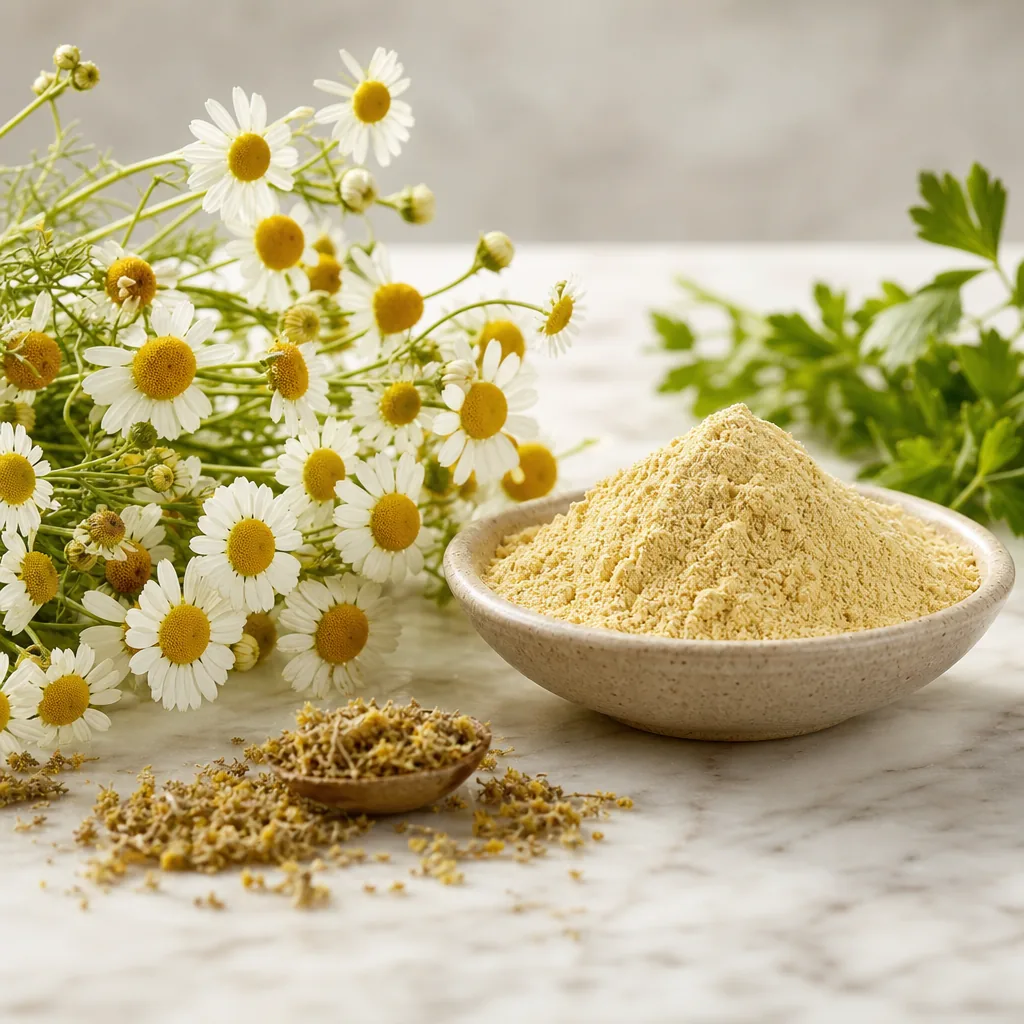
Whole-tea powders (matcha):
A food-first way to obtain theanine along with polyphenols and some caffeine. The exact theanine content varies by cultivar, shading, and preparation.
How to Use L-Theanine
Most people use L-theanine situationally or on days when they want smoother energy, calm focus, or pre-bed relaxation. Effects are typically felt within 30–60 minutes and last a few hours.
-
Common dosage range:
100–400 mg per day, usually in 100–200 mg doses. Many people find 100–200 mg sufficient for daytime calm focus, with or without 50–100 mg caffeine. For pre-sleep relaxation, 100–300 mg taken in the evening is common. Avoid high or escalating doses without professional guidance.
-
Best timing:
For focus or with caffeine, take in the morning or early afternoon. For stress before a specific event (exam, meeting), take 30–60 minutes beforehand. For sleep support, take 30–90 minutes before bed.
-
How to take it:
Capsules or powders can be taken with water, with or without food. If combining with caffeine, many prefer a 2:1 theanine-to-caffeine ratio. If you are caffeine-sensitive, avoid later-day caffeine even with theanine.
-
Consistency:
L-theanine does not need to be taken daily to work. Many use it “as needed.” Some prefer steady daily use at lower doses for ongoing stress support. Periodically reassess whether you still benefit.
Food Sources and Supplement Options
L-theanine occurs naturally in tea. Shade-grown green teas such as gyokuro and ceremonial-grade matcha are typically richest. Black and oolong teas also contain meaningful amounts, though generally less than high-grade green teas. Content varies by tea cultivar, harvest, processing, and brewing time and temperature.
-
Matcha (powdered green tea):
Often among the highest in theanine; also provides caffeine and polyphenols.
-
Gyokuro and high-grade sencha:
Shade-grown leaves concentrate theanine and other amino acids.
-
Other teas (oolong, black):
Still contain theanine, typically at lower levels than premium green teas.
Supplements are useful when you want a precise, caffeine-free dose or when tea intake is impractical. Whole-tea options provide additional beneficial compounds (polyphenols, flavonoids) and a pleasant ritual, while supplements allow targeted dosing and easier pairing with or without caffeine.
Who May Benefit from L-Theanine?
-
People who experience occasional stress or situational anxiety and want a gentle, non-sedating option.
-
Those who enjoy caffeine but want fewer jitters or smoother focus during work, study, or gaming.
-
Individuals who struggle with a “racing mind” at bedtime and are seeking modest, non-habit-forming support.
-
Professionals, students, and esports athletes who need sustained attention with a calm demeanor.
-
Adults sensitive to stimulants who want alertness without excessive arousal (often by using theanine alone or in a low theanine:caffeine ratio).
-
Tea drinkers who prefer a consistent theanine intake without increasing caffeine or fluid volume.
Side Effects and Considerations
-
General tolerability:
L-theanine is usually well tolerated at typical doses. Possible effects include headache, dizziness, nausea, or mild drowsiness, especially at higher intakes.
-
Blood pressure:
It may slightly lower blood pressure or blunt stress-related spikes. Use caution if you have low blood pressure or take antihypertensive medication; monitor how you feel and consult a clinician.
-
CNS-active medications:
Because L-theanine can influence neurotransmission, speak with a healthcare professional if you take sedatives, stimulants, antidepressants, antipsychotics, benzodiazepines, or ADHD medications; additive or opposing effects are possible.
-
Caffeine combinations:
Theanine can reduce caffeine-related jitteriness for many people but does not eliminate all stimulant effects. Avoid late-day caffeine and monitor sleep quality.
-
Pregnancy and breastfeeding:
Human safety data for supplemental doses are limited. Avoid use unless a qualified healthcare professional advises otherwise.
-
Children and adolescents:
Limited research exists on supplemental L-theanine in youth. Do not supplement without pediatric guidance. Tea as a beverage may still provide caffeine; consider total stimulant exposure.
-
Liver or kidney concerns:
Data in people with hepatic or renal conditions are limited; consult a clinician before use and avoid high doses.
-
Surgery and procedures:
If you take products that also include caffeine or sedative herbs, consider stopping 1–2 weeks before surgery and inform your medical team about all supplements.
-
Allergies and sensitivities:
Rarely, individuals sensitive to tea or supplement excipients may react. Choose simple formulas and discontinue if adverse effects occur.
-
Product quality:
Select third-party tested supplements that specify “L-theanine” and list exact milligrams. Avoid proprietary blends that obscure dosing.
-
Medical conditions and medications:
Always consult a healthcare professional if you are pregnant, breastfeeding, taking medications, or managing a medical condition before starting L-theanine.
Common Myths About L-Theanine
-
L-theanine is a sedative that makes you drowsy.
In typical doses, L-theanine promotes relaxed alertness rather than sedation. Some people feel calmer without feeling sleepy. For sleep, its effect is generally gentle and best combined with good sleep habits.
-
L-theanine “cancels out” all caffeine side effects.
It can reduce jitteriness and improve focus for many, but it does not negate caffeine’s full effects. Too much caffeine can still cause anxiety, rapid heart rate, or poor sleep—even with theanine.
-
Only green tea contains L-theanine.
Green tea is a rich source, especially shade-grown varieties, but oolong and black teas contain L-theanine too. Content varies widely by plant, harvest, and preparation.
-
More is always better.
Higher doses do not necessarily yield better results and may increase the chance of headaches or grogginess. Most people do well in the 100–200 mg range per dose.
Conclusion
L-theanine is a tea-derived compound that can gently support calm focus, smooth out the effects of caffeine, and help with pre-bed relaxation for some people. It is not an essential nutrient and is best viewed as a targeted tool rather than a necessity. If you prefer a food-first approach, high-quality green teas—especially matcha and gyokuro—offer natural L-theanine along with beneficial polyphenols. Supplements make sense when you want precise dosing, a caffeine-free option, or consistent effects.
Choose well-tested products that specify L-theanine content, start with conservative doses, and pay attention to timing—earlier for focus, evening for relaxation. People who are pregnant, breastfeeding, taking medications, or managing a medical condition should consult a healthcare professional before use. With thoughtful use and attention to quality, L-theanine can be a practical addition to a balanced wellness routine.