What is L-Lysine?
L-lysine is an essential amino acid—the “L” form used by the human body to build proteins. As an essential nutrient, your body cannot synthesize lysine, so it must come from the diet. L-lysine plays central roles in collagen formation (important for skin, tendons, and bone), normal growth and tissue repair, immune function, and the production of carnitine, a compound that helps transport fatty acids into mitochondria for energy. It also influences calcium absorption and may affect how the body handles stress in situations of low protein quality.
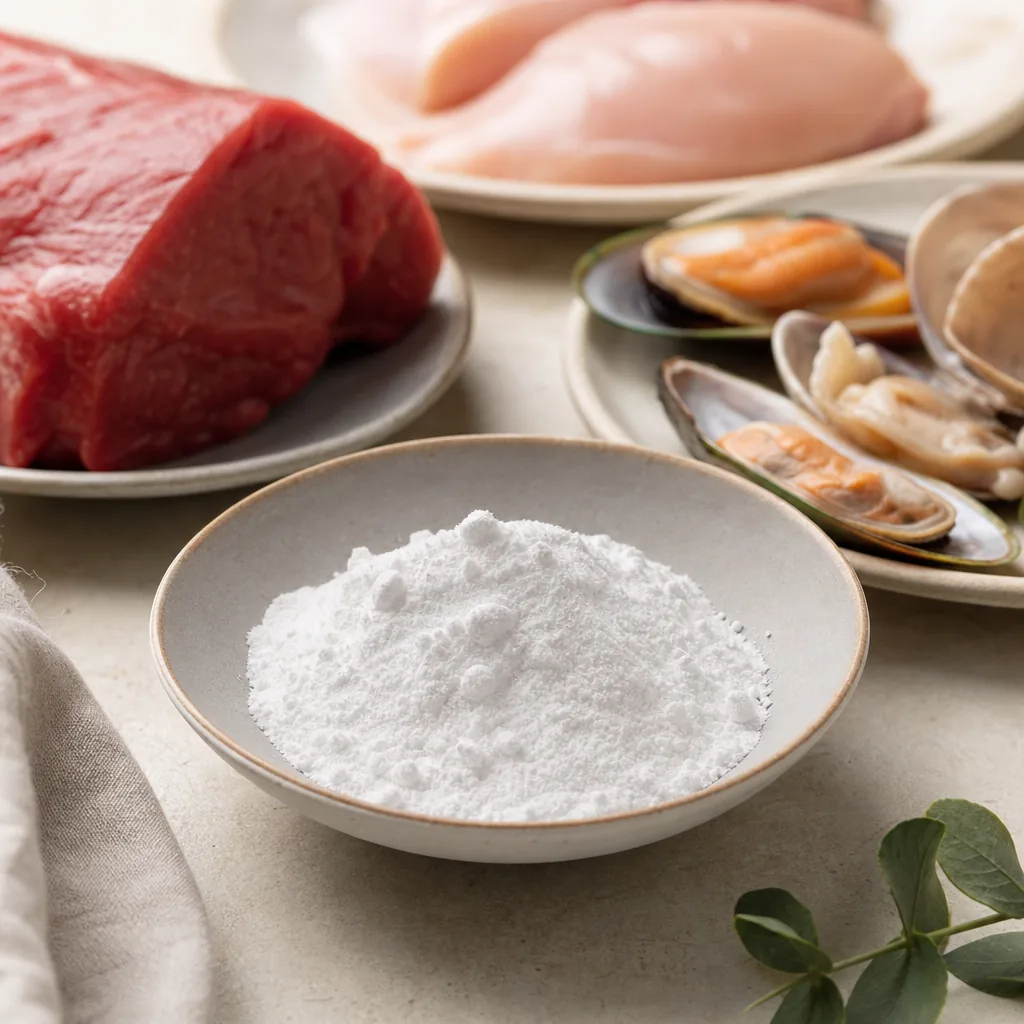
In everyday terms, lysine is a nutrient and also a common dietary supplement. It naturally occurs in protein-rich foods (particularly animal proteins and legumes). Supplements typically contain L-lysine in free form or as L-lysine hydrochloride (HCl). Because it is an essential amino acid, maintaining adequate daily intake through food or, when appropriate, supplements, supports fundamental physiological processes across the lifespan.
Benefits of L-Lysine
-
Cold sore (HSV-1) recurrence and duration
(Mixed evidence)
L-lysine may help reduce the frequency of cold sore outbreaks and potentially shorten healing time by competing with arginine, an amino acid herpes simplex virus (HSV-1) relies on to replicate. Some clinical trials and patient reports suggest fewer recurrences with daily preventive doses (often 500–1,000 mg/day), and short-term higher dosing at the first sign of tingling. However, findings are inconsistent across studies, product quality varies, and not everyone responds. It may be best viewed as an optional adjunct to standard care (e.g., antiviral medications) rather than a stand-alone treatment.
-
Support for collagen formation and wound healing
(Limited evidence)
Lysine is integral to collagen cross-linking and overall connective tissue integrity. Adequate lysine from food or supplements supports the building blocks needed for normal healing after minor injuries or surgeries. Small studies and mechanistic data back this role, but robust clinical trials specifically testing lysine supplementation for wound healing outcomes are limited. Ensuring sufficient protein and total nutrient intake remains the foundation.
-
Calcium absorption and bone health
(Limited evidence)
Lysine can influence calcium metabolism by enhancing intestinal absorption and reducing urinary loss, which theoretically supports bone health. Early human studies suggest beneficial effects on calcium handling, especially when dietary protein quality is low. Still, there are few long-term trials linking lysine supplementation directly to stronger bones or fewer fractures. Food-first strategies rich in protein, calcium, and vitamin D should come first, with lysine as one piece of a broader plan.
-
Stress and anxiety in low-lysine diets
(Limited evidence)
Research in populations consuming cereal-dominant, lysine-poor diets found that lysine fortification modestly reduced stress and some anxiety measures. The proposed mechanism involves lysine’s effects on neurotransmitter and hormonal regulation during stress. Evidence is not extensive, and benefits appear most relevant when baseline lysine intake is marginal.
-
Blood pressure in lysine-insufficient populations
(Preliminary evidence)
In a few trials involving communities with low-quality protein intake, lysine fortification was associated with small reductions in blood pressure. These findings have not been widely replicated in diverse groups, and the effects may depend on correcting a deficiency rather than providing extra lysine above adequate intakes.
Deficiency or Low Levels of L-Lysine
-
Common signs of low levels:
Inadequate lysine typically occurs alongside overall low protein quality or quantity. Potential signs include fatigue, poor appetite, nausea, slower wound healing, increased susceptibility to infections, irritability, and in children or teens, impaired growth. Because lysine is important for collagen and carnitine synthesis, very low intakes over time can affect tissues with rapid turnover and energy use.
-
Who may be at risk:
Individuals whose diets rely heavily on unfortified cereal grains (wheat, rice, maize) without enough legumes or animal protein; people with eating disorders or very restricted diets; older adults with low total protein intake; those with malabsorption, chronic illness, or elevated protein needs (e.g., athletes in energy deficit, trauma or burn recovery) who are not meeting protein targets; and some low-income settings where access to high-lysine foods is limited.
-
How it is checked:
Routine clinical testing for isolated lysine deficiency is uncommon. Assessment typically relies on a detailed dietary history and overall protein adequacy. In specialized settings, plasma amino acid profiles can measure lysine levels, but interpretation requires clinical context.
Types or Forms Available
-
L-lysine HCl (hydrochloride):
The most common supplemental form. It is stable, well-absorbed, and often used in capsules or tablets. The HCl salt slightly lowers pH, which some people find gentler with food.
-
Free-form L-lysine (base):
Provides lysine without the HCl salt. Functionally similar when matched by elemental lysine dose, though the base form is less common and can taste more bitter in powders.
-
Sustained-release tablets:
Designed to release lysine gradually. May be helpful for individuals aiming for steady levels (e.g., cold sore prevention), though clinical advantages over standard forms are not firmly established.
-
Topical preparations (creams/balms):
Some cold sore products include lysine along with zinc or botanical ingredients. Evidence is variable, and benefits may relate more to barrier support and symptom relief than to antiviral action. Quality differs widely.
-
Combination formulas:
Lysine can appear in essential amino acid blends, protein powders, or fortified foods. These can help raise total protein quality, particularly in plant-forward diets, when used alongside whole foods.
How to Use L-Lysine
Because lysine is an essential nutrient, most people can meet needs through a protein-adequate diet. Supplements can be considered for targeted goals (e.g., cold sore prevention) or in situations of low dietary protein quality.
-
Common dosage range:
For general supplementation, 500–1,000 mg once or twice daily is common. For cold sore support, some use 1,000 mg two to three times daily at the earliest sign of symptoms for a few days, then return to a lower preventive dose. Avoid long-term high doses unless advised by a clinician; many adults stay at or below 3,000 mg/day.
-
Best timing:
Lysine can be taken with or without food. Taking between meals may enhance amino acid absorption, but taking with food can reduce stomach upset. Consistency matters more than precise timing for preventive use.
-
How to take it:
Use capsules, tablets, or powders mixed in water or smoothies. If using L-lysine HCl and experiencing mild GI discomfort, take with a snack or meal.
-
Consistency:
For routine nutrition, aim to meet lysine needs daily through food. For targeted uses such as cold sore prevention, consistent daily intake is typically recommended, with short-term increases at the first sign of an outbreak if tolerated.
Food Sources and Supplement Options
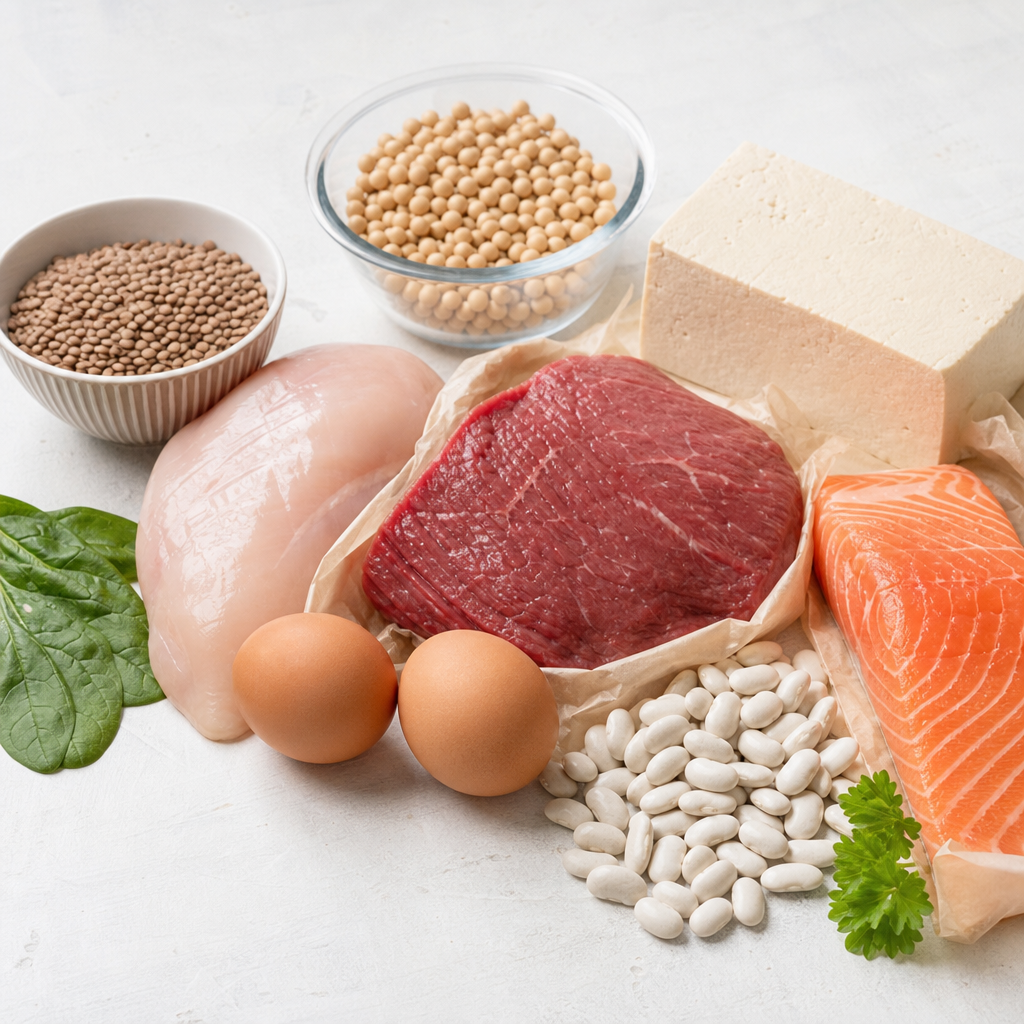
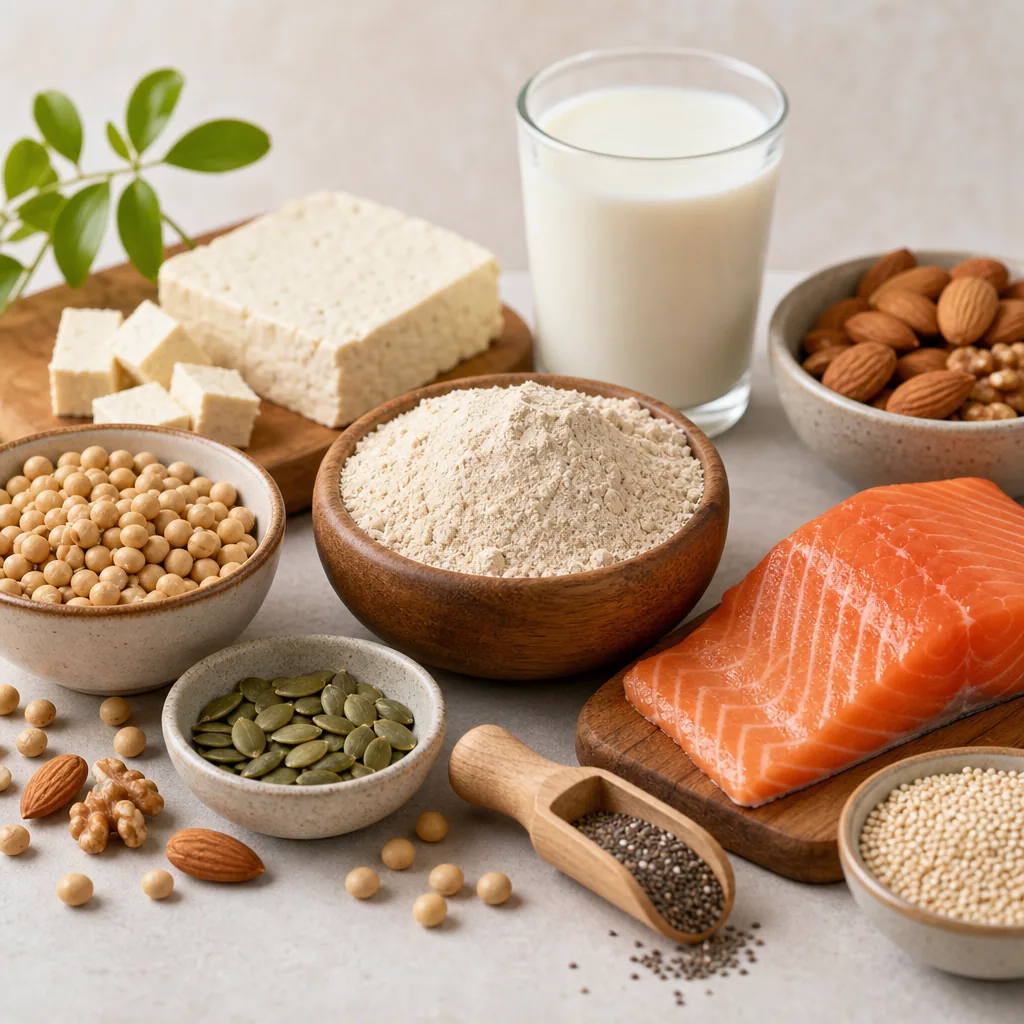
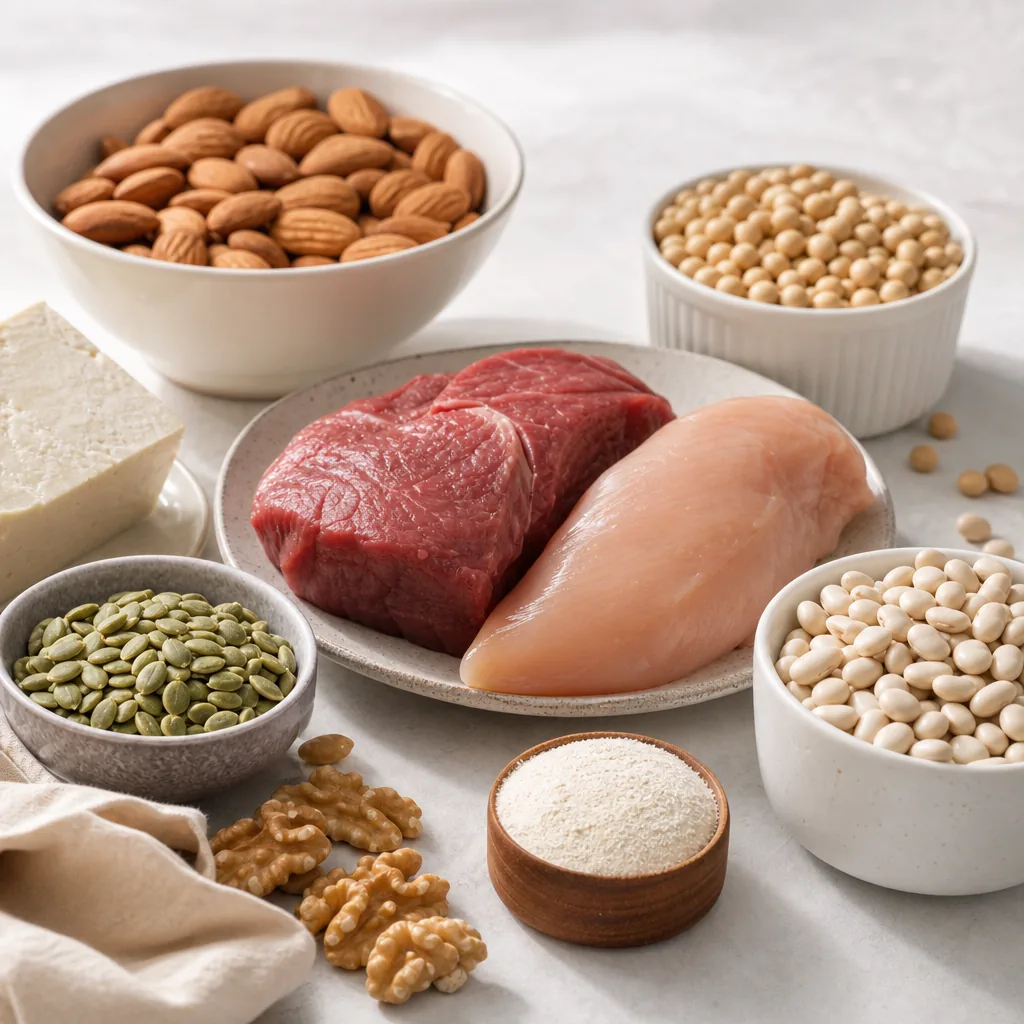
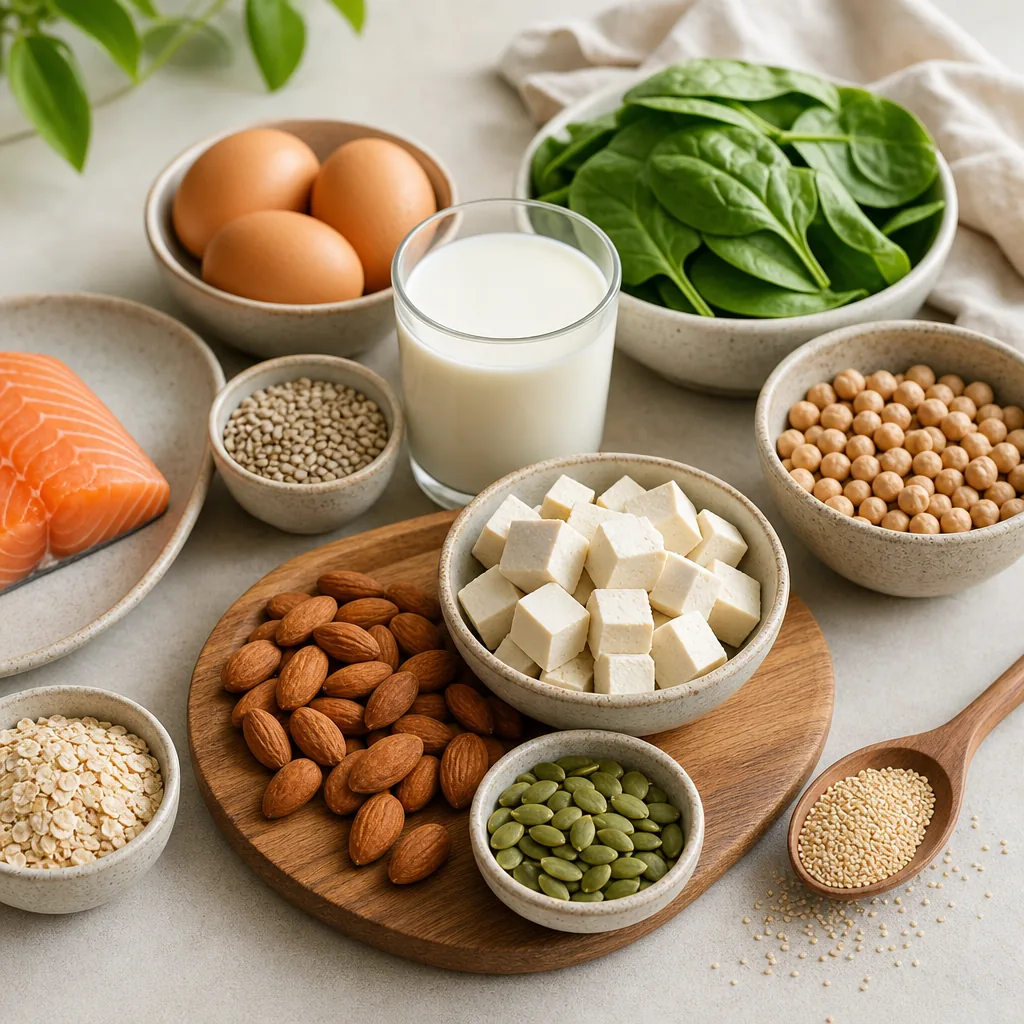
Lysine is naturally abundant in many foods and also available as a supplement. Animal proteins are especially rich, while cereals are relatively low. Building meals around a variety of protein sources helps ensure adequate intake without relying solely on supplements.
-
Animal sources:
Beef, poultry, pork, fish, dairy (e.g., yogurt, cottage cheese, Parmesan), and eggs.
-
Plant sources:
Soy foods (tofu, tempeh, edamame), lentils, beans (black, kidney, pinto), peas, peanuts, and quinoa. Pairing legumes with grains improves overall protein quality.
Supplementation may make sense for people with recurrent cold sores seeking an adjunct approach, those with low protein intake or low-quality protein patterns, or individuals temporarily unable to meet needs through food (e.g., poor appetite during illness). Whole foods provide additional nutrients (vitamins, minerals, fiber, healthy fats) and should remain the foundation; supplements offer convenience and precise dosing when needed.
Who May Benefit from L-Lysine?
-
People with recurrent cold sores who want an adjunct to standard care and good self-care practices.
-
Individuals with low total protein intake or cereal-dominant diets lacking legumes or animal protein.
-
Older adults with reduced appetite who struggle to meet protein needs.
-
Plant-forward eaters who are still learning to optimize lysine intake (e.g., new vegans not yet including sufficient legumes or soy).
-
Those recovering from injury, surgery, or intense training who need reliable protein quality for tissue repair, especially if diet is temporarily inadequate.
-
Populations in settings where food fortification with lysine has been used to improve diet quality and related outcomes.
Side Effects and Considerations
-
General tolerance:
L-lysine is usually well tolerated at typical supplemental doses. Possible side effects include stomach discomfort, nausea, diarrhea, or cramps, more likely at higher doses or when taken on an empty stomach.
-
Kidney and liver considerations:
People with kidney disease, a history of kidney stones, or significant liver disease should consult a healthcare professional before using amino acid supplements due to nitrogen waste handling and individual metabolic issues.
-
Medication and nutrient interactions:
Lysine can oppose arginine’s effects in some tissues. If you use high-dose arginine or rely on it clinically (e.g., for specific therapies), discuss lysine use with your clinician. For cold sore management, lysine is not a replacement for prescribed antivirals.
-
Pregnancy, breastfeeding, and children:
Safety data for high-dose lysine supplements are limited. Meeting needs through food is preferred. If pregnant, breastfeeding, or considering use for a child or teen, consult a qualified clinician.
-
Rare metabolic disorders:
Individuals with lysinuric protein intolerance (LPI) or other amino acid metabolism disorders require specialized medical guidance. Do not self-supplement.
-
Surgery and medical procedures:
Inform your healthcare team about all supplements before surgery. While lysine is not known to affect bleeding directly, comprehensive medication/supplement review is prudent.
-
Quality and purity:
Choose brands that use third-party testing for potency and contaminants. Check labeled serving sizes to avoid unintended high dosing.
-
Dietary balance:
For cold sores, some people try to limit high-arginine foods (e.g., large amounts of nuts, chocolate) during outbreaks. Responses vary; do not overly restrict nutrient-dense foods without reason. Emphasize a balanced, protein-adequate diet.
Common Myths About L-Lysine
-
Lysine cures herpes and eliminates the virus forever.
Lysine is not a cure. Some people report fewer or milder cold sores, but evidence is mixed and it does not eradicate HSV-1. Standard antiviral medications and good self-care remain the primary treatments; lysine can be an optional adjunct.
-
Vegetarians and vegans cannot get enough lysine.
Plant-based eaters can meet lysine needs by including legumes (lentils, beans, soy foods), peanuts, and quinoa. The key is adequate total protein and smart food choices, not necessarily supplements.
-
More lysine is always better.
Mega-doses are not proven to be more effective and can cause GI upset. In some people—especially those with kidney or liver concerns—excessive amino acid supplementation is not advisable. Use conservative doses and focus on diet quality first.
-
You must avoid all high-arginine foods if you get cold sores.
Evidence for strict arginine avoidance is limited and individual responses vary. A balanced, nutrient-dense diet and overall trigger management (stress, sleep, sun exposure, illness) are more sustainable strategies.
Conclusion
L-lysine is an essential amino acid vital for protein synthesis, collagen formation, and carnitine production. Most people can meet their needs by eating a variety of protein-rich foods. Supplements may be helpful for targeted goals—such as supporting cold sore management in some individuals—or when diet quality is low. Evidence is strongest for correcting low intake and mixed for specific therapeutic outcomes like HSV-1 prevention.
Choose reputable, third-party tested products and use conservative doses. People who are pregnant, breastfeeding, taking medications, or managing medical conditions—especially kidney or liver issues—should consult a healthcare professional before supplementing. For most, a food-first approach centered on adequate protein (including legumes or soy for plant-based eaters) is the best foundation, with L-lysine supplements used selectively when they add clear value.