What is Lion's Mane?
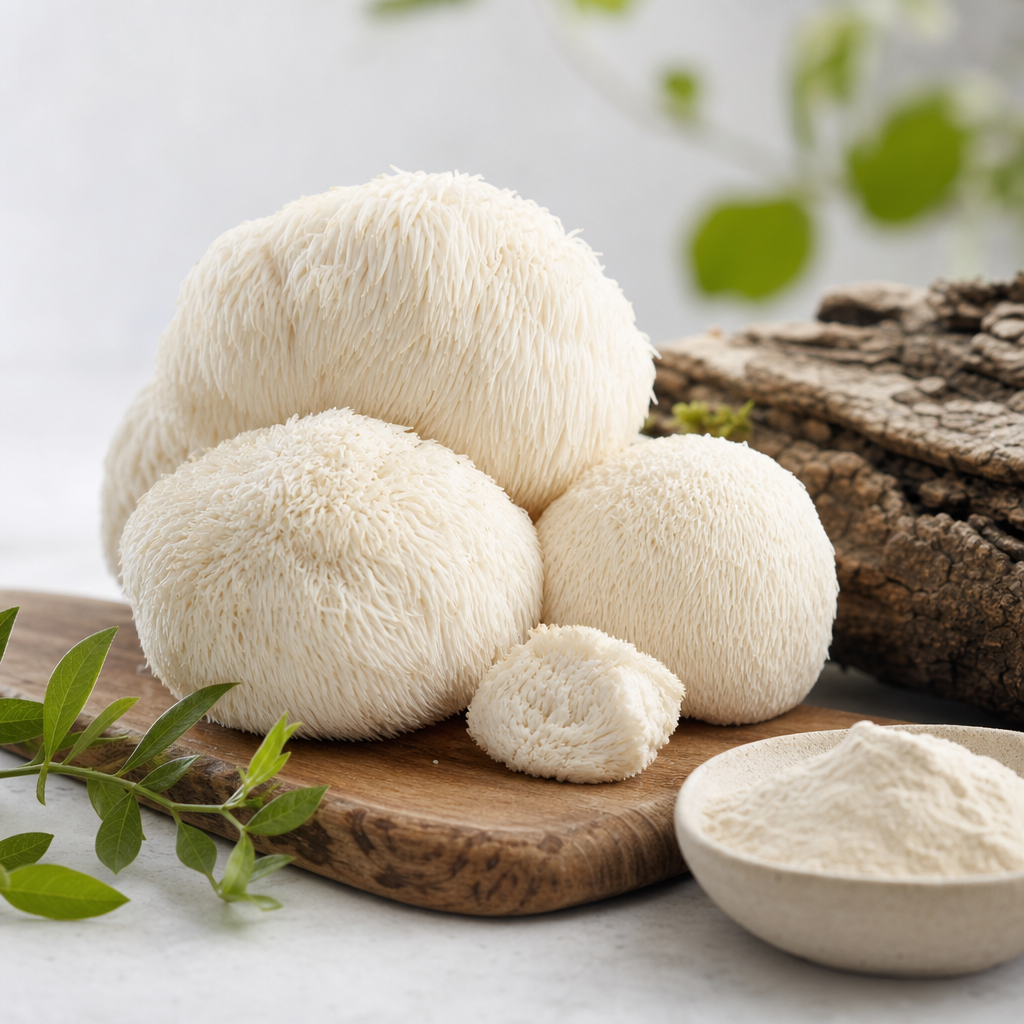
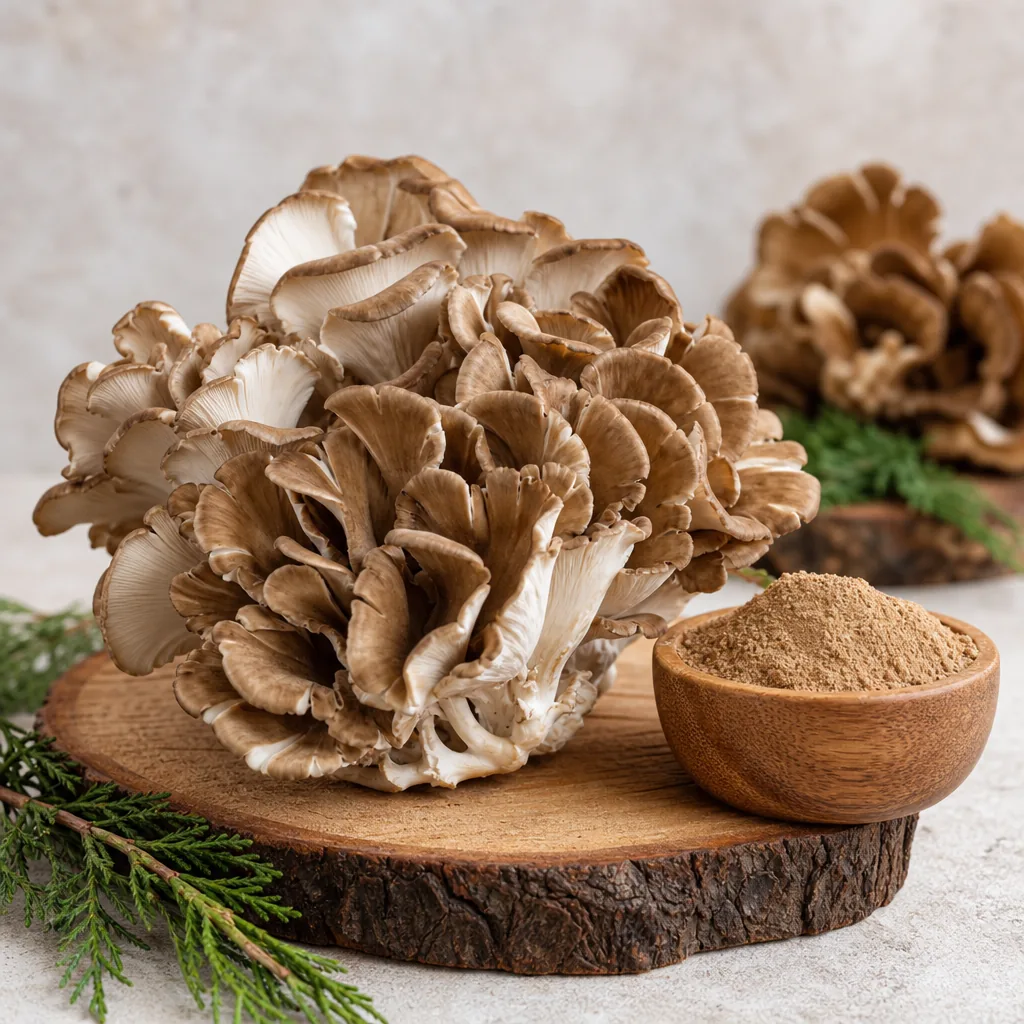
Lion’s Mane (Hericium erinaceus) is an edible and medicinal mushroom recognizable by its cascading, icicle-like spines. It grows on hardwoods in parts of Asia, Europe, and North America and has been used in East Asian cuisines and wellness traditions for centuries. In recent years, it has gained popularity as a dietary supplement for cognitive and nerve health, often marketed as a “nootropic” mushroom.
As a supplement, Lion’s Mane is a food-derived ingredient, not an essential nutrient. The body does not require it in the way it requires vitamins, minerals, essential amino acids, or essential fatty acids. Its proposed health effects are largely attributed to bioactive compounds such as beta-glucans (polysaccharides) and diterpenoid molecules, including hericenones (primarily found in the fruiting body) and erinacines (primarily found in the mycelium). These compounds have been studied for their potential to support nerve growth factor (NGF) pathways, modulate immune activity, and influence inflammation and oxidative stress. While preclinical research is promising, human evidence remains modest and continues to evolve.
Benefits of Lion's Mane
-
Cognitive support in aging and mild cognitive concerns
(Limited evidence)
Explanation: Small randomized trials in older adults suggest daily Lion’s Mane may modestly improve certain cognitive test scores after several weeks of use, with effects diminishing after discontinuation. Proposed mechanisms include support of neurotrophic pathways (such as NGF) and reductions in oxidative stress. However, studies are few, sample sizes are small, and methods vary. Lion’s Mane should not be considered a treatment for dementia, but some people may notice subtle benefits in attention or memory with consistent use.
-
Nerve health and peripheral nerve recovery
(Preliminary evidence)
Explanation: Animal and cell studies indicate that erinacines and hericenones may promote neurite outgrowth and support nerve regeneration. Limited human data and case reports suggest potential benefits for peripheral nerve discomfort or recovery following nerve-related issues. Because human trials are sparse, this area remains exploratory. Individuals with diagnosed neurological conditions should seek medical guidance before using any supplement.
-
Mood, stress, and sleep quality
(Limited evidence)
Explanation: Small human studies have reported reductions in measures of anxiety, irritability, or sleep disturbances after short-term intake (e.g., 4–8 weeks). These effects may stem from indirect neurotrophic support or inflammation modulation. Evidence is not robust, and results are not consistent across all studies, so expectations should be modest.
-
Gastrointestinal support and stomach comfort
(Preliminary evidence)
Explanation: Preclinical research suggests Lion’s Mane may help maintain the integrity of the gastric mucosa and support a healthy inflammatory response in the gut. Early human observations and traditional use hint at benefits for mild digestive discomfort. More rigorous trials are needed before making strong conclusions, particularly for specific conditions.
-
Immune modulation
(Preliminary evidence)
Explanation: Beta-glucans in mushrooms can interact with immune cells and influence cytokine signaling in laboratory and animal models. For Lion’s Mane, preliminary findings suggest possible support for balanced immune activity rather than simple stimulation. Translating these effects to clear clinical outcomes in humans requires more high-quality research.
-
Metabolic markers (lipids and glucose)
(Preliminary evidence)
Explanation: Early studies in animals and small human pilot work suggest potential improvements in certain markers such as triglycerides, LDL, or fasting glucose when Lion’s Mane is used consistently. Findings are not uniform, and lifestyle interventions (diet, activity, sleep) remain first-line for metabolic health. Lion’s Mane, if used, should be considered a supportive option rather than a primary therapy.
Types or Forms Available
-
Fruiting body powder (whole mushroom)
: Dried and milled mushroom. Offers a broad spectrum of native compounds and dietary fiber. Potency depends on growing and drying methods. Often used in culinary applications and supplements.
-
Hot-water extracts
: Concentrate water-soluble compounds, especially beta-glucans. Often labeled with extract ratios (e.g., 4:1, 8:1). More consistent potency than simple powders, though composition varies by manufacturer.
-
Dual extracts (water + alcohol)
: Aim to capture both water-soluble polysaccharides and more alcohol-soluble diterpenoids (e.g., hericenones). Often chosen for comprehensive coverage of bioactives.
-
Mycelium-based products
: Made from the mushroom’s root-like network. Some are cultivated on grain; these can contain more starch and lower measured beta-glucans. Erinacine-enriched mycelium extracts are used in research but may not be widely available or well standardized.
-
Standardized extracts
: Some products report specific levels of beta-glucans (preferable to “total polysaccharides,” which can include inactive starch). Standardization to hericenones or erinacines is less common and may vary in reliability.
-
Delivery formats
: Capsules and tablets offer convenience and dosing precision; powders mix into beverages or recipes; liquid tinctures provide flexible dosing but may vary in concentration and flavor.
How to Use Lion's Mane
Practical use depends on the form, standardization, and individual goals. Always follow the product label and start at the lower end of a range to assess tolerance.
-
Common dosage range:
For fruiting body powder, 1,000–3,000 mg per day is common. For concentrated extracts, 500–1,500 mg per day is typical, depending on extract ratio and beta-glucan content. Products specifically enriched for erinacines may use lower amounts; follow manufacturer guidance. Avoid escalating beyond recommended doses.
-
Best timing:
Many people take Lion’s Mane in the morning or early afternoon for daytime cognitive support. If it feels stimulating, avoid late-evening use. If targeting sleep quality, some prefer evening dosing; individual responses vary.
-
How to take it:
Capsules can be taken with water; powders mix into coffee, tea, or smoothies; tinctures are taken as directed. Taking with food may reduce the chance of stomach upset.
-
Consistency:
Potential benefits tend to be gradual. Consider daily use for 6–12 weeks before evaluating effects. Some users cycle off periodically (e.g., 1–2 weeks off after several months), though cycling is optional and not evidence-based.
Food Sources and Supplement Options
Lion’s Mane is both a culinary mushroom and a supplement ingredient. Fresh or dried Lion’s Mane can be cooked like other gourmet mushrooms, while standardized extracts are used when a more targeted, consistent dose is desired.
-
Fresh Lion’s Mane mushroom (Hericium erinaceus), sautéed, roasted, or added to soups.
-
Dried Lion’s Mane slices or powder for cooking, teas, or broths.
-
Cultivated Lion’s Mane sold at farmers markets, specialty grocers, or grown at home with kits.
Whole mushrooms provide beta-glucans, fiber, and micronutrients in a food matrix. Supplements can offer convenience, year-round availability, and consistent standardization (e.g., measured beta-glucan content), which may be helpful when fresh mushrooms are not accessible or when specific wellness goals call for steady intake.
Who May Benefit from Lion's Mane?
-
Adults seeking gentle, non-stimulant support for focus or memory, especially during periods of heavy cognitive load.
-
Older adults interested in maintaining cognitive performance with lifestyle strategies (sleep, diet, exercise) and a cautious, evidence-informed supplement.
-
Individuals with occasional mood or stress concerns who prefer a mushroom-based approach, recognizing the evidence is limited.
-
People looking for culinary ways to include functional mushrooms in the diet while also considering standardized supplements for more predictable dosing.
-
Those without access to fresh Lion’s Mane who want a consistent source of beta-glucans or specific extracts.
-
Individuals sensitive to caffeine who want alternatives for daytime alertness without stimulants.
Side Effects and Considerations
-
Allergies and sensitivities:
Mushrooms can trigger allergic reactions in susceptible individuals, including skin rashes, itching, or respiratory symptoms. Discontinue use if any allergic signs occur and seek medical help if symptoms are severe.
-
Digestive upset:
Some people report nausea, stomach discomfort, or loose stools, especially at higher doses or when first starting. Taking with food and starting low may help.
-
Medication interactions:
Preliminary research suggests potential effects on immune signaling and blood glucose. Use caution if you take immunomodulating drugs, diabetes medications, or anticoagulants/antiplatelets. Consult a healthcare professional for personalized advice.
-
Autoimmune and immune-related conditions:
Because Lion’s Mane may modulate immune activity, individuals with autoimmune disorders should use caution and medical guidance.
-
Surgery and bleeding risk:
Out of caution for possible antiplatelet effects common to some mushrooms, consider stopping Lion’s Mane 1–2 weeks before surgery, and inform your surgical team about all supplements.
-
Pregnancy, breastfeeding, and children:
Safety data are insufficient. Those who are pregnant, breastfeeding, or considering Lion’s Mane for children should consult a qualified healthcare professional before use.
-
Liver and kidney concerns:
While significant toxicity is not well documented, individuals with liver or kidney disease should consult their clinician before starting any new supplement.
-
Quality and contamination:
Choose products that specify the plant part (fruiting body vs mycelium), provide measured beta-glucan content, and are third-party tested for purity, heavy metals, and microbial contaminants. Be cautious with products that only list “total polysaccharides,” which may reflect added starch rather than active beta-glucans.
-
Not a replacement for medical care:
Lion’s Mane is not a treatment for neurological diseases, depression, ulcers, or metabolic disorders. People taking medications or managing medical conditions should speak with a healthcare professional before use.
Common Myths About Lion's Mane
-
Lion’s Mane cures Alzheimer’s disease.
Evidence does not support this claim. Small human studies suggest modest cognitive support, but no supplement has been proven to cure or halt Alzheimer’s disease. Medical evaluation and comprehensive care remain essential.
-
Higher “polysaccharide” percentages always mean a stronger product.
“Total polysaccharides” can include inactive starch from grain substrates. A better quality marker is measured beta-glucan content and clear labeling of the mushroom part used (fruiting body vs mycelium).
-
You will feel an immediate stimulant-like boost.
Lion’s Mane is not a stimulant. Potential effects are typically subtle and may take weeks of consistent intake. If you want immediate energizing effects, caffeine—not Lion’s Mane—produces that sensation (with different risk–benefit trade-offs).
-
Natural means safe for everyone.
Natural products can still cause side effects, interactions, or allergic reactions. People who are pregnant or breastfeeding, taking medications, or managing medical conditions should seek professional guidance before use.
Conclusion
Lion’s Mane is a culinary mushroom and supplement with intriguing, though still developing, evidence for cognitive support, nerve health, mood, and digestive comfort. It is not an essential nutrient, a stimulant, or a disease treatment, but some individuals may notice modest benefits when using a quality extract consistently alongside sleep, nutrition, movement, and stress-management habits. Because products vary widely, look for clear labeling (fruiting body vs mycelium), measured beta-glucan content, and third-party testing.
People who are pregnant or breastfeeding, taking medications (especially those affecting glucose, immunity, or clotting), or managing a medical condition should consult a healthcare professional before use. For those with access to fresh Lion’s Mane, incorporating it as food offers additional dietary value, while standardized supplements can provide more targeted and consistent dosing. Choose the approach that best fits your goals, tolerance, and medical context, and reassess after several weeks to judge whether it is beneficial for you.