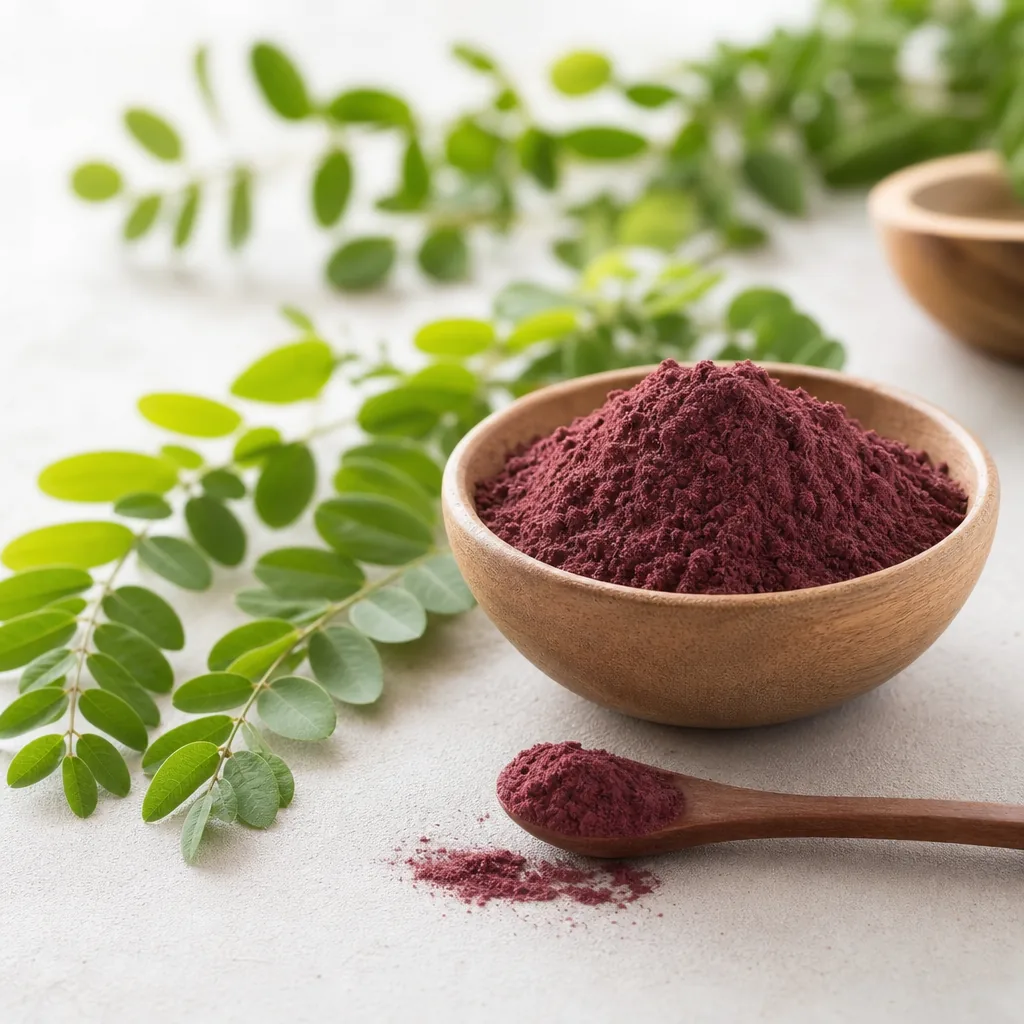
What is Lutein?
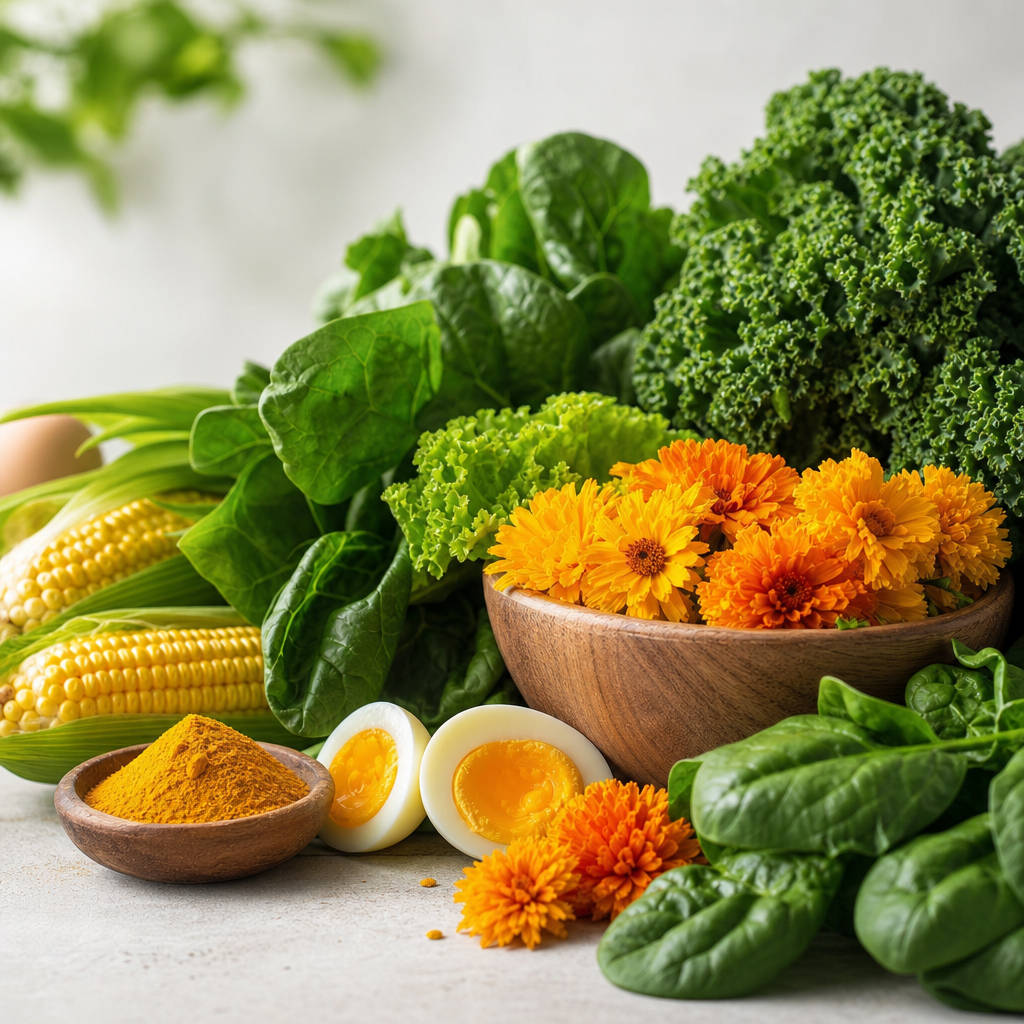
Lutein is a yellow-orange carotenoid in the xanthophyll family, naturally found in many green and yellow vegetables, certain fruits, and egg yolks. In supplements, it is most commonly extracted from marigold (Tagetes erecta) petals and provided as either free lutein or lutein esters. In the human body, lutein concentrates in high amounts in the macula (the central part of the retina responsible for detailed vision) and in the lens of the eye. There it helps filter high-energy blue light and acts as an antioxidant, supporting the structural and functional integrity of ocular tissues.
Lutein is a non-essential, food-derived bioactive rather than a vitamin or mineral. The body does not technically require lutein for survival in the same way it requires essential nutrients; there is no established Recommended Dietary Allowance (RDA). However, consistent intake appears to support macular pigment density and may contribute to long-term eye health. Because dietary patterns vary and modern intakes can be low, lutein is also available as a dietary supplement, either alone or paired with related carotenoids such as zeaxanthin and meso-zeaxanthin.
Benefits of Lutein
-
Supports macular pigment and visual function in age-related macular changes
(Moderate evidence)
Lutein accumulates in the macula as part of the macular pigment, which filters short-wavelength light and helps neutralize reactive oxygen species. Randomized trials and large clinical programs have shown that supplemental lutein (often with zeaxanthin) can increase macular pigment optical density and improve measures such as contrast sensitivity and glare recovery in people with age-related macular changes. Some trials also suggest a modest reduction in progression to advanced age-related macular degeneration (AMD), particularly among individuals with lower dietary carotenoid intake.
-
May help maintain visual performance under glare and high blue-light environments
(Moderate evidence)
By selectively filtering blue light and enhancing macular pigment density, lutein can improve visual outcomes related to glare, photostress recovery, and contrast sensitivity. Multiple controlled studies report functional improvements after weeks to months of consistent intake, especially when combined with zeaxanthin. Benefits tend to build gradually as tissue levels rise.
-
Potential role in reducing risk of cataract development or progression
(Mixed evidence)
Observational studies often link higher dietary or blood levels of lutein and zeaxanthin with lower cataract prevalence or slower progression. However, randomized controlled trials show inconsistent effects on cataract formation or visual acuity once cataracts are present. While a diet rich in lutein-containing foods supports overall eye health, supplemental lutein should not be viewed as a replacement for standard cataract prevention strategies or clinical care.
-
Skin photoprotection and potential support for skin appearance
(Preliminary evidence)
Small clinical studies indicate that lutein, particularly when combined with other antioxidants or delivered in lipid-based forms, may modestly increase skin carotenoid content, improve measures of skin elasticity, and reduce sensitivity to UV-induced erythema. Evidence remains early-stage, with variability in formulations and outcome measures, so findings should be interpreted cautiously.
-
Cognitive health associations in older adults
(Limited evidence)
Lutein is detectable in brain tissue, and observational research links higher lutein status with certain measures of cognitive performance. Some small trials report improvements in aspects of visual processing speed or memory with lutein (often alongside zeaxanthin). Nonetheless, effects are not consistent across studies, and more rigorous, longer-term trials are needed to clarify who benefits and to what extent.
-
General antioxidant and anti-inflammatory support
(Limited evidence)
In vitro and animal data show that lutein can quench reactive oxygen species and modulate inflammatory pathways. Limited human trials suggest small favorable shifts in oxidative stress markers. These findings support a biologically plausible role but do not establish strong clinical outcomes outside eye-related endpoints.
Types or Forms Available
-
Free lutein vs. lutein esters:
Supplements commonly provide free lutein or lutein esters (typically from marigold). In the gut, ester forms are hydrolyzed before absorption. When taken with dietary fat, both forms appear to achieve broadly similar bioavailability, though product quality and formulation matter.
-
Lutein with zeaxanthin (and sometimes meso-zeaxanthin):
Many eye-health formulas pair lutein with zeaxanthin, the other major macular xanthophyll. Some products also include meso-zeaxanthin, which is present in the macula but limited in most diets. Combinations aim to mimic the macular carotenoid profile and may produce additive effects on macular pigment.
-
Oil-based softgels and emulsified beadlets:
Because lutein is fat-soluble, delivery in oils (e.g., safflower, sunflower) or as microencapsulated beadlets can enhance stability and absorption. Taking with a meal containing healthy fat further supports uptake.
-
Food-derived concentrates:
Some supplements emphasize marigold-derived lutein standardized to a specific potency (e.g., 5–20 mg per serving). Others derive lutein from algae or offer blends with additional antioxidants such as vitamin C, vitamin E, or zinc.
-
Functional foods:
Certain products enrich foods (e.g., beverages, bars) with lutein. While convenient, dosing is typically lower and may be less consistent than capsules or softgels.
How to Use Lutein
Most research on ocular outcomes uses daily dosing over weeks to months, with gradual accrual of macular pigment and functional benefits. Pairing lutein with healthy dietary fats improves absorption and may reduce gastrointestinal discomfort. As with many nutrients, consistency matters more than precise timing.
-
Common dosage range:
Typically 6–20 mg lutein per day, often paired with 1–4 mg zeaxanthin. Many eye-health protocols use around 10 mg lutein daily. Higher intakes are not necessarily more effective and can cause benign skin yellowing in some individuals.
-
Best timing:
Take with a main meal that contains fat (e.g., olive oil, avocado, eggs, nuts) to improve absorption. Time of day is flexible.
-
How to take it:
Softgels or capsules with water alongside food are common. Avoid taking lutein at the exact same time as fat-blocking agents (e.g., orlistat) or mineral oil laxatives, which impede carotenoid absorption.
-
Consistency:
Daily use is typically recommended for at least 8–12 weeks to see changes in macular pigment or visual performance, with continued use to maintain levels.
Food Sources and Supplement Options
Lutein is naturally present in many foods and is also widely available as a supplement. Whole-food sources provide additional vitamins, minerals, fiber, and synergistic phytonutrients, while supplements can deliver targeted, consistent doses when diet alone is insufficient.
-
Dark leafy greens: kale, spinach, collard greens, turnip greens
-
Other vegetables: broccoli, Brussels sprouts, green peas, zucchini, pumpkin, corn
-
Egg yolks: modest lutein content but excellent bioavailability due to the lipid matrix
-
Pistachios and other nuts/seeds: contribute smaller amounts
-
Fruits: kiwi, grapes, orange-fleshed melons (varying amounts)
Supplements may be useful for people with low intake of green and yellow vegetables, those seeking structured eye-health protocols, or individuals with conditions that impair fat absorption. In clinical practice, lutein is often combined with zeaxanthin and other antioxidants as part of comprehensive eye-health strategies. Aim to build a baseline with lutein-rich foods and consider supplements for consistency and dosing precision.
Who May Benefit from Lutein?
-
Adults with early or intermediate age-related macular changes, under guidance from an eye-care professional
-
People with low intake of leafy greens and colorful vegetables who want targeted support for macular pigment
-
Older adults seeking to maintain visual performance, especially contrast sensitivity and glare recovery
-
Individuals with high exposure to bright light or outdoor work/sports, where glare tolerance is relevant
-
People experiencing digital eyestrain who want an adjunct strategy while also addressing lighting, screen breaks, and ergonomics
-
Those with conditions or procedures that may reduce fat absorption (e.g., certain gastrointestinal disorders, some bariatric surgeries), after consulting a clinician
Side Effects and Considerations
-
General tolerance:
Lutein is usually well tolerated at typical doses (6–20 mg/day). Occasional reports include mild gastrointestinal discomfort. Very high intakes may cause carotenodermia (yellowing of the skin), a benign and reversible effect.
-
Medication interactions:
Fat-blocking medications (e.g., orlistat), bile acid sequestrants (e.g., cholestyramine, colesevelam), and chronic use of mineral oil laxatives can reduce absorption of fat-soluble carotenoids. Separate dosing and discuss with a healthcare professional.
-
Absorption factors:
Because lutein is fat-soluble, low-fat diets or fasting ingestion can reduce uptake. Consuming lutein with a meal containing healthy fats improves bioavailability.
-
Allergies and source materials:
Many products are derived from marigold (Asteraceae family). People with known sensitivity to related plants should use caution and consider discussing options with a clinician.
-
Combination products:
Eye-health formulas often pair lutein with zeaxanthin and other antioxidants. Avoid duplicating supplements unintentionally, and do not assume that higher doses are better.
-
Medical conditions:
Individuals with gallbladder disease, pancreatic insufficiency, fat-malabsorption syndromes, or liver disease should seek medical advice regarding fat-soluble nutrient supplementation.
-
Pregnancy, breastfeeding, and children:
Food sources are appropriate, but safety data on higher-dose supplements are limited. Consult a qualified healthcare professional before use.
-
Smokers and former smokers:
Unlike high-dose beta-carotene, lutein has not been linked to increased cancer risk in smokers. Still, supplement decisions should be individualized, and tobacco cessation remains the priority.
-
Quality and stability:
Choose products from reputable brands with third-party testing. Lutein can degrade with heat, light, and oxygen; store in a cool, dark place and check expiration dates.
Common Myths About Lutein
-
Lutein cures AMD and restores lost vision.
Evidence shows lutein can increase macular pigment and may modestly slow progression or improve certain visual functions, but it is not a cure and cannot reverse significant retinal damage. It should complement, not replace, clinical care and lifestyle measures.
-
More lutein always means better results.
Studies suggest benefits plateau around common clinical doses (approximately 10–20 mg/day), and higher intakes do not necessarily yield greater improvements. Excess may simply accumulate in the skin and alter coloration without additional ocular benefit.
-
You must take a supplement to get lutein.
Many everyday foods—especially leafy greens and egg yolks—provide lutein. Supplements are useful for targeted dosing or when dietary intake is low, but a food-first approach delivers other valuable nutrients and phytonutrients.
Conclusion
Lutein is a non-essential, food-derived carotenoid that concentrates in the macula and lens, where it supports blue-light filtering and antioxidant defense. Research indicates meaningful support for macular pigment and visual performance, with modest effects on AMD progression in some groups. It may also offer ancillary benefits for skin photoprotection and cognitive measures, though these areas require more robust study. For many people, building a lutein-rich diet—with leafy greens, colorful vegetables, and egg yolks—provides a strong foundation, while supplements can offer consistent dosing when needed.
Choose quality products from reputable brands, match form and dose to your goals, and take lutein with meals that contain healthy fats for best absorption. People who are pregnant, breastfeeding, taking medications, or managing medical conditions should consult a healthcare professional before starting a supplement. A food-first strategy makes sense for most, with targeted supplementation considered for those with low dietary intake, specific visual goals, or guidance from an eye-care professional.