What is Green Tee Leaf?
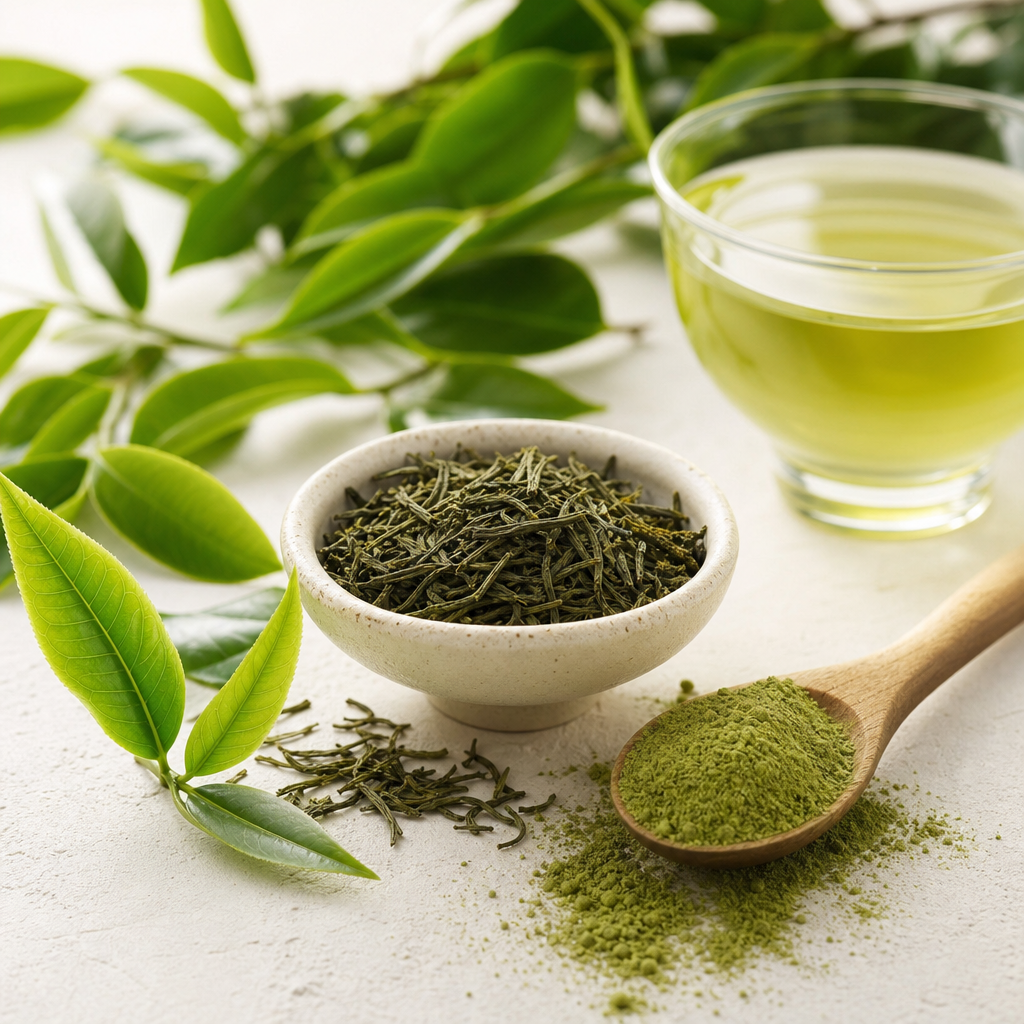
Green Tee Leaf—more commonly known as green tea leaf—comes from the plant Camellia sinensis. Unlike black or oolong tea, green tea is typically steamed or pan-fired shortly after harvest to prevent oxidation, preserving a higher content of catechins (a class of polyphenols). Key bioactives include epigallocatechin gallate (EGCG), other catechins (EGC, ECG, EC), caffeine, and the amino acid L-theanine. These naturally occurring compounds are studied for their effects on metabolic health, cognition, and antioxidant activity.
Green tea leaf is a botanical ingredient and a food-derived bioactive used as a beverage, in culinary applications (for example, matcha in lattes or baking), and as standardized extracts in dietary supplements. It is not an essential nutrient; the body does not require green tea leaf in the way it requires vitamins, minerals, essential fatty acids, or essential amino acids. However, its compounds may support specific aspects of health when used appropriately as part of a balanced lifestyle.
In supplements, green tea extract is often standardized to a defined percentage of catechins and/or EGCG to deliver consistent dosing. As a brewed tea, composition varies by leaf quality, growing conditions, preparation temperature, and steep time. Both forms can be used, with beverages offering a “food-first” approach and extracts providing more targeted dosing when appropriate.
Benefits of Green Tee Leaf
-
Cardiometabolic support (cholesterol and blood pressure)
(Moderate evidence)
Green tea catechins, particularly EGCG, have been associated with small reductions in LDL cholesterol and total cholesterol, and slight improvements in blood pressure. Meta-analyses of randomized trials generally show modest benefits that are most meaningful when combined with diet quality, physical activity, and weight management. The magnitude of change is usually small, but may be relevant for individuals seeking incremental heart-health support.
-
Weight management and fat oxidation
(Mixed evidence)
Green tea’s caffeine-catechin combination can modestly increase energy expenditure and fat oxidation. Some trials show small additional weight or fat loss compared with placebo—especially when caffeine is present—while others show little to no effect. Benefits, when seen, tend to be modest and depend on overall energy balance, training status, and consistency of use.
-
Focus, alertness, and calm attention
(Moderate evidence)
The pairing of caffeine and L-theanine in green tea is linked to improved attention, reaction time, and subjective alertness with fewer jitters than equivalent caffeine alone. Studies suggest L-theanine may promote a calmer, more focused state, making green tea a gentler option for cognitive performance compared with higher-caffeine beverages.
-
Oral health (plaque and breath)
(Moderate evidence)
Catechins exhibit antimicrobial and anti-biofilm properties that can reduce dental plaque accumulation and improve breath when used as a beverage, mouth rinse, or in oral-care formulations. Clinical studies indicate small but meaningful improvements when green tea is part of a comprehensive oral hygiene routine (brushing, flossing, and dental checkups).
-
Blood sugar and insulin sensitivity
(Mixed evidence)
Some trials and meta-analyses report small improvements in fasting glucose or HbA1c with green tea or green tea extract, while others show no significant effect. Any benefit appears modest and is most likely when green tea complements exercise, weight management, and a balanced dietary pattern.
-
Exercise and endurance support
(Limited evidence)
Early research suggests green tea catechins may increase fat oxidation during submaximal exercise and support modest endurance improvements, potentially via mitochondrial and metabolic pathways. Effects are not consistent across studies and appear relatively small, making training, nutrition, sleep, and hydration higher priorities for performance.
-
Skin and photoprotection
(Preliminary evidence)
EGCG and related catechins show antioxidant and anti-inflammatory actions that may contribute to modest photoprotective effects in early human studies and topical applications. Evidence remains preliminary; sunscreen and sun-safe behaviors remain essential.
Types or Forms Available
-
Brewed green tea (loose leaf or tea bags)
: Traditional infusion provides caffeine, L-theanine, and catechins. Content varies by cultivar, flush, water temperature, and steep time. Typical 240 mL cup may provide ~50–100 mg EGCG and 20–45 mg caffeine.
-
Matcha powder
: Finely ground whole green tea leaves consumed in suspension. Often higher in caffeine and catechins per serving than standard brewed tea because you ingest the leaf. Quality (ceremonial vs. culinary), serving size, and preparation strongly affect potency.
-
Standardized green tea extract (GTE) capsules
: Labeled to specific catechin/EGCG content (e.g., 70–80% catechins, 40–60% EGCG). Enables more predictable dosing but requires attention to safety, especially at higher EGCG intakes.
-
Decaffeinated green tea and extracts
: Useful for those sensitive to caffeine. Decaf teas and extracts still contain catechins, though levels may be somewhat lower depending on processing.
-
Ready-to-drink (RTD) green teas
: Convenient, but some products are sweetened or contain minimal catechins due to processing. Check labels for added sugars and actual tea extract content.
-
Topical formulations
: Creams or serums with EGCG or green tea polyphenols for cosmetic use. These act locally on skin and are distinct from dietary supplementation.
How to Use Green Tee Leaf
Approach green tea leaf with a food-first mindset: most people can start with brewed tea or matcha and evaluate tolerance and goals. Supplements may be considered for targeted dosing when a healthcare professional deems it appropriate.
-
Common dosage range:
- Brewed tea: 1–4 cups per day often provides roughly 200–400 mg total catechins (varies widely).
- Matcha: commonly 1–2 grams of powder per serving, often delivering 60–80 mg caffeine and meaningful catechins.
- Extracts: many products provide 250–500 mg green tea extract (standardized) supplying about 100–300 mg EGCG daily. To reduce liver risk, avoid very high intakes; intakes at or above ~800 mg EGCG/day from supplements have been linked to liver injury in some reports.
-
Best timing:
Morning or early afternoon suits most people due to caffeine. Some athletes take it 30–60 minutes before training for alertness. Avoid late-evening use if you are sensitive to caffeine or have sleep issues.
-
How to take it:
Brew tea using hot (not boiling) water—about 70–80°C (160–175°F)—for 2–3 minutes to limit bitterness and preserve catechins. Extracts are generally best taken with food to reduce gastrointestinal discomfort and help protect the liver. If you take iron supplements or eat iron-rich plant meals, consider having tea at least 1–2 hours away to minimize interference with non-heme iron absorption.
-
Consistency:
Benefits such as lipid or oral-health support typically require regular use over weeks. Green tea does not need to be taken daily by everyone; adjust based on tolerance, goals, and guidance from a healthcare professional if you use concentrated extracts.
Food Sources and Supplement Options
Green tea leaf is the young, minimally oxidized leaf of Camellia sinensis. It is naturally consumed as a beverage or as matcha powder and is also available in dietary supplements standardized to catechins or EGCG. Whole-tea preparations provide a complex matrix of bioactives, hydration, and a gentler intake profile, while supplements offer targeted dosing for specific goals or research-backed ranges.
-
Sencha, bancha, and gyokuro (Japanese green teas)
-
Longjing (Dragon Well) and Biluochun (Chinese green teas)
-
Matcha (stone-ground green tea powder)
-
Jasmine green tea (scented with jasmine blossoms)
-
Decaffeinated green tea varieties
Supplementation may make sense for individuals seeking consistent catechin or EGCG intakes that are difficult to achieve with beverages alone, or for those who do not enjoy tea. However, supplements concentrate active compounds and therefore require more caution regarding dose, liver safety, and interactions. Whole-tea beverages often provide a safer, food-first approach with additional hydration and a broader nutrient context.
Who May Benefit from Green Tee Leaf?
-
People who enjoy tea and want a gentle daily beverage that can support cardiometabolic markers as part of a healthy lifestyle.
-
Individuals seeking a moderate, smoother caffeine source with L-theanine for focus without the intensity of coffee.
-
Those aiming for modest, incremental support for cholesterol or blood pressure alongside diet and exercise.
-
Active individuals or endurance athletes looking for a small boost in alertness and fat oxidation during training.
-
People interested in oral health support as an adjunct to brushing, flossing, and routine dental care.
-
Those who prefer decaffeinated options yet still want some polyphenol intake (decaf green tea or decaf extracts).
-
Individuals who do not regularly consume polyphenol-rich foods and want a simple way to include them.
Side Effects and Considerations
-
Caffeine-related effects:
Jitters, anxiety, rapid heartbeat, and insomnia can occur, especially with matcha or multiple cups. Start low and avoid late-day use if sensitive.
-
Liver safety with high-dose extracts:
Concentrated green tea extracts taken on an empty stomach or at high EGCG intakes have been associated with rare but serious liver injury. Take extracts with food, avoid very high doses, and discontinue if you develop symptoms such as dark urine, fatigue, abdominal pain, or jaundice. Seek medical advice for any concerning symptoms.
-
Gastrointestinal upset:
Nausea or stomach discomfort may occur, particularly with strong or concentrated preparations. Food co-administration usually helps.
-
Iron absorption:
Tea polyphenols can inhibit non-heme iron absorption. Separate from iron supplements and iron-rich plant meals by 1–2 hours, especially for individuals with iron-deficiency risk (e.g., some pregnant people, children, and those with low iron status).
-
Medication interactions:
Green tea may reduce the absorption of certain drugs (e.g., the beta-blocker nadolol via intestinal transporters). There are also theoretical or reported interactions with stimulant medications and anticoagulants/antiplatelets. A specific concern exists for bortezomib (a cancer medicine), where green tea polyphenols may interfere with its action—avoid unless cleared by your oncology team.
-
Warfarin and vitamin K variability:
Green tea leaf contains small amounts of vitamin K. While brewed tea is generally low, large or variable intakes might affect warfarin therapy in sensitive individuals. Maintain consistent intake and coordinate with your clinician.
-
Pregnancy and breastfeeding:
Limit total caffeine; many guidelines suggest staying below 200 mg caffeine per day. Consider decaf options and separate tea from prenatal iron supplements. Consult a healthcare professional before using extracts.
-
Children and adolescents:
Be cautious with caffeine. Non-caffeinated or decaf options may be more suitable, and concentrated extracts are generally not recommended without medical guidance.
-
Cardiac, anxiety, and GI conditions:
People with arrhythmias, panic or anxiety disorders, GERD, or peptic ulcers may be more sensitive to caffeine and catechins. Adjust intake or choose decaf under professional guidance.
-
Surgery:
Because of caffeine’s effects on heart rate and blood pressure, and potential interactions, discontinue high-caffeine products and extracts before surgery as advised by your medical team.
-
Quality and contamination:
Choose third-party tested supplements with clearly stated catechin/EGCG content. Avoid proprietary blends that obscure dosing and products making extreme weight-loss or disease-cure claims.
Common Myths About Green Tee Leaf
-
“Green tea melts fat rapidly and replaces diet or exercise.”
Green tea may slightly increase calorie burn and fat oxidation, but effects are modest. Sustainable weight management still relies on nutrition, activity, sleep, and behavioral strategies.
-
“Decaf green tea has no benefits.”
Decaffeinated green tea can still provide catechins and L-theanine, though levels may be somewhat reduced. It remains a reasonable option for caffeine-sensitive individuals.
-
“More is always better—high-dose extracts are safest and most effective.”
Very high EGCG doses, especially from supplements taken on an empty stomach, increase risk of liver injury without guaranteeing extra benefit. Sensible, food-first intakes and moderate supplemental doses are safer.
-
“Green tea prevents cancer.”
While laboratory research is promising and observational data are mixed, clinical evidence does not support relying on green tea to prevent or treat cancer. It should not replace screening or medical care.
-
“Matcha is automatically superior to all other teas.”
Matcha can be richer in catechins and caffeine because you consume the ground leaf, but potency varies by cultivar, shading, harvest, storage, and preparation. High quality brewed loose-leaf teas can also be rich in polyphenols.
Conclusion
Green Tee Leaf offers a versatile, food-first way to add polyphenols, L-theanine, and moderate caffeine to your day, with most consistent support seen for small improvements in cardiometabolic markers, cognitive alertness, and oral health. Benefits are incremental rather than dramatic and work best alongside a nutritious diet, exercise, and adequate sleep. Many people will do well with 1–3 cups of brewed tea daily or occasional matcha; supplements can provide targeted catechin or EGCG dosing when warranted.
Use caution with concentrated extracts, especially at higher EGCG intakes or when fasting, due to rare but serious liver risks and potential drug interactions. Those who are pregnant, breastfeeding, taking medications, or managing medical conditions should consult a healthcare professional before using supplements. Prioritize quality, choose third-party tested products with transparent labeling, and consider whether a food-first approach—brewed tea or matcha—meets your goals before turning to capsules.