What is Red Clover?
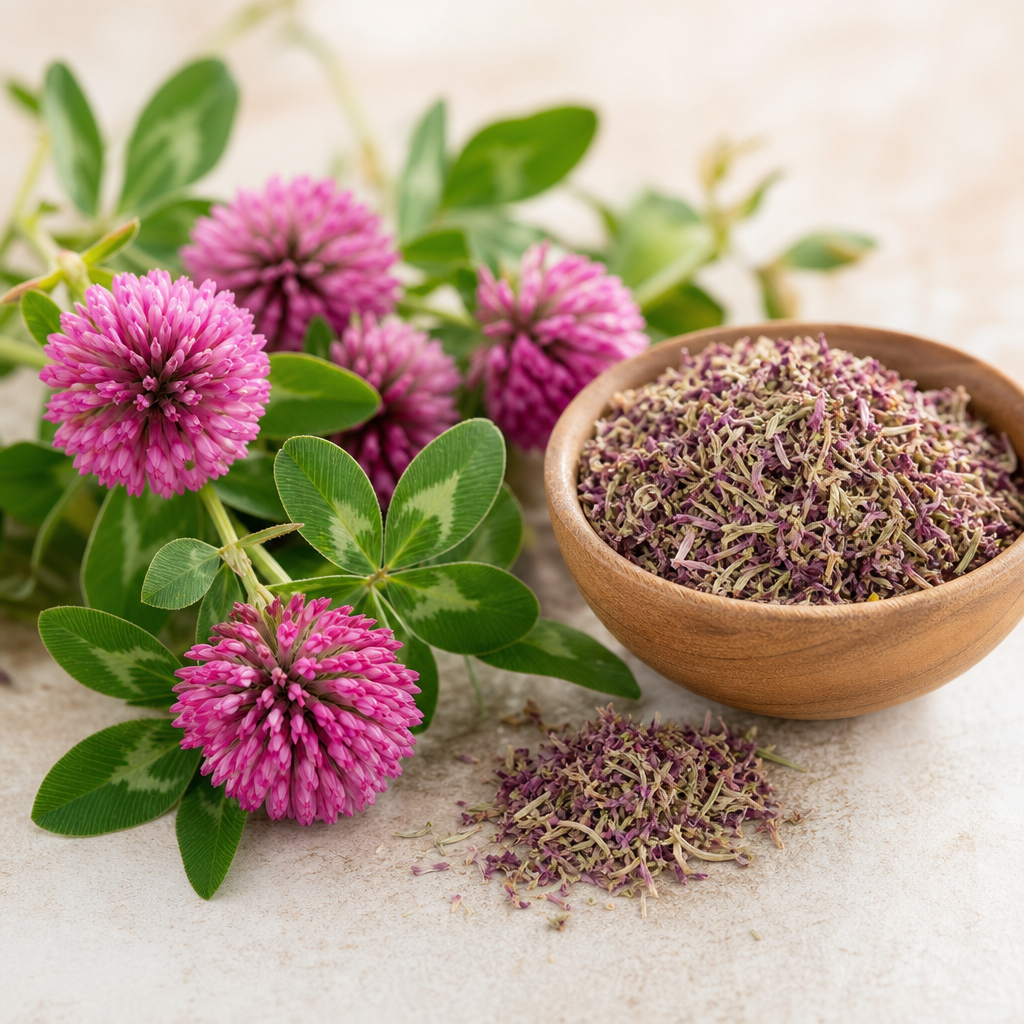
Red clover (Trifolium pratense) is a flowering plant in the legume family traditionally used in European and North American herbal practices. The pink-red blossoms and aerial parts contain naturally occurring isoflavones—plant compounds with mild estrogen-like activity—such as formononetin, biochanin A, daidzein, and genistein (often formed in the body from precursors). Red clover is typically consumed as a tea, tincture, or capsule, and is marketed as a dietary supplement rather than a food.
In wellness contexts, red clover is most often explored for support during perimenopause and postmenopause, including hot flashes and related quality-of-life concerns. Some research has also examined its effects on bone turnover markers and blood lipids. Red clover is an herb/botanical, not an essential nutrient; the body does not require it in the way it requires vitamins, minerals, essential amino acids, or essential fatty acids. Its use is optional and goal-specific, and it should be considered alongside—never in place of—evidence-based medical care and lifestyle strategies.
Benefits of Red Clover
-
Menopausal hot flashes and vasomotor symptoms
(Mixed evidence)
Red clover isoflavone extracts have been studied for reducing the frequency and severity of hot flashes. Some randomized trials show modest improvements compared with placebo, while others show little to no difference. When benefits occur, they are typically modest and may take several weeks of consistent use. Red clover is not a substitute for hormone therapy, but it can be considered by individuals seeking a plant-based approach and willing to try a time-limited trial.
-
Quality of life and mood during menopause
(Limited evidence)
A subset of studies report small improvements in menopause-related quality-of-life scores (e.g., sleep, irritability, or general well-being) alongside potential changes in hot flashes. Effects are inconsistent and vary by extract standardization, dose, and study design. Any improvements, when seen, appear modest and individualized.
-
Bone health markers in postmenopausal adults
(Limited evidence)
Red clover isoflavones may influence bone turnover markers and, in some studies, have shown small, site-specific effects on bone mineral density over longer durations. Findings are not uniform, and red clover should not be used as a primary therapy for osteoporosis. At best, it may serve as an adjunct to proven strategies such as resistance training, adequate calcium and vitamin D, and clinician-guided therapy when indicated.
-
Lipid profile and cardiovascular markers
(Mixed evidence)
Some trials report modest reductions in total and LDL cholesterol or small improvements in arterial stiffness with standardized red clover isoflavones, while others are neutral. Any changes tend to be small and should not replace diet, physical activity, or prescribed lipid-lowering medications. Red clover may be considered a supportive option in select individuals alongside lifestyle interventions.
-
Lower urinary tract symptoms in men (BPH)
(Preliminary evidence)
Early studies have explored red clover isoflavones for benign prostatic hyperplasia (BPH) symptoms, with some reporting minor improvements in urinary flow or symptom scores. Evidence is limited and not definitive. Men with urinary symptoms should first seek medical evaluation to rule out other causes and discuss appropriate treatments.
-
Antioxidant and anti-inflammatory activity
(Preliminary evidence)
In vitro and small human studies suggest red clover polyphenols may contribute to antioxidant effects and modest shifts in inflammatory markers. Clinical significance is uncertain, and these findings should be considered exploratory rather than therapeutic.
Types or Forms Available
-
Standardized isoflavone extracts (capsules/tablets):
Often standardized to provide a specific amount of total isoflavones per serving (commonly 40–80 mg/day from the full daily dose). Standardization improves dosing consistency compared with teas or non-standardized powders.
-
Dried blossoms/aerial parts (herbal tea):
The traditional form. Isoflavone content varies by plant, harvest time, and preparation. Teas can be soothing but offer less precise dosing and often a lower, more variable isoflavone yield than standardized extracts.
-
Tinctures/liquid extracts:
Alcohol- or glycerin-based extracts of the aerial parts. Potency depends on the ratio and manufacturer practices. Useful for those who prefer liquids or need flexible dosing, but standardization to exact isoflavone content is less common.
-
Fermented extracts:
Some products use fermentation to increase the proportion of aglycone isoflavones, potentially affecting bioavailability. Human data comparing fermented versus non-fermented red clover are limited.
-
Topical creams/serums:
Marketed for skin or menopausal comfort, but robust clinical data are sparse. Systemic effects from topical use are uncertain; topical products are generally considered adjunctive and experimental.
How to Use Red Clover
Red clover is usually taken for a specific goal (e.g., menopausal symptoms) and evaluated over a set trial period to determine benefit. Because responses vary, a practical approach is to select a quality product, use it consistently, and reassess after several weeks.
-
Common dosage range:
Many standardized supplements aim for a total of 40–80 mg of isoflavones per day from red clover extract, split once or twice daily. For teas, traditional use often involves 1–2 teaspoons (about 1–2 grams) of dried blossoms per cup, steeped 10–15 minutes, up to 1–3 cups daily; actual isoflavone intake is less precise. Always follow the product label and avoid exceeding recommended doses.
-
Best timing:
Timing is not critical. Splitting the dose with breakfast and dinner may improve tolerance and maintain steadier intake across the day.
-
How to take it:
Take capsules with water and, if sensitive, with food to reduce stomach upset. Teas can be consumed between meals or with meals. If using liquid extracts or tinctures, dilute in water or tea as directed by the manufacturer.
-
Consistency:
Consistent daily use is typically needed for at least 6–12 weeks to fairly judge effects on hot flashes or related outcomes. If no meaningful benefit is seen after this period, reconsider continued use with a healthcare professional.
Food Sources and Supplement Options
Red clover is an herb rather than a common dietary staple. The flowers and young leaves are edible and sometimes used in herbal teas or as foraged additions to salads, but they are not a significant or routine source of nutrients in most diets. Isoflavone content in food-like preparations varies widely by plant and preparation method.
Because of this variability, people seeking a consistent isoflavone dose often choose standardized supplements. Supplements may make sense for individuals who want to trial red clover specifically for menopausal symptoms or for adjunctive support with lipids, under professional guidance. Whole-herb teas can offer a gentler, traditional option with additional plant compounds beyond isoflavones, though dosing is less precise. In general, a food-first approach is best for overall nutrition, while supplements provide a targeted, measured amount of specific constituents when desired.
Who May Benefit from Red Clover?
-
Perimenopausal or postmenopausal individuals seeking a plant-based option for mild to moderate hot flashes, after discussing alternatives and safety with a clinician.
-
Those who prefer not to use, or cannot use, hormone therapy and want to trial a non-hormonal botanical approach, recognizing that benefits, if any, are usually modest.
-
Postmenopausal adults looking for adjunctive support for bone or lipid markers alongside established strategies (nutrition, resistance training, and prescribed therapies).
-
Men with mild lower urinary tract symptoms interested in botanical options, after medical evaluation to exclude other causes and with awareness that evidence is preliminary.
-
Individuals with low dietary exposure to isoflavone-containing foods (e.g., minimal soy intake) who are curious about a time-limited trial under professional guidance.
Side Effects and Considerations
-
Hormone-sensitive conditions:
Because red clover contains phytoestrogens, people with current or past hormone-sensitive cancers (e.g., breast, uterine, ovarian), endometriosis, or uterine fibroids should consult an oncologist or gynecologist before use; some may be advised to avoid it.
-
Medication interactions:
Red clover may increase bleeding risk when combined with anticoagulants (e.g., warfarin) or antiplatelet drugs due to natural coumarin content. It may also interact with selective estrogen receptor modulators (e.g., tamoxifen) or aromatase inhibitors; discuss with your prescriber.
-
Pregnancy, breastfeeding, and children:
Safety is not established. Due to potential estrogenic activity, avoid use during pregnancy, while breastfeeding, and in children unless specifically recommended by a qualified clinician.
-
Liver and kidney considerations:
Rare reports of liver-related adverse effects exist with multi-herb products. If you have liver or kidney disease, use only with medical supervision and monitor for symptoms such as dark urine, jaundice, or unusual fatigue.
-
Thyroid considerations:
Isoflavones can influence thyroid function in susceptible individuals, especially with low iodine status. If you have a thyroid condition or take levothyroxine, consult your clinician and separate dosing by several hours.
-
Surgery and dental procedures:
Due to potential effects on bleeding, discontinue red clover at least 1–2 weeks before scheduled procedures, or as advised by your surgeon or dentist.
-
Common side effects:
Generally mild when they occur—gastrointestinal upset, headache, rash, or dizziness. Discontinue and seek care if you experience persistent or severe symptoms.
-
Allergies and cross-reactivity:
Red clover is a legume. People with known allergies to other legumes (e.g., soy, peanut) should exercise caution and consider supervised introduction.
-
Quality and contamination:
Choose products from reputable brands with third-party testing (e.g., USP, NSF, Informed Choice) to reduce risk of adulteration, pesticide residues, or inaccurate isoflavone content.
-
Duration of use and monitoring:
If trying red clover for a specific goal, reassess after 8–12 weeks. Continue only if benefits outweigh risks, and review regularly with a healthcare professional, especially if you take medications or manage a medical condition.
Common Myths About Red Clover
-
Myth: Red clover is a natural equivalent to hormone therapy.
Red clover contains weak phytoestrogens, not human hormones. Clinical trials show modest or inconsistent effects on hot flashes, and it does not match the potency or reliability of prescribed hormone therapy. Decisions about hormone therapy should be made with a clinician based on risks, benefits, and personal preferences.
-
Myth: If it’s natural, it’s automatically safe for everyone.
“Natural” does not guarantee safety. Red clover may interact with anticoagulants and hormone-related medications, and may be inappropriate for people with hormone-sensitive conditions. Pregnancy, breastfeeding, and pediatric use are not well studied and generally not advised without medical oversight.
-
Myth: Red clover will stop hot flashes immediately.
When benefits occur, they tend to be modest and gradual. A fair trial often requires 6–12 weeks of consistent use, and some people do not respond. Lifestyle measures and clinician-guided therapies remain important.
-
Myth: Red clover prevents breast cancer.
There is no solid clinical evidence that red clover prevents cancer. Laboratory studies are not the same as human outcomes, and people with or at risk for hormone-sensitive cancers should consult their oncology team before considering red clover.
Conclusion
Red clover is a traditional herb that provides isoflavones with mild estrogen-like activity. It may offer modest support for menopausal hot flashes and related quality-of-life concerns, with potential but inconsistent effects on bone and lipid markers. Because responses vary and effects are generally small, a time-limited, well-monitored trial—paired with lifestyle strategies and regular medical care—makes the most sense.
Those who are pregnant, breastfeeding, taking medications, or managing medical conditions should consult a healthcare professional before use. People with hormone-sensitive conditions, bleeding risks, or thyroid issues require particular caution. If choosing a supplement, prioritize products with clear isoflavone standardization and independent quality testing. While whole foods should anchor overall nutrition, red clover supplements can provide targeted, measured amounts of specific compounds when a person’s goals and health status suggest a thoughtful trial is appropriate.