What is Manganese?
Manganese is an essential trace mineral—meaning the body requires it in very small amounts to function properly. It occurs naturally in the earth’s crust and is found in many plant-based foods, especially whole grains, legumes, nuts, seeds, and some fruits and vegetables. In the body, manganese serves as a cofactor for multiple enzymes (manganese-dependent enzymes) involved in energy metabolism, antioxidant defenses, connective tissue formation, and neurotransmitter synthesis.
Biologically, manganese is best known for its role in the mitochondrial antioxidant enzyme manganese superoxide dismutase (MnSOD), which helps protect cells from oxidative damage. It also supports enzymes needed to build cartilage and bone matrix, and contributes to normal carbohydrate, cholesterol, and amino acid metabolism. While manganese can be purchased as a dietary supplement on its own or as part of a multivitamin–multimineral formula, it is first and foremost an essential nutrient commonly obtained through a varied diet.
Benefits of Manganese
-
Antioxidant defense via MnSOD
(Moderate evidence)
Manganese is required to activate manganese superoxide dismutase (MnSOD), a key mitochondrial enzyme that converts superoxide radicals into less reactive molecules. Adequate manganese status supports cellular resilience to oxidative stress. Human data consistently demonstrate manganese’s biochemical role, although trials showing symptom-level outcomes from supplementation alone are limited; benefits are most relevant when correcting low intake or as part of overall micronutrient adequacy.
-
Bone and connective tissue support
(Mixed evidence)
Manganese-dependent enzymes participate in the formation of proteoglycans and collagen, components of bone, cartilage, and connective tissue. Some studies using multi-mineral combinations (e.g., with calcium, zinc, and copper) report small improvements in bone markers or density, especially in postmenopausal adults, while manganese alone has not consistently improved outcomes. Overall, maintaining adequate intake is prudent for skeletal health, but manganese supplementation as a stand-alone bone strategy has mixed support.
-
Carbohydrate and lipid metabolism
(Limited to mixed evidence)
Manganese is a cofactor for enzymes involved in glucose and cholesterol pathways. Observational research links both low and very high manganese status with metabolic dysfunction, suggesting a U-shaped relationship. Small trials have not established clear benefits of supplementation for blood sugar or lipids in otherwise well-nourished people. Ensuring adequate dietary intake remains the most evidence-aligned approach.
-
Joint health when combined with other ingredients
(Mixed evidence)
Some osteoarthritis products include small amounts of manganese alongside glucosamine and chondroitin. A few studies suggest additive symptom relief, but others show minimal benefit, and the specific contribution of manganese is unclear. If used, it should be part of a broader plan that includes exercise, weight management, and guidance from a healthcare professional.
-
Wound healing and collagen formation
(Limited evidence)
Because manganese supports enzymes that build collagen and connective tissue, it may help normal wound repair. Human evidence for supplementation is limited, and benefits are most plausible when correcting low intake or combined with other nutrients (e.g., vitamin C, zinc, copper, and protein) known to support healing.
-
Neurological enzyme function
(Preliminary evidence)
Manganese participates in the synthesis of certain neurotransmitters and antioxidant enzymes in the brain. While adequate intake is essential for normal function, high exposures are neurotoxic. Supplementation beyond typical dietary amounts has not been shown to improve cognition or mood in healthy adults, so routine high-dose use is not recommended.
Deficiency or Low Levels of Manganese
-
Common signs of low levels:
True deficiency is rare, but when it occurs (e.g., in long-term inadequate intake or parenteral nutrition without trace elements), reported features have included poor growth in children, altered bone or cartilage development, dermatitis or skin rashes, slowed hair and nail growth, changes in cholesterol or carbohydrate metabolism, and impaired wound healing. Signs are often nonspecific and can overlap with other nutrient shortfalls.
-
Who may be at risk:
People on long-term parenteral nutrition without a complete trace element mix; those with significant malabsorption (e.g., untreated celiac disease, inflammatory bowel disease, or after certain bariatric surgeries); individuals with very restricted or highly refined diets low in whole grains, nuts, legumes, and vegetables; and possibly older adults with poor overall intake. High intakes of iron or calcium can reduce manganese absorption marginally, which may matter only when manganese intake is already low.
-
How it is checked:
Assessing manganese status is challenging. Plasma or serum manganese varies with recent intake and is not a perfect marker. Whole blood or red blood cell manganese and functional measures (such as MnSOD activity) may provide additional context but are not widely available. Hair testing is controversial and prone to contamination; it is not a reliable standalone tool. Clinical assessment focuses on diet, risk factors, and, when appropriate, specialized laboratory testing interpreted by a knowledgeable clinician.
Types or Forms Available
-
Manganese gluconate, citrate, or bisglycinate (chelated forms):
These organic salts or chelates are commonly used in supplements and tend to have good bioavailability and tolerability at typical doses.
-
Manganese sulfate or chloride:
Inorganic salts often found in multivitamin–multimineral products. They are well-studied and generally effective for meeting intake targets when used appropriately.
-
Manganese oxide:
Less expensive but has lower bioavailability compared with other forms. It may still raise status over time but is typically not preferred when precise repletion is the goal.
Food-based manganese is abundant in whole grains, nuts, seeds, legumes, and tea. For most people, varied diet patterns supply sufficient manganese, making form differences most relevant for those using supplements to meet specific intake goals.
How to Use Manganese
-
Common dosage range:
Typical supplemental intakes are 1–5 mg per day, often delivered as part of a multivitamin–multimineral. The Adequate Intake (AI) for adults is about 2.3 mg/day for men and 1.8 mg/day for women (2.0 mg/day in pregnancy and 2.6 mg/day in lactation). The Tolerable Upper Intake Level (UL) for adults is 11 mg/day from all sources. Do not exceed the UL unless specifically supervised by a clinician.
-
Best timing:
Take with meals to enhance tolerance and align with natural absorption. If you also take iron, calcium, magnesium, or zinc, consider separating doses by at least 2 hours to minimize competition for absorption.
-
How to take it:
Swallow with water and a meal or snack. If you are prescribed tetracycline or fluoroquinolone antibiotics, take manganese-containing supplements at least 2–4 hours apart to avoid interactions.
-
Consistency:
Daily use is typically only necessary when overall intake is low or when a clinician recommends supplementation. Many people meet needs through food alone or via a standard multivitamin–multimineral that provides around 1–2 mg.
Food Sources and Supplement Options
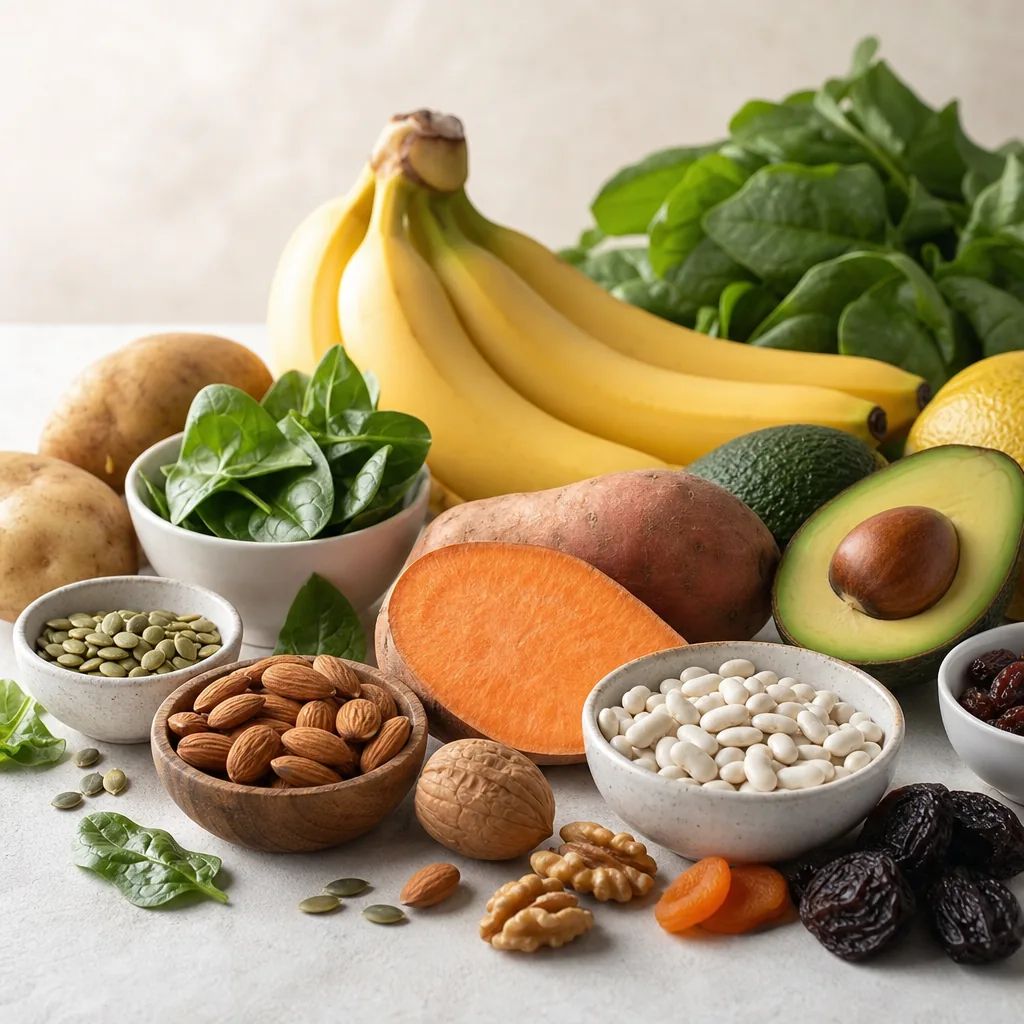
Manganese is naturally present in many foods and also available as a dietary supplement. Most adults can meet their needs through a balanced diet emphasizing plant foods. Supplements can help people with low intake, limited diets, or medically documented insufficiency reach recommended levels without exceeding safe limits.
-
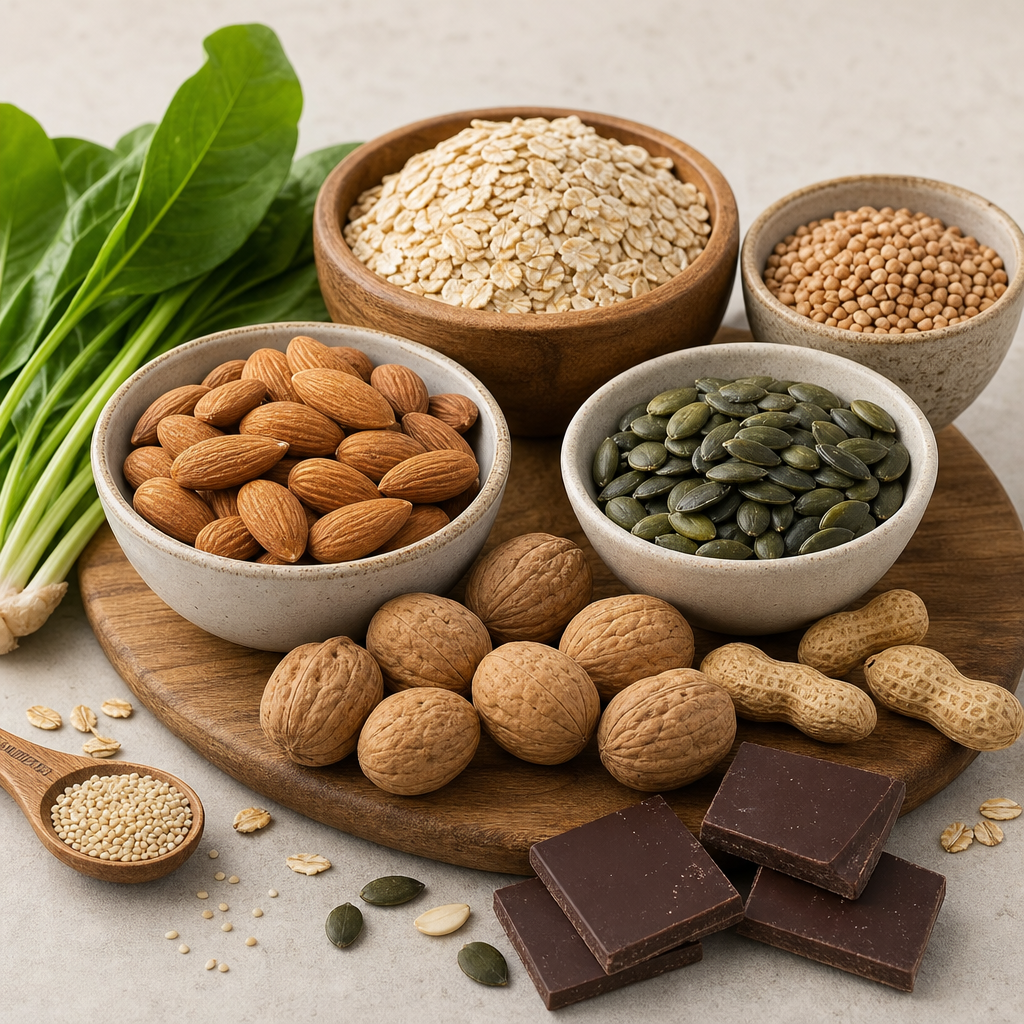
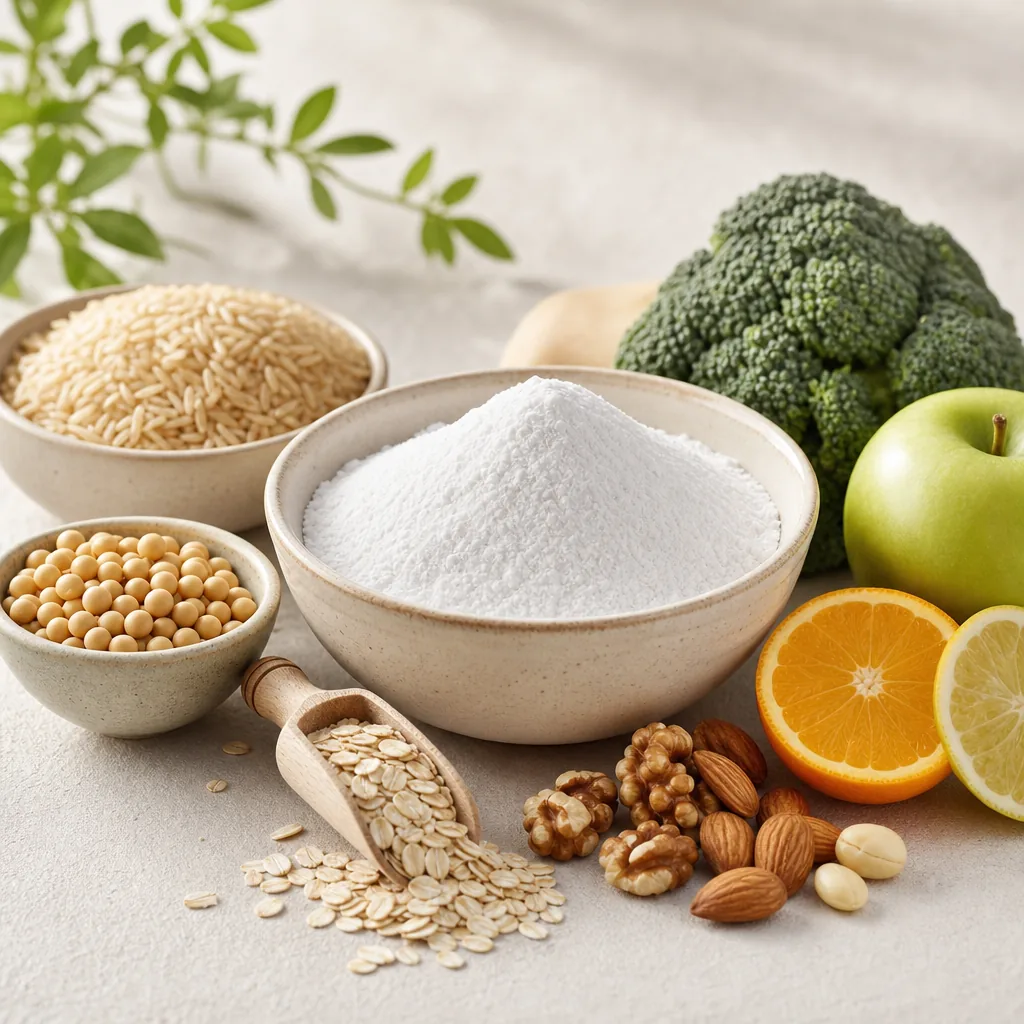
Whole grains: oats, brown rice, quinoa, whole wheat, bran
-
Nuts and seeds: hazelnuts, pecans, walnuts, almonds, pumpkin and sesame seeds
-
Legumes: chickpeas, lentils, soybeans, black beans
-
Leafy greens and vegetables: spinach, kale, sweet potatoes
-
Fruits: pineapple, blueberries
-
Beverages and spices: tea (especially black tea), cloves, cinnamon
-
Seafood: mussels, clams (amounts vary)
Whole foods supply manganese alongside fiber, polyphenols, and other vitamins and minerals that collectively support health. Supplements offer targeted dosing and can be useful when intake is low, absorption is impaired, or a healthcare professional recommends a specific regimen. Choose products from reputable brands with third-party testing for quality and avoid formulas that provide amounts approaching or exceeding the UL without medical supervision.
Who May Benefit from Manganese?
-
People with very limited or highly refined diets that are low in whole grains, legumes, nuts, and vegetables
-
Individuals with malabsorption or after bariatric surgery, under clinician guidance
-
Those on long-term parenteral nutrition who require a balanced trace element formulation
-
Postmenopausal adults using multi-mineral bone-support formulas, as part of a broader bone-health plan
-
Athletes following restrictive diets who may struggle to meet trace mineral needs through food alone
-
Older adults with reduced appetite or limited food variety
Side Effects and Considerations
-
Do not exceed safe intakes:
Chronic intakes above the adult UL of 11 mg/day from all sources can increase the risk of adverse effects, including neurological symptoms. Most people do not need high-dose manganese.
-
Neurotoxicity at high exposure:
Very high manganese exposure—especially from occupational inhalation or excessive supplemental intake—can cause neurological symptoms (e.g., tremor or Parkinsonian features). People with liver or biliary disease are at higher risk because manganese is excreted primarily via bile.
-
Drug interactions:
Manganese can chelate with tetracycline and fluoroquinolone antibiotics, reducing absorption of both; separate dosing by at least 2–4 hours. Chelating agents (e.g., EDTA) can also lower manganese status.
-
Mineral competition:
High-dose iron or calcium can reduce manganese absorption; if both are needed, consider spacing doses. Conversely, iron deficiency can increase manganese absorption and retention, so correcting iron deficiency is important.
-
Special populations:
Pregnant or breastfeeding individuals, children, and people managing medical conditions should consult a healthcare professional before using supplements. Neonates and premature infants are particularly sensitive to excess manganese from formula or parenteral nutrition.
-
Liver and kidney concerns:
Because manganese is cleared mainly through the liver and bile, anyone with significant liver disease or cholestasis should avoid supplementation unless medically supervised. Although kidneys are less involved in manganese clearance, advanced kidney disease warrants caution with any trace mineral supplementation.
-
Water and product quality:
Some well water can contain elevated manganese. If water manganese is high or unknown, avoid additional supplemental manganese and consider water testing. Choose supplements with third-party certification to reduce contamination risk.
-
Upcoming surgery:
Inform your surgical team about all supplements. While manganese does not typically affect bleeding at usual intakes, comprehensive disclosure helps prevent interactions and ensures appropriate perioperative care.
Common Myths About Manganese
-
“More manganese means stronger bones.”
While manganese participates in bone matrix formation, studies of manganese alone have not consistently improved bone density or fracture risk. Benefits, when seen, usually occur in multi-mineral combinations and are modest. Excess intake can be harmful.
-
“Manganese cures diabetes or high cholesterol.”
Manganese-dependent enzymes are involved in glucose and lipid pathways, but supplementation has not been proven to treat metabolic diseases. Observational data are mixed, and routine high-dose use for these conditions is not supported.
-
“Manganese deficiency is common.”
True deficiency is rare in the general population with access to varied foods. It is more likely in people with severe malabsorption, highly restricted diets, or inadequate parenteral nutrition. Most people meet needs through food or a standard multivitamin–multimineral.
-
“Manganese is just another name for magnesium.”
They are different minerals with distinct roles. Manganese is a trace element needed in milligram amounts; magnesium is a macro-mineral required in much larger amounts and affects muscle and nerve activity, among many functions.
Conclusion
Manganese is an essential trace mineral that supports antioxidant defenses, connective tissue integrity, and normal metabolism. Most people can meet their needs through a diet rich in whole grains, legumes, nuts, seeds, and vegetables. Supplements can be useful for individuals with low intake, malabsorption, or specific clinical needs, but routine high-dose use is unnecessary and potentially unsafe.
If you choose a supplement, select a reputable product providing a conservative dose, take it with meals, and separate it from interacting medications. People who are pregnant or breastfeeding, taking medications, or managing medical conditions—especially liver disease—should consult a healthcare professional before use. A food-first approach is generally best, with supplements reserved for targeted, evidence-informed situations.