What is Moringa?
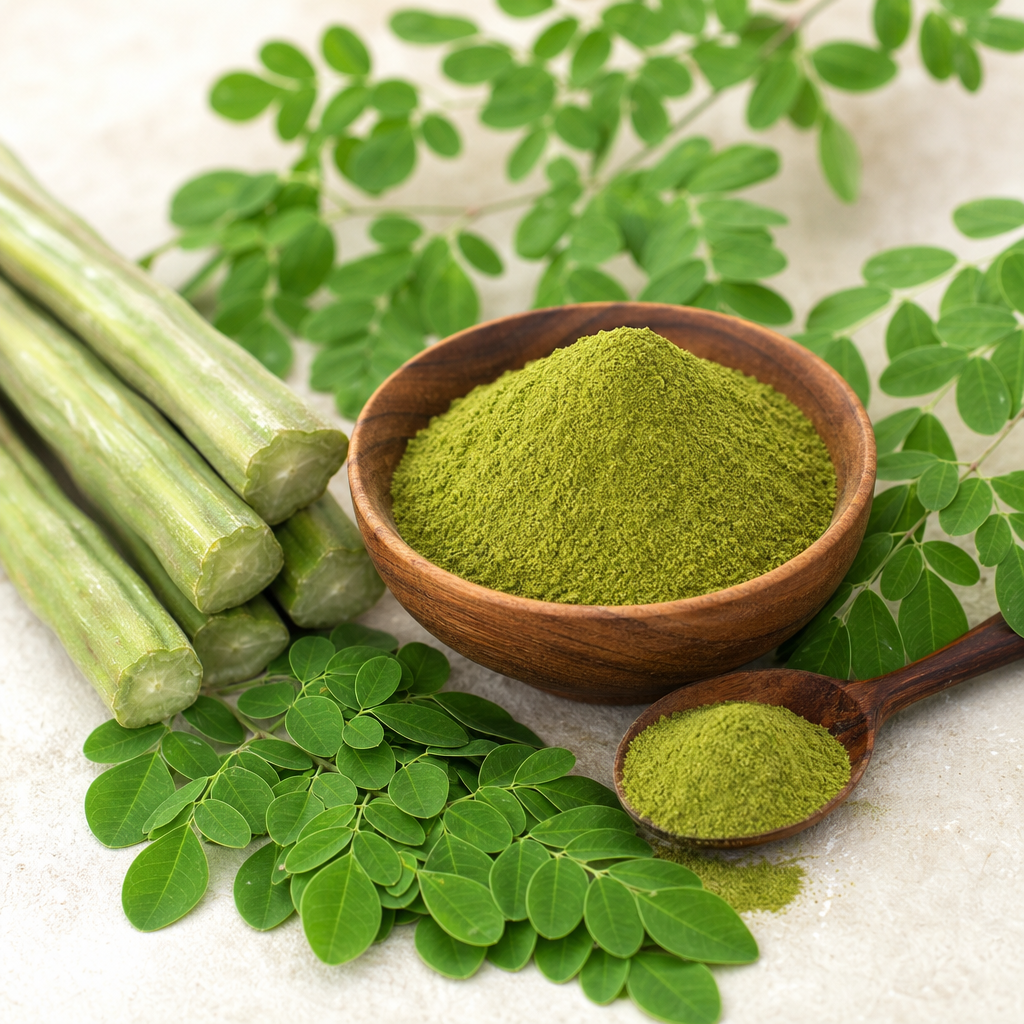
Moringa (Moringa oleifera) is a fast-growing tree native to South Asia, now cultivated across Africa, Latin America, and tropical regions worldwide. Often called the “drumstick tree” for its long, edible pods, moringa has been used in traditional cuisines and folk practices for centuries. The leaves, tender pods, and seeds are eaten as foods in many cultures, and the pressed seed oil (“ben oil”) is used in cooking and cosmetics. In modern wellness, moringa leaves are commonly dried and milled into powders or standardized extracts sold as dietary supplements.
Moringa is best described as an herb and food-derived botanical ingredient, not an essential nutrient like a vitamin or mineral. It is rich in naturally occurring nutrients—such as vitamin C, provitamin A carotenoids, vitamin K, folate, calcium, potassium, and plant proteins—as well as phytochemicals like quercetin and chlorogenic acid. While these components can contribute to overall dietary quality and specific health goals, the body does not technically require moringa itself. Instead, moringa can be a convenient, concentrated way to add leafy-green nutrition and polyphenols to a diet, especially where fresh produce is limited.
Research on moringa spans nutrition, metabolic health, and traditional uses. Human evidence is growing but still varies in quality and consistency depending on the outcome measured. As with most botanicals, effects can differ by plant part, dose, preparation, and individual factors such as overall diet, medications, and health status.
Benefits of Moringa
-
Nutrient-density to support general diet quality
(Strong evidence)
Moringa leaves provide a concentrated source of vitamins (notably vitamin C, provitamin A carotenoids, and vitamin K), minerals (such as calcium, potassium, and iron), and plant protein. Multiple compositional analyses consistently demonstrate high micronutrient density. Using moringa leaf as food or a supplemental powder can help fill gaps for people with limited access to leafy greens or those seeking to increase their intake of polyphenols and plant proteins.
-
Post-meal blood sugar support
(Mixed evidence)
Several small human trials suggest moringa leaf powder or capsules taken with a carbohydrate-containing meal may modestly reduce postprandial glucose spikes, potentially via fiber, polyphenols, and slowed gastric emptying. However, results are inconsistent across studies, doses, and preparations, and effects are generally modest. Moringa should not replace medical treatment for diabetes; if used, it should complement diet and exercise and be coordinated with a healthcare professional due to possible additive effects with glucose-lowering medications.
-
Cholesterol and triglyceride support
(Moderate evidence)
Preliminary human trials and small meta-analyses report modest reductions in LDL cholesterol and triglycerides with moringa leaf supplementation, particularly in individuals with dyslipidemia or metabolic risk. The magnitude of change tends to be small to moderate and may depend on dose, duration, and background diet. Moringa is best viewed as an adjunct to a heart-healthy eating pattern, physical activity, and medical care when needed.
-
Support for antioxidant defenses
(Preliminary evidence)
Moringa leaves are rich in polyphenols (e.g., quercetin, chlorogenic acid) that can increase antioxidant capacity in vitro and in animal models. Early human studies show potential improvements in markers of oxidative stress, but sample sizes are small and not all markers improve. Benefits, if present, likely depend on consistent intake alongside an overall antioxidant-rich diet.
-
Micronutrient support for at-risk groups
(Moderate evidence)
In food-fortification and community nutrition programs, adding moringa leaf powder to meals has improved certain micronutrient intakes and, in some studies, hemoglobin status among malnourished populations. Outcomes vary by baseline diet, dose, and program design. For individuals with limited access to produce, moringa can be a practical way to raise intake of vitamins and minerals, though it should complement, not replace, diverse foods.
-
Breast milk supply (traditional galactagogue use)
(Mixed evidence)
Moringa leaves are traditionally used to support lactation. Some small trials and observational reports suggest increased milk volume, while others show minimal or no effect. Evidence quality is mixed, and safety depends on plant part and dose. Pregnant or breastfeeding individuals should consult a qualified clinician before use and avoid root and bark parts due to safety concerns.
-
Blood pressure support
(Limited evidence)
Animal and preliminary human data suggest possible mild blood pressure–lowering effects, potentially related to nitric oxide pathways and potassium content. Human studies are limited and inconsistent. Moringa should not replace prescribed antihypertensive therapy, and individuals on blood pressure medications should monitor closely with a clinician if they choose to use it.
-
Antimicrobial and anti-inflammatory properties
(Preliminary evidence)
Extracts of moringa demonstrate antimicrobial activity and anti-inflammatory signaling in lab and animal studies. Translation to clinically meaningful outcomes in humans remains uncertain. Whole-leaf preparations likely have milder, food-like effects compared with concentrated extracts.
Types or Forms Available
-
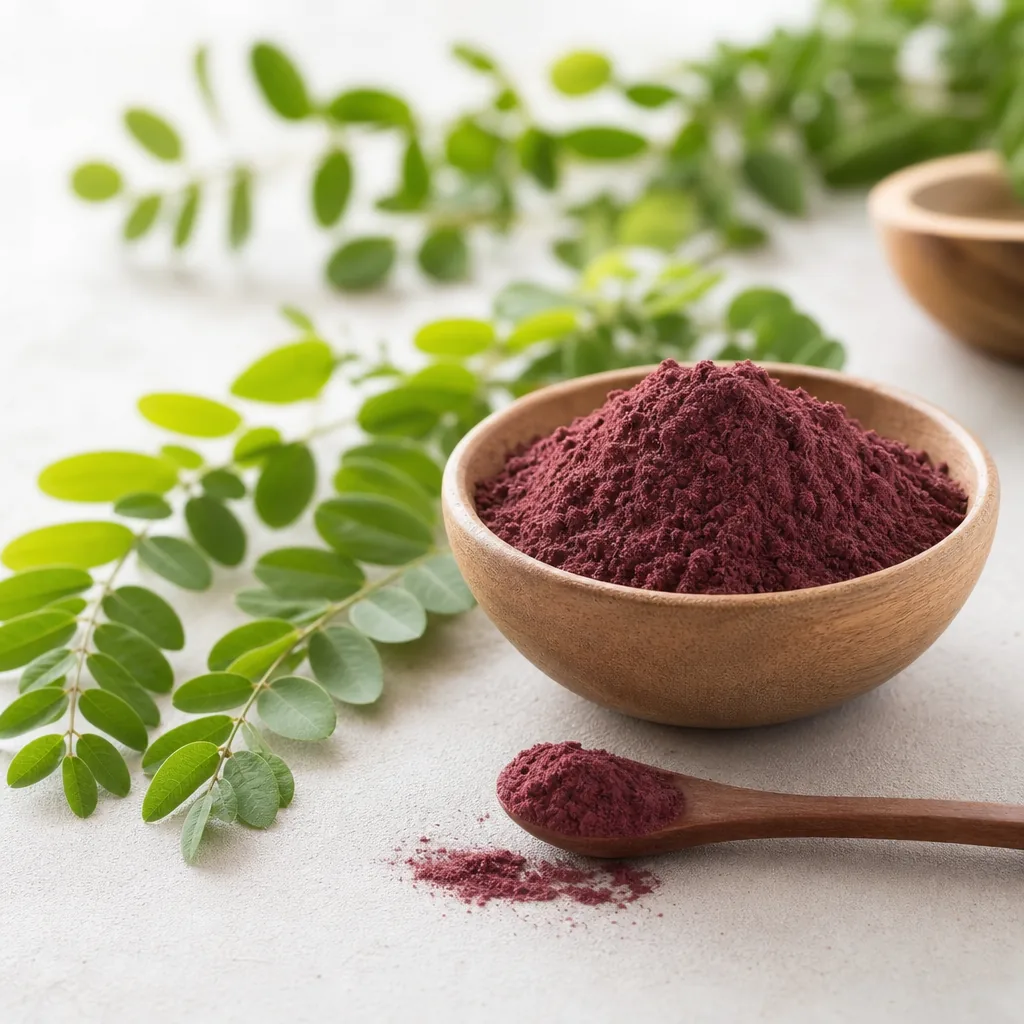
Dried leaf powder
: The most common form for food and supplements. Can be added to smoothies, sauces, or porridge. Nutrient content varies by growing conditions and drying methods. Look for products specifying origin and testing for contaminants.
-
Capsules or tablets (leaf powder or standardized extract)
: Provide convenient, measured doses. Some extracts specify a ratio (e.g., 10:1) or list marker compounds like total polyphenols. Standardized extracts may deliver more consistent potency but are not necessarily superior for general nutrition compared with high-quality leaf powder.
-
Tea or infusion (leaf)
: Offers a lower-dose, beverage-based option. Polyphenol content depends on steeping time and leaf quality. Typically milder effects than concentrated powders/capsules.
-
Edible pods (“drumsticks”)
: Consumed as a vegetable in many cuisines. Provide fiber and micronutrients as part of meals; rarely used as dietary supplements.
-
Seed oil (“ben oil”)
: Primarily a culinary and cosmetic oil with a high oleic acid content. Not typically used for the same purposes as leaf supplements. Quality and refinement vary.
-
Other parts (root, bark, flowers)
: Not recommended as supplements due to safety concerns. Compounds in root and bark may be toxic or have uterotonic properties; avoid internal use.
How to Use Moringa
Start with a food-first mindset: if fresh leaves or pods are part of your cuisine, incorporating them into meals is a practical approach. For supplements, begin with low doses to assess tolerance and adjust gradually based on your goals and how you feel.
-
Common dosage range:
For dried leaf powder as a food-like supplement, 2–8 g per day is common, often divided with meals. Many capsules contain 500–1,000 mg; typical use is 1–2 capsules once or twice daily (about 1–3 g total). For standardized extracts, follow the manufacturer’s directions; common ranges are roughly 300–600 mg once or twice daily depending on extract strength. Avoid high or “megadose” intakes.
-
Best timing:
Taking moringa with meals may improve tolerance and, when relevant, aligns with studies assessing post-meal glucose responses. Evening use may not be necessary unless it fits your routine.
-
How to take it:
Mix powder into smoothies, yogurt, soups, or sauces, or use capsules with water. The slightly earthy, green flavor can be masked by citrus or ginger. If iron support is a goal, pairing with vitamin C–rich foods can aid non-heme iron absorption.
-
Consistency:
For general nutrition, daily or near-daily use over weeks is more meaningful than sporadic intake. For specific goals (e.g., lipid or glucose parameters), allow several weeks of consistent use while monitoring lifestyle factors and working with a clinician if you have a medical condition.
Food Sources and Supplement Options
Moringa is both a traditional food and a supplement. Where the tree is cultivated, people commonly eat leaves and young pods as vegetables, and seeds are used to produce a culinary oil. In many other regions, moringa is more often consumed as a dried leaf powder or capsule.
-
Leaves:
Sautéed, steamed, or added to soups and stews; can be dried and milled into powder for fortifying porridge, smoothies, or baked goods.
-
Pods (“drumsticks”):
Cooked in curries, stews, and soups; provide fiber and mild flavor.
-
Seed oil (“ben oil”):
Used in cooking and dressings; not a substitute for leaf powder for micronutrient or polyphenol intake.
Supplements may be useful when fresh leaves or pods are unavailable, when a consistent, measurable dose is desired, or when someone aims to increase specific phytochemicals in a convenient way. Whole foods offer a broader matrix of nutrients and fiber, while supplements can provide targeted, consistent dosing—particularly valuable in settings where produce access is limited. Choose reputable brands that provide third-party testing for heavy metals, microbial contamination, and identity/authenticity of plant material.
Who May Benefit from Moringa?
-
People with limited access to fresh leafy greens who want a practical way to add vitamins, minerals, and plant protein to their diet.
-
Individuals aiming for modest support of cholesterol or triglycerides as part of a comprehensive lifestyle plan, under clinical guidance.
-
Those interested in gentle, food-like antioxidant support from polyphenols.
-
Vegetarians or vegans seeking additional non-heme iron and protein variety, recognizing that bioavailability varies.
-
Adults exploring post-meal glucose support alongside diet, exercise, and medical care, especially if advised by a clinician.
-
Communities or programs implementing food fortification to improve micronutrient intake.
Side Effects and Considerations
-
Gastrointestinal effects:
Some people experience nausea, stomach upset, gas, or loose stools, especially at higher doses or when starting. Begin low and take with food.
-
Blood sugar and blood pressure:
Moringa may have mild glucose- and blood pressure–lowering effects. If you take diabetes or antihypertensive medications, monitor levels closely with your healthcare professional to avoid additive effects.
-
Medication interactions:
Early laboratory data suggest moringa extracts may influence drug-metabolizing enzymes (e.g., CYP pathways) and platelet function. Use caution if you take medications with narrow therapeutic windows, anticoagulants/antiplatelets, or before surgery; inform your clinician.
-
Pregnancy and breastfeeding:
Culinary amounts of leaves are commonly consumed in some cultures, but concentrated supplements should be used cautiously. Avoid root, bark, and potentially flower preparations due to uterotonic/toxic constituents. Consult a qualified healthcare professional before use.
-
Liver and kidney considerations:
While food amounts are generally well tolerated, individuals with liver or kidney disease should use moringa cautiously and under medical supervision due to limited long-term safety data in these populations.
-
Allergies and sensitivities:
Rare allergic reactions are possible. Discontinue use if rash, itching, swelling, or breathing difficulties occur, and seek medical care.
-
Quality and contamination:
Botanical products can vary widely. Choose products with third-party testing for heavy metals, microbes, and adulterants. Verify plant part (leaf) and avoid products made from root or bark.
-
Appropriate dosing:
More is not better. High, prolonged doses increase the risk of side effects without clear added benefit. Follow label directions and professional guidance.
-
Children and older adults:
Limit use to food amounts unless a clinician recommends otherwise. Dose conservatively and monitor tolerance.
-
Surgery:
Because of potential effects on blood sugar and clotting, stop supplemental moringa at least 1–2 weeks before elective procedures, as advised by your surgeon.
-
General medical guidance:
If you are pregnant, breastfeeding, taking medications, or managing a medical condition, consult a healthcare professional before starting moringa supplements.
Common Myths About Moringa
-
Moringa cures virtually every disease.
While moringa is nutrient-dense and shows promise for certain markers like lipids and post-meal glucose, evidence does not support it as a cure for chronic diseases. Benefits are generally modest and work best alongside a balanced diet, physical activity, and appropriate medical care.
-
Moringa is guaranteed to increase breast milk supply.
Traditional use exists, and some small studies suggest potential benefits, but findings are mixed and not universally positive. Safety varies by plant part and dose. Decisions about lactation support should be individualized and guided by a healthcare professional or lactation consultant.
-
Moringa “detoxifies” the body and eliminates heavy metals.
The body’s primary detox systems are the liver, kidneys, lungs, skin, and gut. While moringa provides antioxidants that support overall health, claims of dramatic detoxification or heavy-metal removal are not supported by strong human evidence.
-
Moringa has more protein than meat and can replace it entirely.
Moringa leaves contain notable protein for a leafy green, but the total protein per typical serving is far lower than most meat portions. It can complement, not fully replace, other protein sources in a balanced diet unless carefully planned.
Conclusion
Moringa is a versatile botanical food that can contribute vitamins, minerals, plant protein, and polyphenols to your diet. Evidence supports its role in improving dietary quality, with preliminary to moderate research suggesting potential benefits for cholesterol, triglycerides, and post-meal glucose in some individuals. For most people, starting with food forms—leaves and pods where available—makes sense. Supplements can be helpful when fresh sources are scarce or when consistent, measurable intake is desired. Prioritize products that identify the leaf as the plant part, verify quality through third-party testing, and provide clear dosing information.
Use moringa thoughtfully: begin with low doses, take with meals, and monitor how you feel. Individuals who are pregnant or breastfeeding, taking medications (especially for blood sugar, blood pressure, or clotting), or managing medical conditions should consult a healthcare professional before using moringa supplements. When integrated into a balanced lifestyle and chosen from reputable sources, moringa can be a practical tool to help bolster nutrient intake and support select wellness goals without relying on exaggerated claims.