What is NMN?
Nicotinamide mononucleotide (NMN) is a nucleotide composed of nicotinamide (a form of vitamin B3) and ribose-phosphate. It is a direct precursor to nicotinamide adenine dinucleotide (NAD+), a crucial coenzyme involved in cellular energy production, redox reactions, DNA repair, and signaling pathways that regulate metabolism and circadian rhythms. Although the body can make NMN internally from vitamin B3 (via pathways using nicotinamide or nicotinamide riboside), NMN is also present in very small amounts in certain foods and is commonly sold as a dietary supplement in many countries.
NMN is best categorized as a compound and supplement, not as an essential nutrient. Unlike vitamins and minerals that must be consumed because the body cannot make them in sufficient quantities, NMN is not required in the diet. The body can synthesize NMN as part of normal NAD+ metabolism. Interest in NMN stems from research suggesting that NAD+ levels tend to decline with age and certain metabolic stresses, and that providing precursors like NMN may support healthy cellular function by helping sustain NAD+ availability.
Because NMN influences a central metabolic coenzyme, it is often discussed in the context of “healthy aging,” energy metabolism, and exercise performance. However, the degree to which these effects translate into meaningful clinical outcomes in diverse human populations is still being studied. Most robust human data to date show that NMN supplementation raises blood NAD+ or related biomarkers, while other outcomes are less consistent or are primarily supported by preliminary or animal research.
Benefits of NMN
-
Raises NAD+ levels in blood and cells
(Strong evidence)
NMN is a direct precursor of NAD+, and multiple randomized controlled trials in adults consistently show that NMN supplementation increases circulating NAD+ and related metabolites. Increases are typically observed within weeks and are dose-dependent within commonly studied ranges. While these biomarker changes are clear, the translation to specific long-term health outcomes requires more research.
-
Supports aspects of glucose metabolism and insulin sensitivity in select groups
(Moderate evidence)
Small human trials, particularly in individuals with overweight, prediabetes, or postmenopausal status, have reported improvements in muscle insulin sensitivity or glucose handling with daily NMN. However, not all studies show benefits, effects can be modest, and results may depend on age, baseline metabolic status, and dose. Current evidence suggests potential benefits for specific populations rather than broad effects for everyone.
-
May aid vascular/endothelial function
(Mixed evidence)
Because NAD+ supports endothelial nitric oxide production and mitochondrial function, NMN is hypothesized to help vascular health. Some early human studies and many animal models suggest potential improvements in endothelial function or exercise-related blood flow, but human outcomes are inconsistent, sample sizes are small, and methods vary. More rigorous trials are needed to confirm clinical relevance.
-
Exercise performance and fatigue resistance
(Limited evidence)
A few small human studies report improvements in ventilatory threshold, submaximal endurance measures, or perceived fatigue with NMN supplementation, likely via support of cellular energy pathways. Findings are not universal, and most data come from short-duration trials in recreationally active adults. Evidence remains limited, though mechanistic rationale is plausible.
-
Neuroprotection and cognitive support
(Preliminary evidence)
Preclinical research shows that boosting NAD+ may support neuronal resilience, mitochondrial function, and DNA repair. Early human data primarily reflect biomarker changes rather than clear cognitive outcomes. At present, claims around memory, attention, or neurodegeneration are speculative and should be considered preliminary.
-
Liver and metabolic organ health
(Preliminary evidence)
Animal studies suggest benefits for fatty liver and mitochondrial function in metabolic organs. Some small human studies report favorable shifts in certain enzyme or lipid markers, while others do not. Evidence is preliminary and should not be interpreted as treatment for any disease.
Types or Forms Available
-
Standard (beta) NMN powder or capsules:
The most common form uses the biologically relevant beta isomer. Products vary in purity (often stated as 95–99%+), particle size, and excipients. Capsules are convenient and protect powder from moisture; loose powder allows flexible dosing but requires careful storage.
-
Sublingual NMN:
Tablets or powders intended to dissolve under the tongue are marketed for faster absorption. While this route may bypass some first-pass metabolism, definitive human evidence for superior bioavailability relative to standard oral forms is limited.
-
Liposomal or enteric-coated NMN:
These formulations aim to protect NMN through the stomach or enhance uptake. Some companies provide data from in-house tests, but independent, head-to-head human trials are scarce, so claimed advantages remain unproven.
-
Combination formulas (e.g., NMN with resveratrol or quercetin):
Popular due to theoretical synergy with sirtuin pathways or cellular defenses. Human evidence demonstrating clear additive benefits versus NMN alone is limited.
-
“Stabilized” or “pharmaceutical-grade” NMN:
Marketing terms often indicate enhanced stability, rigorous manufacturing controls, or tighter impurity specifications. Independent third-party testing is recommended to verify claims.
Note: Regulatory status varies by country. In some markets, NMN’s status as a dietary supplement is uncertain or evolving, which can affect availability and quality oversight. Choose reputable brands that provide certificates of analysis, use appropriate packaging (opaque, moisture-protective), and disclose testing for identity, potency, and contaminants.
How to Use NMN
-
Common dosage range:
125–500 mg per day is typical in human studies, with 250–300 mg/day being common. Higher intakes have been explored short term in research, but routine megadoses are not recommended due to limited long-term safety data and unclear added benefit. Start at the lower end to assess tolerance.
-
Best timing:
Timing is flexible. Many users take NMN in the morning to align with natural circadian patterns of NAD+ metabolism, but evidence is not definitive. Splitting the dose (morning and early afternoon) is reasonable for those using higher daily amounts.
-
How to take it:
Standard capsules or powder can be taken with water, ideally with food if you experience stomach upset. For sublingual forms, allow the tablet or powder to dissolve under the tongue as directed. Maintain good hydration and store NMN in a cool, dry place.
-
Consistency:
Daily, consistent use is typically required to maintain higher NAD+ biomarkers. Benefits, if present, tend to wane after discontinuation.
Practical tip: Some people pair NMN with a balanced diet, regular exercise, sufficient sleep, and stress management—factors that independently support healthy NAD+ dynamics. Combining NMN with other supplements (e.g., resveratrol) is common but not clearly superior in human trials; avoid stacking multiple products at high doses.
Food Sources and Supplement Options
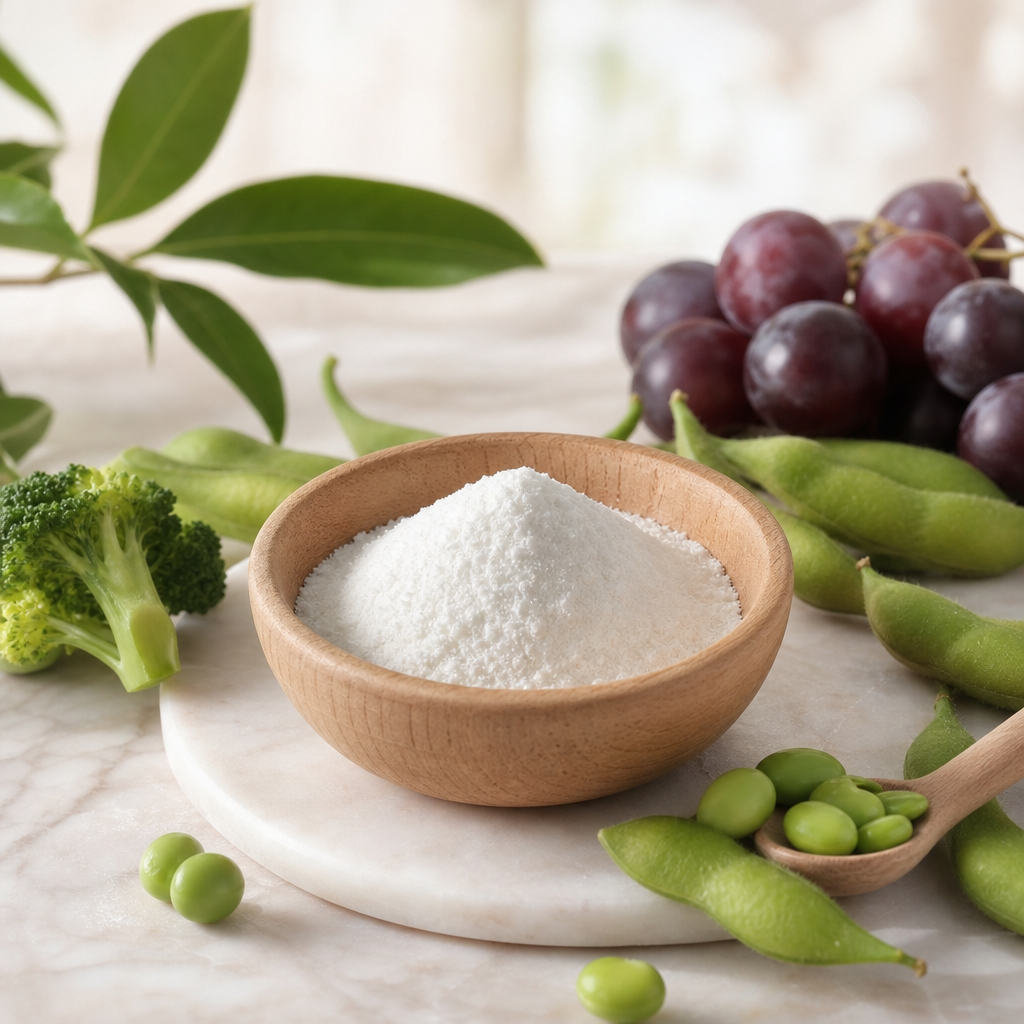
NMN occurs naturally in small amounts in a variety of foods, though typical dietary intake is far below supplement doses. Whole foods offer many complementary nutrients and should form the foundation of healthful eating. Supplements provide standardized, targeted amounts when a specific dose is desired.
-
Edamame and other fresh soybeans
-
Broccoli, cabbage, and other cruciferous vegetables
-
Cucumbers and avocados
-
Mushrooms
-
Small amounts in meats and seafood
Because food sources provide microgram to low milligram quantities at most, people seeking research-style intakes (e.g., 250–300 mg/day) typically consider supplements. If choosing a supplement, look for transparent labeling, third-party testing, and proper storage/packaging. Be aware that regulatory status and labeling requirements differ by region, which may influence product quality and claims.
Who May Benefit from NMN?
-
Adults interested in supporting healthy aging pathways and cellular energy, particularly those middle-aged or older, as NAD+ levels tend to decline with age.
-
Individuals with sedentary lifestyles or high metabolic stress who are already addressing fundamentals (nutrition, activity, sleep) and are seeking an adjunct approach.
-
People engaged in regular endurance or high-volume training who want to explore potential benefits for submaximal performance or recovery, understanding evidence is limited.
-
Adults with early metabolic concerns (e.g., insulin resistance or prediabetes) under healthcare supervision, where small trials suggest potential benefits for muscle insulin sensitivity.
-
Individuals who do not tolerate other NAD+ precursors and wish to trial an alternative, recognizing that responses vary and data are still emerging.
Side Effects and Considerations
-
Common side effects:
Generally well tolerated in short-term studies. Occasional reports include mild gastrointestinal upset, nausea, loose stools, flushing, headache, or dizziness. Taking with food and starting low may help.
-
Metabolic effects:
Because NMN can influence glucose metabolism, people using antidiabetic medications or with hypoglycemia risk should monitor glucose closely and consult a clinician before use.
-
Liver and kidney considerations:
NMN is metabolized through pathways involving the liver and kidneys. Those with hepatic or renal impairment should seek medical advice and avoid unsupervised use.
-
Cancer and chemotherapy:
NAD+ supports cellular repair and survival. Individuals with active cancers or those receiving therapies that target NAD+ metabolism (e.g., NAMPT inhibitors) should avoid NMN unless an oncology team approves, due to potential theoretical interference.
-
Methylation and homocysteine:
High-dose NAD+ precursors may affect methylation balance and, in some contexts, homocysteine levels. Evidence is limited and not specific to all NMN products, but those with methylation disorders or elevated homocysteine should exercise caution and consider medical monitoring.
-
Sleep and timing:
A minority of users report restlessness when taken late in the day. If sensitive, take NMN in the morning.
-
Pregnancy, breastfeeding, and children:
Safety data are insufficient. Avoid use unless a healthcare professional advises otherwise.
-
Allergies and sensitivities:
Check excipients (e.g., fillers, capsule materials). Discontinue if you experience rash, itching, or other allergic symptoms.
-
Surgery and medical procedures:
As with many supplements, discontinue 1–2 weeks before elective surgery unless your healthcare team advises otherwise.
-
Regulatory and quality issues:
In some regions, NMN’s status as a dietary ingredient is contested, which can lead to variability in product quality and labeling. Choose brands with rigorous third-party testing for identity, potency, heavy metals, and microbial contaminants.
-
Medication interactions:
Data are limited. If you take prescription drugs, especially for diabetes, cardiovascular disease, or cancer, consult your healthcare professional before starting NMN.
Anyone who is pregnant, breastfeeding, taking medications, or managing a medical condition should consult a healthcare professional before using NMN or any supplement.
Common Myths About NMN
-
NMN is proven to extend human lifespan.
No human trials have demonstrated lifespan extension from NMN. While animal studies show intriguing results and human studies confirm NAD+ biomarker changes, hard outcomes like longevity or disease prevention in humans remain unproven.
-
NMN and NR are the same thing.
NMN (nicotinamide mononucleotide) and NR (nicotinamide riboside) are distinct NAD+ precursors with different molecular structures and transport pathways. Both can raise NAD+ levels, but they are not interchangeable, and responses may vary between individuals.
-
Sublingual NMN is unquestionably superior to capsules.
Sublingual products may offer an absorption advantage in theory, but independent human data directly comparing routes are limited. High-quality standard oral NMN has been shown to raise NAD+ biomarkers as well.
-
More NMN is always better.
Doses above typical study ranges have not been shown to produce proportionally greater benefits and may raise the risk of side effects or unwanted metabolic shifts. Using the lowest effective dose is prudent.
-
NMN can replace good nutrition, exercise, and sleep.
Lifestyle factors powerfully influence NAD+ biology and overall health. NMN, if used, should complement—not replace—core health behaviors.
Conclusion
NMN is a nonessential compound that serves as a direct precursor to NAD+, a coenzyme central to energy metabolism and cellular maintenance. Human studies consistently show that NMN raises NAD+ biomarkers, with emerging—though not definitive—evidence for benefits in insulin sensitivity, vascular function, and exercise-related outcomes. NMN is not a cure or guaranteed anti-aging solution, and measurable clinical benefits likely depend on individual factors and should be considered adjunctive to foundational health habits.
If you choose to supplement, prioritize a reputable product with third-party testing, appropriate storage, and transparent labeling. Typical daily amounts range from 125–500 mg, often taken in the morning, and should be paired with a balanced diet, regular physical activity, and adequate sleep. People who are pregnant or breastfeeding, children, and those with medical conditions—or who use medications, especially for glucose control or cancer—should consult a healthcare professional first. For many, a food-first approach remains wise, with supplements considered for targeted goals where potential benefits outweigh uncertainties and safety is thoughtfully managed.