What is Oregano oil?
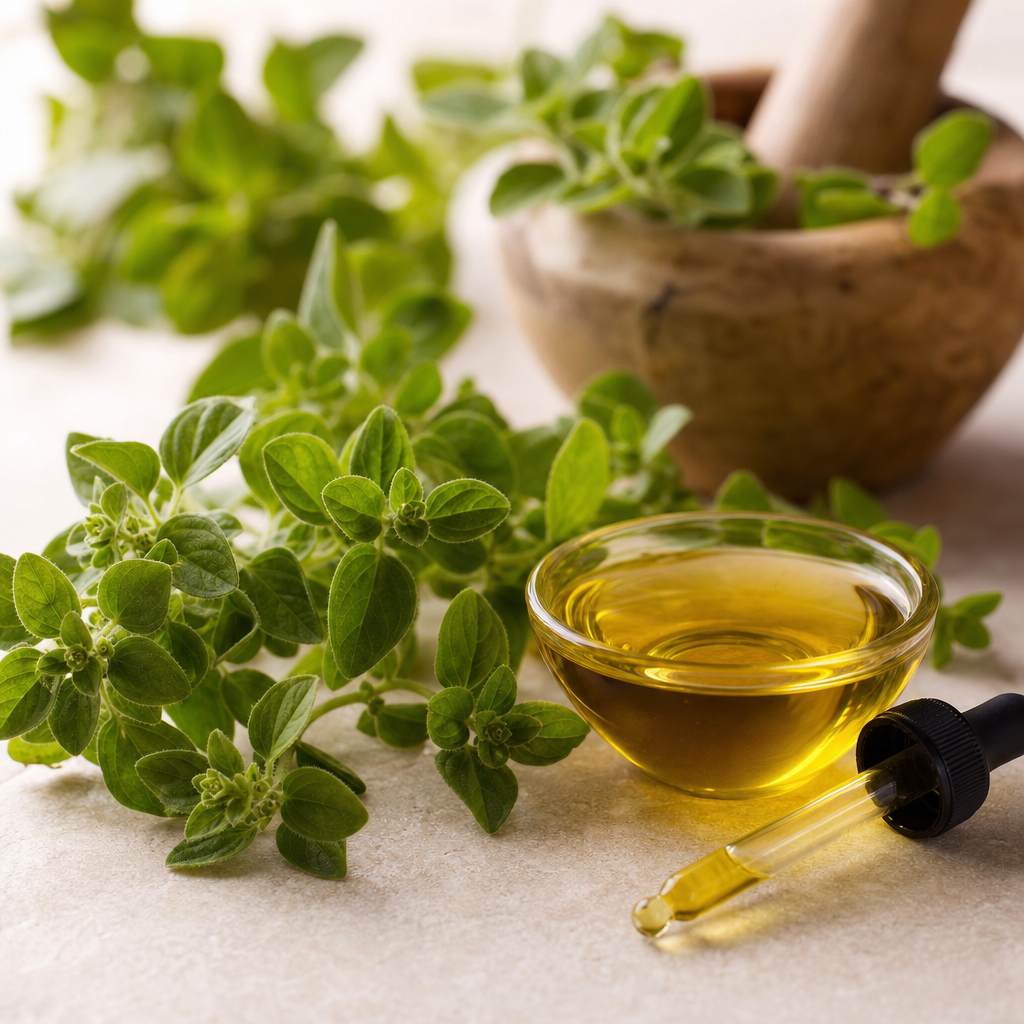
Oregano oil is a concentrated essential oil distilled from the leaves of the oregano plant, most commonly Origanum vulgare or closely related species in the mint family (Lamiaceae). It is rich in volatile compounds—especially the phenolic monoterpenes carvacrol and thymol—that give oregano its characteristic aroma and many of its studied biological activities. Oregano essential oil is not the same as the culinary herb itself; it represents a highly concentrated extract of the plant’s oil-soluble constituents.
Unlike vitamins and minerals, oregano oil is not an essential nutrient. The body does not require it for basic physiological function, and there is no established daily requirement. Instead, oregano oil is used as a botanical supplement or topical ingredient. It has been explored for antimicrobial, antioxidant, and anti-inflammatory properties in laboratory and early clinical research. It can be taken in softgels/capsules, diluted liquid drops, or used topically when properly diluted. Because essential oils are potent and can irritate skin or mucous membranes, product quality and appropriate use are critical.
It is also helpful to distinguish between “100% oregano essential oil” and consumer products labeled “oil of oregano,” which are typically oregano essential oil diluted in a carrier oil (such as olive oil) to make it safer to handle and dose. Some supplements standardize carvacrol content to provide consistent potency, while others blend oregano with additional herbs intended for respiratory or digestive comfort.
Benefits of Oregano oil
-
Broad antimicrobial activity (bacteria and fungi)
(Limited evidence)
Oregano essential oil and its main constituents, carvacrol and thymol, inhibit the growth of various bacteria and fungi in laboratory studies. Small human studies and case reports suggest possible benefits for certain superficial fungal concerns when used topically after proper dilution. However, high-quality, placebo-controlled human trials for specific infections are limited, and oregano oil should not be used as a substitute for prescribed treatments for serious infections.
-
Upper respiratory comfort (soothing throat and congestion)
(Mixed evidence)
Some people use oregano oil as part of multi-herb sprays, lozenges, or steam inhalation to temporarily ease throat or nasal discomfort. While certain formulations report subjective improvements, many combine oregano with other botanicals, making it difficult to isolate oregano oil’s unique contribution. Evidence from controlled human studies is inconsistent, and benefits may be modest and symptom-focused rather than disease-modifying.
-
Gastrointestinal support and microbial balance
(Limited evidence)
Small exploratory studies suggest oregano oil may help with certain gut microbes or parasites, and some practitioners use it short-term for digestive complaints. Most data come from in vitro research or small, uncontrolled human trials, and some protocols include combinations with other herbs. People with ongoing gastrointestinal symptoms should seek medical evaluation rather than self-treating with essential oils.
-
Topical antifungal support (feet, nails, and skin)
(Limited evidence)
Oregano oil demonstrates activity against dermatophytes and Candida species in lab settings, and diluted topical use is a common traditional practice for athlete’s foot or nail concerns. A few small reports and user experiences are encouraging, but robust clinical trials are scarce. Proper dilution (often 0.5–2% in a carrier oil) and patch testing are essential to minimize irritation.
-
Antioxidant and anti-inflammatory potential
(Preliminary evidence)
In cellular and animal studies, carvacrol and thymol can modulate inflammatory signaling and scavenge free radicals. These findings suggest potential for broader health effects, but translation to meaningful outcomes in humans remains preliminary. More research is needed to define clinically relevant benefits, doses, and durations.
-
Oral health and biofilm effects
(Preliminary evidence)
Oregano oil shows in vitro effects on dental biofilms and oral microbes. Some mouthwashes or oral sprays include oregano alongside other essential oils, with small studies indicating reduced plaque or bacterial counts. Because formulations are mixed and standardized dosing varies, definitive conclusions specific to oregano oil alone are not yet established.
Types or Forms Available
-
100% oregano essential oil (steam-distilled):
A highly concentrated essential oil intended for aromatherapy or very carefully diluted topical use. It is potent and can irritate skin or mucous membranes if applied “neat.” Not all essential oils are labeled for internal use; follow label directions strictly.
-
“Oil of oregano” in carrier oil:
Oregano essential oil diluted in a carrier (such as olive oil) for safer handling. Typically labeled for oral use with drop-count dosing or for topical dilution. Look for products that state the species and percentage of carvacrol.
-
Softgels/capsules (standardized):
Provide measured amounts of oregano oil, often standardized to a carvacrol range (e.g., 55–80%) for consistency. Many users find capsules easier on the stomach compared with undiluted liquids.
-
Enteric-coated softgels:
Designed to pass through the stomach and dissolve in the intestine, potentially improving tolerability and targeting delivery to the gut.
-
Emulsified or water-dispersible drops:
Oregano oil formulated with emulsifiers to disperse better in liquids. Still concentrated, so dosing must be conservative and follow label guidance.
-
Topical creams/balms and blends:
Pre-diluted formulations for skin or foot care. Quality varies; check for actual oregano essential oil content and appropriate dilution.
-
Oregano leaf extracts (non-oil):
Some supplements use alcohol or water extracts of the leaf rather than the essential oil. These differ in chemistry and potency and are not interchangeable with essential oil products.
How to Use Oregano oil
Because oregano essential oil is highly concentrated, less is more. Always follow the product label, start conservatively, and consider professional guidance—especially for internal use.
-
Common dosage range:
For standardized softgels, many products provide 50–200 mg of oregano oil per serving and suggest 1–2 servings daily with meals for short-term use. For diluted liquid products labeled for ingestion, typical directions are about 1–4 drops per dose, up to 1–3 times daily, taken with food and ample liquid. For topical applications, dilute the essential oil to about 0.5–2% in a carrier oil (e.g., 1–6 drops per tablespoon of carrier) and patch test first. Long-term daily use is not generally recommended due to limited safety data.
-
Best timing:
With meals to reduce the risk of stomach upset or heartburn. Timing is less critical than total daily amount and tolerability.
-
How to take it:
Prefer capsules or enteric-coated softgels for internal use. If using liquid “oil of oregano,” ensure it is labeled for ingestion and dilute as directed; avoid placing undiluted essential oil directly on the tongue or skin. For topical use, always dilute in a carrier oil and avoid sensitive areas.
-
Consistency:
Oregano oil is typically used in short courses for targeted goals (for example, several days to a few weeks), with breaks in between. Continuous long-term use has not been well studied. If symptoms persist or worsen, seek medical care.
Food Sources and Supplement Options
Oregano oil is derived from the oregano plant, but the concentrated essential oil is not naturally present in meaningful amounts in typical foods. Culinary oregano (fresh or dried) provides a wide array of polyphenols and aroma compounds at far lower concentrations than the essential oil and can be part of a flavorful, healthful diet.
-
Natural source:
Leaves and flowering tops of Origanum vulgare (and related species) are steam-distilled to produce the essential oil.
-
Culinary forms of oregano (not the oil):
Fresh oregano, dried oregano, and oregano tea provide milder exposure to some of the same compounds along with additional plant polyphenols and fiber.
Supplements make sense when targeted, higher or standardized amounts are desired that cannot be achieved through normal culinary use, such as short-term support for throat comfort or topical antifungal care. Whole-food herbs and spices, however, offer broader nutritional value and are usually the first-line, food-first approach for everyday wellness. When choosing supplements, prioritize products that clearly list species, standardization (e.g., carvacrol percentage), and third-party quality testing.
Who May Benefit from Oregano oil?
-
Adults seeking short-term, symptom-focused support for throat or nasal comfort during seasonal challenges.
-
Individuals looking for a topical, plant-based option to complement standard foot or nail hygiene routines.
-
Travelers or those with occasional digestive discomfort who, with professional guidance, want a short trial of a botanical approach.
-
People who prefer botanical mouthwashes or sprays and want to experiment with formulations that include oregano oil.
-
Those who cook regularly with herbs and are curious about a more concentrated, standardized form for targeted, brief use.
-
Athletes or gym-goers managing environments where superficial fungal exposure is common, as part of a broader foot and skin care regimen.
Side Effects and Considerations
-
Gastrointestinal irritation:
Oregano oil can cause heartburn, nausea, stomach cramps, or a burning sensation—especially if taken undiluted or on an empty stomach. Take with food and start with low doses.
-
Skin sensitivity:
Undiluted essential oil can irritate or burn the skin. Always dilute (often 0.5–2% in a carrier oil) and patch test. Avoid eyes, mucous membranes, and broken skin.
-
Allergy and cross-reactivity:
People allergic to plants in the mint family (Lamiaceae, e.g., basil, thyme) may react to oregano. Discontinue use if rash, hives, or breathing difficulty occurs, and seek medical help.
-
Medication interactions:
Laboratory and animal data suggest oregano constituents may influence drug-metabolizing enzymes or platelet function. Use caution if you take blood thinners, antidiabetic agents, or medications with a narrow therapeutic window. Consult a healthcare professional before use.
-
Pregnancy and breastfeeding:
Safety data are insufficient, and essential oils can be potent. Avoid internal use and be very cautious with topical use unless a qualified clinician advises otherwise.
-
Children and infants:
Essential oils can be too strong for young children; internal use is generally not recommended. Keep out of reach and avoid topical application near the face in infants and toddlers.
-
Liver and kidney considerations:
High doses or prolonged use of essential oils may stress detoxification pathways. People with liver or kidney conditions should avoid use unless medically supervised.
-
Pre-surgery:
Discontinue oregano oil at least 1–2 weeks before surgery due to possible effects on bleeding or drug metabolism.
-
Microbiome effects:
As a potent antimicrobial, oregano oil may influence beneficial gut bacteria. Reserve for short-term, targeted use rather than routine daily intake.
-
Quality and adulteration risks:
Essential oils are vulnerable to adulteration. Choose reputable brands that specify plant species, chemotype, carvacrol content, and third-party testing for purity and contaminants.
Common Myths About Oregano oil
-
“Oregano oil can replace antibiotics for infections.”
While oregano oil shows antimicrobial effects in lab studies, clinical evidence in humans is limited and condition-specific. Serious infections require medical evaluation and evidence-based treatment; oregano oil should not be used as a substitute for prescribed care.
-
“It’s natural, so you can take it every day indefinitely.”
Essential oils are highly concentrated and can irritate the gut or skin and potentially affect the microbiome with long-term use. Most applications are short-term; ongoing daily use is not well studied and is not generally recommended.
-
“All oregano oils are the same.”
Potency varies by plant species, growing conditions, and manufacturing methods. Products can differ significantly in carvacrol content and purity. Some are essential oils; others are diluted oils or non-oil extracts. Quality and standardization matter.
-
“If you can cook with oregano, ingesting the essential oil is automatically safe.”
Culinary use involves far lower concentrations than essential oil supplements. The essential oil is potent and can be irritating or harmful if misused. Only use products labeled for ingestion and follow conservative dosing.
Conclusion
Oregano oil is a concentrated botanical extract with promising antimicrobial and antioxidant properties, supported mainly by laboratory research and small or mixed clinical studies. It may be useful for short-term, targeted goals—such as soothing seasonal throat discomfort, complementing topical foot care, or experimental digestive support under guidance. Because potency, purity, and dosing vary widely, choose well-characterized products and start conservatively.
Oregano oil is not an essential nutrient, and it is not a cure-all. People who are pregnant, breastfeeding, taking medications, or managing a medical condition should consult a qualified healthcare professional before use. A food-first approach—regularly using culinary herbs and a balanced diet—remains the foundation of wellness. When supplements are appropriate, prioritize quality, appropriate dilution or formulation, and short-term, purposeful use.